



Disclosure
Steam store logo and game puzzle images made with ai tools
- Creator
- Valkeala Software
- Reviews
- -
- Added
- Oct 12, 2026
Public Steam disclosure research 25,376 disclosures tracked
Search developers’ Steam disclosures, compare classified AI use across games, and follow recorded changes. This index adds cross-game classifications and statistics to statements published on individual store pages.
Code help, debugging and other development work.
Capsule art, trailers and promotional material.
Pre-made art, audio, writing and other game assets.
Interactive or runtime AI features disclosed by the developer.
Groups reflect automatic analysis of public disclosures; mature records are excluded. These counts do not measure AI use across all of Steam. Missing or unclear statements cannot establish whether a game uses AI.
Steam store logo and game puzzle images made with ai tools
AI Generated Content Disclosure The developers of LIGHT IT provide the following disclosure regarding the use of AI tools in the creation of this game. All AI-assisted content is pre-generated; the game does not generate any AI content live during gameplay. Music: The in-game music was produced using Suno, an AI music-generation tool. Art: Some visual assets were created with the assistance of AI image-generation tools. Code: AI assistants were used to help brainstorm implementation ideas and to assist with debugging. All AI-assisted content and code was reviewed, tested, and refined by the developer before being included in the final game.
AI tools were used during development to assist with writing and translating French and English text, creating branding artwork (including the logo, icon and splash screen), and producing some music. Promotional artwork and the voice-over in our gameplay overview videos also use AI-generated content. These assets were prepared in advance and integrated by the developers. The game does not generate AI content during gameplay.
Pre-generated content: Parts of the game were made with generative AI tools and then selected, edited and integrated by the developer: the soundtrack (made with Suno), interface icons and stickers, the painted world illustrations on the level cards and act screens, sound effects and the spoken sheep lines. Some in-game and store texts, including the English translation, were drafted with an AI assistant and edited by the developer. All 3D models, animations and levels are made by the developer's own tools. The game does not generate content with AI while it runs.
Artwork: cards, lobby illustrations and achievement icons were pregenerated with AI image tools and rewritten by hand. The visual style was reviewed and rewritten artist. Text: The German and Italian localizations were made with AI translation.
Art and sound within the game and trailer were created with the help of AI tools. In-game text was edited with AI assistance. All puzzles were hand-designed by the developer.
Generative AI was used for some background and crystal artwork, and assisted with interface and store text localization. These assets are prepared before release. The game does not generate content or connect to AI services during play.
Generative AI tools assisted with pre-generated game content, including text and localization, and with store artwork and marketing text. The game uses prepared content. It does not generate content with AI during gameplay or connect to external AI services.
Some in-game and store text (tutorials, interface and the store description) was drafted with AI assistance and edited by the developer.
Generative AI tools are used during the development of MASSVEIL to assist with the creation and refinement of certain pre-generated materials, including selected visual elements, sound effects, voice lines, and text content. All AI-assisted content is reviewed and, where necessary, edited by the developer before being included in the game. Generative AI is not used to create new content during gameplay, and the game does not connect to third-party AI services while running.
The images in this game (in-game assets and store artwork) were created with image-generation AI, then selected and edited by a human. The original draft of the scenario and dialogue was written with Google Gemini, and the implementation and dialogue revisions were done with Claude Code (Anthropic). All of it was supervised and tested by a human. No content is generated by AI while the game is running.
All game artwork is designed by hand and refined by our art team. AI-assisted tools in Adobe Photoshop, including generative completion, were used to support adjustments to approximately 5% of the game’s artwork. All AI-assisted elements were reviewed and adjusted by the art team to ensure consistency with the game’s artistic direction.
Signarchy was developed with the help of an AI coding assistant (Anthropic's Claude). It was used to write program code and to draft in-game text such as level descriptions, tutorial lines and translations. All of it was directed, reviewed, tested and edited by the developer. The game itself contains no generative AI. Nothing is generated while you play: the traffic simulation is deterministic and runs entirely on your computer, without any connection to AI services. The 3D models are built procedurally from our own scripts, and road sign artwork follows official national standards.
Se han utilizado herramientas de inteligencia artificial generativa durante el desarrollo para ayudar en la creación y adaptación de algunos recursos del juego, como modelos 3D, imágenes, audio y otros elementos gráficos. Todo el contenido generado con IA ha sido revisado y preparado previamente antes de incluirse en el juego. El juego no genera contenido mediante IA en tiempo real ni se conecta a servicios externos de IA durante la partida.
During development, generative AI was used to create some graphical assets and assist with translation from Japanese into other languages. This includes content used in the game, on the store page, and in promotional materials. The gaem does not use generative AI to generate content during gameplay.
Character art, portraits, monsters, backgrounds, item and skill icons, and story illustrations were created with AI image-generation tools, then selected, reviewed and laid out in the game by the developers. The background music was created with an AI music-generation tool (Suno). The code and text were written with AI assistance and reviewed by the developers. The game does not generate any AI content while it runs.
Some text in the game and on the store page, including translations, was written with the help of AI tools.
Generative AI tools were used to assist with the creation of some pre-generated marketing text and promotional content for the game. The game does not use live-generated AI during gameplay.
Generative AI tools were used during development to assist with certain pre-generated content, including localization and selected visual assets. All AI-assisted content was reviewed and edited by the developer before being included in the game. The game does not use generative AI during gameplay and does not connect to external AI services.
Generative AI tools were used during development to assist with some UI artwork. The game does not generate new content using generative AI during gameplay.
Description is assisted by AI (temporary)
Generative AI tools were used to assist in creating graphic design assets and store promotional media.
Some visual assets and promotional materials for this game were created with the assistance of generative AI and were reviewed, edited, and integrated by the developer. The game does not use live AI generation during gameplay.
Some visual assets and promotional materials for this game were created with the assistance of generative AI and were reviewed, edited, and integrated by the developer. The game does not use live AI generation during gameplay.
Generative AI was used to create and edit pre-generated in-game backgrounds, character illustrations, CG artwork, icons, and UI artwork, as well as Steam store and library capsule images, the logo, and icons. Gameplay screenshots were captured directly from the game. The game does not generate AI content during play.
Generative AI assisted some game text and store descriptions. Promotional images and gameplay screenshots use actual game visuals. No live AI or external AI services. Offline.
The 32 illustrations, the soundtrack and the sound effects in A to Zen were created with generative AI tools from the developer's own prompts, then selected, checked and edited by hand. The in-game texts, the store translations and parts of the game code were also made with AI assistance and reviewed and tested by the developer. Game design, puzzle mechanics and the chapter concept are the developer's own work. Nothing is generated while you play, and the game does not connect to any AI service.
The game's text is partially translated into multiple languages with the help of AI. Feedback from native speakers is welcome.
Generative AI was used to assist with the creation of some visual and audio assets, localization, and store-page marketing materials. All AI-assisted content was reviewed and edited by the developer before use. The game does not use live generative AI during gameplay.
Hello! It’s a pleasure to greet you. I am the developer of Zero Colour. As you may notice, some aspects of the game include AI. I understand that some people may not like this or may find it bothersome, so I apologize for that. I am using this tool because I do not have the resources to hire professionals for the game’s art or translations. Please excuse any mistakes; I did my best. I hope you enjoy the game. If you have any corrections or suggestions, please feel free to let me know. Thank you very much!
Some of the artwork was created with AI assistance.
Some source code and internal editor tooling were written with the assistance of AI coding tools during development. All of it was reviewed, edited and tested by the developer. The game's story, dialogue, characters and design are human-written. Visual and audio assets come from licensed asset packs and human-made content. No content is generated by AI while the game is running.
Some of the icons and help text were generated.
AI was used to assist with text translation into Italian, Portuguese, Chinese, Japanese, Korean, Norwegian, Swedish and German. The translations are used in the store page and in-game. No other content in this game uses AI.
AI was used for translation, to check terminology consistency, and to translate Steam store descriptions.
Some game assets were made with AI generation tools during development and then edited by us: the talent icons, the digger crew sprites, the sound effects and the music. Store descriptions were drafted with AI assistance and reviewed by the developer. Nothing is generated by AI while you play.
Base matter does not use AI within the game itself. Some marketing materials and images on the store page have AI used as a general editing tool.
Some pre-generated visual assets were created with the help of AI image generation tools and then edited by the developer: UI elements (buttons, icons, bars), the game logo, and the campaign zone background art. Some store and community artwork may also use AI-assisted imagery. All gameplay, card art, sound effects and music are procedurally generated by the game's own code, not by AI. No content is generated by AI live during gameplay.
i used ai to help make this game
Pre-generated AI was used to assist with some pre-rendered cutscene artwork, in-game art, music, and selected store/library promotional images. All AI-assisted content was reviewed and edited by the developer. The game does not generate AI content during play.
Generative AI was used during development to create in-game text, including item descriptions, interface copy, narrative text and localization. The Steam trailer also includes pre-generated AI cinematic visuals and music. No content is generated by AI during gameplay.
AI assisted during rapid iteration developments for References, Connection Logic, and some Assets.
This game uses generative AI tools to help create some of the visual assets displayed in the game and on its store page, including select images and icons. All gameplay systems, mechanics, and code are designed and implemented by the development team. AI-generated visuals are reviewed and curated before being included in the final product.
Some background music in this game was created with the assistance of generative AI tools. The final selection, editing, and implementation of the music were handled by the developer.
1420MHz uses AI tools for translations from English to non-English languages.
Generative AI was used to create some decorative visual assets, including studio props, frames, backgrounds, and lamp artwork used in the game and store materials. No AI content is generated during gameplay.
I have used Claude Code to create the game itself code and assets.
i have used ai to help me make this game
Generative AI tools were used during development to assist with code, text and localization, audio, and some visual assets.
Part of the game were created with the help of generative AI tools, then reviewed, edited and assembled by the developer: • visual art — the ambient background images and the animated background loop • audio — background music and sound effects Generative AI is used only during development to produce these assets. The game does NOT use any AI at runtime — there is no live AI generation while you play. Puzzles and word lists are hand-curated, and level layouts are produced by our own deterministic algorithm (not AI).
| Title⇅ | Disclosure | Creator⇅ | Src | Reviews⇅ | Added↓ |
|---|---|---|---|---|---|
 Foodland Puzzle Store/marketing art | Steam store logo and game puzzle images made with ai tools | Valkeala Software | - | Oct 12, 2026 | |
 TRACE IT In-game content audioartcode | AI Generated Content Disclosure
The developers of LIGHT IT provide the following disclosure regarding the use of AI tools in the creation of this game. All AI-assisted content is pre-generated; the game does not generate any AI content live during gameplay.
Music: The in-game music was produced using Suno, an AI music-generation tool.
Art: Some visual assets were created with the assistance of AI image-generation tools.
Code: AI assistants were used to help brainstorm implementation ideas and to assist with debugging.
All AI-assisted content and code was reviewed, tested, and refined by the developer before being included in the final game. | HuntForge | - | Oct 12, 2026 | |
 FranticFarWest In-game content textartaudio | AI tools were used during development to assist with writing and translating French and English text, creating branding artwork (including the logo, icon and splash screen), and producing some music. Promotional artwork and the voice-over in our gameplay overview videos also use AI-generated content. These assets were prepared in advance and integrated by the developers. The game does not generate AI content during gameplay. | Topsie Studio | - | Oct 12, 2026 | |
 ASHEEPGAME In-game content audioarttext | Pre-generated content: Parts of the game were made with generative AI tools and then selected, edited and integrated by the developer: the soundtrack (made with Suno), interface icons and stickers, the painted world illustrations on the level cards and act screens, sound effects and the spoken sheep lines. Some in-game and store texts, including the English translation, were drafted with an AI assistant and edited by the developer. All 3D models, animations and levels are made by the developer's own tools. The game does not generate content with AI while it runs. | bakedbytes | - | Oct 12, 2026 | |
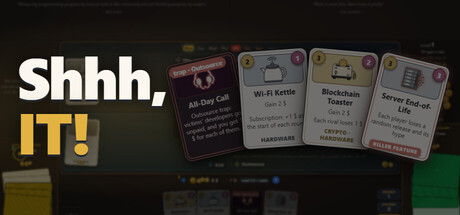 Shhh, IT! In-game content arttext | Artwork: cards, lobby illustrations and achievement icons were pregenerated with AI image tools and rewritten by hand. The visual style was reviewed and rewritten artist.
Text: The German and Italian localizations were made with AI translation. | dalerank | - | Oct 12, 2026 | |
 Arctic Station Six In-game content artaudiotext | Art and sound within the game and trailer were created with the help of AI tools. In-game text was edited with AI assistance. All puzzles were hand-designed by the developer. | Three Feet Games | - | Oct 12, 2026 | |
 一发收工 Crystal Ricochet In-game content arttext | Generative AI was used for some background and crystal artwork, and assisted with interface and store text localization. These assets are prepared before release. The game does not generate content or connect to AI services during play. | 龙鱼 | - | Oct 12, 2026 | |
 False Feed In-game content textart | Generative AI tools assisted with pre-generated game content, including text and localization, and with store artwork and marketing text. The game uses prepared content. It does not generate content with AI during gameplay or connect to external AI services. | Katarienumono, Inc. | - | Oct 12, 2026 | |
 STEADY STATE In-game content text | Some in-game and store text (tutorials, interface and the store description) was drafted with AI assistance and edited by the developer. | Remotech | - | Oct 12, 2026 | |
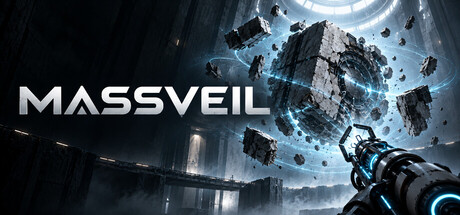 MassVeil In-game content artaudiotext | Generative AI tools are used during the development of MASSVEIL to assist with the creation and refinement of certain pre-generated materials, including selected visual elements, sound effects, voice lines, and text content.
All AI-assisted content is reviewed and, where necessary, edited by the developer before being included in the game.
Generative AI is not used to create new content during gameplay, and the game does not connect to third-party AI services while running. | Who you need | - | Oct 12, 2026 | |
 戦う情報システム部 In-game content arttextcode | The images in this game (in-game assets and store artwork) were created with image-generation AI, then selected and edited by a human. The original draft of the scenario and dialogue was written with Google Gemini, and the implementation and dialogue revisions were done with Claude Code (Anthropic). All of it was supervised and tested by a human. No content is generated by AI while the game is running. | CandyRock | - | Oct 12, 2026 | |
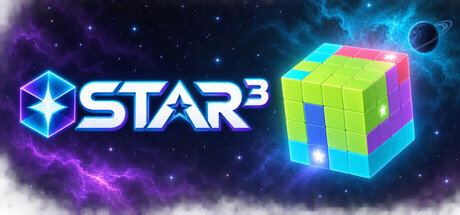 STAR³ In-game content art | All game artwork is designed by hand and refined by our art team. AI-assisted tools in Adobe Photoshop, including generative completion, were used to support adjustments to approximately 5% of the game’s artwork. All AI-assisted elements were reviewed and adjusted by the art team to ensure consistency with the game’s artistic direction. | Deathtrap Games | - | Oct 12, 2026 | |
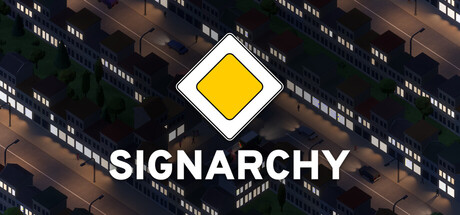 Signarchy In-game content text | Signarchy was developed with the help of an AI coding assistant (Anthropic's Claude). It was used to write program code and to draft in-game text such as level descriptions, tutorial lines and translations. All of it was directed, reviewed, tested and edited by the developer.
The game itself contains no generative AI. Nothing is generated while you play: the traffic simulation is deterministic and runs entirely on your computer, without any connection to AI services. The 3D models are built procedurally from our own scripts, and road sign artwork follows official national standards. | Reflective Realms Games | - | Oct 11, 2026 | |
 El Enigma del Colegio Cumbres In-game content artaudio | Se han utilizado herramientas de inteligencia artificial generativa durante el desarrollo para ayudar en la creación y adaptación de algunos recursos del juego, como modelos 3D, imágenes, audio y otros elementos gráficos. Todo el contenido generado con IA ha sido revisado y preparado previamente antes de incluirse en el juego. El juego no genera contenido mediante IA en tiempo real ni se conecta a servicios externos de IA durante la partida. | David Orizaola | - | Oct 10, 2026 | |
 Coloratis In-game content arttext | During development, generative AI was used to create some graphical assets and assist with translation from Japanese into other languages. This includes content used in the game, on the store page, and in promotional materials. The gaem does not use generative AI to generate content during gameplay. | Reo | - | Oct 10, 2026 | |
 Haunted Schoolbag In-game content artaudiotextcode | Character art, portraits, monsters, backgrounds, item and skill icons, and story illustrations were created with AI image-generation tools, then selected, reviewed and laid out in the game by the developers. The background music was created with an AI music-generation tool (Suno). The code and text were written with AI assistance and reviewed by the developers. The game does not generate any AI content while it runs. | 550 Atelier | - | Oct 10, 2026 | |
 Blackstart In-game content text | Some text in the game and on the store page, including translations, was written with the help of AI tools. | TessaroApps | - | Oct 10, 2026 | |
 Welcome home, Resident Store/marketing text | Generative AI tools were used to assist with the creation of some pre-generated marketing text and promotional content for the game. The game does not use live-generated AI during gameplay. | Dale McCarthy | - | Oct 10, 2026 | |
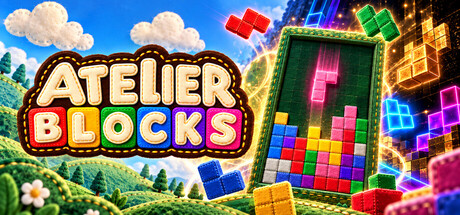 ATELIER BLOCKS In-game content arttext | Generative AI tools were used during development to assist with certain pre-generated content, including localization and selected visual assets. All AI-assisted content was reviewed and edited by the developer before being included in the game. The game does not use generative AI during gameplay and does not connect to external AI services. | Beyond 570 Studio | - | Oct 10, 2026 | |
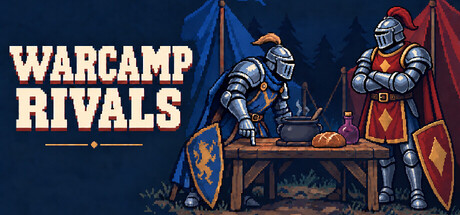 Warcamp Rivals In-game content art | Generative AI tools were used during development to assist with some UI artwork. The game does not generate new content using generative AI during gameplay. | Gergely Osbath | - | Oct 10, 2026 | |
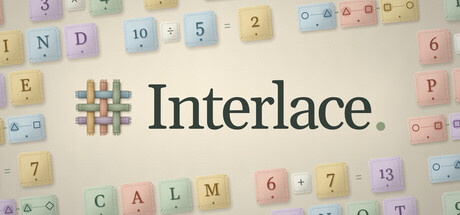 Interlace Unclear | Description is assisted by AI (temporary) | Flawed Games | - | Oct 10, 2026 | |
 Only Luck Store/marketing art | Generative AI tools were used to assist in creating graphic design assets and store promotional media. | DNN GAMES | - | Oct 10, 2026 | |
 123 Halloween Early Learning Games for Kids, Toddlers, Babies 1+ Store/marketing art | Some visual assets and promotional materials for this game were created with the assistance of generative AI and were reviewed, edited, and integrated by the developer. The game does not use live AI generation during gameplay. | McPeppergames | - | Oct 10, 2026 | |
 123 Early Learning Halloween Games for Kids, Toddlers, Babies Store/marketing art | Some visual assets and promotional materials for this game were created with the assistance of generative AI and were reviewed, edited, and integrated by the developer. The game does not use live AI generation during gameplay. | McPeppergames | - | Oct 10, 2026 | |
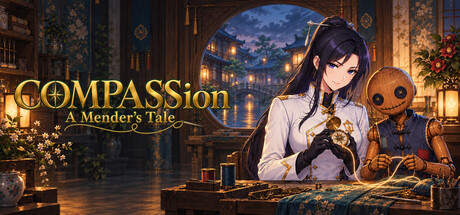 COMPASSion: A Mender’s Tale In-game content art | Generative AI was used to create and edit pre-generated in-game backgrounds, character illustrations, CG artwork, icons, and UI artwork, as well as Steam store and library capsule images, the logo, and icons. Gameplay screenshots were captured directly from the game. The game does not generate AI content during play. | COMPASSion: A Mender’s Tale Studio | - | Oct 9, 2026 | |
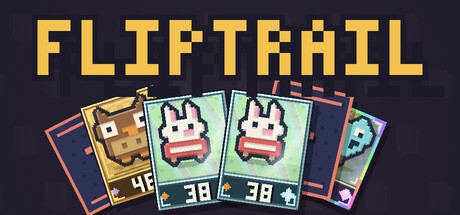 Fliptrail Store/marketing text | Generative AI assisted some game text and store descriptions. Promotional images and gameplay screenshots use actual game visuals. No live AI or external AI services. Offline. | 1114980610yuyu | - | Oct 9, 2026 | |
 A to Zen: Cozy Anime Puzzle In-game content artaudiocodetext | The 32 illustrations, the soundtrack and the sound effects in A to Zen were created with generative AI tools from the developer's own prompts, then selected, checked and edited by hand. The in-game texts, the store translations and parts of the game code were also made with AI assistance and reviewed and tested by the developer. Game design, puzzle mechanics and the chapter concept are the developer's own work. Nothing is generated while you play, and the game does not connect to any AI service. | Pross Digital Studio | - | Oct 9, 2026 | |
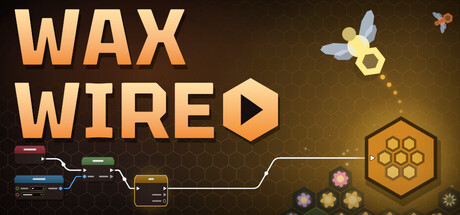 WaxWire: Program the Hive In-game content text | The game's text is partially translated into multiple languages with the help of AI.
Feedback from native speakers is welcome. | dyskomworks | - | Oct 9, 2026 | |
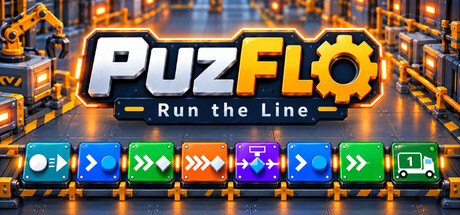 PUZFLO: Run the Line In-game content artaudiotext | Generative AI was used to assist with the creation of some visual and audio assets, localization, and store-page marketing materials. All AI-assisted content was reviewed and edited by the developer before use. The game does not use live generative AI during gameplay. | Hajime | - | Oct 9, 2026 | |
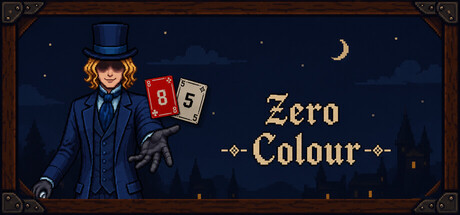 Zero Colour In-game content arttext | Hello! It’s a pleasure to greet you.
I am the developer of Zero Colour.
As you may notice, some aspects of the game include AI. I understand that some people may not like this or may find it bothersome, so I apologize for that.
I am using this tool because I do not have the resources to hire professionals for the game’s art or translations. Please excuse any mistakes; I did my best.
I hope you enjoy the game. If you have any corrections or suggestions, please feel free to let me know.
Thank you very much! | coffeeandcookies2k | - | Oct 9, 2026 | |
 Brain Party In-game content art | Some of the artwork was created with AI assistance. | QZ_Studio | - | Oct 9, 2026 | |
 Locard Dev only code | Some source code and internal editor tooling were written with the assistance of AI coding tools during development. All of it was reviewed, edited and tested by the developer. The game's story, dialogue, characters and design are human-written. Visual and audio assets come from licensed asset packs and human-made content. No content is generated by AI while the game is running. | JinjaGames | - | Oct 9, 2026 | |
 Subroutine: Deep Space In-game content arttext | Some of the icons and help text were generated. | The Bearded Dev | - | Oct 9, 2026 | |
 Attkand In-game content text | AI was used to assist with text translation into Italian, Portuguese, Chinese, Japanese, Korean, Norwegian, Swedish and German. The translations are used in the store page and in-game.
No other content in this game uses AI. | Starhand Games | - | Oct 9, 2026 | |
 Bore Bore In-game content text | AI was used for translation, to check terminology consistency, and to translate Steam store descriptions. | YMY Games | - | Oct 8, 2026 | |
 BOOMSWEEPER In-game content artaudiotext | Some game assets were made with AI generation tools during development and then edited by us: the talent icons, the digger crew sprites, the sound effects and the music. Store descriptions were drafted with AI assistance and reviewed by the developer. Nothing is generated by AI while you play. | Biggietronics | - | Oct 7, 2026 | |
 Base Matter Store/marketing art | Base matter does not use AI within the game itself.
Some marketing materials and images on the store page have AI used as a general editing tool. | Mistline Media | - | Oct 7, 2026 | |
 WebBound Solitaire In-game content art | Some pre-generated visual assets were created with the help of AI image generation tools and then edited by the developer: UI elements (buttons, icons, bars), the game logo, and the campaign zone background art. Some store and community artwork may also use AI-assisted imagery. All gameplay, card art, sound effects and music are procedurally generated by the game's own code, not by AI. No content is generated by AI live during gameplay. | ParALImedia | - | Oct 7, 2026 | |
 SinkTheFish Unclear | i used ai to help make this game | groundhogheist | - | Oct 7, 2026 | |
 Iris & Hue In-game content artaudio | Pre-generated AI was used to assist with some pre-rendered cutscene artwork, in-game art, music, and selected store/library promotional images. All AI-assisted content was reviewed and edited by the developer. The game does not generate AI content during play. | PupilBox Games | - | Oct 7, 2026 | |
 Mythaka In-game content textartaudio | Generative AI was used during development to create in-game text, including item descriptions, interface copy, narrative text and localization. The Steam trailer also includes pre-generated AI cinematic visuals and music. No content is generated by AI during gameplay. | Ampersand Game Studios | - | Oct 7, 2026 | |
 WICK: Wizards into Cards that Kill Unclear | AI assisted during rapid iteration developments for References, Connection Logic, and some Assets. | SpellLab Studio | - | Oct 7, 2026 | |
 Gift Stream: Sorting & Delivery Simulator In-game content art | This game uses generative AI tools to help create some of the visual assets displayed in the game and on its store page, including select images and icons. All gameplay systems, mechanics, and code are designed and implemented by the development team. AI-generated visuals are reviewed and curated before being included in the final product. | Prime Byte SRL | - | Oct 7, 2026 | |
 Nyantum Jump In-game content audio | Some background music in this game was created with the assistance of generative AI tools. The final selection, editing, and implementation of the music were handled by the developer. | Lunanod | - | Oct 7, 2026 | |
 1420MHz In-game content text | 1420MHz uses AI tools for translations from English to non-English languages. | Play With Your Mind | - | Oct 6, 2026 | |
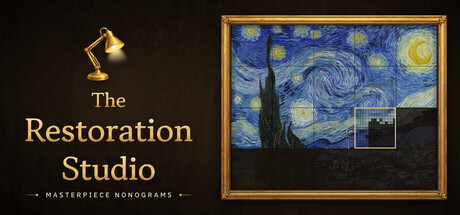 The Restoration Studio: Masterpiece Nonograms In-game content art | Generative AI was used to create some decorative visual assets, including studio props, frames, backgrounds, and lamp artwork used in the game and store materials. No AI content is generated during gameplay. | JJJI STUDIO | - | Oct 6, 2026 | |
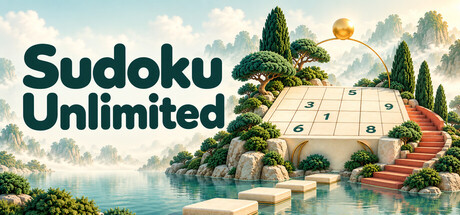 Sudoku Unlimited In-game content artcode | I have used Claude Code to create the game itself code and assets. | Pinch Games | - | Oct 6, 2026 | |
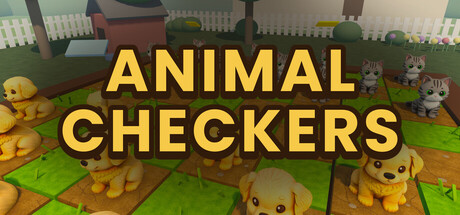 AnimalCheckers Unclear | i have used ai to help me make this game | groundhogheist | - | Oct 6, 2026 | |
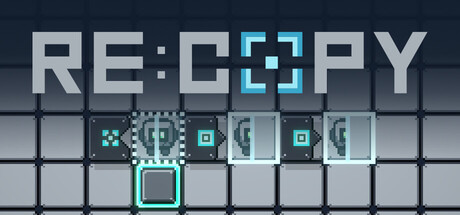 RE:COPY In-game content textaudioart | Generative AI tools were used during development to assist with code, text and localization, audio, and some visual assets. | masasgames | - | Oct 6, 2026 | |
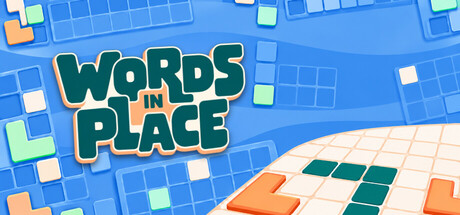 Words In Place In-game content artaudio | Part of the game were created with the help of generative AI tools, then reviewed, edited and assembled by the developer:
• visual art — the ambient background images and the animated background loop
• audio — background music and sound effects
Generative AI is used only during development to produce these assets. The game does NOT use any AI at runtime — there is no live AI generation while you play.
Puzzles and word lists are hand-curated, and level layouts are produced by our own deterministic algorithm (not AI). | lil kooky | - | Oct 6, 2026 |


