








Disclosure
Generative AI was used to assist in creating certain store assets. Additionally, some in-game enemy artwork was generated from developer-created mockups.
- Creator
- gubestudios
- Reviews
- -
- Added
- Jul 23, 2026
Public Steam disclosure research 25,497 disclosures tracked
Search developers’ Steam disclosures, compare classified AI use across games, and follow recorded changes. This index adds cross-game classifications and statistics to statements published on individual store pages.
Code help, debugging and other development work.
Capsule art, trailers and promotional material.
Pre-made art, audio, writing and other game assets.
Interactive or runtime AI features disclosed by the developer.
Groups reflect automatic analysis of public disclosures; mature records are excluded. These counts do not measure AI use across all of Steam. Missing or unclear statements cannot establish whether a game uses AI.
Generative AI was used to assist in creating certain store assets. Additionally, some in-game enemy artwork was generated from developer-created mockups.
Evo Ascension includes limited AI‑generated content. Some audio and select graphical elements were created using AI tools, with most visuals further refined and hand‑edited in Aseprite. All gameplay systems, pixel art characters, animations, and core design remain handcrafted by the developer.
Pre-rendered AI imagery was used to create some background looping elements, for example an in-game TV screen. All other artwork, narrative and character art and animation is created by hand.
This game used generative AI as an assistive tool for translation and localization, and for producing some sound effects and music. All final text and audio were reviewed, edited, and approved by humans before inclusion.
AI Artwork includes the logo for the game ONLY!
We used AI‑based tools to create some character images and background assets. All content has been independently edited and refined to ensure it is presented as an original work.
During the development process, I use AI tools to assist with content creation. Specifically, I use them to generate base assets such as textures, visuals, and sound assets, which are then edited and refined by hand before shipping. No content is generated at runtime. In all such cases, the final product reflects my personal creativity, vision, and expression as a solo developer.
This game is built by a Master of the Fine Arts in Digital and New Media with a specialization in procedural content. Generative AI tools were used during development to create and iterate on pre-rendered visual assets, including dream artwork, backgrounds, capsule art, and marketing imagery. All AI-assisted content is selected, edited, and integrated by the development team. The game does not generate AI content during gameplay and does not connect to third-party AI services during play.
Generative AI was used to assist with grammar and spelling checks for some in-game text, translate store page content, and generate some sound assets. All content was reviewed and approved by the developer before inclusion. The game does not use live-generated AI.
The prototypes for a small number of icons and scene images in the game were generated by AI, followed by manual refinement.
Ever since I was a child, I dreamed of making my own game. I tried again and again — I gathered teams, but something always fell apart and I would give up halfway. This time is different: with the help of AI, I am finally able to bring my dream to life. AI helped me with some of the text and translations — all the art, music, and sound are human-made or licensed, and the game uses no AI while you play. I am an honest person, and I will keep giving this game everything I have. Thank you for taking the time to read this. 💚
The main key art, which is used for the store capsule images, library assets, and the game's opening sequence, was created using generative AI.
The art, audio, and writing in Refund Speedrun are created by hand. Generative AI was used only for the voice-over narration in our promotional teaser trailer (ElevenLabs). The game does not generate any content using AI at runtime.
Heartwood Incremental was made by a solo developer working alongside an AI assistant (Anthropic's Claude). The AI helped write the game's code, including the code that procedurally draws its pixel-art sprites, tree, and icons, and helped draft written content such as upgrade, achievement, and store text. Everything was directed, reviewed, and refined by the human developer, and hand-checked before release. No generative AI runs while you play: nothing is created on your device at runtime, and all art and text are fixed in the build.
AI generated art and other assets were referenced and partly used during development, but every effort is taken to make the game original. At UWS, we make every effort to support our art/design team and use AI very rarely to meet our production needs
The game used AI to generate artwork and code. We are biologists and we do research for living this is to show to others what its like.
Generative AI tools were used during development to assist in creating and refining certain pre-generated 2D visual assets, including character artwork, environments, user interface elements, promotional materials, and store page graphics. All AI-assisted content was reviewed, edited, selected, and integrated by the developer. The game does not generate AI content during gameplay and does not send player input to external AI services.
Monban uses some AI-assisted tools during development.
Used AI to generate cover photo of the game.
Corelink Protocol uses generative AI as part of its creative workflow, including artwork, sprites, music, and certain development assets. All AI‑assisted content is manually reviewed and refined before being included in the game. No content is generated live during gameplay; everything is pre‑produced to ensure a consistent and curated player experience.
This game uses generative artificial intelligence in the following ways: pixel character artwork and background images. AI-generated content was reviewed and edited by the developer before being included in the game or store page.
This game includes some pre-generated artwork and sound effects created with the assistance of generative AI. These assets were reviewed, selected, and integrated by the developer during development. The game does not use live generative AI during gameplay.
The graphics is AI generated.
本作の開発では、生成AIを使用しています。
Selected background elements, tilesets, and player and boss character models used AI-generated source material that was manually reworked and adapted. Translations were created and edited with AI assistance. Part of the game's logic was developed with AI assistance. All design and gameplay decisions were made by the developer.
I use generative AI tools in the development of OXYTOPIA. All AI output is directed, reviewed, and edited by me before it ships. What AI is used for: Branding art — the game's logo and app/store icons were designed with the help of AI models and are rendered in-engine as original vector/code artwork. Source code — parts of the game's code were written with AI coding assistants. What is not AI-generated: the in-game gameplay art (tiles, characters, buildings, items, plants) and all audio are hand-made or licensed from human creators. At runtime: OXYTOPIA generates no content with AI while you play, and no player data is ever sent to any AI service during gameplay.
Some content in this game was created with the assistance of generative AI tools, then curated, edited, and integrated by hand by the solo developer. This includes: character and enemy sprite animations (AI-generated video processed by hand into sprite animations), environment and background artwork, the story tapestry illustrations, title and store artwork, music, and some sound effects. All such content is pre-rendered and ships with the game — nothing is generated live at runtime. All content was reviewed by the developer to ensure it does not include illegal or infringing material.
Some of the game's assets and marketing materials were created with the assistance of generative AI tools, then reviewed and edited by the developer. All content is pre-rendered; the game does not generate any content at runtime.
As this is a solo-developed project, I have utilized generative AI assistants for the writing, debugging, and structuring of the game's programming code. Additionally, AI has been used in a very minor and complementary capacity for some secondary environmental visual elements. The vast majority of the core artistic assets, art direction, game design, 3D modeling, and overall experience have been entirely hand-crafted and assembled.
Some pre-generated 2D artwork used in the game and store materials was created or assisted with generative AI tools during development, then manually reviewed, edited, resized, and integrated by the developer. The game does not use live-generated AI during gameplay, and no player input is sent to any generative AI service.
As a solo developer, I unfortunately cannot afford to hire artists or creators, so the media in my game is a mix of AI-generated and hand-edited/crafted. I would love to have my assets professionally made, but the cost of somewhere around two thousand icons, portraits, and other media assets would be far more than I can afford as just some guy working alone. I've done my best to create the best art and sounds with the tools I have access to, trying extremely hard to make things you will enjoy. If this game were to ever be successful enough, I'd love to hire professional artists one day to remake my assets (and for my future games). I thank you for your understanding, and I hope the game is good enough to get me there eventually!
The achievement icons and some store page promotional images were created with the assistance of generative AI tools.
Some visual assets in its store and marketing materials were created with the help of generative AI image tools, and were then edited, refined, and integrated by hand.
Nothing to Declare is a handcrafted game by a solo developer: all pixel art was drawn by the developer (AI images served only as composition references early in production and do not appear in the game), and the store images are actual in-game screenshots. The dialogue and case writing were created with the assistance of generative AI — always under the developer's direction, curation, and manual editing, to ensure accuracy regarding rules and legal citations based on actual Brazilian law. No content is generated by AI while you play.
This game uses AI for team logos placeholders. Also, game logo was done using AI and human polish.
The advertising images on some store pages and the background images in games are generated by AI
AI Disclosure: Music is Generated at least for now.
Generative AI was used to help translate this game's text into languages other than English or Spanish.
Generative AI was used to enhance and improve some cutscene visuals. Apart from these specific visual assets, no other parts of the game were created using generative AI. All gameplay systems, game design, programming, writing, balancing, and the majority of visual content were created manually by the developer.
Generative artificial intelligence has been used to create store page thumbnails based on the developer's scene work. Generative artificial intelligence has been used by the developer to vastly improve the performance of the developers code with respect to loading times. The developer struggled for months to figure out how to reduce a 30 second+ loading time and thanks to the contributions of gen AI that has been brought down to 5 seconds.
AI tools were used during development to assist with the creation and refinement of some visual assets. All content included in the final game was selected, edited, and integrated by the developer.
This game uses AI-generated content in two areas: background music tracks were created using Mureka AI, and some pixel art assets were generated using PixelLab. All AI-generated content was reviewed, curated, and integrated by the developer.
This game was created with the assistance from Claude Code and elevenlabs for audio.
Generative AI was used for creating Store page assets and in game items. Generated content was then manually edited to remove any anomalies and match look and feel of overall game's theme.
VOIDWAVE's game design, programming, and automation simulation are built by hand. Some visual assets — certain sprites, icons, and UI art — were created with the help of generative AI tools and hand-edited to fit the game's style, and the game's music is AI-generated. Sound effects use procedural synthesis (not AI). All gameplay, systems, and balancing are human-designed, and all content is finalized during development — nothing is AI-generated while you play.
Drone Farmer uses generative AI to create backgrounds and graphics for TV videos.
I know many players have reservations about AI-generated content, so I want to be upfront about exactly how it was used in this game. I'm an ordinary gamer who has played games for almost twenty years and always dreamed of making one of my own. But I can't write code, and I've never been trained in art or music. This game exists because generative AI filled those gaps for me: parts of the code were written with the help of AI coding tools; some character, environment, and UI art was created with image-generation models, then hand-picked and adjusted by me; some animation, music, and sound effects were also made with AI tools. Everything that makes it an actual game, though — the design, the balancing, the game feel, and every "is this fun?" decision — was done by me, across hundreds of playtests. The game contains no live-generated AI content. For me, AI wasn't an assembly line making a game in my place. It's what let an ordinary player finally build the game he'd been dreaming about. I hope some of that comes through when you play — and I'd genuinely welcome your feedback.
Some 2D art assets are created with AI-assisted pixel-art tools. Some sound effects and music are generated with AI audio tools. All AI-generated assets are reviewed, curated, and edited by the developer. No AI-generated content depicts real people, and all assets are used in compliance with the respective tools' licenses.
Some 2D art assets (weapon icons and sprites) were pre-generated using AI tools.
Some animations where AI generated.
| Title⇅ | Disclosure | Creator⇅ | Src | Reviews⇅ | Added↓ |
|---|---|---|---|---|---|
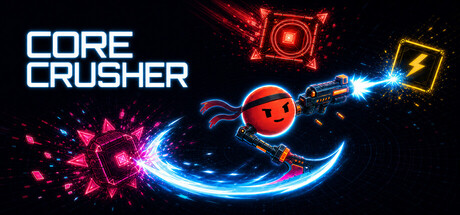 Core Crusher In-game content art | Generative AI was used to assist in creating certain store assets. Additionally, some in-game enemy artwork was generated from developer-created mockups. | gubestudios | - | Jul 23, 2026 | |
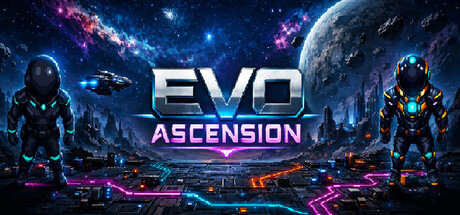 Evo Ascension In-game content artaudio | Evo Ascension includes limited AI‑generated content. Some audio and select graphical elements were created using AI tools, with most visuals further refined and hand‑edited in Aseprite. All gameplay systems, pixel art characters, animations, and core design remain handcrafted by the developer. | C4 Interactive | - | Jul 23, 2026 | |
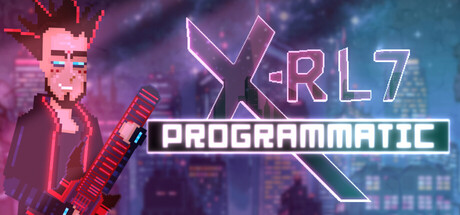 X-RL7: Programmatic In-game content art | Pre-rendered AI imagery was used to create some background looping elements, for example an in-game TV screen. All other artwork, narrative and character art and animation is created by hand. | X-RL7 | - | Jul 23, 2026 | |
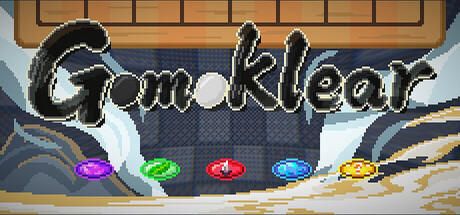 Gomoklear In-game content textaudio | This game used generative AI as an assistive tool for translation and localization, and for producing some sound effects and music. All final text and audio were reviewed, edited, and approved by humans before inclusion. | Bunny Dryer | - | Jul 23, 2026 | |
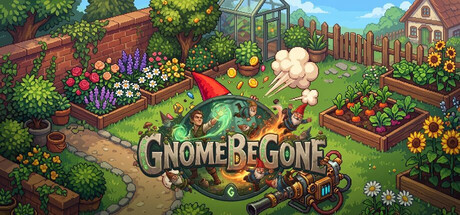 GnomeBeGone Store/marketing art | AI Artwork includes the logo for the game ONLY! | BeardedChav Games | - | Jul 23, 2026 | |
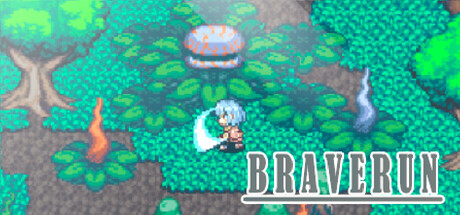 BRAVERUN In-game content art | We used AI‑based tools to create some character images and background assets.
All content has been independently edited and refined to ensure it is presented as an original work. | kosogamekobo | - | Jul 23, 2026 | |
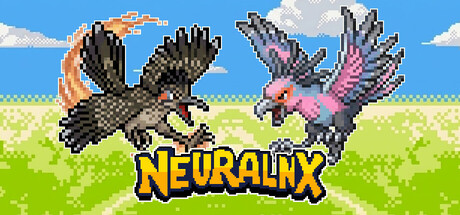 Neuralnx In-game content artaudio | During the development process, I use AI tools to assist with content creation. Specifically, I use them to generate base assets such as textures, visuals, and sound assets, which are then edited and refined by hand before shipping. No content is generated at runtime. In all such cases, the final product reflects my personal creativity, vision, and expression as a solo developer. | Okydonki | - | Jul 23, 2026 | |
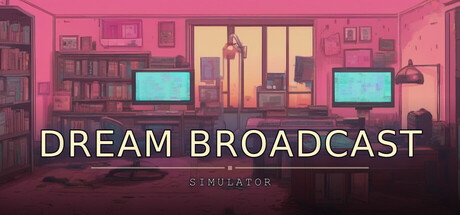 Dream Broadcast Simulator In-game content art | This game is built by a Master of the Fine Arts in Digital and New Media with a specialization in procedural content. Generative AI tools were used during development to create and iterate on pre-rendered visual assets, including dream artwork, backgrounds, capsule art, and marketing imagery. All AI-assisted content is selected, edited, and integrated by the development team. The game does not generate AI content during gameplay and does not connect to third-party AI services during play. | Playable Future LLC | - | Jul 23, 2026 | |
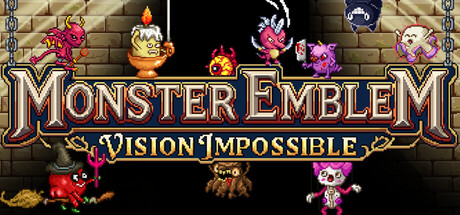 Monster Emblem: Vision Impossible In-game content textaudio | Generative AI was used to assist with grammar and spelling checks for some in-game text, translate store page content, and generate some sound assets. All content was reviewed and approved by the developer before inclusion. The game does not use live-generated AI. | Peepton | - | Jul 23, 2026 | |
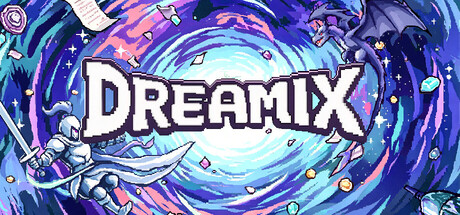 Dreamix In-game content art | The prototypes for a small number of icons and scene images in the game were generated by AI, followed by manual refinement. | 1101 Studio | - | Jul 23, 2026 | |
 Blackrast In-game content text | Ever since I was a child, I dreamed of making my own game. I tried again and again — I gathered teams, but something always fell apart and I would give up halfway. This time is different: with the help of AI, I am finally able to bring my dream to life. AI helped me with some of the text and translations — all the art, music, and sound are human-made or licensed, and the game uses no AI while you play.
I am an honest person, and I will keep giving this game everything I have. Thank you for taking the time to read this. 💚 | Ortak Games | - | Jul 23, 2026 | |
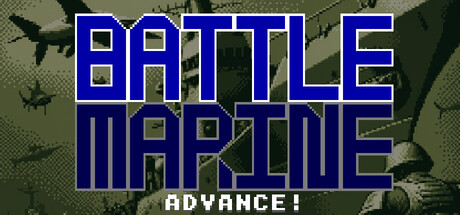 Battle Marine Advance! In-game content art | The main key art, which is used for the store capsule images, library assets, and the game's opening sequence, was created using generative AI. | SUZUKI PLAN, Yoji Suzuki | - | Jul 22, 2026 | |
 Refund Speedrun In-game content audio | The art, audio, and writing in Refund Speedrun are created by hand. Generative AI was used only for the voice-over narration in our promotional teaser trailer (ElevenLabs). The game does not generate any content using AI at runtime. | Tigran | - | Jul 22, 2026 | |
 Heartwood Incremental In-game content arttextcode | Heartwood Incremental was made by a solo developer working alongside an AI assistant (Anthropic's Claude). The AI helped write the game's code, including the code that procedurally draws its pixel-art sprites, tree, and icons, and helped draft written content such as upgrade, achievement, and store text. Everything was directed, reviewed, and refined by the human developer, and hand-checked before release. No generative AI runs while you play: nothing is created on your device at runtime, and all art and text are fixed in the build. | Noah Cook | - | Jul 22, 2026 | |
 Warden of the Sunken Keep Dev only art | AI generated art and other assets were referenced and partly used during development, but every effort is taken to make the game original. At UWS, we make every effort to support our art/design team and use AI very rarely to meet our production needs | codegamedev | - | Jul 22, 2026 | |
 A PhD Simulator - Publish & Perish In-game content artcode | The game used AI to generate artwork and code. We are biologists and we do research for living this is to show to others what its like. | Jiri Koubek | - | Jul 22, 2026 | |
 Orcs Again In-game content art | Generative AI tools were used during development to assist in creating and refining certain pre-generated 2D visual assets, including character artwork, environments, user interface elements, promotional materials, and store page graphics. All AI-assisted content was reviewed, edited, selected, and integrated by the developer. The game does not generate AI content during gameplay and does not send player input to external AI services. | Hispagames Estudios | - | Jul 22, 2026 | |
 Monban: Spirit Gate Dev only | Monban uses some AI-assisted tools during development. | Jack Wilds | - | Jul 22, 2026 | |
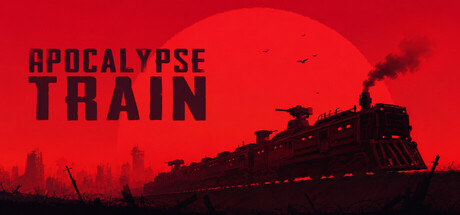 Apocalypse Train Store/marketing art | Used AI to generate cover photo of the game. | volaryus | - | Jul 22, 2026 | |
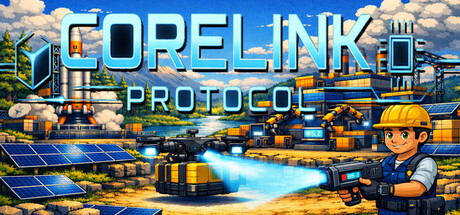 Corelink Protocol In-game content artaudio | Corelink Protocol uses generative AI as part of its creative workflow, including artwork, sprites, music, and certain development assets. All AI‑assisted content is manually reviewed and refined before being included in the game. No content is generated live during gameplay; everything is pre‑produced to ensure a consistent and curated player experience. | Corelink Studio | - | Jul 22, 2026 | |
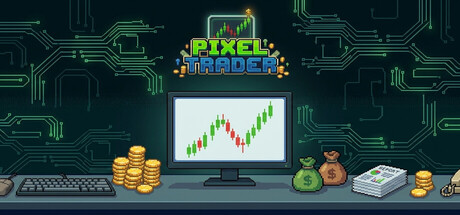 Pixel Trader In-game content art | This game uses generative artificial intelligence in the following ways: pixel character artwork and background images. AI-generated content was reviewed and edited by the developer before being included in the game or store page. | Ryaland Studio | - | Jul 22, 2026 | |
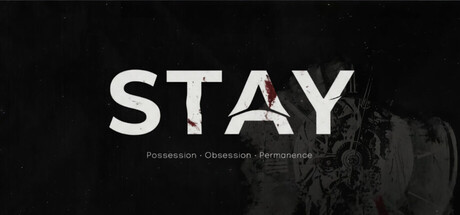 STAY: Possession • Obsession • Permanence In-game content artaudio | This game includes some pre-generated artwork and sound effects created with the assistance of generative AI. These assets were reviewed, selected, and integrated by the developer during development. The game does not use live generative AI during gameplay. | Zyphor Studios | - | Jul 22, 2026 | |
 Mars 2099 Unclear art | The graphics is AI generated. | Bramhed Studio | - | Jul 22, 2026 | |
 Sea of Electronica Unclear | 本作の開発では、生成AIを使用しています。 | Playbooster | 22 | Jul 22, 2026 | |
 Astral Bounty In-game content arttextcode | Selected background elements, tilesets, and player and boss character models used AI-generated source material that was manually reworked and adapted. Translations were created and edited with AI assistance. Part of the game's logic was developed with AI assistance. All design and gameplay decisions were made by the developer. | Weepel Games | - | Jul 22, 2026 | |
 Oxytopia In-game content artcode | I use generative AI tools in the development of OXYTOPIA. All AI output is directed, reviewed, and edited by me before it ships.
What AI is used for:
Branding art — the game's logo and app/store icons were designed with the help of AI models and are rendered in-engine as original vector/code artwork.
Source code — parts of the game's code were written with AI coding assistants.
What is not AI-generated: the in-game gameplay art (tiles, characters, buildings, items, plants) and all audio are hand-made or licensed from human creators.
At runtime: OXYTOPIA generates no content with AI while you play, and no player data is ever sent to any AI service during gameplay. | iida-lab | - | Jul 22, 2026 | |
 Delphyr: The Deep Whispers In-game content artaudio | Some content in this game was created with the assistance of generative AI tools, then curated, edited, and integrated by hand by the solo developer. This includes: character and enemy sprite animations (AI-generated video processed by hand into sprite animations), environment and background artwork, the story tapestry illustrations, title and store artwork, music, and some sound effects. All such content is pre-rendered and ships with the game — nothing is generated live at runtime. All content was reviewed by the developer to ensure it does not include illegal or infringing material. | Collin Schreyer | - | Jul 22, 2026 | |
 Naval Strike Store/marketing art | Some of the game's assets and marketing materials were created with the assistance of generative AI tools, then reviewed and edited by the developer. All content is pre-rendered; the game does not generate any content at runtime. | VGP256 | - | Jul 22, 2026 | |
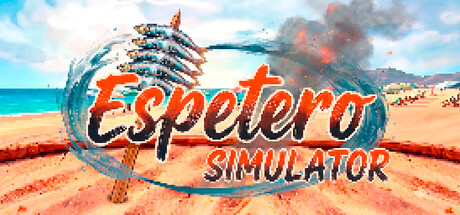 Espetero Simulator In-game content artcode | As this is a solo-developed project, I have utilized generative AI assistants for the writing, debugging, and structuring of the game's programming code.
Additionally, AI has been used in a very minor and complementary capacity for some secondary environmental visual elements. The vast majority of the core artistic assets, art direction, game design, 3D modeling, and overall experience have been entirely hand-crafted and assembled. | K0RE GAMES | - | Jul 22, 2026 | |
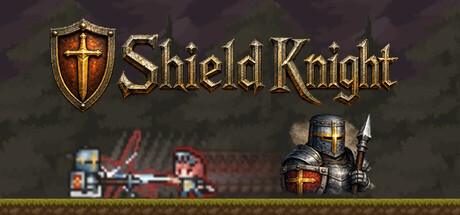 圣盾骑士 In-game content art | Some pre-generated 2D artwork used in the game and store materials was created or assisted with generative AI tools during development, then manually reviewed, edited, resized, and integrated by the developer. The game does not use live-generated AI during gameplay, and no player input is sent to any generative AI service. | Xingluo Games | - | Jul 22, 2026 | |
 Journeybound Idle In-game content artaudio | As a solo developer, I unfortunately cannot afford to hire artists or creators, so the media in my game is a mix of AI-generated and hand-edited/crafted. I would love to have my assets professionally made, but the cost of somewhere around two thousand icons, portraits, and other media assets would be far more than I can afford as just some guy working alone. I've done my best to create the best art and sounds with the tools I have access to, trying extremely hard to make things you will enjoy. If this game were to ever be successful enough, I'd love to hire professional artists one day to remake my assets (and for my future games). I thank you for your understanding, and I hope the game is good enough to get me there eventually! | Max Luck Gaming | 26 | Jul 22, 2026 | |
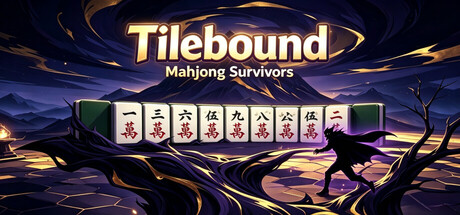 Tilebound:Mahjong Survivors In-game content art | The achievement icons and some store page promotional images were created with the assistance of generative AI tools. | BambooByte Studio | - | Jul 22, 2026 | |
 Pixel Evolution Store/marketing art | Some visual assets in its store and marketing materials were created with the help of generative AI image tools, and were then edited, refined, and integrated by hand. | Alfish Games | - | Jul 22, 2026 | |
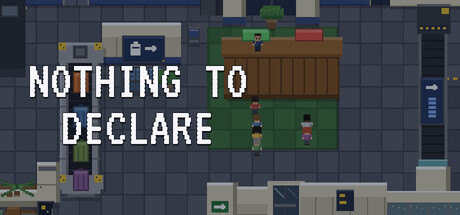 Nada a Declarar In-game content text | Nothing to Declare is a handcrafted game by a solo developer: all pixel art was drawn by the developer (AI images served only as composition references early in production and do not appear in the game), and the store images are actual in-game screenshots. The dialogue and case writing were created with the assistance of generative AI — always under the developer's direction, curation, and manual editing, to ensure accuracy regarding rules and legal citations based on actual Brazilian law. No content is generated by AI while you play. | Gabriel D. Paiva | - | Jul 22, 2026 | |
 Miranza Futebol Clube In-game content art | This game uses AI for team logos placeholders. Also, game logo was done using AI and human polish. | Porto Inc. | - | Jul 22, 2026 | |
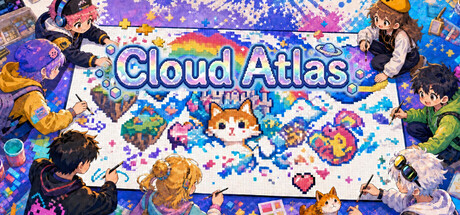 Cloud Atlas Store/marketing art | The advertising images on some store pages and the background images in games are generated by AI | Summer Games | - | Jul 22, 2026 | |
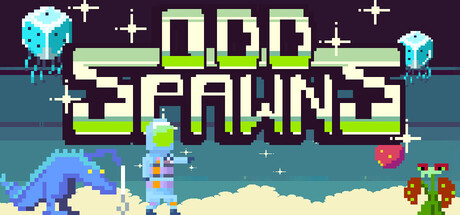 OddSpawns In-game content audio | AI Disclosure: Music is Generated at least for now. | Jake | - | Jul 22, 2026 | |
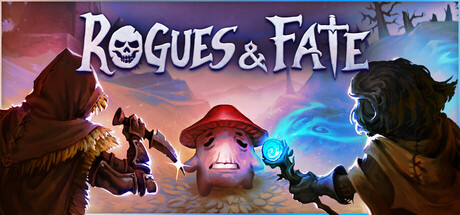 Rogues & Fate In-game content text | Generative AI was used to help translate this game's text into languages other than English or Spanish. | David Moralejo Sánchez | - | Jul 22, 2026 | |
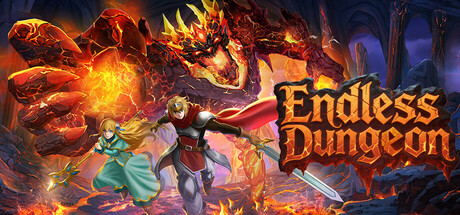 无尽地下城 In-game content art | Generative AI was used to enhance and improve some cutscene visuals. Apart from these specific visual assets, no other parts of the game were created using generative AI.
All gameplay systems, game design, programming, writing, balancing, and the majority of visual content were created manually by the developer. | 起源工作室 | - | Jul 21, 2026 | |
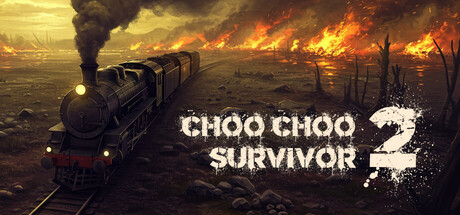 Choo Choo Survivor 2 Store/marketing code | Generative artificial intelligence has been used to create store page thumbnails based on the developer's scene work.
Generative artificial intelligence has been used by the developer to vastly improve the performance of the developers code with respect to loading times. The developer struggled for months to figure out how to reduce a 30 second+ loading time and thanks to the contributions of gen AI that has been brought down to 5 seconds. | GTGD | 40 | Jul 21, 2026 | |
 Purr in Bloom In-game content art | AI tools were used during development to assist with the creation and refinement of some visual assets. All content included in the final game was selected, edited, and integrated by the developer. | Thundertale Studio | - | Jul 20, 2026 | |
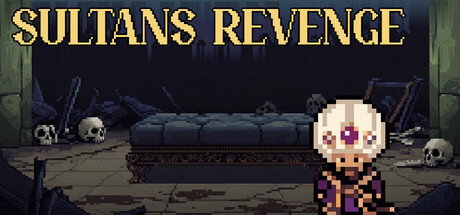 Sultans Revenge In-game content audioart | This game uses AI-generated content in two areas: background music tracks were created using Mureka AI, and some pixel art assets were generated using PixelLab. All AI-generated content was reviewed, curated, and integrated by the developer. | Wagenlight Games | - | Jul 20, 2026 | |
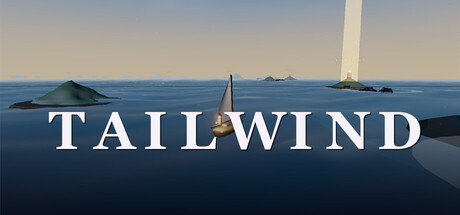 Tailwind In-game content audiocode | This game was created with the assistance from Claude Code and elevenlabs for audio. | OneBrother | - | Jul 20, 2026 | |
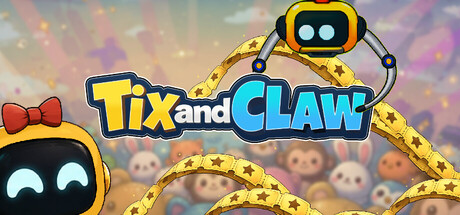 Tix and Claw In-game content art | Generative AI was used for creating Store page assets and in game items. Generated content was then manually edited to remove any anomalies and match look and feel of overall game's theme. | GameGameGames | - | Jul 20, 2026 | |
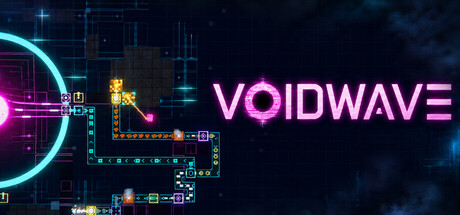 VOIDWAVE In-game content artaudio | VOIDWAVE's game design, programming, and automation simulation are built by hand. Some visual assets — certain sprites, icons, and UI art — were created with the help of generative AI tools and hand-edited to fit the game's style, and the game's music is AI-generated. Sound effects use procedural synthesis (not AI). All gameplay, systems, and balancing are human-designed, and all content is finalized during development — nothing is AI-generated while you play. | DEV505 | - | Jul 20, 2026 | |
 Drone Farmer Dev only art | Drone Farmer uses generative AI to create backgrounds and graphics for TV videos. | Rockit Industries | - | Jul 20, 2026 | |
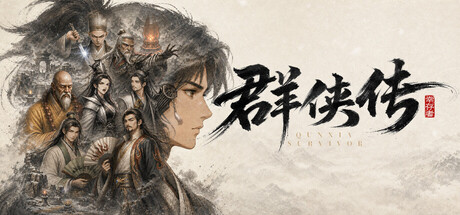 群侠传:幸存者 In-game content artaudiocode | I know many players have reservations about AI-generated content, so I want to be upfront about exactly how it was used in this game.
I'm an ordinary gamer who has played games for almost twenty years and always dreamed of making one of my own. But I can't write code, and I've never been trained in art or music. This game exists because generative AI filled those gaps for me: parts of the code were written with the help of AI coding tools; some character, environment, and UI art was created with image-generation models, then hand-picked and adjusted by me; some animation, music, and sound effects were also made with AI tools.
Everything that makes it an actual game, though — the design, the balancing, the game feel, and every "is this fun?" decision — was done by me, across hundreds of playtests. The game contains no live-generated AI content.
For me, AI wasn't an assembly line making a game in my place. It's what let an ordinary player finally build the game he'd been dreaming about. I hope some of that comes through when you play — and I'd genuinely welcome your feedback. | Nenly Studio | 600 | Jul 18, 2026 | |
 Blame the Wind In-game content artaudio | Some 2D art assets are created with AI-assisted pixel-art tools. Some sound effects and music are generated with AI audio tools. All AI-generated assets are reviewed, curated, and edited by the developer. No AI-generated content depicts real people, and all assets are used in compliance with the respective tools' licenses. | Ædrift Studio | - | Jul 18, 2026 | |
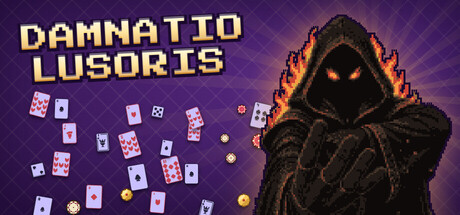 Damnatio Lusoris In-game content art | Some 2D art assets (weapon icons and sprites) were pre-generated using AI tools. | Cursed Die Studio | - | Jul 18, 2026 | |
 Sloo In-game content art | Some animations where AI generated. | SlowBrainLimited | - | Jul 18, 2026 |


