Public Steam disclosure research25,497 disclosures tracked
Where do games disclose AI use?
Search developers’ Steam disclosures, compare classified AI use across
games, and follow recorded changes.
This index adds cross-game classifications and statistics to
statements published on individual store pages.
Groups reflect automatic analysis of public disclosures; mature records are excluded. These counts do not measure AI use across all of Steam.
Missing or unclear statements cannot establish whether a game uses AI.
A few visual assets are hand-drawn but most of the assets were created by either Perchance or ChatGPT and then heavily cleaned/edited in photoshop by myself to fit into the game. Music was created by Suno and edited in Audacity.
Coding was done from scratch, no AI used in that at all.
AI tools were used during development only for pre-generated content, including concept/reference artwork, store assets, music/audio drafts, and localization or translation assistance.
The game does not generate AI content at runtime. Players do not interact with any live AI system, and no text, images, audio, or gameplay content is dynamically generated by AI while the game is running.
All AI-assisted content is reviewed, edited, and integrated by the developer before release.
We used generative AI tools to assist with drafting and localizing store page text. All AI-assisted text is reviewed and edited by our team before publication. The game does not use live-generated AI content during gameplay.
In our game, some sections of code are generated by artificial intelligence, a common practice among developers and quality assurance engineers. Some images are also generated by artificial intelligence.
This application uses local AI technology for interaction, although the chosen TTS and STT plugins have not yet been selected because the word game is still under development.
However, it is confirmed that plugins from the FAB marketplace will be used. And AI processing will run offline on player's device. No internet connection will be required.
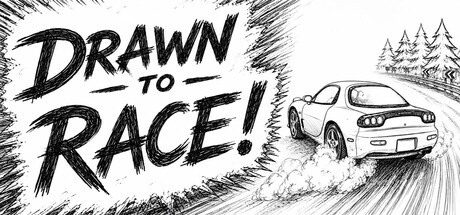
Visual AI assets were used to fasten the development process, with caution and help of art direction to keep the sketch art style consistent and avoid being another AI slop game.
The art and music assets in this game were created with the assistance of generative AI technology.
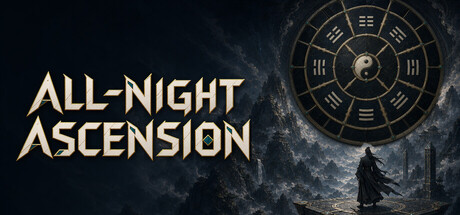
As a registered architect in my day job, I am used to using tools like CAD to aid my designs. In game development, AI plays the exact same role—it is a tool, but the soul of the design comes from the human creator. I do not allow any rough, unpolished assets into my game. Therefore, all AI-generated content has gone through my strict "manual inspection": rigorous prompt tuning, meticulous manual overpainting, and audio trimming. I carefully polish every visual and auditory "brick" to build the perfect cultivation world, pouring my true craftsmanship entirely into the core "Eight Trigrams Array" deck-building experience.
Some textures and mesh concepts were initially generated using AI-assisted tools. All assets have been significantly modified, refined, and integrated manually using 3d software. The developer is working to rid the game of AI generated content come launch.
I use AI to summarize documentation, criticize my code, and help me make sense of error messages.
Sometimes I feel discouraged and I ask AI to write stuff for me. Seeing the garbage it produces makes me feel better, and encourages me to try again :)
AI-Generated Content Disclosure
Certain character images were initially generated by AI tools, then significantly edited, redrawn, and refined by hand using Photoshop. All final in-game visuals are manually adjusted and do not contain unmodified AI output.
Generative AI was used in a limited, assistive role during development. All final content has been curated, refined, and approved by the developer to meet the game’s creative direction and quality expectations.
We use AI to code faster and generate placeholder art assets. All the AI-generated art assets (and most of the stock assets) will be replaced before the game is launched. The game design, art direction, and overall vision is all from our (human!) team.
TRANSLATIONS in store page and in-game have been generated with artificial intelligence. These translations are FULLY OPTIONAL to use and you can experience the full game without any artificial intelligence by playing in the English language. I wanted to give people the possibility to experience the game in their native language, which is why this decision was made.
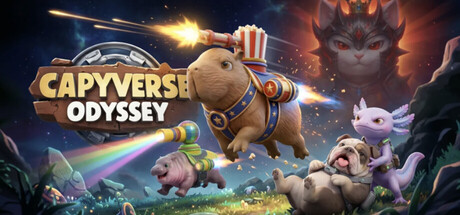
Some artwork in Capyverse Odyssey was created with assistance from generative AI tools and further refined, polished, and modified by the studio’s artists and development team. Final gameplay systems, design, programming, and core game content are developed by Metazooie Studios.
This game is the handcrafted work of developer duo. During the development process, generative tools were used as supportive instruments within the creative workflow. The final game experience fully reflects the developer’s original creative vision and craftsmanship.
This game uses generative AI to assist with the creation of pixel art assets (character sprites, projectiles, icons, capsule art) and to support code development. All generated content was reviewed, integrated, and finalized by the developer. No AI is used at runtime —
every asset is pre-generated and baked into the build. No player data is sent to AI services during gameplay.
Generative AI was used only during production for early concept exploration and the creation of some promotional asset drafts. The game does not use generative AI during gameplay. All core in-game assets were manually reviewed, edited, and reworked by human artists.
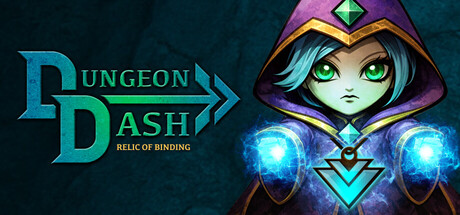
As a solo developer, I used every tool available to bring Dungeon Dash to life. The game design, mechanics, storyline, and level designs are entirely original, conceived long before AI tools entered the picture. The artwork combines hand drawn, stock, and AI generated assets, all of which have been further modified and animated by hand to fit the vision of the game.
This game uses generative artificial intelligence (AI) to create some of its visual art assets. Certain in-game images and illustrations were partially generated with the assistance of AI-based painting tools.
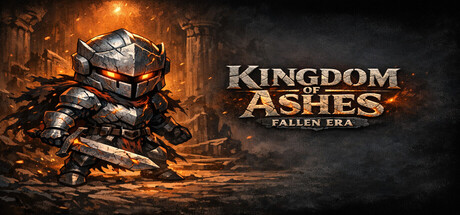
Kingdom of Ashes uses generative AI for select visual assets:
• Character portraits, enemy sprites, card illustrations, and background art were generated using Microsoft Copilot and then curated, composited, and refined by the developer for use in the game.
All gameplay code, mechanics, narrative text, and game design were created by the developer. No AI content is generated live during gameplay, and the game does not connect to any third-party AI service at runtime — all AI-generated visuals were finalized during development and ship as static assets.
Based on the developer's original creative direction, AI tools were used to generate the game's store page capsule images, soundtrack, and the non-English in-game text translations. AI coding assistance supported programming during development.
Generative AI was used to create artwork for the game, including visual assets seen by players and/or promotional materials. All AI-generated artwork was reviewed, selected, and edited by the developer before inclusion. The game does not generate AI content live during gameplay.
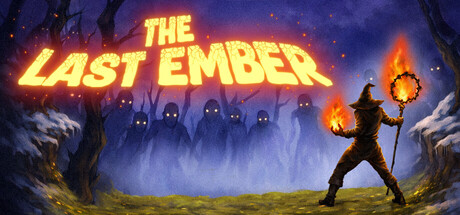
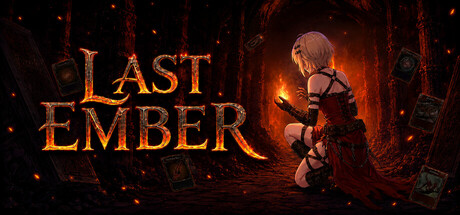
We're a small indie team, and we used generative AI to help make some of the art in Last Ember — card illustrations, backgrounds, character portraits, and a few short animations. We also used it on a handful of sound effects. Everything you see and hear in the game was picked, edited, and signed off by us. The game itself doesn't run any AI while you play — what ships is what you get.
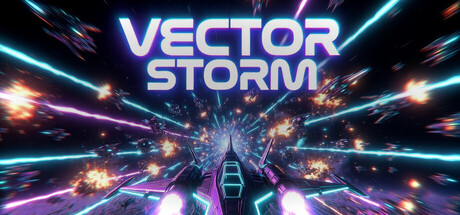
Vector Storm's music is procedurally generated in real time using mathematical audio synthesis — not a generative AI
model. The game contains no AI-generated artwork, dialogue, or other content. AI coding tools were used during
development to assist with programming.
This game uses generative AI for the following elements during development:
Visual assets (character, tile, and effect images, title screen artwork, and Steam store assets): Nano Banana Pro (Google Gemini 3 Pro Image) and Qwen Image Edit
Map structure and in-game text in general (proper nouns, messages, etc.): Anthropic Claude
All generated assets are reviewed by the developer before use, with care taken to avoid intentional reproduction or imitation of third-party copyrighted works.
A few visual assets are hand-drawn but most of the assets were created by either Perchance or ChatGPT and then heavily cleaned/edited in photoshop by myself to fit into the game. Music was created by Suno and edited in Audacity.
Coding was done from scratch, no AI used in that at all.
AI tools were used during development only for pre-generated content, including concept/reference artwork, store assets, music/audio drafts, and localization or translation assistance.
The game does not generate AI content at runtime. Players do not interact with any live AI system, and no text, images, audio, or gameplay content is dynamically generated by AI while the game is running.
All AI-assisted content is reviewed, edited, and integrated by the developer before release.
We used generative AI tools to assist with drafting and localizing store page text. All AI-assisted text is reviewed and edited by our team before publication. The game does not use live-generated AI content during gameplay.
In our game, some sections of code are generated by artificial intelligence, a common practice among developers and quality assurance engineers. Some images are also generated by artificial intelligence.
This application uses local AI technology for interaction, although the chosen TTS and STT plugins have not yet been selected because the word game is still under development.
However, it is confirmed that plugins from the FAB marketplace will be used. And AI processing will run offline on player's device. No internet connection will be required.
Visual AI assets were used to fasten the development process, with caution and help of art direction to keep the sketch art style consistent and avoid being another AI slop game.
The art and music assets in this game were created with the assistance of generative AI technology.
As a registered architect in my day job, I am used to using tools like CAD to aid my designs. In game development, AI plays the exact same role—it is a tool, but the soul of the design comes from the human creator. I do not allow any rough, unpolished assets into my game. Therefore, all AI-generated content has gone through my strict "manual inspection": rigorous prompt tuning, meticulous manual overpainting, and audio trimming. I carefully polish every visual and auditory "brick" to build the perfect cultivation world, pouring my true craftsmanship entirely into the core "Eight Trigrams Array" deck-building experience.
Some textures and mesh concepts were initially generated using AI-assisted tools. All assets have been significantly modified, refined, and integrated manually using 3d software. The developer is working to rid the game of AI generated content come launch.
I use AI to summarize documentation, criticize my code, and help me make sense of error messages.
Sometimes I feel discouraged and I ask AI to write stuff for me. Seeing the garbage it produces makes me feel better, and encourages me to try again :)
AI-Generated Content Disclosure
Certain character images were initially generated by AI tools, then significantly edited, redrawn, and refined by hand using Photoshop. All final in-game visuals are manually adjusted and do not contain unmodified AI output.
Generative AI was used in a limited, assistive role during development. All final content has been curated, refined, and approved by the developer to meet the game’s creative direction and quality expectations.
We use AI to code faster and generate placeholder art assets. All the AI-generated art assets (and most of the stock assets) will be replaced before the game is launched. The game design, art direction, and overall vision is all from our (human!) team.
TRANSLATIONS in store page and in-game have been generated with artificial intelligence. These translations are FULLY OPTIONAL to use and you can experience the full game without any artificial intelligence by playing in the English language. I wanted to give people the possibility to experience the game in their native language, which is why this decision was made.
Some artwork in Capyverse Odyssey was created with assistance from generative AI tools and further refined, polished, and modified by the studio’s artists and development team. Final gameplay systems, design, programming, and core game content are developed by Metazooie Studios.
This game is the handcrafted work of developer duo. During the development process, generative tools were used as supportive instruments within the creative workflow. The final game experience fully reflects the developer’s original creative vision and craftsmanship.
This game uses generative AI to assist with the creation of pixel art assets (character sprites, projectiles, icons, capsule art) and to support code development. All generated content was reviewed, integrated, and finalized by the developer. No AI is used at runtime —
every asset is pre-generated and baked into the build. No player data is sent to AI services during gameplay.
Generative AI was used only during production for early concept exploration and the creation of some promotional asset drafts. The game does not use generative AI during gameplay. All core in-game assets were manually reviewed, edited, and reworked by human artists.
As a solo developer, I used every tool available to bring Dungeon Dash to life. The game design, mechanics, storyline, and level designs are entirely original, conceived long before AI tools entered the picture. The artwork combines hand drawn, stock, and AI generated assets, all of which have been further modified and animated by hand to fit the vision of the game.
This game uses generative artificial intelligence (AI) to create some of its visual art assets. Certain in-game images and illustrations were partially generated with the assistance of AI-based painting tools.
Kingdom of Ashes uses generative AI for select visual assets:
• Character portraits, enemy sprites, card illustrations, and background art were generated using Microsoft Copilot and then curated, composited, and refined by the developer for use in the game.
All gameplay code, mechanics, narrative text, and game design were created by the developer. No AI content is generated live during gameplay, and the game does not connect to any third-party AI service at runtime — all AI-generated visuals were finalized during development and ship as static assets.
Based on the developer's original creative direction, AI tools were used to generate the game's store page capsule images, soundtrack, and the non-English in-game text translations. AI coding assistance supported programming during development.
Generative AI was used to create artwork for the game, including visual assets seen by players and/or promotional materials. All AI-generated artwork was reviewed, selected, and edited by the developer before inclusion. The game does not generate AI content live during gameplay.
We're a small indie team, and we used generative AI to help make some of the art in Last Ember — card illustrations, backgrounds, character portraits, and a few short animations. We also used it on a handful of sound effects. Everything you see and hear in the game was picked, edited, and signed off by us. The game itself doesn't run any AI while you play — what ships is what you get.
Vector Storm's music is procedurally generated in real time using mathematical audio synthesis — not a generative AI
model. The game contains no AI-generated artwork, dialogue, or other content. AI coding tools were used during
development to assist with programming.
This game uses generative AI for the following elements during development:
Visual assets (character, tile, and effect images, title screen artwork, and Steam store assets): Nano Banana Pro (Google Gemini 3 Pro Image) and Qwen Image Edit
Map structure and in-game text in general (proper nouns, messages, etc.): Anthropic Claude
All generated assets are reviewed by the developer before use, with care taken to avoid intentional reproduction or imitation of third-party copyrighted works.