Public Steam disclosure research25,394 disclosures tracked
Where do games disclose AI use?
Search developers’ Steam disclosures, compare classified AI use across
games, and follow recorded changes.
This index adds cross-game classifications and statistics to
statements published on individual store pages.
Groups reflect automatic analysis of public disclosures; mature records are excluded. These counts do not measure AI use across all of Steam.
Missing or unclear statements cannot establish whether a game uses AI.
In the development of [Your Game Title], we have incorporated artificial intelligence tools to enhance certain creative aspects of the project, while maintaining our core vision and quality standards throughout the development process.Game Background Music: The original soundtrack featured in the game was generated using AI music composition tools. These tools assisted in creating musical elements that align with the game’s atmosphere and emotional tone, which were then reviewed and refined by our development team to ensure they complement the gameplay experience.Store Page Assets: Various visual elements on the game’s Steam store page, including promotional graphics and layout components, were created with the support of AI image generation tools. These assets were designed to effectively showcase the game’s features and aesthetic, with adjustments made by our team to ensure consistency with the game’s identity.Character and Monster Art: The initial concept art and base designs for the game’s characters and monsters were developed using AI image generation tools. These AI-generated concepts served as a foundation, which our artists then expanded upon, refined, and personalized to ensure unique visual identities, cohesive art direction, and alignment with the game’s narrative and world-building.We remain committed to delivering an engaging and polished gaming experience, with AI serving as a creative aid to support our development process.
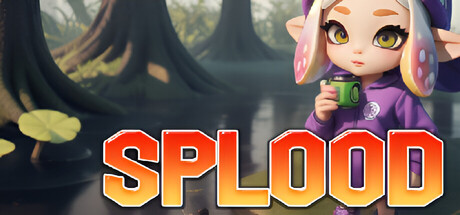
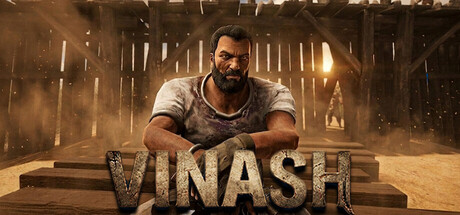
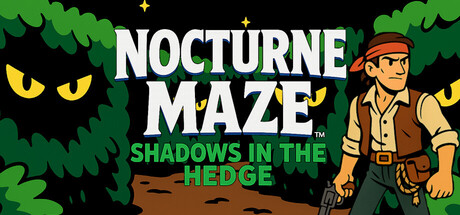
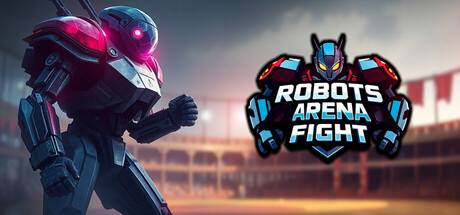
No AI-generated content is used in gameplay or in-game assets. Only certain promotional banner images incorporate AI-assisted elements derived from original in-game artwork.
The closing segment of the promotional video utilizes AI-generated content for atmospheric rendering.
The background image of the game promotional artwork was created using AI-generated elements.
The Steam store page banners and promotional creatives for the app were created with the assistance of generative AI tools. The in-game assets were either created manually or edited afterwards, but the visual materials used for marketing (such as header images, capsules, and promotional banners) include AI-generated elements.
This game uses generative artificial intelligence in a limited capacity to create some user interface images and visual elements for the narrative videos. AI was also used to support the writing of certain code snippets during development. No AI-generated content was used directly; everything was modified and adapted to integrate seamlessly with the game's visual and technical style. The 3D models, most of the code, and the overall design were developed manually by the team.
We use Generative AI as an assistive tool during the development process. Its primary uses are for code debugging, refactoring, and optimization, similar to a code assistant. We also use it as a creative sounding board to brainstorm and refine game design ideas.
No art, music, sound, or in-game text assets that are directly visible or audible to the player have been generated by AI. All final game assets are created by the developer.
A small portion of the art assets in this game utilizes AI-generated results, which have been manually redrawn or modified and will not affect the gaming experience.
AI tools used during development are used for generating some textures like faces of the characters, Voice generators for converting speaking style to appropriate and animations from mixamo for better experience of physics of the characters. Code generation tools are used to fix and analyze parts of code to provide simpleness and make development faster to deliver more products and assets.
Some of the 2D sprite assets and promotional images (such as the store capsule artwork) were partially generated using AI tools. These AI outputs served as a foundation and were further edited and refined by the artists to ensure quality, consistency, and originality. No AI-generated content is created during gameplay, and AI was only one step in a multi-stage creative process.
Some sound effects were generated using ElevenLabs AI tools during development. No AI is used during gameplay.
I definitely would replace them with custom sound design in future updates if my finances allow it.
In the game, AI tools were used to assist in completing the code and drawing work, and most of the content generated by AI was manually reworked in the later stage.
We used AI tools behind the scenes to make the game more vibrant, varied and polished. AI helped us brainstorm and sketch dozens of unique sea creatures and environments, generate high-quality textures and animations faster, and even suggest balanced enemy behaviors so each battle feels fair and fun. Thanks to AI assistance, our team could focus on crafting the best gameplay moments—AI simply sped up routine tasks, letting us fill the world with more creativity and detail.
AI is not used in the gameplay. The textures of the rank icon frames, rank textures, main menu textures, key textures, HUD textures, inventory textures, and city banner textures were generated in advance using a neural network and then manually edited. Weapon textures were selected from numerous generated images, and then models were made manually based on them. In most cases, the generated textures were modified. The models and textures of the characters in the game are made manually. The functions built into the engine are used to control enemies. All materials used do not violate copyright and comply with the rules.
AI was used to enhance the cover art and during the iteration phase of designing textures and object details. It provided design ideas but not finished products or assets.
There is no AI present in FLH which generates content or produces output of any kind.
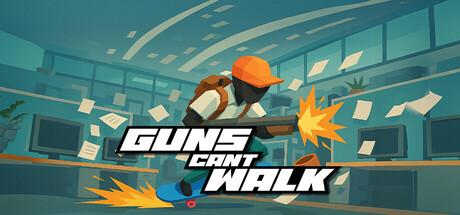
Googunners uses upgrade card art that is generated by Midjourney, and then authored in post.
Outiside of the updgrade cards art, everything else is human created.
The capsule art was partially generated using AI based on original character model renders and hand drawn references. They were then modified in Blender and finalized in Gimp.
In the development of [Your Game Title], we have incorporated artificial intelligence tools to enhance certain creative aspects of the project, while maintaining our core vision and quality standards throughout the development process.Game Background Music: The original soundtrack featured in the game was generated using AI music composition tools. These tools assisted in creating musical elements that align with the game’s atmosphere and emotional tone, which were then reviewed and refined by our development team to ensure they complement the gameplay experience.Store Page Assets: Various visual elements on the game’s Steam store page, including promotional graphics and layout components, were created with the support of AI image generation tools. These assets were designed to effectively showcase the game’s features and aesthetic, with adjustments made by our team to ensure consistency with the game’s identity.Character and Monster Art: The initial concept art and base designs for the game’s characters and monsters were developed using AI image generation tools. These AI-generated concepts served as a foundation, which our artists then expanded upon, refined, and personalized to ensure unique visual identities, cohesive art direction, and alignment with the game’s narrative and world-building.We remain committed to delivering an engaging and polished gaming experience, with AI serving as a creative aid to support our development process.
No AI-generated content is used in gameplay or in-game assets. Only certain promotional banner images incorporate AI-assisted elements derived from original in-game artwork.
The closing segment of the promotional video utilizes AI-generated content for atmospheric rendering.
The background image of the game promotional artwork was created using AI-generated elements.
The Steam store page banners and promotional creatives for the app were created with the assistance of generative AI tools. The in-game assets were either created manually or edited afterwards, but the visual materials used for marketing (such as header images, capsules, and promotional banners) include AI-generated elements.
This game uses generative artificial intelligence in a limited capacity to create some user interface images and visual elements for the narrative videos. AI was also used to support the writing of certain code snippets during development. No AI-generated content was used directly; everything was modified and adapted to integrate seamlessly with the game's visual and technical style. The 3D models, most of the code, and the overall design were developed manually by the team.
We use Generative AI as an assistive tool during the development process. Its primary uses are for code debugging, refactoring, and optimization, similar to a code assistant. We also use it as a creative sounding board to brainstorm and refine game design ideas.
No art, music, sound, or in-game text assets that are directly visible or audible to the player have been generated by AI. All final game assets are created by the developer.
A small portion of the art assets in this game utilizes AI-generated results, which have been manually redrawn or modified and will not affect the gaming experience.
AI tools used during development are used for generating some textures like faces of the characters, Voice generators for converting speaking style to appropriate and animations from mixamo for better experience of physics of the characters. Code generation tools are used to fix and analyze parts of code to provide simpleness and make development faster to deliver more products and assets.
Some of the 2D sprite assets and promotional images (such as the store capsule artwork) were partially generated using AI tools. These AI outputs served as a foundation and were further edited and refined by the artists to ensure quality, consistency, and originality. No AI-generated content is created during gameplay, and AI was only one step in a multi-stage creative process.
Some sound effects were generated using ElevenLabs AI tools during development. No AI is used during gameplay.
I definitely would replace them with custom sound design in future updates if my finances allow it.
In the game, AI tools were used to assist in completing the code and drawing work, and most of the content generated by AI was manually reworked in the later stage.
We used AI tools behind the scenes to make the game more vibrant, varied and polished. AI helped us brainstorm and sketch dozens of unique sea creatures and environments, generate high-quality textures and animations faster, and even suggest balanced enemy behaviors so each battle feels fair and fun. Thanks to AI assistance, our team could focus on crafting the best gameplay moments—AI simply sped up routine tasks, letting us fill the world with more creativity and detail.
AI is not used in the gameplay. The textures of the rank icon frames, rank textures, main menu textures, key textures, HUD textures, inventory textures, and city banner textures were generated in advance using a neural network and then manually edited. Weapon textures were selected from numerous generated images, and then models were made manually based on them. In most cases, the generated textures were modified. The models and textures of the characters in the game are made manually. The functions built into the engine are used to control enemies. All materials used do not violate copyright and comply with the rules.
AI was used to enhance the cover art and during the iteration phase of designing textures and object details. It provided design ideas but not finished products or assets.
There is no AI present in FLH which generates content or produces output of any kind.
Googunners uses upgrade card art that is generated by Midjourney, and then authored in post.
Outiside of the updgrade cards art, everything else is human created.
The capsule art was partially generated using AI based on original character model renders and hand drawn references. They were then modified in Blender and finalized in Gimp.