Public Steam disclosure research25,706 disclosures tracked
Where do games disclose AI use?
Search developers’ Steam disclosures, compare classified AI use across
games, and follow recorded changes.
This index adds cross-game classifications and statistics to
statements published on individual store pages.
Groups reflect automatic analysis of public disclosures; mature records are excluded. These counts do not measure AI use across all of Steam.
Missing or unclear statements cannot establish whether a game uses AI.
This game contains content created with the help of AI technology.
– Some parts of the scenario text were generated with AI assistance.
– Certain character illustrations and background art were created using AI-generated images.
– The background music includes AI-generated compositions.
No AI-generated voice acting is used.
There are no features allowing users to generate or submit AI-generated content.
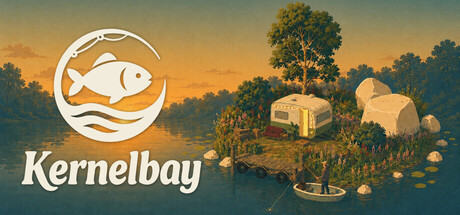
Some of Kernelbay’s 2D assets and music tracks were initially generated using AI tools as a base. However, every asset has been processed, refined, and modified by our team to ensure consistency, quality, and full integration with the game’s art direction and atmosphere.
Some illustrations in the game generated by AI, whose license allows commercial use of the results. AI used only for rare illustrations or manipulation of photographs taken by the authors themselves. No AI was used to write any texts.
Some parts of the game use AI-generated technology to restore historical illustrations, historical artifacts and other pre-rendered content.And it can have AI generated conversations with NPCs
We use generative AI as a supportive tool—drafting boilerplate code, polishing in-game and marketing texts, and creating initial translations—then our team refines and validates every output to ensure the final content is high-quality, authentic, and true to our vision.
Our game uses generative AI exclusively for creating synthetic sounds and voiceovers. These AI-generated audio elements are entirely artificial and are not based on or identifiable with any real individual. We do not use AI for gameplay, narrative, or character design—only for enhancing the audio experience.
For the visuals of our game’s store page, we utilized generative artificial intelligence to create some of the content. However, all of these visuals have been personally edited and refined by me using Photoshop and other editing software. The AI-generated content only served as a basic framework, and all designs, color adjustments, compositions, and final touches have been carefully reviewed and adjusted by me. Additionally, I have ensured that the created visuals do not infringe on any existing copyrights, and I guarantee their compliance with legal standards. If there are any issues with missing credits or references for certain sounds, visuals, or elements, I will promptly correct them and provide proper attribution where necessary.
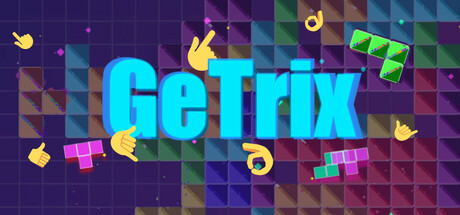
GeTrix uses AI-powered gesture recognition for intuitive, camera-based controls.
Additionally, AI was used during development to assist with the creation of background music.
No AI is used to generate content or code during gameplay.
At present, the game is being developed by one person, and AI assistance is used to improve efficiency. In terms of code and illustrations, dubbing, and music, if there is funding, manual updates will be used to improve the quality of the game.
We apply artificial intelligence to enhance original materials in 2D content, such as character avatars and loading screens.
Initially, we capture a screenshot of the staging scene within the game. Subsequently, this screenshot undergoes processing using artificial intelligence while preserving all key proportions and details of the original material. Following this, our artists conduct final processing if necessary.
This game uses AI technology for sketch-to-image generation. Players can draw sketches in-game and use AI models based on Stable Diffusion 1.5 to convert sketches into complete images. We use self-trained LoRA models to provide specific artistic styles.
All AI-generated content is controlled through a strict prompt filtering system to ensure compliance with Steam's content policies.
AI was used to assist with the translation of in-game text (localization) into different languages. The original narrative, dialogues, and all visual assets were created by humans.
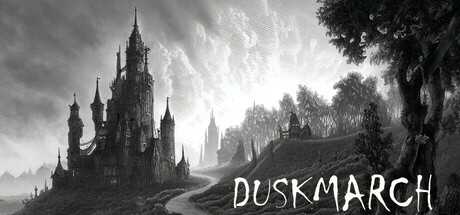
As a solo developer, I’ve leveraged AI tools to enhance various aspects of Duskmarch’s development while ensuring the game remains a deeply personal and creative project. Specifically, I’ve used AI to assist with the following:
Artwork Creation: AI has been instrumental in generating some of the game’s images, helping me bring the dark fantasy world of Duskmarch to life with visuals that match my vision. These AI-generated assets are carefully curated and often edited to ensure they align with the game’s unique aesthetic.
Text Polishing: To ensure clarity and professionalism, I’ve used AI to correct grammatical and lexical errors in the game’s text, including story content and UI elements. This helps me deliver a polished experience for players.
Localization: AI has also supported the localization process, assisting with translating the game’s stories and interface into multiple languages. This allows me to reach a broader audience while maintaining the integrity of the narrative. All AI-assisted translations are reviewed and refined to ensure accuracy and cultural sensitivity.
While AI has been a valuable tool in streamlining these aspects of development, the core design, storytelling, and gameplay mechanics of Duskmarch are crafted by me, reflecting my passion for creating an immersive and engaging experience. I’m committed to using AI responsibly and transparently, and I’m excited to share this journey with the community!
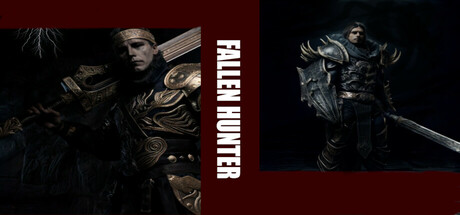
Fallen Hunter uses AI voice technology via Resemble AI to bring its characters to life with natural, immersive performances. This enhances the emotional depth of the story and helps create a more cinematic experience.
We used AI-based image generation tools to create our visual assets (store banners, concept art, and some in-game backgrounds). Voice performances were recorded manually, then processed with AI audio tools to enhance and modulate the actor’s voice (e.g. adjusting thickness and tone). No generative AI is used during actual gameplay or to create code or dialogue in real time.
Artificial intelligence helped create some of the basic graphics and sounds in the game. It was not used for the game code. We plan to use AI for future promotions and for entertaining content for the community and fans of the game.
Some visual assets used in the game and on this store page were created with the assistance of AI tools. These include background illustrations and certain icons. All gameplay design, logic, and writing were created manually.
Select marketing assets underwent AI-assisted pre-generation during the creation process, with all content strictly adhering to the game's authentic representation and containing no misleading depictions or fabricated elements.
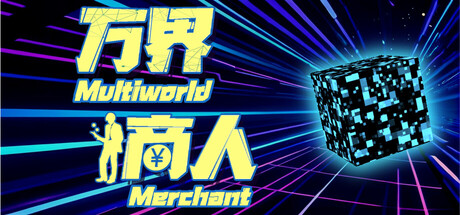
In our content, only the part of the art assets is generated by AI. Due to the extremely large number of our art resource images, we are unable to complete the production in a short period of time. We can only temporarily rely on AI to express the art. We apologize for any inconvenience this may cause.
Creator
Weihai Fantasy Color Computer Software Development Co.,Ltd
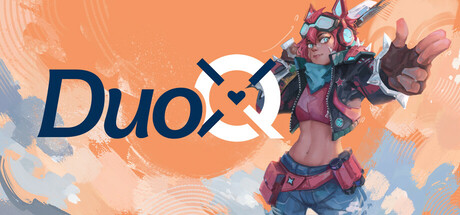
DuoQ. uses on-device transcription, activated by the player via push-to-talk, to transcribe the player's voice. That transcription is sent directly to a cloud LLM, which tells Tala what action to take next. All transcription data is discarded immediately after use.
I use a highly curated AI prompt, driven by automation software, to generate levels for the game. By taking an AI prompt that describes the basic architecture of a level, and adding the difficulty and a theme description, I get back an 8x20 grid. I then run a post process bit of code that looks for errors, and re-generates the level if an error is found.
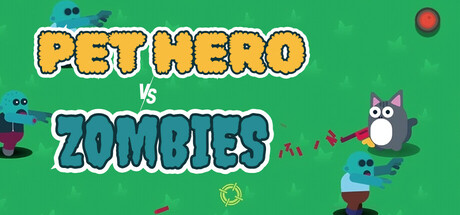
I also use a highly curated AI prompt, driven by automation software, to generate new avatars. Again, I add a theme (e.g. cute baby animals dressed as pirates) plus a list of about 260 animals to generate the base avatars. I then run image processing to remove the background and create a variety of sizes. Finally, I look at each avatar individually and edit to finalize removal of the background if anything was missed, or even redo the background removal manually if it got messed up by the automated image processor.
This game contains content created with the help of AI technology.
– Some parts of the scenario text were generated with AI assistance.
– Certain character illustrations and background art were created using AI-generated images.
– The background music includes AI-generated compositions.
No AI-generated voice acting is used.
There are no features allowing users to generate or submit AI-generated content.
Some of Kernelbay’s 2D assets and music tracks were initially generated using AI tools as a base. However, every asset has been processed, refined, and modified by our team to ensure consistency, quality, and full integration with the game’s art direction and atmosphere.
Some illustrations in the game generated by AI, whose license allows commercial use of the results. AI used only for rare illustrations or manipulation of photographs taken by the authors themselves. No AI was used to write any texts.
Some parts of the game use AI-generated technology to restore historical illustrations, historical artifacts and other pre-rendered content.And it can have AI generated conversations with NPCs
We use generative AI as a supportive tool—drafting boilerplate code, polishing in-game and marketing texts, and creating initial translations—then our team refines and validates every output to ensure the final content is high-quality, authentic, and true to our vision.
Our game uses generative AI exclusively for creating synthetic sounds and voiceovers. These AI-generated audio elements are entirely artificial and are not based on or identifiable with any real individual. We do not use AI for gameplay, narrative, or character design—only for enhancing the audio experience.
For the visuals of our game’s store page, we utilized generative artificial intelligence to create some of the content. However, all of these visuals have been personally edited and refined by me using Photoshop and other editing software. The AI-generated content only served as a basic framework, and all designs, color adjustments, compositions, and final touches have been carefully reviewed and adjusted by me. Additionally, I have ensured that the created visuals do not infringe on any existing copyrights, and I guarantee their compliance with legal standards. If there are any issues with missing credits or references for certain sounds, visuals, or elements, I will promptly correct them and provide proper attribution where necessary.
GeTrix uses AI-powered gesture recognition for intuitive, camera-based controls.
Additionally, AI was used during development to assist with the creation of background music.
No AI is used to generate content or code during gameplay.
At present, the game is being developed by one person, and AI assistance is used to improve efficiency. In terms of code and illustrations, dubbing, and music, if there is funding, manual updates will be used to improve the quality of the game.
We apply artificial intelligence to enhance original materials in 2D content, such as character avatars and loading screens.
Initially, we capture a screenshot of the staging scene within the game. Subsequently, this screenshot undergoes processing using artificial intelligence while preserving all key proportions and details of the original material. Following this, our artists conduct final processing if necessary.
This game uses AI technology for sketch-to-image generation. Players can draw sketches in-game and use AI models based on Stable Diffusion 1.5 to convert sketches into complete images. We use self-trained LoRA models to provide specific artistic styles.
All AI-generated content is controlled through a strict prompt filtering system to ensure compliance with Steam's content policies.
AI was used to assist with the translation of in-game text (localization) into different languages. The original narrative, dialogues, and all visual assets were created by humans.
As a solo developer, I’ve leveraged AI tools to enhance various aspects of Duskmarch’s development while ensuring the game remains a deeply personal and creative project. Specifically, I’ve used AI to assist with the following:
Artwork Creation: AI has been instrumental in generating some of the game’s images, helping me bring the dark fantasy world of Duskmarch to life with visuals that match my vision. These AI-generated assets are carefully curated and often edited to ensure they align with the game’s unique aesthetic.
Text Polishing: To ensure clarity and professionalism, I’ve used AI to correct grammatical and lexical errors in the game’s text, including story content and UI elements. This helps me deliver a polished experience for players.
Localization: AI has also supported the localization process, assisting with translating the game’s stories and interface into multiple languages. This allows me to reach a broader audience while maintaining the integrity of the narrative. All AI-assisted translations are reviewed and refined to ensure accuracy and cultural sensitivity.
While AI has been a valuable tool in streamlining these aspects of development, the core design, storytelling, and gameplay mechanics of Duskmarch are crafted by me, reflecting my passion for creating an immersive and engaging experience. I’m committed to using AI responsibly and transparently, and I’m excited to share this journey with the community!
Fallen Hunter uses AI voice technology via Resemble AI to bring its characters to life with natural, immersive performances. This enhances the emotional depth of the story and helps create a more cinematic experience.
We used AI-based image generation tools to create our visual assets (store banners, concept art, and some in-game backgrounds). Voice performances were recorded manually, then processed with AI audio tools to enhance and modulate the actor’s voice (e.g. adjusting thickness and tone). No generative AI is used during actual gameplay or to create code or dialogue in real time.
Artificial intelligence helped create some of the basic graphics and sounds in the game. It was not used for the game code. We plan to use AI for future promotions and for entertaining content for the community and fans of the game.
Some visual assets used in the game and on this store page were created with the assistance of AI tools. These include background illustrations and certain icons. All gameplay design, logic, and writing were created manually.
Select marketing assets underwent AI-assisted pre-generation during the creation process, with all content strictly adhering to the game's authentic representation and containing no misleading depictions or fabricated elements.
In our content, only the part of the art assets is generated by AI. Due to the extremely large number of our art resource images, we are unable to complete the production in a short period of time. We can only temporarily rely on AI to express the art. We apologize for any inconvenience this may cause.
Weihai Fantasy Color Computer Software Development Co.,Ltd
DuoQ. uses on-device transcription, activated by the player via push-to-talk, to transcribe the player's voice. That transcription is sent directly to a cloud LLM, which tells Tala what action to take next. All transcription data is discarded immediately after use.
I use a highly curated AI prompt, driven by automation software, to generate levels for the game. By taking an AI prompt that describes the basic architecture of a level, and adding the difficulty and a theme description, I get back an 8x20 grid. I then run a post process bit of code that looks for errors, and re-generates the level if an error is found.
I also use a highly curated AI prompt, driven by automation software, to generate new avatars. Again, I add a theme (e.g. cute baby animals dressed as pirates) plus a list of about 260 animals to generate the base avatars. I then run image processing to remove the background and create a variety of sizes. Finally, I look at each avatar individually and edit to finalize removal of the background if anything was missed, or even redo the background removal manually if it got messed up by the automated image processor.