Public Steam disclosure research25,497 disclosures tracked
Where do games disclose AI use?
Search developers’ Steam disclosures, compare classified AI use across
games, and follow recorded changes.
This index adds cross-game classifications and statistics to
statements published on individual store pages.
Groups reflect automatic analysis of public disclosures; mature records are excluded. These counts do not measure AI use across all of Steam.
Missing or unclear statements cannot establish whether a game uses AI.
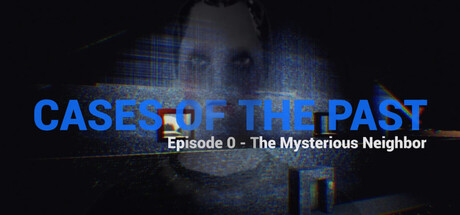
Generative Al was used only to assist in creating two small decorative images displayed in picture frames in the game. All other game content, including the story, dialogue, gameplay, environments, assets, artwork, and promotional materials, was created by TommyXplore."
This game contains artwork and narrative content created with
the assistance of generative AI. All AI-generated materials
have been carefully reviewed, selected, and edited by the
development team to ensure quality and consistency with the
game's vision.
We believe AI tools can support and accelerate the creative
process when used responsibly, and we remain committed to
maintaining creative oversight and storytelling integrity
throughout development.
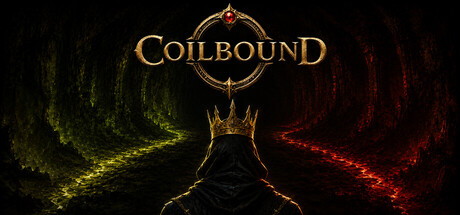
Some of the visual artwork in Coilbound — including character and card illustrations, environment art, and store assets — was created with the assistance of generative AI image tools during development. All generated content was reviewed, edited, and curated by the developer. Coilbound does not use any AI-generated content in real time during gameplay.
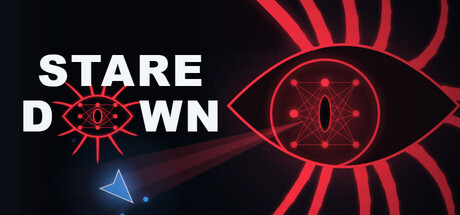
I write this game's code with the help of AI coding tools, and I review everything that ships. All the art is drawn by code — no AI image generation anywhere.
The enemy is a small neural network that trains locally on how you move. It only controls the eye's behavior, and it never generates art, text, or audio.
Generative AI tools were used during development to assist with selected pre-generated 3D assets, translations into additional languages, and marketing artwork. Polish and English source texts were written by the developer. All AI-assisted content was reviewed, edited, and integrated by the developer. The game does not generate AI content during gameplay.
Generative AI was used to produce the English voice-over for the in-game AI character. This was an intentional creative choice because the character itself is an artificial intelligence. AI also assisted with localization; however, responsibility for the final content rests with a human.
Coin Cleaner is made by a solo developer with the help of AI tools. Generative AI was used during development to assist in creating some of the game's content - including artwork, music, sound effects, and code - all of which was directed, curated, and reviewed by the developer, and used with appropriate commercial licensing. All AI-assisted content is created ahead of time (pre-generated). The game does not use AI to generate any content or code during gameplay, and does not connect to any external AI service while you play.
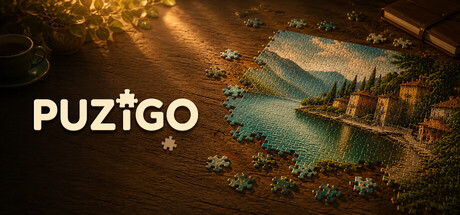
PUZIGO includes pre-generated AI content in the separate free Starter Pack DLC. The Starter Pack contains 40 AI-generated themed puzzle images across seven themes: abstract, animals, flowers, landscapes, painting-style, space, and steampunk.
These images were generated during development, manually reviewed, curated, and included as fixed content. PUZIGO does not use AI to generate content during gameplay.
The remaining five images in the Starter Pack are public-domain classical artworks. Images loaded through the optional Custom Image Unlock DLC are selected by the player, processed locally on the player's PC, and are not uploaded or generated by AI within PUZIGO.
Some promotional and store artwork also contains pre-generated AI-assisted visual elements.
AI tools were used during development to assist with concept art, visual references, and certain promotional assets. All gameplay systems, mechanics, and core design were created and implemented by the development team.
AI was used strictly as a supportive tool and does not directly control gameplay or player experience.
Some shipped visual assets, narrative text, localization, and store or marketing artwork were created or iterated with the assistance of generative AI tools. All output was selected, edited, reviewed, integrated, and tested by the developer. The game performs no live AI generation
and sends no player input or data to an AI service.
Generative AI tools were used during development to assist in the creation of certain visual and audio assets. This includes some concept art, textures, UI elements, loading screens, promotional artwork, graphical assets, music, and sound effects.
AI-assisted content may be edited, modified, retouched, mixed, or otherwise integrated by the development team before being included in the game or promotional materials.
Generative AI is not used to dynamically generate content during gameplay.
Generative AI tools were used during development to create portions of the game’s artwork,sound and localization. Each AI-assisted asset was reviewed, edited, palette-matched, and curated by the developer.
PER MY LAST EMAIL contains pre-generated AI content. Its music is created with generative audio tools; its sound effects are CC0 recordings, not generated. Its narrative text is human-AI co-written and human-edited under the author's direction; the game design is the author's. Its store artwork uses AI-generated background plates, composed and finished programmatically; the game's own user-interface elements are drawn in code and contain no AI-generated images. No AI content is generated at runtime, and the game contains no AI-generated depictions of real people.
Parts of this game's code were written with the assistance of AI programming tools; all output was reviewed, tested and integrated by the developer. Store page texts and localizations were also produced with AI assistance and reviewed by the developer. [Some music and sound assets were created using AI generation tools and curated by the developer.] [Some marketing artwork (e.g. capsule images) was created with AI image tools and edited by the developer.] All in-game 3D models and simulation content are authored procedurally or by hand. The game does not generate any content with AI at runtime, and it does not connect to any external AI services.
Some visual assets in this game and on this store page were made with the assistance of generative AI tools and then edited by hand — specifically, the game's logo and the decorative border of the certificate you are awarded at the end of a run. Everything else was authored by the developer: all other art, all interface text, all film titles, and all game data. Nothing is generated while you play. The game makes no network connection of any kind.
This game uses generative AI for some of its text content — achievement names and descriptions, story fragments, and flavor text were generated with AI assistance during development, along with parts of this store page. The game's art and sound are not AI-generated: every visual is procedural code (vector shapes, no images or bitmaps), and every sound is synthesized in real time — nothing recorded, nothing AI-generated.
I'm a solo developer. The idea, design, writing, levels and world are my own work. I use AI to help me write code, and some environment art starts from AI-generated drafts that I then repaint and edit by hand in Procreate. Nothing is AI-generated while you play. The music is a real recording from the 1930s.
Generative AI was used to assist in creating some visual assets for the game's store page and promotional materials. All gameplay mechanics, programming, level design, story, and final game implementation were created by the developer.
Music and certain in-game UI icons were created using generative AI tools. All AI-generated assets were reviewed, selected, and, where necessary, edited by the developer before being included in the game. The game does not generate any AI content during gameplay.
Krukmore is developed by a solo developer who uses generative AI as part of the production pipeline. Character and environment sprite art was created using AI image generation, then processed, edited, and integrated by hand. Portions of the game's code were written with AI assistance under the developer's direction, with all systems designed, reviewed, and tested by the developer. All AI-generated content is created during development ("pre-generated") — the game does not generate any content while you play, and no AI runs on your machine. Game design, writing, and all creative decisions are the work of the developer.
Some of our art (not all) began as generative drafts made with AI tools, then heavily reworked by hand to fit the game's look. Everything else, story, music, game design and level design is human-made (with love).
Some sound effects and decorative artwork in this game were created using generative AI tools. The game's design, mechanics, level structure, and written content were created by the developer. AI-generated content is limited to supporting assets only.
Some of this game's assets were made with the assistance of generative AI tools and were reviewed, curated and hand-finished by the developer. No content is generated while you play.
Generative AI was used during development to assist with programming and the creation of certain visual, textual, and other development assets. All content included in the final game was reviewed, edited, and approved by the developer. The game does not generate AI content during gameplay.
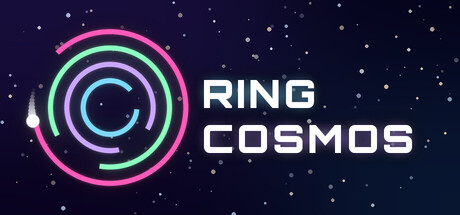
Ring Cosmos was developed by a solo developer with AI assistance during programming. The store page capsule images were also produced with AI assistance, generated programmatically through custom drawing code rather than image generation models. All game visuals are drawn in real time by the game's own rendering code. The soundtrack is licensed human-made music by JDSherbert. No AI content is generated while you play.
Generative AI technology is used in a supplementary capacity during the creation of some user interface assets.
Any such assets are replaced through our production pipeline by our art and development teams, ensuring they meet our quality standards and creative direction.
Generative AI tools were used during development to assist with portions of the source code and to create some variations of character artwork, such as facial expressions and color variations. All original character designs and base artwork were created by the developer. All AI-assisted outputs were reviewed, edited, and finalized by the developer. The application does not generate AI content while it is running.
Of course, we used artificial intelligence to create some of the illustrations and interface elements, translate texts into various languages, and make the programmers’ work easier. Without AI, it would have been impossible to bring our project to life with the quality we envisioned and within a realistic timeframe. We’d like to thank the developers and companies behind artificial intelligence for the incredible tools that helped us realize our dream and create this game.
We use generative AI tools during the pre-production phase to create specific pre-rendered assets for the final game build. Specifically, AI assistance was utilized to generate elements of the instrumental soundtrack, ambient sound effects, and select minor environment/prop assets within the game world. No AI content is generated live or dynamically during gameplay, and all assets have been thoroughly reviewed to ensure they do not infringe on existing copyrights.
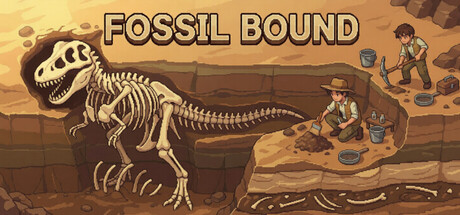
Generative AI tools were used during development to create and refine some pre-generated 2D artwork used in the game and its marketing, including environmental backgrounds, character and item art, fossil and museum visuals, capsule and library artwork, and achievement imagery. All AI-assisted assets were selected, edited, and integrated by the developer before shipping. The game does not generate AI content during gameplay and does not connect to a live AI service.
Generative Al was used only to assist in creating two small decorative images displayed in picture frames in the game. All other game content, including the story, dialogue, gameplay, environments, assets, artwork, and promotional materials, was created by TommyXplore."
This game contains artwork and narrative content created with
the assistance of generative AI. All AI-generated materials
have been carefully reviewed, selected, and edited by the
development team to ensure quality and consistency with the
game's vision.
We believe AI tools can support and accelerate the creative
process when used responsibly, and we remain committed to
maintaining creative oversight and storytelling integrity
throughout development.
Some of the visual artwork in Coilbound — including character and card illustrations, environment art, and store assets — was created with the assistance of generative AI image tools during development. All generated content was reviewed, edited, and curated by the developer. Coilbound does not use any AI-generated content in real time during gameplay.
I write this game's code with the help of AI coding tools, and I review everything that ships. All the art is drawn by code — no AI image generation anywhere.
The enemy is a small neural network that trains locally on how you move. It only controls the eye's behavior, and it never generates art, text, or audio.
Generative AI tools were used during development to assist with selected pre-generated 3D assets, translations into additional languages, and marketing artwork. Polish and English source texts were written by the developer. All AI-assisted content was reviewed, edited, and integrated by the developer. The game does not generate AI content during gameplay.
Generative AI was used to produce the English voice-over for the in-game AI character. This was an intentional creative choice because the character itself is an artificial intelligence. AI also assisted with localization; however, responsibility for the final content rests with a human.
Coin Cleaner is made by a solo developer with the help of AI tools. Generative AI was used during development to assist in creating some of the game's content - including artwork, music, sound effects, and code - all of which was directed, curated, and reviewed by the developer, and used with appropriate commercial licensing. All AI-assisted content is created ahead of time (pre-generated). The game does not use AI to generate any content or code during gameplay, and does not connect to any external AI service while you play.
PUZIGO includes pre-generated AI content in the separate free Starter Pack DLC. The Starter Pack contains 40 AI-generated themed puzzle images across seven themes: abstract, animals, flowers, landscapes, painting-style, space, and steampunk.
These images were generated during development, manually reviewed, curated, and included as fixed content. PUZIGO does not use AI to generate content during gameplay.
The remaining five images in the Starter Pack are public-domain classical artworks. Images loaded through the optional Custom Image Unlock DLC are selected by the player, processed locally on the player's PC, and are not uploaded or generated by AI within PUZIGO.
Some promotional and store artwork also contains pre-generated AI-assisted visual elements.
AI tools were used during development to assist with concept art, visual references, and certain promotional assets. All gameplay systems, mechanics, and core design were created and implemented by the development team.
AI was used strictly as a supportive tool and does not directly control gameplay or player experience.
Some shipped visual assets, narrative text, localization, and store or marketing artwork were created or iterated with the assistance of generative AI tools. All output was selected, edited, reviewed, integrated, and tested by the developer. The game performs no live AI generation
and sends no player input or data to an AI service.
Generative AI tools were used during development to assist in the creation of certain visual and audio assets. This includes some concept art, textures, UI elements, loading screens, promotional artwork, graphical assets, music, and sound effects.
AI-assisted content may be edited, modified, retouched, mixed, or otherwise integrated by the development team before being included in the game or promotional materials.
Generative AI is not used to dynamically generate content during gameplay.
Generative AI tools were used during development to create portions of the game’s artwork,sound and localization. Each AI-assisted asset was reviewed, edited, palette-matched, and curated by the developer.
PER MY LAST EMAIL contains pre-generated AI content. Its music is created with generative audio tools; its sound effects are CC0 recordings, not generated. Its narrative text is human-AI co-written and human-edited under the author's direction; the game design is the author's. Its store artwork uses AI-generated background plates, composed and finished programmatically; the game's own user-interface elements are drawn in code and contain no AI-generated images. No AI content is generated at runtime, and the game contains no AI-generated depictions of real people.
Parts of this game's code were written with the assistance of AI programming tools; all output was reviewed, tested and integrated by the developer. Store page texts and localizations were also produced with AI assistance and reviewed by the developer. [Some music and sound assets were created using AI generation tools and curated by the developer.] [Some marketing artwork (e.g. capsule images) was created with AI image tools and edited by the developer.] All in-game 3D models and simulation content are authored procedurally or by hand. The game does not generate any content with AI at runtime, and it does not connect to any external AI services.
Some visual assets in this game and on this store page were made with the assistance of generative AI tools and then edited by hand — specifically, the game's logo and the decorative border of the certificate you are awarded at the end of a run. Everything else was authored by the developer: all other art, all interface text, all film titles, and all game data. Nothing is generated while you play. The game makes no network connection of any kind.
This game uses generative AI for some of its text content — achievement names and descriptions, story fragments, and flavor text were generated with AI assistance during development, along with parts of this store page. The game's art and sound are not AI-generated: every visual is procedural code (vector shapes, no images or bitmaps), and every sound is synthesized in real time — nothing recorded, nothing AI-generated.
I'm a solo developer. The idea, design, writing, levels and world are my own work. I use AI to help me write code, and some environment art starts from AI-generated drafts that I then repaint and edit by hand in Procreate. Nothing is AI-generated while you play. The music is a real recording from the 1930s.
Generative AI was used to assist in creating some visual assets for the game's store page and promotional materials. All gameplay mechanics, programming, level design, story, and final game implementation were created by the developer.
Music and certain in-game UI icons were created using generative AI tools. All AI-generated assets were reviewed, selected, and, where necessary, edited by the developer before being included in the game. The game does not generate any AI content during gameplay.
Krukmore is developed by a solo developer who uses generative AI as part of the production pipeline. Character and environment sprite art was created using AI image generation, then processed, edited, and integrated by hand. Portions of the game's code were written with AI assistance under the developer's direction, with all systems designed, reviewed, and tested by the developer. All AI-generated content is created during development ("pre-generated") — the game does not generate any content while you play, and no AI runs on your machine. Game design, writing, and all creative decisions are the work of the developer.
Some of our art (not all) began as generative drafts made with AI tools, then heavily reworked by hand to fit the game's look. Everything else, story, music, game design and level design is human-made (with love).
Some sound effects and decorative artwork in this game were created using generative AI tools. The game's design, mechanics, level structure, and written content were created by the developer. AI-generated content is limited to supporting assets only.
Some of this game's assets were made with the assistance of generative AI tools and were reviewed, curated and hand-finished by the developer. No content is generated while you play.
Generative AI was used during development to assist with programming and the creation of certain visual, textual, and other development assets. All content included in the final game was reviewed, edited, and approved by the developer. The game does not generate AI content during gameplay.
Ring Cosmos was developed by a solo developer with AI assistance during programming. The store page capsule images were also produced with AI assistance, generated programmatically through custom drawing code rather than image generation models. All game visuals are drawn in real time by the game's own rendering code. The soundtrack is licensed human-made music by JDSherbert. No AI content is generated while you play.
Generative AI technology is used in a supplementary capacity during the creation of some user interface assets.
Any such assets are replaced through our production pipeline by our art and development teams, ensuring they meet our quality standards and creative direction.
Generative AI tools were used during development to assist with portions of the source code and to create some variations of character artwork, such as facial expressions and color variations. All original character designs and base artwork were created by the developer. All AI-assisted outputs were reviewed, edited, and finalized by the developer. The application does not generate AI content while it is running.
Of course, we used artificial intelligence to create some of the illustrations and interface elements, translate texts into various languages, and make the programmers’ work easier. Without AI, it would have been impossible to bring our project to life with the quality we envisioned and within a realistic timeframe. We’d like to thank the developers and companies behind artificial intelligence for the incredible tools that helped us realize our dream and create this game.
We use generative AI tools during the pre-production phase to create specific pre-rendered assets for the final game build. Specifically, AI assistance was utilized to generate elements of the instrumental soundtrack, ambient sound effects, and select minor environment/prop assets within the game world. No AI content is generated live or dynamically during gameplay, and all assets have been thoroughly reviewed to ensure they do not infringe on existing copyrights.
Generative AI tools were used during development to create and refine some pre-generated 2D artwork used in the game and its marketing, including environmental backgrounds, character and item art, fossil and museum visuals, capsule and library artwork, and achievement imagery. All AI-assisted assets were selected, edited, and integrated by the developer before shipping. The game does not generate AI content during gameplay and does not connect to a live AI service.