Public Steam disclosure research25,497 disclosures tracked
Where do games disclose AI use?
Search developers’ Steam disclosures, compare classified AI use across
games, and follow recorded changes.
This index adds cross-game classifications and statistics to
statements published on individual store pages.
Groups reflect automatic analysis of public disclosures; mature records are excluded. These counts do not measure AI use across all of Steam.
Missing or unclear statements cannot establish whether a game uses AI.
Generative AI was used to assist with grammar and spelling checks for some in-game text, translate store page content, and generate some sound assets. All content was reviewed and approved by the developer before inclusion. The game does not use live-generated AI.
The core game mechanics, game design, and overall creative direction are 100% my original vision. No AI tools were used for conceptualizing ideas or narrative structure. The programming code was generated utilizing the Rosebud AI platform, and the 2D visual assets were initially created with generative art tools. Code, artwork, and music were reviewed, manually edited, and arranged by me to bring my specific creative vision to life.
Im a solo indie dev, so I used IA tools for better usage of production time. I used code tools to make it easier to implement mechanics. I used Art IA tools to make starting points from where I can work on top. I used Sound IA tools to make music for this game.
Of course all these is because im a solo dev. Im planning to contract a team in the future if Im able to.
AI generated art and other assets were referenced and partly used during development, but every effort is taken to make the game original. At UWS, we make every effort to support our art/design team and use AI very rarely to meet our production needs
Generative AI tools were used during development to assist in creating and refining certain pre-generated 2D visual assets, including character artwork, environments, user interface elements, promotional materials, and store page graphics. All AI-assisted content was reviewed, edited, selected, and integrated by the developer. The game does not generate AI content during gameplay and does not send player input to external AI services.
Some content in this game was created with the assistance of generative AI tools, then curated, edited, and integrated by hand by the solo developer. This includes: character and enemy sprite animations (AI-generated video processed by hand into sprite animations), environment and background artwork, the story tapestry illustrations, title and store artwork, music, and some sound effects. All such content is pre-rendered and ships with the game — nothing is generated live at runtime. All content was reviewed by the developer to ensure it does not include illegal or infringing material.
Some pre-generated 2D artwork used in the game and store materials was created or assisted with generative AI tools during development, then manually reviewed, edited, resized, and integrated by the developer. The game does not use live-generated AI during gameplay, and no player input is sent to any generative AI service.
As a solo developer, I unfortunately cannot afford to hire artists or creators, so the media in my game is a mix of AI-generated and hand-edited/crafted. I would love to have my assets professionally made, but the cost of somewhere around two thousand icons, portraits, and other media assets would be far more than I can afford as just some guy working alone. I've done my best to create the best art and sounds with the tools I have access to, trying extremely hard to make things you will enjoy. If this game were to ever be successful enough, I'd love to hire professional artists one day to remake my assets (and for my future games). I thank you for your understanding, and I hope the game is good enough to get me there eventually!
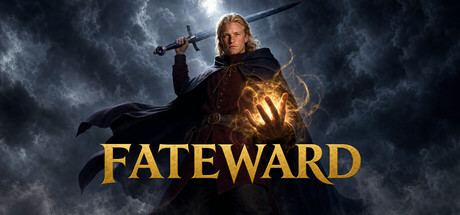
Fateward's visuals, UI, music, sound, character voices, and Steam store assets are created using generative AI and curated by hand, from a game written and directed by the developer.
Some visual assets, 3D models, textures, UI images, promotional images, music, sound effects, and reference material used in this game were created or assisted with using generative AI tools. These assets were reviewed, edited, adjusted, and integrated by the developer.
The game itself does not generate AI content during gameplay.
Generative AI was used to enhance and improve some cutscene visuals. Apart from these specific visual assets, no other parts of the game were created using generative AI.
All gameplay systems, game design, programming, writing, balancing, and the majority of visual content were created manually by the developer.
This game uses AI-generated content in two areas: background music tracks were created using Mureka AI, and some pixel art assets were generated using PixelLab. All AI-generated content was reviewed, curated, and integrated by the developer.
The game includes pre-generated visual and audio assets created with the assistance of generative AI tools. These include character artwork, environmental backgrounds, music, and singing vocals. All lyrics were written entirely by the developer without the use of generative AI, while the music and vocals were created through a collaborative process involving human creative direction and generative AI tools. All AI-assisted outputs were reviewed, selected, edited, and integrated by the developer. The game does not generate content during gameplay and does not send player input to any AI service.
Some art assets in this game were created during development with generative AI tools (ChatGPT, Google Gemini, and Leonardo.ai), then manually selected and adjusted by the developer before release.
Music and sound effects are sourced from CC0 assets on OpenGameArt.org and were not AI-generated.
Generative AI was used to assist in the creation of certain Steam store page artwork (excluding screenshots and trailers) and in the multilingual localization of the store page.
Some art assets in this game were created or assisted by generative AI tools during development, including selected icons, textures, and promotional images. All such assets were pre-generated, manually reviewed, edited, and integrated into the game. The game does not generate AI content during runtime and does not connect to or use any external AI services.
The game uses Generative AI for the following in a Static manner nothing is dynamically generated I have used some of it for: Some Card Art, Some Event Art and finally Localization - Please try the free demo before purchase if you require a language other than English to see if its workable. Thank you!
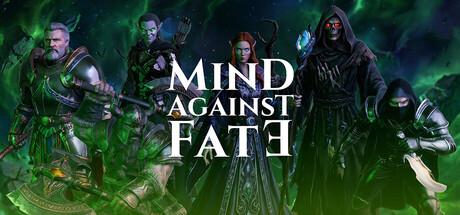
The development of Mind Against Fate utilized Artificial Intelligence (AI) tools to assist in the creation of specific pre-generated assets and coding workflows:
- Visual Assets: The portraits for heroes and in-game item icons were initially generated using Kling.AI and Google generative tools, and were subsequently refined, detailed, and polished using graphic design software.
- 3D Models: Certain 3D asset bases and models in the game were created with the assistance of Meshy.AI before being finalized and integrated into the game engine.
- Coding Assistance: Development and implementation speed were enhanced using AI-assisted coding tools (Cursor AI utilizing Google Gemini and Anthropic Claude versions).
We ensure that all generated content has been thoroughly reviewed and edited to meet quality standards, and contains no copyrighted or infringing materials.
Updated 8/24/2026 for Full Transparency:
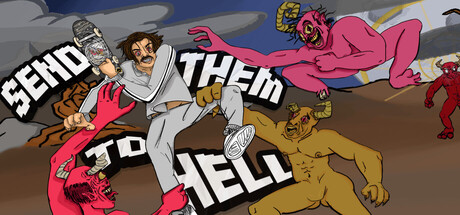
Send Them to Hell was built by a very small team with a very large appetite for demonic slaughter. Generative AI was used during development to create concept art and visual references for the graphic design team. These concepts were used as references during the creation and refinement of the game’s sprites and visual assets. The final assets were created and modified by the development team. The remainder of the artwork was created by human artists, who were compensated for their work and are credited in-game.
AI tools were used to create pre-rendered assets during development, including background illustrations, item images, some video cutscenes, and background music. All AI-generated content was curated, edited, and integrated by the developer. The game does not generate any content at runtime (no live-generated AI content).
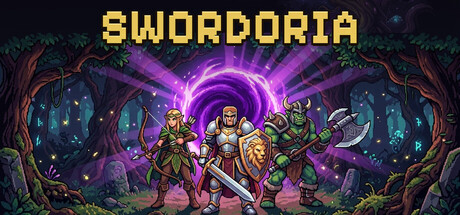
Swordoria was made by a solo developer with the help of generative AI tools. Some of the game's pixel art, music, and sound effects were generated with AI and then cut, edited, recolored, and assembled by hand, and parts of the code were written with the assistance of an AI coding tool. No generative AI runs while you play — all content is created and finalized during development and shipped as fixed assets in the game.
Some pre-made assets (3D models, sound effects, portraits, and some textures) were created with generative AI tools and then curated and integrated by hand. Music is human-composed and licensed. No AI content is generated while you play.
Pre-generated AI tools were used during development to assist with the creation of selected 2D artwork, visual assets, and sound effects. All AI-assisted content was reviewed, edited, and integrated by the developer. The game does not use generative AI to create content during gameplay.
Generative AI was used exclusively to create all of the game's music and some of the promotional artwork (such as posters and banners). No in-game assets, code, or mechanics were created using AI.
Some visual assets used in this game were created or assisted using generative AI and were further edited, refined, and integrated by the developers. No generative AI is used during gameplay.
Generative AI was used to create some in-game visual assets, including skill icons, character art, and equipment/item icons. These assets were reviewed and edited by the developer before release. AI was not used for story writing, audio, or core gameplay logic. AI-assisted assets may also appear on the Steam store page and marketing materials.
This game used AI-assisted tools in the following areas:
Achievement icons: AI-assisted generation
Some game code: AI-assisted writing
Game design, gameplay logic, balancing, core systems, and final testing were done entirely by humans.
Generative AI was used during development to assist in creating certain visual assets, dialogue drafts, event text, and marketing artwork. All AI-generated content has been reviewed, edited, and integrated by the developer before being included in the game. The game does not use live-generated AI content during gameplay.
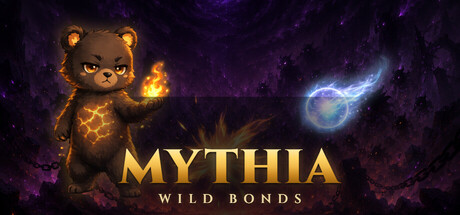
Mythia Wild Bonds was designed and built by a solo developer, game design, art direction, sound direction, and architecture are all the developer's own. AI generation tools were used to accelerate production of pixel art, sound effects, and music, each piece selected, reworked, and approved within the game's art bible and audio direction; code was also developed with AI pair-programming assistance, with all game systems designed by the developer. No content is AI-generated at runtime.
Generative AI was used to assist with grammar and spelling checks for some in-game text, translate store page content, and generate some sound assets. All content was reviewed and approved by the developer before inclusion. The game does not use live-generated AI.
The core game mechanics, game design, and overall creative direction are 100% my original vision. No AI tools were used for conceptualizing ideas or narrative structure. The programming code was generated utilizing the Rosebud AI platform, and the 2D visual assets were initially created with generative art tools. Code, artwork, and music were reviewed, manually edited, and arranged by me to bring my specific creative vision to life.
Im a solo indie dev, so I used IA tools for better usage of production time. I used code tools to make it easier to implement mechanics. I used Art IA tools to make starting points from where I can work on top. I used Sound IA tools to make music for this game.
Of course all these is because im a solo dev. Im planning to contract a team in the future if Im able to.
AI generated art and other assets were referenced and partly used during development, but every effort is taken to make the game original. At UWS, we make every effort to support our art/design team and use AI very rarely to meet our production needs
Generative AI tools were used during development to assist in creating and refining certain pre-generated 2D visual assets, including character artwork, environments, user interface elements, promotional materials, and store page graphics. All AI-assisted content was reviewed, edited, selected, and integrated by the developer. The game does not generate AI content during gameplay and does not send player input to external AI services.
Some content in this game was created with the assistance of generative AI tools, then curated, edited, and integrated by hand by the solo developer. This includes: character and enemy sprite animations (AI-generated video processed by hand into sprite animations), environment and background artwork, the story tapestry illustrations, title and store artwork, music, and some sound effects. All such content is pre-rendered and ships with the game — nothing is generated live at runtime. All content was reviewed by the developer to ensure it does not include illegal or infringing material.
Some pre-generated 2D artwork used in the game and store materials was created or assisted with generative AI tools during development, then manually reviewed, edited, resized, and integrated by the developer. The game does not use live-generated AI during gameplay, and no player input is sent to any generative AI service.
As a solo developer, I unfortunately cannot afford to hire artists or creators, so the media in my game is a mix of AI-generated and hand-edited/crafted. I would love to have my assets professionally made, but the cost of somewhere around two thousand icons, portraits, and other media assets would be far more than I can afford as just some guy working alone. I've done my best to create the best art and sounds with the tools I have access to, trying extremely hard to make things you will enjoy. If this game were to ever be successful enough, I'd love to hire professional artists one day to remake my assets (and for my future games). I thank you for your understanding, and I hope the game is good enough to get me there eventually!
Fateward's visuals, UI, music, sound, character voices, and Steam store assets are created using generative AI and curated by hand, from a game written and directed by the developer.
Some visual assets, 3D models, textures, UI images, promotional images, music, sound effects, and reference material used in this game were created or assisted with using generative AI tools. These assets were reviewed, edited, adjusted, and integrated by the developer.
The game itself does not generate AI content during gameplay.
Generative AI was used to enhance and improve some cutscene visuals. Apart from these specific visual assets, no other parts of the game were created using generative AI.
All gameplay systems, game design, programming, writing, balancing, and the majority of visual content were created manually by the developer.
This game uses AI-generated content in two areas: background music tracks were created using Mureka AI, and some pixel art assets were generated using PixelLab. All AI-generated content was reviewed, curated, and integrated by the developer.
The game includes pre-generated visual and audio assets created with the assistance of generative AI tools. These include character artwork, environmental backgrounds, music, and singing vocals. All lyrics were written entirely by the developer without the use of generative AI, while the music and vocals were created through a collaborative process involving human creative direction and generative AI tools. All AI-assisted outputs were reviewed, selected, edited, and integrated by the developer. The game does not generate content during gameplay and does not send player input to any AI service.
Some art assets in this game were created during development with generative AI tools (ChatGPT, Google Gemini, and Leonardo.ai), then manually selected and adjusted by the developer before release.
Music and sound effects are sourced from CC0 assets on OpenGameArt.org and were not AI-generated.
Generative AI was used to assist in the creation of certain Steam store page artwork (excluding screenshots and trailers) and in the multilingual localization of the store page.
Some art assets in this game were created or assisted by generative AI tools during development, including selected icons, textures, and promotional images. All such assets were pre-generated, manually reviewed, edited, and integrated into the game. The game does not generate AI content during runtime and does not connect to or use any external AI services.
The game uses Generative AI for the following in a Static manner nothing is dynamically generated I have used some of it for: Some Card Art, Some Event Art and finally Localization - Please try the free demo before purchase if you require a language other than English to see if its workable. Thank you!
The development of Mind Against Fate utilized Artificial Intelligence (AI) tools to assist in the creation of specific pre-generated assets and coding workflows:
- Visual Assets: The portraits for heroes and in-game item icons were initially generated using Kling.AI and Google generative tools, and were subsequently refined, detailed, and polished using graphic design software.
- 3D Models: Certain 3D asset bases and models in the game were created with the assistance of Meshy.AI before being finalized and integrated into the game engine.
- Coding Assistance: Development and implementation speed were enhanced using AI-assisted coding tools (Cursor AI utilizing Google Gemini and Anthropic Claude versions).
We ensure that all generated content has been thoroughly reviewed and edited to meet quality standards, and contains no copyrighted or infringing materials.
Updated 8/24/2026 for Full Transparency:
Send Them to Hell was built by a very small team with a very large appetite for demonic slaughter. Generative AI was used during development to create concept art and visual references for the graphic design team. These concepts were used as references during the creation and refinement of the game’s sprites and visual assets. The final assets were created and modified by the development team. The remainder of the artwork was created by human artists, who were compensated for their work and are credited in-game.
AI tools were used to create pre-rendered assets during development, including background illustrations, item images, some video cutscenes, and background music. All AI-generated content was curated, edited, and integrated by the developer. The game does not generate any content at runtime (no live-generated AI content).
Swordoria was made by a solo developer with the help of generative AI tools. Some of the game's pixel art, music, and sound effects were generated with AI and then cut, edited, recolored, and assembled by hand, and parts of the code were written with the assistance of an AI coding tool. No generative AI runs while you play — all content is created and finalized during development and shipped as fixed assets in the game.
Some pre-made assets (3D models, sound effects, portraits, and some textures) were created with generative AI tools and then curated and integrated by hand. Music is human-composed and licensed. No AI content is generated while you play.
Pre-generated AI tools were used during development to assist with the creation of selected 2D artwork, visual assets, and sound effects. All AI-assisted content was reviewed, edited, and integrated by the developer. The game does not use generative AI to create content during gameplay.
Generative AI was used exclusively to create all of the game's music and some of the promotional artwork (such as posters and banners). No in-game assets, code, or mechanics were created using AI.
Some visual assets used in this game were created or assisted using generative AI and were further edited, refined, and integrated by the developers. No generative AI is used during gameplay.
Generative AI was used to create some in-game visual assets, including skill icons, character art, and equipment/item icons. These assets were reviewed and edited by the developer before release. AI was not used for story writing, audio, or core gameplay logic. AI-assisted assets may also appear on the Steam store page and marketing materials.
This game used AI-assisted tools in the following areas:
Achievement icons: AI-assisted generation
Some game code: AI-assisted writing
Game design, gameplay logic, balancing, core systems, and final testing were done entirely by humans.
Generative AI was used during development to assist in creating certain visual assets, dialogue drafts, event text, and marketing artwork. All AI-generated content has been reviewed, edited, and integrated by the developer before being included in the game. The game does not use live-generated AI content during gameplay.
Mythia Wild Bonds was designed and built by a solo developer, game design, art direction, sound direction, and architecture are all the developer's own. AI generation tools were used to accelerate production of pixel art, sound effects, and music, each piece selected, reworked, and approved within the game's art bible and audio direction; code was also developed with AI pair-programming assistance, with all game systems designed by the developer. No content is AI-generated at runtime.