Public Steam disclosure research25,497 disclosures tracked
Where do games disclose AI use?
Search developers’ Steam disclosures, compare classified AI use across
games, and follow recorded changes.
This index adds cross-game classifications and statistics to
statements published on individual store pages.
Groups reflect automatic analysis of public disclosures; mature records are excluded. These counts do not measure AI use across all of Steam.
Missing or unclear statements cannot establish whether a game uses AI.
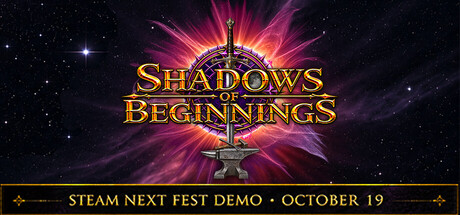
Generative AI tools are used as part of the visual asset production workflow for Shadows of Beginnings, including 3D models and UI/HUD elements. These assets are reviewed, edited, refined, and integrated by the development team before being used in the game.
The development team remains responsible for the game's design, programming, systems, level construction, gameplay, balancing, narrative, and overall creative direction.
No generative AI content is created live during gameplay.
Generative AI is used for a single feature: to allow players to create a custom illustration of their character reflecting their personalized appearance and equipped items for in-game use. There is no other use of Generative AI assets in MapleStory.
Some store page marketing images and artwork
were created with the assistance of AI image
generation tools. All in-game artwork,
characters, backgrounds, and gameplay content
were created by the development team. No AI
is used to generate content during gameplay.
Generative AI was used to code & write elements of this game including but not limited to items, default hero names, default party names, SVG Vectors and to make balance decisions and other elements of game play.
Generative AI tools were used during the development of certain visual and promotional assets for this game. All final content was reviewed and curated by the developer.
Some game assets and content were created with the assistance of generative AI tools during development. AI-assisted content was reviewed, curated, edited, and integrated into the final game by the developer. Generative AI is not used to create content during gameplay.
Generative AI tools were used during development to assist with visual assets, concept art, icons, textures, voice/audio content, and some marketing materials. All AI-assisted content is reviewed and edited by the developer before being included in the game or store page.
This game was developed by a solo developer with the assistance of generative AI tools in areas including programming logic, visual asset creation, and music and sound effects. Not all content was AI-generated — game design, mechanics, systems, level structure, and overall creative direction were conceived and built by the developer. All AI-assisted content was curated, directed, and refined to serve the game's creative vision.
We utilize only Google AI Studio text-to-speech models during development to pre-generate voice acting files for regional localization. All generated audio files are post-processed, mixed, and hardcoded into the game build using standard engine tools before distribution. No assets infringe on existing copyrights.
Some placeholder assets have been AI generated. We are actively working with human artists to replace all of the AI art in the game with human made art.
Some of the image assets in Panda vs Meow are created using generative AI tools and then manually edited and refined. Some of the music and sound effects are also AI-generated. Part of the game's code was written with AI assistance and reviewed by a human developer.
[Pre-Generated AI Content]This game makes extensive use of generative AI during development.AI tools were used to create or assist in producing the following assets:- Character illustrations and artwork- UI elements and visual effects- Sound and audio assets- Portions of the game codeAll AI-generated content has been reviewed, curated, and editedby the developer to ensure quality and fit the game's design vision.[Live-Generated AI Content]This game does not use any live-generated AI content during gameplay.
SonderSoft uses generative AI for localization to make games accessible to more players worldwide.
This free game with no monetization uses generated music that can be disabled in the settings. Whenever possible, SonderSoft prioritizes paying artists, creators, and actors.
Generative AI is used during development to assist with some character portraits, 3D environment assets, UI elements, narrative polish, and initial localization drafts.
AI-assisted visual content is based on concepts and art direction created by our team and is reviewed, edited, and refined before use. Localization will be reviewed and finalized by a professional localization provider.
We use AI-assisted tools in parts of our development process to assist with content creation, improve productivity, and streamline routine tasks so our team has more time for creative work. Where we use these tools, the work is directed, reviewed, and finalized by our team.
Some of this game's in-game text, including character dialogue and narrative/flavor writing was created with the help of generative AI tools during development, then reviewed and edited by the developer before release. The game's visual art is generated procedurally (algorithmically, not by AI). BrainRot Defender does not generate any content using AI in real time during gameplay, and does not connect to any external AI services.
Some promotional art assets, such as posters and icons, were created with the assistance of generative AI. These materials are used only for marketing and store presentation purposes.
Generative AI was not used to create artwork, audio, narrative content, or marketing assets for Dream Abstract. Generative AI tools were used during development to assist with coding and debugging.
I am a solo developer who worked with external freelancers for art and audio. Some assets provided by these contributors might have been created or assisted by generative AI tools, though their specific workflow was not monitored.
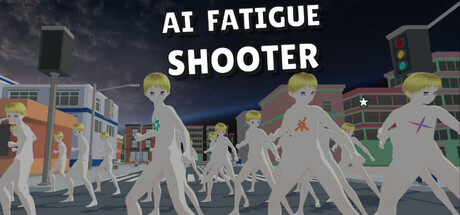
The game includes AI-driven enemy characters ("LLM zombies") that players can interact with through dialogue. These characters use a language model to generate responses dynamically during gameplay. The AI is used only to produce in-game dialogue and behavior for these enemies and does not generate user-uploaded content or external assets.
A Quick Note on AI Tools:
To give our loading screens a cinematic, atmospheric feel, we took screenshots of our actual game environments and used AI tools solely to enhance the lighting, details, and decals for those transition images. For our Achievement Icons, we used AI-generated imagery only for the background fillers, while the main icon artwork was manually created.
Rest assured, 100% of the actual playable game, including all 3D models, world textures, animations, and code was fully handcrafted by our team.
This game made extensive use of generative AI during development.
Most of the images in the game were created with the assistance of generative AI. Generative AI was also used for concept work, visual drafts, UI text, translation drafts, and promotional materials.
All AI-assisted content was reviewed and edited by the developer before being included in the game.
Generative AI is not used during gameplay to create real-time content or player-specific responses.
This disclosure message was also written with the assistance of generative AI.
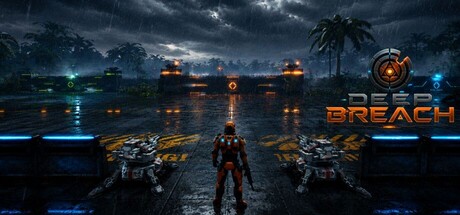
Deep Breach Demo contains some pre-generated visual assets created with assistance from generative AI tools during development. These include certain static 2D visual elements such as UI icons, item and turret imagery, and promotional/store artwork. No AI-generated content is created live during gameplay.
Generative AI were used to assist in the creation of assets, and artwork. All generated content was reviewed and modified by the developers before inclusion in the final game.
This game uses generative AI only for content prepared prior to release, not while you play.
• Store and marketing images (such as library artwork and app icons) may include elements created with generative image tools, then reviewed and edited by the developer.
• Non-English interface text and localized Steam store descriptions may be produced or assisted by machine translation (including automated translation services), then reviewed where possible.
Gameplay visuals are primarily programmatic pixel-style graphics generated by the game engine. Zone layouts are procedurally arranged by game logic, not by a generative AI model during play.
The game does not use generative AI to create new images, audio, or narrative for you during gameplay, and it does not connect to third-party generative AI services while you are playing.
Generative AI tools are used as part of the visual asset production workflow for Shadows of Beginnings, including 3D models and UI/HUD elements. These assets are reviewed, edited, refined, and integrated by the development team before being used in the game.
The development team remains responsible for the game's design, programming, systems, level construction, gameplay, balancing, narrative, and overall creative direction.
No generative AI content is created live during gameplay.
Generative AI is used for a single feature: to allow players to create a custom illustration of their character reflecting their personalized appearance and equipped items for in-game use. There is no other use of Generative AI assets in MapleStory.
Some store page marketing images and artwork
were created with the assistance of AI image
generation tools. All in-game artwork,
characters, backgrounds, and gameplay content
were created by the development team. No AI
is used to generate content during gameplay.
Generative AI was used to code & write elements of this game including but not limited to items, default hero names, default party names, SVG Vectors and to make balance decisions and other elements of game play.
Generative AI tools were used during the development of certain visual and promotional assets for this game. All final content was reviewed and curated by the developer.
Some game assets and content were created with the assistance of generative AI tools during development. AI-assisted content was reviewed, curated, edited, and integrated into the final game by the developer. Generative AI is not used to create content during gameplay.
Generative AI tools were used during development to assist with visual assets, concept art, icons, textures, voice/audio content, and some marketing materials. All AI-assisted content is reviewed and edited by the developer before being included in the game or store page.
This game was developed by a solo developer with the assistance of generative AI tools in areas including programming logic, visual asset creation, and music and sound effects. Not all content was AI-generated — game design, mechanics, systems, level structure, and overall creative direction were conceived and built by the developer. All AI-assisted content was curated, directed, and refined to serve the game's creative vision.
We utilize only Google AI Studio text-to-speech models during development to pre-generate voice acting files for regional localization. All generated audio files are post-processed, mixed, and hardcoded into the game build using standard engine tools before distribution. No assets infringe on existing copyrights.
Some placeholder assets have been AI generated. We are actively working with human artists to replace all of the AI art in the game with human made art.
Some of the image assets in Panda vs Meow are created using generative AI tools and then manually edited and refined. Some of the music and sound effects are also AI-generated. Part of the game's code was written with AI assistance and reviewed by a human developer.
[Pre-Generated AI Content]This game makes extensive use of generative AI during development.AI tools were used to create or assist in producing the following assets:- Character illustrations and artwork- UI elements and visual effects- Sound and audio assets- Portions of the game codeAll AI-generated content has been reviewed, curated, and editedby the developer to ensure quality and fit the game's design vision.[Live-Generated AI Content]This game does not use any live-generated AI content during gameplay.
SonderSoft uses generative AI for localization to make games accessible to more players worldwide.
This free game with no monetization uses generated music that can be disabled in the settings. Whenever possible, SonderSoft prioritizes paying artists, creators, and actors.
Generative AI is used during development to assist with some character portraits, 3D environment assets, UI elements, narrative polish, and initial localization drafts.
AI-assisted visual content is based on concepts and art direction created by our team and is reviewed, edited, and refined before use. Localization will be reviewed and finalized by a professional localization provider.
We use AI-assisted tools in parts of our development process to assist with content creation, improve productivity, and streamline routine tasks so our team has more time for creative work. Where we use these tools, the work is directed, reviewed, and finalized by our team.
Some of this game's in-game text, including character dialogue and narrative/flavor writing was created with the help of generative AI tools during development, then reviewed and edited by the developer before release. The game's visual art is generated procedurally (algorithmically, not by AI). BrainRot Defender does not generate any content using AI in real time during gameplay, and does not connect to any external AI services.
Some promotional art assets, such as posters and icons, were created with the assistance of generative AI. These materials are used only for marketing and store presentation purposes.
Generative AI was not used to create artwork, audio, narrative content, or marketing assets for Dream Abstract. Generative AI tools were used during development to assist with coding and debugging.
I am a solo developer who worked with external freelancers for art and audio. Some assets provided by these contributors might have been created or assisted by generative AI tools, though their specific workflow was not monitored.
The game includes AI-driven enemy characters ("LLM zombies") that players can interact with through dialogue. These characters use a language model to generate responses dynamically during gameplay. The AI is used only to produce in-game dialogue and behavior for these enemies and does not generate user-uploaded content or external assets.
A Quick Note on AI Tools:
To give our loading screens a cinematic, atmospheric feel, we took screenshots of our actual game environments and used AI tools solely to enhance the lighting, details, and decals for those transition images. For our Achievement Icons, we used AI-generated imagery only for the background fillers, while the main icon artwork was manually created.
Rest assured, 100% of the actual playable game, including all 3D models, world textures, animations, and code was fully handcrafted by our team.
This game made extensive use of generative AI during development.
Most of the images in the game were created with the assistance of generative AI. Generative AI was also used for concept work, visual drafts, UI text, translation drafts, and promotional materials.
All AI-assisted content was reviewed and edited by the developer before being included in the game.
Generative AI is not used during gameplay to create real-time content or player-specific responses.
This disclosure message was also written with the assistance of generative AI.
Deep Breach Demo contains some pre-generated visual assets created with assistance from generative AI tools during development. These include certain static 2D visual elements such as UI icons, item and turret imagery, and promotional/store artwork. No AI-generated content is created live during gameplay.
Generative AI were used to assist in the creation of assets, and artwork. All generated content was reviewed and modified by the developers before inclusion in the final game.
This game uses generative AI only for content prepared prior to release, not while you play.
• Store and marketing images (such as library artwork and app icons) may include elements created with generative image tools, then reviewed and edited by the developer.
• Non-English interface text and localized Steam store descriptions may be produced or assisted by machine translation (including automated translation services), then reviewed where possible.
Gameplay visuals are primarily programmatic pixel-style graphics generated by the game engine. Zone layouts are procedurally arranged by game logic, not by a generative AI model during play.
The game does not use generative AI to create new images, audio, or narrative for you during gameplay, and it does not connect to third-party generative AI services while you are playing.