


Disclosure
Claude was used in making this game.
- Creator
- Baron Von Ruzij
- Reviews
- -
- Added
- Oct 24, 2026
Public Steam disclosure research 27,951 disclosures tracked
Search developers’ Steam disclosures, compare classified AI use across games, and follow recorded changes. This index adds cross-game classifications and statistics to statements published on individual store pages.
Code help, debugging and other development work.
Capsule art, trailers and promotional material.
Pre-made art, audio, writing and other game assets.
Interactive or runtime AI features disclosed by the developer.
Groups reflect automatic analysis of public disclosures; mature records are excluded. These counts do not measure AI use across all of Steam. Missing or unclear statements cannot establish whether a game uses AI.
Claude was used in making this game.
Generative AI was used to assist with proofreading and linguistic refinement of dialogue. The story, characters, and dialogue content were created by the developer. AI assistance was limited to improving wording and correcting language. No generative AI content is generated during gameplay.
Elyrion – The Secret Book is a long-running indie project developed entirely by a single developer. During development, I occasionally use artificial intelligence as a supporting tool, primarily to help create certain visual assets and to review, debug, improve, and expand the game's code.
Character and prop models, illustrations, icons, music, sound effects, narration and the unofficial translations were made with generative AI tools, then selected, edited and assembled by the developer. Nothing is generated while you play and the game contacts no AI service.
This game includes content created with generative AI during development: artwork and branding (including Steam promotional images), selected clothing textures, character-model assets, and Japanese synthetic voice performances. These assets are prepared in advance and included as fixed game files. No content is generated by AI during gameplay.
Large parts of ECHONOX's content were created with the help of generative AI and then reviewed and curated by the developer: the game world, quest and dialogue texts, icons and 2D graphics, procedurally generated 3D models, buildings, landscapes and animations, synthesized sound effects, and parts of the marketing material (screenshots, trailers). All content is fixed in the game and is checked by hand before every release.
During development, generative AI tools were used to create images, music, and game content. All generated content was reviewed, selected, and integrated by the developers before being incorporated into the final product. No AI content was generated in real-time during game execution, nor was player input sent to external AI services.
Generative AI was used during development to assist with some main-menu and title artwork, UI images and textures, Steam store capsules and library artwork, and portions of narrative text and Chinese/English localization. These are pre-generated assets shipped with the game or displayed on the store page. The game does not generate AI content at runtime and does not connect to third-party generative AI services.
The logo and the item inventory icons were made by AI since I'm solo on the project and I'm a programmer.
AI support was utilized for the code and the store page.
Generative AI tools were used during development to create some character and monster images and animations, backgrounds, icons, music, in-game text and translations, and store artwork. These assets are created in advance and included in the game. The game does not generate new content or connect to external AI services during gameplay.
The store artwork and some 3D models, such as a few landmark buildings, were first generated with AI tools and then edited, textured and placed by hand. AI tools also assisted with programming. No content is generated by AI while you play.
Some pre-generated game artwork, including Event Mark imagery, was created with the help of generative AI tools during development and reviewed before inclusion. The game does not generate AI content during play.
This game contains art assets and music created with the assistance of generative AI tools. These outputs were screened, modified, and integrated into the game through human review.
Generative AI was used solely to assist in creating certain promotional assets (specifically the game launch icon and store capsule/cover art). All in-game content—including artwork, music, sound effects, animations, and narrative design—was human-made without generative AI. The game does not feature any live or real-time AI-generated content.
Some AI tools have been carefully selected and used to assist me during the game’s development, where they could support or enhance my creative vision for the game.
Generative AI assisted with writing the text on this Steam store page.
The game's art (characters, monsters, maps, icons, skill effects and cutscene images) was created by the developer with AI tools, then selected, edited and assembled by hand. The store page capsules and key art were made the same way. The story and setting were conceived by the developer; in-game dialogue, interface text and all translations were written by AI from the developer's outlines, and the Chinese, English and Japanese text was reviewed by the developer. All music and sound effects are purchased or free-licensed assets and were not AI-generated. The game does not generate any AI content while it runs.
Some voice lines and store capsule art were made with generative AI during development.
Space Defender is the work of a solo developer. Generative AI was used for the voices, the character portraits, some illustrations and the translations, all reviewed and edited by me; several languages are also proofread by native speakers.
Generative AI assisted pre-authored dialogue, localization, art, procedural models and animations, synthesized music and sound, and marketing materials. No live AI generation or external AI service is used during gameplay.
Some of the game's visual assets, including character illustrations, item icons and visual effects, were created with the help of AI image generation tools and then selected, edited and refined by the developer. AI tools were also used to assist with programming and with drafting in-game text and translations, all of which were reviewed and edited by the developer. The game does not generate any content with AI while it is running. All content in the game is pre-made and reviewed by the developer.
AI was used to retouch 3D renders and artwork.
Catly features a proprietary intelligent interaction system powered by lightweight language model technology, enabling real-time conversations between players and NPCs for a more natural and immersive experience. During development, our team also uses generative AI tools to assist in creating some of the game's assets.
Generative AI is used as a supplementary tool for localization and some edge sound effects, including some 2D UI art assets,. All such content is reviewed and refined by our localization and audio teams to meet our quality standards and creative direction.
Pre-generated content only; nothing is generated live while playing. - Localization: the translations into Simplified Chinese, Japanese, Korean, Spanish, Brazilian Portuguese, German, French and Russian were produced with AI and checked automatically for completeness. - Writing: parts of the in-game text (item descriptions, quests, dialogue, story text) and the store page text were drafted with AI assistance and edited by the developer. - Art: the 3D models, icons and store images are procedural low-poly models built in code and captured from the game itself.
As a solo developer, I recorded most of the voice lines myself, then used voice mods to make them sound like other people. It is still 100% my performance.
Skull's Impossible Quest uses AI content that was generated before release: the spoken lines of the characters, in English and Japanese, were generated with ElevenLabs voices. The translations of the game text and of the store page were produced with AI language models and checked for cultural and sensitivity issues, but not yet by native speakers of every language, so errors may remain; players can report them. No AI content is generated while you play, and the game sends no player data to any AI service.
Generative AI tools were used during development to help create some visual assets, including character and environment models, icons and promotional artwork, and the cinematic trailer. These assets are prepared before release. The game does not generate AI content during gameplay.
Pixel art, sound effects, in-game text and store page text were created with the help of AI (Anthropic's Claude) under the developer's direction, and reviewed and edited by the developer. The music was composed using Suno. Store capsule art was made with the help of Microsoft Copilot. Game design, systems and balance are the developer's own. No AI content is generated during gameplay. Voice-over in some promotional videos is AI-generated.
During the development process, we may use procedural- and AI-based tools to assist with content creation. In all such cases, the final product reflects the creativity and expression of our own development team.
The story and levels are procedurally generated.
All of the game's text, in English and in Brazilian Portuguese, was written with an AI language model under the developer's direction, and checked line by line in both languages. 412 pictures were generated with an OpenAI image model, from prompts written for this game: the monsters, the people of the town, the parts the town's houses are built from, the items, the props and walls of the floors, the skill icons, the quest pictures and the achievement emblems. Of the 661 monster animation sheets, 589 were animated with PixelLab, some of them finished by a script (the strike after an attack's wind-up, a sway added to a walk, specks cleared from a death), and 72 were drawn from the still picture by a script, with no AI model. 120 side and back views of the monsters were turned from their front pictures with PixelLab. 60 sounds were generated with ElevenLabs: the sound effects and the town's night ambience. 20 pieces of music were generated with ElevenLabs. On this store page, the key art behind the title was generated with an OpenAI image model; the title is set on it in the game's font by a script. The trailer is recorded from the game, and its music was written note by note in a script, with no AI model. No prompt names another game, studio or artist. The font is Press Start 2P, under the SIL Open Font License.
Some of this game's assets — 3D models, textures and art, sound effects and voice, and cinematic video sequences — were created with the assistance of generative AI. All of it is pre-generated: every piece was curated, edited and integrated by hand before shipping. All design, code, writing and gameplay are the developer's own work. Nothing is generated while you play, and the game never connects to any AI service.
AI generative content has been used for placeholder art content as well as to speed the process of design implementation for the game itself. All AI generated art and code are based on art and styles that were hand-drawn by our artists and all game designs were created by our staff at AWSM Games. No AI generated art is published with the game. Any art that is published in the game was hand drawn by our artists and could be modified by AI but never generated. We like our pixel art, however good or bad it is. All music and sound effects are created by the very human staff at AWSM Games. We may also further use AI for initial localization in the future, but we hope communities will help with that instead.
During the development of EVILGARD, only a small number of AI-generated images are currently used as temporary placeholders. These will be fully replaced with non-AI-generated artwork as development progresses. By the time of the final release, EVILGARD will no longer contain any AI-generated content. All creative elements, including the story, characters, quests, dialogue, gameplay systems, and overall creative direction, are developed by the developer personally. AI is not used to generate voice performances, clone voices, or train voice models.
Asset creation and functional code generation were assisted by A.I.
AI tools were used to help translate Gloamfall's text into Spanish, Portuguese, Russian, Turkish, Indonesian, Simplified Chinese and Japanese, and to help fix a few bugs that were hard to solve. Characters, enemies, environments, music and sound effects come from credited asset packs. Nothing is generated by AI while you play.
Some assets in this game were created with the help of generative AI tools during development. All such content is pre-generated: it was produced during development, reviewed and edited by the developer, and shipped as static files. The game does not call any AI model at runtime. - Art: character standing illustrations and expressions, portraits, item icons, badges, chapter cards, key art, title backgrounds, UI backgrounds, HUD frames, window borders, button plates and rims, ground decals and ground textures were generated with OpenAI image models (gpt-image) and then hand-selected, cropped and colour-corrected by the developer. - Video: the opening and ending cinematics, the animated chapter cards and title screen backgrounds, and the cinematic shots in the trailer were generated with a video model (ByteDance Seedance 2.0) from developer-authored keyframes and storyboards. - Music: the cinematic scores were generated with ElevenLabs Music, and the trailer score with Google Lyria 3. The in-game background music was generated with Google Lyria 3 from developer-written prompts, then loop-edited and loudness-matched by the developer. - Voice: all spoken dialogue lines and the narration of the opening and ending cinematics, in Korean, English and Spanish, are text-to-speech synthesised with Google Gemini 3.8 Flash TTS from scripts written by the developer. Every speaker uses the model's built-in voices; no real person's voice is cloned and no reference recording of any person was used. No AI model is called while the game is running. - Expression tagging: during development a text model (gpt-6-luna) was used to pick which of the pre-made portrait expressions is shown for each dialogue line. It did not write or change any dialogue or other player-facing content. - Translation: the English and Spanish text was translated from the developer's Korean script with Anthropic Claude. Game design, the original Korean writing, level design, code and all gameplay systems are authored by the developer. Historical text quoted in game is public domain.
Generative AI was used to create marketing images and to translate the store description and in-game text. These materials were generated in advance during development. The game does not generate AI content in real time during gameplay or connect to external AI services while playing.
The game’s music and store artwork were created with AI asisted, and AI assistance was used for the translations. No content is generated by AI while the game is running.
Charwick's pixel art was made with an AI-assisted pixel-art tool, then hand-retouched and curated by the developer. Translations, parts of the audio composition and store text were also AI-assisted. Every asset was directed, reviewed and selected by a human. Nothing is generated while you play.
AI tools were used in making the game's art and text.
The soundtrack was created with an AI music tool (Suno), then selected and edited by the developer. Parts of the in-game text and the English translation were drafted with an AI language model and reviewed by the developer, and the game was developed with the help of AI coding tools. The 3D models come from human artists; some variations, effects and the logo were made with AI assistance. Nothing is generated by AI while you play.
Game UI interface and voice acting using AI。
Generative tools used to help support game development through code, a portion of the art, and marketing materials.
This game uses AI-generated voice acting. The narration in the game's introduction was produced with ElevenLabs, a text-to-speech tool. The script itself was written by hand. All other content — level design, art, animation, code, and game systems — was created without generative AI.
Graphical Assets
this game is almost entirely ai generated. i wrote probably under 100 LoC myself. i just wanted to see how far we could make it
We are two person team and we have been working on this game for two years. Some assets and scenes were generated, others were sourced from real world scans and photos and lifted into 3D
| Title⇅ | Disclosure | Creator⇅ | Src | Reviews⇅ | Added↓ |
|---|---|---|---|---|---|
 Grave Ambition Unclear | Claude was used in making this game. | Baron Von Ruzij | - | Oct 24, 2026 | |
 Aderfall In-game content text | Generative AI was used to assist with proofreading and linguistic refinement of dialogue. The story, characters, and dialogue content were created by the developer. AI assistance was limited to improving wording and correcting language. No generative AI content is generated during gameplay. | Aderfall Games | - | Oct 24, 2026 | |
 Elyrion - The Secret Book Dev only artcode | Elyrion – The Secret Book is a long-running indie project developed entirely by a single developer. During development, I occasionally use artificial intelligence as a supporting tool, primarily to help create certain visual assets and to review, debug, improve, and expand the game's code. | Ravens Productions Hungary | - | Oct 24, 2026 | |
 Morrowvane In-game content artaudiotext | Character and prop models, illustrations, icons, music, sound effects, narration and the unofficial translations were made with generative AI tools, then selected, edited and assembled by the developer. Nothing is generated while you play and the game contacts no AI service. | Morass | - | Oct 24, 2026 | |
 Tsukuyomi's Wrath In-game content artaudio | This game includes content created with generative AI during development: artwork and branding (including Steam promotional images), selected clothing textures, character-model assets, and Japanese synthetic voice performances. These assets are prepared in advance and included as fixed game files. No content is generated by AI during gameplay. | Daniel Sinai | - | Oct 24, 2026 | |
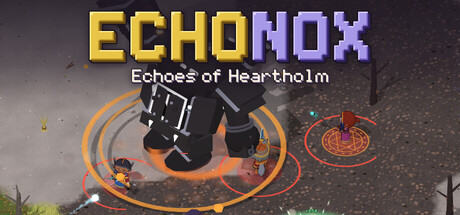 Echonox: Echoes of Heartholm In-game content arttextaudio | Large parts of ECHONOX's content were created with the help of generative AI and then reviewed and curated by the developer: the game world, quest and dialogue texts, icons and 2D graphics, procedurally generated 3D models, buildings, landscapes and animations, synthesized sound effects, and parts of the marketing material (screenshots, trailers). All content is fixed in the game and is checked by hand before every release. | Wayne-Solution | - | Oct 24, 2026 | |
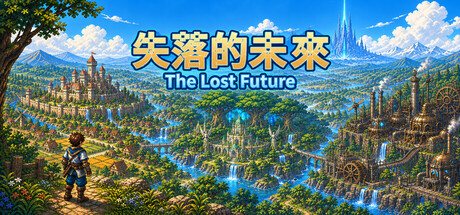 失落的未來 In-game content artaudiotext | During development, generative AI tools were used to create images, music, and game content. All generated content was reviewed, selected, and integrated by the developers before being incorporated into the final product. No AI content was generated in real-time during game execution, nor was player input sent to external AI services. | Soroslika | - | Oct 24, 2026 | |
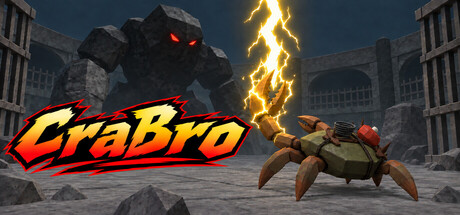 CraBro In-game content arttext | Generative AI was used during development to assist with some main-menu and title artwork, UI images and textures, Steam store capsules and library artwork, and portions of narrative text and Chinese/English localization. These are pre-generated assets shipped with the game or displayed on the store page. The game does not generate AI content at runtime and does not connect to third-party generative AI services. | Melody Studio 迷迭工坊 | - | Oct 24, 2026 | |
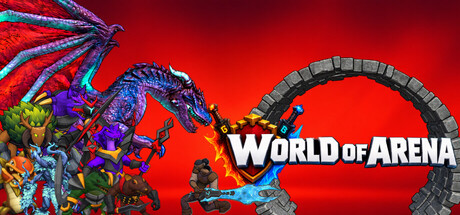 World Of Arena In-game content art | The logo and the item inventory icons were made by AI since I'm solo on the project and I'm a programmer. | Loeil Dimitry | - | Oct 24, 2026 | |
 Task Bar Cube Store/marketing codetext | AI support was utilized for the code and the store page. | DarkRook Interactive | 343 | Oct 24, 2026 | |
 가문의 영광 In-game content artaudiotext | Generative AI tools were used during development to create some character and monster images and animations, backgrounds, icons, music, in-game text and translations, and store artwork. These assets are created in advance and included in the game. The game does not generate new content or connect to external AI services during gameplay. | 게임다움 | 52 | Oct 22, 2026 | |
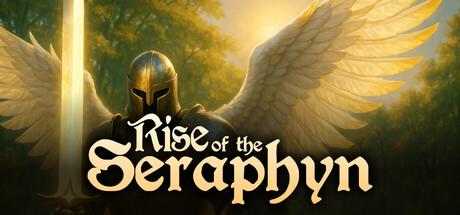 Rise of the Seraphyn In-game content artcode | The store artwork and some 3D models, such as a few landmark buildings, were first generated with AI tools and then edited, textured and placed by hand. AI tools also assisted with programming. No content is generated by AI while you play. | Old Skool Games | - | Oct 22, 2026 | |
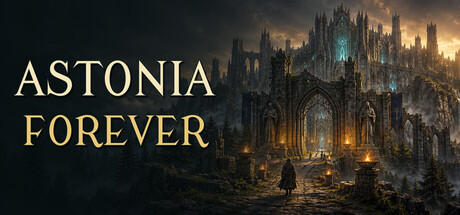 Astonia Forever In-game content art | Some pre-generated game artwork, including Event Mark imagery, was created with the help of generative AI tools during development and reviewed before inclusion. The game does not generate AI content during play. | Astonia Forever | - | Oct 22, 2026 | |
 异世问道 In-game content artaudio | This game contains art assets and music created with the assistance of generative AI tools. These outputs were screened, modified, and integrated into the game through human review. | Joe | - | Oct 21, 2026 | |
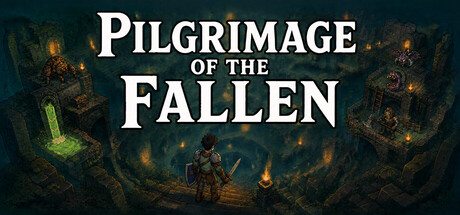 Pilgrimage of the Fallen In-game content art | Generative AI was used solely to assist in creating certain promotional assets (specifically the game launch icon and store capsule/cover art). All in-game content—including artwork, music, sound effects, animations, and narrative design—was human-made without generative AI. The game does not feature any live or real-time AI-generated content. | Ember Forge | - | Oct 20, 2026 | |
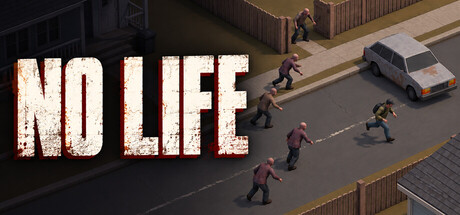 NO LIFE Dev only | Some AI tools have been carefully selected and used to assist me during the game’s development, where they could support or enhance my creative vision for the game. | VaragtP | - | Oct 20, 2026 | |
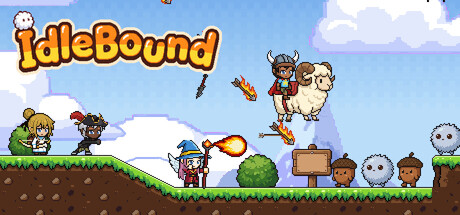 IdleBound Store/marketing text | Generative AI assisted with writing the text on this Steam store page. | Ithoro, LLC | - | Oct 20, 2026 | |
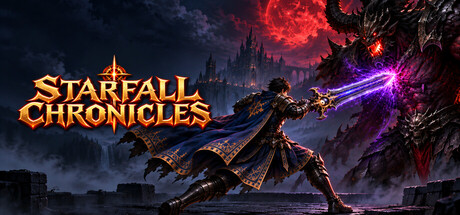 Starfall Chronicles In-game content arttext | The game's art (characters, monsters, maps, icons, skill effects and cutscene images) was created by the developer with AI tools, then selected, edited and assembled by hand. The store page capsules and key art were made the same way. The story and setting were conceived by the developer; in-game dialogue, interface text and all translations were written by AI from the developer's outlines, and the Chinese, English and Japanese text was reviewed by the developer. All music and sound effects are purchased or free-licensed assets and were not AI-generated. The game does not generate any AI content while it runs. | Bluestone Workshop | - | Oct 20, 2026 | |
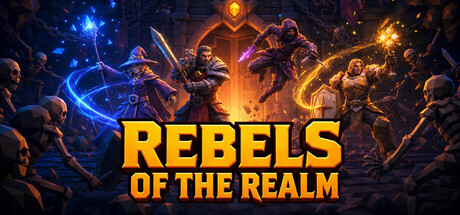 Rebels of the Realm In-game content audioart | Some voice lines and store capsule art were made with generative AI during development. | Green Gaming Studios | - | Oct 20, 2026 | |
 Space Defender: Frontier Squadron In-game content audioarttext | Space Defender is the work of a solo developer. Generative AI was used for the voices, the character portraits, some illustrations and the translations, all reviewed and edited by me; several languages are also proofread by native speakers. | Petit Vaisseau | 199 | Oct 20, 2026 | |
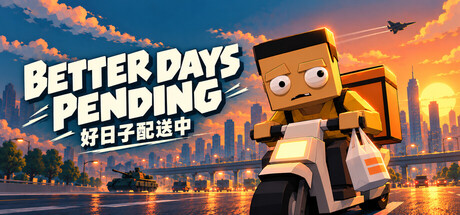 Better Days Pending In-game content artaudiotext | Generative AI assisted pre-authored dialogue, localization, art, procedural models and animations, synthesized music and sound, and marketing materials. No live AI generation or external AI service is used during gameplay. | Ichikawa | - | Oct 20, 2026 | |
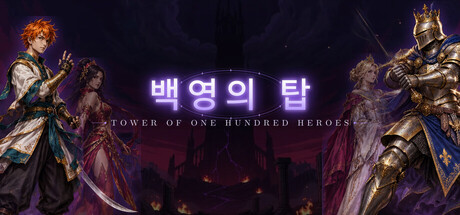 TowerOf100Heroes In-game content arttext | Some of the game's visual assets, including character illustrations, item icons and visual effects, were created with the help of AI image generation tools and then selected, edited and refined by the developer. AI tools were also used to assist with programming and with drafting in-game text and translations, all of which were reviewed and edited by the developer.
The game does not generate any content with AI while it is running. All content in the game is pre-made and reviewed by the developer. | 3H | - | Oct 19, 2026 | |
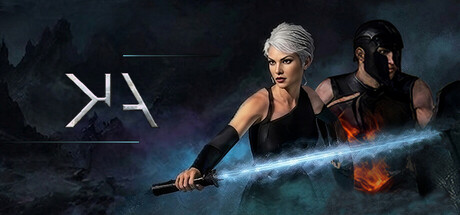 Ka: Keepers & Assassins In-game content art | AI was used to retouch 3D renders and artwork. | Martin Husar | - | Oct 19, 2026 | |
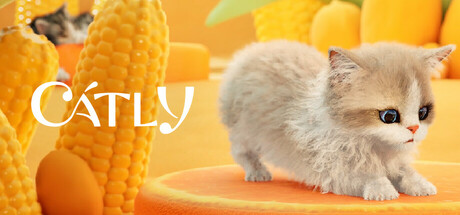 Catly Live AI text | Catly features a proprietary intelligent interaction system powered by lightweight language model technology, enabling real-time conversations between players and NPCs for a more natural and immersive experience.
During development, our team also uses generative AI tools to assist in creating some of the game's assets. | SuperAuthenti | - | Oct 19, 2026 | |
 Arisen Force: Vonimir In-game content textaudioart | Generative AI is used as a supplementary tool for localization and some edge sound effects, including some 2D UI art assets,. All such content is reviewed and refined by our localization and audio teams to meet our quality standards and creative direction. | Lemport | - | Oct 19, 2026 | |
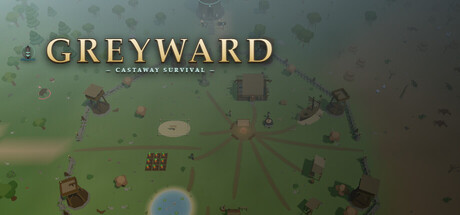 Greyward: Castaway Survival In-game content arttext | Pre-generated content only; nothing is generated live while playing.
- Localization: the translations into Simplified Chinese, Japanese, Korean, Spanish, Brazilian Portuguese, German, French and Russian were produced with AI and checked automatically for completeness.
- Writing: parts of the in-game text (item descriptions, quests, dialogue, story text) and the store page text were drafted with AI assistance and edited by the developer.
- Art: the 3D models, icons and store images are procedural low-poly models built in code and captured from the game itself. | TTGO | - | Oct 19, 2026 | |
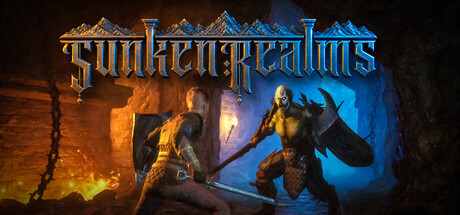 Sunken Realms In-game content audio | As a solo developer, I recorded most of the voice lines myself, then used voice mods to make them sound like other people. It is still 100% my performance. | Magic Puncher Games | 103 | Oct 18, 2026 | |
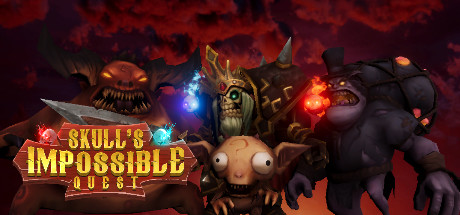 Skull's Impossible Quest In-game content audiotext | Skull's Impossible Quest uses AI content that was generated before release: the spoken lines of the characters, in English and Japanese, were generated with ElevenLabs voices. The translations of the game text and of the store page were produced with AI language models and checked for cultural and sensitivity issues, but not yet by native speakers of every language, so errors may remain; players can report them. No AI content is generated while you play, and the game sends no player data to any AI service. | Chris Lucian | 13 | Oct 18, 2026 | |
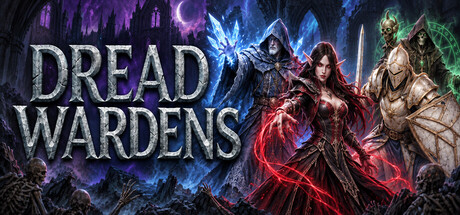 Dread Wardens In-game content art | Generative AI tools were used during development to help create some visual assets, including character and environment models, icons and promotional artwork, and the cinematic trailer. These assets are prepared before release. The game does not generate AI content during gameplay. | Forsaken Scripts | - | Oct 18, 2026 | |
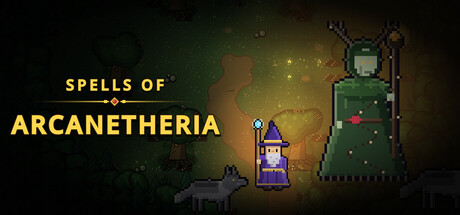 Spells of Arcanetheria In-game content artaudiotext | Pixel art, sound effects, in-game text and store page text were created with the help of AI (Anthropic's Claude) under the developer's direction, and reviewed and edited by the developer. The music was composed using Suno. Store capsule art was made with the help of Microsoft Copilot. Game design, systems and balance are the developer's own. No AI content is generated during gameplay. Voice-over in some promotional videos is AI-generated. | Noxelf Studios | - | Oct 18, 2026 | |
 The Long Fever Dev only | During the development process, we may use procedural- and AI-based tools to assist with content creation. In all such cases, the final product reflects the creativity and expression of our own development team. | Keyboard Circus | - | Oct 18, 2026 | |
 Masterstone In-game content text | The story and levels are procedurally generated. | Master Technologies | - | Oct 18, 2026 | |
 Below the Bell In-game content textartaudio | All of the game's text, in English and in Brazilian Portuguese, was written with an AI language model under the developer's direction, and checked line by line in both languages.
412 pictures were generated with an OpenAI image model, from prompts written for this game: the monsters, the people of the town, the parts the town's houses are built from, the items, the props and walls of the floors, the skill icons, the quest pictures and the achievement emblems.
Of the 661 monster animation sheets, 589 were animated with PixelLab, some of them finished by a script (the strike after an attack's wind-up, a sway added to a walk, specks cleared from a death), and 72 were drawn from the still picture by a script, with no AI model.
120 side and back views of the monsters were turned from their front pictures with PixelLab.
60 sounds were generated with ElevenLabs: the sound effects and the town's night ambience.
20 pieces of music were generated with ElevenLabs.
On this store page, the key art behind the title was generated with an OpenAI image model; the title is set on it in the game's font by a script. The trailer is recorded from the game, and its music was written note by note in a script, with no AI model.
No prompt names another game, studio or artist. The font is Press Start 2P, under the SIL Open Font License. | Petersen Projects | - | Oct 18, 2026 | |
 Babel Destiny In-game content artaudiotext | Some of this game's assets — 3D models, textures and art, sound effects and voice, and cinematic video sequences — were created with the assistance of generative AI. All of it is pre-generated: every piece was curated, edited and integrated by hand before shipping. All design, code, writing and gameplay are the developer's own work. Nothing is generated while you play, and the game never connects to any AI service. | Del Portal Technologies | - | Oct 18, 2026 | |
 The Pointed Hat Dev only art | AI generative content has been used for placeholder art content as well as to speed the process of design implementation for the game itself. All AI generated art and code are based on art and styles that were hand-drawn by our artists and all game designs were created by our staff at AWSM Games.
No AI generated art is published with the game. Any art that is published in the game was hand drawn by our artists and could be modified by AI but never generated. We like our pixel art, however good or bad it is.
All music and sound effects are created by the very human staff at AWSM Games.
We may also further use AI for initial localization in the future, but we hope communities will help with that instead. | AWSM Games | - | Oct 18, 2026 | |
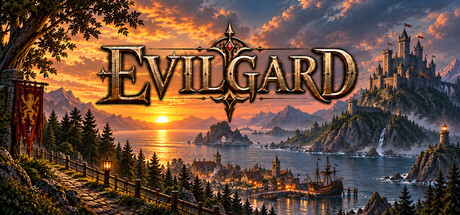 EVILGARD art | During the development of EVILGARD, only a small number of AI-generated images are currently used as temporary placeholders. These will be fully replaced with non-AI-generated artwork as development progresses. By the time of the final release, EVILGARD will no longer contain any AI-generated content.
All creative elements, including the story, characters, quests, dialogue, gameplay systems, and overall creative direction, are developed by the developer personally. AI is not used to generate voice performances, clone voices, or train voice models. | EVILGARD Interactive | - | Oct 18, 2026 | |
 Conquest of the Realms Dev only code | Asset creation and functional code generation were assisted by A.I. | Small Time Studios LLC | - | Oct 18, 2026 | |
 Gloamfall In-game content text | AI tools were used to help translate Gloamfall's text into Spanish, Portuguese, Russian, Turkish, Indonesian, Simplified Chinese and Japanese, and to help fix a few bugs that were hard to solve. Characters, enemies, environments, music and sound effects come from credited asset packs. Nothing is generated by AI while you play. | FormulasGames | - | Oct 18, 2026 | |
 Caesar: The Gallic Campaign In-game content artaudiotext | Some assets in this game were created with the help of generative AI tools during development. All such content is pre-generated: it was produced during development, reviewed and edited by the developer, and shipped as static files. The game does not call any AI model at runtime.
- Art: character standing illustrations and expressions, portraits, item icons, badges, chapter cards, key art, title backgrounds, UI backgrounds, HUD frames, window borders, button plates and rims, ground decals and ground textures were generated with OpenAI image models (gpt-image) and then hand-selected, cropped and colour-corrected by the developer.
- Video: the opening and ending cinematics, the animated chapter cards and title screen backgrounds, and the cinematic shots in the trailer were generated with a video model (ByteDance Seedance 2.0) from developer-authored keyframes and storyboards.
- Music: the cinematic scores were generated with ElevenLabs Music, and the trailer score with Google Lyria 3. The in-game background music was generated with Google Lyria 3 from developer-written prompts, then loop-edited and loudness-matched by the developer.
- Voice: all spoken dialogue lines and the narration of the opening and ending cinematics, in Korean, English and Spanish, are text-to-speech synthesised with Google Gemini 3.8 Flash TTS from scripts written by the developer. Every speaker uses the model's built-in voices; no real person's voice is cloned and no reference recording of any person was used. No AI model is called while the game is running.
- Expression tagging: during development a text model (gpt-6-luna) was used to pick which of the pre-made portrait expressions is shown for each dialogue line. It did not write or change any dialogue or other player-facing content.
- Translation: the English and Spanish text was translated from the developer's Korean script with Anthropic Claude.
Game design, the original Korean writing, level design, code and all gameplay systems are authored by the developer. Historical text quoted in game is public domain. | ilbeol | - | Oct 18, 2026 | |
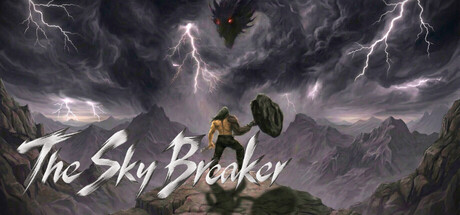 The Sky Breaker In-game content arttext | Generative AI was used to create marketing images and to translate the store description and in-game text. These materials were generated in advance during development. The game does not generate AI content in real time during gameplay or connect to external AI services while playing. | FORTRESS | - | Oct 17, 2026 | |
 Ringward In-game content audioarttext | The game’s music and store artwork were created with AI asisted, and AI assistance was used for the translations. No content is generated by AI while the game is running. | Nadyos | - | Oct 16, 2026 | |
 Charwick In-game content artaudiotext | Charwick's pixel art was made with an AI-assisted pixel-art tool, then hand-retouched and curated by the developer. Translations, parts of the audio composition and store text were also AI-assisted. Every asset was directed, reviewed and selected by a human. Nothing is generated while you play. | Arcweld | - | Oct 16, 2026 | |
 ORUNKA In-game content arttext | AI tools were used in making the game's art and text. | Tubani | - | Oct 16, 2026 | |
 Alandys In-game content audiotextart | The soundtrack was created with an AI music tool (Suno), then selected and edited by the developer. Parts of the in-game text and the English translation were drafted with an AI language model and reviewed by the developer, and the game was developed with the help of AI coding tools. The 3D models come from human artists; some variations, effects and the logo were made with AI assistance. Nothing is generated by AI while you play. | FakePika | - | Oct 16, 2026 | |
 阴债 In-game content artaudiotext | Game UI interface and voice acting using AI。 | HuangSan | - | Oct 16, 2026 | |
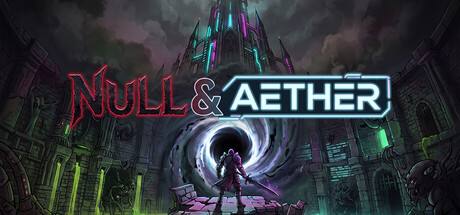 Null & Aether Store/marketing artcode | Generative tools used to help support game development through code, a portion of the art, and marketing materials. | Gold Brewed, LLC | - | Oct 16, 2026 | |
 The Broken Oath In-game content audio | This game uses AI-generated voice acting. The narration in the game's introduction was produced with ElevenLabs, a text-to-speech tool. The script itself was written by hand.
All other content — level design, art, animation, code, and game systems — was created without generative AI. | Kerem Karal | - | Oct 16, 2026 | |
 Hodrimeydan Unclear art | Graphical Assets | Hodrimeydan | - | Oct 16, 2026 | |
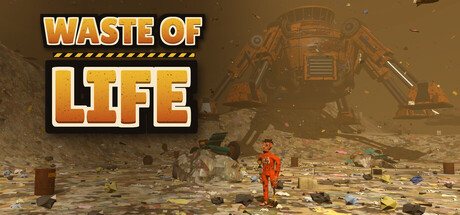 Waste Of Life In-game content textcodeartaudio | this game is almost entirely ai generated. i wrote probably under 100 LoC myself. i just wanted to see how far we could make it | Evan Lightcap | - | Oct 16, 2026 | |
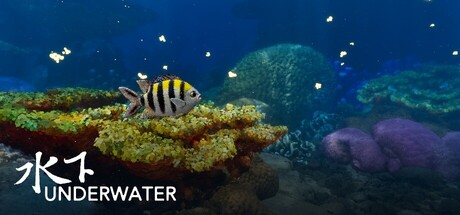 Underwater In-game content art | We are two person team and we have been working on this game for two years. Some assets and scenes were generated, others were sourced from real world scans and photos and lifted into 3D | Ian Gallagher | - | Oct 15, 2026 |


