








Disclosure
Some game artwork and promotional images were created with generative AI. The game does not generate AI content during gameplay.
- Creator
- s4eyo
- Reviews
- -
- Added
- Oct 3, 2026
Public Steam disclosure research 25,376 disclosures tracked
Search developers’ Steam disclosures, compare classified AI use across games, and follow recorded changes. This index adds cross-game classifications and statistics to statements published on individual store pages.
Code help, debugging and other development work.
Capsule art, trailers and promotional material.
Pre-made art, audio, writing and other game assets.
Interactive or runtime AI features disclosed by the developer.
Groups reflect automatic analysis of public disclosures; mature records are excluded. These counts do not measure AI use across all of Steam. Missing or unclear statements cannot establish whether a game uses AI.
Some game artwork and promotional images were created with generative AI. The game does not generate AI content during gameplay.
Some 3D models, item icons, textures and UI art, sound effects and music were made with generative AI tools
Generative AI was used during development to assist with programming and to create some character models, object assets, sound effects, and music.
Some of the music and sound effects in the game were AI-generated and subsequently manually adjusted by a human.
Some 3D models in this game, with their textures, were generated with an AI 3D-modeling tool from our own designs and then rigged and edited for the game: the Harvester, the Halloway family, the two playable co-op characters, the scarecrows and the wax effigy.
AI tools were used to help write the game's code and make some placeholder sprites and text. All placeholder art/text is being removed by me, and i'm getting help with the removal/cleanup of AI code.
Some of the UI interfaces
Generative AI was used to help create some of the promotional artwork and marketing images displayed on Station 12’s Steam store page. These images are promotional illustrations and are a good representation of the in-game visuals.
Generative AI tools assisted with some audio assets and promotional artwork during development. The game does not generate AI content during gameplay.
All characters, creatures and the world of Vampus are designed and art-directed by the developer, a visual artist. Many designs started from the developer's own drawings and paintings. Generative AI tools (Microsoft Copilot and Meshy) were used to develop some of the designs and to turn them into 3D models and textures. Story and music are made by the developer.
This game uses generative AI for creating textures, assisting with coding, and localizing text. All of this was produced during development, and the game does not use AI to generate new content while you play.
This game used AI to make it possible to be developed by one person in reasonable time, with the hope that more people will join later to replace the AI part.
Generative AI was used to assist in creating one or two background 3D assets during the development process. All other 3D models, visual effects, and environmental assets were custom-made or sourced entirely from standard digital asset marketplaces like Fab.
This game uses generative AI as part of its content creation pipeline. Some elements of the store page cover art were generated using AI and then combined with additional artwork created by our designer. Certain in-game environment textures were processed using AI-assisted tools as part of the texturing workflow. Character voices were recorded by our own team and then processed with AI-based voice conversion to transform them into different character voices. All AI-assisted content was reviewed and refined by our team before being included in the final game.
some pictures
This game contains content created with the assistance of AI tools. AI was used during development to assist with programming, visual assets, and other creative elements. All generated content was reviewed, edited, and integrated by the dev.
Misty and the Last Breeze is a solo-developed game made with a lot of AI assistance. Here is how AI was used. Code. The game is built in Godot. Most of the gameplay code, tooling and automated tests were written with AI coding assistants (Claude Code and Codex), working from my design direction, and reviewed, playtested and revised by me. Design decisions, level layouts, movement feel and what ships are mine; the assistants do much of the typing. 3D models and art. Many in-game models and textures were made in Blender through scripts written with AI assistance, often rebuilt from concept images. Some of those reference images were generated with AI image tools. Other visuals, such as shaders, UI and effects, are authored in code. Painting and key-art images in the game that began as AI-generated images are kept as AI-assisted work. Music. Music is generated with Suno and then selected, arranged and edited by me. Ambience and sound effects are mostly synthesized in code (procedural audio) rather than sampled from other artists. Mockups and planning. I use ChatGPT's image generation for mockups, mood boards, UI layouts and promotional concepts while planning. These are for exploring ideas; they are not meant to ship as finished art unless noted above. What is not AI. The game itself has no runtime AI: every enemy, NPC, line of dialogue and level is fixed content that I designed and authored. Nothing is generated or adapted while you play.
Guild of Souls features artwork developed with generative AI.
This game contains content created with the assistance of AI tools. AI was used during development to assist with programming, visual assets, and other creative elements. All generated content was reviewed, edited, and integrated by the dev.
The key art, store capsules and library artwork were created with an AI image generator and edited by the developer. The trailer music was generated with Suno under a paid plan. No AI-generated content is included in the game itself, and the game runs no AI generation and requires no AI service.
all the pictures are generated by artificial intelligence.
Generative AI tools were used during development to create visual assets, including character and enemy artwork, environmental backgrounds, user interface graphics, item textures, and promotional artwork. ChatGPT also assisted with dialogue and educational text. The developer directed, selected, and reviewed this content for inclusion in the game. All AI-generated content was created before release; the game does not generate AI content during gameplay.
Lore is currently AI-written while in development and for the demo release; exclusively human-written lore is expected for the final release.
Generative AI was used to create in-game background images and translations, as well as some store and library images. No generative AI is used during gameplay.
Artificial intelligence tools were used to generate some of the sprites and images used in this game.
This game uses generative artificial intelligence (AI) to assist with localization. AI tools were used to generate translations of the game’s text into multiple languages. The translations were reviewed and edited by the development team to ensure quality and accuracy. No generative AI was used to create gameplay content, art, audio, or other core elements of the game.
Music and sounds were produced with ElevenLabs.
Some voice audio in EMPTYLAND was created using generative artificial intelligence tools. AI-generated voices are used as part of the game's narrative and in-game audio experience.
本游戏有借助AI生成部分图片,比如游戏加载页,部分人物素材,其余游戏内容均为原创。
This game uses generative AI to write code.
Assisted with all aspects of development
Art Resource, BGM, Store Asset
Some visual assets used in the game, including selected artwork, character images, interface graphics, and cinematic images, were created with the assistance of generative AI tools. All generated assets were reviewed, selected, edited where necessary, and integrated into the final game by the developer.
Our AI assistance is mainly focused on copy polishing (e.g., correcting typos and logical errors), a small amount of scene refinement and VFX for the second part of the game (the second part is a redesign of some original scenes from ICEY; after handcrafting the concept design and finishing the demo, we use AI to batch-reduce repetitive work), and some programming implementation and test cases. In all other areas—such as concept design, character design (character illustrations), scene design and related design work, combat animation and VFX, and scene implementation (from hand-drawn 2D animation to final implementation)—there is no AI content at all. The specific iteration details are basically all in the development VLOG; if you're interested, feel free to look through it.
Some of this game's content was created with the help of generative AI tools during development: - Artwork: some of the visual art in the game. - Text: parts of the in-game writing, and the Simplified Chinese translation. - Audio: a small number of sound effects. Most of the game's sound was made without AI. Nothing is generated by AI while you play.
Translation was supported by AI tools.
The English localization was prepared with AI assistance and was fully reviewed and edited by the developer. Some in-game sounds were generated with AI. The capsule image on the Steam store page was generated with AI. The in-game visual and model assets were not generated with AI.
The in game content is generated by ai.
The direction of this game has been altered by artificial intelligence
Some 3D props were ai generated and then hand-edited; all Cantonese and Chinese text and voice is written and performed by people.
ARIA's dialogue and speech are generated on the player's own machine at runtime by a language model and a text-to-speech voice that ship with the game. Nothing is sent to an external service and no player data leaves the machine. What ARIA says is constrained to the station's fiction and to evidence the player has actually found in-game. Some art, audio and text assets in the game were produced with AI tools and reviewed by the developer before shipping.
Deep Lantern contains some pre-generated visual assets created or assisted with generative AI, including certain textures, interface or illustrative visual elements, which were then reviewed, edited, and integrated manually by the developer. The game does not use live generative AI during gameplay, and players cannot generate content in-game using AI.
Generative AI was used during development. Part of the graphics (characters, enemies, bosses, icons, room backgrounds and backdrops) was created with image-generation tools: Google Gemini, OpenAI ChatGPT and a locally run Stable Diffusion model. Part of the music was created with audio-generation tools (Google Gemini). Part of the code, room layouts and texts were written with the help of an AI assistant. The developer reviewed, cut, retouched and hand-adjusted all of this material before adding it to the game. The game does not generate any AI content while it is being played.
AI tools helped write the game's code
游戏LOGO与宣传图由AI生成
AI assistance was limited to Python programming, including code that helps to draw environments and visual effects in Pygame. These visuals are rendered in code entirely in Python. Sprite artwork and sound effects were created without generative AI and are sourced from licensed third-party assets. The soundtrack for the game and trailer was composed specifically for the project in FL Studio. No generative AI models run in the game or generate content during gameplay.
Some 3D models and textures in MemTown were created or converted with the assistance of generative AI during development. These assets are used for certain tools, capture capsules, resource objects, and production facilities in the territory.
we have use ai to develop this game
Generative AI tools were used during development to assist with creative work and the production of Steam store page assets.
Generative AI tools were used during development to assist with the creation of selected visual, audio and creative assets. All content included in the final game was reviewed and selected by the developer.
| Title⇅ | Disclosure | Creator⇅ | Src | Reviews⇅ | Added↓ |
|---|---|---|---|---|---|
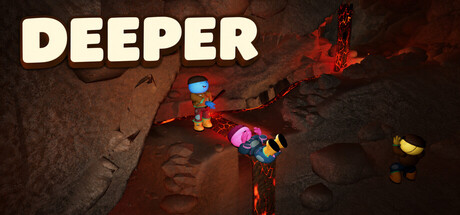 DEEPER Store/marketing art | Some game artwork and promotional images were created with generative AI. The game does not generate AI content during gameplay. | s4eyo | - | Oct 3, 2026 | |
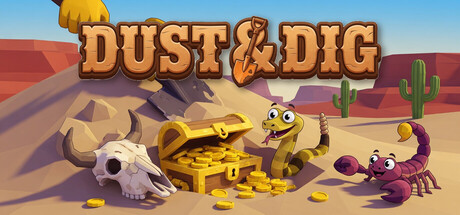 Dust & Dig In-game content artaudio | Some 3D models, item icons, textures and UI art, sound effects and music were made with generative AI tools | EEE Games | - | Oct 3, 2026 | |
 Security Duty In-game content artaudiocode | Generative AI was used during development to assist with programming and to create some character models, object assets, sound effects, and music. | scarGAMES | - | Oct 3, 2026 | |
 文字刷宝录 Text Loot Codex In-game content audio | Some of the music and sound effects in the game were AI-generated and subsequently manually adjusted by a human. | 棱镜工作室 | - | Oct 3, 2026 | |
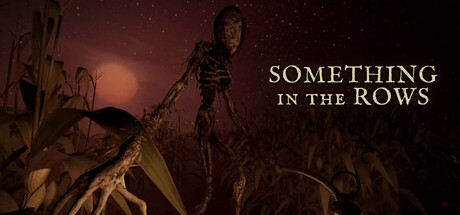 Something in the Rows In-game content art | Some 3D models in this game, with their textures, were generated with an AI 3D-modeling tool from our own designs and then rigged and edited for the game: the Harvester, the Halloway family, the two playable co-op characters, the scarecrows and the wax effigy. | Distorted Games Studio | - | Oct 3, 2026 | |
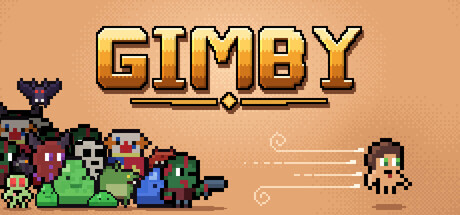 Gimby In-game content codearttext | AI tools were used to help write the game's code and make some placeholder sprites and text. All placeholder art/text is being removed by me, and i'm getting help with the removal/cleanup of AI code. | Gimby Studios | - | Oct 3, 2026 | |
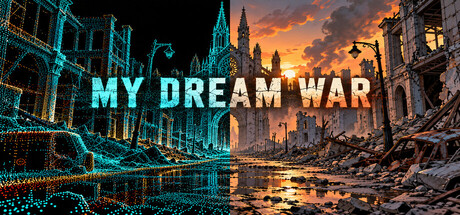 My Dream War Unclear | Some of the UI interfaces | RUIRUI GAMES | - | Oct 3, 2026 | |
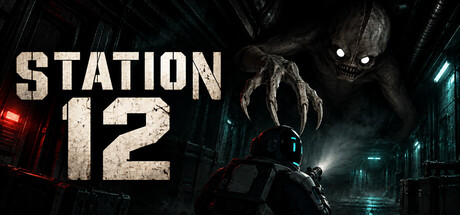 Station 12 In-game content art | Generative AI was used to help create some of the promotional artwork and marketing images displayed on Station 12’s Steam store page.
These images are promotional illustrations and are a good representation of the in-game visuals. | John Kircher | - | Oct 3, 2026 | |
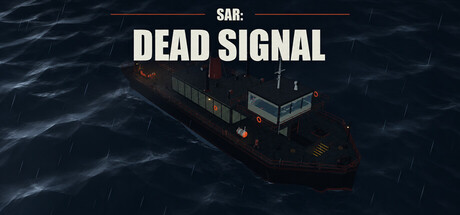 SAR: DEAD SIGNAL In-game content audioart | Generative AI tools assisted with some audio assets and promotional artwork during development. The game does not generate AI content during gameplay. | PlayPartyGames | - | Oct 3, 2026 | |
 Vampus the Space Vampire In-game content art | All characters, creatures and the world of Vampus are designed and art-directed by the developer, a visual artist. Many designs started from the developer's own drawings and paintings. Generative AI tools (Microsoft Copilot and Meshy) were used to develop some of the designs and to turn them into 3D models and textures. Story and music are made by the developer. | Bjørn Eriksen | - | Oct 3, 2026 | |
 Wedding Runner In-game content arttextcode | This game uses generative AI for creating textures, assisting with coding, and localizing text. All of this was produced during development, and the game does not use AI to generate new content while you play. | Protoward LLC. | - | Oct 3, 2026 | |
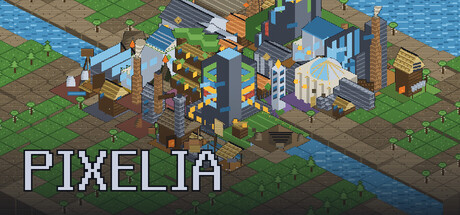 Pixelia Unclear | This game used AI to make it possible to be developed by one person in reasonable time, with the hope that more people will join later to replace the AI part. | Eduardo Morais | - | Oct 3, 2026 | |
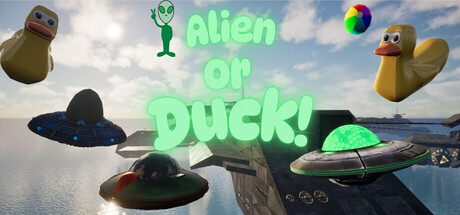 Alien or Duck! Dev only art | Generative AI was used to assist in creating one or two background 3D assets during the development process. All other 3D models, visual effects, and environmental assets were custom-made or sourced entirely from standard digital asset marketplaces like Fab. | Aliens Pro-StudioZ | - | Oct 3, 2026 | |
 UNTIMELY REGRET In-game content artaudio | This game uses generative AI as part of its content creation pipeline. Some elements of the store page cover art were generated using AI and then combined with additional artwork created by our designer. Certain in-game environment textures were processed using AI-assisted tools as part of the texturing workflow. Character voices were recorded by our own team and then processed with AI-based voice conversion to transform them into different character voices. All AI-assisted content was reviewed and refined by our team before being included in the final game. | Alpha Centauri Studio | - | Oct 2, 2026 | |
 奇点 Unclear art | some pictures | xzx | - | Oct 2, 2026 | |
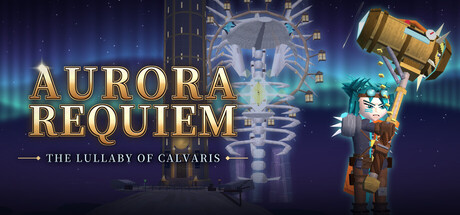 AURORA REQUIEM In-game content artcode | This game contains content created with the assistance of AI tools. AI was used during development to assist with programming, visual assets, and other creative elements. All generated content was reviewed, edited, and integrated by the dev. | ISEKAI Games | - | Oct 1, 2026 | |
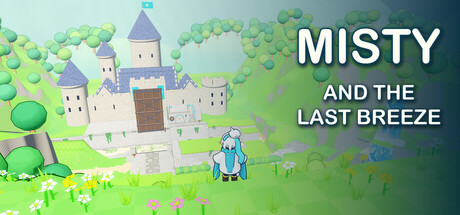 Misty and the Last Breeze In-game content artaudiocodetext | Misty and the Last Breeze is a solo-developed game made with a lot of AI assistance. Here is how AI was used.
Code. The game is built in Godot. Most of the gameplay code, tooling and automated tests were written with AI coding assistants (Claude Code and Codex), working from my design direction, and reviewed, playtested and revised by me. Design decisions, level layouts, movement feel and what ships are mine; the assistants do much of the typing.
3D models and art. Many in-game models and textures were made in Blender through scripts written with AI assistance, often rebuilt from concept images. Some of those reference images were generated with AI image tools. Other visuals, such as shaders, UI and effects, are authored in code. Painting and key-art images in the game that began as AI-generated images are kept as AI-assisted work.
Music. Music is generated with Suno and then selected, arranged and edited by me. Ambience and sound effects are mostly synthesized in code (procedural audio) rather than sampled from other artists.
Mockups and planning. I use ChatGPT's image generation for mockups, mood boards, UI layouts and promotional concepts while planning. These are for exploring ideas; they are not meant to ship as finished art unless noted above.
What is not AI. The game itself has no runtime AI: every enemy, NPC, line of dialogue and level is fixed content that I designed and authored. Nothing is generated or adapted while you play. | Ilia Reingold | - | Oct 1, 2026 | |
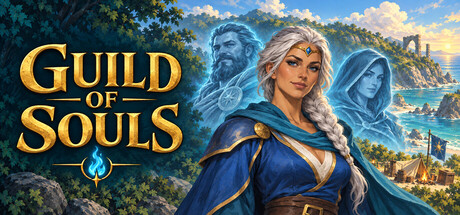 Guild of Souls In-game content art | Guild of Souls features artwork developed with generative AI. | Recoil Mojo | - | Oct 1, 2026 | |
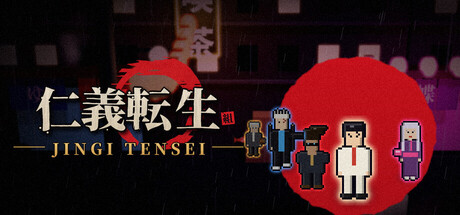 Jingi Tensei In-game content artcode | This game contains content created with the assistance of AI tools. AI was used during development to assist with programming, visual assets, and other creative elements. All generated content was reviewed, edited, and integrated by the dev. | ISEKAI Games | - | Oct 1, 2026 | |
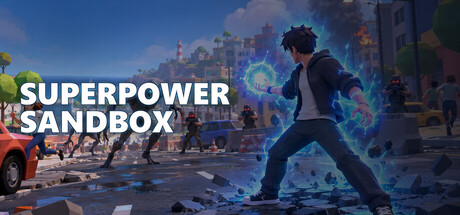 Superpower Sandbox Store/marketing artaudio | The key art, store capsules and library artwork were created with an AI image generator and edited by the developer. The trailer music was generated with Suno under a paid plan. No AI-generated content is included in the game itself, and the game runs no AI generation and requires no AI service. | PHABDEV | - | Oct 1, 2026 | |
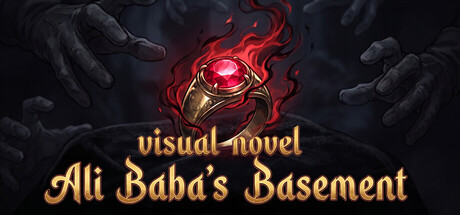 Visual Novel: Ali Baba Basemen In-game content art | all the pictures are generated by artificial intelligence. | Reanim Games | - | Oct 1, 2026 | |
 The Liberty League In-game content arttext | Generative AI tools were used during development to create visual assets, including character and enemy artwork, environmental backgrounds, user interface graphics, item textures, and promotional artwork. ChatGPT also assisted with dialogue and educational text. The developer directed, selected, and reviewed this content for inclusion in the game. All AI-generated content was created before release; the game does not generate AI content during gameplay. | Michael Giaccotto | - | Oct 1, 2026 | |
 Stake In-game content text | Lore is currently AI-written while in development and for the demo release; exclusively human-written lore is expected for the final release. | HessTech Games | - | Oct 1, 2026 | |
 PUYON In-game content arttext | Generative AI was used to create in-game background images and translations, as well as some store and library images. No generative AI is used during gameplay. | tommy_karasu | - | Oct 1, 2026 | |
 BOZÓ! In-game content art | Artificial intelligence tools were used to generate some of the sprites and images used in this game. | Lililoka | - | Oct 1, 2026 | |
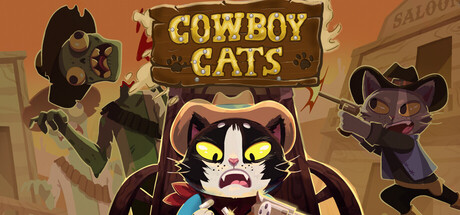 Cowboy Cats In-game content text | This game uses generative artificial intelligence (AI) to assist with localization.
AI tools were used to generate translations of the game’s text into multiple languages. The translations were reviewed and edited by the development team to ensure quality and accuracy. No generative AI was used to create gameplay content, art, audio, or other core elements of the game. | Cat Nails Studio | - | Oct 1, 2026 | |
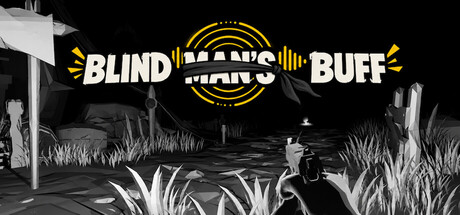 Blind Man's Buff In-game content audio | Music and sounds were produced with ElevenLabs. | sanzyman | - | Oct 1, 2026 | |
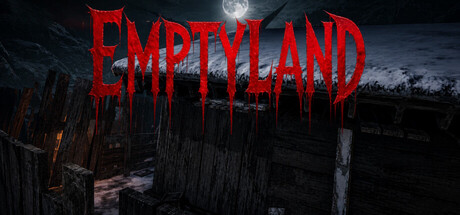 EMPTYLAND In-game content audio | Some voice audio in EMPTYLAND was created using generative artificial intelligence tools. AI-generated voices are used as part of the game's narrative and in-game audio experience. | GAMEPAGE | - | Oct 1, 2026 | |
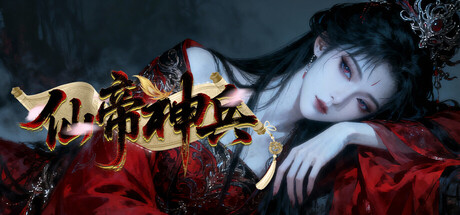 仙帝神兵 In-game content art | 本游戏有借助AI生成部分图片,比如游戏加载页,部分人物素材,其余游戏内容均为原创。 | 仙帝神兵工作室 | - | Oct 1, 2026 | |
 go Up Dev only code | This game uses generative AI to write code. | yee | - | Oct 1, 2026 | |
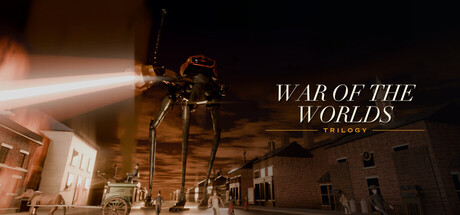 War Of The Worlds Trilogy Unclear | Assisted with all aspects of development | Invirtu Labs | - | Oct 1, 2026 | |
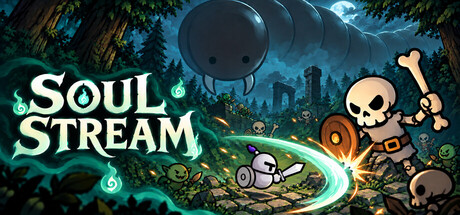 Soul Stream Unclear artaudio | Art Resource, BGM, Store Asset | Enter the Game Studios | - | Oct 1, 2026 | |
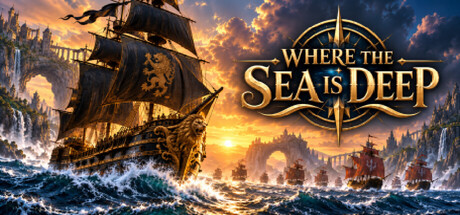 WHERE THE SEA IS DEEP In-game content art | Some visual assets used in the game, including selected artwork, character images, interface graphics, and cinematic images, were created with the assistance of generative AI tools. All generated assets were reviewed, selected, edited where necessary, and integrated into the final game by the developer. | Selçuk Çetiner | - | Sep 30, 2026 | |
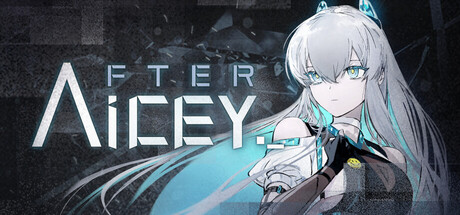 After ICEY In-game content textartcode | Our AI assistance is mainly focused on copy polishing (e.g., correcting typos and logical errors), a small amount of scene refinement and VFX for the second part of the game (the second part is a redesign of some original scenes from ICEY; after handcrafting the concept design and finishing the demo, we use AI to batch-reduce repetitive work), and some programming implementation and test cases.
In all other areas—such as concept design, character design (character illustrations), scene design and related design work, combat animation and VFX, and scene implementation (from hand-drawn 2D animation to final implementation)—there is no AI content at all. The specific iteration details are basically all in the development VLOG; if you're interested, feel free to look through it. | TAMASHI GAMING | - | Sep 30, 2026 | |
 Backrooms Adventure In-game content arttextaudio | Some of this game's content was created with the help of generative AI tools during development:
- Artwork: some of the visual art in the game.
- Text: parts of the in-game writing, and the Simplified Chinese translation.
- Audio: a small number of sound effects. Most of the game's sound was made without AI.
Nothing is generated by AI while you play. | Glycine | - | Sep 30, 2026 | |
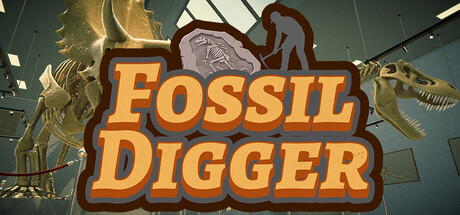 Fossil Digger In-game content text | Translation was supported by AI tools. | Yagni Lab | - | Sep 30, 2026 | |
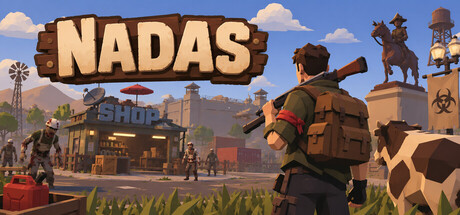 Nadas In-game content textaudioart | The English localization was prepared with AI assistance and was fully reviewed and edited by the developer. Some in-game sounds were generated with AI. The capsule image on the Steam store page was generated with AI. The in-game visual and model assets were not generated with AI. | Ato Games | - | Sep 30, 2026 | |
 Iron Maw general | The in game content is generated by ai. | KRUMB Games | - | Sep 30, 2026 | |
 Backrooms Blocks Unclear | The direction of this game has been altered by artificial intelligence | Snarl | - | Sep 30, 2026 | |
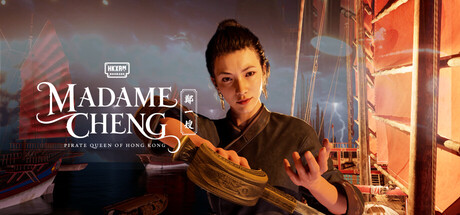 Madame Cheng - Pirate Queen of Hong Kong In-game content art | Some 3D props were ai generated and then hand-edited; all Cantonese and Chinese text and voice is written and performed by people. | Hong Kong XR Museum, Inc | - | Sep 30, 2026 | |
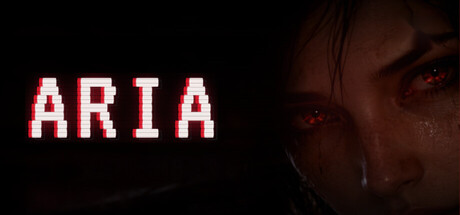 ARIA Live AI textaudioart | ARIA's dialogue and speech are generated on the player's own machine at runtime by a language model and a text-to-speech voice that ship with the game. Nothing is sent to an external service and no player data leaves the machine. What ARIA says is constrained to the station's fiction and to evidence the player has actually found in-game. Some art, audio and text assets in the game were produced with AI tools and reviewed by the developer before shipping. | Dreamtime Game Studios | - | Sep 30, 2026 | |
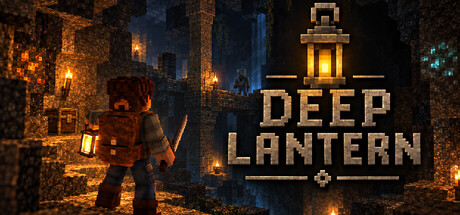 Deep Lantern In-game content art | Deep Lantern contains some pre-generated visual assets created or assisted with generative AI, including certain textures, interface or illustrative visual elements, which were then reviewed, edited, and integrated manually by the developer.
The game does not use live generative AI during gameplay, and players cannot generate content in-game using AI. | Deep Lantern | - | Sep 30, 2026 | |
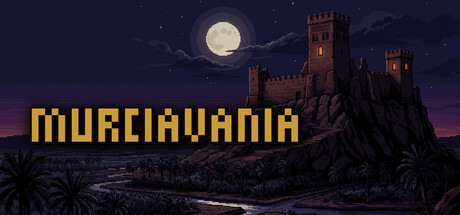 Murciavania In-game content artaudiotextcode | Generative AI was used during development. Part of the graphics (characters, enemies, bosses, icons, room backgrounds and backdrops) was created with image-generation tools: Google Gemini, OpenAI ChatGPT and a locally run Stable Diffusion model. Part of the music was created with audio-generation tools (Google Gemini). Part of the code, room layouts and texts were written with the help of an AI assistant. The developer reviewed, cut, retouched and hand-adjusted all of this material before adding it to the game. The game does not generate any AI content while it is being played. | Manuel Manzano | - | Sep 30, 2026 | |
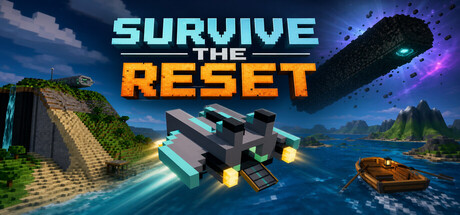 Survive The Reset Dev only code | AI tools helped write the game's code | Thisisdemo | - | Sep 30, 2026 | |
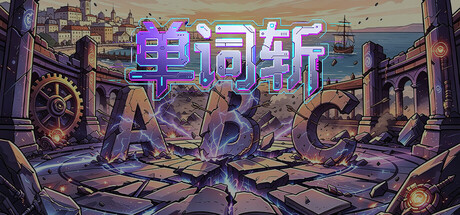 单词斩 Store/marketing art | 游戏LOGO与宣传图由AI生成 | SEN | - | Sep 30, 2026 | |
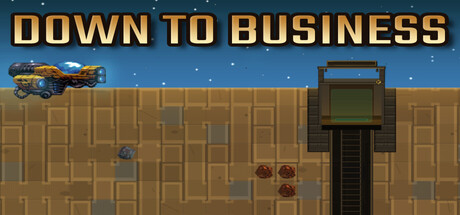 Down to Business Dev only artcode | AI assistance was limited to Python programming, including code that helps to draw environments and visual effects in Pygame. These visuals are rendered in code entirely in Python.
Sprite artwork and sound effects were created without generative AI and are sourced from licensed third-party assets.
The soundtrack for the game and trailer was composed specifically for the project in FL Studio.
No generative AI models run in the game or generate content during gameplay. | Tuftsy Studios | - | Sep 30, 2026 | |
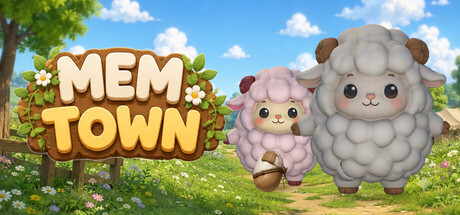 MemTown In-game content art | Some 3D models and textures in MemTown were created or converted with the assistance of generative AI during development. These assets are used for certain tools, capture capsules, resource objects, and production facilities in the territory. | Mememememem | - | Sep 30, 2026 | |
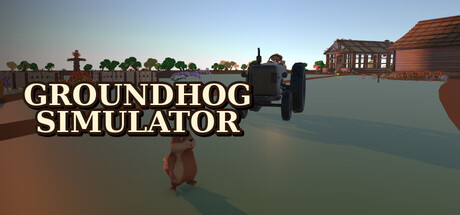 GroundHog Simulator Unclear | we have use ai to develop this game | groundhogheist | - | Sep 30, 2026 | |
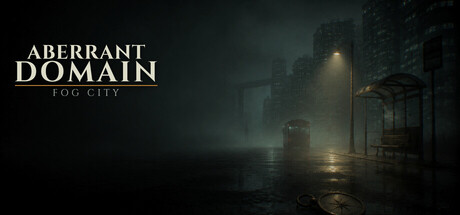 畸界:雾城 Store/marketing arttext | Generative AI tools were used during development to assist with creative work and the production of Steam store page assets. | 鹏砚 | - | Sep 30, 2026 | |
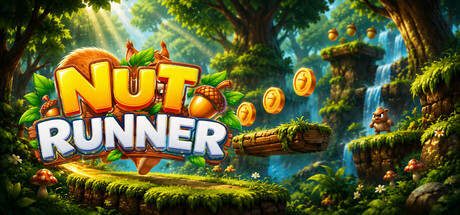 Nut Runner In-game content artaudio | Generative AI tools were used during development to assist with the creation of selected visual, audio and creative assets. All content included in the final game was reviewed and selected by the developer. | Boltwork Studios | - | Sep 30, 2026 |


