Public Steam disclosure research25,376 disclosures tracked
Where do games disclose AI use?
Search developers’ Steam disclosures, compare classified AI use across
games, and follow recorded changes.
This index adds cross-game classifications and statistics to
statements published on individual store pages.
Groups reflect automatic analysis of public disclosures; mature records are excluded. These counts do not measure AI use across all of Steam.
Missing or unclear statements cannot establish whether a game uses AI.
Generative AI was used during development to create some character models and visual assets, promotional artwork, and to assist with text and localization. These assets are prepared in advance and included with the game or its store and marketing materials. No AI-generated content is created during gameplay, and the game does not connect to external generative AI services.
Nuclear Kitty Games is a human-led studio whose team brings 15 years of professional game-development experience. We use AI and large language models (LLMs) to support development and content creation, improve our workflows and speed up iteration. Our developers direct the design and development of every game, and review and integrate the final content. We are game makers and players who care about the games we create.
Some content included in this game and its promotional materials was created with generative AI assistance. No content is AI-generated during gameplay.
Some store and library artwork, icons, and promotional imagery were created or enhanced with generative AI tools. Gameplay screenshots show actual gameplay. The game does not generate AI content during gameplay or connect to external AI services.
Generative AI tools were used to create visual artwork for the game and its marketing, and to assist with store-page text. These materials are prepared in advance. Temple Breaker does not generate content with AI during gameplay.
Some content in PRE-ECHO was created with the help of generative AI tools during development and was then integrated, adjusted and art-directed by the developer:
- 3D models: the character and creature models, and many prop and vehicle models, were generated with Tripo from original reference images made for this project, then rigged, adjusted and textured in Blender and Unreal Engine.
- 2D art: some textures and interface images (such as the main-menu background, the workshop investigation board, journal and map paper, and inventory icons) were generated with image-generation tools from original prompts.
- Voices: all spoken lines are synthesized with the open-source Kokoro text-to-speech model using generic voices. No real person's voice was recorded or cloned.
- Text: the script, in-game text and English/Spanish localization were written with an AI assistant under the developer's direction.
- Store art: the store and library artwork was generated with AI image tools from the project's own character and creature references, then retouched by the developer. The logo was made without AI. The screenshots are unedited captures of the game.
No content is generated by AI while the game is running.
Some voice lines (the narrator, phone messages and townspeople), some sound effects and the menu music were created with generative AI text-to-speech and audio tools (ElevenLabs) and edited by the developer. All visual art, 3D, animation, level design and code were made by the developer. No AI content is generated during gameplay.
The art, animation, voice acting and music in this game were pre-generated with generative AI tools, then selected, edited and corrected shot by shot by hand. The script, all dialogue and the story structure are human-written. No AI generation happens at runtime.
The original 100 000+ word story was written by me in German. I used the AI ChatGPT to help me with localising that into English. This translation was prepared, guided and proof-read by me, to ensure that certain fantastic elements of the story and the world within the game carried over into English. Despite that, much of the actual translating was done by the AI.
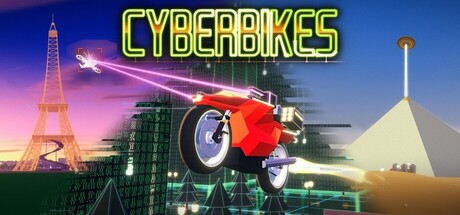
The visuals, music, sound effects, store art, trailer and text for CYBERBIKES were made with the help of AI under my direction, built in code with Blender and Godot. LINK's voice is pre-recorded text-to-speech from the open Kokoro model. Nothing is generated while you play.
Generative AI tools were used during development to assist in creating and refining some of the game's visual assets and artwork. These assets were subsequently selected, edited, adapted, and integrated into the game by the developer. No generative AI is used during gameplay, and the game does not generate content dynamically for players.
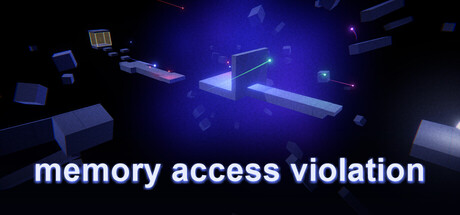
Memory Access Violation was made by a solo developer working with an AI coding assistant, which was used during development:
Code and level design: much of the game's code, including the level-building tools, puzzle layouts, enemy behaviour and vehicle handling, was written with AI assistance. The developer directed, playtested and revised every level. Puzzle solutions were checked by automated solvers so each one is fair.
Visuals: the game's environments, vehicles, mechs and enemies are built in code from simple geometric shapes and custom shaders. No AI image generators were used for in-game art.
Generative AI was used during development to assist in creating select pre-generated promotional artwork and video assets used in marketing and on the Steam store page. AI-generated content is reviewed and selected by the developer before publication. Generative AI is not used to create gameplay content in real time.
AI tools assisted the creation of in-game text and localization, and the development of code used to render pixel artwork and synthesize music and sound effects. The game does not use a generative AI model or service during gameplay.
During early development and for the playable demo, Generative AI tools were used to create base templates and draft assets for certain 3D models, textures, and sound effects. All AI-generated placeholders and base models have been manually re-worked, polished, and edited. As development progresses, these draft assets are being actively replaced with fully custom, handcrafted art and audio.
Generative AI tools were used in the creation of selected pre-generated visual and audio assets, as well as some promotional materials. All AI-assisted content is reviewed, edited, and curated by the development team before being included in the game. Heir of Death does not use live-generated AI during gameplay.
Generative AI assisted with some programming and debugging during the development of Daylight Line. Some in-game visual assets, including battle status icons, were also created with the assistance of generative AI and then processed and integrated by the development team. The game does not generate AI content during gameplay.
Generative AI was used during development to create some visual assets, including the title artwork and app icon. AI tools also assisted with some 3D models, in-game text, localization, and sound effects. The game does not use generative AI services to create content during play.
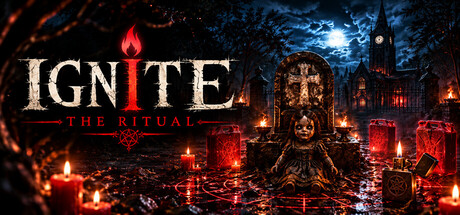
Generative AI tools were used to assist with drafting and refining the Steam store page description for Ignite: The Ritual. No generative AI content is used as an in-game asset or generated during gameplay.
Some source code and internal editor tooling were written with the assistance of AI coding tools during development. All of it was reviewed, edited and tested by the developer. The game's story, dialogue, characters and design are human-written. Visual and audio assets come from licensed asset packs and human-made content. No content is generated by AI while the game is running.
Some 3D models, textures and sound effects were created with the help of generative AI tools and then edited, cleaned up and finished by hand by our team. Some store page and marketing artwork was also created with generative AI tools. All AI-assisted content was reviewed by the developers before being included. The game does not generate any content with AI while you play.
Generative AI was used to help create some of the game's art assets, concept art, and promotional images, which were then selected, refined, and integrated by the developer.
No art, audio, levels, or other authored game content was created using generative AI.
However, a small local AI model runs during gameplay to interpret the player's commands and control the character accordingly. Rest assured, it's dumb as a rock. It won't take over the world or your computer. It can barely take over the test subject.
AI was used as an interface and scripting assistant for industry standard tools such as Reaper, Godot, Blender, Aseprite, and Deepl for enhancing the quality and consistency of the game content and building systems I otherwise would not have the capacity to design and implement as solo developer.
Where possible, artists are and will continue to be supported via use of their paid or free assets. For this game, the most money spent was on Quaternius source level packages.
Notable exception to this is the UI, which was generated using RetroDiffusion with a python pipeline built in house for consistent design around UI elements using color normalization and targeting from a theme palette, which is then imported and tweaked in Godot.
Translation: AI tools assisted with translating the game's text into Simplified Chinese, Japanese, Korean, Spanish, Brazilian Portuguese, Italian and French. The English text, all art, music and sound are made by hand.
Generative AI tools may be used during development to assist in creating certain pre-generated visual, written, audio, or marketing content. All such content is reviewed and curated by the development team before inclusion. The game does not use generative AI to generate content during gameplay.
Generative AI tools were used during development to help create [name the specific assets, such as textures, character animations, or sound effects]. These assets are included as fixed content. The game does not generate AI content during gameplay.
Generative AI was used to assist in the creation of promotional images and some graphical assets, as well as to assist with the localization of in-game text and the Steam store page. The game does not use generative AI during gameplay.
Some character illustrations and 3D character models were created with the assistance of generative AI during development. The generated assets were manually edited, refined, and integrated into the game's final content by the developer. No generative AI is used to create new content in real time during gameplay.
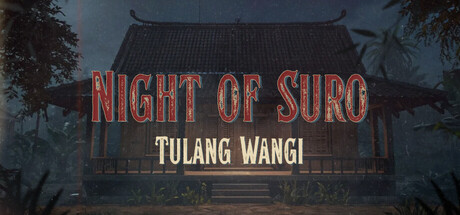
AI tools were used in a limited capacity for a few prop images such as the photographs in the main house, and translation of some Javanese writings. All AI-assisted content was carefully reviewed and approved by humans to ensure it was appropriate and respectful, the final product is a reflection of our own cultural identity and creativity.
Generative AI was used only for selected pre-generated concept and marketing materials during development. These materials are reviewed and edited by the developer before use. No generative AI is used during gameplay, and the game does not generate live text, images, audio, code, or other player-facing content.
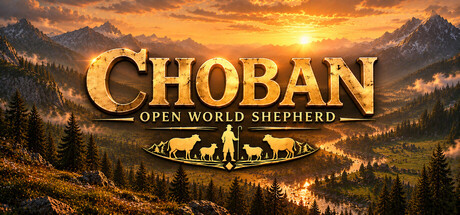
Choban uses generative AI to power conversations and interactions with certain NPCs. AI-generated dialogue is used to create more natural, dynamic, and context-aware responses during gameplay. All core gameplay systems, quests, progression, world generation, and game mechanics are designed by the developers and are not generated by AI. AI is used solely to enhance NPC interactions and player immersion.
This game utilizes generative AI tools to assist in the production of select art, sound, and music assets. However, no raw AI content is used. Every single AI-generated asset has been extensively modified, remade, and personalized by hand to fit the game's specific creative vision.
Generative AI was used during development to create some character models and visual assets, promotional artwork, and to assist with text and localization. These assets are prepared in advance and included with the game or its store and marketing materials. No AI-generated content is created during gameplay, and the game does not connect to external generative AI services.
Nuclear Kitty Games is a human-led studio whose team brings 15 years of professional game-development experience. We use AI and large language models (LLMs) to support development and content creation, improve our workflows and speed up iteration. Our developers direct the design and development of every game, and review and integrate the final content. We are game makers and players who care about the games we create.
Some content included in this game and its promotional materials was created with generative AI assistance. No content is AI-generated during gameplay.
Some store and library artwork, icons, and promotional imagery were created or enhanced with generative AI tools. Gameplay screenshots show actual gameplay. The game does not generate AI content during gameplay or connect to external AI services.
Generative AI tools were used to create visual artwork for the game and its marketing, and to assist with store-page text. These materials are prepared in advance. Temple Breaker does not generate content with AI during gameplay.
Some content in PRE-ECHO was created with the help of generative AI tools during development and was then integrated, adjusted and art-directed by the developer:
- 3D models: the character and creature models, and many prop and vehicle models, were generated with Tripo from original reference images made for this project, then rigged, adjusted and textured in Blender and Unreal Engine.
- 2D art: some textures and interface images (such as the main-menu background, the workshop investigation board, journal and map paper, and inventory icons) were generated with image-generation tools from original prompts.
- Voices: all spoken lines are synthesized with the open-source Kokoro text-to-speech model using generic voices. No real person's voice was recorded or cloned.
- Text: the script, in-game text and English/Spanish localization were written with an AI assistant under the developer's direction.
- Store art: the store and library artwork was generated with AI image tools from the project's own character and creature references, then retouched by the developer. The logo was made without AI. The screenshots are unedited captures of the game.
No content is generated by AI while the game is running.
Some voice lines (the narrator, phone messages and townspeople), some sound effects and the menu music were created with generative AI text-to-speech and audio tools (ElevenLabs) and edited by the developer. All visual art, 3D, animation, level design and code were made by the developer. No AI content is generated during gameplay.
The art, animation, voice acting and music in this game were pre-generated with generative AI tools, then selected, edited and corrected shot by shot by hand. The script, all dialogue and the story structure are human-written. No AI generation happens at runtime.
The original 100 000+ word story was written by me in German. I used the AI ChatGPT to help me with localising that into English. This translation was prepared, guided and proof-read by me, to ensure that certain fantastic elements of the story and the world within the game carried over into English. Despite that, much of the actual translating was done by the AI.
The visuals, music, sound effects, store art, trailer and text for CYBERBIKES were made with the help of AI under my direction, built in code with Blender and Godot. LINK's voice is pre-recorded text-to-speech from the open Kokoro model. Nothing is generated while you play.
Generative AI tools were used during development to assist in creating and refining some of the game's visual assets and artwork. These assets were subsequently selected, edited, adapted, and integrated into the game by the developer. No generative AI is used during gameplay, and the game does not generate content dynamically for players.
Memory Access Violation was made by a solo developer working with an AI coding assistant, which was used during development:
Code and level design: much of the game's code, including the level-building tools, puzzle layouts, enemy behaviour and vehicle handling, was written with AI assistance. The developer directed, playtested and revised every level. Puzzle solutions were checked by automated solvers so each one is fair.
Visuals: the game's environments, vehicles, mechs and enemies are built in code from simple geometric shapes and custom shaders. No AI image generators were used for in-game art.
Generative AI was used during development to assist in creating select pre-generated promotional artwork and video assets used in marketing and on the Steam store page. AI-generated content is reviewed and selected by the developer before publication. Generative AI is not used to create gameplay content in real time.
AI tools assisted the creation of in-game text and localization, and the development of code used to render pixel artwork and synthesize music and sound effects. The game does not use a generative AI model or service during gameplay.
During early development and for the playable demo, Generative AI tools were used to create base templates and draft assets for certain 3D models, textures, and sound effects. All AI-generated placeholders and base models have been manually re-worked, polished, and edited. As development progresses, these draft assets are being actively replaced with fully custom, handcrafted art and audio.
Generative AI tools were used in the creation of selected pre-generated visual and audio assets, as well as some promotional materials. All AI-assisted content is reviewed, edited, and curated by the development team before being included in the game. Heir of Death does not use live-generated AI during gameplay.
Generative AI assisted with some programming and debugging during the development of Daylight Line. Some in-game visual assets, including battle status icons, were also created with the assistance of generative AI and then processed and integrated by the development team. The game does not generate AI content during gameplay.
Generative AI was used during development to create some visual assets, including the title artwork and app icon. AI tools also assisted with some 3D models, in-game text, localization, and sound effects. The game does not use generative AI services to create content during play.
Generative AI tools were used to assist with drafting and refining the Steam store page description for Ignite: The Ritual. No generative AI content is used as an in-game asset or generated during gameplay.
Some source code and internal editor tooling were written with the assistance of AI coding tools during development. All of it was reviewed, edited and tested by the developer. The game's story, dialogue, characters and design are human-written. Visual and audio assets come from licensed asset packs and human-made content. No content is generated by AI while the game is running.
Some 3D models, textures and sound effects were created with the help of generative AI tools and then edited, cleaned up and finished by hand by our team. Some store page and marketing artwork was also created with generative AI tools. All AI-assisted content was reviewed by the developers before being included. The game does not generate any content with AI while you play.
Generative AI was used to help create some of the game's art assets, concept art, and promotional images, which were then selected, refined, and integrated by the developer.
No art, audio, levels, or other authored game content was created using generative AI.
However, a small local AI model runs during gameplay to interpret the player's commands and control the character accordingly. Rest assured, it's dumb as a rock. It won't take over the world or your computer. It can barely take over the test subject.
AI was used as an interface and scripting assistant for industry standard tools such as Reaper, Godot, Blender, Aseprite, and Deepl for enhancing the quality and consistency of the game content and building systems I otherwise would not have the capacity to design and implement as solo developer.
Where possible, artists are and will continue to be supported via use of their paid or free assets. For this game, the most money spent was on Quaternius source level packages.
Notable exception to this is the UI, which was generated using RetroDiffusion with a python pipeline built in house for consistent design around UI elements using color normalization and targeting from a theme palette, which is then imported and tweaked in Godot.
Translation: AI tools assisted with translating the game's text into Simplified Chinese, Japanese, Korean, Spanish, Brazilian Portuguese, Italian and French. The English text, all art, music and sound are made by hand.
Generative AI tools may be used during development to assist in creating certain pre-generated visual, written, audio, or marketing content. All such content is reviewed and curated by the development team before inclusion. The game does not use generative AI to generate content during gameplay.
Generative AI tools were used during development to help create [name the specific assets, such as textures, character animations, or sound effects]. These assets are included as fixed content. The game does not generate AI content during gameplay.
Generative AI was used to assist in the creation of promotional images and some graphical assets, as well as to assist with the localization of in-game text and the Steam store page. The game does not use generative AI during gameplay.
Some character illustrations and 3D character models were created with the assistance of generative AI during development. The generated assets were manually edited, refined, and integrated into the game's final content by the developer. No generative AI is used to create new content in real time during gameplay.
AI tools were used in a limited capacity for a few prop images such as the photographs in the main house, and translation of some Javanese writings. All AI-assisted content was carefully reviewed and approved by humans to ensure it was appropriate and respectful, the final product is a reflection of our own cultural identity and creativity.
Generative AI was used only for selected pre-generated concept and marketing materials during development. These materials are reviewed and edited by the developer before use. No generative AI is used during gameplay, and the game does not generate live text, images, audio, code, or other player-facing content.
Choban uses generative AI to power conversations and interactions with certain NPCs. AI-generated dialogue is used to create more natural, dynamic, and context-aware responses during gameplay. All core gameplay systems, quests, progression, world generation, and game mechanics are designed by the developers and are not generated by AI. AI is used solely to enhance NPC interactions and player immersion.
This game utilizes generative AI tools to assist in the production of select art, sound, and music assets. However, no raw AI content is used. Every single AI-generated asset has been extensively modified, remade, and personalized by hand to fit the game's specific creative vision.