








Disclosure
1% AI, 99% made by me
- Creator
- tempxxi
- Reviews
- -
- Added
- Oct 3, 2026
Public Steam disclosure research 25,376 disclosures tracked
Search developers’ Steam disclosures, compare classified AI use across games, and follow recorded changes. This index adds cross-game classifications and statistics to statements published on individual store pages.
Code help, debugging and other development work.
Capsule art, trailers and promotional material.
Pre-made art, audio, writing and other game assets.
Interactive or runtime AI features disclosed by the developer.
Groups reflect automatic analysis of public disclosures; mature records are excluded. These counts do not measure AI use across all of Steam. Missing or unclear statements cannot establish whether a game uses AI.
1% AI, 99% made by me
Some 3D models in this game, with their textures, were generated with an AI 3D-modeling tool from our own designs and then rigged and edited for the game: the Harvester, the Halloway family, the two playable co-op characters, the scarecrows and the wax effigy.
AI has been used to help develop the game's cover art.
Some of the UI interfaces
Generative AI tools assisted with some audio assets and promotional artwork during development. The game does not generate AI content during gameplay.
All characters, creatures and the world of Vampus are designed and art-directed by the developer, a visual artist. Many designs started from the developer's own drawings and paintings. Generative AI tools (Microsoft Copilot and Meshy) were used to develop some of the designs and to turn them into 3D models and textures. Story and music are made by the developer.
Details for the hand-illustrated artworks were mostly AI-generated.
Parts of the store-page text and a few short interface lines were drafted with an AI writing assistant and reviewed and edited by the developer. The game's literary text, English narration, music, sound design and visual design are human-made.
Generative AI was used during development to create and refine some of the game's 2d and 3d artwork and music. All AI-generated content was reviewed, selected, and edited by the developer before being included in the game. Generative AI is not used during gameplay, and no content is generated in real time.
作品に登場するキャラクターイラスト・CGの一部制作過程で、生成AIツールを使用しています。すべての画像は開発者が選定・調整を行った上でゲームに使用しています。
All characters are original adult fictional characters. Generative AI tools are used to create character imagery, video footage, and Japanese voice performances under the creator's direction; the results are reviewed, selected, and edited shot by shot. AI assistants also support parts of writing, translation, editing, and game implementation. The creator defines the story, characters, choices, performance, interaction, and quality requirements and makes the final decisions. No real performer is depicted, no real person's face or voice is intentionally used as a character reference, and nothing is generated while the game runs.
Some voice audio in EMPTYLAND was created using generative artificial intelligence tools. AI-generated voices are used as part of the game's narrative and in-game audio experience.
This game uses generative AI to write code.
This game contains a neural network model.
The altered paintings ("forgeries") were made by editing public-domain museum scans with generative AI image tools. Each one was reviewed by hand, colour-matched to its original scan and, where possible, composited back onto that scan so that only the altered detail differs. Some in-game English text (the questions that appear beside the paintings) and parts of this store description were drafted with an AI writing assistant and edited by the developer. The capsule art and screenshots are frames rendered by the game itself; the capsule art shows one of the AI-edited paintings. Nothing is generated by AI while the game runs.
Some character portraits were created with generative AI. AI tools were also used to help write and translate the store page and to translate the game's text. The story and dialogue were written by our team.
Generative AI tools were used during development to create pre-generated visual assets, including 2D background artwork, environment graphics, character sprites, and promotional store imagery. All AI-generated content was created prior to release, and no generative AI runs in real-time during gameplay.
Some of this game's content was created with the help of generative AI tools during development: - Artwork: some of the visual art in the game. - Text: parts of the in-game writing, and the Simplified Chinese translation. - Audio: a small number of sound effects. Most of the game's sound was made without AI. Nothing is generated by AI while you play.
Generative AI was used to assist with the localization of some store page content. The generated translations were reviewed and edited before publication.
The game's story, design and text were created by the developer. Generative AI was used as an assistant when writing the text of this store page and of the game, and to translate it into 12 languages; all of it was reviewed and edited by the developer. One song on the car radio ("Broken Hearts and Blue Moons", licensed from Pixabay) was produced by its author with generative AI. No content is generated while you play.
This game was made possible due to generative AI coding. It uses generative AI for the code base and procedural environmental generation but is limited to that. Models and music have been manually created.
Translation was supported by AI tools.
Generative AI tools were used during development to create some character, environment, and object visuals, 3D assets, and promotional materials. All AI-generated content was created in advance during development. No new content is generated by AI during gameplay, and the game does not connect to any external AI services.
ARIA's dialogue and speech are generated on the player's own machine at runtime by a language model and a text-to-speech voice that ship with the game. Nothing is sent to an external service and no player data leaves the machine. What ARIA says is constrained to the station's fiction and to evidence the player has actually found in-game. Some art, audio and text assets in the game were produced with AI tools and reviewed by the developer before shipping.
Generative AI tools were used during development to assist in the creation of some visual and 3D assets. All generated content was reviewed, edited, and integrated by the developer.
Deep Lantern contains some pre-generated visual assets created or assisted with generative AI, including certain textures, interface or illustrative visual elements, which were then reviewed, edited, and integrated manually by the developer. The game does not use live generative AI during gameplay, and players cannot generate content in-game using AI.
Generative AI was used during development. Part of the graphics (characters, enemies, bosses, icons, room backgrounds and backdrops) was created with image-generation tools: Google Gemini, OpenAI ChatGPT and a locally run Stable Diffusion model. Part of the music was created with audio-generation tools (Google Gemini). Part of the code, room layouts and texts were written with the help of an AI assistant. The developer reviewed, cut, retouched and hand-adjusted all of this material before adding it to the game. The game does not generate any AI content while it is being played.
本作の台詞と描写は、あらかじめ書かれたものだけを表示します。プレイ中に文章を生成する仕組みはなく、インターネット接続も使いません。 制作にあたっては、生成AIを次の範囲で使っています。 ・文章:登場人物の台詞、描写、質問の言い換えは、開発者が設計した設定と検査のもとで生成AIが執筆し、開発者が確認・修正しました。 ・画像:背景画像とストアページの表紙画像は、生成AIで作った画像を開発者が加工したものです。 ・音楽:BGMと主題歌は、生成AI(Suno)で制作しました。主題歌の歌詞も生成AIで作成し、開発者が確認しました。 ・プレイ中の入力の照合:プレイヤーが入力した文章を、用意された台詞のどれに当たるか判定するために、小さな言語モデル(multilingual-e5-small)をプレイヤーのPC内で実行します。このモデルは文章を生成せず、入力内容を外部へ送信しません。 効果音には生成AIを使っていません。
AI tools helped write the game's code
AI tools were used during development for programming, image creation, scenario writing, and translation. All AI-assisted or AI-generated content has been reviewed and, where necessary, edited by the developer before being included in the final release. No content is generated by AI during gameplay.
Pre-generated content: the pixel art (characters, animations, tiles, props, UI frames) and the store capsule art were made with the help of an AI pixel-art tool, then selected, edited and assembled by the developer. Store page texts and their translations were drafted with AI assistance and reviewed by the developer. The game does not generate any content with AI while you play. Music, sound effects and fonts are licensed assets made by people.
Hero Chains of Destiny includes pre-generated content created with the assistance of generative AI tools during development. This includes selected artwork, music, and sound effects. All generated content is reviewed, curated, and approved by the developer before being included in the game.
Some of this game's visual assets—character portraits, backgrounds, and CG—were created using generative AI tools.
Solis Chronicles uses generative AI for pre-rendered content. Character art, backgrounds, event illustrations, video sequences, the title artwork, and the logo were created with generative AI tools (Flux, Nano Banana, Seedream, PixVerse, WAN) under human art direction, with reference-locked character designs. The music was generated locally with ACE-Step under human direction. The story, characters, and game design are human-authored. Dialogue was written with substantial AI assistance and edited by the developer. No AI content is generated during gameplay; everything is pre-rendered and human-reviewed.
Generative AI was used during development as an assistive tool for code prototyping and localization, and to create some pre-generated visual content, including fictional patient photographs used as environmental and narrative elements in the game. AI-generated concept art is used only as internal visual reference and is not included as game assets. All AI-generated content included in the game is pre-generated. No generative AI runs during gameplay. Final level design, asset placement, gameplay systems, narrative implementation, and asset integration are created and assembled by the developer.
some code and text translation used AI
Pre-generated generative AI was used to create some 2D visual assets, including selected in-game sign textures and store/marketing artwork. No generative AI is used during gameplay.
Generative AI tools were used to assist with some promotional/store artwork, minor code edits, and the improvement and iteration of some music. AI-generated content is not created dynamically during gameplay.
The use of AI is limited to select visual assets, which were manually reviewed, repainted, and integrated to fit the art direction. The project features original artwork hand-drawn by my artistic partner alongside an original acoustic piano score, entirely composed and performed by me. This is an independent, completely free passion project with zero monetization, made out of a genuine love for game development. Thank you for playing.
Generative AI was used during development to create and refine pre-generated visual assets for Legends of the Pitch, including character illustrations, environment artwork, card and interface imagery, and promotional artwork for the Steam store. Screenshots and trailers may display these assets. The developer selected, edited and integrated the final content. No AI content is generated during gameplay, and the game does not connect to any external AI service while playing.
・Some of the posters were created using generative AI (ChatGPT and Gemini). ・Some of the voices were created using generative AI (Ondoku). ・The translations were created using generative AI (Gemini).
Art assets were initially generated using AI image-generation tools, then reviewed, manually edited, and refined by human artists.
Generative AI tools were used in parts of the developer's workflow: some texture source images (such as water splash sprites and certain ground materials) originate from AI image tools, and the dragon character's base mesh was initially created with AI assistance. All of this content was then extensively hand-edited, sculpted, rigged and integrated by the developer. Some music tracks were generated with Suno (licensed under a paid subscription). The world itself, the environment models and the game's art direction are hand-made. The game does not generate any content at runtime.
Generative AI tools were used during development to assist with draft text, localization, concept references, and asset iteration. All final content included in the game has been reviewed and edited by the developer. The game does not generate AI content during gameplay.
Generative AI was used during development to create certain pre-generated visual assets and character textures included in the game, as well as to assist with translation into certain languages (French, German, and Spanish). These assets are created during development and are integrated into the game; there is no real-time AI content generation during gameplay.
Generative AI tools assisted in producing some background artwork, music and sound effects, models, and narrative content. The developer reviewed and edited these materials before integrating them into the game. No AI content is generated during gameplay.
During development we used generative AI tools to create some of the game's 2D artwork and a portion of its 3D models, as well as some store page marketing artwork. All AI-assisted assets were reviewed, edited, and finalized by our team. The game does not generate AI content at runtime.
Dawn of Irkalla includes pre-generated AI-assisted content used during development, including some 3D models, images, and code assistance. The game's level design, story, lore, gameplay, music, and many other assets were created by us or sourced from licensed third parties.
Generative AI tools were used during development to assist with debugging. AI-assisted content included in the final game was reviewed and edited by the developer. No content is generated by AI during gameplay.
AI was used to help develop some plugins, edit text, and brainstorm illustration ideas. No AI-generated images are used in the game.
| Title⇅ | Disclosure | Creator⇅ | Src | Reviews⇅ | Added↓ |
|---|---|---|---|---|---|
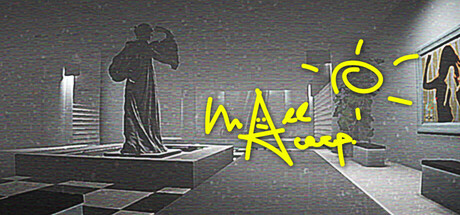 Mall Corp Dev only | 1% AI, 99% made by me | tempxxi | - | Oct 3, 2026 | |
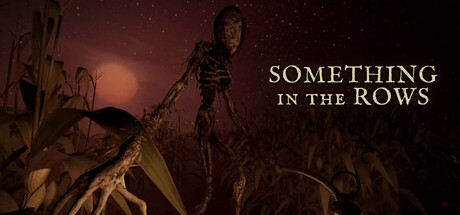 Something in the Rows In-game content art | Some 3D models in this game, with their textures, were generated with an AI 3D-modeling tool from our own designs and then rigged and edited for the game: the Harvester, the Halloway family, the two playable co-op characters, the scarecrows and the wax effigy. | Distorted Games Studio | - | Oct 3, 2026 | |
 Alaska Survival Store/marketing art | AI has been used to help develop the game's cover art. | Hard Shark Games | - | Oct 3, 2026 | |
 My Dream War Unclear | Some of the UI interfaces | RUIRUI GAMES | - | Oct 3, 2026 | |
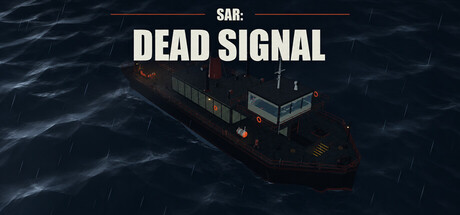 SAR: DEAD SIGNAL In-game content audioart | Generative AI tools assisted with some audio assets and promotional artwork during development. The game does not generate AI content during gameplay. | PlayPartyGames | - | Oct 3, 2026 | |
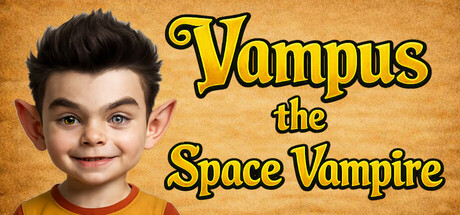 Vampus the Space Vampire In-game content art | All characters, creatures and the world of Vampus are designed and art-directed by the developer, a visual artist. Many designs started from the developer's own drawings and paintings. Generative AI tools (Microsoft Copilot and Meshy) were used to develop some of the designs and to turn them into 3D models and textures. Story and music are made by the developer. | Bjørn Eriksen | - | Oct 3, 2026 | |
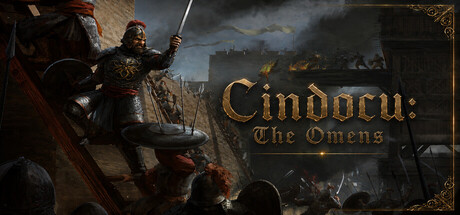 Cindocu: The Omens In-game content art | Details for the hand-illustrated artworks were mostly AI-generated. | Cindocu Project | - | Oct 3, 2026 | |
 Ex Oblivione Store/marketing text | Parts of the store-page text and a few short interface lines were drafted with an AI writing assistant and reviewed and edited by the developer. The game's literary text, English narration, music, sound design and visual design are human-made. | No_Return() | - | Oct 1, 2026 | |
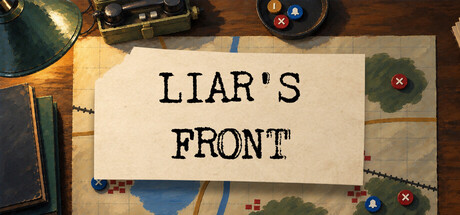 Liar's Front In-game content artaudio | Generative AI was used during development to create and refine some of the game's 2d and 3d artwork and music. All AI-generated content was reviewed, selected, and edited by the developer before being included in the game. Generative AI is not used during gameplay, and no content is generated in real time. | Zhabka Productions | - | Oct 1, 2026 | |
 野球拳 In-game content art | 作品に登場するキャラクターイラスト・CGの一部制作過程で、生成AIツールを使用しています。すべての画像は開発者が選定・調整を行った上でゲームに使用しています。 | ダイアナソフト | - | Oct 1, 2026 | |
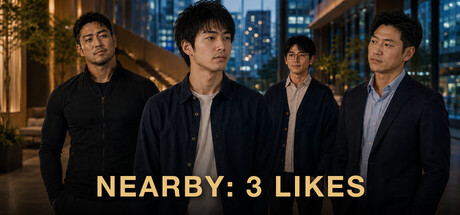 NEARBY: 3 LIKES In-game content artaudiotext | All characters are original adult fictional characters. Generative AI tools are used to create character imagery, video footage, and Japanese voice performances under the creator's direction; the results are reviewed, selected, and edited shot by shot. AI assistants also support parts of writing, translation, editing, and game implementation. The creator defines the story, characters, choices, performance, interaction, and quality requirements and makes the final decisions. No real performer is depicted, no real person's face or voice is intentionally used as a character reference, and nothing is generated while the game runs. | Studio Soil 26 | - | Oct 1, 2026 | |
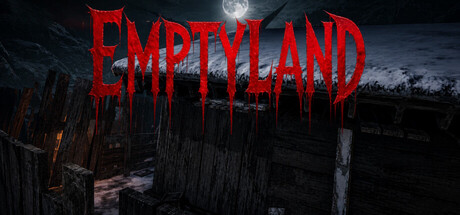 EMPTYLAND In-game content audio | Some voice audio in EMPTYLAND was created using generative artificial intelligence tools. AI-generated voices are used as part of the game's narrative and in-game audio experience. | GAMEPAGE | - | Oct 1, 2026 | |
 go Up Dev only code | This game uses generative AI to write code. | yee | - | Oct 1, 2026 | |
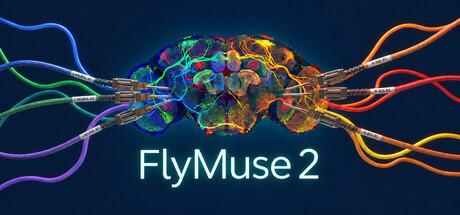 FlyMuse 2 Unclear | This game contains a neural network model. | XieXing Game | - | Oct 1, 2026 | |
 I Know This One (IKTO) In-game content arttext | The altered paintings ("forgeries") were made by editing public-domain museum scans with generative AI image tools. Each one was reviewed by hand, colour-matched to its original scan and, where possible, composited back onto that scan so that only the altered detail differs. Some in-game English text (the questions that appear beside the paintings) and parts of this store description were drafted with an AI writing assistant and edited by the developer. The capsule art and screenshots are frames rendered by the game itself; the capsule art shows one of the AI-edited paintings. Nothing is generated by AI while the game runs. | JoMi | - | Oct 1, 2026 | |
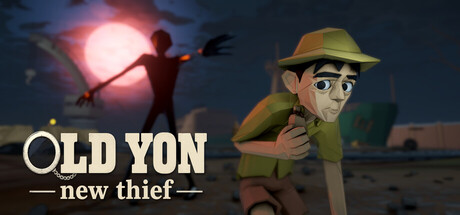 Old Yon. New thief In-game content arttext | Some character portraits were created with generative AI. AI tools were also used to help write and translate the store page and to translate the game's text. The story and dialogue were written by our team. | BoneApps | - | Sep 30, 2026 | |
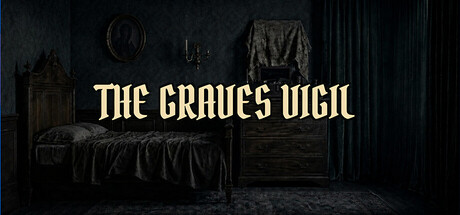 THE GRAVES VIGIL In-game content art | Generative AI tools were used during development to create pre-generated visual assets, including 2D background artwork, environment graphics, character sprites, and promotional store imagery. All AI-generated content was created prior to release, and no generative AI runs in real-time during gameplay. | GeorgeDowson | - | Sep 30, 2026 | |
 Backrooms Adventure In-game content arttextaudio | Some of this game's content was created with the help of generative AI tools during development:
- Artwork: some of the visual art in the game.
- Text: parts of the in-game writing, and the Simplified Chinese translation.
- Audio: a small number of sound effects. Most of the game's sound was made without AI.
Nothing is generated by AI while you play. | Glycine | - | Sep 30, 2026 | |
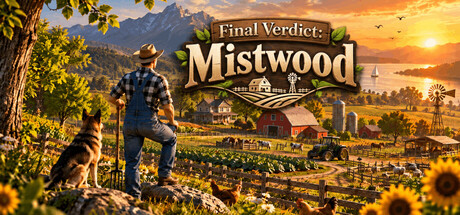 Final Verdict: Mistwood In-game content text | Generative AI was used to assist with the localization of some store page content. The generated translations were reviewed and edited before publication. | Hawks Studios | - | Sep 30, 2026 | |
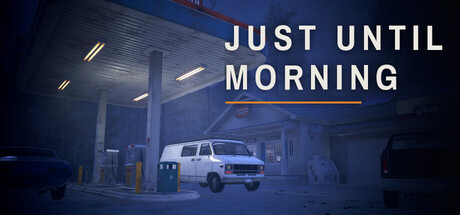 JUST UNTIL MORNING In-game content textaudio | The game's story, design and text were created by the developer. Generative AI was used as an assistant when writing the text of this store page and of the game, and to translate it into 12 languages; all of it was reviewed and edited by the developer. One song on the car radio ("Broken Hearts and Blue Moons", licensed from Pixabay) was produced by its author with generative AI. No content is generated while you play. | Alexframe | - | Sep 30, 2026 | |
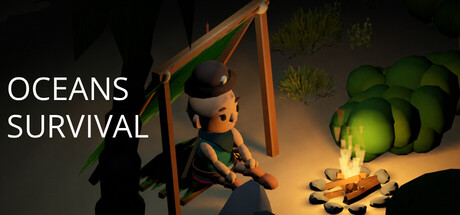 Oceans - Survival In-game content codeart | This game was made possible due to generative AI coding. It uses generative AI for the code base and procedural environmental generation but is limited to that. Models and music have been manually created. | Albin Renlund | - | Sep 30, 2026 | |
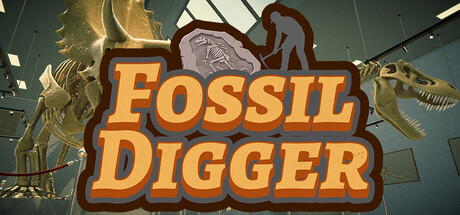 Fossil Digger In-game content text | Translation was supported by AI tools. | Yagni Lab | - | Sep 30, 2026 | |
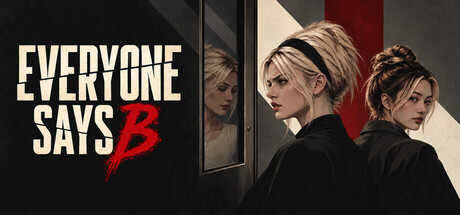 EVERYONE SAYS B In-game content art | Generative AI tools were used during development to create some character, environment, and object visuals, 3D assets, and promotional materials. All AI-generated content was created in advance during development. No new content is generated by AI during gameplay, and the game does not connect to any external AI services. | Nythalor Studios | - | Sep 30, 2026 | |
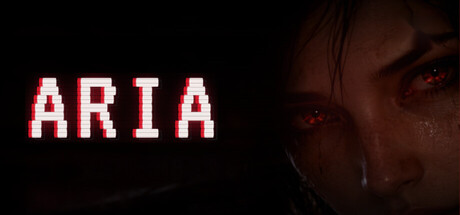 ARIA Live AI textaudioart | ARIA's dialogue and speech are generated on the player's own machine at runtime by a language model and a text-to-speech voice that ship with the game. Nothing is sent to an external service and no player data leaves the machine. What ARIA says is constrained to the station's fiction and to evidence the player has actually found in-game. Some art, audio and text assets in the game were produced with AI tools and reviewed by the developer before shipping. | Dreamtime Game Studios | - | Sep 30, 2026 | |
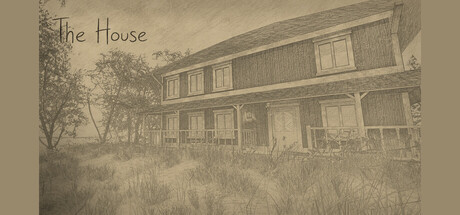 The House In-game content art | Generative AI tools were used during development to assist in the creation of some visual and 3D assets. All generated content was reviewed, edited, and integrated by the developer. | Meercraft | - | Sep 30, 2026 | |
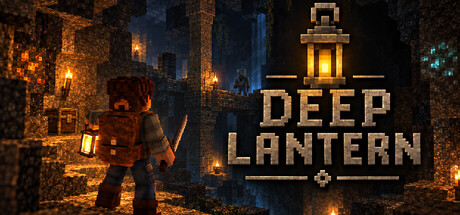 Deep Lantern In-game content art | Deep Lantern contains some pre-generated visual assets created or assisted with generative AI, including certain textures, interface or illustrative visual elements, which were then reviewed, edited, and integrated manually by the developer.
The game does not use live generative AI during gameplay, and players cannot generate content in-game using AI. | Deep Lantern | - | Sep 30, 2026 | |
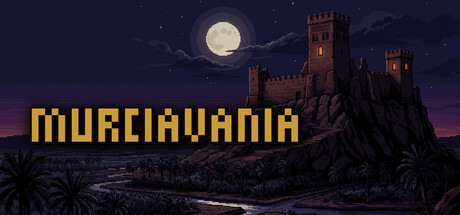 Murciavania In-game content artaudiotextcode | Generative AI was used during development. Part of the graphics (characters, enemies, bosses, icons, room backgrounds and backdrops) was created with image-generation tools: Google Gemini, OpenAI ChatGPT and a locally run Stable Diffusion model. Part of the music was created with audio-generation tools (Google Gemini). Part of the code, room layouts and texts were written with the help of an AI assistant. The developer reviewed, cut, retouched and hand-adjusted all of this material before adding it to the game. The game does not generate any AI content while it is being played. | Manuel Manzano | - | Sep 30, 2026 | |
 Kiribashiri: Asleep in the Drift Ice In-game content textartaudio | 本作の台詞と描写は、あらかじめ書かれたものだけを表示します。プレイ中に文章を生成する仕組みはなく、インターネット接続も使いません。
制作にあたっては、生成AIを次の範囲で使っています。
・文章:登場人物の台詞、描写、質問の言い換えは、開発者が設計した設定と検査のもとで生成AIが執筆し、開発者が確認・修正しました。
・画像:背景画像とストアページの表紙画像は、生成AIで作った画像を開発者が加工したものです。
・音楽:BGMと主題歌は、生成AI(Suno)で制作しました。主題歌の歌詞も生成AIで作成し、開発者が確認しました。
・プレイ中の入力の照合:プレイヤーが入力した文章を、用意された台詞のどれに当たるか判定するために、小さな言語モデル(multilingual-e5-small)をプレイヤーのPC内で実行します。このモデルは文章を生成せず、入力内容を外部へ送信しません。
効果音には生成AIを使っていません。 | kaedeasset | - | Sep 30, 2026 | |
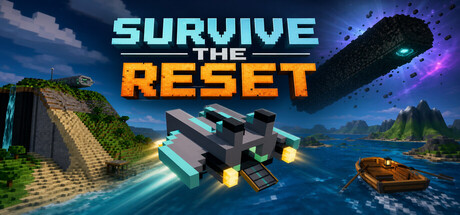 Survive The Reset Dev only code | AI tools helped write the game's code | Thisisdemo | - | Sep 30, 2026 | |
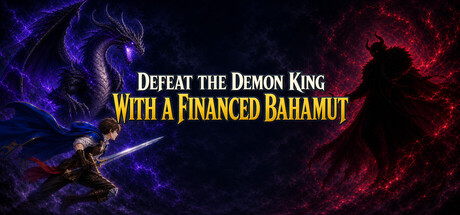 Defeat the Demon King with a Financed Bahamut In-game content arttext | AI tools were used during development for programming, image creation, scenario writing, and translation.
All AI-assisted or AI-generated content has been reviewed and, where necessary, edited by the developer before being included in the final release.
No content is generated by AI during gameplay. | Shobota | - | Sep 30, 2026 | |
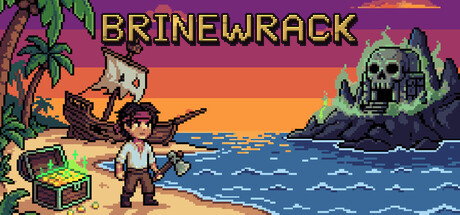 Brinewrack In-game content arttext | Pre-generated content: the pixel art (characters, animations, tiles, props, UI frames) and the store capsule art were made with the help of an AI pixel-art tool, then selected, edited and assembled by the developer. Store page texts and their translations were drafted with AI assistance and reviewed by the developer. The game does not generate any content with AI while you play. Music, sound effects and fonts are licensed assets made by people. | Ninebark | - | Sep 30, 2026 | |
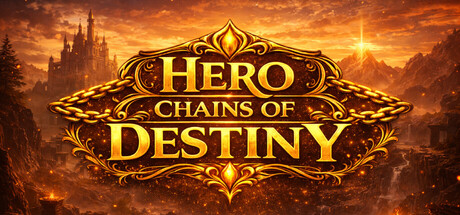 Hero Chains of Destiny In-game content artaudio | Hero Chains of Destiny includes pre-generated content created with the assistance of generative AI tools during development. This includes selected artwork, music, and sound effects. All generated content is reviewed, curated, and approved by the developer before being included in the game. | TavernCatGames | - | Sep 29, 2026 | |
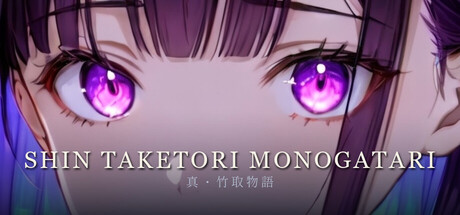 真・竹取物語 / Shin Taketori Monogatari In-game content art | Some of this game's visual assets—character portraits, backgrounds, and CG—were created using generative AI tools. | Byte | - | Sep 28, 2026 | |
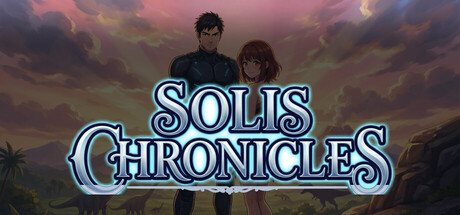 Solis Chronicles In-game content artaudiotext | Solis Chronicles uses generative AI for pre-rendered content. Character art, backgrounds, event illustrations, video sequences, the title artwork, and the logo were created with generative AI tools (Flux, Nano Banana, Seedream, PixVerse, WAN) under human art direction, with reference-locked character designs. The music was generated locally with ACE-Step under human direction. The story, characters, and game design are human-authored. Dialogue was written with substantial AI assistance and edited by the developer. No AI content is generated during gameplay; everything is pre-rendered and human-reviewed. | FrostByte Project | - | Sep 28, 2026 | |
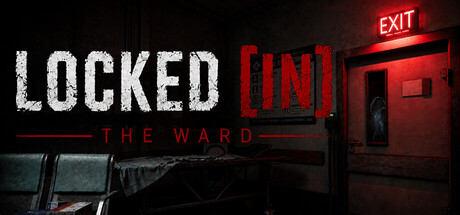 Locked In: The Ward In-game content arttextcode | Generative AI was used during development as an assistive tool for code prototyping and localization, and to create some pre-generated visual content, including fictional patient photographs used as environmental and narrative elements in the game. AI-generated concept art is used only as internal visual reference and is not included as game assets.
All AI-generated content included in the game is pre-generated. No generative AI runs during gameplay. Final level design, asset placement, gameplay systems, narrative implementation, and asset integration are created and assembled by the developer. | GES Interactive | - | Sep 28, 2026 | |
 Void and Fighter In-game content codetext | some code and text translation used AI | Never Knows Game | - | Sep 28, 2026 | |
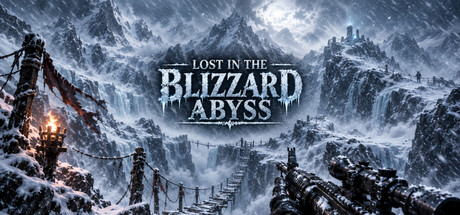 Lost in the Blizzard Abyss In-game content art | Pre-generated generative AI was used to create some 2D visual assets, including selected in-game sign textures and store/marketing artwork. No generative AI is used during gameplay. | RFK Immersive Spirit Works | - | Sep 27, 2026 | |
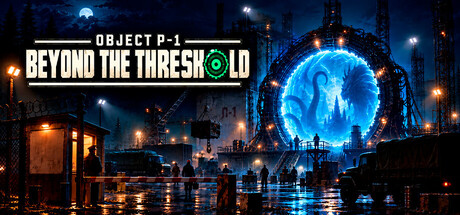 Object P-1: Beyond the Threshold — Idle Store/marketing artaudiocode | Generative AI tools were used to assist with some promotional/store artwork, minor code edits, and the improvement and iteration of some music. AI-generated content is not created dynamically during gameplay. | Ural Birds | - | Sep 27, 2026 | |
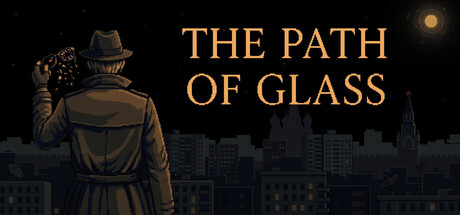 The Path of Glass In-game content art | The use of AI is limited to select visual assets, which were manually reviewed, repainted, and integrated to fit the art direction. The project features original artwork hand-drawn by my artistic partner alongside an original acoustic piano score, entirely composed and performed by me.
This is an independent, completely free passion project with zero monetization, made out of a genuine love for game development. Thank you for playing. | Biesro | - | Sep 27, 2026 | |
 Legends of the Pitch In-game content art | Generative AI was used during development to create and refine pre-generated visual assets for Legends of the Pitch, including character illustrations, environment artwork, card and interface imagery, and promotional artwork for the Steam store. Screenshots and trailers may display these assets. The developer selected, edited and integrated the final content. No AI content is generated during gameplay, and the game does not connect to any external AI service while playing. | LZQI STUDIOS | - | Sep 27, 2026 | |
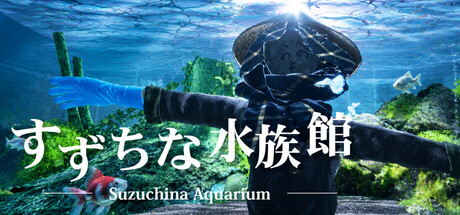 すずちな水族館 / Suzuchina Aquarium In-game content artaudiotext | ・Some of the posters were created using generative AI (ChatGPT and Gemini).
・Some of the voices were created using generative AI (Ondoku).
・The translations were created using generative AI (Gemini). | SuzuchinaGames | - | Sep 27, 2026 | |
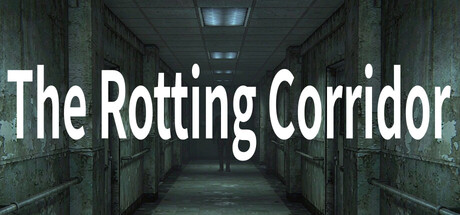 The Rotting Corridor In-game content art | Art assets were initially generated using AI image-generation tools, then reviewed, manually edited, and refined by human artists. | NimbusCode Studio | - | Sep 27, 2026 | |
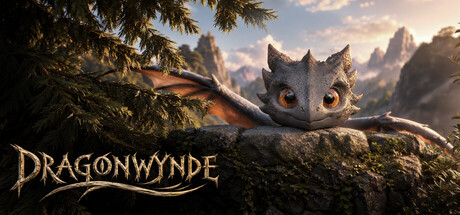 Dragonwynde In-game content artaudio | Generative AI tools were used in parts of the developer's workflow: some texture source images (such as water splash sprites and certain ground materials) originate from AI image tools, and the dragon character's base mesh was initially created with AI assistance. All of this content was then extensively hand-edited, sculpted, rigged and integrated by the developer. Some music tracks were generated with Suno (licensed under a paid subscription). The world itself, the environment models and the game's art direction are hand-made. The game does not generate any content at runtime. | Ikihonka Studios | - | Sep 27, 2026 | |
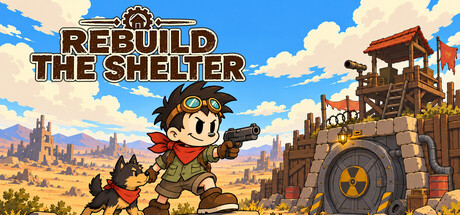 重建避难所 In-game content textart | Generative AI tools were used during development to assist with draft text, localization, concept references, and asset iteration. All final content included in the game has been reviewed and edited by the developer. The game does not generate AI content during gameplay. | JAM Game Studio | - | Sep 27, 2026 | |
 Poop Killer - The Golden Fart In-game content arttext | Generative AI was used during development to create certain pre-generated visual assets and character textures included in the game, as well as to assist with translation into certain languages (French, German, and Spanish). These assets are created during development and are integrated into the game; there is no real-time AI content generation during gameplay. | 616 GAMES | - | Sep 27, 2026 | |
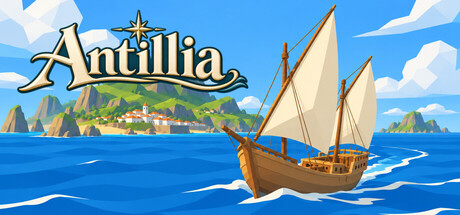 Antillia In-game content artaudiotext | Generative AI tools assisted in producing some background artwork, music and sound effects, models, and narrative content. The developer reviewed and edited these materials before integrating them into the game. No AI content is generated during gameplay. | Alagondar | - | Sep 27, 2026 | |
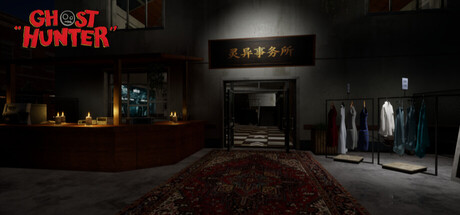 Ghost Hunter In-game content art | During development we used generative AI tools to create some of the game's 2D
artwork and a portion of its 3D models, as well as some store page marketing
artwork. All AI-assisted assets were reviewed, edited, and finalized by our team.
The game does not generate AI content at runtime. | Tricky Spirit | - | Sep 26, 2026 | |
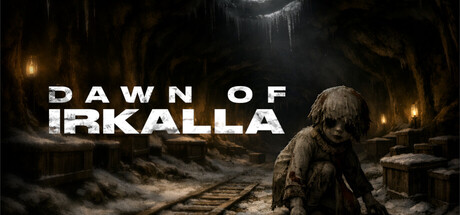 Dawn of Irkalla Dev only artcode | Dawn of Irkalla includes pre-generated AI-assisted content used during development, including some 3D models, images, and code assistance. The game's level design, story, lore, gameplay, music, and many other assets were created by us or sourced from licensed third parties. | GreenMind Media Inc | - | Sep 26, 2026 | |
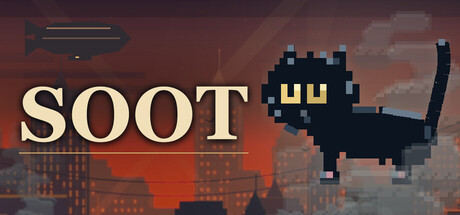 SOOT Dev only | Generative AI tools were used during development to assist with debugging. AI-assisted content included in the final game was reviewed and edited by the developer. No content is generated by AI during gameplay. | GR0GZ_GAMES | - | Sep 25, 2026 | |
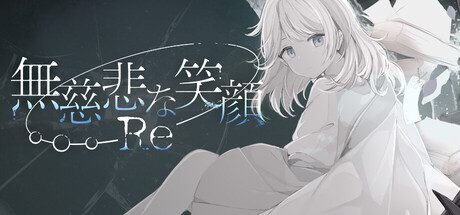 無慈悲な笑顔Re Dev only codetextart | AI was used to help develop some plugins, edit text, and brainstorm illustration ideas. No AI-generated images are used in the game. | ツノウサギの家 | - | Sep 25, 2026 |


