


Disclosure
AI is used to translate the store page.
- Creator
- Alex Le Mesurier
- Reviews
- -
- Added
- Oct 12, 2026
Public Steam disclosure research 25,376 disclosures tracked
Search developers’ Steam disclosures, compare classified AI use across games, and follow recorded changes. This index adds cross-game classifications and statistics to statements published on individual store pages.
Code help, debugging and other development work.
Capsule art, trailers and promotional material.
Pre-made art, audio, writing and other game assets.
Interactive or runtime AI features disclosed by the developer.
Groups reflect automatic analysis of public disclosures; mature records are excluded. These counts do not measure AI use across all of Steam. Missing or unclear statements cannot establish whether a game uses AI.
AI is used to translate the store page.
Generative AI tools were used throughout this game's production pipeline, alongside traditional development tools and techniques, to speed up iteration and expand what our team can make. AI-assisted content that ships in the game includes 2D artwork, voice narration, sound effects, music and in-game text. Every asset in the final product was selected, reviewed, modified where appropriate, and integrated by the development team. No generative AI content is created during gameplay.
The ghost's voice lines, lullaby, screams, laughter and some sound effects were generated with AI audio tools (ElevenLabs). The store page description and the layout of the capsule art were prepared with the help of an AI assistant, using screenshots captured from the game. All 3D models, environments and animations are human-made assets licensed from the Fab marketplace.
AI tools assisted in creating and revising the ending illustrations, narrative and explanatory text, English localization, and some visuals and sound effects produced through code. AI tools also assisted with store descriptions and promotional artwork. The game contains fixed, completed content and does not generate new content or connect to external AI services during play.
Generative AI tools assisted with pre-generated game content, including text and localization, and with store artwork and marketing text. The game uses prepared content. It does not generate content with AI during gameplay or connect to external AI services.
Generative AI tools were used during development to help create code, 2D art and text, including draft translations. The developer directed, selected and assembled all of it into the game. No generative AI runs while you play. Meridian, your companion, is scripted rather than a chatbot, and the game sends nothing to AI services. Planets come from the game's own procedural generator, not an AI model.
During the R&D process, we used AI to assist with scriptwriting, but the content was still reviewed and polished by humans.
Portions of this game's art assets (2D sprites and background illustrations) were created with the assistance of generative AI tools, then manually reviewed and edited by our team. All game code, gameplay systems, game design and sound effects were made by humans. No AI-generated content is produced at runtime.
Sound effects, some character voices and music in the game were made with generative AI tools (ElevenLabs). Everything is pre-generated during development; nothing is generated while you play.
Pre-generated voice audio in the game was created using VOICEPEAK speech synthesis. Generative AI was used for brainstorming and idea development during scenario creation. No AI-generated artwork or visual assets are used in the game.
AI tools assisted in developing some procedural animations and sound effects. These elements were reviewed and refined to match the game’s artistic direction. All in-game graphical assets were handcrafted by artists.
Custom Built LLM & Vertex DB, 100% home made AI model built by developer of Abandon All Hope was used to aid in padding out Dialog for the game, as well as the store page description. All Other content has been hand crafted.
Only alien images were generated using AI.
Game logo and cover art made with ai tools. Game menu icons made ai tools
Used Ai to generate a NPC of my daughter Princess Octavia, Also used it to implement bought assets from epic store. Used to generate capsules for steam page.
It has been used in the page visuals and logo.
Some monster and equipment assets, as well as images used on the Steam store page, were AI-generated and subsequently refined and edited manually.
The game uses pre-generated AI-assisted artwork, including some game visuals and Steam promotional artwork. An optional local large language model generates character conversations, some fictional social text and short resident plans during play. Players can turn the local AI feature off and continue playing.
AI tools assisted with in-game text translation.
Se han utilizado herramientas de inteligencia artificial generativa durante el desarrollo para ayudar en la creación y adaptación de algunos recursos del juego, como modelos 3D, imágenes, audio y otros elementos gráficos. Todo el contenido generado con IA ha sido revisado y preparado previamente antes de incluirse en el juego. El juego no genera contenido mediante IA en tiempo real ni se conecta a servicios externos de IA durante la partida.
This game contains content created with the assistance of AI tools. AI was used during development to assist with programming, visual assets, and other creative elements. All generated content was reviewed, edited, and integrated by the dev.
NBD2 is an AI game development studio. As a solo indie dev who is unlikely to ever make a dime from any of my games, there's no other way I could bring my ideas to life. Order of the Crystalline Tortoise was created using generative AI throughout development, including its game code, 3D models, interface art, sound and text. The models were built by AI agents writing Blender scripts, the poster is drawn by code, and the music and sound effects were synthesized by code, with gull calls from a CC0 field recording. All AI generation took place during development. The game does not generate AI content or code during play or connect to an external AI service. I recognize AI in game development is an extremely sensitive topic and I appreciate both sides. I only hope the game is fun. The goal should always be making something that human beings will enjoy.
Some visual assets, audio and text were created with generative AI tools and edited by the developer.
AI was used for translating the in-game text and store page, as well as for scripting the game.
Music was generated by AI. Art was generated by AI and rework by human
Generative AI tools were used during development to assist with the creation of some artwork, music, and game code. All AI-assisted content was reviewed, edited, and integrated by the developer as part of the game’s creative and development process.
AI tools were used for some voice lines, some 3D props, and some textures.
One map artwork was created with generative AI and then edited by the developer. No other art, audio, text, or gameplay content uses AI. The game does not generate content during play.
Text has been embellished with AI and translations are also AI.
The core assets, music, 3D objects, and story of this game were entirely reviewed, refined, and crafted by the developer. However, generative AI tools were utilized to assist in creating certain sound effects and a few background/UI images. As this is my very first game developed entirely as a solo indie developer, these tools were used to help overcome the immense challenges of managing all aspects of production alone. All AI-assisted contents have been thoroughly checked to ensure quality and compliance.
Gen-AI has been used to help debug the game.
We used AI to create some of the music and translations.
AI coding tools have been used to aid development.
Atomica's translations into the thirteen languages other than English were made by an AI language model and have not yet been reviewed by native speakers. Much of the game's code and the store text were written with AI assistance. Nothing else is AI-generated. The cell is assembled by ordinary procedural code, not machine learning, from real data: Scripps Research's cellPACK model of Mycoplasma genitalium, protein structures from the Protein Data Bank (PDB), and ligands from the wwPDB Chemical Component Dictionary (CCD). The sounds are synthesized from the cell's real activity, and the store images are in-game screenshots.
Generative AI tools were used during development to assist in the creation of 3D models and other visual assets. AI-assisted development tools were also used extensively for programming and implementation. All generated and AI-assisted content was reviewed, directed, and integrated by the developer. No generative AI is used at runtime.
Generative AI tools were used during development. Some of the game's 3D models and parts of its programming code were created with AI assistance, then reviewed and refined by the developer. No content is generated by AI while the game is running.
Generative Artificial Intelligence used to create background graphics and voices.
Generative AI was used to create and edit pre-generated in-game backgrounds, character illustrations, CG artwork, icons, and UI artwork, as well as Steam store and library capsule images, the logo, and icons. Gameplay screenshots were captured directly from the game. The game does not generate AI content during play.
Generative AI was used to create the voices, sound effects and illustrations. The stories are designed and directed by the developer.
Generative AI was used during development to create some character models and visual assets, promotional artwork, and to assist with text and localization. These assets are prepared in advance and included with the game or its store and marketing materials. No AI-generated content is created during gameplay, and the game does not connect to external generative AI services.
Nuclear Kitty Games is a human-led studio whose team brings 15 years of professional game-development experience. We use AI and large language models (LLMs) to support development and content creation, improve our workflows and speed up iteration. Our developers direct the design and development of every game, and review and integrate the final content. We are game makers and players who care about the games we create. Some content included in this game and its promotional materials was created with generative AI assistance. No content is AI-generated during gameplay.
Game videos and images are generated using AIGC.
Some content in PRE-ECHO was created with the help of generative AI tools during development and was then integrated, adjusted and art-directed by the developer: - 3D models: the character and creature models, and many prop and vehicle models, were generated with Tripo from original reference images made for this project, then rigged, adjusted and textured in Blender and Unreal Engine. - 2D art: some textures and interface images (such as the main-menu background, the workshop investigation board, journal and map paper, and inventory icons) were generated with image-generation tools from original prompts. - Voices: all spoken lines are synthesized with the open-source Kokoro text-to-speech model using generic voices. No real person's voice was recorded or cloned. - Text: the script, in-game text and English/Spanish localization were written with an AI assistant under the developer's direction. - Store art: the store and library artwork was generated with AI image tools from the project's own character and creature references, then retouched by the developer. The logo was made without AI. The screenshots are unedited captures of the game. No content is generated by AI while the game is running.
Some voice lines (the narrator, phone messages and townspeople), some sound effects and the menu music were created with generative AI text-to-speech and audio tools (ElevenLabs) and edited by the developer. All visual art, 3D, animation, level design and code were made by the developer. No AI content is generated during gameplay.
The art, animation, voice acting and music in this game were pre-generated with generative AI tools, then selected, edited and corrected shot by shot by hand. The script, all dialogue and the story structure are human-written. No AI generation happens at runtime.
Memory Access Violation was made by a solo developer working with an AI coding assistant, which was used during development: Code and level design: much of the game's code, including the level-building tools, puzzle layouts, enemy behaviour and vehicle handling, was written with AI assistance. The developer directed, playtested and revised every level. Puzzle solutions were checked by automated solvers so each one is fair. Visuals: the game's environments, vehicles, mechs and enemies are built in code from simple geometric shapes and custom shaders. No AI image generators were used for in-game art.
Some small game assets were modeled using ai.
【AI生成素材に関する表記】 本作品に使用しているAI生成は、以下のプロセスで作成されています。 生成方法&データ作成: テキストプロンプトによる新規生成、または自作素材のみをベースにした生成。 AI生成されたデータを加筆、編集をして作成しています。 権利・安全面: 第三者の画像の読み込みや、外部画像による追加学習は一切行っておりません。
Generative AI was used to help create some of the game's art assets, concept art, and promotional images, which were then selected, refined, and integrated by the developer.
No art, audio, levels, or other authored game content was created using generative AI. However, a small local AI model runs during gameplay to interpret the player's commands and control the character accordingly. Rest assured, it's dumb as a rock. It won't take over the world or your computer. It can barely take over the test subject.
| Title⇅ | Disclosure | Creator⇅ | Src | Reviews⇅ | Added↓ |
|---|---|---|---|---|---|
 Untold Cases - Lot 42 Store/marketing text | AI is used to translate the store page. | Alex Le Mesurier | - | Oct 12, 2026 | |
 Orbit Anglerz In-game content artaudiotext | Generative AI tools were used throughout this game's production pipeline, alongside traditional development tools and techniques, to speed up iteration and expand what our team can make. AI-assisted content that ships in the game includes 2D artwork, voice narration, sound effects, music and in-game text. Every asset in the final product was selected, reviewed, modified where appropriate, and integrated by the development team. No generative AI content is created during gameplay. | Big Velvet Games | - | Oct 12, 2026 | |
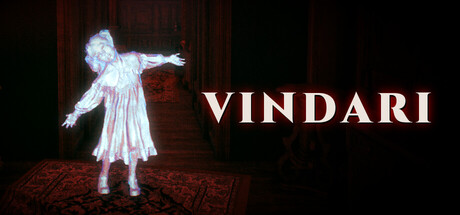 VINDARI In-game content audio | The ghost's voice lines, lullaby, screams, laughter and some sound effects were generated with AI audio tools (ElevenLabs). The store page description and the layout of the capsule art were prepared with the help of an AI assistant, using screenshots captured from the game. All 3D models, environments and animations are human-made assets licensed from the Fab marketplace. | DH | - | Oct 12, 2026 | |
 Dawn Archive In-game content arttextaudio | AI tools assisted in creating and revising the ending illustrations, narrative and explanatory text, English localization, and some visuals and sound effects produced through code. AI tools also assisted with store descriptions and promotional artwork. The game contains fixed, completed content and does not generate new content or connect to external AI services during play. | yasanari | - | Oct 12, 2026 | |
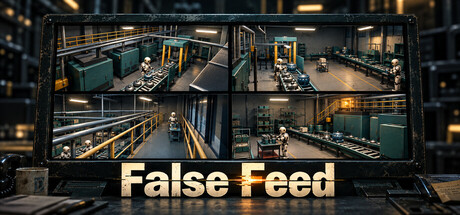 False Feed In-game content textart | Generative AI tools assisted with pre-generated game content, including text and localization, and with store artwork and marketing text. The game uses prepared content. It does not generate content with AI during gameplay or connect to external AI services. | Katarienumono, Inc. | - | Oct 12, 2026 | |
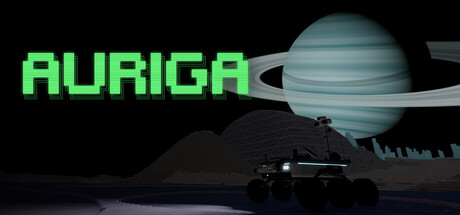 Auriga In-game content arttextcode | Generative AI tools were used during development to help create code, 2D art and text, including draft translations. The developer directed, selected and assembled all of it into the game.
No generative AI runs while you play. Meridian, your companion, is scripted rather than a chatbot, and the game sends nothing to AI services. Planets come from the game's own procedural generator, not an AI model. | NonAverageStudio | - | Oct 12, 2026 | |
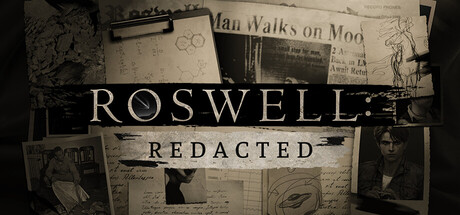 Roswell: Redacted Dev only text | During the R&D process, we used AI to assist with scriptwriting, but the content was still reviewed and polished by humans. | 莓西工作室 | - | Oct 12, 2026 | |
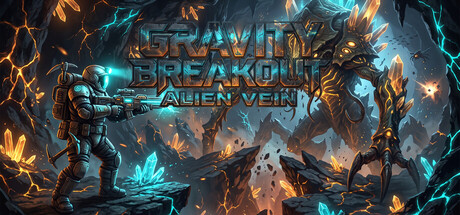 Gravity Breakout: Alien Vein In-game content art | Portions of this game's art assets (2D sprites and background illustrations) were created with the assistance of generative AI tools, then manually reviewed and edited by our team. All game code, gameplay systems, game design and sound effects were made by humans. No AI-generated content is produced at runtime. | Changsha Yujie Technology | - | Oct 12, 2026 | |
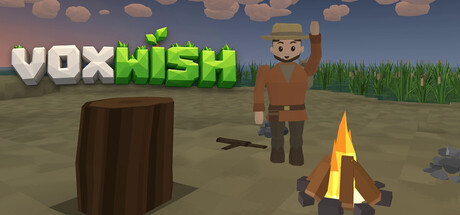 VoxWish In-game content audio | Sound effects, some character voices and music in the game were made with generative AI tools (ElevenLabs). Everything is pre-generated during development; nothing is generated while you play. | VoxWish | - | Oct 12, 2026 | |
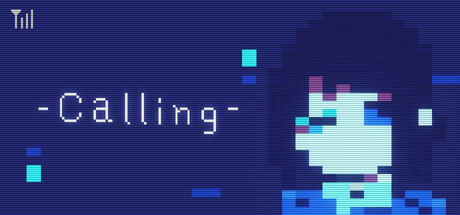 Calling In-game content audio | Pre-generated voice audio in the game was created using VOICEPEAK speech synthesis. Generative AI was used for brainstorming and idea development during scenario creation. No AI-generated artwork or visual assets are used in the game. | MatsuOkaGumi | - | Oct 12, 2026 | |
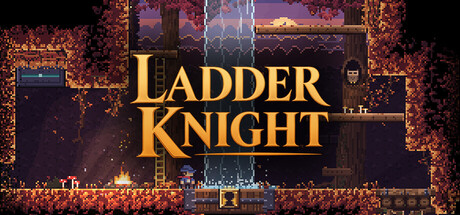 Ladder Knight In-game content artaudio | AI tools assisted in developing some procedural animations and sound effects. These elements were reviewed and refined to match the game’s artistic direction.
All in-game graphical assets were handcrafted by artists. | Outlane | - | Oct 12, 2026 | |
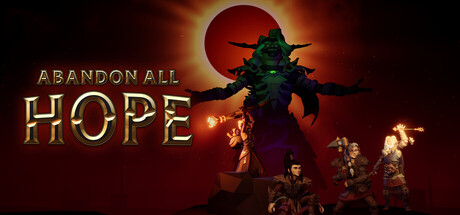 Abandon All Hope In-game content text | Custom Built LLM & Vertex DB, 100% home made AI model built by developer of Abandon All Hope was used to aid in padding out Dialog for the game, as well as the store page description. All Other content has been hand crafted. | DeadLink | - | Oct 12, 2026 | |
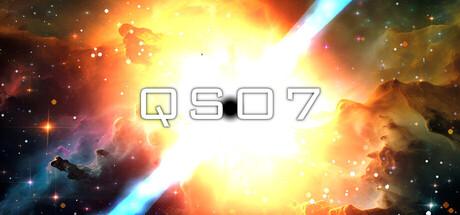 QSO7 In-game content art | Only alien images were generated using AI. | John Nash | - | Oct 11, 2026 | |
 Super Clown Save Santa In-game content art | Game logo and cover art made with ai tools.
Game menu icons made ai tools | Valkeala Software | - | Oct 10, 2026 | |
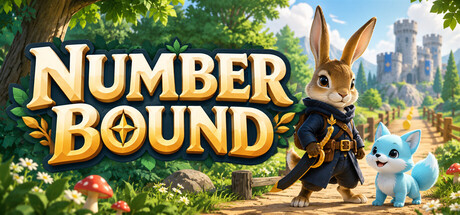 Number Bound In-game content art | Used Ai to generate a NPC of my daughter Princess Octavia, Also used it to implement bought assets from epic store. Used to generate capsules for steam page. | Aaron C | - | Oct 10, 2026 | |
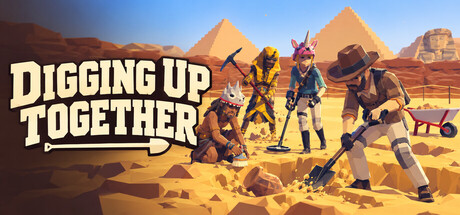 Digging Up Together Store/marketing art | It has been used in the page visuals and logo. | cnsgames | - | Oct 10, 2026 | |
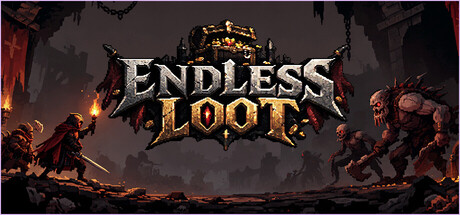 Endless Loot art | Some monster and equipment assets, as well as images used on the Steam store page, were AI-generated and subsequently refined and edited manually. | TRUGOY | - | Oct 10, 2026 | |
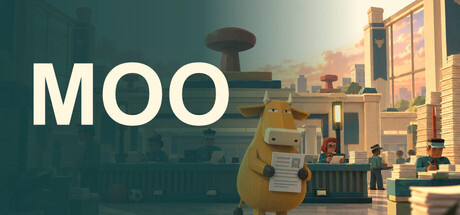 MOO Live AI arttext | The game uses pre-generated AI-assisted artwork, including some game visuals and Steam promotional artwork. An optional local large language model generates character conversations, some fictional social text and short resident plans during play. Players can turn the local AI feature off and continue playing. | SPRING FALL TECHNOLOGIES LTD | - | Oct 10, 2026 | |
 The Usual, Please In-game content text | AI tools assisted with in-game text translation. | Hadwa Games | - | Oct 10, 2026 | |
 El Enigma del Colegio Cumbres In-game content artaudio | Se han utilizado herramientas de inteligencia artificial generativa durante el desarrollo para ayudar en la creación y adaptación de algunos recursos del juego, como modelos 3D, imágenes, audio y otros elementos gráficos. Todo el contenido generado con IA ha sido revisado y preparado previamente antes de incluirse en el juego. El juego no genera contenido mediante IA en tiempo real ni se conecta a servicios externos de IA durante la partida. | David Orizaola | - | Oct 10, 2026 | |
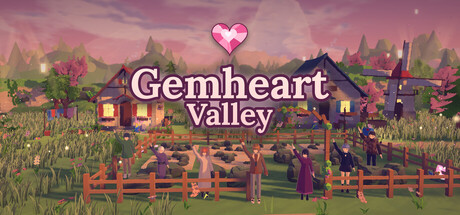 Gemheart Valley In-game content artcode | This game contains content created with the assistance of AI tools. AI was used during development to assist with programming, visual assets, and other creative elements. All generated content was reviewed, edited, and integrated by the dev. | ISEKAI Games | - | Oct 10, 2026 | |
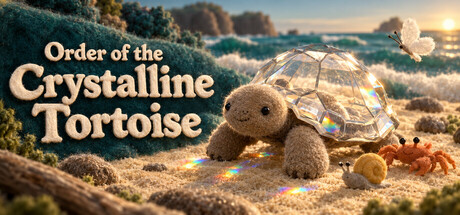 Order of the Crystalline Tortoise Dev only artaudiotextcode | NBD2 is an AI game development studio. As a solo indie dev who is unlikely to ever make a dime from any of my games, there's no other way I could bring my ideas to life.
Order of the Crystalline Tortoise was created using generative AI throughout development, including its game code, 3D models, interface art, sound and text. The models were built by AI agents writing Blender scripts, the poster is drawn by code, and the music and sound effects were synthesized by code, with gull calls from a CC0 field recording. All AI generation took place during development. The game does not generate AI content or code during play or connect to an external AI service.
I recognize AI in game development is an extremely sensitive topic and I appreciate both sides. I only hope the game is fun.
The goal should always be making something that human beings will enjoy. | NBD2 | - | Oct 10, 2026 | |
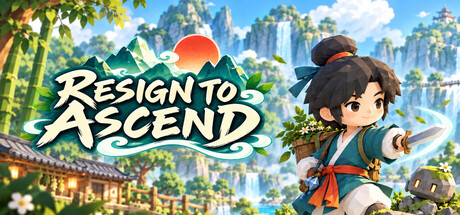 辞职修仙传 In-game content artaudiotext | Some visual assets, audio and text were created with generative AI tools and edited by the developer. | Infans Studio | - | Oct 10, 2026 | |
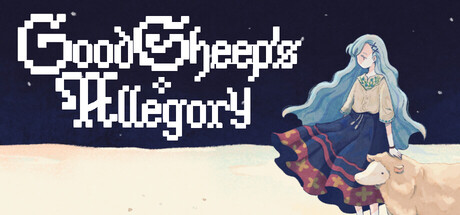 グッドシープ・アレゴリー In-game content textcode | AI was used for translating the in-game text and store page, as well as for scripting the game. | Unica | - | Oct 10, 2026 | |
 LiarLock: No Cameras, No Clues — Just a Corpse in My Club In-game content audioart | Music was generated by AI. Art was generated by AI and rework by human | Myriad | - | Oct 10, 2026 | |
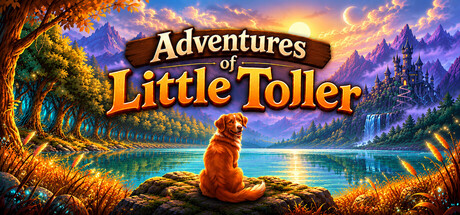 Adventures of Little Toller In-game content artaudiocode | Generative AI tools were used during development to assist with the creation of some artwork, music, and game code. All AI-assisted content was reviewed, edited, and integrated by the developer as part of the game’s creative and development process. | zerooneseven | - | Oct 10, 2026 | |
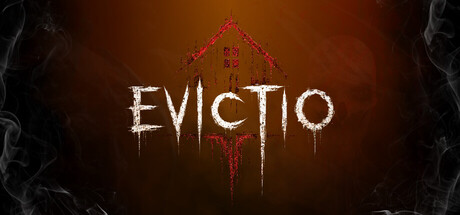 EVICTIO In-game content audioart | AI tools were used for some voice lines, some 3D props, and some textures. | BD Interactive Studios | - | Oct 10, 2026 | |
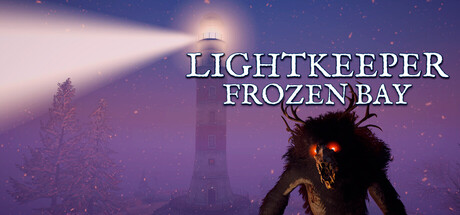 Lightkeeper: Frozen Bay In-game content art | One map artwork was created with generative AI and then edited by the developer. No other art, audio, text, or gameplay content uses AI. The game does not generate content during play. | Anton Antipov | - | Oct 10, 2026 | |
 Chartward In-game content text | Text has been embellished with AI and translations are also AI. | Golden Calf Games | - | Oct 10, 2026 | |
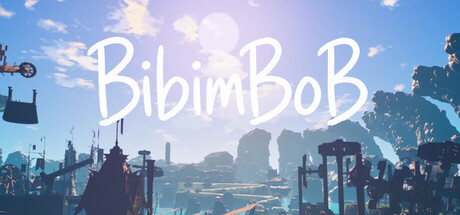 BibimBoB In-game content audioart | The core assets, music, 3D objects, and story of this game were entirely reviewed, refined, and crafted by the developer. However, generative AI tools were utilized to assist in creating certain sound effects and a few background/UI images. As this is my very first game developed entirely as a solo indie developer, these tools were used to help overcome the immense challenges of managing all aspects of production alone. All AI-assisted contents have been thoroughly checked to ensure quality and compliance. | Devnyangyummy | - | Oct 10, 2026 | |
 Life's Too Short: A Christmas Spirit Dev only code | Gen-AI has been used to help debug the game. | Pixel Ghost | - | Oct 10, 2026 | |
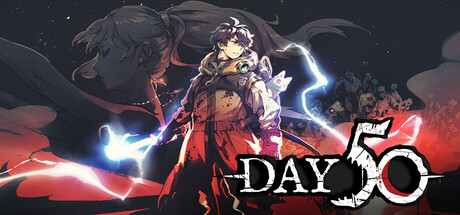 DAY50 In-game content audiotext | We used AI to create some of the music and translations. | CatnipStudio | - | Oct 10, 2026 | |
 The Big Dig Dev only code | AI coding tools have been used to aid development. | henkelmax | - | Oct 10, 2026 | |
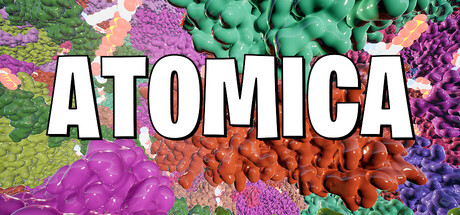 atomica In-game content textcode | Atomica's translations into the thirteen languages other than English were made by an AI language model and have not yet been reviewed by native speakers. Much of the game's code and the store text were written with AI assistance. Nothing else is AI-generated. The cell is assembled by ordinary procedural code, not machine learning, from real data: Scripps Research's cellPACK model of Mycoplasma genitalium, protein structures from the Protein Data Bank (PDB), and ligands from the wwPDB Chemical Component Dictionary (CCD). The sounds are synthesized from the cell's real activity, and the store images are in-game screenshots. | Steven R Ness | 12 | Oct 10, 2026 | |
 Goblin Mode: Loot & Lunacy In-game content artcode | Generative AI tools were used during development to assist in the creation of 3D models and other visual assets. AI-assisted development tools were also used extensively for programming and implementation. All generated and AI-assisted content was reviewed, directed, and integrated by the developer. No generative AI is used at runtime. | Boreder | - | Oct 9, 2026 | |
 Maeli Keus In-game content artcode | Generative AI tools were used during development. Some of the game's 3D models and parts of its programming code were created with AI assistance, then reviewed and refined by the developer. No content is generated by AI while the game is running. | Devoniak Studios | - | Oct 9, 2026 | |
 A Cruise for Murder In-game content artaudio | Generative Artificial Intelligence used to create background graphics and voices. | MICHAEL CHOURDAKIS | - | Oct 9, 2026 | |
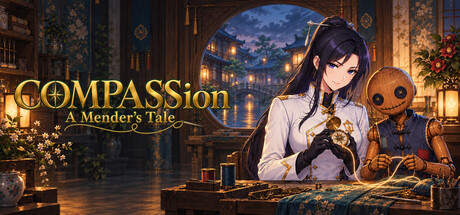 COMPASSion: A Mender’s Tale In-game content art | Generative AI was used to create and edit pre-generated in-game backgrounds, character illustrations, CG artwork, icons, and UI artwork, as well as Steam store and library capsule images, the logo, and icons. Gameplay screenshots were captured directly from the game. The game does not generate AI content during play. | COMPASSion: A Mender’s Tale Studio | - | Oct 9, 2026 | |
 Rêverie: Audio Stories In-game content audioart | Generative AI was used to create the voices, sound effects and illustrations. The stories are designed and directed by the developer. | Petit Vaisseau | - | Oct 9, 2026 | |
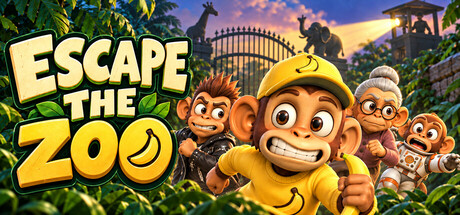 Escape The Zoo In-game content arttext | Generative AI was used during development to create some character models and visual assets, promotional artwork, and to assist with text and localization. These assets are prepared in advance and included with the game or its store and marketing materials. No AI-generated content is created during gameplay, and the game does not connect to external generative AI services. | Kivunzo Games | - | Oct 9, 2026 | |
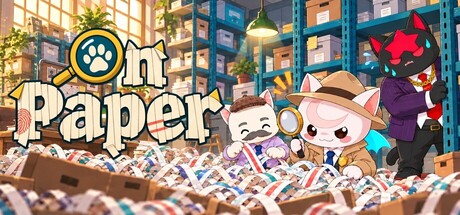 On Paper In-game content arttext | Nuclear Kitty Games is a human-led studio whose team brings 15 years of professional game-development experience. We use AI and large language models (LLMs) to support development and content creation, improve our workflows and speed up iteration. Our developers direct the design and development of every game, and review and integrate the final content. We are game makers and players who care about the games we create.
Some content included in this game and its promotional materials was created with generative AI assistance. No content is AI-generated during gameplay. | Nuclear Kitty Games | - | Oct 9, 2026 | |
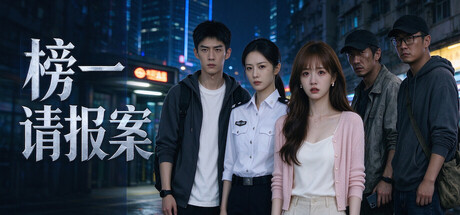 榜一请报案 Store/marketing art | Game videos and images are generated using AIGC. | BackSnow Games | - | Oct 9, 2026 | |
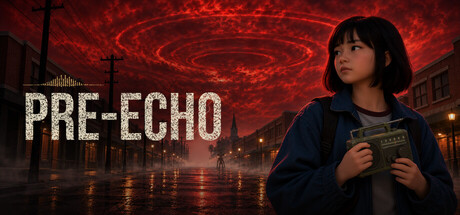 PRE-ECHO In-game content artaudiotext | Some content in PRE-ECHO was created with the help of generative AI tools during development and was then integrated, adjusted and art-directed by the developer:
- 3D models: the character and creature models, and many prop and vehicle models, were generated with Tripo from original reference images made for this project, then rigged, adjusted and textured in Blender and Unreal Engine.
- 2D art: some textures and interface images (such as the main-menu background, the workshop investigation board, journal and map paper, and inventory icons) were generated with image-generation tools from original prompts.
- Voices: all spoken lines are synthesized with the open-source Kokoro text-to-speech model using generic voices. No real person's voice was recorded or cloned.
- Text: the script, in-game text and English/Spanish localization were written with an AI assistant under the developer's direction.
- Store art: the store and library artwork was generated with AI image tools from the project's own character and creature references, then retouched by the developer. The logo was made without AI. The screenshots are unedited captures of the game.
No content is generated by AI while the game is running. | Simulsix | - | Oct 9, 2026 | |
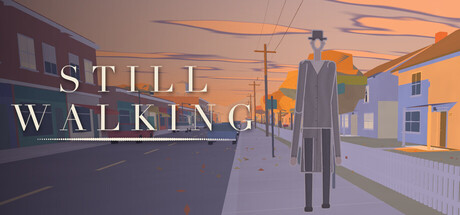 Still Walking In-game content audio | Some voice lines (the narrator, phone messages and townspeople), some sound effects and the menu music were created with generative AI text-to-speech and audio tools (ElevenLabs) and edited by the developer. All visual art, 3D, animation, level design and code were made by the developer. No AI content is generated during gameplay. | LogiK | - | Oct 9, 2026 | |
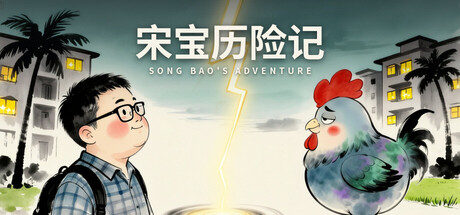 Song Bao's Adventure In-game content artaudiotext | The art, animation, voice acting and music in this game were pre-generated with generative AI tools, then selected, edited and corrected shot by shot by hand. The script, all dialogue and the story structure are human-written. No AI generation happens at runtime. | Song Bao | - | Oct 9, 2026 | |
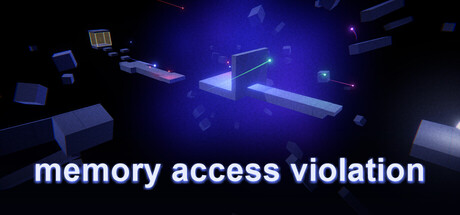 Memory Access Violation In-game content codeart | Memory Access Violation was made by a solo developer working with an AI coding assistant, which was used during development:
Code and level design: much of the game's code, including the level-building tools, puzzle layouts, enemy behaviour and vehicle handling, was written with AI assistance. The developer directed, playtested and revised every level. Puzzle solutions were checked by automated solvers so each one is fair.
Visuals: the game's environments, vehicles, mechs and enemies are built in code from simple geometric shapes and custom shaders. No AI image generators were used for in-game art. | De La Guardia Games | - | Oct 9, 2026 | |
 Brighter Tomorrow In-game content art | Some small game assets were modeled using ai. | Justin Murray | - | Oct 9, 2026 | |
 畏怖真偽 -完全版-(イフシンギ) In-game content art | 【AI生成素材に関する表記】
本作品に使用しているAI生成は、以下のプロセスで作成されています。
生成方法&データ作成: テキストプロンプトによる新規生成、または自作素材のみをベースにした生成。
AI生成されたデータを加筆、編集をして作成しています。
権利・安全面: 第三者の画像の読み込みや、外部画像による追加学習は一切行っておりません。 | ぶすじまプロジェクト | - | Oct 9, 2026 | |
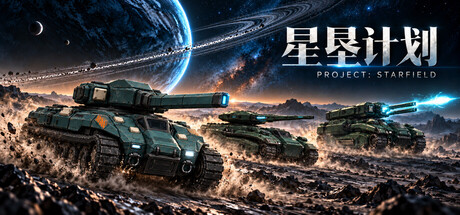 星垦计划 Store/marketing art | Generative AI was used to help create some of the game's art assets, concept art, and promotional images, which were then selected, refined, and integrated by the developer. | Liam Mactavish | - | Oct 9, 2026 | |
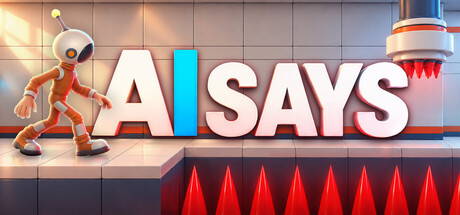 AI Says code | No art, audio, levels, or other authored game content was created using generative AI.
However, a small local AI model runs during gameplay to interpret the player's commands and control the character accordingly. Rest assured, it's dumb as a rock. It won't take over the world or your computer. It can barely take over the test subject. | Duck Milk | - | Oct 9, 2026 |


