








Disclosure
Generative AI was used to create the voices, sound effects and illustrations. The stories are designed and directed by the developer.
- Creator
- Petit Vaisseau
- Reviews
- -
- Added
- Oct 9, 2026
Public Steam disclosure research 25,376 disclosures tracked
Search developers’ Steam disclosures, compare classified AI use across games, and follow recorded changes. This index adds cross-game classifications and statistics to statements published on individual store pages.
Code help, debugging and other development work.
Capsule art, trailers and promotional material.
Pre-made art, audio, writing and other game assets.
Interactive or runtime AI features disclosed by the developer.
Groups reflect automatic analysis of public disclosures; mature records are excluded. These counts do not measure AI use across all of Steam. Missing or unclear statements cannot establish whether a game uses AI.
Generative AI was used to create the voices, sound effects and illustrations. The stories are designed and directed by the developer.
AI tools were used to assist in the creation of store Assets
Generative AI was used as a development aid for drafting and refining some in-game text, English localization, the game logo, and certain visual design elements. The game does not use generative AI to create content during gameplay.
Some pre-generated branding artwork, icons, menu illustrations and Steam marketing assets were created with assistance from generative AI. The 3D world is generated procedurally by the game code. No generative AI runs during gameplay and the game does not connect to external AI services.
Generative AI was used extensively during the development of this game, including assistance with game code, selected visual assets, text and translations, and store and library artwork. These materials were prepared in advance. The game does not generate AI content or connect to external AI services during gameplay.
The scenes, portraits and item pictures in this game, and the store art, were made with AI image-generation tools under the developer's direction. The paper and dark of the screens and the guild's red seal come from public-domain prints of the 15th to 17th centuries. Most of the written text, including the Japanese translation, was drafted with an AI model under the developer's direction and revised by hand. Music and sound effects were synthesised procedurally without AI. Nothing is generated by AI while you play.
Slay the Tire combines original human authorship with generative AI tools. I designed and wrote the game, its locations, and gameplay. AI assisted with visual assets, including card art, textures, 3D models, scenery, and marketing artwork, as well as audio production and store text. The soundtrack began as music I composed and performed on instruments, then used Suno for styling, orchestration, and production. All content is prepared during development; no AI content is generated during gameplay.
Some translations were generated with AI and are in beta, so more players can enjoy the game in their language. The art and music were made without AI.
Dealer's Choice was made by a solo developer working with AI assistance. AI tools helped write the game's code and in-game text, and the store artwork and achievement icons were rendered from 3D models built with AI assistance. All of this content was created during development and reviewed by the developer. Nothing in the game is generated by AI while you play.
Generative AI tools were used to create visual artwork for the game and its marketing, and to assist with store-page text. These materials are prepared in advance. Temple Breaker does not generate content with AI during gameplay.
Some promotional artwork for Escape From Space, including images on its Steam store and library pages, was created with the assistance of generative AI and reviewed before use. The game does not generate content with AI during gameplay.
The game includes 2D illustrations created with generative AI during development, including characters, enemies and backgrounds. These images were then manually cleaned up, edited and integrated into the game. The game does not generate AI content during gameplay.
The 32 illustrations, the soundtrack and the sound effects in A to Zen were created with generative AI tools from the developer's own prompts, then selected, checked and edited by hand. The in-game texts, the store translations and parts of the game code were also made with AI assistance and reviewed and tested by the developer. Game design, puzzle mechanics and the chapter concept are the developer's own work. Nothing is generated while you play, and the game does not connect to any AI service.
Generative AI tools may be used to assist with text localization/translation and to support sound effects or background audio production during development. No AI-generated visual assets, 3D models, or artwork are used in the final build of the game.
3D models were made with Meshy and the radio and trailer music with ElevenLabs, all then selected and edited by the developer. Code was written with AI assistance. Nothing is generated while you play.
Some content in PRE-ECHO was created with the help of generative AI tools during development and was then integrated, adjusted and art-directed by the developer: - 3D models: the character and creature models, and many prop and vehicle models, were generated with Tripo from original reference images made for this project, then rigged, adjusted and textured in Blender and Unreal Engine. - 2D art: some textures and interface images (such as the main-menu background, the workshop investigation board, journal and map paper, and inventory icons) were generated with image-generation tools from original prompts. - Voices: all spoken lines are synthesized with the open-source Kokoro text-to-speech model using generic voices. No real person's voice was recorded or cloned. - Text: the script, in-game text and English/Spanish localization were written with an AI assistant under the developer's direction. - Store art: the store and library artwork was generated with AI image tools from the project's own character and creature references, then retouched by the developer. The logo was made without AI. The screenshots are unedited captures of the game. No content is generated by AI while the game is running.
Some voice lines (the narrator, phone messages and townspeople), some sound effects and the menu music were created with generative AI text-to-speech and audio tools (ElevenLabs) and edited by the developer. All visual art, 3D, animation, level design and code were made by the developer. No AI content is generated during gameplay.
AI was used in the creation and enhancement of the visuals and atmosphere of the game and to speed up the programming process
Parts of Tinselwood were made with generative AI during development: its music and sound effects, its interface icons and store art, some of its set-piece models, and parts of its code. All of it was reviewed and reworked by hand, and nothing is generated while you play.
AI was used for some sounds or small textures
Some content was pre-generated with AI tools during development and then edited by the developer.
background and Logo with created AI.
Generative AI tools were used during development to assist in creating and refining some of the game's visual assets and artwork. These assets were subsequently selected, edited, adapted, and integrated into the game by the developer. No generative AI is used during gameplay, and the game does not generate content dynamically for players.
Memory Access Violation was made by a solo developer working with an AI coding assistant, which was used during development: Code and level design: much of the game's code, including the level-building tools, puzzle layouts, enemy behaviour and vehicle handling, was written with AI assistance. The developer directed, playtested and revised every level. Puzzle solutions were checked by automated solvers so each one is fair. Visuals: the game's environments, vehicles, mechs and enemies are built in code from simple geometric shapes and custom shaders. No AI image generators were used for in-game art.
AI helped developing this game in aspects of UI, modelling & texturing, localization and gameplay mechanics
We've used most of the translations, most of the textures, most of the sound effects, and some 3D modeling.
The character portraits, ingredient and trick illustrations, bar background and UI artwork in this game were created using generative AI image tools, then selected, cleaned up and integrated by the developer. All gameplay, design, music and sound effects were made without generative AI. The game does not generate any AI content during play and does not connect to any AI services.
Generative AI was used during development to assist in creating select pre-generated promotional artwork and video assets used in marketing and on the Steam store page. AI-generated content is reviewed and selected by the developer before publication. Generative AI is not used to create gameplay content in real time.
AI tools assisted the creation of in-game text and localization, and the development of code used to render pixel artwork and synthesize music and sound effects. The game does not use a generative AI model or service during gameplay.
During early development and for the playable demo, Generative AI tools were used to create base templates and draft assets for certain 3D models, textures, and sound effects. All AI-generated placeholders and base models have been manually re-worked, polished, and edited. As development progresses, these draft assets are being actively replaced with fully custom, handcrafted art and audio.
It's used for generating some of the pixel art assets.
The translations into other languages were created with the help of AI tools. The game does not generate any AI content while you play.
本游戏的大部分素材由AI生成
Music, background, videos and images in this game, especially the artwork, were created using AI tools as a visual supplement. This creative choice allowed me to focus more time and resources on what matters most, delivering longer, more engaging, and fun gameplay.
Some source code and internal editor tooling were written with the assistance of AI coding tools during development. All of it was reviewed, edited and tested by the developer. The game's story, dialogue, characters and design are human-written. Visual and audio assets come from licensed asset packs and human-made content. No content is generated by AI while the game is running.
Some small game assets were modeled using ai.
Generative AI was used during development to create selected pre-generated visual assets, including some character models, weapon presentation models and related images, as well as some promotional artwork for the store. These assets were selected, post-processed and integrated by the developer. Store gameplay screenshots are captured from the running game and have not been generatively altered; they may show game content that uses pre-generated AI assets. The current game does not call generative AI services or generate new content during play.
AI tools were used during development to assist with portions of the game’s artwork, audio, and gameplay logic, which were refined and integrated by the developer. All AI-assisted content was created in advance; the game does not use real-time generative AI during gameplay.
As a solo developer, I used generative AI to help create the game’s 440 different jar labels and localization content. Every label was individually reviewed by me and edited where necessary.
Some of the artwork in Wonder Glider (scenery, characters, icons and the title lettering) and some of its text and translations were created with the help of generative AI tools, then edited by us. The game does not generate any AI content while you play.
Generative AI-assisted tools were used during development for parts of localization and written marketing content. During gameplay, automated translation may be used to translate player-written chat messages between supported languages. Original player messages are written by users and are not generated by AI.
AI was used to edit capsule artwork and background music tracks.
Some pre-generated assets were created with generative AI tools and then reviewed and edited by the developer: chapter illustrations and mission background images shown in the menus, some badge (achievement) artwork, four mission-category icons, and six short cockpit voice alerts (text-to-speech). Gameplay, terrain, aircraft models, flight physics, mission design, and all in-game text were authored by the developer. The game does not generate any content at runtime.
Translation: AI tools assisted with translating the game's text into Simplified Chinese, Japanese, Korean, Spanish, Brazilian Portuguese, Italian and French. The English text, all art, music and sound are made by hand.
AI was used to assist with text translation into Italian, Portuguese, Chinese, Japanese, Korean, Norwegian, Swedish and German. The translations are used in the store page and in-game. No other content in this game uses AI.
Generative AI was used during the development of the game to create and assist with visual assets, including illustrations, UI elements, icons, textures, and promotional artwork. These AI-generated assets were reviewed, selected, edited, and integrated into the game by the developer.
Generative AI tools were used during development to help create [name the specific assets, such as textures, character animations, or sound effects]. These assets are included as fixed content. The game does not generate AI content during gameplay.
AI tools were used in a limited capacity for a few prop images such as the photographs in the main house, and translation of some Javanese writings. All AI-assisted content was carefully reviewed and approved by humans to ensure it was appropriate and respectful, the final product is a reflection of our own cultural identity and creativity.
Generative AI was used only for selected pre-generated concept and marketing materials during development. These materials are reviewed and edited by the developer before use. No generative AI is used during gameplay, and the game does not generate live text, images, audio, code, or other player-facing content.
Speech on the second half of the trailer and localization.
| Title⇅ | Disclosure | Creator⇅ | Src | Reviews⇅ | Added↓ |
|---|---|---|---|---|---|
 Rêverie: Audio Stories In-game content audioart | Generative AI was used to create the voices, sound effects and illustrations. The stories are designed and directed by the developer. | Petit Vaisseau | - | Oct 9, 2026 | |
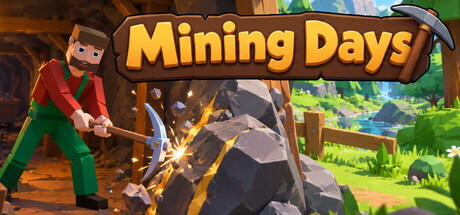 Mining Days Store/marketing art | AI tools were used to assist in the creation of store Assets | DNA ARMY GAMING | - | Oct 9, 2026 | |
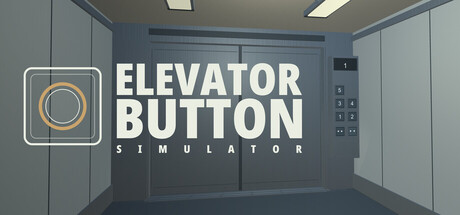 Elevator Button Simulator In-game content textart | Generative AI was used as a development aid for drafting and refining some in-game text, English localization, the game logo, and certain visual design elements. The game does not use generative AI to create content during gameplay. | Facish | - | Oct 9, 2026 | |
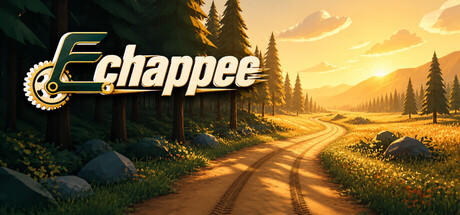 Échappée In-game content art | Some pre-generated branding artwork, icons, menu illustrations and Steam marketing assets were created with assistance from generative AI. The 3D world is generated procedurally by the game code. No generative AI runs during gameplay and the game does not connect to external AI services. | Benjamin Dupin | - | Oct 9, 2026 | |
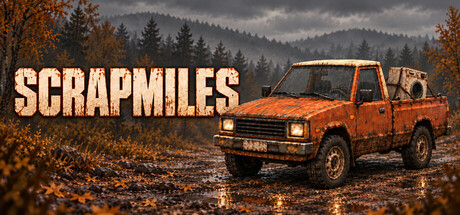 Scrapmiles In-game content arttext | Generative AI was used extensively during the development of this game, including assistance with game code, selected visual assets, text and translations, and store and library artwork. These materials were prepared in advance. The game does not generate AI content or connect to external AI services during gameplay. | Falvey Studios | - | Oct 9, 2026 | |
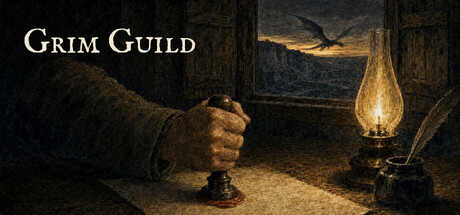 Grim Guild In-game content arttext | The scenes, portraits and item pictures in this game, and the store art, were made with AI image-generation tools under the developer's direction. The paper and dark of the screens and the guild's red seal come from public-domain prints of the 15th to 17th centuries. Most of the written text, including the Japanese translation, was drafted with an AI model under the developer's direction and revised by hand. Music and sound effects were synthesised procedurally without AI. Nothing is generated by AI while you play. | PocketStudio | - | Oct 9, 2026 | |
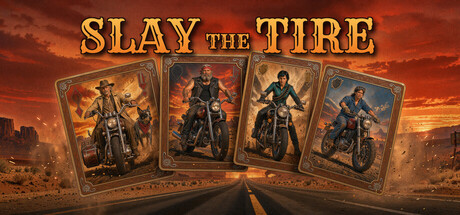 Slay the Tire In-game content artaudiotext | Slay the Tire combines original human authorship with generative AI tools. I designed and wrote the game, its locations, and gameplay. AI assisted with visual assets, including card art, textures, 3D models, scenery, and marketing artwork, as well as audio production and store text. The soundtrack began as music I composed and performed on instruments, then used Suno for styling, orchestration, and production. All content is prepared during development; no AI content is generated during gameplay. | Save Point LLC | - | Oct 9, 2026 | |
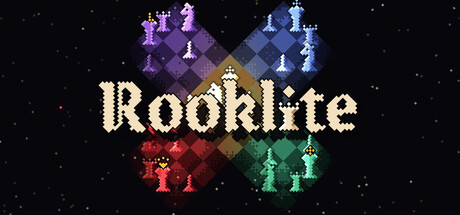 Rooklite In-game content text | Some translations were generated with AI and are in beta, so more players can enjoy the game in their language.
The art and music were made without AI. | Elias Guyd | - | Oct 9, 2026 | |
 Dealer's Choice In-game content arttextcode | Dealer's Choice was made by a solo developer working with AI assistance. AI tools helped write the game's code and in-game text, and the store artwork and achievement icons were rendered from 3D models built with AI assistance. All of this content was created during development and reviewed by the developer. Nothing in the game is generated by AI while you play. | Mars Industries | - | Oct 9, 2026 | |
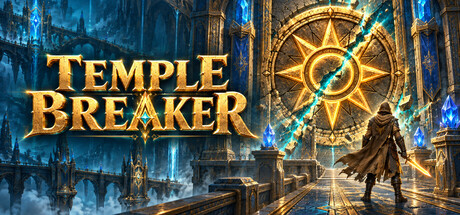 TEMPLE BREAKER Store/marketing arttext | Generative AI tools were used to create visual artwork for the game and its marketing, and to assist with store-page text. These materials are prepared in advance. Temple Breaker does not generate content with AI during gameplay. | NEXTSQUARESTUDIO | - | Oct 9, 2026 | |
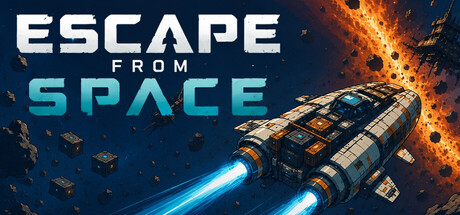 Escape From Space Store/marketing art | Some promotional artwork for Escape From Space, including images on its Steam store and library pages, was created with the assistance of generative AI and reviewed before use. The game does not generate content with AI during gameplay. | Deep Space North | - | Oct 9, 2026 | |
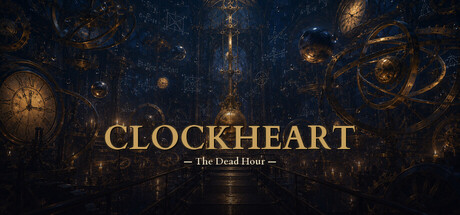 CLOCKHEART — The Dead Hour In-game content art | The game includes 2D illustrations created with generative AI during development, including characters, enemies and backgrounds. These images were then manually cleaned up, edited and integrated into the game. The game does not generate AI content during gameplay. | AXONE GAMES | - | Oct 9, 2026 | |
 A to Zen: Cozy Anime Puzzle In-game content artaudiocodetext | The 32 illustrations, the soundtrack and the sound effects in A to Zen were created with generative AI tools from the developer's own prompts, then selected, checked and edited by hand. The in-game texts, the store translations and parts of the game code were also made with AI assistance and reviewed and tested by the developer. Game design, puzzle mechanics and the chapter concept are the developer's own work. Nothing is generated while you play, and the game does not connect to any AI service. | Pross Digital Studio | - | Oct 9, 2026 | |
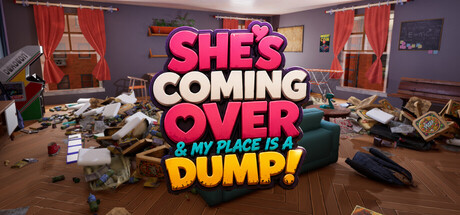 She's Coming Over & My Place is a Dump! In-game content textaudio | Generative AI tools may be used to assist with text localization/translation and to support sound effects or background audio production during development. No AI-generated visual assets, 3D models, or artwork are used in the final build of the game. | We Had a Plan | - | Oct 9, 2026 | |
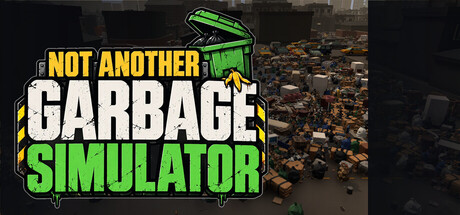 Not Another Garbage Simulator In-game content artaudiocode | 3D models were made with Meshy and the radio and trailer music with ElevenLabs, all then selected and edited by the developer. Code was written with AI assistance. Nothing is generated while you play. | Score Software LLC | - | Oct 9, 2026 | |
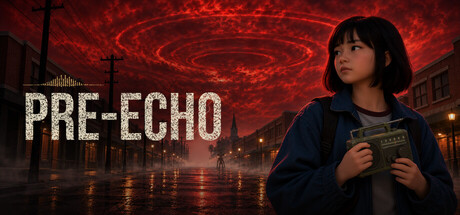 PRE-ECHO In-game content artaudiotext | Some content in PRE-ECHO was created with the help of generative AI tools during development and was then integrated, adjusted and art-directed by the developer:
- 3D models: the character and creature models, and many prop and vehicle models, were generated with Tripo from original reference images made for this project, then rigged, adjusted and textured in Blender and Unreal Engine.
- 2D art: some textures and interface images (such as the main-menu background, the workshop investigation board, journal and map paper, and inventory icons) were generated with image-generation tools from original prompts.
- Voices: all spoken lines are synthesized with the open-source Kokoro text-to-speech model using generic voices. No real person's voice was recorded or cloned.
- Text: the script, in-game text and English/Spanish localization were written with an AI assistant under the developer's direction.
- Store art: the store and library artwork was generated with AI image tools from the project's own character and creature references, then retouched by the developer. The logo was made without AI. The screenshots are unedited captures of the game.
No content is generated by AI while the game is running. | Simulsix | - | Oct 9, 2026 | |
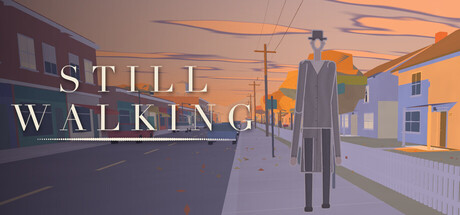 Still Walking In-game content audio | Some voice lines (the narrator, phone messages and townspeople), some sound effects and the menu music were created with generative AI text-to-speech and audio tools (ElevenLabs) and edited by the developer. All visual art, 3D, animation, level design and code were made by the developer. No AI content is generated during gameplay. | LogiK | - | Oct 9, 2026 | |
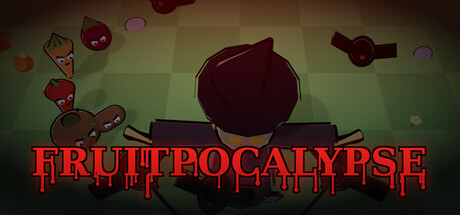 Fruitpocalypse Dev only artcode | AI was used in the creation and enhancement of the visuals and atmosphere of the game and to speed up the programming process | SilverArrowGames | - | Oct 9, 2026 | |
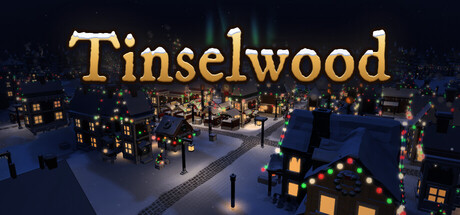 Tinselwood In-game content artaudiocode | Parts of Tinselwood were made with generative AI during development: its music and sound effects, its interface icons and store art, some of its set-piece models, and parts of its code. All of it was reviewed and reworked by hand, and nothing is generated while you play. | Clackety Rock LLC | - | Oct 9, 2026 | |
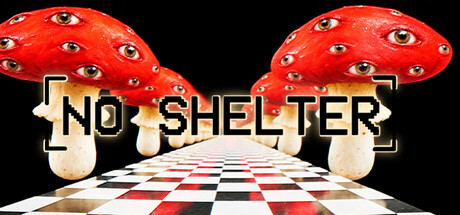 NO SHELTER art | AI was used for some sounds or small textures | Rough Devs | - | Oct 9, 2026 | |
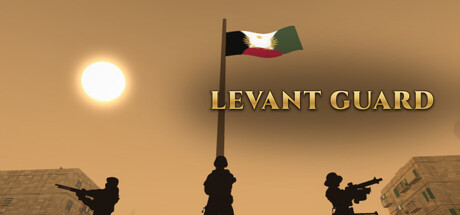 Levant Guard Dev only artaudiotext | Some content was pre-generated with AI tools during development and then edited by the developer. | GameQ Labs | - | Oct 9, 2026 | |
 Not a Duck Store/marketing art | background and Logo with created AI. | NOXRG | - | Oct 9, 2026 | |
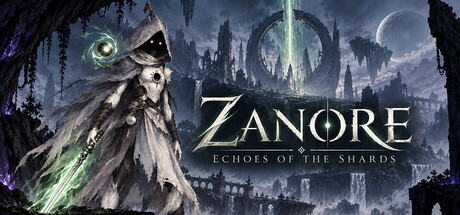 Zanore: Echoes of the Shards In-game content art | Generative AI tools were used during development to assist in creating and refining some of the game's visual assets and artwork. These assets were subsequently selected, edited, adapted, and integrated into the game by the developer. No generative AI is used during gameplay, and the game does not generate content dynamically for players. | Nine Gates Studio | - | Oct 9, 2026 | |
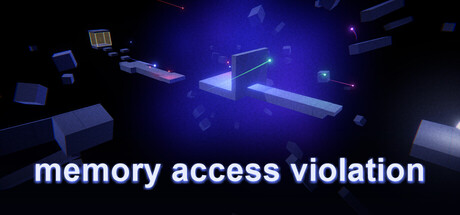 Memory Access Violation In-game content codeart | Memory Access Violation was made by a solo developer working with an AI coding assistant, which was used during development:
Code and level design: much of the game's code, including the level-building tools, puzzle layouts, enemy behaviour and vehicle handling, was written with AI assistance. The developer directed, playtested and revised every level. Puzzle solutions were checked by automated solvers so each one is fair.
Visuals: the game's environments, vehicles, mechs and enemies are built in code from simple geometric shapes and custom shaders. No AI image generators were used for in-game art. | De La Guardia Games | - | Oct 9, 2026 | |
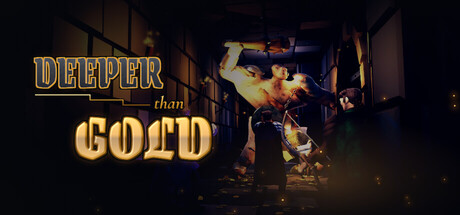 Deeper Than Gold In-game content arttext | AI helped developing this game in aspects of UI, modelling & texturing, localization and gameplay mechanics | Chaos Development | - | Oct 9, 2026 | |
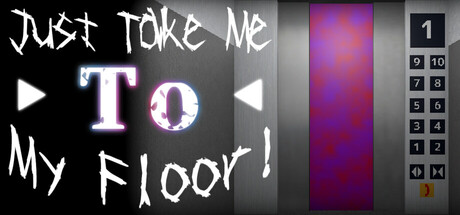 Just Take Me to My Floor! In-game content artaudio | We've used most of the translations, most of the textures, most of the sound effects, and some 3D modeling. | SUGAMUE | - | Oct 9, 2026 | |
 Nightcap Alchemist In-game content art | The character portraits, ingredient and trick illustrations, bar background and UI artwork in this game were created using generative AI image tools, then selected, cleaned up and integrated by the developer. All gameplay, design, music and sound effects were made without generative AI. The game does not generate any AI content during play and does not connect to any AI services. | chi yin so | - | Oct 9, 2026 | |
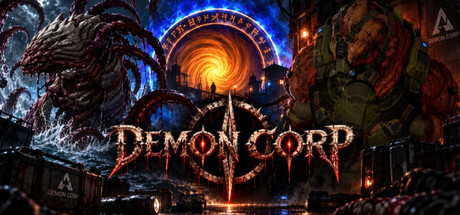 Demon Corp In-game content art | Generative AI was used during development to assist in creating select pre-generated promotional artwork and video assets used in marketing and on the Steam store page. AI-generated content is reviewed and selected by the developer before publication. Generative AI is not used to create gameplay content in real time. | Core Game Studios | - | Oct 9, 2026 | |
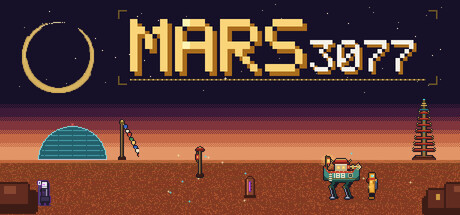 MARS3077 In-game content textcode | AI tools assisted the creation of in-game text and localization, and the development of code used to render pixel artwork and synthesize music and sound effects. The game does not use a generative AI model or service during gameplay. | NAMEK GAME STUDIO | - | Oct 9, 2026 | |
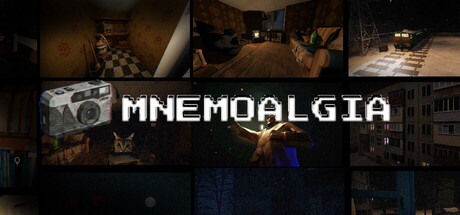 MNEMOALGIA In-game content artaudio | During early development and for the playable demo, Generative AI tools were used to create base templates and draft assets for certain 3D models, textures, and sound effects. All AI-generated placeholders and base models have been manually re-worked, polished, and edited. As development progresses, these draft assets are being actively replaced with fully custom, handcrafted art and audio. | Mnemodev | - | Oct 9, 2026 | |
 Zen Village In-game content art | It's used for generating some of the pixel art assets. | Zen Studios | - | Oct 9, 2026 | |
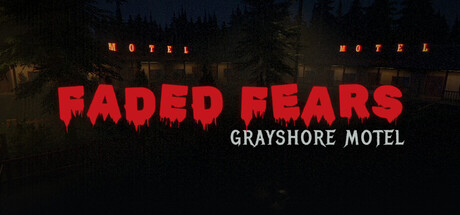 Faded Fears - Grayshore Motel In-game content text | The translations into other languages were created with the help of AI tools. The game does not generate any AI content while you play. | Jeans | - | Oct 9, 2026 | |
 与你的四季 In-game content art | 本游戏的大部分素材由AI生成 | Fourseasons | - | Oct 9, 2026 | |
 The Outlaw's Saloon In-game content artaudio | Music, background, videos and images in this game, especially the artwork, were created using AI tools as a visual supplement.
This creative choice allowed me to focus more time and resources on what matters most, delivering longer, more engaging, and fun gameplay. | Red Sasori | - | Oct 9, 2026 | |
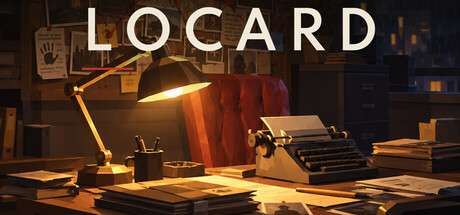 Locard Dev only code | Some source code and internal editor tooling were written with the assistance of AI coding tools during development. All of it was reviewed, edited and tested by the developer. The game's story, dialogue, characters and design are human-written. Visual and audio assets come from licensed asset packs and human-made content. No content is generated by AI while the game is running. | JinjaGames | - | Oct 9, 2026 | |
 Brighter Tomorrow In-game content art | Some small game assets were modeled using ai. | Justin Murray | - | Oct 9, 2026 | |
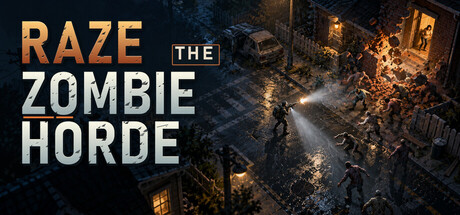 Raze the Zombie Horde In-game content art | Generative AI was used during development to create selected pre-generated visual assets, including some character models, weapon presentation models and related images, as well as some promotional artwork for the store. These assets were selected, post-processed and integrated by the developer. Store gameplay screenshots are captured from the running game and have not been generatively altered; they may show game content that uses pre-generated AI assets. The current game does not call generative AI services or generate new content during play. | Moonwrought Studio | - | Oct 9, 2026 | |
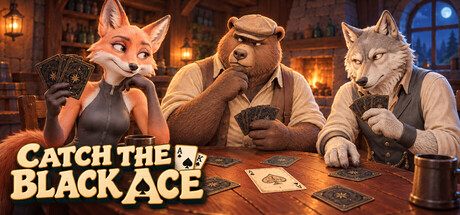 Catch The Black Ace In-game content artaudiotext | AI tools were used during development to assist with portions of the game’s artwork, audio, and gameplay logic, which were refined and integrated by the developer. All AI-assisted content was created in advance; the game does not use real-time generative AI during gameplay. | JokerGamesStudio | - | Oct 9, 2026 | |
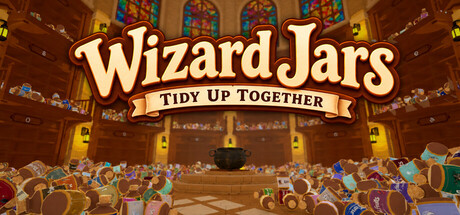 Wizard Jars: Tidy Up Together In-game content arttext | As a solo developer, I used generative AI to help create the game’s 440 different jar labels and localization content. Every label was individually reviewed by me and edited where necessary. | Kelecik | - | Oct 9, 2026 | |
 Wonder Glider In-game content arttext | Some of the artwork in Wonder Glider (scenery, characters, icons and the title lettering) and some of its text and translations were created with the help of generative AI tools, then edited by us. The game does not generate any AI content while you play. | Lazyfun | - | Oct 9, 2026 | |
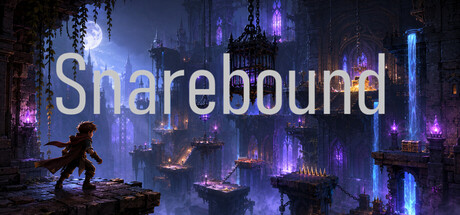 Snarebound Live AI text | Generative AI-assisted tools were used during development for parts of localization and written marketing content. During gameplay, automated translation may be used to translate player-written chat messages between supported languages. Original player messages are written by users and are not generated by AI. | Snarebound | - | Oct 9, 2026 | |
 Bar Owner Simulator In-game content artaudio | AI was used to edit capsule artwork and background music tracks. | Curve Street | - | Oct 9, 2026 | |
 F-2 MISSIONS: CASE ONE In-game content artaudio | Some pre-generated assets were created with generative AI tools and then reviewed and edited by the developer: chapter illustrations and mission background images shown in the menus, some badge (achievement) artwork, four mission-category icons, and six short cockpit voice alerts (text-to-speech). Gameplay, terrain, aircraft models, flight physics, mission design, and all in-game text were authored by the developer. The game does not generate any content at runtime. | UNVELL Games | - | Oct 9, 2026 | |
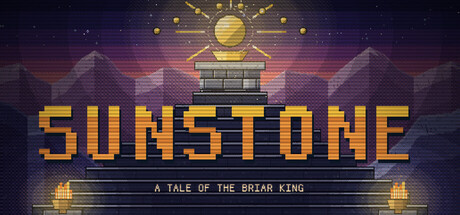 SUNSTONE: A Tale of the Briar King In-game content text | Translation: AI tools assisted with translating the game's text into Simplified Chinese, Japanese, Korean, Spanish, Brazilian Portuguese, Italian and French. The English text, all art, music and sound are made by hand. | Quorum | - | Oct 9, 2026 | |
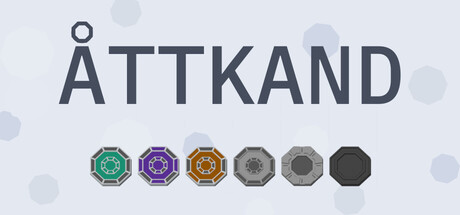 Attkand In-game content text | AI was used to assist with text translation into Italian, Portuguese, Chinese, Japanese, Korean, Norwegian, Swedish and German. The translations are used in the store page and in-game.
No other content in this game uses AI. | Starhand Games | - | Oct 9, 2026 | |
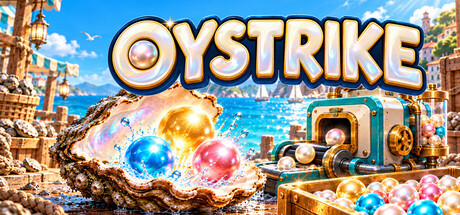 Oystrike In-game content art | Generative AI was used during the development of the game to create and assist with visual assets, including illustrations, UI elements, icons, textures, and promotional artwork. These AI-generated assets were reviewed, selected, edited, and integrated into the game by the developer. | Mostly Accidental | - | Oct 9, 2026 | |
 Reel Risk In-game content art | Generative AI tools were used during development to help create [name the specific assets, such as textures, character animations, or sound effects]. These assets are included as fixed content. The game does not generate AI content during gameplay. | Reel Risk Studio | - | Oct 9, 2026 | |
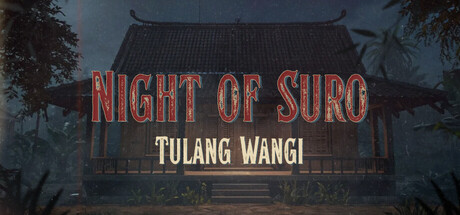 Night of Suro: Tulang Wangi In-game content arttext | AI tools were used in a limited capacity for a few prop images such as the photographs in the main house, and translation of some Javanese writings. All AI-assisted content was carefully reviewed and approved by humans to ensure it was appropriate and respectful, the final product is a reflection of our own cultural identity and creativity. | Bunnydog Studio | - | Oct 9, 2026 | |
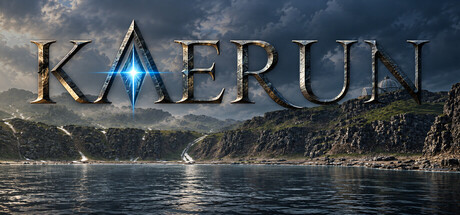 Kaerun Store/marketing arttext | Generative AI was used only for selected pre-generated concept and marketing materials during development. These materials are reviewed and edited by the developer before use. No generative AI is used during gameplay, and the game does not generate live text, images, audio, code, or other player-facing content. | Moorstone Studios | - | Oct 9, 2026 | |
 Mow and Move In-game content text | Speech on the second half of the trailer and localization. | Kazasker | - | Oct 9, 2026 |


