








Disclosure
Maps will be generated
- Creator
- Clanwirtschaft.de
- Reviews
- -
- Added
- Oct 1, 2026
Public Steam disclosure research 25,376 disclosures tracked
Search developers’ Steam disclosures, compare classified AI use across games, and follow recorded changes. This index adds cross-game classifications and statistics to statements published on individual store pages.
Code help, debugging and other development work.
Capsule art, trailers and promotional material.
Pre-made art, audio, writing and other game assets.
Interactive or runtime AI features disclosed by the developer.
Groups reflect automatic analysis of public disclosures; mature records are excluded. These counts do not measure AI use across all of Steam. Missing or unclear statements cannot establish whether a game uses AI.
Maps will be generated
Most of if not all of the models / graphics / music you see in game is made by humans. Rare exceptions were made for some basic models (That we really liked and made a creative decision to keep). We support artists and will continue to do so so in this game and all future ones.
The music under the trailer is generated by Suno. That's it. I ain't a musician.
Some UI assets in this game were created with the assistance of AI tools during development.
Master Builders was created through close collaboration between a human developer and AI tools: the concept, rules, balance, narrative, and every creative decision came from the developer, while AI assisted with coding and image production to the developer's exact specifications.
Generative AI was used during development to create some 2D artwork, including machines, enemies and environments, and to assist with in-game text, English and German localization, and store materials. These are pre-generated assets and texts.
Assisted with all aspects of development
A small amount of artwork and text included in the game was created using generative AI during development. All such content is pre-generated. The game does not generate AI content during gameplay or connect to external AI services.
Some smaller smaller graphical elements in the game utilize gen AI.
Generative AI tools were used to assist in creating and iterating on selected promotional artwork and graphical assets for Railwright, including materials used on the Steam store page and related marketing. Gameplay screenshots shown on the store page are captured from the actual game. Railwright does not use generative AI to generate content during gameplay.
Gród is designed, built and tested by a solo developer. Every rule, system and pixel of the game follows my own vision. AI tools helped with parts of the production: the voice lines, the music and some store artwork were created with generative AI, then selected, edited and fitted into the game by me. The in-game pixel art is drawn by the game's own code, with no AI image generators. Screenshots and GIFs show real gameplay. The game does not use generative AI while you play.
Some of the artworks, such as textures and illustrative elements, were created or enhanced using AI-based tools. All generated content has been reviewed, edited, and integrated to ensure consistency with the overall visual style and quality of the game. No AI is used during gameplay.
The direction of this game has been altered by artificial intelligence
Generative AI was used during development to create and assist with character illustrations, card artwork, textures, other visual assets, music, story text, localization, and store and promotional artwork. The game uses pre-generated content selected and incorporated by the developer. It does not generate content with AI during gameplay or connect to external AI services during gameplay. Generative AI was also used for narration in promotional videos.
Generative AI tools were used to assist in creating selected store and promotional artwork. All such assets were subsequently edited, modified and finalized by a human artist. The game itself does not generate AI content at runtime.
AI assistance was limited to Python programming, including code that helps to draw environments and visual effects in Pygame. These visuals are rendered in code entirely in Python. Sprite artwork and sound effects were created without generative AI and are sourced from licensed third-party assets. The soundtrack for the game and trailer was composed specifically for the project in FL Studio. No generative AI models run in the game or generate content during gameplay.
As a solo developer with a very limited budget, the character voices were temporarily generated using AI voice synthesis (ElevenLabs). Our goal is to replace all generated voices with performances by human voice actors as soon as the project secures sufficient funding (through sales, crowdfunding, or community support). Thank you for your understanding and for supporting indie game development! No generative AI content is created in real time while the game is running.
Some of PAIMT ARENA's 3D weapon models started as AI-generated meshes (Tripo) that were then hand-edited, retopologized, textured and rigged by the team. Some store and library artwork was produced with AI image tools and then edited by hand. No content is generated during play; gameplay, code, level design and UI are human-authored.
Various usages of LLM's and Generative Ai used in development
This game was made with the help of generative AI. AI tools were used during development to create visual assets, sound and music, parts of the source code, and the translations of this page and the in-game text. Everything was chosen, edited and assembled by hand before release. Nothing is generated while you play — all content ships with the game.
Generative Fill and some generative AI editing tools were used while creating the visuals.
All of the game's art, music and sound effects were made by human artists (commercially licensed packs, credited in the game). AI tools were used to assist with programming and with writing and translating the game's text; all content was reviewed and edited by the developer. The game does not generate any AI content while you play.
We use generative AI for coding and translation.
Pre-generated content: the pixel art (characters, animations, tiles, props, UI frames) and the store capsule art were made with the help of an AI pixel-art tool, then selected, edited and assembled by the developer. Store page texts and their translations were drafted with AI assistance and reviewed by the developer. The game does not generate any content with AI while you play. Music, sound effects and fonts are licensed assets made by people.
Generative AI was used during development to assist in the creation of some 3D models and visual assets. These assets are used alongside content created manually by the developer.
AI-generated content is used exclusively for promotional/store library imagery (e.g. store capsule and library artwork). No in-game assets — textures, models, environments, weapons, or character art used during gameplay — are AI-generated. All gameplay-facing art is sourced from licensed marketplace asset packs or created manually.
All art, audio, and writing are human-made. AI-assisted tools were used during programming (I've been programming since 2008, I know what I'm doing).
- AI is used to help write scripts that create or modify some 3D models. In addition to creating many, I also personally refine and finish all models in Blender. All additional art is human-made: - Artwork: Created by me and my niece, with some icons licensed from the Unity Asset Store. - Steam capsule artwork is by @Camilieroart - Sound effects were created by myself and Kris McNaney, with additional sounds licensed from Uppbeat’s human-made library. - Original music by Kris McNaney, with additional tracks licensed from Uppbeat’s human-made library.
Generative AI tools were used during development to create or assist with pre-made visual artwork, interface artwork and icons, procedural 3D modeling scripts, prerecorded faction voice lines, sound effects, and music. This includes voice lines and sound effects generated with ElevenLabs. These assets are prepared and integrated into the game before release. The game does not generate AI content during play or connect to an AI generation service. Computer-controlled opponents use scripted game logic.
Some content in Camping Resort Simulator was made with the help of generative AI tools and then reviewed and reworked by the developer: - base 3D models for some buildings, props and characters, retouched by hand; - the music of the in-game radio; - the first draft of the translations; - some promotional artwork. Nothing is generated by AI while you play.
Generative AI was used during development to create and refine some 2D visual assets, such as building artwork, icons, and promotional graphics. All AI-generated content was reviewed, edited, and integrated by the developer. The game does not generate AI content during gameplay.
AI models have been used to validate, optimize, rank and test the puzzles and the simulation engine. Soundtrack is procedurally generated music using the same engine that simulates the electronics, powered by the C~ language.
AI tools were used in the creation of every part of this game, including art, text, localization, audio and code.
Generative AI was used during development to assist with the creation and refinement of some visual assets. All AI-assisted content was selected, reviewed, edited, and integrated by the development team. The game does not use generative AI in real time during gameplay.
Some images were created with AI image generation: the crew portraits, loading-screen image, and the current store capsule artwork and logo (commissioned artwork will replace the capsule). The game's code was written with AI coding assistants under the developer's direction; ships, weapons and effects are drawn procedurally by that code. All in-game text is written by the developer.
The tower and building art began as 3D models made with AI tools and inside Blender. I edited many of them by hand, then turned them into pixel art with our own pipeline. The characters are drawn by hand in Aseprite. Some in-game text and the translations were written with AI assistance.
AI-Assisted Language Translation
Generative AI was used to assist with English texts, localizations, and some pre-generated 3D character models, with all content manually reviewed and edited by the developer.
Generative AI was used to create three pre-generated images used in the game: the splash screen, loading screen, and main menu background. No other game content was generated using AI, and the game does not generate AI content during gameplay.
Pre-generated AI was used to assist in creating the game's logo, some 2D UI elements (HUD icons), and the background music for the promotional teaser (using Soundraw). The game's code, 3D assets, core mechanics, and level design are developed without generative AI.
Generative AI tools were used to assist with some assets.
Generative AI was used with human review to assist with portions of the store page text, promotional artwork, and illustrative building blueprint previews. These illustrations are development artwork; actual gameplay appearance may vary. During gameplay, a locally running language model generates text responses in the AI OS tablet and robot chat interfaces. Robot gathering and construction actions use programmed game systems. The language model runs on the player’s computer and does not require an external third-party AI service.
Generative AI was used during development to help create some visual assets included in the game, including artwork and models, and to assist with translation of in-game text. Generative AI was also used to create promotional artwork and help write the descriptions on this Steam store page. These materials and translations are prepared in advance. The game does not use AI to generate content or code during gameplay and does not connect to external AI services.
Aetas is designed, directed and built by a single developer. Generative AI was used as a development assistant: it helped write code and tools, the in-game texts and their English/Dutch localization, and the store page texts, all under the developer's direction and review. No AI image generation was used: all sprites and tiles are hand-drawn Liberated Pixel Cup art by human artists (credited in the game folder), or assembled programmatically from that art. The trailer music was produced by a synthesis script. The game does not generate any content with AI during gameplay and does not connect to any AI service.
AI tools were used during development to create illustrated backgrounds, decorative sprites, interface artwork and promotional images. These assets were reviewed and integrated into the finished game. Wobblebound does not generate AI content during gameplay.
AI tools were used selectively during development to assist with store page text and the preparation of certain promotional assets.
Some game art created by generative AI
Generative AI tools were used during development to help create some 3D models and textures, UI and icon artwork, character voice recordings, sound effects, promotional artwork, and store-page text. These are pre-generated assets and text.
Some store page promotional images and capsule artwork were created with generative AI. All in-game assets, models and UI graphics are manually created by the development team. No AI-generated content will be produced during gameplay.
Some of the in-game text was drafted with the help of an AI language model and then reviewed and edited by the developer.
| Title⇅ | Disclosure | Creator⇅ | Src | Reviews⇅ | Added↓ |
|---|---|---|---|---|---|
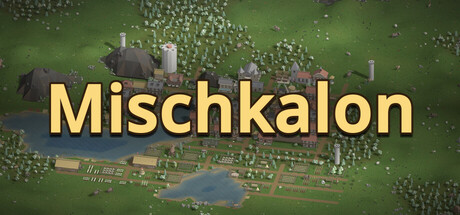 Mischkalon Live AI | Maps will be generated | Clanwirtschaft.de | - | Oct 1, 2026 | |
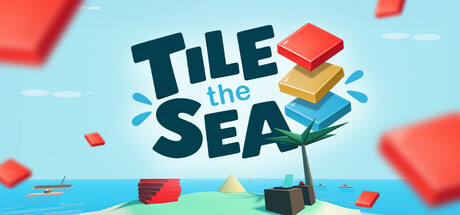 Tile The Sea general | Most of if not all of the models / graphics / music you see in game is made by humans. Rare exceptions were made for some basic models (That we really liked and made a creative decision to keep). We support artists and will continue to do so so in this game and all future ones. | Derrad | - | Oct 1, 2026 | |
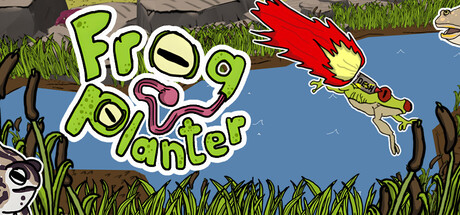 Frog Planter Store/marketing audio | The music under the trailer is generated by Suno. That's it. I ain't a musician. | Lazy Platypus Kft. | - | Oct 1, 2026 | |
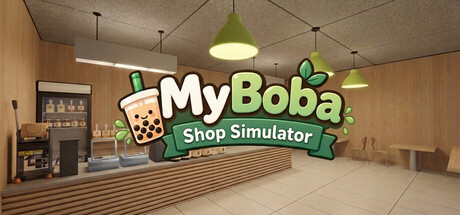 My Boba Shop Simulator In-game content art | Some UI assets in this game were created with the assistance of AI tools during development. | Yishir | - | Oct 1, 2026 | |
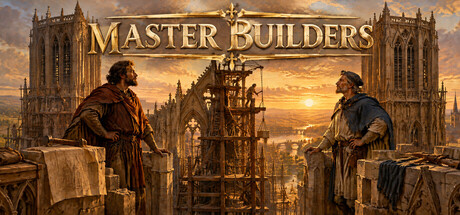 Master Builders In-game content artcode | Master Builders was created through close collaboration between a human developer and AI tools: the concept, rules, balance, narrative, and every creative decision came from the developer, while AI assisted with coding and image production to the developer's exact specifications. | ZELVANIX | - | Oct 1, 2026 | |
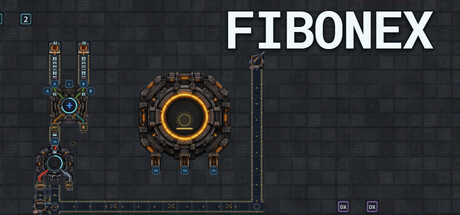 Fibonex In-game content arttext | Generative AI was used during development to create some 2D artwork, including machines, enemies and environments, and to assist with in-game text, English and German localization, and store materials. These are pre-generated assets and texts. | Fibonexia | - | Oct 1, 2026 | |
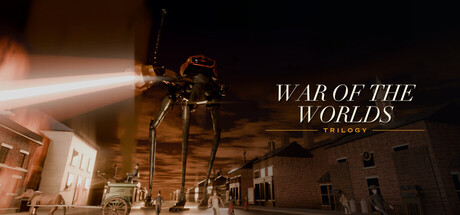 War Of The Worlds Trilogy Unclear | Assisted with all aspects of development | Invirtu Labs | - | Oct 1, 2026 | |
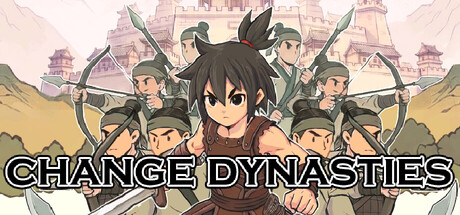 change dynasties In-game content arttext | A small amount of artwork and text included in the game was created using generative AI during development. All such content is pre-generated. The game does not generate AI content during gameplay or connect to external AI services. | 正义伙伴 | - | Sep 30, 2026 | |
 New World Trading Company | Some smaller smaller graphical elements in the game utilize gen AI. | Kokoon Games | - | Sep 30, 2026 | |
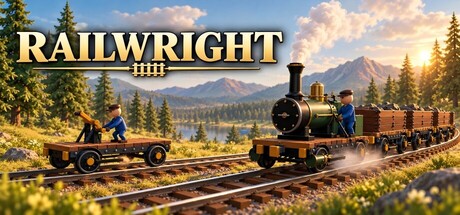 Railwright Store/marketing art | Generative AI tools were used to assist in creating and iterating on selected promotional artwork and graphical assets for Railwright, including materials used on the Steam store page and related marketing. Gameplay screenshots shown on the store page are captured from the actual game. Railwright does not use generative AI to generate content during gameplay. | Piu Entertainment | - | Sep 30, 2026 | |
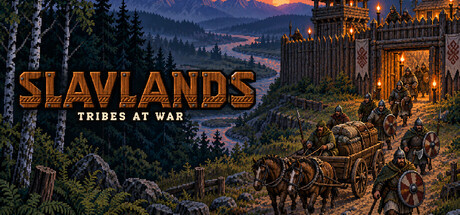 Slavlands: Tribes at War In-game content audioart | Gród is designed, built and tested by a solo developer. Every rule, system and pixel of the game follows my own vision.
AI tools helped with parts of the production: the voice lines, the music and some store artwork were created with generative AI, then selected, edited and fitted into the game by me. The in-game pixel art is drawn by the game's own code, with no AI image generators.
Screenshots and GIFs show real gameplay. The game does not use generative AI while you play. | SAD Games Studio | - | Sep 30, 2026 | |
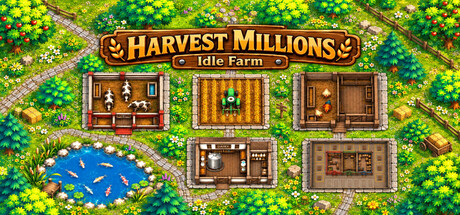 Harvest Millions Idle Farm In-game content art | Some of the artworks, such as textures and illustrative elements, were created or enhanced using AI-based tools. All generated content has been reviewed, edited, and integrated to ensure consistency with the overall visual style and quality of the game.
No AI is used during gameplay. | Blackmonkgaming | - | Sep 30, 2026 | |
 Backrooms Blocks Unclear | The direction of this game has been altered by artificial intelligence | Snarl | - | Sep 30, 2026 | |
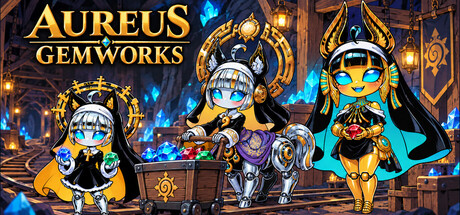 AUREUS GEMWORKS ― リリトリオンの宝石工場 In-game content artaudiotext | Generative AI was used during development to create and assist with character illustrations, card artwork, textures, other visual assets, music, story text, localization, and store and promotional artwork. The game uses pre-generated content selected and incorporated by the developer. It does not generate content with AI during gameplay or connect to external AI services during gameplay. Generative AI was also used for narration in promotional videos. | KarmaNeko | - | Sep 30, 2026 | |
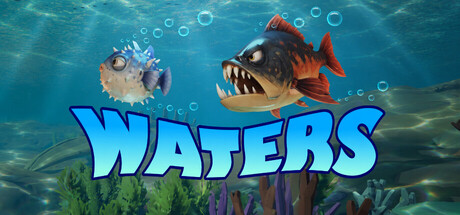 Waters Store/marketing art | Generative AI tools were used to assist in creating selected store and promotional artwork. All such assets were subsequently edited, modified and finalized by a human artist. The game itself does not generate AI content at runtime. | Mad Wizards | - | Sep 30, 2026 | |
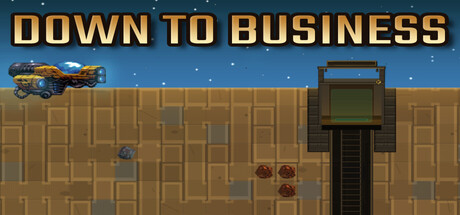 Down to Business Dev only artcode | AI assistance was limited to Python programming, including code that helps to draw environments and visual effects in Pygame. These visuals are rendered in code entirely in Python.
Sprite artwork and sound effects were created without generative AI and are sourced from licensed third-party assets.
The soundtrack for the game and trailer was composed specifically for the project in FL Studio.
No generative AI models run in the game or generate content during gameplay. | Tuftsy Studios | - | Sep 30, 2026 | |
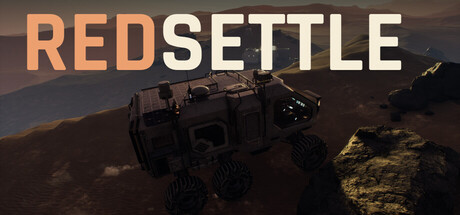 Red Settle In-game content audio | As a solo developer with a very limited budget, the character voices were temporarily generated using AI voice synthesis (ElevenLabs).
Our goal is to replace all generated voices with performances by human voice actors as soon as the project secures sufficient funding (through sales, crowdfunding, or community support). Thank you for your understanding and for supporting indie game development!
No generative AI content is created in real time while the game is running. | Jessy Software | - | Sep 30, 2026 | |
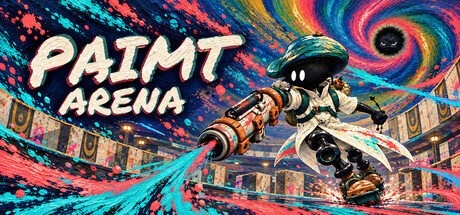 PAIMT ARENA In-game content art | Some of PAIMT ARENA's 3D weapon models started as AI-generated meshes (Tripo) that were then hand-edited, retopologized, textured and rigged by the team. Some store and library artwork was produced with AI image tools and then edited by hand. No content is generated during play; gameplay, code, level design and UI are human-authored. | noclue | - | Sep 30, 2026 | |
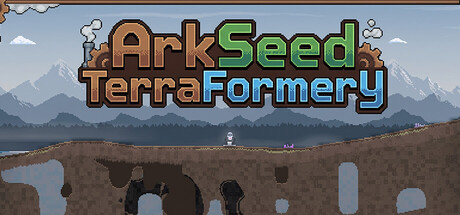 ArkSeed Terraformery Unclear | Various usages of LLM's and Generative Ai used in development | MindWroughtGames | - | Sep 30, 2026 | |
 Puzzle Together In-game content artaudiocodetext | This game was made with the help of generative AI.
AI tools were used during development to create visual assets, sound and music, parts
of the source code, and the translations of this page and the in-game text. Everything
was chosen, edited and assembled by hand before release.
Nothing is generated while you play — all content ships with the game. | Cozy Tech INC | - | Sep 30, 2026 | |
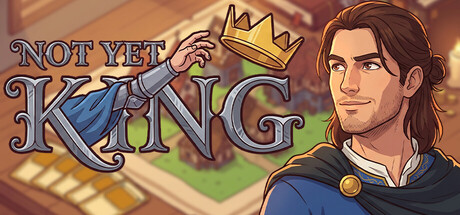 Not Yet King Dev only art | Generative Fill and some generative AI editing tools were used while creating the visuals. | Basman Games | - | Sep 30, 2026 | |
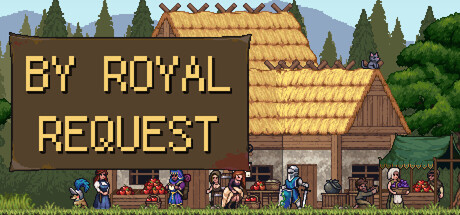 By Royal Request In-game content textcode | All of the game's art, music and sound effects were made by human artists (commercially licensed packs, credited in the game). AI tools were used to assist with programming and with writing and translating the game's text; all content was reviewed and edited by the developer. The game does not generate any AI content while you play. | Nacho Riquelme | - | Sep 30, 2026 | |
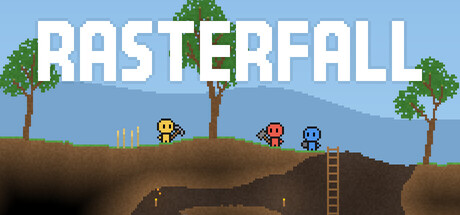 Rasterfall Dev only codetext | We use generative AI for coding and translation. | Ota Mato | - | Sep 30, 2026 | |
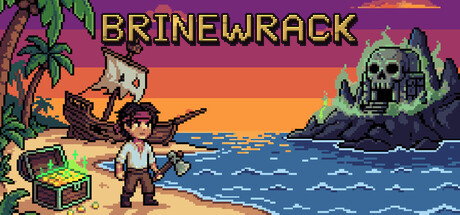 Brinewrack In-game content arttext | Pre-generated content: the pixel art (characters, animations, tiles, props, UI frames) and the store capsule art were made with the help of an AI pixel-art tool, then selected, edited and assembled by the developer. Store page texts and their translations were drafted with AI assistance and reviewed by the developer. The game does not generate any content with AI while you play. Music, sound effects and fonts are licensed assets made by people. | Ninebark | - | Sep 30, 2026 | |
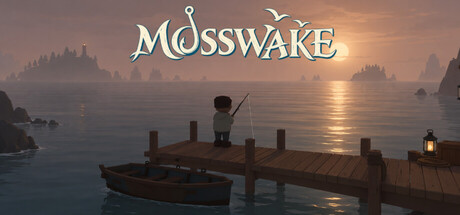 Cast Away In-game content art | Generative AI was used during development to assist in the creation of some 3D models and visual assets. These assets are used alongside content created manually by the developer. | Nightspire Games | - | Sep 28, 2026 | |
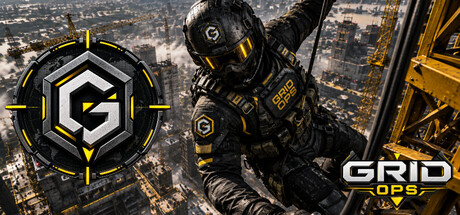 GRID OPS art | AI-generated content is used exclusively for promotional/store
library imagery (e.g. store capsule and library artwork). No
in-game assets — textures, models, environments, weapons, or
character art used during gameplay — are AI-generated. All
gameplay-facing art is sourced from licensed marketplace asset
packs or created manually. | XYNDICATE | - | Sep 28, 2026 | |
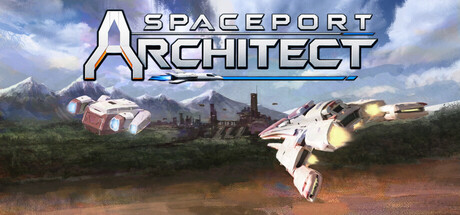 Spaceport Architect Dev only code | All art, audio, and writing are human-made. AI-assisted tools were used during programming (I've been programming since 2008, I know what I'm doing). | Djentsoft | - | Sep 28, 2026 | |
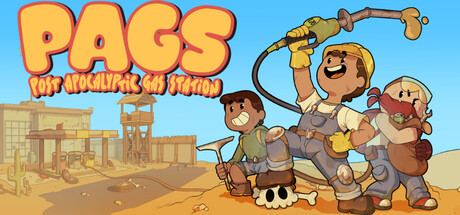 Post Apocalyptic Gas Station (PAGS) Dev only art | - AI is used to help write scripts that create or modify some 3D models. In addition to creating many, I also personally refine and finish all models in Blender.
All additional art is human-made:
- Artwork: Created by me and my niece, with some icons licensed from the Unity Asset Store.
- Steam capsule artwork is by @Camilieroart
- Sound effects were created by myself and Kris McNaney, with additional sounds licensed from Uppbeat’s human-made library.
- Original music by Kris McNaney, with additional tracks licensed from Uppbeat’s human-made library. | BearDog Games | - | Sep 28, 2026 | |
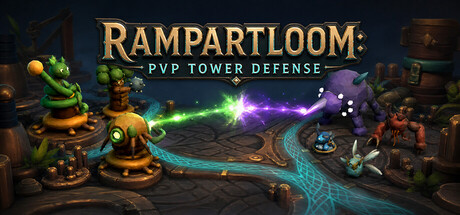 Rampartloom: PvP Tower Defense In-game content artaudio | Generative AI tools were used during development to create or assist with pre-made visual artwork, interface artwork and icons, procedural 3D modeling scripts, prerecorded faction voice lines, sound effects, and music. This includes voice lines and sound effects generated with ElevenLabs. These assets are prepared and integrated into the game before release. The game does not generate AI content during play or connect to an AI generation service. Computer-controlled opponents use scripted game logic. | Mumin Bayar | - | Sep 28, 2026 | |
 Camping Resort Simulator In-game content artaudiotext | Some content in Camping Resort Simulator was made with the help of generative AI tools and then reviewed and reworked by the developer:
- base 3D models for some buildings, props and characters, retouched by hand;
- the music of the in-game radio;
- the first draft of the translations;
- some promotional artwork.
Nothing is generated by AI while you play. | Cottondream Studios | - | Sep 28, 2026 | |
 Metromino In-game content art | Generative AI was used during development to create and refine some 2D visual assets, such as building artwork, icons, and promotional graphics. All AI-generated content was reviewed, edited, and integrated by the developer. The game does not generate AI content during gameplay. | codebooster | - | Sep 27, 2026 | |
 101 Circuits In-game content audiocode | AI models have been used to validate, optimize, rank and test the puzzles and the simulation engine. Soundtrack is procedurally generated music using the same engine that simulates the electronics, powered by the C~ language. | Chilling Moose Games | - | Sep 27, 2026 | |
 Rosalia: Match-3 Puzzle In-game content arttextaudiocode | AI tools were used in the creation of every part of this game, including art, text, localization, audio and code. | Frostbyte Forge | - | Sep 27, 2026 | |
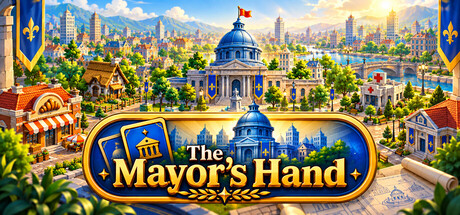 The Mayor’s Hand In-game content art | Generative AI was used during development to assist with the creation and refinement of some visual assets. All AI-assisted content was selected, reviewed, edited, and integrated by the development team. The game does not use generative AI in real time during gameplay. | JustCodeIt | - | Sep 27, 2026 | |
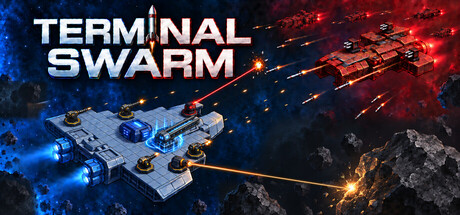 Terminal Swarm In-game content artcode | Some images were created with AI image generation: the crew portraits, loading-screen image, and the current store capsule artwork and logo (commissioned artwork will replace the capsule). The game's code was written with AI coding assistants under the developer's direction; ships, weapons and effects are drawn procedurally by that code. All in-game text is written by the developer. | Umpfelgrumpf Studio | - | Sep 27, 2026 | |
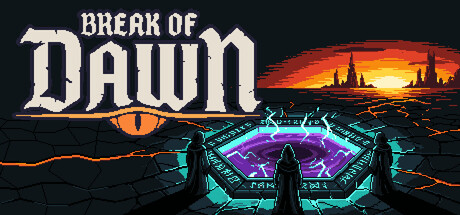 Break Of Dawn In-game content arttext | The tower and building art began as 3D models made with AI tools and inside Blender. I edited many of them by hand, then turned them into pixel art with our own pipeline. The characters are drawn by hand in Aseprite. Some in-game text and the translations were written with AI assistance. | Kalyx Games | - | Sep 27, 2026 | |
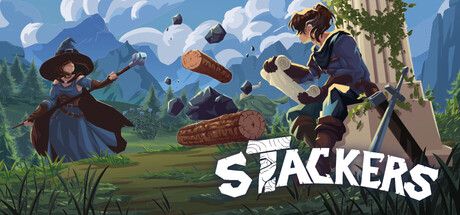 Stackers In-game content text | AI-Assisted Language Translation | Maxbong | - | Sep 27, 2026 | |
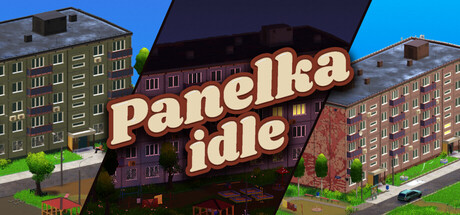 Panelka Idle In-game content textart | Generative AI was used to assist with English texts, localizations, and some pre-generated 3D character models, with all content manually reviewed and edited by the developer. | Glitchplay | - | Sep 27, 2026 | |
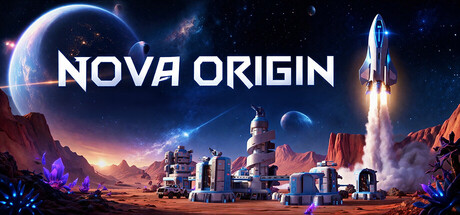 Nova Origin In-game content art | Generative AI was used to create three pre-generated images used in the game: the splash screen, loading screen, and main menu background. No other game content was generated using AI, and the game does not generate AI content during gameplay. | ZapNova Games | - | Sep 26, 2026 | |
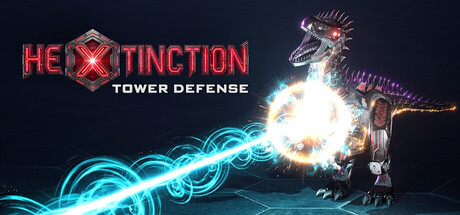 Hextinction: Tower Defense In-game content artaudio | Pre-generated AI was used to assist in creating the game's logo, some 2D UI elements (HUD icons), and the background music for the promotional teaser (using Soundraw). The game's code, 3D assets, core mechanics, and level design are developed without generative AI. | A2L Games | - | Sep 26, 2026 | |
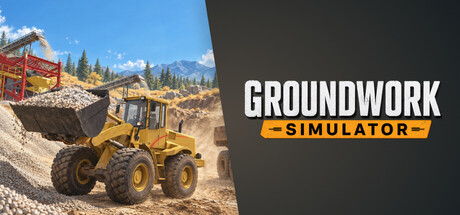 Groundwork Simulator Unclear | Generative AI tools were used to assist with some assets. | XYZ STUDIO | - | Sep 25, 2026 | |
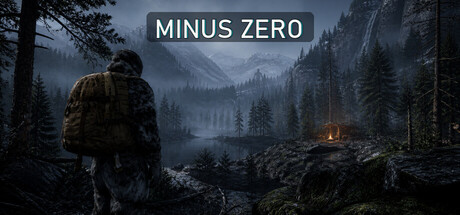 Minus Zero Live AI textart | Generative AI was used with human review to assist with portions of the store page text, promotional artwork, and illustrative building blueprint previews. These illustrations are development artwork; actual gameplay appearance may vary. During gameplay, a locally running language model generates text responses in the AI OS tablet and robot chat interfaces. Robot gathering and construction actions use programmed game systems. The language model runs on the player’s computer and does not require an external third-party AI service. | Black Thorn Labs LLC | - | Sep 25, 2026 | |
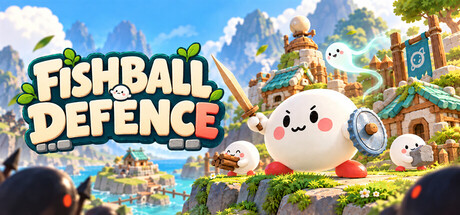 Fishball Defence In-game content arttext | Generative AI was used during development to help create some visual assets included in the game, including artwork and models, and to assist with translation of in-game text. Generative AI was also used to create promotional artwork and help write the descriptions on this Steam store page. These materials and translations are prepared in advance. The game does not use AI to generate content or code during gameplay and does not connect to external AI services. | BitForest | - | Sep 25, 2026 | |
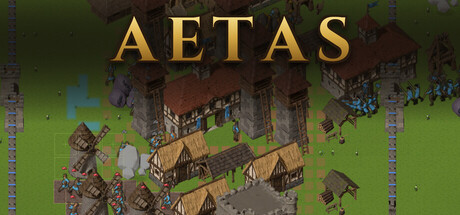 Aetas In-game content textcode | Aetas is designed, directed and built by a single developer. Generative AI was used as a development assistant: it helped write code and tools, the in-game texts and their English/Dutch localization, and the store page texts, all under the developer's direction and review. No AI image generation was used: all sprites and tiles are hand-drawn Liberated Pixel Cup art by human artists (credited in the game folder), or assembled programmatically from that art. The trailer music was produced by a synthesis script. The game does not generate any content with AI during gameplay and does not connect to any AI service. | Consul Games | - | Sep 25, 2026 | |
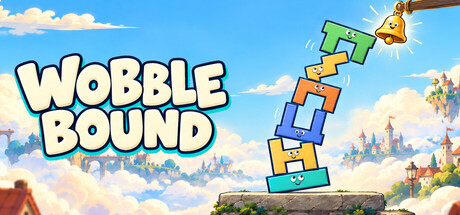 Wobblebound In-game content art | AI tools were used during development to create illustrated backgrounds, decorative sprites, interface artwork and promotional images. These assets were reviewed and integrated into the finished game. Wobblebound does not generate AI content during gameplay. | Kasperzack Games | - | Sep 25, 2026 | |
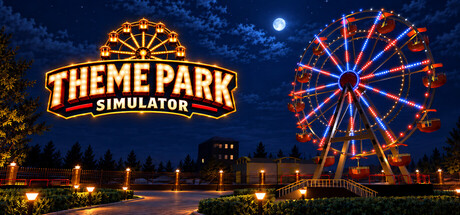 Theme Park Simulator Store/marketing textart | AI tools were used selectively during development to assist with store page text and the preparation of certain promotional assets. | Arya Interactive | - | Sep 25, 2026 | |
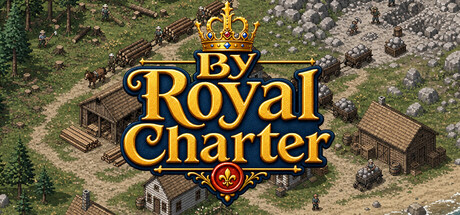 By Royal Charter In-game content art | Some game art created by generative AI | Dovren Games | - | Sep 25, 2026 | |
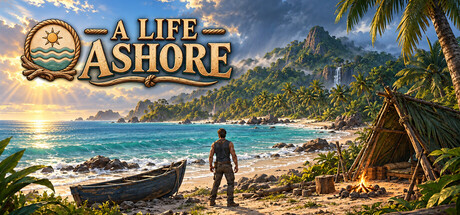 A Life Ashore In-game content artaudiotext | Generative AI tools were used during development to help create some 3D models and textures, UI and icon artwork, character voice recordings, sound effects, promotional artwork, and store-page text. These are pre-generated assets and text. | daggg3r | - | Sep 25, 2026 | |
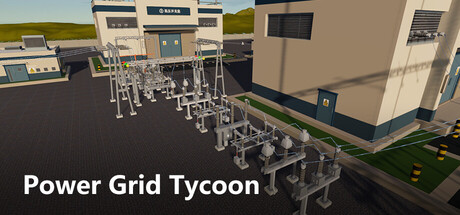 电网大亨 Store/marketing art | Some store page promotional images and capsule artwork were created with generative AI. All in-game assets, models and UI graphics are manually created by the development team. No AI-generated content will be produced during gameplay. | ITCG | - | Sep 25, 2026 | |
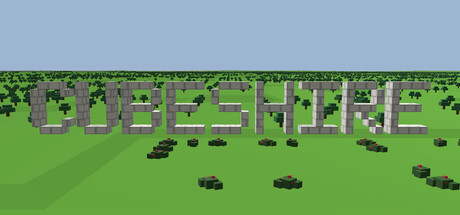 Cubeshire In-game content text | Some of the in-game text was drafted with the help of an AI language model and then reviewed and edited by the developer. | Richard Hawkesford | - | Sep 25, 2026 |


