Public Steam disclosure research25,376 disclosures tracked
Where do games disclose AI use?
Search developers’ Steam disclosures, compare classified AI use across
games, and follow recorded changes.
This index adds cross-game classifications and statistics to
statements published on individual store pages.
Groups reflect automatic analysis of public disclosures; mature records are excluded. These counts do not measure AI use across all of Steam.
Missing or unclear statements cannot establish whether a game uses AI.
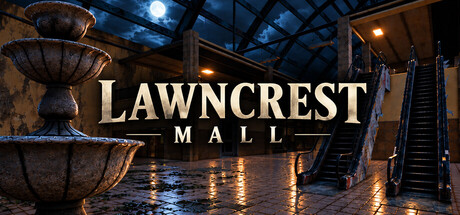
This game utilizes pre-rendered content assisted by generative AI tools exclusively for a few specific background songs, character voice acting, and minor conceptual art references.
The ambient sound design, audio effects, and liminal soundscapes were crafted by human artists. Certain 3D models and environmental props were acquired under license from creators on the Unreal Engine Marketplace. All narrative writing, game design, level composition, programming, story, and creative direction are original works created and directed entirely by the author.
AI tools were used during development to assist in creating and iterating on some pre-generated assets. These assets were subsequently selected, edited, integrated, and reviewed by the developers before inclusion in the game. The game does not generate AI content during gameplay.
"Generative AI was used to create the game's cover art and the free scenario assets (such as character images). We plan to replace these art resources as soon as possible."
Pre-generated AI content:
Some promotional artwork used on the Steam store page was created with generative AI and subsequently edited by the developer
AI tools were used during development to create pre-made content such as images, voices, music and 3D model drafts. Everything was selected, edited and integrated into the game by the developer. The game does not generate any content with AI while you play and does not connect to AI services.
Character illustrations, backgrounds, cutscene videos, voice acting and music were created with generative AI tools, then selected and edited by our team. The story, dialogue and game systems were written and designed by the developer with AI assistance. No content is generated by AI during gameplay.
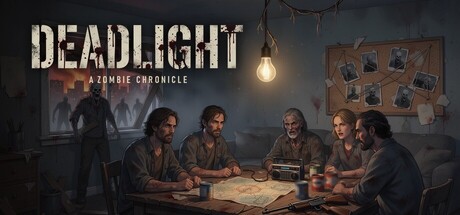
Some of Deadlight's artwork was created with the help of generative AI. This includes the key art, the store and library capsules, and the ten location paintings on the expedition screen. The images were generated with a locally run image model, then chosen, cleaned up and colour-graded by hand. The store page text and its translations were drafted with AI assistance and edited by the developer. No content is generated by AI while you play.
Pre-Generated AI Content:
During development, generative AI tools were used to create certain 3D character assets. These assets were subsequently integrated and adapted by the development team for use in the game.
AI helped with grammatical corrections for in-game text, which were then carefully reviewed and adjusted by hand.
We only consider AI to be a supportive tool. Every detail is meticulously crafted with human intent, as our creative process is still firmly anchored in manual craftsmanship.
AI tools assisted with a small number of icon images and most text localization. Localized text may be replaced in future updates with higher-quality, human-translated versions.
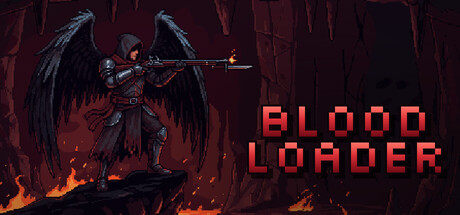
Bloodloader was made by one developer with generative AI tools in the pipeline. Character, enemy and item sprites, tiles, icons and the store key art began as AI generations (PixelLab) and were selected, cleaned up, recoloured and assembled by the developer. Sound effects and music were generated with ElevenLabs and edited into final effects and seamless loops. Some in-game text was drafted with AI assistance and edited by the developer. Nothing is generated while you play.
HOW THIS GAME WAS MADE
Lane Siege is a one-person project built with an AI assistant, and it seems only fair to say exactly where that line falls.
Written with AI: the game's code, the logo and store artwork, the in-game text, and the balance numbers. Every one of those was directed, reviewed and playtested by me, and the design decisions are mine.
Made by people, not AI: every 3D model, sound effect and music track in the game is the work of named human artists, used under open licences and credited in full.
And nothing is generated while you play. The opponent you fight is ordinary game AI - rules it follows and a small table of what has worked against players before. No AI model runs while the game is running, and Lane Siege never connects to an AI service.
Generative AI tools were used during the development of this game to help create some store artwork, user interface (UI) concepts, and cover designs. All AI-generated content was reviewed, edited, and finalized by humans. The game does not generate any AI content dynamically or in real time during gameplay.
Pre-generated AI tools were used to create selected voice-over performances and selected promotional artwork. All AI-assisted materials are reviewed, edited, and finalized by the development team before use. The game does not generate AI content during gameplay.
Portions of this game's code and dialogue were written with the assistance of AI tools and then reviewed and edited by the developer. All art, 3D models, music and sound effects are human-made assets (Quaternius, Kay Lousberg, Kenney, omfgdude and SubspaceAudio, all CC0). Nothing is generated by AI while you play.
We use generative AI tools during development to create some concept art and supporting images, as well as certain materials for the store page. All in-game content, including final assets, models, and text, is created and reviewed by hand.
Some sprites, event card illustrations, background music and sound effects were created with locally-run generative AI models (Stable Diffusion XL, ACE-Step, Stable Audio Open) and then edited by the developer. No generative AI is used while the game is running.
Generative AI was used during development to create select environmental artwork, including some fictional posters and signage appearing within the game. These assets were reviewed and curated by the developers before inclusion in the final game.
AI tools assisted the creation or processing of some backgrounds, title illustrations, upgrade-card artwork and localized text during development. These assets are prepared in advance. The game does not call generative AI services at runtime.
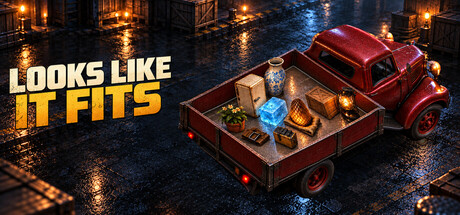
Generative AI was used to create artwork for the truck, cargo, environments, route illustrations, and store materials. AI tools also assisted with writing and localization. All such content was created before release. The game does not generate AI content or connect to AI services during gameplay.
This game utilizes generative AI for a significant portion of its art assets. Many AI-assisted elements underwent manual editing and modification by the developer before being integrated into the final game.
The translations of this game into English, Spanish, Portuguese, Russian and Chinese were produced with the help of a large language model, working from the German original. The Spanish, Portuguese, Russian and Chinese versions are machine-made and are marked as beta inside the game. The text of this store page and the captions in the trailer were written the same way.
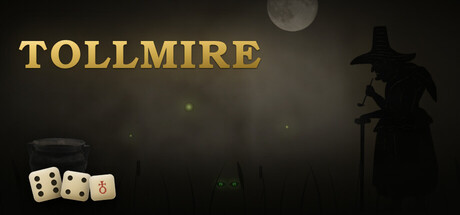
No image, no sound and no music in this game is AI-generated. The symbols come from historical alchemical plates, the witches from the Wellcome Collection, the cauldron from the Smithsonian, the reeds from an 1885 plant atlas.
Pre-generated content: Generative AI tools were used to create the game's visual and audio assets, including card and item artwork, backgrounds, key art and store capsule images, and the background music. The developer directed, selected, edited and integrated all AI-generated assets. Game design, rules and balance were created by the developer. No content is generated live by AI during gameplay.
Generative AI tools were used to a very limited extent during the development of the game for a few minor visual elements. These consist only of a small number of simple effect graphics, which were subsequently adapted and edited for use in the game.
Generative AI was also used as a writing aid to improve and refine some of the text used on the game's Steam store page.
The core content and functionality of the game were not created using generative AI.
The original story was written by a human author. AI was used to write AI speech in the game. It was also used in localization as a supportive tool. We gladly work with the community to bring the game to more languages.
This game was made with the help of generative AI.
AI tools were used during development to create visual assets, sound and music, parts
of the source code, and the translations of this page and the in-game text. Everything
was chosen, edited and assembled by hand before release.
Nothing is generated while you play — all content ships with the game.
This game's pixel art was created with AI assistance. The English translation was also produced with AI and reviewed for accuracy and natural phrasing before release.
Some character portraits, club scene illustrations, and store artwork were created with generative AI and selected or edited for Matchday. The game does not generate content during play.
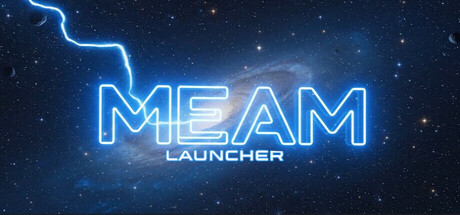
Generative AI tools were used during the development of MEAM Launcher and some of the included games.
AI-assisted and AI-generated content may include character and environment concepts, images, textures, 3D models, visual assets, music, sound effects, text, dialogue, code, and other development assets. AI tools were also used to assist with programming, prototyping, troubleshooting, game development, and general creative development.
All AI-generated or AI-assisted content was reviewed, selected, edited, implemented, and/or further developed by the developer before being included in the final product.
MEAM Launcher does not use generative AI to create content dynamically during gameplay. The AI usage described above relates to content and development work created before distribution of the software.
Generative AI tools were used during development to create part of what you see and hear: the portraits of the fictional players and their faces at different ages, background illustrations, the short ambient videos, the music, the commentator's recorded calls and the surnames he calls out —a synthetic voice that does not belong to any real person— and part of the art on this page. Everything was reviewed, trimmed and edited by hand before going in, and every commentator line was checked with speech recognition to make sure it says what it should. The sound effects are real public-domain recordings. The game does not generate anything with AI while you play.
AI-assisted tools were used during development to create some visual assets and textures, music and sound effects, and to assist with English localization. Generated promotional illustrations and pre-generated synthetic voice performances are also used in the Steam store materials and trailers. These assets were selected, edited and integrated during production. The game does not generate AI content while it is running.
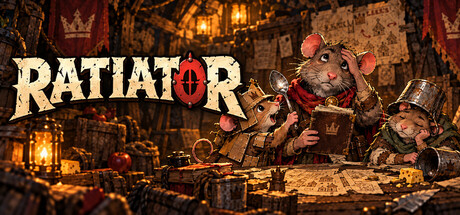
Ratiator is made by a small independent studio, and generative AI is one of the tools that lets a tiny team build a world this big. Every piece of AI-assisted content was directed, selected and refined by us to match our own art direction and design.
Artwork: backgrounds, UI elements, event illustrations, icons and key art were created with AI image tools from our concepts and art direction, then curated, edited and assembled by hand.
3D models: our rats and their household-junk weapons and armour started as AI-generated 3D models built from our concept art. We then rigged, fitted, animated and tuned them with our own tools, so every rat moves and fights the way we designed it.
Animation: a few short cinematic clips and the living light in some backgrounds (flickering lanterns, flowing water) were made with AI video tools and blended into our original paintings.
Writing: story and event texts were drafted with the help of an AI writing assistant, then edited and shaped by us to fit the world and its humour.
Nothing in the game is generated by AI while you play. Every fight, rat and story event is driven by the game's own systems, and no player data is sent to any AI service.
The game's cases, design and text were created by the developer. Generative AI was used as an assistant when writing the text of this store page and of the game, and to translate it into 12 languages; all of it was reviewed and edited by the developer. No content is generated while you play.
Generative AI was used during development to help create some visual assets and assist with development work. The resulting content was selected, edited, and integrated into the game by the developer.
Pre-generated background graphics were created using generative AI and were subsequently selected for use in the game. The game contains no live-generated AI content and no AI interactions during gameplay.
This game utilizes pre-rendered content assisted by generative AI tools exclusively for a few specific background songs, character voice acting, and minor conceptual art references.
The ambient sound design, audio effects, and liminal soundscapes were crafted by human artists. Certain 3D models and environmental props were acquired under license from creators on the Unreal Engine Marketplace. All narrative writing, game design, level composition, programming, story, and creative direction are original works created and directed entirely by the author.
AI tools were used during development to assist in creating and iterating on some pre-generated assets. These assets were subsequently selected, edited, integrated, and reviewed by the developers before inclusion in the game. The game does not generate AI content during gameplay.
"Generative AI was used to create the game's cover art and the free scenario assets (such as character images). We plan to replace these art resources as soon as possible."
Pre-generated AI content:
Some promotional artwork used on the Steam store page was created with generative AI and subsequently edited by the developer
AI tools were used during development to create pre-made content such as images, voices, music and 3D model drafts. Everything was selected, edited and integrated into the game by the developer. The game does not generate any content with AI while you play and does not connect to AI services.
Character illustrations, backgrounds, cutscene videos, voice acting and music were created with generative AI tools, then selected and edited by our team. The story, dialogue and game systems were written and designed by the developer with AI assistance. No content is generated by AI during gameplay.
Some of Deadlight's artwork was created with the help of generative AI. This includes the key art, the store and library capsules, and the ten location paintings on the expedition screen. The images were generated with a locally run image model, then chosen, cleaned up and colour-graded by hand. The store page text and its translations were drafted with AI assistance and edited by the developer. No content is generated by AI while you play.
Pre-Generated AI Content:
During development, generative AI tools were used to create certain 3D character assets. These assets were subsequently integrated and adapted by the development team for use in the game.
AI helped with grammatical corrections for in-game text, which were then carefully reviewed and adjusted by hand.
We only consider AI to be a supportive tool. Every detail is meticulously crafted with human intent, as our creative process is still firmly anchored in manual craftsmanship.
AI tools assisted with a small number of icon images and most text localization. Localized text may be replaced in future updates with higher-quality, human-translated versions.
Bloodloader was made by one developer with generative AI tools in the pipeline. Character, enemy and item sprites, tiles, icons and the store key art began as AI generations (PixelLab) and were selected, cleaned up, recoloured and assembled by the developer. Sound effects and music were generated with ElevenLabs and edited into final effects and seamless loops. Some in-game text was drafted with AI assistance and edited by the developer. Nothing is generated while you play.
HOW THIS GAME WAS MADE
Lane Siege is a one-person project built with an AI assistant, and it seems only fair to say exactly where that line falls.
Written with AI: the game's code, the logo and store artwork, the in-game text, and the balance numbers. Every one of those was directed, reviewed and playtested by me, and the design decisions are mine.
Made by people, not AI: every 3D model, sound effect and music track in the game is the work of named human artists, used under open licences and credited in full.
And nothing is generated while you play. The opponent you fight is ordinary game AI - rules it follows and a small table of what has worked against players before. No AI model runs while the game is running, and Lane Siege never connects to an AI service.
Generative AI tools were used during the development of this game to help create some store artwork, user interface (UI) concepts, and cover designs. All AI-generated content was reviewed, edited, and finalized by humans. The game does not generate any AI content dynamically or in real time during gameplay.
Pre-generated AI tools were used to create selected voice-over performances and selected promotional artwork. All AI-assisted materials are reviewed, edited, and finalized by the development team before use. The game does not generate AI content during gameplay.
Portions of this game's code and dialogue were written with the assistance of AI tools and then reviewed and edited by the developer. All art, 3D models, music and sound effects are human-made assets (Quaternius, Kay Lousberg, Kenney, omfgdude and SubspaceAudio, all CC0). Nothing is generated by AI while you play.
We use generative AI tools during development to create some concept art and supporting images, as well as certain materials for the store page. All in-game content, including final assets, models, and text, is created and reviewed by hand.
Some sprites, event card illustrations, background music and sound effects were created with locally-run generative AI models (Stable Diffusion XL, ACE-Step, Stable Audio Open) and then edited by the developer. No generative AI is used while the game is running.
Generative AI was used during development to create select environmental artwork, including some fictional posters and signage appearing within the game. These assets were reviewed and curated by the developers before inclusion in the final game.
AI tools assisted the creation or processing of some backgrounds, title illustrations, upgrade-card artwork and localized text during development. These assets are prepared in advance. The game does not call generative AI services at runtime.
Generative AI was used to create artwork for the truck, cargo, environments, route illustrations, and store materials. AI tools also assisted with writing and localization. All such content was created before release. The game does not generate AI content or connect to AI services during gameplay.
This game utilizes generative AI for a significant portion of its art assets. Many AI-assisted elements underwent manual editing and modification by the developer before being integrated into the final game.
The translations of this game into English, Spanish, Portuguese, Russian and Chinese were produced with the help of a large language model, working from the German original. The Spanish, Portuguese, Russian and Chinese versions are machine-made and are marked as beta inside the game. The text of this store page and the captions in the trailer were written the same way.
No image, no sound and no music in this game is AI-generated. The symbols come from historical alchemical plates, the witches from the Wellcome Collection, the cauldron from the Smithsonian, the reeds from an 1885 plant atlas.
Pre-generated content: Generative AI tools were used to create the game's visual and audio assets, including card and item artwork, backgrounds, key art and store capsule images, and the background music. The developer directed, selected, edited and integrated all AI-generated assets. Game design, rules and balance were created by the developer. No content is generated live by AI during gameplay.
Generative AI tools were used to a very limited extent during the development of the game for a few minor visual elements. These consist only of a small number of simple effect graphics, which were subsequently adapted and edited for use in the game.
Generative AI was also used as a writing aid to improve and refine some of the text used on the game's Steam store page.
The core content and functionality of the game were not created using generative AI.
The original story was written by a human author. AI was used to write AI speech in the game. It was also used in localization as a supportive tool. We gladly work with the community to bring the game to more languages.
This game was made with the help of generative AI.
AI tools were used during development to create visual assets, sound and music, parts
of the source code, and the translations of this page and the in-game text. Everything
was chosen, edited and assembled by hand before release.
Nothing is generated while you play — all content ships with the game.
This game's pixel art was created with AI assistance. The English translation was also produced with AI and reviewed for accuracy and natural phrasing before release.
Some character portraits, club scene illustrations, and store artwork were created with generative AI and selected or edited for Matchday. The game does not generate content during play.
Generative AI tools were used during the development of MEAM Launcher and some of the included games.
AI-assisted and AI-generated content may include character and environment concepts, images, textures, 3D models, visual assets, music, sound effects, text, dialogue, code, and other development assets. AI tools were also used to assist with programming, prototyping, troubleshooting, game development, and general creative development.
All AI-generated or AI-assisted content was reviewed, selected, edited, implemented, and/or further developed by the developer before being included in the final product.
MEAM Launcher does not use generative AI to create content dynamically during gameplay. The AI usage described above relates to content and development work created before distribution of the software.
Generative AI tools were used during development to create part of what you see and hear: the portraits of the fictional players and their faces at different ages, background illustrations, the short ambient videos, the music, the commentator's recorded calls and the surnames he calls out —a synthetic voice that does not belong to any real person— and part of the art on this page. Everything was reviewed, trimmed and edited by hand before going in, and every commentator line was checked with speech recognition to make sure it says what it should. The sound effects are real public-domain recordings. The game does not generate anything with AI while you play.
AI-assisted tools were used during development to create some visual assets and textures, music and sound effects, and to assist with English localization. Generated promotional illustrations and pre-generated synthetic voice performances are also used in the Steam store materials and trailers. These assets were selected, edited and integrated during production. The game does not generate AI content while it is running.
Ratiator is made by a small independent studio, and generative AI is one of the tools that lets a tiny team build a world this big. Every piece of AI-assisted content was directed, selected and refined by us to match our own art direction and design.
Artwork: backgrounds, UI elements, event illustrations, icons and key art were created with AI image tools from our concepts and art direction, then curated, edited and assembled by hand.
3D models: our rats and their household-junk weapons and armour started as AI-generated 3D models built from our concept art. We then rigged, fitted, animated and tuned them with our own tools, so every rat moves and fights the way we designed it.
Animation: a few short cinematic clips and the living light in some backgrounds (flickering lanterns, flowing water) were made with AI video tools and blended into our original paintings.
Writing: story and event texts were drafted with the help of an AI writing assistant, then edited and shaped by us to fit the world and its humour.
Nothing in the game is generated by AI while you play. Every fight, rat and story event is driven by the game's own systems, and no player data is sent to any AI service.
The game's cases, design and text were created by the developer. Generative AI was used as an assistant when writing the text of this store page and of the game, and to translate it into 12 languages; all of it was reviewed and edited by the developer. No content is generated while you play.
Generative AI was used during development to help create some visual assets and assist with development work. The resulting content was selected, edited, and integrated into the game by the developer.
Pre-generated background graphics were created using generative AI and were subsequently selected for use in the game. The game contains no live-generated AI content and no AI interactions during gameplay.