Public Steam disclosure research25,376 disclosures tracked
Where do games disclose AI use?
Search developers’ Steam disclosures, compare classified AI use across
games, and follow recorded changes.
This index adds cross-game classifications and statistics to
statements published on individual store pages.
Groups reflect automatic analysis of public disclosures; mature records are excluded. These counts do not measure AI use across all of Steam.
Missing or unclear statements cannot establish whether a game uses AI.
Generative AI was used during development to assist with some text content and programming code, and to create some 3D models and textures used in the game. All AI-generated and AI-assisted content was reviewed and edited by the developer before being included in the game. Generative AI is not used to create content during gameplay.
This game uses a large language model to generate the AI companion’s dialogue and ending titles in real time. Dialogue responses are generated based on player input and conversation context. Generative AI tools were also used to help create or edit some store and promotional artwork and assist with text translation and localization.
Generative AI tools were used during development to assist with creating and iterating some pre-generated visual assets, UI icons, concept art, text drafts, and development/code prototypes.
All AI-assisted content was reviewed, edited, and selected by the developer before being included in the game.
The game does not use live generative AI during gameplay, does not generate new content for players in real time, and does not send player input or personal data to any AI service.
Generative AI tools were used as development assistance, including support for programming, text editing, brainstorming, and localization. The game's visual artwork and assets are created by the developer and do not use AI-generated images. Story concepts and final creative decisions are made and edited by the developer.
Some of the images, music, and song lyrics in this game were created with the
assistance of generative AI tools. The creator performed all prompt design,
selection, editing, arrangement, and integration; every asset was reviewed and
adjusted by hand before being included in the game. The script, game design,
systems, and code were written by the creator.
In the interest of transparency, illustrations were created with the help of AI-assisted tools, used as creative support within a human-led artistic process.
Pre-generated AI-assisted artwork is used for selected character portraits, property and location imagery, career and education illustrations, and promotional materials. All such content is reviewed and curated by the developer before inclusion. The game does not generate AI content during gameplay.
Generative AI-assisted tools were used during production to create and refine pre-generated visual artwork, synthesized voice-over, and elements of the narrative and English localization. All materials were reviewed and edited by the development team before inclusion. The game does not generate content during gameplay and does not connect to third-party AI services.
AI assistance was used in the development of this game. Players are strongly advised to play using mainstream free "flash" AI APIs such as Agnes API or Qwen API — simply fill in your API information in the game settings. For the sake of speed, enabling thinking mode is not recommended. This game contains optional generative AI features. In “AI-Enhanced Narrative Mode”, the game calls the third-party LLM API you provide yourself, generating more immersive event text in real time as you play. This mode is entirely optional: even without connecting any API, you can still fully experience all of the built-in, human-written historical content and the core gameplay. The game will not use your gameplay data to train any models. All AI-generated content is controlled by your own API key and quota, and you are responsible for your own usage.
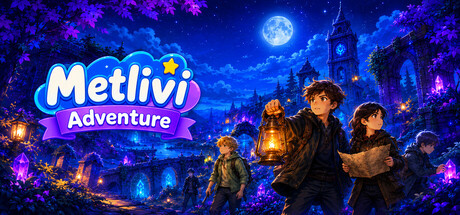
Metlivi Adventure uses generative AI to create certain in-game content, including narrative text, visual elements, and, where applicable, music. AI-generated content is used to support dynamic, player-driven adventures.
THE LAST LOGIN uses pre-generated AI-assisted content in selected visual assets, character voice-over, music, and sound effects. All AI-assisted content was created during development and is included as fixed game content. No AI content is generated during gameplay.
Generative AI was used during development to assist with the creation of selected UI graphics, localization, and text content. All AI-assisted content was reviewed and edited by the developer before being included in the final product. The game does not generate AI content during gameplay.
Some of this game's dialogue was refined with the help of a generative AI tool during revision. Every line in the finished game was reviewed and edited by the developer.
No generative AI was used to create the artwork, sound, or music, and no content is generated during gameplay.
Generative AI was used during development to assist with some image assets and written or localized text for the game and its store page, as well as three in-game background music tracks. All AI-assisted content is pre-generated and fixed. The game does not generate content at runtime or send player input or data to AI services.
Dream Simulators uses generative AI to create dynamic dialogue, story continuations, characters, missions, and narrative events based on player input and the active Lore system. Each Expansion Pack features its own world, Lore, characters, and adventures, creating a unique storytelling experience. The AI also generates creative scene descriptions and prompts that players can use as inspiration for creating images and videos. Because the experience is driven by player input, generated content may vary between playthroughs.
This game uses generative AI to provide personalized choices and free-form conversations based on player input and profile information. The main story and scenarios are written by human writers.
Assistance with the development of:
- Custom procedural 2D animation rig.
- Reinforcement learning (RL) layer for player and NPC animations in hand-authored 2D environments.
- Base designs for sprites and backgrounds (further iterated by hand using digital editing software like photoshop)
No ai tools were used in any capacity for writing or story elements, voice acting, music, or anywhere else.
Some background art, still images, videos, and music were created with the assistance of generative AI tools; every asset was reviewed and curated by the developer. During gameplay, callers' dialogue is performed by an AI language model running entirely on the player's PC — fully offline, with no external AI service. The AI performs characters only within hand-written script boundaries, all story outcomes are decided by deterministic game logic, and generated text is filtered before display. Voice input is transcribed locally and never leaves your machine.
Generative AI was used strictly for the creation of marketing materials and store page capsule artwork. All in-game assets, including pixel art character sprites, environment tiles, animations, music, and source code, were 100% human-created.
Store assets, quiz content, and general layout of application generated with AI to help with design and formatting. Human review and edit before any code implemented. This game does not have any AI models running in the background or in-game. All scriptures are public domain.
Generative AI tools were used during development to create the artwork and audio used throughout the game. The generated assets were reviewed, selected, edited as needed, and incorporated into the final game by the developer.
Some of the music in this game was created using Suno AI. Generative image tools were also used in the creation of certain in-game visual assets and marketing images. The generated content was reviewed, selected, and modified during the development process. Generative AI is not used in real time during gameplay, nor does the game generate any new content while being played.
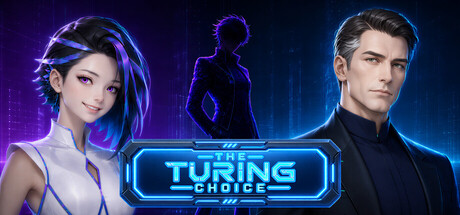
In a particularly fitting twist for a game about artificial intelligence whose protagonist is herself an artificial intelligence, generative AI tools were used during development to assist with some pre-generated visual assets, music, and portions of the text and localization. All AI-assisted content was reviewed, edited, and curated by the developer. No generative AI is used during gameplay.
Generative AI was used to create some pre-generated character artwork, 2D images, and illustrations included in the game and related visual promotional materials. All generated images are reviewed and selected by the developer before inclusion. No AI-generated content is created during gameplay.
Artwork featured in Celebria has been AI-assisted. All AI-assisted material was reviewed and edited by the developer, and no content is live generated by AI during gameplay.
AI tools were used for some decorative textures and minor details. Although their use is minimal, they are visually present and may bother people sensitive to this topic. Furthermore, AI was used for temporary test dubbing of the characters. However, the final product will be voiced by human actors.
This game uses generative AI to create some character sprites, event CGs, backgrounds, and other in-game images. Some translations are also created using generative AI. These AI-generated assets are used as part of the game's content, as well as in images displayed on the game's store page. The game does not use generative AI to generate content in real time based on player input.
Generative AI tools were used in the creation of certain visual art assets. All generated content was reviewed and edited by our development team before being included in the final game.
Generative AI was used during development to assist with some text content and programming code, and to create some 3D models and textures used in the game. All AI-generated and AI-assisted content was reviewed and edited by the developer before being included in the game. Generative AI is not used to create content during gameplay.
This game uses a large language model to generate the AI companion’s dialogue and ending titles in real time. Dialogue responses are generated based on player input and conversation context. Generative AI tools were also used to help create or edit some store and promotional artwork and assist with text translation and localization.
Generative AI tools were used during development to assist with creating and iterating some pre-generated visual assets, UI icons, concept art, text drafts, and development/code prototypes.
All AI-assisted content was reviewed, edited, and selected by the developer before being included in the game.
The game does not use live generative AI during gameplay, does not generate new content for players in real time, and does not send player input or personal data to any AI service.
Generative AI tools were used as development assistance, including support for programming, text editing, brainstorming, and localization. The game's visual artwork and assets are created by the developer and do not use AI-generated images. Story concepts and final creative decisions are made and edited by the developer.
Some of the images, music, and song lyrics in this game were created with the
assistance of generative AI tools. The creator performed all prompt design,
selection, editing, arrangement, and integration; every asset was reviewed and
adjusted by hand before being included in the game. The script, game design,
systems, and code were written by the creator.
In the interest of transparency, illustrations were created with the help of AI-assisted tools, used as creative support within a human-led artistic process.
Pre-generated AI-assisted artwork is used for selected character portraits, property and location imagery, career and education illustrations, and promotional materials. All such content is reviewed and curated by the developer before inclusion. The game does not generate AI content during gameplay.
Generative AI-assisted tools were used during production to create and refine pre-generated visual artwork, synthesized voice-over, and elements of the narrative and English localization. All materials were reviewed and edited by the development team before inclusion. The game does not generate content during gameplay and does not connect to third-party AI services.
AI assistance was used in the development of this game. Players are strongly advised to play using mainstream free "flash" AI APIs such as Agnes API or Qwen API — simply fill in your API information in the game settings. For the sake of speed, enabling thinking mode is not recommended. This game contains optional generative AI features. In “AI-Enhanced Narrative Mode”, the game calls the third-party LLM API you provide yourself, generating more immersive event text in real time as you play. This mode is entirely optional: even without connecting any API, you can still fully experience all of the built-in, human-written historical content and the core gameplay. The game will not use your gameplay data to train any models. All AI-generated content is controlled by your own API key and quota, and you are responsible for your own usage.
Metlivi Adventure uses generative AI to create certain in-game content, including narrative text, visual elements, and, where applicable, music. AI-generated content is used to support dynamic, player-driven adventures.
THE LAST LOGIN uses pre-generated AI-assisted content in selected visual assets, character voice-over, music, and sound effects. All AI-assisted content was created during development and is included as fixed game content. No AI content is generated during gameplay.
Generative AI was used during development to assist with the creation of selected UI graphics, localization, and text content. All AI-assisted content was reviewed and edited by the developer before being included in the final product. The game does not generate AI content during gameplay.
Some of this game's dialogue was refined with the help of a generative AI tool during revision. Every line in the finished game was reviewed and edited by the developer.
No generative AI was used to create the artwork, sound, or music, and no content is generated during gameplay.
Generative AI was used during development to assist with some image assets and written or localized text for the game and its store page, as well as three in-game background music tracks. All AI-assisted content is pre-generated and fixed. The game does not generate content at runtime or send player input or data to AI services.
Dream Simulators uses generative AI to create dynamic dialogue, story continuations, characters, missions, and narrative events based on player input and the active Lore system. Each Expansion Pack features its own world, Lore, characters, and adventures, creating a unique storytelling experience. The AI also generates creative scene descriptions and prompts that players can use as inspiration for creating images and videos. Because the experience is driven by player input, generated content may vary between playthroughs.
This game uses generative AI to provide personalized choices and free-form conversations based on player input and profile information. The main story and scenarios are written by human writers.
Assistance with the development of:
- Custom procedural 2D animation rig.
- Reinforcement learning (RL) layer for player and NPC animations in hand-authored 2D environments.
- Base designs for sprites and backgrounds (further iterated by hand using digital editing software like photoshop)
No ai tools were used in any capacity for writing or story elements, voice acting, music, or anywhere else.
Some background art, still images, videos, and music were created with the assistance of generative AI tools; every asset was reviewed and curated by the developer. During gameplay, callers' dialogue is performed by an AI language model running entirely on the player's PC — fully offline, with no external AI service. The AI performs characters only within hand-written script boundaries, all story outcomes are decided by deterministic game logic, and generated text is filtered before display. Voice input is transcribed locally and never leaves your machine.
Generative AI was used strictly for the creation of marketing materials and store page capsule artwork. All in-game assets, including pixel art character sprites, environment tiles, animations, music, and source code, were 100% human-created.
Store assets, quiz content, and general layout of application generated with AI to help with design and formatting. Human review and edit before any code implemented. This game does not have any AI models running in the background or in-game. All scriptures are public domain.
Generative AI tools were used during development to create the artwork and audio used throughout the game. The generated assets were reviewed, selected, edited as needed, and incorporated into the final game by the developer.
Some of the music in this game was created using Suno AI. Generative image tools were also used in the creation of certain in-game visual assets and marketing images. The generated content was reviewed, selected, and modified during the development process. Generative AI is not used in real time during gameplay, nor does the game generate any new content while being played.
In a particularly fitting twist for a game about artificial intelligence whose protagonist is herself an artificial intelligence, generative AI tools were used during development to assist with some pre-generated visual assets, music, and portions of the text and localization. All AI-assisted content was reviewed, edited, and curated by the developer. No generative AI is used during gameplay.
Generative AI was used to create some pre-generated character artwork, 2D images, and illustrations included in the game and related visual promotional materials. All generated images are reviewed and selected by the developer before inclusion. No AI-generated content is created during gameplay.
Artwork featured in Celebria has been AI-assisted. All AI-assisted material was reviewed and edited by the developer, and no content is live generated by AI during gameplay.
AI tools were used for some decorative textures and minor details. Although their use is minimal, they are visually present and may bother people sensitive to this topic. Furthermore, AI was used for temporary test dubbing of the characters. However, the final product will be voiced by human actors.
This game uses generative AI to create some character sprites, event CGs, backgrounds, and other in-game images. Some translations are also created using generative AI. These AI-generated assets are used as part of the game's content, as well as in images displayed on the game's store page. The game does not use generative AI to generate content in real time based on player input.
Generative AI tools were used in the creation of certain visual art assets. All generated content was reviewed and edited by our development team before being included in the final game.