








Disclosure
AI-assisted scripting was used to create visual and audio assets. AI tools also assisted with text and localization. No generative AI is used during gameplay.
- Creator
- Summer
- Reviews
- -
- Added
- Oct 6, 2026
Public Steam disclosure research 25,376 disclosures tracked
Search developers’ Steam disclosures, compare classified AI use across games, and follow recorded changes. This index adds cross-game classifications and statistics to statements published on individual store pages.
Code help, debugging and other development work.
Capsule art, trailers and promotional material.
Pre-made art, audio, writing and other game assets.
Interactive or runtime AI features disclosed by the developer.
Groups reflect automatic analysis of public disclosures; mature records are excluded. These counts do not measure AI use across all of Steam. Missing or unclear statements cannot establish whether a game uses AI.
AI-assisted scripting was used to create visual and audio assets. AI tools also assisted with text and localization. No generative AI is used during gameplay.
Some textures, images, and music tracks in Arcforge were created using generative AI.
Some text in this game — the store page, in-game UI labels and menus, and the English translation — was drafted with the help of an AI assistant and then reviewed and edited by the developer. AI coding assistants were also used during development. All in-game art, 3D models, textures and sounds are hand-made, generated procedurally by the game's own code, or licensed third-party assets; none of them are AI-generated. No AI is used to generate content during gameplay.
AI assistance used for some visuals
We use AI tools to make some of the game's art, sound, voices and writing. Every result was reviewed and edited before it went into the game. - 3D models: most creature and character bodies (dinosaurs, Ice Age animals, wildlife, the infected, the customisable human bodies, hairstyles and hats) and some props and plants were generated with Tripo through Unity AI, from reference images made with OpenAI GPT Image. They were then cleaned up, rigged and fitted to the game's style. - Textures: the dinosaur hides and the human characters' faces, skin, clothing and infection damage were painted with the help of GPT Image. - Illustrations: the field guide's species plates were generated with GPT Image from renders of the in-game models. - Sound: the calls of the mammoths, giant elk, ground sloths and sauropods were generated with Unity AI sound generation. - Voices: the radio voices (the island broadcasts, the voice on the collection frequency and the facility's recorded messages) and the skipper's two lines in the opening scene are AI voices, made with ElevenLabs Eleven v4 text-to-speech from the game's own script. Face-to-face dialogue and the tapes are not voiced. - Writing: in-game text (dialogue, records and descriptions) and this store page were drafted with AI writing assistance and edited by the developer. - Store art: the capsule and library artwork and the logo were generated with GPT Image. They are illustrations, not screenshots. The screenshots, trailers and About clips are in-engine footage with licensed music and sound effects; any voices, herd calls, logo or artwork in the trailers are the AI content listed above. Buildings, vehicles, weapons, most props, the music, most sound effects and all animation come from licensed asset packs (a few animation clips are adapted from them). The interface was built for the game. The game generates no AI content while you play.
Asset, UI Creating. etc.
AI-assisted tools were used during development for selected artwork and audio, store page text, and localization. All content is included in the game or its promotional materials in a pre-generated form. No generative AI runs during gameplay, and the game does not connect to external AI services.
Every part of this game's concept, design, and features was created by humans. The ideas, the gameplay, the look and feel, and every decision about how it all fits together came from us. For the programming itself, we use AI coding agents to help us write code. They speed up development and let us focus our time on what matters most: making the game fun to play.
Generative AI tools were used as part of the development of Warstead to support the creation of visual content, sound effects, and video content such as trailers, helping to speed up the development process.
AI tools were used during development to assist in creating and iterating on some pre-generated assets. These assets were subsequently selected, edited, integrated, and reviewed by the developers before inclusion in the game. The game does not generate AI content during gameplay.
"Generative AI was used to create the game's cover art and the free scenario assets (such as character images). We plan to replace these art resources as soon as possible."
AI-assisted coding and editor automation tools were used during development for workflow efficiency. Most of the art was hand-made by me. The remaining art generated by AI tools like icons or textures will be swapped to human-made art in the near future. AI translation tools were used to create localization drafts, that are being reviewed by speakers of the language.
Generative AI tools were used during development to assist with the creation and editing of some text content and graphical materials used in the game and its related assets.
The localization was generated with the help of AI, and artwork was based on game content but polished with AI.
Some visual assets were created with the help of generative AI and then edited by the developer. A few sprite animations (doors opening, the ghost, the dynamite fuse and explosion, the turret turning) were generated with PixelLab from our own hand-made sprites, and some store artwork was made with AI image tools. Parts of the in-game text were written with AI assistance and reviewed by the developer. The game does not generate any content with AI while you play.
The English, Finnish and German texts on the store page and in the game are written by our team; all other languages are translated with AI.
Generative AI was used to assist with localization and to create some sprites included in this demo. We plan to replace these icons with original artwork for the full release.
AI Assitance used for some visual assets
AI assistance used for some visuals.
Some arts generated with AI help.
Void Runners was developed with the help of AI coding tools. The game's art, music and sound effects are generated procedurally by code written with those tools; no AI model runs in the game, and no content is generated live while you play.
Terafom was developed with the help of generative AI tools. Some of the artwork, 3D models, in-game text and translations, voice, music and sound effects were created with AI assistance and reviewed by the developer. During gameplay, the in-game AI helper character answers players' questions about the game using third-party AI services (Google Gemini, DeepSeek, OpenAI), and its answers are spoken with an AI-generated voice.
Shift32 is being developed by a solo developer. Generative AI tools were used selectively during development to create and iterate on some in-game assets, including certain 3D models and textures, as well as some promotional and Steam store artwork. No generative AI is used during gameplay, and the game does not connect to external AI services while running.
Generative AI is used for prototyping and placeholders. Real paid human artwork is important and any remaining AI elements at release are accidental.
AI was used as a support tool during development (code assistance and initial image generation). All artwork was individually reworked by hand, and no content is generated live during gameplay.
Some game assets were created using AI generative tools. AI-generated visual assets were subsequently painted over, edited, and composited manually by the developer in Photoshop/Photopea. AI was also used to assist with localized text translations.
Some item icons and background models use assets generated with generative AI.
Some assets in Star Stranded Scrappers were created with the help of AI tools. Each one is carefully tailored to match my vision for the game.
AI helped with grammatical corrections for in-game text, which were then carefully reviewed and adjusted by hand Some store visuals modified with AI assistance
Generative AI was used to create assets such as items and structures.
Hold My Cargo is made by a three-person team at Favera Studio. Like many small studios, we use AI-assisted tools as part of our production pipeline — for exploring concepts and marketing artwork, speeding up parts of 3D asset, animation and texture work, drafting text and running automated testing. Every asset, animation and line of text that ships in the game is directed, reviewed, edited and approved by the team; nothing goes in unseen. The game does not generate any content at runtime — there is no live AI in Hold My Cargo, and no player data is sent to AI services.
Marketing materials, audio.
Our logo and key art were created with the help of AI image generation tools and edited by us. All gameplay, 3D models, and audio were made by our team.
Generation of marketing materials and concept art was supported by generative AI.
Some game artwork and promotional images were created with generative AI. The game does not generate AI content during gameplay.
Some 3D models, item icons, textures and UI art, sound effects and music were made with generative AI tools
Created background and logo AI.
Some 3D models in this game, with their textures, were generated with an AI 3D-modeling tool from our own designs and then rigged and edited for the game: the Harvester, the Halloway family, the two playable co-op characters, the scarecrows and the wax effigy.
This was created by a developer who used AI to assist with concept images, 3D model creation, and assets. Each piece was meticulously placed by an actual person. We're comedians, not professional artists.
The in-game text was localised with the help of generative AI.
Generative AI was used to help create some of the promotional artwork and marketing images displayed on Station 12’s Steam store page. These images are promotional illustrations and are a good representation of the in-game visuals.
Generative AI tools assisted with some audio assets and promotional artwork during development. The game does not generate AI content during gameplay.
Generative AI tools were used as development assistants for selected visual assets, code, and localization drafts. All AI-assisted outputs were reviewed, edited, adapted, and integrated by the development team. The final creative direction, game design, implementation, and quality control were handled by humans. No content is generated by AI during gameplay.
Generative AI helped create some artwork, UI icons, audio assets and store graphics during development. Store graphics use our original cat designs as references. No content is generated during play, and the game does not connect to an AI service.
This game used AI to make it possible to be developed by one person in reasonable time, with the hope that more people will join later to replace the AI part.
Some assets (voiceovers, wall paintings, icons) are currently generated using AI and are planned to be replaced with artist-created assets in future updates.
AI tools were used to generate the models for the Players, Zombies and Cyborgs used in this game. AI was also used to generate the images used in the introduction video as well as the voice-over for that video.
This game utilizes generative AI tools to assist in creating certain in-game assets. Specifically, AI was used to generate initial drafts for box trademark textures, warehouse prop assets, and some UI resources. All generated assets were manually reviewed and modified by our development team to ensure they do not infringe upon any third-party copyrights before being implemented into the final game
Some of the game's artwork was created from the developer's own sketches and refined using AI image tools. Some sound effects were produced with the help of AI audio tools. The in-game text was translated into the supported languages with the help of AI tools. All content is reviewed and approved by the developer before release.
Background and Logo Created AI.
| Title⇅ | Disclosure | Creator⇅ | Src | Reviews⇅ | Added↓ |
|---|---|---|---|---|---|
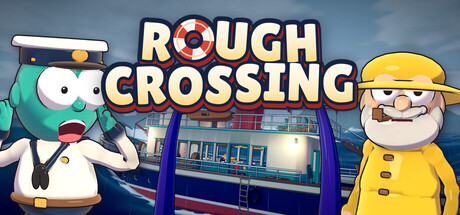 ROUGH CROSSING In-game content artaudiotext | AI-assisted scripting was used to create visual and audio assets. AI tools also assisted with text and localization. No generative AI is used during gameplay. | Summer | - | Oct 6, 2026 | |
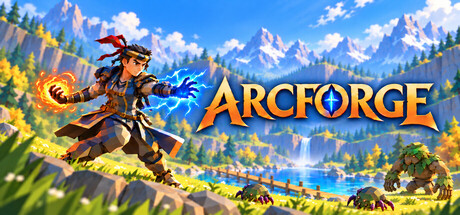 Arcforge In-game content artaudio | Some textures, images, and music tracks in Arcforge were created using generative AI. | SWKEY_GAMES | - | Oct 6, 2026 | |
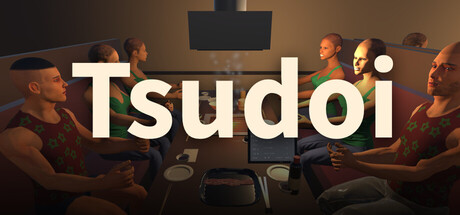 Tsudoi In-game content textcode | Some text in this game — the store page, in-game UI labels and menus, and the English translation — was drafted with the help of an AI assistant and then reviewed and edited by the developer. AI coding assistants were also used during development. All in-game art, 3D models, textures and sounds are hand-made, generated procedurally by the game's own code, or licensed third-party assets; none of them are AI-generated. No AI is used to generate content during gameplay. | TENZO | - | Oct 6, 2026 | |
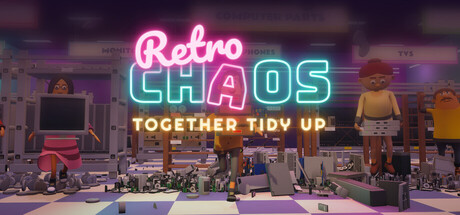 Retro Chaos: Together Tidy Up Unclear art | AI assistance used for some visuals | Smobu | - | Oct 6, 2026 | |
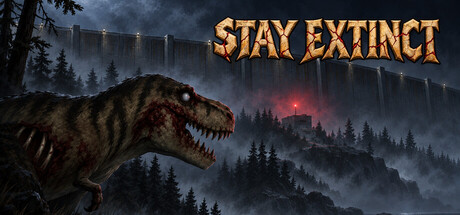 Stay Extinct In-game content artaudiotext | We use AI tools to make some of the game's art, sound, voices and writing. Every result was reviewed and edited before it went into the game.
- 3D models: most creature and character bodies (dinosaurs, Ice Age animals, wildlife, the infected, the customisable human bodies, hairstyles and hats) and some props and plants were generated with Tripo through Unity AI, from reference images made with OpenAI GPT Image. They were then cleaned up, rigged and fitted to the game's style.
- Textures: the dinosaur hides and the human characters' faces, skin, clothing and infection damage were painted with the help of GPT Image.
- Illustrations: the field guide's species plates were generated with GPT Image from renders of the in-game models.
- Sound: the calls of the mammoths, giant elk, ground sloths and sauropods were generated with Unity AI sound generation.
- Voices: the radio voices (the island broadcasts, the voice on the collection frequency and the facility's recorded messages) and the skipper's two lines in the opening scene are AI voices, made with ElevenLabs Eleven v4 text-to-speech from the game's own script. Face-to-face dialogue and the tapes are not voiced.
- Writing: in-game text (dialogue, records and descriptions) and this store page were drafted with AI writing assistance and edited by the developer.
- Store art: the capsule and library artwork and the logo were generated with GPT Image. They are illustrations, not screenshots. The screenshots, trailers and About clips are in-engine footage with licensed music and sound effects; any voices, herd calls, logo or artwork in the trailers are the AI content listed above.
Buildings, vehicles, weapons, most props, the music, most sound effects and all animation come from licensed asset packs (a few animation clips are adapted from them). The interface was built for the game. The game generates no AI content while you play. | windurex | - | Oct 6, 2026 | |
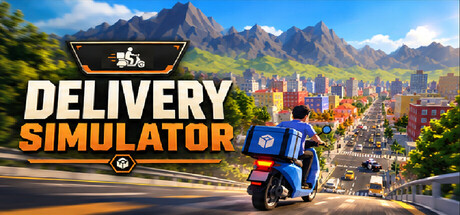 Delivery Simulator Unclear art | Asset, UI Creating. etc. | Kim Han Byeol | - | Oct 6, 2026 | |
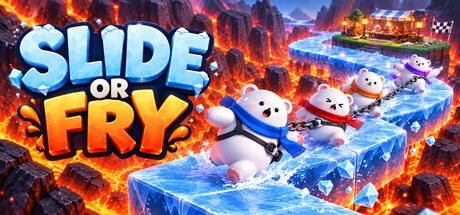 Slide or Fry In-game content artaudiotext | AI-assisted tools were used during development for selected artwork and audio, store page text, and localization. All content is included in the game or its promotional materials in a pre-generated form. No generative AI runs during gameplay, and the game does not connect to external AI services. | Ring Forge | - | Oct 6, 2026 | |
 Neonrise Dev only code | Every part of this game's concept, design, and features was created by humans. The ideas, the gameplay, the look and feel, and every decision about how it all fits together came from us.
For the programming itself, we use AI coding agents to help us write code. They speed up development and let us focus our time on what matters most: making the game fun to play. | Green Novice Games | - | Oct 6, 2026 | |
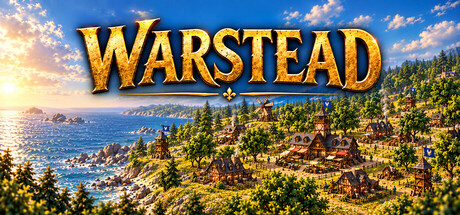 Warstead In-game content artaudio | Generative AI tools were used as part of the development of Warstead to support the creation of visual content, sound effects, and video content such as trailers, helping to speed up the development process. | Night Haven Interactive | - | Oct 6, 2026 | |
 Ranked Rock Paper Scissors In-game content art | AI tools were used during development to assist in creating and iterating on some pre-generated assets. These assets were subsequently selected, edited, integrated, and reviewed by the developers before inclusion in the game. The game does not generate AI content during gameplay. | zomgbab | - | Oct 6, 2026 | |
 TTRPG In-game content art | "Generative AI was used to create the game's cover art and the free scenario assets (such as character images). We plan to replace these art resources as soon as possible." | PUGO | - | Oct 6, 2026 | |
 White Christmas In-game content codearttext | AI-assisted coding and editor automation tools were used during development for workflow efficiency.
Most of the art was hand-made by me. The remaining art generated by AI tools like icons or textures will be swapped to human-made art in the near future.
AI translation tools were used to create localization drafts, that are being reviewed by speakers of the language. | Jele Studios | - | Oct 6, 2026 | |
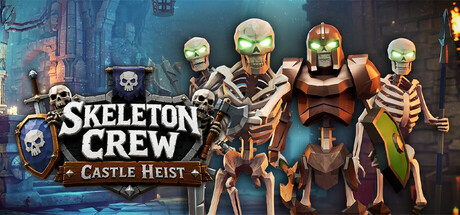 Skeleton Crew: Castle Heist In-game content textart | Generative AI tools were used during development to assist with the creation and editing of some text content and graphical materials used in the game and its related assets. | Courtney Keyes Studios | - | Oct 6, 2026 | |
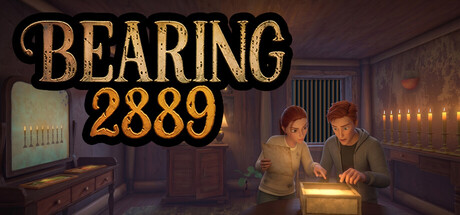 Bearing 2889 In-game content textart | The localization was generated with the help of AI, and artwork was based on game content but polished with AI. | Keycap Games LLC | - | Oct 6, 2026 | |
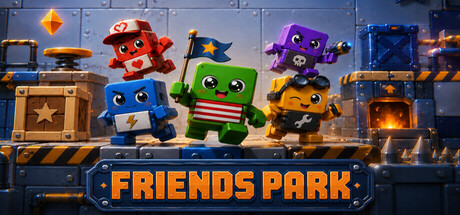 Friends Park In-game content arttext | Some visual assets were created with the help of generative AI and then edited by the developer. A few sprite animations (doors opening, the ghost, the dynamite fuse and explosion, the turret turning) were generated with PixelLab from our own hand-made sprites, and some store artwork was made with AI image tools. Parts of the in-game text were written with AI assistance and reviewed by the developer. The game does not generate any content with AI while you play. | Igoroja | - | Oct 6, 2026 | |
 Reactor 13 In-game content text | The English, Finnish and German texts on the store page and in the game are written by our team; all other languages are translated with AI. | Vaaran Game Studio | - | Oct 5, 2026 | |
 Anvilia In-game content arttext | Generative AI was used to assist with localization and to create some sprites included in this demo. We plan to replace these icons with original artwork for the full release. | DoubleLike | - | Oct 5, 2026 | |
 VPet Sort Together: Cozy Tidy Up Unclear art | AI Assitance used for some visual assets | Smobu | - | Oct 4, 2026 | |
 Wild Heroes: Fight Together Unclear art | AI assistance used for some visuals. | Smobu | - | Oct 4, 2026 | |
 Gacha Chaos Tidy Up Together Unclear art | Some arts generated with AI help. | Smobu | - | Oct 4, 2026 | |
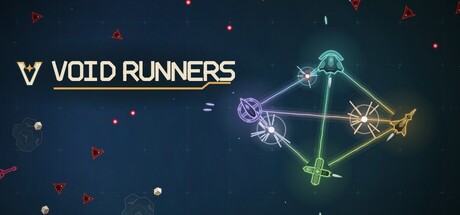 Void Runners In-game content artaudiocode | Void Runners was developed with the help of AI coding tools. The game's art, music and sound effects are generated procedurally by code written with those tools; no AI model runs in the game, and no content is generated live while you play. | Aaron Reisman | - | Oct 4, 2026 | |
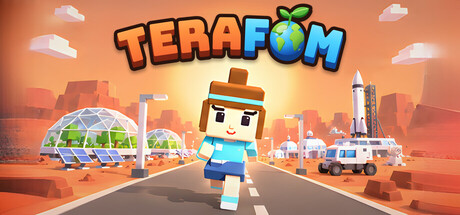 Terafom Live AI artaudiotext | Terafom was developed with the help of generative AI tools. Some of the artwork, 3D models, in-game text and translations, voice, music and sound effects were created with AI assistance and reviewed by the developer. During gameplay, the in-game AI helper character answers players' questions about the game using third-party AI services (Google Gemini, DeepSeek, OpenAI), and its answers are spoken with an AI-generated voice. | WITHCENTER | - | Oct 4, 2026 | |
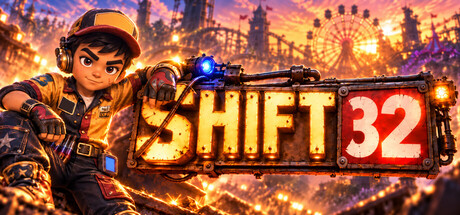 Shift32 In-game content art | Shift32 is being developed by a solo developer. Generative AI tools were used selectively during development to create and iterate on some in-game assets, including certain 3D models and textures, as well as some promotional and Steam store artwork. No generative AI is used during gameplay, and the game does not connect to external AI services while running. | Raushan Duisenova | - | Oct 4, 2026 | |
 Lanternbound Dev only art | Generative AI is used for prototyping and placeholders. Real paid human artwork is important and any remaining AI elements at release are accidental. | Espersen Software | - | Oct 4, 2026 | |
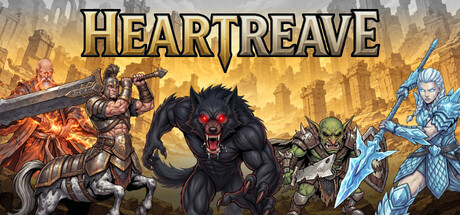 Heartreave In-game content artcode | AI was used as a support tool during development (code assistance and initial image generation). All artwork was individually reworked by hand, and no content is generated live during gameplay. | Ebon Anvil | - | Oct 4, 2026 | |
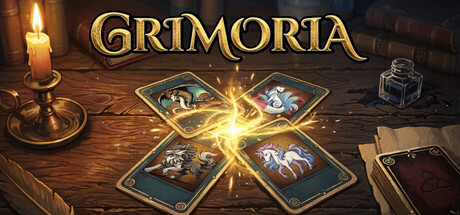 Grimoria - Online Card Game In-game content arttext | Some game assets were created using AI generative tools. AI-generated visual assets were subsequently painted over, edited, and composited manually by the developer in Photoshop/Photopea. AI was also used to assist with localized text translations. | EmberVeil Games | - | Oct 4, 2026 | |
 Nonet Concerto R In-game content art | Some item icons and background models use assets generated with generative AI. | PhotonSystem | - | Oct 4, 2026 | |
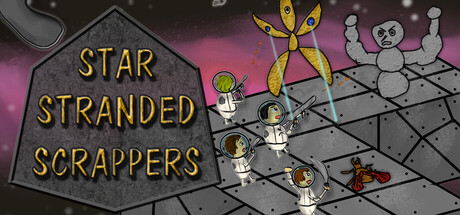 Star Stranded Scrappers In-game content art | Some assets in Star Stranded Scrappers were created with the help of AI tools. Each one is carefully tailored to match my vision for the game. | Martilo Games | - | Oct 4, 2026 | |
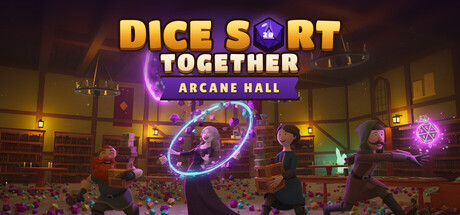 Dice Sort Together: Arcane Hall In-game content text | AI helped with grammatical corrections for in-game text, which were then carefully reviewed and adjusted by hand
Some store visuals modified with AI assistance | Smobu | - | Oct 4, 2026 | |
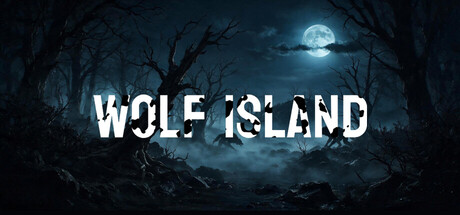 Wolf Island In-game content art | Generative AI was used to create assets such as items and structures. | 30.2% | - | Oct 4, 2026 | |
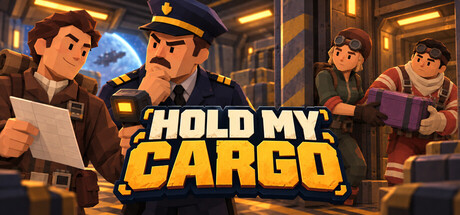 Hold My Cargo In-game content arttextcode | Hold My Cargo is made by a three-person team at Favera Studio. Like many small studios, we use AI-assisted tools as part of our production pipeline — for exploring concepts and marketing artwork, speeding up parts of 3D asset, animation and texture work, drafting text and running automated testing. Every asset, animation and line of text that ships in the game is directed, reviewed, edited and approved by the team; nothing goes in unseen. The game does not generate any content at runtime — there is no live AI in Hold My Cargo, and no player data is sent to AI services. | Favera Studio | - | Oct 4, 2026 | |
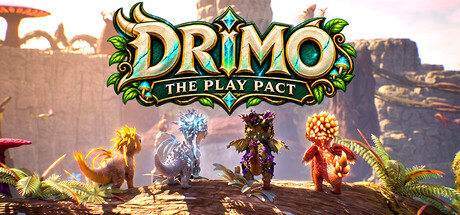 DRIMO: The Play Pact Store/marketing audioart | Marketing materials, audio. | DrimoStudios | - | Oct 4, 2026 | |
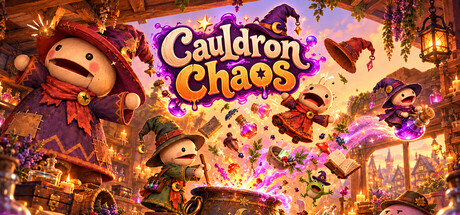 Cauldron Chaos Store/marketing art | Our logo and key art were created with the help of AI image generation tools and edited by us. All gameplay, 3D models, and audio were made by our team. | RavenMark Games | - | Oct 4, 2026 | |
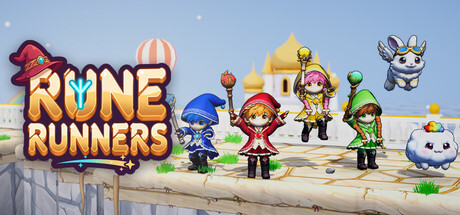 Rune Runners Store/marketing art | Generation of marketing materials and concept art was supported by generative AI. | Pierogi Games | - | Oct 3, 2026 | |
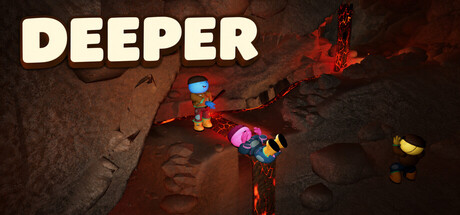 DEEPER Store/marketing art | Some game artwork and promotional images were created with generative AI. The game does not generate AI content during gameplay. | s4eyo | - | Oct 3, 2026 | |
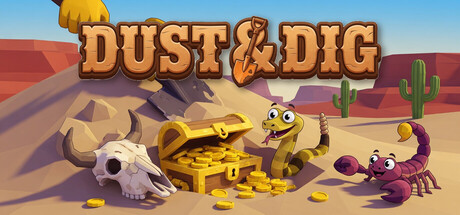 Dust & Dig In-game content artaudio | Some 3D models, item icons, textures and UI art, sound effects and music were made with generative AI tools | EEE Games | - | Oct 3, 2026 | |
 Amateur Football Together In-game content art | Created background and logo AI. | NOXE | - | Oct 3, 2026 | |
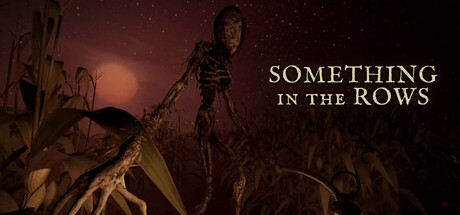 Something in the Rows In-game content art | Some 3D models in this game, with their textures, were generated with an AI 3D-modeling tool from our own designs and then rigged and edited for the game: the Harvester, the Halloway family, the two playable co-op characters, the scarecrows and the wax effigy. | Distorted Games Studio | - | Oct 3, 2026 | |
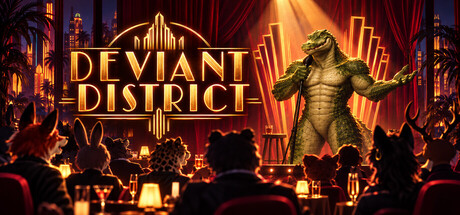 Deviant District In-game content art | This was created by a developer who used AI to assist with concept images, 3D model creation, and assets. Each piece was meticulously placed by an actual person. We're comedians, not professional artists. | Petrichor Creation Group | - | Oct 3, 2026 | |
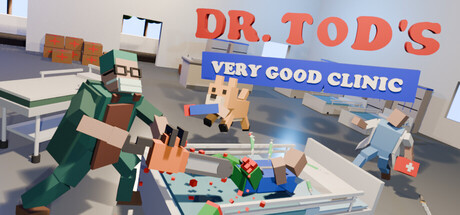 Dr. Tod's Very Good Clinic In-game content text | The in-game text was localised with the help of generative AI. | Natto Chicken | - | Oct 3, 2026 | |
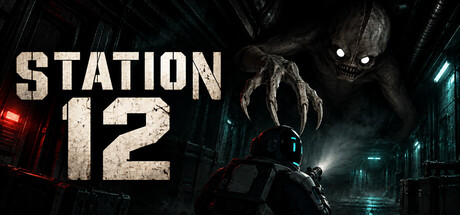 Station 12 In-game content art | Generative AI was used to help create some of the promotional artwork and marketing images displayed on Station 12’s Steam store page.
These images are promotional illustrations and are a good representation of the in-game visuals. | John Kircher | - | Oct 3, 2026 | |
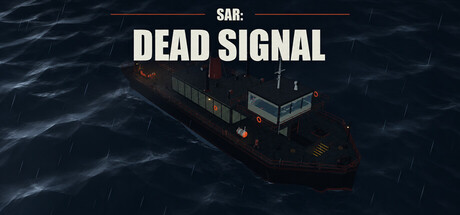 SAR: DEAD SIGNAL In-game content audioart | Generative AI tools assisted with some audio assets and promotional artwork during development. The game does not generate AI content during gameplay. | PlayPartyGames | - | Oct 3, 2026 | |
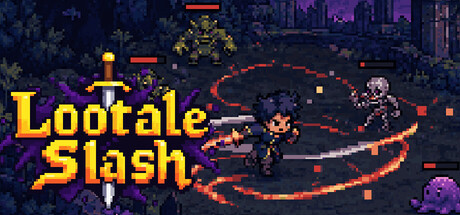 Lootale Slash In-game content artcodetext | Generative AI tools were used as development assistants for selected visual assets, code, and localization drafts. All AI-assisted outputs were reviewed, edited, adapted, and integrated by the development team. The final creative direction, game design, implementation, and quality control were handled by humans. No content is generated by AI during gameplay. | Pesselp LTDA | - | Oct 3, 2026 | |
 Hotpot Party In-game content artaudio | Generative AI helped create some artwork, UI icons, audio assets and store graphics during development. Store graphics use our original cat designs as references. No content is generated during play, and the game does not connect to an AI service. | Nuclear Kitty Games | - | Oct 3, 2026 | |
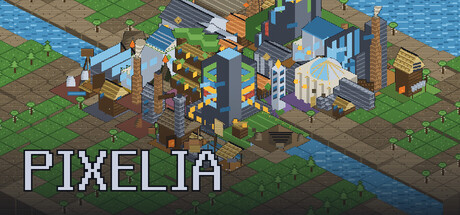 Pixelia Unclear | This game used AI to make it possible to be developed by one person in reasonable time, with the hope that more people will join later to replace the AI part. | Eduardo Morais | - | Oct 3, 2026 | |
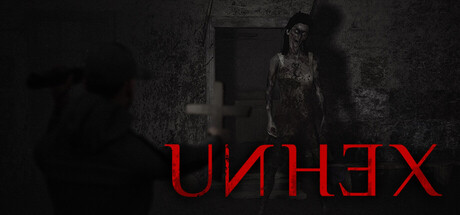 Unhex In-game content audioart | Some assets (voiceovers, wall paintings, icons) are currently generated using AI and are planned to be replaced with artist-created assets in future updates. | Major Dog Games | - | Oct 3, 2026 | |
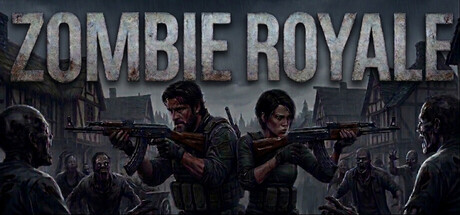 Zombie Royale In-game content artaudio | AI tools were used to generate the models for the Players, Zombies and Cyborgs used in this game. AI was also used to generate the images used in the introduction video as well as the voice-over for that video. | Perihelion-Software | - | Oct 3, 2026 | |
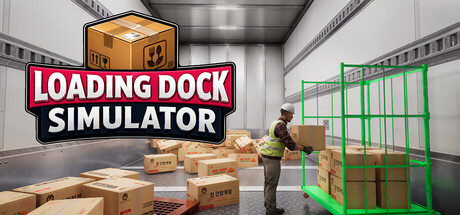 Loading Dock Simulator In-game content art | This game utilizes generative AI tools to assist in creating certain in-game assets. Specifically, AI was used to generate initial drafts for box trademark textures, warehouse prop assets, and some UI resources. All generated assets were manually reviewed and modified by our development team to ensure they do not infringe upon any third-party copyrights before being implemented into the final game | BlueGroundStudio | - | Oct 2, 2026 | |
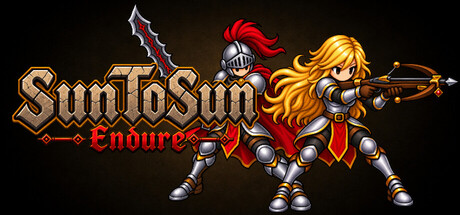 Sun To Sun: Endure In-game content artaudiotext | Some of the game's artwork was created from the developer's own sketches and refined using AI image tools. Some sound effects were produced with the help of AI audio tools. The in-game text was translated into the supported languages with the help of AI tools. All content is reviewed and approved by the developer before release. | Titan L.E.M.A.R Studios | - | Oct 1, 2026 | |
 STOP THE VAN! Store/marketing art | Background and Logo Created AI. | NOXP | - | Oct 1, 2026 |


