Public Steam disclosure research25,376 disclosures tracked
Where do games disclose AI use?
Search developers’ Steam disclosures, compare classified AI use across
games, and follow recorded changes.
This index adds cross-game classifications and statistics to
statements published on individual store pages.
Groups reflect automatic analysis of public disclosures; mature records are excluded. These counts do not measure AI use across all of Steam.
Missing or unclear statements cannot establish whether a game uses AI.
I'm a solo developer, not an artist or musician. So I used AI to help create some of the artwork and music for this game. Everything else (code, game system, UI design, mission design, story planning, and overall creative direction) is entirely my own work. I also reused some hand-drawn pixel art from my previous game, created entirely without AI. If you prefer games made without generative AI, please check out my previous release. It's entirely human-made, with deeper mechanics and more systems to explore!
Generative AI was used to assist in creating some store promotional images with manual post-compositing. Generative AI was also used to produce part of the 2D assets within the game, and to assist with translation and localization for portions of the game text. All AI-assisted content has been reviewed, edited and refined by our development team.
This game contains content created with the assistance of AI tools. AI was used during development to assist with programming, visual assets, and other creative elements. All generated content was reviewed, edited, and integrated by the dev.
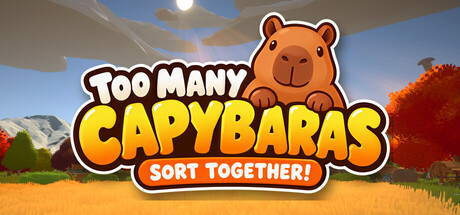
This game was made by a two-person team: a developer and a designer/artist. AI tools were used only as an aid during development. An AI 3D generator provided rough starting shapes for the capybara figurines, which the team then remodeled, textured and set up in the game engine. level design, gameplay, art direction, UI and text was designed and made by the team. The game does not generate any AI content while you play.
Some backgrounds, item artwork, character portraits, vehicles, icons, and store artwork were created using generative AI during development. These assets are pre-generated. The game does not generate AI content or connect to external AI services during gameplay.
Levels, game design, boss patterns and story are entirely hand-made in a custom level editor built by the developer. The game code is written with AI coding assistants under the developer's direction. Character and environment sprites started as AI-generated sprite sheets and were hand-retouched frame by frame. Music is created with Suno. Most sound effects are synthesized procedurally by code written with an AI coding assistant, then selected and tuned by the developer; a few come from CC0 and royalty-free libraries (Kenney, OpenGameArt, Mixkit). No AI runs at play time.
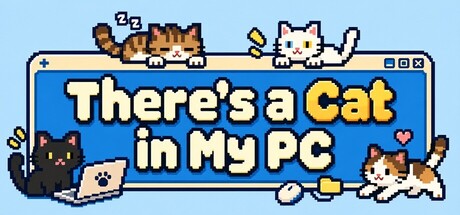
This game's cat characters are based on art assets we created, expanded with generative AI into a variety of patterns and colors. Generative AI image tools were also used at the concept stage for the store page's capsule images and icons.
Players can also optionally register their own free Google API key to chat with their cats or check today's fortune. This feature connects live to Google's Gemini API while the game is running to generate responses; the rest of the game can be enjoyed the same way without registering a key.
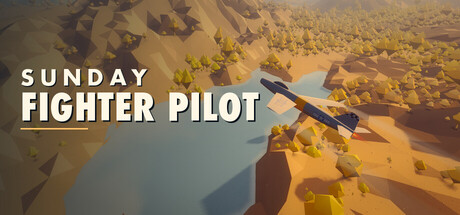
Sunday Pilot contains no AI-generated art, music, voice or in-game text.
Every visual in the game is rendered in real time from geometry and materials authored by hand in code — there are no image assets. Every sound is synthesized by the game while you play, from a physical model of the engine; no audio files ship with the game. All car data and track layouts are hand-authored.
The store page capsule art and screenshots are rendered by the game itself, using the same renderer that draws the game — they are not concept art, not painted, and not AI-generated.
The game description and other store page text were written with the assistance of an AI writing assistant, and portions of the game's source code were written with the assistance of an AI coding assistant. All of it was reviewed and edited by the developer.
The game does not use generative AI at runtime. Nothing is generated while you play, there is no network connection of any kind, and the game is fully playable offline.
Generative AI was used during development to create image assets, including characters, environments, items and titles, and to create background music. Selected images were adapted into the game's pixel-art assets. AI and machine translation were also used when preparing localized text. These assets are prepared in advance; the game does not generate images, music or text with AI during play.
Generative AI was used to create some store page images, in-game images, and concept art for certain 3D models. All generated content was reviewed and edited by the development team.
Some of this game's pixel art was generated with AI tools (PixelLab) and then edited by hand — the boats, the fauna, the bosses and the hats. The backgrounds come from licensed art packs by human artists, credited in the game's Credits screen. All audio is from human-made sound packs, also credited. No AI runs while you play: everything was generated ahead of time.
Generative AI was used for part of this game's content production (background art, music, and text), as well as for part of this store page's text (description and translation).
The four cat-origin character portraits were created with generative AI during development. Pack and card artwork is contributed by creators and may also include AI-created images; the creation method of some contributed artwork, including the initial BLEP pack, has not been independently verified. The game does not generate artwork during play or connect to an AI generation service during gameplay. Players can report creator content in the game for operator review and removal.
Some of the programming made use of AI tools to assist with identifying bugs.
ALL visual assets in this game are 100% HUMAN MADE, from the ground up. All sound effects and music are also 100% made by me, with NO AI. All in-game imagery is entirely human made. The store page graphics and text description are also 100% human made with no AI.
Generative AI tools were used during development to assist with visual assets, music and programming. Generated outputs were reviewed, edited and integrated by the developer to fit the game’s design and creative direction.
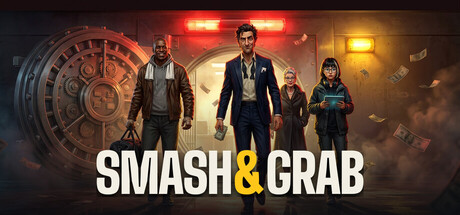
SMASH & GRAB uses generative AI for pre-generated content that is reviewed and edited by the team before it ships. Card portraits and their collectible variants, the rival figures and props, the key art, and the store capsules were produced with image and 3D generation tools (Meshy, OpenArt) from our own prompts and references. Voice lines use synthetic voices from ElevenLabs; no real person's voice was cloned. The music beds were generated with ElevenLabs, and the store trailer was assembled from AI-generated clips (Kling via OpenArt). Card names, bios, and other in-game text were drafted with a large language model and edited by the team. Nothing is generated while you play: the game does not create content live.
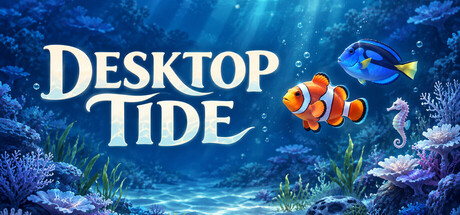
Generative AI was used to assist in creating artwork for marine creatures, plants, decorations, underwater environments, and Steam store and marketing images, as well as portions of descriptive text. This content is pre-generated and included as fixed assets or text. The game does not generate content during play and does not connect to external AI services.
Generative AI was used during development to assist with the creation of some visual assets, as well as marketing materials. AI-generated assets were reviewed, edited, and integrated by the developer as part of the game's overall art direction. Generative AI is not used to generate content or code during gameplay.
Generative AI was used during development to help create some of the game's 3D models, music, sound effects, and program code, as well as to draft or revise portions of the in-game text and translate in-game text into English.
The store page also includes image assets created using generative AI. Generative AI was also used to help write the store description and translate it into English.
We use artificial intelligence solely as a supporting tool.
Artificial intelligence was used for grammar corrections in in-game text and the preparation of store visuals.
Some of the promotional and storefront images were created with AI tools and then refined by hand. All of the in-game assets were designed by a 3D artist.
"The game uses artificial intelligence generation tools to create pre-rendered 2D content, specifically the game's logo and graphic elements for the store page."
This game contains content created with the assistance of AI tools. AI was used during development to assist with programming, visual assets, and other creative elements. All generated content was reviewed, edited, and integrated by the dev.
Artificial intelligence was used as a productivity tool during the development phase to program the mathematical balance, optimize the interface code, and structure the underlying data tables. The entire final gameplay, design, and logic were controlled by humans. The game does not contain any live AI content generated during gameplay.
FishyFox includes pre-generated visual assets created with the assistance of generative AI tools. These assets were selected, edited, refined, composited, and integrated by the developer. No content is generated by AI while the game is running.
We use generative AI across all disciplines of game development most often with heavy amounts of human editing. That involves audio and visual art, our logo, and localization. We use it as a productivity tool so we can achieve a higher level of quality, faster, than we would have been able to.
Trading-card illustrations and promotional artwork were created with generative AI. Trailer music and sound effects were also generated with AI. All assets are pre-generated; no AI content is generated during gameplay, and the game does not connect to an AI service.
We want to be transparent about our use of AI.
AI was used only as a supporting tool for selected textures and sounds. Due to our limited budget, it helped us create visual assets that would otherwise have been difficult to produce within our resources.
We deeply respect the work of real artists. The game’s concept, creative direction, design, and programming were created entirely by humans. AI was used only as a supplementary tool in a limited part of the audio/visual production process.
Generative AI was used to create cover textures for the game's fictional movies, games and VHS tapes, as well as some movie posters and video content. As a solo indie developer, I used these tools to make a cover library of this scale feasible.
All fish models are fully human made in blender.
Generative AI tools were used during development to create logic and some visual assets. These assets are included with the game as pre-generated content.
The game does not use live generative AI during gameplay. Fish breeding combines existing parent textures locally through procedural image processing; it does not use an AI model or an external AI service.
Some of the images on our store page were created by artificial intelligence and edits were made on the images. and some images in the game were made by artificial intelligence.
I'm a solo developer, not an artist or musician. So I used AI to help create some of the artwork and music for this game. Everything else (code, game system, UI design, mission design, story planning, and overall creative direction) is entirely my own work. I also reused some hand-drawn pixel art from my previous game, created entirely without AI. If you prefer games made without generative AI, please check out my previous release. It's entirely human-made, with deeper mechanics and more systems to explore!
Generative AI was used to assist in creating some store promotional images with manual post-compositing. Generative AI was also used to produce part of the 2D assets within the game, and to assist with translation and localization for portions of the game text. All AI-assisted content has been reviewed, edited and refined by our development team.
This game contains content created with the assistance of AI tools. AI was used during development to assist with programming, visual assets, and other creative elements. All generated content was reviewed, edited, and integrated by the dev.
This game was made by a two-person team: a developer and a designer/artist. AI tools were used only as an aid during development. An AI 3D generator provided rough starting shapes for the capybara figurines, which the team then remodeled, textured and set up in the game engine. level design, gameplay, art direction, UI and text was designed and made by the team. The game does not generate any AI content while you play.
Some backgrounds, item artwork, character portraits, vehicles, icons, and store artwork were created using generative AI during development. These assets are pre-generated. The game does not generate AI content or connect to external AI services during gameplay.
Levels, game design, boss patterns and story are entirely hand-made in a custom level editor built by the developer. The game code is written with AI coding assistants under the developer's direction. Character and environment sprites started as AI-generated sprite sheets and were hand-retouched frame by frame. Music is created with Suno. Most sound effects are synthesized procedurally by code written with an AI coding assistant, then selected and tuned by the developer; a few come from CC0 and royalty-free libraries (Kenney, OpenGameArt, Mixkit). No AI runs at play time.
This game's cat characters are based on art assets we created, expanded with generative AI into a variety of patterns and colors. Generative AI image tools were also used at the concept stage for the store page's capsule images and icons.
Players can also optionally register their own free Google API key to chat with their cats or check today's fortune. This feature connects live to Google's Gemini API while the game is running to generate responses; the rest of the game can be enjoyed the same way without registering a key.
Sunday Pilot contains no AI-generated art, music, voice or in-game text.
Every visual in the game is rendered in real time from geometry and materials authored by hand in code — there are no image assets. Every sound is synthesized by the game while you play, from a physical model of the engine; no audio files ship with the game. All car data and track layouts are hand-authored.
The store page capsule art and screenshots are rendered by the game itself, using the same renderer that draws the game — they are not concept art, not painted, and not AI-generated.
The game description and other store page text were written with the assistance of an AI writing assistant, and portions of the game's source code were written with the assistance of an AI coding assistant. All of it was reviewed and edited by the developer.
The game does not use generative AI at runtime. Nothing is generated while you play, there is no network connection of any kind, and the game is fully playable offline.
Generative AI was used during development to create image assets, including characters, environments, items and titles, and to create background music. Selected images were adapted into the game's pixel-art assets. AI and machine translation were also used when preparing localized text. These assets are prepared in advance; the game does not generate images, music or text with AI during play.
Generative AI was used to create some store page images, in-game images, and concept art for certain 3D models. All generated content was reviewed and edited by the development team.
Some of this game's pixel art was generated with AI tools (PixelLab) and then edited by hand — the boats, the fauna, the bosses and the hats. The backgrounds come from licensed art packs by human artists, credited in the game's Credits screen. All audio is from human-made sound packs, also credited. No AI runs while you play: everything was generated ahead of time.
Generative AI was used for part of this game's content production (background art, music, and text), as well as for part of this store page's text (description and translation).
The four cat-origin character portraits were created with generative AI during development. Pack and card artwork is contributed by creators and may also include AI-created images; the creation method of some contributed artwork, including the initial BLEP pack, has not been independently verified. The game does not generate artwork during play or connect to an AI generation service during gameplay. Players can report creator content in the game for operator review and removal.
Some of the programming made use of AI tools to assist with identifying bugs.
ALL visual assets in this game are 100% HUMAN MADE, from the ground up. All sound effects and music are also 100% made by me, with NO AI. All in-game imagery is entirely human made. The store page graphics and text description are also 100% human made with no AI.
Generative AI tools were used during development to assist with visual assets, music and programming. Generated outputs were reviewed, edited and integrated by the developer to fit the game’s design and creative direction.
SMASH & GRAB uses generative AI for pre-generated content that is reviewed and edited by the team before it ships. Card portraits and their collectible variants, the rival figures and props, the key art, and the store capsules were produced with image and 3D generation tools (Meshy, OpenArt) from our own prompts and references. Voice lines use synthetic voices from ElevenLabs; no real person's voice was cloned. The music beds were generated with ElevenLabs, and the store trailer was assembled from AI-generated clips (Kling via OpenArt). Card names, bios, and other in-game text were drafted with a large language model and edited by the team. Nothing is generated while you play: the game does not create content live.
Generative AI was used to assist in creating artwork for marine creatures, plants, decorations, underwater environments, and Steam store and marketing images, as well as portions of descriptive text. This content is pre-generated and included as fixed assets or text. The game does not generate content during play and does not connect to external AI services.
Generative AI was used during development to assist with the creation of some visual assets, as well as marketing materials. AI-generated assets were reviewed, edited, and integrated by the developer as part of the game's overall art direction. Generative AI is not used to generate content or code during gameplay.
Generative AI was used during development to help create some of the game's 3D models, music, sound effects, and program code, as well as to draft or revise portions of the in-game text and translate in-game text into English.
The store page also includes image assets created using generative AI. Generative AI was also used to help write the store description and translate it into English.
We use artificial intelligence solely as a supporting tool.
Artificial intelligence was used for grammar corrections in in-game text and the preparation of store visuals.
Some of the promotional and storefront images were created with AI tools and then refined by hand. All of the in-game assets were designed by a 3D artist.
"The game uses artificial intelligence generation tools to create pre-rendered 2D content, specifically the game's logo and graphic elements for the store page."
This game contains content created with the assistance of AI tools. AI was used during development to assist with programming, visual assets, and other creative elements. All generated content was reviewed, edited, and integrated by the dev.
Artificial intelligence was used as a productivity tool during the development phase to program the mathematical balance, optimize the interface code, and structure the underlying data tables. The entire final gameplay, design, and logic were controlled by humans. The game does not contain any live AI content generated during gameplay.
FishyFox includes pre-generated visual assets created with the assistance of generative AI tools. These assets were selected, edited, refined, composited, and integrated by the developer. No content is generated by AI while the game is running.
We use generative AI across all disciplines of game development most often with heavy amounts of human editing. That involves audio and visual art, our logo, and localization. We use it as a productivity tool so we can achieve a higher level of quality, faster, than we would have been able to.
Trading-card illustrations and promotional artwork were created with generative AI. Trailer music and sound effects were also generated with AI. All assets are pre-generated; no AI content is generated during gameplay, and the game does not connect to an AI service.
We want to be transparent about our use of AI.
AI was used only as a supporting tool for selected textures and sounds. Due to our limited budget, it helped us create visual assets that would otherwise have been difficult to produce within our resources.
We deeply respect the work of real artists. The game’s concept, creative direction, design, and programming were created entirely by humans. AI was used only as a supplementary tool in a limited part of the audio/visual production process.
Generative AI was used to create cover textures for the game's fictional movies, games and VHS tapes, as well as some movie posters and video content. As a solo indie developer, I used these tools to make a cover library of this scale feasible.
All fish models are fully human made in blender.
Generative AI tools were used during development to create logic and some visual assets. These assets are included with the game as pre-generated content.
The game does not use live generative AI during gameplay. Fish breeding combines existing parent textures locally through procedural image processing; it does not use an AI model or an external AI service.
Some of the images on our store page were created by artificial intelligence and edits were made on the images. and some images in the game were made by artificial intelligence.