Public Steam disclosure research25,376 disclosures tracked
Where do games disclose AI use?
Search developers’ Steam disclosures, compare classified AI use across
games, and follow recorded changes.
This index adds cross-game classifications and statistics to
statements published on individual store pages.
Groups reflect automatic analysis of public disclosures; mature records are excluded. These counts do not measure AI use across all of Steam.
Missing or unclear statements cannot establish whether a game uses AI.
The character, hat, background and icon artwork in the game, and the artwork on this store page, were created with AI image generation and then selected, cut out and adjusted by the developer. In-game text and translations were written with the help of AI tools. Nothing is generated by AI while you play.
Pre-generated content: Many 3D models and textures used in the game, including cakes, fruit, items, tools, and environmental/shop assets, were generated using Meshy AI and then edited and integrated by the developer. Generative AI was also used to assist in drafting some store-page text, which was reviewed and edited by the developer. No generative AI is used at runtime. No AI-generated voice or music is used.
Generative AI tools were used during development to assist with some art assets, written content and localization, as well as store and marketing materials. This includes character portraits, cat and scene illustrations, selected textures and UI illustrations, store capsule artwork and promotional illustrations. These materials are generated, selected and integrated as fixed assets before release. The game does not use generative AI during play or generate dialogue, images or audio in real time.
We are a team of 3 developers and everything you see in the game including 3D models, textures, and environments were crafted entirely by human hands. We used Generative AI for store capsule images, translations, and the soundtrack.
This game was made using generative AI. Generative AI was used for card illustrations, backgrounds, character videos, music, the story and other text, translations, and promotional materials such as the store page and trailer. All of this content was created in advance; no content is generated by AI during gameplay.
The game's code, in-game text (item names, objectives, story) and synthesized sound effects were created with the help of an AI coding assistant and reviewed by the developer. Store and library art is composed from in-game screenshots. 3D models, textures, music and recorded sound effects are human-made CC0 assets (Kenney, Poly Haven, OpenGameArt).
Generative AI was used only as a supporting tool, for language translation and for UI support. Only one in-game object was created with AI: the statue in the middle of the shop. Everything else was produced by our team.
Generative AI was used during development to help create visual assets, including textures and 3D models, as well as music, in-game text, including fictional film titles and catalog descriptions, and translations. AI tools were also used to create store and promotional artwork. All such content was created in advance. The game does not generate AI content during gameplay or connect to external AI services.
Used Ai to generate a NPC of my daughter Princess Octavia, Also used it to implement bought assets from epic store. Used to generate capsules for steam page.
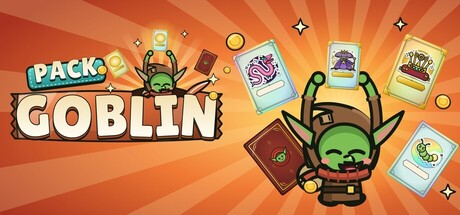
I used AI tools to turn my sketches into clean vector (SVG) art: the goblin, the cards, the decorations, the logo and the store images.
The text of this store page was written with AI help, from my own notes and my own story, and edited by me.
The game does not create any AI content while you play: everything you see was made before release.
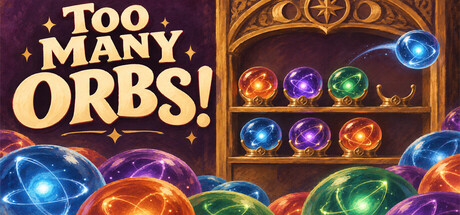
various visual assets and materials for Too Many Orbs! were created with the assistance of generative AI tools.
All AI-generated content was reviewed, refined, and integrated by the developer to ensure consistency with the game's artistic direction and quality standards.
This game contains content created with the assistance of AI tools. AI was used during development to assist with programming, visual assets, and other creative elements. All generated content was reviewed, edited, and integrated by the dev.
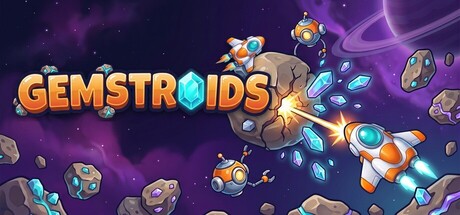
Gemstroids is a solo project, designed and directed by the developer. Art, music, sound effects, the in-game and store page texts and all translations were made with AI tools, then selected, edited and brought into one style by the developer.
Generative AI was used to create some artwork and UI assets, summoning animation videos, and background music. Details of the tools used are listed under Settings > Credits in the game.
During gameplay, AI running on your PC uses the true name and essence you enter to generate Textus data, including abilities and moves, as well as artwork.
Generated results may vary. Depending on the outcome of the safety check, a placeholder explaining why the artwork is unavailable may appear instead of the generated image. The Textus's abilities and moves remain usable.
Some 2D pixel-art sprites and illustrations (fortune-game icons, items and backgrounds) were created with the help of AI image tools (PixelLab) and then edited and curated by our developer. All game text, fortune logic, code, sound and the cat character animations are made by the developer or licensed (CC0/OFL).
Nuclear Kitty Games is a human-led studio whose team brings 15 years of professional game-development experience. We use AI and large language models (LLMs) to support development and content creation, improve our workflows and speed up iteration. Our developers direct the design and development of every game, and review and integrate the final content. We are game makers and players who care about the games we create.
Some content included in this game and its promotional materials was created with generative AI assistance. No content is AI-generated during gameplay.
The game's 2D illustrations (rocks, gems, tools, icons and logo) were generated with AI image tools, then cleaned up and edited by the developer. Cracks, rarity effects, particles and animations are made in code. The translations were produced with the help of AI. The store page capsules, screenshots and trailer are built from these same in-game sprites. No content is generated by AI while the game is running.
Generative AI tools may be used to assist with text localization/translation and to support sound effects or background audio production during development. No AI-generated visual assets, 3D models, or artwork are used in the final build of the game.
3D models were made with Meshy and the radio and trailer music with ElevenLabs, all then selected and edited by the developer. Code was written with AI assistance. Nothing is generated while you play.
The key art and logo began as an AI-generated base image, which we then reworked and finished by hand in Photoshop. The narration in the trailers is a synthetic voice made with a text-to-speech model. Nothing inside the game is AI-generated: every critter, the world, the device, the music and the sound are drawn and composed by the game's own code.
This game did use generative AI during its development. This was more of a fun side project while working on the main project (Ducki's Descent, which doesn't use AI), tinkering around with AI since my fiancé likes this genre of games, so since it uses AI its free.
This game includes pre-generated AI-assisted visual and audio assets, including gemstone, tool, environment, achievement, and promotional artwork, background music, and sound effects, as well as AI-assisted localization drafts. All included content was generated before release and was selected, edited, composited, mixed, and reviewed by the developer. The game does not generate content with AI during gameplay and does not connect to a generative AI service.
Generative AI was used during development to create some visual assets, including the title artwork and app icon. AI tools also assisted with some 3D models, in-game text, localization, and sound effects. The game does not use generative AI services to create content during play.
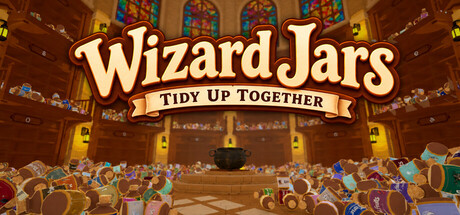
As a solo developer, I used generative AI to help create the game’s 440 different jar labels and localization content. Every label was individually reviewed by me and edited where necessary.
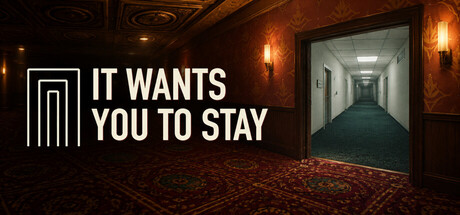
It Wants You To Stay was developed using generative AI tools, including Claude Code, OpenAI Codex, Meta Muse, Meshy, Scenario, Eleven Labs, Suno AI, ChatGPT, and Seedance. AI was used to create code, many of the 3D models, sound effects, music, and videos. The game also includes free-to-use, human-made 3D models, with credit given to their authors.
I understand that some players feel strongly about AI in games, and I respect that. If you prefer not to support games made using AI, this title may not be for you. I’m sharing this openly so you can make an informed choice before buying.
If you choose to play, I hope you’ll judge the experience it delivers—its atmosphere, gameplay, performance, and value. Honest feedback, including negative reviews, is welcome. I take responsibility for the game’s quality and will use that feedback to help improve it.
Generative AI assisted with pre-generated branding, Steam capsule and library artwork, store descriptions and translations. No content is generated by AI during gameplay.
I'm a solo developer and not experienced with 3D art, so I used AI tools for parts of this game: some sound effects were generated with an AI audio tool, the logo and key art (also used for the store artwork and icons) were created with an AI image generator, and about half of the item artwork was made with AI-assisted tools and then reworked. Item names and descriptions and the store page text were written with the help of AI tools and reviewed by me; the translations were also created with the help of AI tools. With support from others, I would like to gradually replace the AI-assisted item artwork with assets made by people.
Sound effects and music were created with AI audio tools (ElevenLabs) and selected and edited by the developer. Parts of the in-game text, villager dialogue and translations were written with the help of AI and reviewed by the developer. AI coding assistants were used during development, including scripts that build the game's 3D models. No AI generates content while you play.
Generative AI was used during development to create in-game collectible cover artwork, as well as store and marketing artwork and text. These assets are prepared in advance. The game does not generate AI content during gameplay or connect to a live AI service.
Some artwork used in the Steam store capsules and the game's Steam Library background image was created with the assistance of generative AI and subsequently edited and refined by the development team. The game logo and initial design concepts were created without the use of generative AI.
This game uses AI as a development aid. The English and Chinese translations (in-game and on the store page) were produced with AI. Some of the in-game music, sound effects and art are generated by programs written with the help of AI. No content is generated by AI during play.
AI has been used for some of the games code. Certain game assets were created via code, however no AI generated images/textures are present in the game.
Generative AI assisted in creating some artwork, dialogue, descriptions, and translations during development. No AI content is generated during gameplay.
Some assets in this game were created with generative AI during development: 3D models of characters and props (including some of their animations), and images such as textures and illustrations. All of them were selected and adjusted by the developers before being used in the game. No content is generated by AI while the game is running.
This game contains content created with the assistance of AI tools. AI was used during development to assist with programming, visual assets, and other creative elements. All generated content was reviewed, edited, and integrated by the dev.
The character, hat, background and icon artwork in the game, and the artwork on this store page, were created with AI image generation and then selected, cut out and adjusted by the developer. In-game text and translations were written with the help of AI tools. Nothing is generated by AI while you play.
Pre-generated content: Many 3D models and textures used in the game, including cakes, fruit, items, tools, and environmental/shop assets, were generated using Meshy AI and then edited and integrated by the developer. Generative AI was also used to assist in drafting some store-page text, which was reviewed and edited by the developer. No generative AI is used at runtime. No AI-generated voice or music is used.
Generative AI tools were used during development to assist with some art assets, written content and localization, as well as store and marketing materials. This includes character portraits, cat and scene illustrations, selected textures and UI illustrations, store capsule artwork and promotional illustrations. These materials are generated, selected and integrated as fixed assets before release. The game does not use generative AI during play or generate dialogue, images or audio in real time.
We are a team of 3 developers and everything you see in the game including 3D models, textures, and environments were crafted entirely by human hands. We used Generative AI for store capsule images, translations, and the soundtrack.
This game was made using generative AI. Generative AI was used for card illustrations, backgrounds, character videos, music, the story and other text, translations, and promotional materials such as the store page and trailer. All of this content was created in advance; no content is generated by AI during gameplay.
The game's code, in-game text (item names, objectives, story) and synthesized sound effects were created with the help of an AI coding assistant and reviewed by the developer. Store and library art is composed from in-game screenshots. 3D models, textures, music and recorded sound effects are human-made CC0 assets (Kenney, Poly Haven, OpenGameArt).
Generative AI was used only as a supporting tool, for language translation and for UI support. Only one in-game object was created with AI: the statue in the middle of the shop. Everything else was produced by our team.
Generative AI was used during development to help create visual assets, including textures and 3D models, as well as music, in-game text, including fictional film titles and catalog descriptions, and translations. AI tools were also used to create store and promotional artwork. All such content was created in advance. The game does not generate AI content during gameplay or connect to external AI services.
Used Ai to generate a NPC of my daughter Princess Octavia, Also used it to implement bought assets from epic store. Used to generate capsules for steam page.
I used AI tools to turn my sketches into clean vector (SVG) art: the goblin, the cards, the decorations, the logo and the store images.
The text of this store page was written with AI help, from my own notes and my own story, and edited by me.
The game does not create any AI content while you play: everything you see was made before release.
various visual assets and materials for Too Many Orbs! were created with the assistance of generative AI tools.
All AI-generated content was reviewed, refined, and integrated by the developer to ensure consistency with the game's artistic direction and quality standards.
This game contains content created with the assistance of AI tools. AI was used during development to assist with programming, visual assets, and other creative elements. All generated content was reviewed, edited, and integrated by the dev.
Gemstroids is a solo project, designed and directed by the developer. Art, music, sound effects, the in-game and store page texts and all translations were made with AI tools, then selected, edited and brought into one style by the developer.
Generative AI was used to create some artwork and UI assets, summoning animation videos, and background music. Details of the tools used are listed under Settings > Credits in the game.
During gameplay, AI running on your PC uses the true name and essence you enter to generate Textus data, including abilities and moves, as well as artwork.
Generated results may vary. Depending on the outcome of the safety check, a placeholder explaining why the artwork is unavailable may appear instead of the generated image. The Textus's abilities and moves remain usable.
Some 2D pixel-art sprites and illustrations (fortune-game icons, items and backgrounds) were created with the help of AI image tools (PixelLab) and then edited and curated by our developer. All game text, fortune logic, code, sound and the cat character animations are made by the developer or licensed (CC0/OFL).
Nuclear Kitty Games is a human-led studio whose team brings 15 years of professional game-development experience. We use AI and large language models (LLMs) to support development and content creation, improve our workflows and speed up iteration. Our developers direct the design and development of every game, and review and integrate the final content. We are game makers and players who care about the games we create.
Some content included in this game and its promotional materials was created with generative AI assistance. No content is AI-generated during gameplay.
The game's 2D illustrations (rocks, gems, tools, icons and logo) were generated with AI image tools, then cleaned up and edited by the developer. Cracks, rarity effects, particles and animations are made in code. The translations were produced with the help of AI. The store page capsules, screenshots and trailer are built from these same in-game sprites. No content is generated by AI while the game is running.
Generative AI tools may be used to assist with text localization/translation and to support sound effects or background audio production during development. No AI-generated visual assets, 3D models, or artwork are used in the final build of the game.
3D models were made with Meshy and the radio and trailer music with ElevenLabs, all then selected and edited by the developer. Code was written with AI assistance. Nothing is generated while you play.
The key art and logo began as an AI-generated base image, which we then reworked and finished by hand in Photoshop. The narration in the trailers is a synthetic voice made with a text-to-speech model. Nothing inside the game is AI-generated: every critter, the world, the device, the music and the sound are drawn and composed by the game's own code.
This game did use generative AI during its development. This was more of a fun side project while working on the main project (Ducki's Descent, which doesn't use AI), tinkering around with AI since my fiancé likes this genre of games, so since it uses AI its free.
This game includes pre-generated AI-assisted visual and audio assets, including gemstone, tool, environment, achievement, and promotional artwork, background music, and sound effects, as well as AI-assisted localization drafts. All included content was generated before release and was selected, edited, composited, mixed, and reviewed by the developer. The game does not generate content with AI during gameplay and does not connect to a generative AI service.
Generative AI was used during development to create some visual assets, including the title artwork and app icon. AI tools also assisted with some 3D models, in-game text, localization, and sound effects. The game does not use generative AI services to create content during play.
As a solo developer, I used generative AI to help create the game’s 440 different jar labels and localization content. Every label was individually reviewed by me and edited where necessary.
It Wants You To Stay was developed using generative AI tools, including Claude Code, OpenAI Codex, Meta Muse, Meshy, Scenario, Eleven Labs, Suno AI, ChatGPT, and Seedance. AI was used to create code, many of the 3D models, sound effects, music, and videos. The game also includes free-to-use, human-made 3D models, with credit given to their authors.
I understand that some players feel strongly about AI in games, and I respect that. If you prefer not to support games made using AI, this title may not be for you. I’m sharing this openly so you can make an informed choice before buying.
If you choose to play, I hope you’ll judge the experience it delivers—its atmosphere, gameplay, performance, and value. Honest feedback, including negative reviews, is welcome. I take responsibility for the game’s quality and will use that feedback to help improve it.
Generative AI assisted with pre-generated branding, Steam capsule and library artwork, store descriptions and translations. No content is generated by AI during gameplay.
I'm a solo developer and not experienced with 3D art, so I used AI tools for parts of this game: some sound effects were generated with an AI audio tool, the logo and key art (also used for the store artwork and icons) were created with an AI image generator, and about half of the item artwork was made with AI-assisted tools and then reworked. Item names and descriptions and the store page text were written with the help of AI tools and reviewed by me; the translations were also created with the help of AI tools. With support from others, I would like to gradually replace the AI-assisted item artwork with assets made by people.
Sound effects and music were created with AI audio tools (ElevenLabs) and selected and edited by the developer. Parts of the in-game text, villager dialogue and translations were written with the help of AI and reviewed by the developer. AI coding assistants were used during development, including scripts that build the game's 3D models. No AI generates content while you play.
Generative AI was used during development to create in-game collectible cover artwork, as well as store and marketing artwork and text. These assets are prepared in advance. The game does not generate AI content during gameplay or connect to a live AI service.
Some artwork used in the Steam store capsules and the game's Steam Library background image was created with the assistance of generative AI and subsequently edited and refined by the development team. The game logo and initial design concepts were created without the use of generative AI.
This game uses AI as a development aid. The English and Chinese translations (in-game and on the store page) were produced with AI. Some of the in-game music, sound effects and art are generated by programs written with the help of AI. No content is generated by AI during play.
AI has been used for some of the games code. Certain game assets were created via code, however no AI generated images/textures are present in the game.
Generative AI assisted in creating some artwork, dialogue, descriptions, and translations during development. No AI content is generated during gameplay.
Some assets in this game were created with generative AI during development: 3D models of characters and props (including some of their animations), and images such as textures and illustrations. All of them were selected and adjusted by the developers before being used in the game. No content is generated by AI while the game is running.
This game contains content created with the assistance of AI tools. AI was used during development to assist with programming, visual assets, and other creative elements. All generated content was reviewed, edited, and integrated by the dev.