Public Steam disclosure research25,380 disclosures tracked
Where do games disclose AI use?
Search developers’ Steam disclosures, compare classified AI use across
games, and follow recorded changes.
This index adds cross-game classifications and statistics to
statements published on individual store pages.
Groups reflect automatic analysis of public disclosures; mature records are excluded. These counts do not measure AI use across all of Steam.
Missing or unclear statements cannot establish whether a game uses AI.
This game uses AI-assisted tools for selected art assets and animated content during development. All AI-assisted content has been reviewed and modified by the development team. The story, dialogue, and written content are fully created by the team, and the game does not include real-time AI interaction.
This game may use AI tools to help create some map and UI assets used inside the game, along with sound effects, since the small development team does not include a dedicated UI or sound designer. All content assisted by AI is reviewed and adjusted by the developer before being included in the game. No AI is used to generate content in real time during gameplay, and core visual art is created without AI. We are working to remove all AI visuals before the full release.
The development of The Rug Racket used generative AI tools to assist in creating some of the content included in the game, such as art assets, as well as in the creation of the game's store page and marketing materials. All AI-assisted content was reviewed by the development team prior to release.
Used AI to generate concept ideas and take care of tedious tasks to speed up preproduction.
All assets, including store images and thumbnails, are NOT AI generated.
Images provided to us by Patron supporters may or may not have been created using artificial intelligence.
To create realistic interrogation scenarios in this detective game, this game packages a local, offline LLM to serve as the brain of the NPC suspects. This allows the user to lead the investigation however they like. Generative AI was NOT used to create this game, but an LLM is featured as a main game mechanic in the form of freeform NPC conversation.
Generative AI was used during development to assist with selected fictional product labels, packaging textures, item icons, and visual reference materials.
Some in-game radio/music tracks may be created with generative AI tools. These tracks are selected, reviewed and integrated manually by the development team. No live AI generation is used during gameplay.
The game's 2D artwork (character portraits, scenes, backgrounds) and music were created with generative AI tools, then curated and edited by the developer. Parts of the game's code and narrative text were written with AI assistance, under human direction, review and rewriting. All AI-assisted content is pre-generated during development: nothing is generated by AI while you play.
This game includes some pre-generated artwork and sound effects created with the assistance of generative AI. These assets were reviewed, selected, and integrated by the developer during development. The game does not use live generative AI during gameplay.
The masterpieces featured in this game are real public-domain paintings, digitized from high-resolution scans. They are not AI-generated.
Generative AI was used only in the following areas: some artwork other than the masterpieces (UI, characters, backgrounds), some sound, and localization.
Some visual assets, promotional artwork, and store graphical assets were created or assisted using generative AI tools. All assets were reviewed, edited, and integrated into the game by the developer.
Some of this game's assets were produced with the help of generative AI during development: 2D art and illustrations, background music and sound effects, and machine-assisted translation of the in-game text into additional languages. All such assets were reviewed by the developer and are included as fixed content. No content is generated at runtime.
Some of this game's assets were created with the assistance of generative AI tools. Character, enemy, and background artwork was created using Stable Diffusion and then manually edited and retouched by the developer. Background music and the ending theme songs were generated using ACE-Step v1.5. All AI-assisted assets were reviewed and curated by the developer. No content is generated by AI during gameplay.
The developer used generative AI tools to assist in creating certain 2D environmental textures and concept artwork used during development. Additionally, AI voice generation software was used to synthesize specific voice lines for characters within the game. AI coding assistants were also utilized to aid in writing and optimizing standard gameplay scripts
Generative AI tools were used during development for photos and videos of characters, as well as for development support such as code suggestions and iteration.
All AI-assisted assets and code are fixed, reviewed, and integrated by the developer prior to release. The game does not use generative AI to produce live or dynamic content, text, images, audio, or code during gameplay.
Some store page text, marketing copy, and promotional planning materials for Black File were created with assistance from generative AI tools and reviewed, edited, and approved by the development team before publication. The game does not use generative AI to create content during gameplay.
This game uses generative AI ONLY to assist with translations for some supported languages.
Gameplay, puzzles, artwork, characters, and game design are created by the development team.
AI was used to generate images depicting illegal substances and highly disturbing situations presented in the game. The Steam capsule and cover images were also generated using AI.
Pre-generated AI content: character art, backgrounds, icons and key art images, music and sound effects, and portions of the story text were created with generative AI tools (Google Gemini, fal.ai, Anthropic Claude) and were reviewed and edited by the developers. No AI content is generated at runtime.
This game includes pre-generated content created with the assistance of generative AI during development. Generative AI was used to help create some in-game image assets and translations. All AI-assisted content, including AI-generated translations, was reviewed, edited, and approved by the development team before being included in the final game.
Netshell uses AI to power its characters. The NPCs you meet on the in-game forums and IRC read what is happening in your playthrough and respond in character, so their messages and forum posts are generated rather than pre-scripted, and each player's world unfolds differently.
All of this runs locally and offline: the AI models ship with the game and run on your machine. Netshell never connects to a third-party AI service such as ChatGPT or Claude. You can turn the AI off entirely, in which case the NPCs stop chatting and the game continues with its authored story.
Some Steam store and trailer assets were created with AI assistance and then edited/curated by the development team. During gameplay, Netshell only uses AI to generate in-character NPC text.
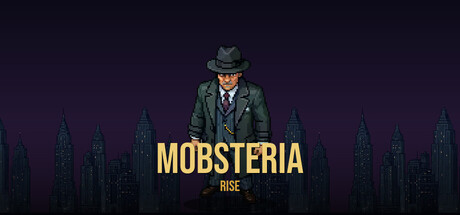
The development of Mobsteria: Rise to Power used AI-based generative tools to help create some of the art assets that ship in the game.
Some store-page and marketing text was also drafted with AI assistance. All AI-generated content is reviewed, curated, edited, and integrated by a human developer before release.
Fatal Nights uses generative artificial intelligence as a development aid for certain pre-production and promotional materials. AI-assisted content may include concept artwork, visual brainstorming, marketing assets, and written drafts. All gameplay systems, story, level design, implementation, and final creative decisions are developed and curated by the developer.
The development of this game made use of AI-generated content. Specifically, some of the in-game images, video sequences and character voice-over were created with the help of generative AI tools. All AI-generated assets were reviewed, curated and edited by the development team before inclusion in the final product
The developer used generative AI tools during the development process to assist in creating visual assets and concept art. All content in the final game is pre-rendered and static; the game does not generate new content in real-time or connect to external AI services during execution.
Generative AI was used for some marketing visuals, evidence assets, and music. All other content including scripts, character sprites, and game development was created by the developer.
Generative AI was used to create some in-game radio audio, including text-to-speech announcements and background music tracks generated using AI tools.
This game uses AI-assisted tools for selected art assets and animated content during development. All AI-assisted content has been reviewed and modified by the development team. The story, dialogue, and written content are fully created by the team, and the game does not include real-time AI interaction.
This game may use AI tools to help create some map and UI assets used inside the game, along with sound effects, since the small development team does not include a dedicated UI or sound designer. All content assisted by AI is reviewed and adjusted by the developer before being included in the game. No AI is used to generate content in real time during gameplay, and core visual art is created without AI. We are working to remove all AI visuals before the full release.
The development of The Rug Racket used generative AI tools to assist in creating some of the content included in the game, such as art assets, as well as in the creation of the game's store page and marketing materials. All AI-assisted content was reviewed by the development team prior to release.
Used AI to generate concept ideas and take care of tedious tasks to speed up preproduction.
All assets, including store images and thumbnails, are NOT AI generated.
Images provided to us by Patron supporters may or may not have been created using artificial intelligence.
To create realistic interrogation scenarios in this detective game, this game packages a local, offline LLM to serve as the brain of the NPC suspects. This allows the user to lead the investigation however they like. Generative AI was NOT used to create this game, but an LLM is featured as a main game mechanic in the form of freeform NPC conversation.
Generative AI was used during development to assist with selected fictional product labels, packaging textures, item icons, and visual reference materials.
Some in-game radio/music tracks may be created with generative AI tools. These tracks are selected, reviewed and integrated manually by the development team. No live AI generation is used during gameplay.
The game's 2D artwork (character portraits, scenes, backgrounds) and music were created with generative AI tools, then curated and edited by the developer. Parts of the game's code and narrative text were written with AI assistance, under human direction, review and rewriting. All AI-assisted content is pre-generated during development: nothing is generated by AI while you play.
This game includes some pre-generated artwork and sound effects created with the assistance of generative AI. These assets were reviewed, selected, and integrated by the developer during development. The game does not use live generative AI during gameplay.
The masterpieces featured in this game are real public-domain paintings, digitized from high-resolution scans. They are not AI-generated.
Generative AI was used only in the following areas: some artwork other than the masterpieces (UI, characters, backgrounds), some sound, and localization.
Some visual assets, promotional artwork, and store graphical assets were created or assisted using generative AI tools. All assets were reviewed, edited, and integrated into the game by the developer.
Some of this game's assets were produced with the help of generative AI during development: 2D art and illustrations, background music and sound effects, and machine-assisted translation of the in-game text into additional languages. All such assets were reviewed by the developer and are included as fixed content. No content is generated at runtime.
Some of this game's assets were created with the assistance of generative AI tools. Character, enemy, and background artwork was created using Stable Diffusion and then manually edited and retouched by the developer. Background music and the ending theme songs were generated using ACE-Step v1.5. All AI-assisted assets were reviewed and curated by the developer. No content is generated by AI during gameplay.
The developer used generative AI tools to assist in creating certain 2D environmental textures and concept artwork used during development. Additionally, AI voice generation software was used to synthesize specific voice lines for characters within the game. AI coding assistants were also utilized to aid in writing and optimizing standard gameplay scripts
Generative AI tools were used during development for photos and videos of characters, as well as for development support such as code suggestions and iteration.
All AI-assisted assets and code are fixed, reviewed, and integrated by the developer prior to release. The game does not use generative AI to produce live or dynamic content, text, images, audio, or code during gameplay.
Some store page text, marketing copy, and promotional planning materials for Black File were created with assistance from generative AI tools and reviewed, edited, and approved by the development team before publication. The game does not use generative AI to create content during gameplay.
This game uses generative AI ONLY to assist with translations for some supported languages.
Gameplay, puzzles, artwork, characters, and game design are created by the development team.
AI was used to generate images depicting illegal substances and highly disturbing situations presented in the game. The Steam capsule and cover images were also generated using AI.
Pre-generated AI content: character art, backgrounds, icons and key art images, music and sound effects, and portions of the story text were created with generative AI tools (Google Gemini, fal.ai, Anthropic Claude) and were reviewed and edited by the developers. No AI content is generated at runtime.
This game includes pre-generated content created with the assistance of generative AI during development. Generative AI was used to help create some in-game image assets and translations. All AI-assisted content, including AI-generated translations, was reviewed, edited, and approved by the development team before being included in the final game.
Netshell uses AI to power its characters. The NPCs you meet on the in-game forums and IRC read what is happening in your playthrough and respond in character, so their messages and forum posts are generated rather than pre-scripted, and each player's world unfolds differently.
All of this runs locally and offline: the AI models ship with the game and run on your machine. Netshell never connects to a third-party AI service such as ChatGPT or Claude. You can turn the AI off entirely, in which case the NPCs stop chatting and the game continues with its authored story.
Some Steam store and trailer assets were created with AI assistance and then edited/curated by the development team. During gameplay, Netshell only uses AI to generate in-character NPC text.
The development of Mobsteria: Rise to Power used AI-based generative tools to help create some of the art assets that ship in the game.
Some store-page and marketing text was also drafted with AI assistance. All AI-generated content is reviewed, curated, edited, and integrated by a human developer before release.
Fatal Nights uses generative artificial intelligence as a development aid for certain pre-production and promotional materials. AI-assisted content may include concept artwork, visual brainstorming, marketing assets, and written drafts. All gameplay systems, story, level design, implementation, and final creative decisions are developed and curated by the developer.
The development of this game made use of AI-generated content. Specifically, some of the in-game images, video sequences and character voice-over were created with the help of generative AI tools. All AI-generated assets were reviewed, curated and edited by the development team before inclusion in the final product
The developer used generative AI tools during the development process to assist in creating visual assets and concept art. All content in the final game is pre-rendered and static; the game does not generate new content in real-time or connect to external AI services during execution.
Generative AI was used for some marketing visuals, evidence assets, and music. All other content including scripts, character sprites, and game development was created by the developer.
Generative AI was used to create some in-game radio audio, including text-to-speech announcements and background music tracks generated using AI tools.