



Disclosure
AI is used to translate the store page.
- Creator
- Alex Le Mesurier
- Reviews
- -
- Added
- Oct 12, 2026
Public Steam disclosure research 25,380 disclosures tracked
Search developers’ Steam disclosures, compare classified AI use across games, and follow recorded changes. This index adds cross-game classifications and statistics to statements published on individual store pages.
Code help, debugging and other development work.
Capsule art, trailers and promotional material.
Pre-made art, audio, writing and other game assets.
Interactive or runtime AI features disclosed by the developer.
Groups reflect automatic analysis of public disclosures; mature records are excluded. These counts do not measure AI use across all of Steam. Missing or unclear statements cannot establish whether a game uses AI.
AI is used to translate the store page.
Pre-generated content: the character voices, some sound effects, ambience and the music were generated with AI audio tools (ElevenLabs), then selected, edited and mixed by the developer. Most 3D models (props, tools, vehicles) and some 2D artwork (signs, posters, in-game documents, interface illustrations and store art) were generated with AI tools and then integrated, adjusted and reviewed in the game by the developer. The people are built with the open-source MakeHuman tools and animated with motion capture (CMU), not with AI. Translations were made with AI assistance and reviewed. The levels and code were built with AI-assisted tools and reviewed and tested by the developer. No content is generated by AI while you play.
Use for Cover Art and decorative Posters in Game.
Generative AI was used during development to assist with the creation and refinement of selected visual assets and promotional artwork. All AI-assisted content was reviewed and edited by the development team before being included in the game or store materials. The game does not use generative AI to create content during gameplay.
AI tools assisted with in-game text translation.
The English voice-over for story dialogue and prison PA announcements was generated with an open-source text-to-speech model (Kokoro) from scripts written for the game. Much of the game's code, dialogue text and localisation was written with AI assistance under the developer's direction. No AI generates content while you play. 3D models, textures, sound effects and music come from human-made asset libraries (CC0 sources and Mixamo).
MAZZIOSI is made and polished by our team. During development, AI tools help us find bugs and make the game more enjoyable. Selected illustrations, UI art, music, sound effects, and parts of the story and localization were created or refined with AI, then reviewed and finalized by us. The game has no live AI generation or connection to AI services while you play.
Music was generated by AI. Art was generated by AI and rework by human
Some in-game text, the translations into seven languages and parts of the artwork and store material were created with the help of generative AI tools, then reviewed and edited by the developer. The game does not use AI to generate any content while you play and does not connect to any AI service.
AI tools helped create models, art, textures, music and English localization.
The translations into other languages were created with the help of AI tools. The game does not generate any AI content while you play.
Some source code and internal editor tooling were written with the assistance of AI coding tools during development. All of it was reviewed, edited and tested by the developer. The game's story, dialogue, characters and design are human-written. Visual and audio assets come from licensed asset packs and human-made content. No content is generated by AI while the game is running.
Generative AI tools were used during development to assist with the creation and refinement of certain in-game visual assets, promotional artwork, and portions of text/localization. All AI-assisted content was reviewed, edited, and integrated by the developer. No generative AI is used during gameplay, and no content is generated live for players.
Generative AI tools were used during development to assist with portions of the game’s pre-generated 2D character and promotional artwork, localization drafts, and code. All AI-assisted material was reviewed, selected, and edited by the developer before inclusion. The game does not generate AI content during gameplay.
AI was used to generate our event assets, player assets, market good assets, icon assets.
Some paintings and NPC textures in this game were generated using AI. These elements are used purely for visual and aesthetic purposes and have no impact on gameplay. There is no live or real-time AI generation during gameplay.
[Developer Notice]This game was developed with the assistance of AI tools used for programming and code generation during the development process.
Stay With Me contains a limited amount of pre-generated content created with the assistance of generative AI. Some visual assets, the loading screen artwork, and some voice lines for the characters Margaret and the child were created using AI tools. The AI-generated content was further edited, processed and adapted by the developer before being integrated into the game. All AI content is pre-generated during development. The game does not generate content using AI while running, and there is no live AI generation.
Hold My Cargo is made by a three-person team at Favera Studio. Like many small studios, we use AI-assisted tools as part of our production pipeline — for exploring concepts and marketing artwork, speeding up parts of 3D asset, animation and texture work, drafting text and running automated testing. Every asset, animation and line of text that ships in the game is directed, reviewed, edited and approved by the team; nothing goes in unseen. The game does not generate any content at runtime — there is no live AI in Hold My Cargo, and no player data is sent to AI services.
This game uses generative AI tools to help create some artwork and store page text. All AI-assisted content is reviewed by the developer before use.
The music and some of the images were created using artificial intelligence. Localization into some languages was performed using artificial intelligence.
This game contains content created with the assistance of AI tools. AI was used during development to assist with programming, visual assets, and other creative elements. All generated content was reviewed, edited, and integrated by the dev.
Some character portraits were created with generative AI. AI tools were also used to help write and translate the store page and to translate the game's text. The story and dialogue were written by our team.
Used for character voice acting and for generating and editing graphical images.
Some of the art assets and music in this game are generated by AI.
I am a solo developer with no budget. This game (my first) has been a passion project of about two years. I have developed it in between work and life. During that time, I made the decision to use a text-to-speech program to generate some NPC dialogue. Someday I hope to be working with a budget; but for now, since I don't have one, I believe that my current solution delivers the best experience for the player.
AI was used for text proofreading and translation. AI was also used to enhance some textures.
Drugrunners uses generative AI tools to help create some in-game visual assets, including icons, item art, and background artwork. This content is generated in advance during development. The game does not use AI to generate content live or in response to player input during gameplay.
Generative AI was used to create background images and character artwork in the game. It was also used as a writing aid for proofreading and editing the narrative. AI-assisted content was reviewed and selected by the developer.
Artwork, video and voice performances in this game were created with generative-AI tools and selected and edited by the author; the writing was drafted with AI assistance and reviewed by the author. Nothing is generated while you play.
AI tools were used to help translate the game's text into other languages.
Stick Life is designed and directed by a solo developer. Some of the game's code, its in-game writing, the artwork the game draws, the achievement icons and parts of this store page were made with the help of generative AI tools, then played, reviewed and edited by the developer. Nothing is generated by AI while you play.
Made by one person. Written, directed and built by me, with generative AI used as a supplementary tool for some of the game's assets, all of it reviewed and refined by hand.
SMASH & GRAB uses generative AI for pre-generated content that is reviewed and edited by the team before it ships. Card portraits and their collectible variants, the rival figures and props, the key art, and the store capsules were produced with image and 3D generation tools (Meshy, OpenArt) from our own prompts and references. Voice lines use synthetic voices from ElevenLabs; no real person's voice was cloned. The music beds were generated with ElevenLabs, and the store trailer was assembled from AI-generated clips (Kling via OpenArt). Card names, bios, and other in-game text were drafted with a large language model and edited by the team. Nothing is generated while you play: the game does not create content live.
Some minor store assets might be put through AI, but no game content is AI Generated.
All visual artwork used in the game was created directly by the developer. Generative AI tools were used as part of the production process for certain audio assets and for translation/localization assistance. AI-generated or AI-assisted outputs were reviewed and edited by the developer before being included in the final game.
This game uses generative AI tools in production, under human direction. Part of the 2D art (characters, backgrounds, icons, interface) and part of the text go through these tools, always from direction, references and rules I define, and always reviewed, corrected and approved piece by piece before entering the game. Other art and text in the game were made by hand. All decisions about story, script, scene design, mechanics and art direction are mine. The game has no voice acting, and no AI-generated voice. Nothing is generated while you play: everything the game shows is a fixed file in the package.
AI was used only for localization and for generating some assets outside the game. The game itself does not use or integrate AI. Any AI use described in the game refers to players using their own external tools.
AI-based coding assistants were used to help write this game's source code during development. The game contains no generative AI at runtime: the entire simulated world is created by deterministic, hand-authored procedural generation from a seed, not by AI.
Some 3D props, textures and ambient voice audio were pre-generated with AI tools during development and then edited by hand. The game does not generate any content with AI while you play.
All textual copy, dialogue, and scripts in this game are entirely handcrafted and written by the developer without the use of AI. The background music and sound effects are licensed from Pixabay under commercial-use terms. Generative AI (Leonardo.ai) was utilized strictly to pre-generate initial CG illustrations and concept art, which were subsequently edited and refined manually by the developer before being built into the game.
Some of the image assets were generated using AI.
Some 2D art in this game was created with the assistance of AI image generation tools and then curated, pixel-processed and hand-corrected by the developer: backgrounds, story cutscene illustrations, card art, the title logo, and the Steam store assets. All game design, systems, balance, code and the original Korean script were written by the developer. The nine non-Korean localizations were produced with AI translation assistance and then reviewed and corrected in-game. The game does not generate any content with AI while you play, and it never connects to an AI service.
Capsule art has been created with the assistance of generative AI. NPC dialogue has also been created with the assistance of generative AI.
Some images are rendered and some music is produced by AI
English: This game uses generative AI to create case stories, suspect dialogues, and investigative clues in real time during play. AI is provided by third-party services — you bring your own API key (entered in the in-game settings). No microtransactions.
Game assets are generated by AI
Generative AI tools were used during development to assist with brainstorming and editing some mission and other written content. All generated suggestions were reviewed and edited by me before inclusion in the game.
vibe coding
AI was used on this game: to assist with the programming, and to produce the translations. If a line reads wrong in your language, report it on the Steam community hub.
| Title⇅ | Disclosure | Creator⇅ | Src | Reviews⇅ | Added↓ |
|---|---|---|---|---|---|
 Untold Cases - Lot 42 Store/marketing text | AI is used to translate the store page. | Alex Le Mesurier | - | Oct 12, 2026 | |
 Tunnel Heist In-game content audioarttextcode | Pre-generated content: the character voices, some sound effects, ambience and the music were generated with AI audio tools (ElevenLabs), then selected, edited and mixed by the developer. Most 3D models (props, tools, vehicles) and some 2D artwork (signs, posters, in-game documents, interface illustrations and store art) were generated with AI tools and then integrated, adjusted and reviewed in the game by the developer. The people are built with the open-source MakeHuman tools and animated with motion capture (CMU), not with AI. Translations were made with AI assistance and reviewed. The levels and code were built with AI-assisted tools and reviewed and tested by the developer. No content is generated by AI while you play. | Highlander Interactive | - | Oct 12, 2026 | |
 SLASHER NIGHT In-game content art | Use for Cover Art and decorative Posters in Game. | N0N | - | Oct 12, 2026 | |
 Dagesh In-game content art | Generative AI was used during development to assist with the creation and refinement of selected visual assets and promotional artwork. All AI-assisted content was reviewed and edited by the development team before being included in the game or store materials. The game does not use generative AI to create content during gameplay. | Buggy Code | - | Oct 10, 2026 | |
 The Usual, Please In-game content text | AI tools assisted with in-game text translation. | Hadwa Games | - | Oct 10, 2026 | |
 Prison Empire In-game content audiotext | The English voice-over for story dialogue and prison PA announcements was generated with an open-source text-to-speech model (Kokoro) from scripts written for the game. Much of the game's code, dialogue text and localisation was written with AI assistance under the developer's direction. No AI generates content while you play. 3D models, textures, sound effects and music come from human-made asset libraries (CC0 sources and Mixamo). | HIS Games | - | Oct 10, 2026 | |
 MAZZIOSI In-game content artaudiotext | MAZZIOSI is made and polished by our team. During development, AI tools help us find bugs and make the game more enjoyable. Selected illustrations, UI art, music, sound effects, and parts of the story and localization were created or refined with AI, then reviewed and finalized by us. The game has no live AI generation or connection to AI services while you play. | Linewake Studio | - | Oct 10, 2026 | |
 LiarLock: No Cameras, No Clues — Just a Corpse in My Club In-game content audioart | Music was generated by AI. Art was generated by AI and rework by human | Myriad | - | Oct 10, 2026 | |
 Pongzi Scheme In-game content textart | Some in-game text, the translations into seven languages and parts of the artwork and store material were created with the help of generative AI tools, then reviewed and edited by the developer. The game does not use AI to generate any content while you play and does not connect to any AI service. | IndieOffshore | - | Oct 10, 2026 | |
 捕快: Constable of a Ming County In-game content artaudiotext | AI tools helped create models, art, textures, music and English localization. | chi yin so | - | Oct 9, 2026 | |
 Faded Fears - Grayshore Motel In-game content text | The translations into other languages were created with the help of AI tools. The game does not generate any AI content while you play. | Jeans | - | Oct 9, 2026 | |
 Locard Dev only code | Some source code and internal editor tooling were written with the assistance of AI coding tools during development. All of it was reviewed, edited and tested by the developer. The game's story, dialogue, characters and design are human-written. Visual and audio assets come from licensed asset packs and human-made content. No content is generated by AI while the game is running. | JinjaGames | - | Oct 9, 2026 | |
 The Debt of Chronos In-game content arttext | Generative AI tools were used during development to assist with the creation and refinement of certain in-game visual assets, promotional artwork, and portions of text/localization. All AI-assisted content was reviewed, edited, and integrated by the developer. No generative AI is used during gameplay, and no content is generated live for players. | NozKaia Games | - | Oct 7, 2026 | |
 L Wars: Chi Town In-game content arttextcode | Generative AI tools were used during development to assist with portions of the game’s pre-generated 2D character and promotional artwork, localization drafts, and code. All AI-assisted material was reviewed, selected, and edited by the developer before inclusion. The game does not generate AI content during gameplay. | Best KPI LLC | - | Oct 7, 2026 | |
 Merchants Demise In-game content art | AI was used to generate our event assets, player assets, market good assets, icon assets. | InbredJesus | - | Oct 7, 2026 | |
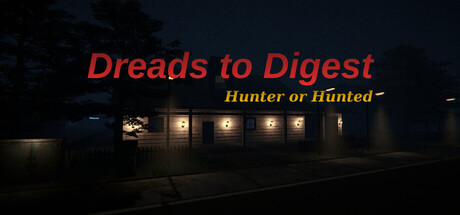 Dreads to Digest - Hunter or Hunted In-game content art | Some paintings and NPC textures in this game were generated using AI. These elements are used purely for visual and aesthetic purposes and have no impact on gameplay. There is no live or real-time AI generation during gameplay. | Vethroxdev | - | Oct 6, 2026 | |
 deep rabbit hole Dev only code | [Developer Notice]This game was developed with the assistance of AI tools used for programming and code generation during the development process. | Slow step | - | Oct 6, 2026 | |
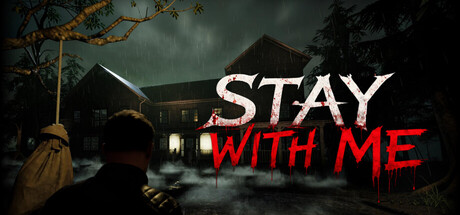 Stay with me In-game content artaudio | Stay With Me contains a limited amount of pre-generated content created with the assistance of generative AI.
Some visual assets, the loading screen artwork, and some voice lines for the characters Margaret and the child were created using AI tools.
The AI-generated content was further edited, processed and adapted by the developer before being integrated into the game.
All AI content is pre-generated during development. The game does not generate content using AI while running, and there is no live AI generation. | Marselok Games | - | Oct 4, 2026 | |
 Hold My Cargo In-game content arttextcode | Hold My Cargo is made by a three-person team at Favera Studio. Like many small studios, we use AI-assisted tools as part of our production pipeline — for exploring concepts and marketing artwork, speeding up parts of 3D asset, animation and texture work, drafting text and running automated testing. Every asset, animation and line of text that ships in the game is directed, reviewed, edited and approved by the team; nothing goes in unseen. The game does not generate any content at runtime — there is no live AI in Hold My Cargo, and no player data is sent to AI services. | Favera Studio | - | Oct 4, 2026 | |
 The Grid Detective In-game content arttext | This game uses generative AI tools to help create some artwork and store page text. All AI-assisted content is reviewed by the developer before use. | Duskery | - | Oct 3, 2026 | |
 Car? What Car? In-game content audioarttext | The music and some of the images were created using artificial intelligence. Localization into some languages was performed using artificial intelligence. | WINYCH GAMES | - | Oct 3, 2026 | |
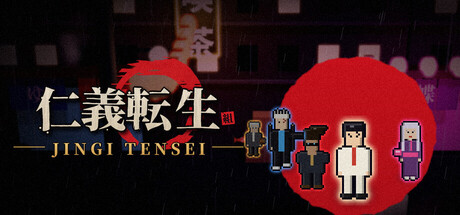 Jingi Tensei In-game content artcode | This game contains content created with the assistance of AI tools. AI was used during development to assist with programming, visual assets, and other creative elements. All generated content was reviewed, edited, and integrated by the dev. | ISEKAI Games | - | Oct 1, 2026 | |
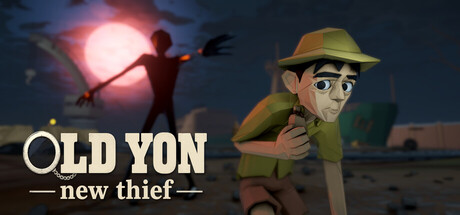 Old Yon. New thief In-game content arttext | Some character portraits were created with generative AI. AI tools were also used to help write and translate the store page and to translate the game's text. The story and dialogue were written by our team. | BoneApps | - | Sep 30, 2026 | |
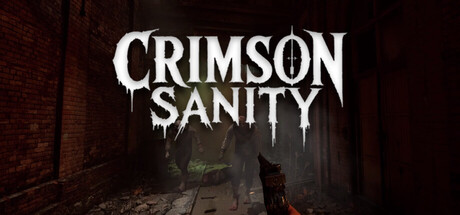 Crimson Sanity In-game content artaudio | Used for character voice acting and for generating and editing graphical images. | SignNarva | - | Sep 30, 2026 | |
 Sign It In-game content artaudio | Some of the art assets and music in this game are generated by AI. | G-Yao | - | Sep 28, 2026 | |
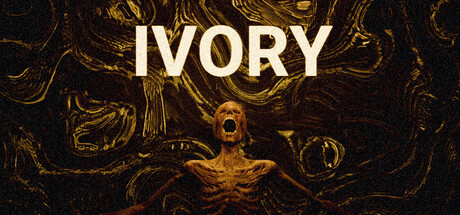 IVORY In-game content audio | I am a solo developer with no budget. This game (my first) has been a passion project of about two years. I have developed it in between work and life. During that time, I made the decision to use a text-to-speech program to generate some NPC dialogue. Someday I hope to be working with a budget; but for now, since I don't have one, I believe that my current solution delivers the best experience for the player. | Taalon Games, LLC. | - | Sep 27, 2026 | |
 True Crime Archive: Horror Tidy Up In-game content textart | AI was used for text proofreading and translation. AI was also used to enhance some textures. | Bormak Studio | - | Sep 24, 2026 | |
 DrugRunners In-game content art | Drugrunners uses generative AI tools to help create some in-game visual assets, including icons, item art, and background artwork. This content is generated in advance during development. The game does not use AI to generate content live or in response to player input during gameplay. | ShadowByte Studios LLC | - | Sep 24, 2026 | |
 アルテミスの誤算 In-game content arttext | Generative AI was used to create background images and character artwork in the game. It was also used as a writing aid for proofreading and editing the narrative. AI-assisted content was reviewed and selected by the developer. | 未明観測所 | - | Sep 24, 2026 | |
 Doc Tommy: The Vig In-game content artaudiotext | Artwork, video and voice performances in this game were created with generative-AI tools and selected and edited by the author; the writing was drafted with AI assistance and reviewed by the author. Nothing is generated while you play. | Echelon Create LLC | - | Sep 24, 2026 | |
 Shady Shop In-game content text | AI tools were used to help translate the game's text into other languages. | Wobbly Shelf Games | - | Sep 22, 2026 | |
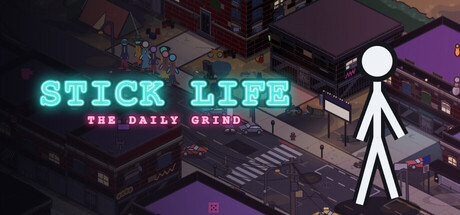 Stick Life: The Daily Grind In-game content arttextcode | Stick Life is designed and directed by a solo developer. Some of the game's code, its in-game writing, the artwork the game draws, the achievement icons and parts of this store page were made with the help of generative AI tools, then played, reviewed and edited by the developer. Nothing is generated by AI while you play. | Drangus Studios | - | Sep 22, 2026 | |
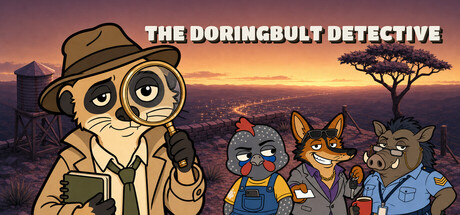 The Doringbult Detective In-game content art | Made by one person. Written, directed and built by me, with generative AI used as a supplementary tool for some of the game's assets, all of it reviewed and refined by hand. | STANDER Games | - | Sep 22, 2026 | |
 Smash & Grab In-game content artaudiotext | SMASH & GRAB uses generative AI for pre-generated content that is reviewed and edited by the team before it ships. Card portraits and their collectible variants, the rival figures and props, the key art, and the store capsules were produced with image and 3D generation tools (Meshy, OpenArt) from our own prompts and references. Voice lines use synthetic voices from ElevenLabs; no real person's voice was cloned. The music beds were generated with ElevenLabs, and the store trailer was assembled from AI-generated clips (Kling via OpenArt). Card names, bios, and other in-game text were drafted with a large language model and edited by the team. Nothing is generated while you play: the game does not create content live. | Hashbang Games | - | Sep 22, 2026 | |
 Gang Crime Simulator Store/marketing art | Some minor store assets might be put through AI, but no game content is AI Generated. | Anshar Studios | - | Sep 22, 2026 | |
 UMBRATIO - THE ODDS ARE FIXED In-game content audiotext | All visual artwork used in the game was created directly by the developer.
Generative AI tools were used as part of the production process for certain audio assets and for translation/localization assistance. AI-generated or AI-assisted outputs were reviewed and edited by the developer before being included in the final game. | Aesthmaris Studio | - | Sep 22, 2026 | |
 Água Suja (Nobody Dies Here) In-game content arttext | This game uses generative AI tools in production, under human direction. Part of the 2D art (characters, backgrounds, icons, interface) and part of the text go through these tools, always from direction, references and rules I define, and always reviewed, corrected and approved piece by piece before entering the game. Other art and text in the game were made by hand. All decisions about story, script, scene design, mechanics and art direction are mine. The game has no voice acting, and no AI-generated voice. Nothing is generated while you play: everything the game shows is a fixed file in the package. | B&B Studios | - | Sep 19, 2026 | |
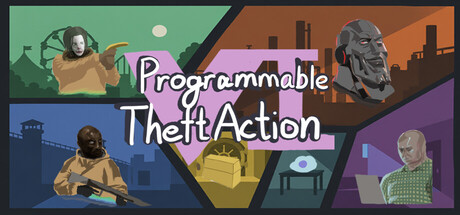 Programmable Theft Action VI / 拼题猎码手 VI In-game content textart | AI was used only for localization and for generating some assets outside the game. The game itself does not use or integrate AI. Any AI use described in the game refers to players using their own external tools. | GreatZaochen | - | Sep 19, 2026 | |
 Nullsec: Unauthorized Access Dev only code | AI-based coding assistants were used to help write this game's source code during development. The game contains no generative AI at runtime: the entire simulated world is created by deterministic, hand-authored procedural generation from a seed, not by AI. | Oliver Cho. | - | Sep 18, 2026 | |
 Hasta Agotar Existencias In-game content artaudio | Some 3D props, textures and ambient voice audio were pre-generated with AI tools during development and then edited by hand. The game does not generate any content with AI while you play. | Black and Bald Cats Studios | - | Sep 18, 2026 | |
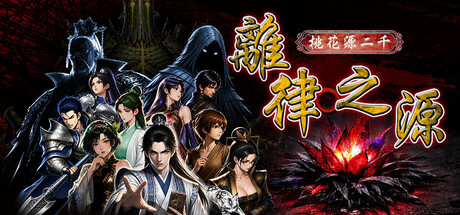 ToFaYun 2000 In-game content art | All textual copy, dialogue, and scripts in this game are entirely handcrafted and written by the developer without the use of AI. The background music and sound effects are licensed from Pixabay under commercial-use terms. Generative AI (Leonardo.ai) was utilized strictly to pre-generate initial CG illustrations and concept art, which were subsequently edited and refined manually by the developer before being built into the game. | black_goat_studio | - | Sep 13, 2026 | |
 BBQ Rush In-game content art | Some of the image assets were generated using AI. | Beijing Yanbei Mingchuan Technology Center | - | Sep 12, 2026 | |
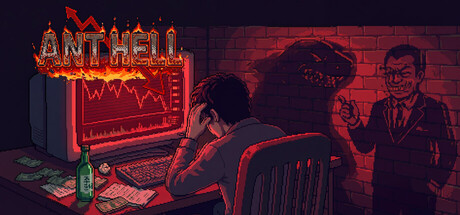 ANT HELL In-game content arttext | Some 2D art in this game was created with the assistance of AI image generation tools and then curated, pixel-processed and hand-corrected by the developer: backgrounds, story cutscene illustrations, card art, the title logo, and the Steam store assets. All game design, systems, balance, code and the original Korean script were written by the developer. The nine non-Korean localizations were produced with AI translation assistance and then reviewed and corrected in-game. The game does not generate any content with AI while you play, and it never connects to an AI service. | Basement Store | - | Sep 10, 2026 | |
 Haze There In-game content arttext | Capsule art has been created with the assistance of generative AI. NPC dialogue has also been created with the assistance of generative AI. | Clayton Games | - | Sep 10, 2026 | |
 衍算:奈落观测者 In-game content artaudio | Some images are rendered and some music is produced by AI | 祈雪好樱 | - | Sep 10, 2026 | |
 未结案 Live AI text | English: This game uses generative AI to create case stories, suspect dialogues, and investigative clues in real time during play. AI is provided by third-party services — you bring your own API key (entered in the in-game settings). No microtransactions. | Tricky Cat | - | Sep 10, 2026 | |
 大久保:重案之龙 In-game content art | Game assets are generated by AI | 闹眼子 | - | Sep 9, 2026 | |
 Blackdoor In-game content text | Generative AI tools were used during development to assist with brainstorming and editing some mission and other written content. All generated suggestions were reviewed and edited by me before inclusion in the game. | Static Signal | 16 | Sep 8, 2026 | |
 Deduction Society Unclear | vibe coding | Dagou Studio | - | Sep 6, 2026 | |
 Ghost in the SQL Data In-game content text | AI was used on this game: to assist with the programming, and to produce the translations. If a line reads wrong in your language, report it on the Steam community hub. | Isaac MENARD | - | Sep 6, 2026 |


