








Disclosure
Some artwork and music in the game were created using generative AI. Generative AI was also used to create store and promotional artwork.
- Creator
- TidyMage
- Reviews
- -
- Added
- Oct 9, 2026
Public Steam disclosure research 25,376 disclosures tracked
Search developers’ Steam disclosures, compare classified AI use across games, and follow recorded changes. This index adds cross-game classifications and statistics to statements published on individual store pages.
Code help, debugging and other development work.
Capsule art, trailers and promotional material.
Pre-made art, audio, writing and other game assets.
Interactive or runtime AI features disclosed by the developer.
Groups reflect automatic analysis of public disclosures; mature records are excluded. These counts do not measure AI use across all of Steam. Missing or unclear statements cannot establish whether a game uses AI.
Some artwork and music in the game were created using generative AI. Generative AI was also used to create store and promotional artwork.
ZANOKA is made by a solo developer. All of its art began as hand-made drawings, sketches and pixel art, including concept art by artist Malaika Raheel. AI-assisted tools were used for polishing, frame interpolation and translation.
Some art and promotional assets were created with the help of AI tools, and AI assisted the developer during coding.
Some 2D pixel-art sprites and illustrations (fortune-game icons, items and backgrounds) were created with the help of AI image tools (PixelLab) and then edited and curated by our developer. All game text, fortune logic, code, sound and the cat character animations are made by the developer or licensed (CC0/OFL).
It has been used in the page visuals and logo.
Nuclear Kitty Games is a human-led studio whose team brings 15 years of professional game-development experience. We use AI and large language models (LLMs) to support development and content creation, improve our workflows and speed up iteration. Our developers direct the design and development of every game, and review and integrate the final content. We are game makers and players who care about the games we create. Some content included in this game and its promotional materials was created with generative AI assistance. The game does not generate AI content or connect to AI services during play.
Nuclear Kitty Games is a human-led studio whose team brings 15 years of professional game-development experience. We use AI and large language models (LLMs) to support development and content creation, improve our workflows and speed up iteration. Our developers direct the design and development of every game, and review and integrate the final content. We are game makers and players who care about the games we create. Some content included in this game and its promotional materials was created with generative AI assistance. No content is AI-generated during gameplay.
This game was made with the help of AI tools. Parts of the in-game text, the store page artwork and text, and the trailer (including its music) were created with AI assistance and reviewed by the developer. No content is generated by AI while you play.
The game's 2D illustrations (rocks, gems, tools, icons and logo) were generated with AI image tools, then cleaned up and edited by the developer. Cracks, rarity effects, particles and animations are made in code. The translations were produced with the help of AI. The store page capsules, screenshots and trailer are built from these same in-game sprites. No content is generated by AI while the game is running.
Sound effects and voice-overs were created using generative AI tools.
Some graphics and sound assets included in this game were created with the assistance of Generative AI and were subsequently reviewed and retouched by humans.
The player character's sprite sheet was created with an AI tool and edited by hand.
Generative AI assisted some game text and store descriptions. Promotional images and gameplay screenshots use actual game visuals. No live AI or external AI services. Offline.
The 32 illustrations, the soundtrack and the sound effects in A to Zen were created with generative AI tools from the developer's own prompts, then selected, checked and edited by hand. The in-game texts, the store translations and parts of the game code were also made with AI assistance and reviewed and tested by the developer. Game design, puzzle mechanics and the chapter concept are the developer's own work. Nothing is generated while you play, and the game does not connect to any AI service.
The game's text is partially translated into multiple languages with the help of AI. Feedback from native speakers is welcome.
Parts of Tinselwood were made with generative AI during development: its music and sound effects, its interface icons and store art, some of its set-piece models, and parts of its code. All of it was reviewed and reworked by hand, and nothing is generated while you play.
Pre-generated AI content only; nothing is generated live during gameplay. - Some 3D assets (character models, the seeker's bandana and a few props) were created with AI-assisted 3D generation tools, then edited, rigged and adjusted by hand before being used in the game. - Some 2D images (in-game "how to play" board, UI art) were created with AI image tools and edited by hand. - Parts of the in-game text localization were produced with AI translation and reviewed by the developer. All AI-generated assets were reviewed by us and we hold the rights required to use and distribute them.
This game's 3D models, music, sound effects, and in-game text (dialogue, item names and descriptions) were created with the help of generative AI, under the developer's direction and review. The store images and trailer use this in-game content.
Generative AI was used to create music for the game and its promotional trailer.
Some of the game's text (menus, hints, minigame descriptions and translations) and the copy on this store page were written with the help of an AI language model. The game does not use AI to create anything while you play.
Generative AI was used during development to create some illustrations, visual assets, and built-in example dog images. These assets are included with the game. Your own pet photos are processed locally on your computer to create animated paper cutouts; they are never uploaded to online AI services or redrawn using generative AI.
AI was used to translate the game for multi-language support. All other content, including art, animation, sound effects, and music, was either created by the developers or used under license.
The game's music was created with AI tools. The translations of the game's text and of this store page into languages other than French were also made with the help of AI tools. All the game's visuals are drawn by code by the developer.
Generative AI assisted with some programming and debugging during the development of Daylight Line. Some in-game visual assets, including battle status icons, were also created with the assistance of generative AI and then processed and integrated by the development team. The game does not generate AI content during gameplay.
本游戏的大部分素材由AI生成
Some included character, animal, creature and sample images were created with generative AI and then edited and prepared for the product. Generative AI also assisted with localization. MEMEMINT does not generate new images or text with generative AI during use and does not connect to a third-party generative AI service. Its local background-removal feature uses a non-generative segmentation model.
The introductory video of the game store page is created using generative artificial intelligence tools.
This project includes promotional images generated by artificial intelligence and simple art elements
Generative AI was used to create pre-generated vivid reinterpretations of public-domain classical paintings and promotional/store artwork. These fixed images are included with the game. Gameplay does not generate AI content or connect to external AI services; imported images are processed locally.
The Seven Beacons is made by a small independent studio that uses generative AI tools as part of production. Every piece is directed, chosen and integrated by the developer. Pre-generated with AI assistance: - Illustrations: combat art, backgrounds, characters, and the store and library art. - Music: compositions created with AI assistance and performed with sampled instruments. - The English and Brazilian Portuguese translations (the game was written in Spanish). - Pixel sprites and sound effects, generated by scripts written with AI assistance. - The text of this store page. The game does not generate any AI content while you play: everything you see and hear was made before release and ships with the game.
Generative AI technology is used to realize the creative direction through the creation of assets.
AI was used to assist with language localization and to create Steam page assets/promotional materials.
AI was used as an interface and scripting assistant for industry standard tools such as Reaper, Godot, Blender, Aseprite, and Deepl for enhancing the quality and consistency of the game content and building systems I otherwise would not have the capacity to design and implement as solo developer. Where possible, artists are and will continue to be supported via use of their paid or free assets. For this game, the most money spent was on Quaternius source level packages. Notable exception to this is the UI, which was generated using RetroDiffusion with a python pipeline built in house for consistent design around UI elements using color normalization and targeting from a theme palette, which is then imported and tweaked in Godot.
Some illustrations, sound effects, and voices are generated by AI.
All 2D visual assets in RindTown—including characters, backgrounds, fruit, icons, machines, and UI elements—were created using generative AI image tools. These generated images were then manually curated, cut, edited, and post-processed by the developer to ensure a strict and consistent "crisp digital anime" art style across the entire game. Generative AI was used exclusively for creating static art assets during development. No generative AI is used for real-time gameplay logic or text generation while playing.
All AI-generated content in Cute Kitty WAR was created during development; nothing is generated while you play. The game's artwork — cats, pests, items, backgrounds and store images — was produced with AI image generation from our own designs and direction, then selected, edited and assembled by our developer. Much of the game's music and sound was synthesized by code written with an AI assistant, and AI assistance helped draft the in-game text, all directed and reviewed by our developer.
Some character illustrations and 3D character models were created with the assistance of generative AI during development. The generated assets were manually edited, refined, and integrated into the game's final content by the developer. No generative AI is used to create new content in real time during gameplay.
Some art and audio in this game were generated with AI tools during development and edited by the developer. No AI content is generated while the game is running.
AI-assisted translation tools were used for some parts of the game's localization. We are committed to improving translation quality and welcome feedback on any inaccuracies or unnatural phrasing you may encounter.
Gurafikku no kiso o jibun de sakusei shita ato, komakai seisho, ryōsan ni AI o shiyō shite imasu. Saundo ni kanshite wa, shōyō riyōna AI seisei no saito nite seisei shita mono o shiyō shite imasu. 81 I create the basic graphics myself, then use AI for detailed refinement and mass production. For sound, I use assets generated on AI platforms that permit commercial use.
Speech on the second half of the trailer and localization.
The game uses AI-assisted tools during development, including code generation, asset creation, music composition, map prototyping, and image generation. These systems are part of the production workflow and do not generate new content during gameplay. AI for Coding: Development tools assist with scripting, debugging, and generating boilerplate code. All AI-generated code is reviewed and manually refined by the development team. AI for Visual Assets: Some environmental elements, props, and textures are created or enhanced using AI image-generation tools. These images are always curated, edited, and finalized by artists to ensure consistency with the game’s historical art direction. AI for Music: Background tracks and ambient layers may be composed with AI tools, then adjusted by human composers to match the tone of the game. AI for Maps: AI is used to prototype terrain shapes and layout ideas, which are later fully redesigned and polished by level designers. AI for Image Generation: Certain concept art, reference images, and early-stage visual drafts are produced using AI image-generation systems. These are used only as development references or starting points, not as final in‑game assets. All AI-generated materials are static, pre-produced, and manually validated. No AI system creates dynamic content, gameplay outcomes, or real-time images while the player is playing.
The pixel art was created with the help of AI image tools, then cleaned up, animated and assembled by hand. Sound effects and music were made with AI audio tools and edited for the game. Nothing is generated by AI while you play.
Generative AI was used during development to create character, environment artwork, and illustrated UI elements. Localization was AI-translated and separately AI-reviewed.
This game's content including code, artwork, audio, and text was generated with AI tools and refined by human hands.
The key art used for the store capsules and the title screen background was generated with image models run locally and then hand-edited. The Spanish, Portuguese (Brazil), German and Simplified Chinese translations and drafts of the store page text were produced with the help of an AI assistant. Everything you see during gameplay (the beetle, the tree, its surfaces and all animation) is drawn procedurally in code. Sound effects are CC0 recordings; no AI-generated voice or music is used, and no generative AI runs while you play.
This game uses Generative AI tools during development to assist with asset, text, or code generation. All AI-generated content has been manually reviewed, edited, and integrated by the developers.
This game was developed with extensive use of generative AI (Anthropic's Claude and OpenAI's GPT). The game code, the 3D models (generated by AI-written scripts), procedurally generated visuals, synthesized sound effects and music (produced by AI-written synthesis code), in-game text and translations, and the store page text and trailer were all created with AI assistance. No AI content is generated while the game is running, and the game does not connect to any external AI service.
Cover art made with the help of AI tools.
During development we used generative AI tools to create content that ships with the game: character, creature and environment art and animation frames (generated, then edited and assembled by the team), the hunters' short voice lines, the music, some sound effects, and drafts of in-game and store text. All AI-generated content was reviewed, edited and integrated by the developers. The game does not generate any content with AI while it is running.
| Title⇅ | Disclosure | Creator⇅ | Src | Reviews⇅ | Added↓ |
|---|---|---|---|---|---|
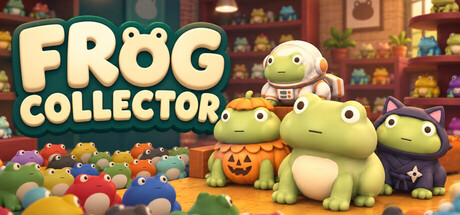 Frog Collector In-game content artaudio | Some artwork and music in the game were created using generative AI. Generative AI was also used to create store and promotional artwork. | TidyMage | - | Oct 9, 2026 | |
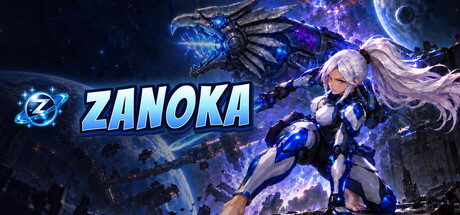 Zanoka In-game content arttext | ZANOKA is made by a solo developer. All of its art began as hand-made drawings, sketches and pixel art, including concept art by artist Malaika Raheel. AI-assisted tools were used for polishing, frame interpolation and translation. | ZanokaGameDev | - | Oct 9, 2026 | |
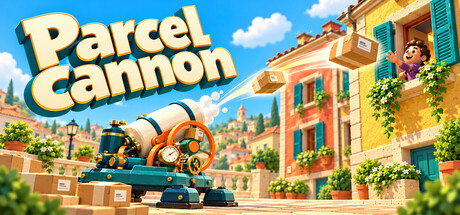 Parcel Cannon Store/marketing artcode | Some art and promotional assets were created with the help of AI tools, and AI assisted the developer during coding. | Soda Elephant Studio | - | Oct 9, 2026 | |
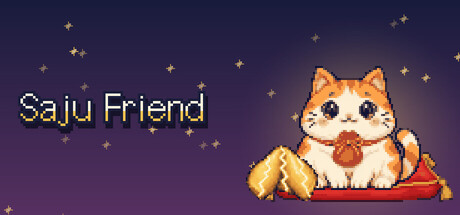 Saju Friend In-game content art | Some 2D pixel-art sprites and illustrations (fortune-game icons, items and backgrounds) were created with the help of AI image tools (PixelLab) and then edited and curated by our developer. All game text, fortune logic, code, sound and the cat character animations are made by the developer or licensed (CC0/OFL). | Noligo Games | - | Oct 9, 2026 | |
 Car Parkour 4 Together Store/marketing art | It has been used in the page visuals and logo. | cnsgames | - | Oct 9, 2026 | |
 My Nail Salon In-game content arttext | Nuclear Kitty Games is a human-led studio whose team brings 15 years of professional game-development experience. We use AI and large language models (LLMs) to support development and content creation, improve our workflows and speed up iteration. Our developers direct the design and development of every game, and review and integrate the final content. We are game makers and players who care about the games we create.
Some content included in this game and its promotional materials was created with generative AI assistance. The game does not generate AI content or connect to AI services during play. | Nuclear Kitty Games | - | Oct 9, 2026 | |
 On Paper In-game content arttext | Nuclear Kitty Games is a human-led studio whose team brings 15 years of professional game-development experience. We use AI and large language models (LLMs) to support development and content creation, improve our workflows and speed up iteration. Our developers direct the design and development of every game, and review and integrate the final content. We are game makers and players who care about the games we create.
Some content included in this game and its promotional materials was created with generative AI assistance. No content is AI-generated during gameplay. | Nuclear Kitty Games | - | Oct 9, 2026 | |
 Ship It! : Indie Studio Simulator In-game content textartaudio | This game was made with the help of AI tools. Parts of the in-game text, the store page artwork and text, and the trailer (including its music) were created with AI assistance and reviewed by the developer. No content is generated by AI while you play. | McHunter Studio | - | Oct 9, 2026 | |
 One More Rock In-game content arttext | The game's 2D illustrations (rocks, gems, tools, icons and logo) were generated with AI image tools, then cleaned up and edited by the developer. Cracks, rarity effects, particles and animations are made in code. The translations were produced with the help of AI. The store page capsules, screenshots and trailer are built from these same in-game sprites. No content is generated by AI while the game is running. | NB10 Studio | - | Oct 9, 2026 | |
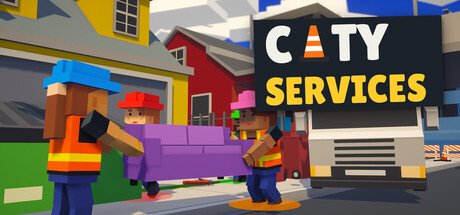 City Services In-game content audio | Sound effects and voice-overs were created using generative AI tools. | 84boxes | - | Oct 9, 2026 | |
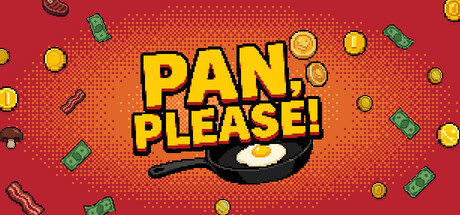 Pan, Please! In-game content artaudio | Some graphics and sound assets included in this game were created with the assistance of Generative AI and were subsequently reviewed and retouched by humans. | BitPick | - | Oct 9, 2026 | |
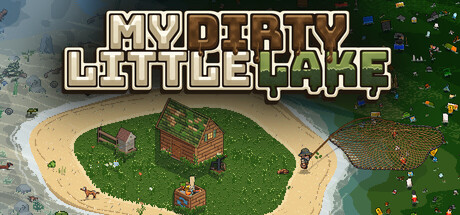 My Dirty Little Lake In-game content art | The player character's sprite sheet was created with an AI tool and edited by hand. | Modern Daedalus Studio | - | Oct 9, 2026 | |
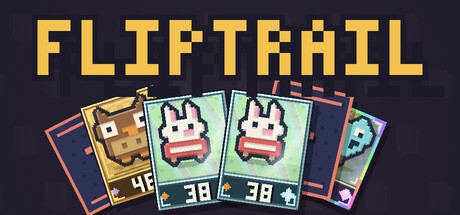 Fliptrail Store/marketing text | Generative AI assisted some game text and store descriptions. Promotional images and gameplay screenshots use actual game visuals. No live AI or external AI services. Offline. | 1114980610yuyu | - | Oct 9, 2026 | |
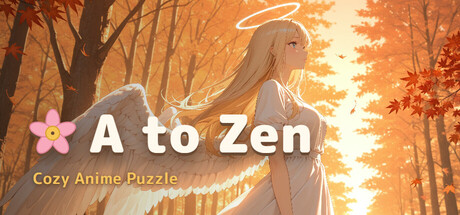 A to Zen: Cozy Anime Puzzle In-game content artaudiocodetext | The 32 illustrations, the soundtrack and the sound effects in A to Zen were created with generative AI tools from the developer's own prompts, then selected, checked and edited by hand. The in-game texts, the store translations and parts of the game code were also made with AI assistance and reviewed and tested by the developer. Game design, puzzle mechanics and the chapter concept are the developer's own work. Nothing is generated while you play, and the game does not connect to any AI service. | Pross Digital Studio | - | Oct 9, 2026 | |
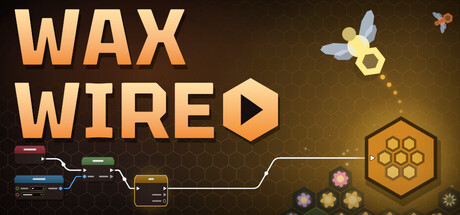 WaxWire: Program the Hive In-game content text | The game's text is partially translated into multiple languages with the help of AI.
Feedback from native speakers is welcome. | dyskomworks | - | Oct 9, 2026 | |
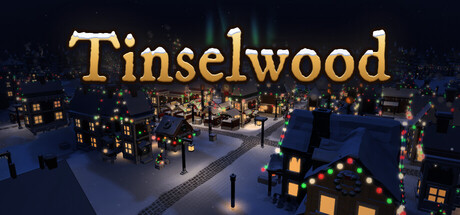 Tinselwood In-game content artaudiocode | Parts of Tinselwood were made with generative AI during development: its music and sound effects, its interface icons and store art, some of its set-piece models, and parts of its code. All of it was reviewed and reworked by hand, and nothing is generated while you play. | Clackety Rock LLC | - | Oct 9, 2026 | |
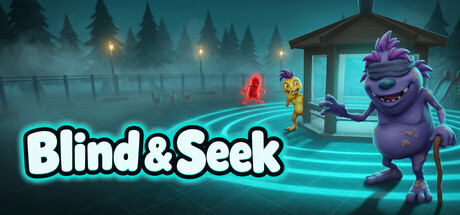 Blind & Seek In-game content arttext | Pre-generated AI content only; nothing is generated live during gameplay.
- Some 3D assets (character models, the seeker's bandana and a few props) were
created with AI-assisted 3D generation tools, then edited, rigged and adjusted
by hand before being used in the game.
- Some 2D images (in-game "how to play" board, UI art) were created with AI image
tools and edited by hand.
- Parts of the in-game text localization were produced with AI translation and
reviewed by the developer.
All AI-generated assets were reviewed by us and we hold the rights required to
use and distribute them. | RetroVive | - | Oct 9, 2026 | |
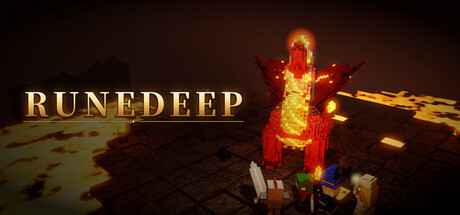 Rune Deep In-game content artaudiotext | This game's 3D models, music, sound effects, and in-game text (dialogue, item names and descriptions) were created with the help of generative AI, under the developer's direction and review. The store images and trailer use this in-game content. | kumashin | - | Oct 9, 2026 | |
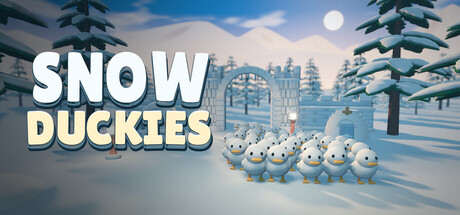 Snow Duckies In-game content audio | Generative AI was used to create music for the game and its promotional trailer. | Lost Games | - | Oct 9, 2026 | |
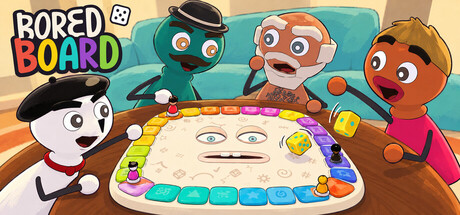 Bored Board In-game content text | Some of the game's text (menus, hints, minigame descriptions and translations) and the copy on this store page were written with the help of an AI language model. The game does not use AI to create anything while you play. | at your own risk studios | - | Oct 9, 2026 | |
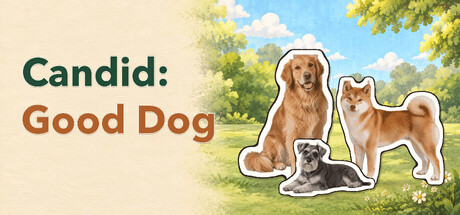 Candid: Good Dog In-game content art | Generative AI was used during development to create some illustrations, visual assets, and built-in example dog images. These assets are included with the game. Your own pet photos are processed locally on your computer to create animated paper cutouts; they are never uploaded to online AI services or redrawn using generative AI. | Yang Yang | - | Oct 9, 2026 | |
 Stick A Fork In-game content text | AI was used to translate the game for multi-language support. All other content, including art, animation, sound effects, and music, was either created by the developers or used under license. | Flowdot | - | Oct 9, 2026 | |
 Let It Melt In-game content audiotextart | The game's music was created with AI tools. The translations of the game's text and of this store page into languages other than French were also made with the help of AI tools. All the game's visuals are drawn by code by the developer. | Osiris Atlas | - | Oct 9, 2026 | |
 Daylight Line In-game content artcode | Generative AI assisted with some programming and debugging during the development of Daylight Line. Some in-game visual assets, including battle status icons, were also created with the assistance of generative AI and then processed and integrated by the development team. The game does not generate AI content during gameplay. | Windquill | - | Oct 9, 2026 | |
 与你的四季 In-game content art | 本游戏的大部分素材由AI生成 | Fourseasons | - | Oct 9, 2026 | |
 MEMEMINT In-game content arttext | Some included character, animal, creature and sample images were created with generative AI and then edited and prepared for the product. Generative AI also assisted with localization. MEMEMINT does not generate new images or text with generative AI during use and does not connect to a third-party generative AI service. Its local background-removal feature uses a non-generative segmentation model. | Secret X | - | Oct 9, 2026 | |
 Farm Story Life Store/marketing art | The introductory video of the game store page is created using generative artificial intelligence tools. | Appsalt | - | Oct 9, 2026 | |
 WAKABOOM Store/marketing art | This project includes promotional images generated by artificial intelligence and simple art elements | PAN JIA YU | - | Oct 9, 2026 | |
 赛博拼豆 In-game content art | Generative AI was used to create pre-generated vivid reinterpretations of public-domain classical paintings and promotional/store artwork. These fixed images are included with the game. Gameplay does not generate AI content or connect to external AI services; imported images are processed locally. | shanjianyeren | - | Oct 9, 2026 | |
 The Seven Beacons In-game content artaudiotext | The Seven Beacons is made by a small independent studio that uses generative AI tools as part of production. Every piece is directed, chosen and integrated by the developer.
Pre-generated with AI assistance:
- Illustrations: combat art, backgrounds, characters, and the store and library art.
- Music: compositions created with AI assistance and performed with sampled instruments.
- The English and Brazilian Portuguese translations (the game was written in Spanish).
- Pixel sprites and sound effects, generated by scripts written with AI assistance.
- The text of this store page.
The game does not generate any AI content while you play: everything you see and hear was made before release and ships with the game. | Shinirra | - | Oct 9, 2026 | |
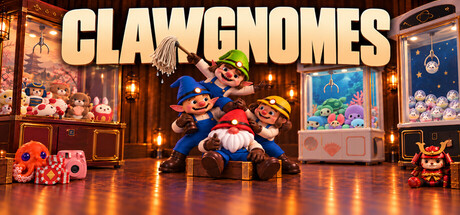 ClawGnomes In-game content art | Generative AI technology is used to realize the creative direction through the creation of assets. | AnotherBuild | - | Oct 9, 2026 | |
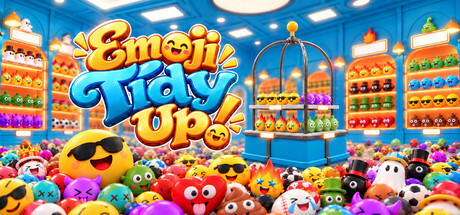 Emoji : Tidy Up In-game content textart | AI was used to assist with language localization and to create Steam page assets/promotional materials. | EmojiDev | - | Oct 9, 2026 | |
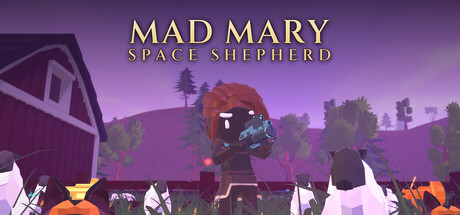 Mad Mary: Space Shepherd In-game content artcode | AI was used as an interface and scripting assistant for industry standard tools such as Reaper, Godot, Blender, Aseprite, and Deepl for enhancing the quality and consistency of the game content and building systems I otherwise would not have the capacity to design and implement as solo developer.
Where possible, artists are and will continue to be supported via use of their paid or free assets. For this game, the most money spent was on Quaternius source level packages.
Notable exception to this is the UI, which was generated using RetroDiffusion with a python pipeline built in house for consistent design around UI elements using color normalization and targeting from a theme palette, which is then imported and tweaked in Godot. | Spartan Game Studios | - | Oct 9, 2026 | |
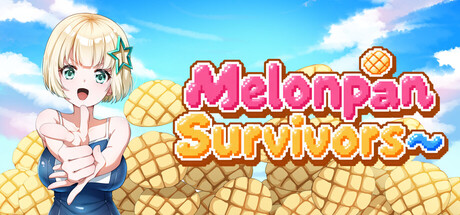 めろんぱんさばいば~ In-game content artaudio | Some illustrations, sound effects, and voices are generated by AI. | pixelpassion | - | Oct 9, 2026 | |
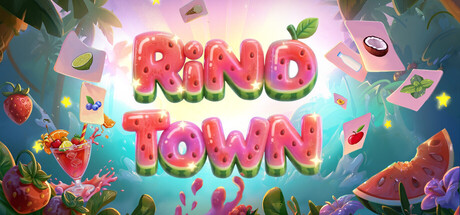 Rind Town In-game content art | All 2D visual assets in RindTown—including characters, backgrounds, fruit, icons, machines, and UI elements—were created using generative AI image tools. These generated images were then manually curated, cut, edited, and post-processed by the developer to ensure a strict and consistent "crisp digital anime" art style across the entire game.
Generative AI was used exclusively for creating static art assets during development. No generative AI is used for real-time gameplay logic or text generation while playing. | Sehr Games | - | Oct 9, 2026 | |
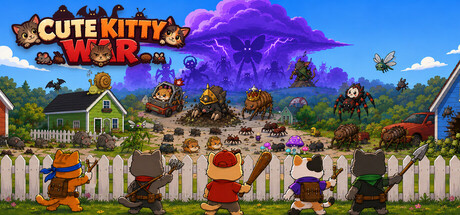 Cute Kitty WAR In-game content artaudiotext | All AI-generated content in Cute Kitty WAR was created during development; nothing is generated while you play. The game's artwork — cats, pests, items, backgrounds and store images — was produced with AI image generation from our own designs and direction, then selected, edited and assembled by our developer. Much of the game's music and sound was synthesized by code written with an AI assistant, and AI assistance helped draft the in-game text, all directed and reviewed by our developer. | SAMBEAN | - | Oct 9, 2026 | |
 Spin of the Demon Realm In-game content art | Some character illustrations and 3D character models were created with the assistance of generative AI during development. The generated assets were manually edited, refined, and integrated into the game's final content by the developer. No generative AI is used to create new content in real time during gameplay. | BB Peaceful | - | Oct 9, 2026 | |
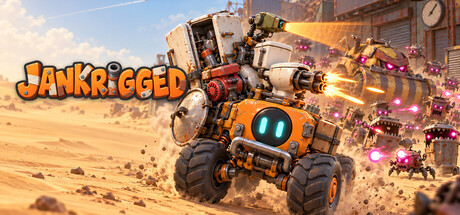 Jankrigged In-game content artaudio | Some art and audio in this game were generated with AI tools during development and edited by the developer. No AI content is generated while the game is running. | WUZHUOQUN | - | Oct 9, 2026 | |
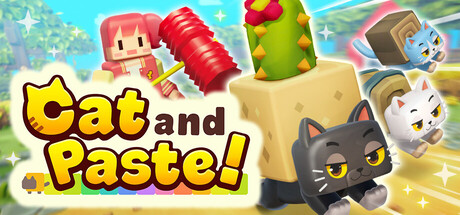 Cat and Paste! In-game content text | AI-assisted translation tools were used for some parts of the game's localization.
We are committed to improving translation quality and welcome feedback on any inaccuracies or unnatural phrasing you may encounter. | BeXide Inc. | - | Oct 9, 2026 | |
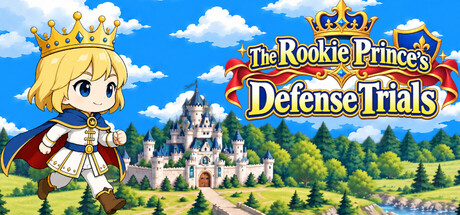 みならい王子のみならい防衛 In-game content artaudio | Gurafikku no kiso o jibun de sakusei shita ato, komakai seisho, ryōsan ni AI o shiyō shite imasu. Saundo ni kanshite wa, shōyō riyōna AI seisei no saito nite seisei shita mono o shiyō shite imasu.
81
I create the basic graphics myself, then use AI for detailed refinement and mass production.
For sound, I use assets generated on AI platforms that permit commercial use. | FoZon | - | Oct 9, 2026 | |
 Mow and Move In-game content text | Speech on the second half of the trailer and localization. | Kazasker | - | Oct 9, 2026 | |
 History of war: Napoleon in Spain In-game content artaudiocode | The game uses AI-assisted tools during development, including code generation, asset creation, music composition, map prototyping, and image generation. These systems are part of the production workflow and do not generate new content during gameplay.
AI for Coding: Development tools assist with scripting, debugging, and generating boilerplate code. All AI-generated code is reviewed and manually refined by the development team.
AI for Visual Assets: Some environmental elements, props, and textures are created or enhanced using AI image-generation tools. These images are always curated, edited, and finalized by artists to ensure consistency with the game’s historical art direction.
AI for Music: Background tracks and ambient layers may be composed with AI tools, then adjusted by human composers to match the tone of the game.
AI for Maps: AI is used to prototype terrain shapes and layout ideas, which are later fully redesigned and polished by level designers.
AI for Image Generation: Certain concept art, reference images, and early-stage visual drafts are produced using AI image-generation systems. These are used only as development references or starting points, not as final in‑game assets.
All AI-generated materials are static, pre-produced, and manually validated.
No AI system creates dynamic content, gameplay outcomes, or real-time images while the player is playing. | War History Studio | - | Oct 8, 2026 | |
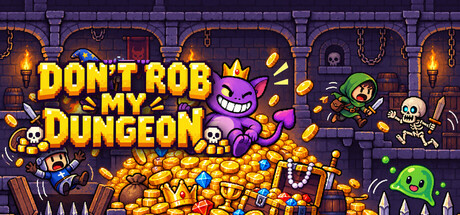 Don't Rob My Dungeon In-game content artaudio | The pixel art was created with the help of AI image tools, then cleaned up, animated and assembled by hand. Sound effects and music were made with AI audio tools and edited for the game. Nothing is generated by AI while you play. | Highlander Interactive | - | Oct 7, 2026 | |
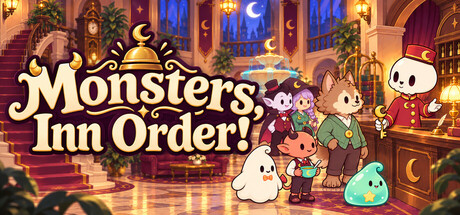 Monsters, Inn Order! In-game content arttext | Generative AI was used during development to create character, environment artwork, and illustrated UI elements. Localization was AI-translated and separately AI-reviewed. | Monsters, Inn Order! | - | Oct 7, 2026 | |
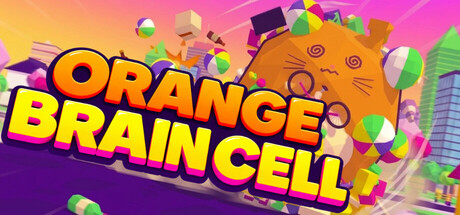 Orange Braincell In-game content artaudiotextcode | This game's content including code, artwork, audio, and text was generated with AI tools and refined by human hands. | Artur Latkovsky | - | Oct 7, 2026 | |
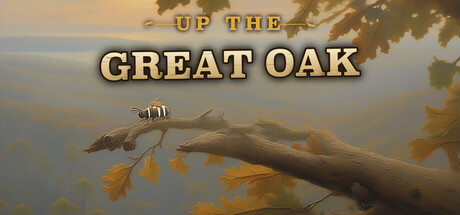 Up the Great Oak In-game content arttext | The key art used for the store capsules and the title screen background was generated with image models run locally and then hand-edited. The Spanish, Portuguese (Brazil), German and Simplified Chinese translations and drafts of the store page text were produced with the help of an AI assistant. Everything you see during gameplay (the beetle, the tree, its surfaces and all animation) is drawn procedurally in code. Sound effects are CC0 recordings; no AI-generated voice or music is used, and no generative AI runs while you play. | Andrey Drobovich | - | Oct 7, 2026 | |
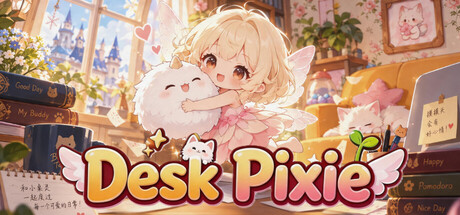 Desk Pixie In-game content arttextcode | This game uses Generative AI tools during development to assist with asset, text, or code generation. All AI-generated content has been manually reviewed, edited, and integrated by the developers. | ByndWalker | - | Oct 7, 2026 | |
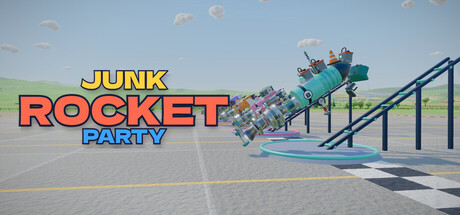 Junk Rocket Party In-game content artaudiocodetext | This game was developed with extensive use of generative AI (Anthropic's Claude and OpenAI's GPT). The game code, the 3D models (generated by AI-written scripts), procedurally generated visuals, synthesized sound effects and music (produced by AI-written synthesis code), in-game text and translations, and the store page text and trailer were all created with AI assistance. No AI content is generated while the game is running, and the game does not connect to any external AI service. | TOWA YOSHIDA | - | Oct 7, 2026 | |
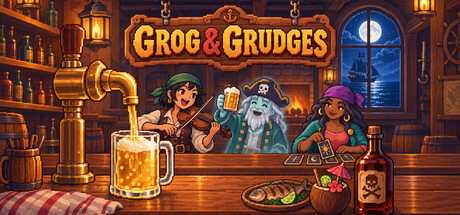 Grog & Grudges Store/marketing art | Cover art made with the help of AI tools. | Akin Games | - | Oct 7, 2026 | |
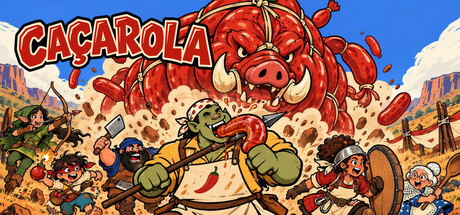 Caçarola In-game content artaudiotext | During development we used generative AI tools to create content that ships with the game: character, creature and environment art and animation frames (generated, then edited and assembled by the team), the hunters' short voice lines, the music, some sound effects, and drafts of in-game and store text. All AI-generated content was reviewed, edited and integrated by the developers. The game does not generate any content with AI while it is running. | dotsmith | - | Oct 7, 2026 |


