Public Steam disclosure research25,376 disclosures tracked
Where do games disclose AI use?
Search developers’ Steam disclosures, compare classified AI use across
games, and follow recorded changes.
This index adds cross-game classifications and statistics to
statements published on individual store pages.
Groups reflect automatic analysis of public disclosures; mature records are excluded. These counts do not measure AI use across all of Steam.
Missing or unclear statements cannot establish whether a game uses AI.
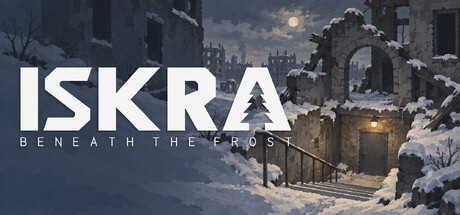
ISKRA currently includes AI-generated artwork prepared during development. We plan to replace this artwork with work created by human artists before leaving Early Access, giving the game the individual artistic identity we envision.
Logo/branding art: The game's logo and some promotional material was generated using an AI image generation tool.
Modeling: A handfull of props where generated using AI.
Localization: In-game text (menus, UI, dialogue, and other player-facing strings) has been translated into additional languages using AI translation tools, so accuracy and natural phrasing may vary by language.
Portraits of characters and creatures are generated using Stable Diffusion. They appear in-game and in store page materials. I plan to replace all generated portraits with hand-drawn art.
Some in-game labels and text descriptions are placeholders generated by an LLM. I am gradually rewriting them by hand.
Some images shipped in the game were created with generative AI during development and then selected and reviewed by the developer. No other shipped content was generated by AI.
As a solo developer, I used AI text-to-speech to voice characters. Everything else, including 3D models, textures, writing, and design, was made by me.
Generative AI was used during development as an assistive tool for code prototyping and localization, and to create some pre-generated visual content, including fictional patient photographs used as environmental and narrative elements in the game. AI-generated concept art is used only as internal visual reference and is not included as game assets.
All AI-generated content included in the game is pre-generated. No generative AI runs during gameplay. Final level design, asset placement, gameplay systems, narrative implementation, and asset integration are created and assembled by the developer.
Some store and library capsule art was produced with image-generation tools
(SDXL and a chat assistant) using our own in-game screenshots as the input
image. The underlying game content -- models, textures, code, text -- is
authored by us without generative AI. All generated art was reviewed by us
before publication.
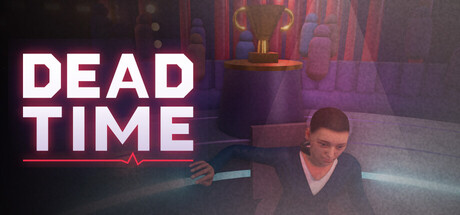
No art or audio in DEAD TIME is AI-generated: the music and sound effects are CC0 files from Freesound and Kenney, the characters and animations come from Adobe Mixamo, and every set, prop and the logo itself are drawn procedurally by the game's own code.
Generative AI was used as a writing assistant for text: the host's lines, the rules manual, the interface strings, their translation into the game's 12 languages, and this store description. Nothing is generated while you play, and the game never connects to an AI service.
Coding was done with help of generative artificial intelligence. Music was downloaded online from copyright free assets. Art was done by myself with some vfx done with help of generative artificial intelligence.
All translations were done by AI, because I don't speak that many languages... I hope in future people can help me translate all these
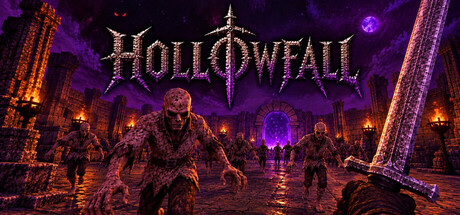
Generative AI tools were used during development to assist with the creation of certain pre-generated visual and 3D art assets used in the game. AI-assisted content is reviewed, selected, edited, and integrated by the developer. Hollowfall does not generate AI content during gameplay.
The use of AI is limited to select visual assets, which were manually reviewed, repainted, and integrated to fit the art direction. The project features original artwork hand-drawn by my artistic partner alongside an original acoustic piano score, entirely composed and performed by me.
This is an independent, completely free passion project with zero monetization, made out of a genuine love for game development. Thank you for playing.
A handful of key art pieces, concept illustrations, and store-page graphics were generated with AI image-generation software to help communicate. This use of AI is limited strictly to marketing materials.
Generative AI was used as a supporting tool for selected elements of the artwork. Most elements were extensively modified and adapted through substantial hands-on work, including repainting, rigging, and animation.
I am a solo developer with no budget. This game (my first) has been a passion project of about two years. I have developed it in between work and life. During that time, I made the decision to use a text-to-speech program to generate some NPC dialogue. Someday I hope to be working with a budget; but for now, since I don't have one, I believe that my current solution delivers the best experience for the player.
The developer uses generative AI during development for prototyping (placeholder models/assets), and some current store‑page marketing images are AI‑composed. No generative AI runs during gameplay.
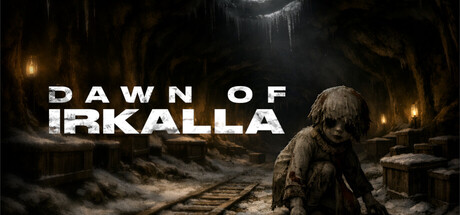
Dawn of Irkalla includes pre-generated AI-assisted content used during development, including some 3D models, images, and code assistance. The game's level design, story, lore, gameplay, music, and many other assets were created by us or sourced from licensed third parties.
Generative AI tools were used to during development to assist with game code, content, and materials. The game contains no live generative AI interactions and does not generate content during gameplay.
The game includes pre-generated sound effects created with generative AI. Some store and promotional artwork was also created with AI tools. No content is generated by AI during gameplay.
Some of the artwork in this game was created with the assistance of generative AI tools. This includes character and enemy models, visual effects, skill icons, and key art. All generated material was reviewed, edited, and integrated by the developer. No AI-generated content is produced while the game is running.
Generative AI tools were used during development to assist with debugging. AI-assisted content included in the final game was reviewed and edited by the developer. No content is generated by AI during gameplay.
Generative AI was used to create pre-rendered story illustrations, horror encounter images, promotional artwork and music. AI tools also assisted with narrative text and localization. These assets are prepared in advance; the game does not generate AI content during play.
Pre-generated content only; nothing is generated while playing. The painted room backgrounds, the doorway arches, character and creature sprites and the key art (title picture, also the basis of the store capsules) were created with a generative image model (OpenAI gpt-image-2) and then hand-composed, cropped, colour-matched and fitted with collision by the developer. Code, level design and texts were written with AI assistance (Anthropic Claude) under human direction and testing; music is synthesised by the game's own code (no AI audio). — DE: Ausschliesslich vorgenerierte Inhalte, nichts wird während des Spielens erzeugt. Die gemalten Raumhintergründe, Torbögen, Figuren- und Kreaturen-Sprites sowie die Schlüsselgrafik (Titelbild, Grundlage der Shop-Kapseln) wurden mit einem generativen Bildmodell (OpenAI gpt-image-2) erzeugt und anschliessend vom Entwickler von Hand komponiert, beschnitten, farblich abgestimmt und mit Kollision belegt. Code, Leveldesign und Texte sind mit KI-Unterstützung (Anthropic Claude) unter menschlicher Leitung und Prüfung entstanden; die Musik wird vom Spielcode selbst synthetisiert (kein KI-Audio).
We use generative AI for localization support. All AI assisted translations are reviewed and edited by human translators before being included in the game.
AI tools were used during development, including code assistance and design iteration. All creative direction, game design, and final decisions are the work of the developer. The game contains no live/runtime AI-generated content.
Generative AI was used during development to create some pre-rendered artwork and music, as well as store and promotional artwork. These are pre-created assets. The game does not generate AI content or connect to external AI services during gameplay.
Some of this game's art was created with the help of generative AI tools and then edited by hand. All of it is pre-generated during development: the game generates no content while you play and does not connect to any AI service.
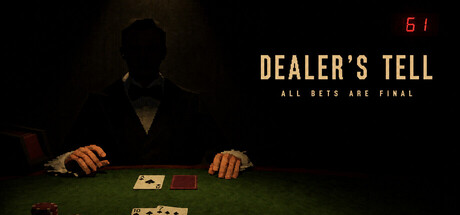
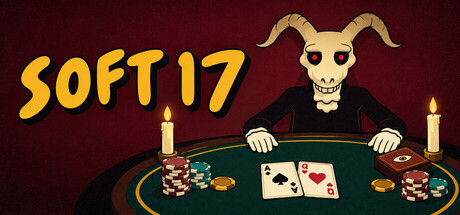
SOFT 17's visuals and audio are generated procedurally from code: the dealers, the
cards, the table and every sound are drawn and synthesized while you play, rather than
imported as files.
Generative AI contributed to some of the content that ships with the game: eight
interface icons in the main menu, the artwork used on this store page, and part of the
in-game text and its English translation. All of it was produced from written briefs,
then reviewed, edited and assembled by hand.
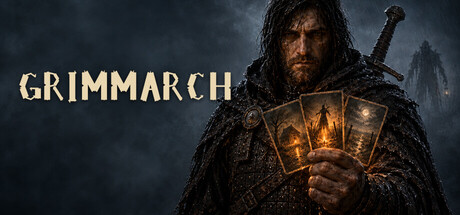
Grimmarch's art, music, voice and sound effects are created or edited with generative AI tools, then selected, edited and approved by a human before shipping. That covers card and interface art, character portraits, map and scene art, the cinematic, music, character voice lines and sound effects.
Nothing is generated while you play: the game contacts no AI service at runtime, and nothing you do is sent to one.
This game uses generative AI in the creation of the following content:
- Parts of the ending animations and still illustrations
- Parts of the scenario text
- UI artwork
- Store page assets such as the logo and key visual
- Store page text in languages other than Japanese
All generated assets were reviewed, selected and edited by our team before being included in the final build. No content is generated by AI while the game is running.
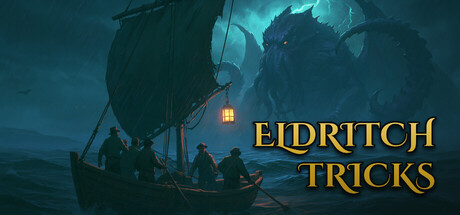
Eldritch Tricks was not dealt by human hands alone: we lean on procedural and AI-assisted tools during development to help draft what you see and hear. Every card that reaches the table is chosen, shaped, and finished by the Iron Tower Press team, and the game you play is ours.
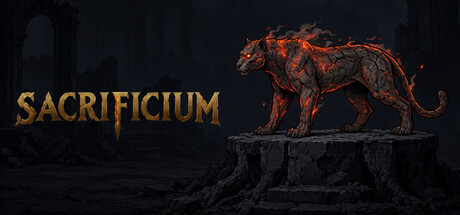
Some of the visual assets in Sacrificium — creature sprites, animations and background art — were created with the help of generative AI tools, then reviewed, edited and integrated by hand. All generative AI content is pre-generated; nothing is generated at runtime while you play. Game design, code, systems and all in-game text were written entirely by a human.
ISKRA currently includes AI-generated artwork prepared during development. We plan to replace this artwork with work created by human artists before leaving Early Access, giving the game the individual artistic identity we envision.
Logo/branding art: The game's logo and some promotional material was generated using an AI image generation tool.
Modeling: A handfull of props where generated using AI.
Localization: In-game text (menus, UI, dialogue, and other player-facing strings) has been translated into additional languages using AI translation tools, so accuracy and natural phrasing may vary by language.
Portraits of characters and creatures are generated using Stable Diffusion. They appear in-game and in store page materials. I plan to replace all generated portraits with hand-drawn art.
Some in-game labels and text descriptions are placeholders generated by an LLM. I am gradually rewriting them by hand.
Some images shipped in the game were created with generative AI during development and then selected and reviewed by the developer. No other shipped content was generated by AI.
As a solo developer, I used AI text-to-speech to voice characters. Everything else, including 3D models, textures, writing, and design, was made by me.
Generative AI was used during development as an assistive tool for code prototyping and localization, and to create some pre-generated visual content, including fictional patient photographs used as environmental and narrative elements in the game. AI-generated concept art is used only as internal visual reference and is not included as game assets.
All AI-generated content included in the game is pre-generated. No generative AI runs during gameplay. Final level design, asset placement, gameplay systems, narrative implementation, and asset integration are created and assembled by the developer.
Some store and library capsule art was produced with image-generation tools
(SDXL and a chat assistant) using our own in-game screenshots as the input
image. The underlying game content -- models, textures, code, text -- is
authored by us without generative AI. All generated art was reviewed by us
before publication.
No art or audio in DEAD TIME is AI-generated: the music and sound effects are CC0 files from Freesound and Kenney, the characters and animations come from Adobe Mixamo, and every set, prop and the logo itself are drawn procedurally by the game's own code.
Generative AI was used as a writing assistant for text: the host's lines, the rules manual, the interface strings, their translation into the game's 12 languages, and this store description. Nothing is generated while you play, and the game never connects to an AI service.
Coding was done with help of generative artificial intelligence. Music was downloaded online from copyright free assets. Art was done by myself with some vfx done with help of generative artificial intelligence.
All translations were done by AI, because I don't speak that many languages... I hope in future people can help me translate all these
Generative AI tools were used during development to assist with the creation of certain pre-generated visual and 3D art assets used in the game. AI-assisted content is reviewed, selected, edited, and integrated by the developer. Hollowfall does not generate AI content during gameplay.
The use of AI is limited to select visual assets, which were manually reviewed, repainted, and integrated to fit the art direction. The project features original artwork hand-drawn by my artistic partner alongside an original acoustic piano score, entirely composed and performed by me.
This is an independent, completely free passion project with zero monetization, made out of a genuine love for game development. Thank you for playing.
A handful of key art pieces, concept illustrations, and store-page graphics were generated with AI image-generation software to help communicate. This use of AI is limited strictly to marketing materials.
Generative AI was used as a supporting tool for selected elements of the artwork. Most elements were extensively modified and adapted through substantial hands-on work, including repainting, rigging, and animation.
I am a solo developer with no budget. This game (my first) has been a passion project of about two years. I have developed it in between work and life. During that time, I made the decision to use a text-to-speech program to generate some NPC dialogue. Someday I hope to be working with a budget; but for now, since I don't have one, I believe that my current solution delivers the best experience for the player.
The developer uses generative AI during development for prototyping (placeholder models/assets), and some current store‑page marketing images are AI‑composed. No generative AI runs during gameplay.
Dawn of Irkalla includes pre-generated AI-assisted content used during development, including some 3D models, images, and code assistance. The game's level design, story, lore, gameplay, music, and many other assets were created by us or sourced from licensed third parties.
Generative AI tools were used to during development to assist with game code, content, and materials. The game contains no live generative AI interactions and does not generate content during gameplay.
The game includes pre-generated sound effects created with generative AI. Some store and promotional artwork was also created with AI tools. No content is generated by AI during gameplay.
Some of the artwork in this game was created with the assistance of generative AI tools. This includes character and enemy models, visual effects, skill icons, and key art. All generated material was reviewed, edited, and integrated by the developer. No AI-generated content is produced while the game is running.
Generative AI tools were used during development to assist with debugging. AI-assisted content included in the final game was reviewed and edited by the developer. No content is generated by AI during gameplay.
Generative AI was used to create pre-rendered story illustrations, horror encounter images, promotional artwork and music. AI tools also assisted with narrative text and localization. These assets are prepared in advance; the game does not generate AI content during play.
Pre-generated content only; nothing is generated while playing. The painted room backgrounds, the doorway arches, character and creature sprites and the key art (title picture, also the basis of the store capsules) were created with a generative image model (OpenAI gpt-image-2) and then hand-composed, cropped, colour-matched and fitted with collision by the developer. Code, level design and texts were written with AI assistance (Anthropic Claude) under human direction and testing; music is synthesised by the game's own code (no AI audio). — DE: Ausschliesslich vorgenerierte Inhalte, nichts wird während des Spielens erzeugt. Die gemalten Raumhintergründe, Torbögen, Figuren- und Kreaturen-Sprites sowie die Schlüsselgrafik (Titelbild, Grundlage der Shop-Kapseln) wurden mit einem generativen Bildmodell (OpenAI gpt-image-2) erzeugt und anschliessend vom Entwickler von Hand komponiert, beschnitten, farblich abgestimmt und mit Kollision belegt. Code, Leveldesign und Texte sind mit KI-Unterstützung (Anthropic Claude) unter menschlicher Leitung und Prüfung entstanden; die Musik wird vom Spielcode selbst synthetisiert (kein KI-Audio).
We use generative AI for localization support. All AI assisted translations are reviewed and edited by human translators before being included in the game.
AI tools were used during development, including code assistance and design iteration. All creative direction, game design, and final decisions are the work of the developer. The game contains no live/runtime AI-generated content.
Generative AI was used during development to create some pre-rendered artwork and music, as well as store and promotional artwork. These are pre-created assets. The game does not generate AI content or connect to external AI services during gameplay.
Some of this game's art was created with the help of generative AI tools and then edited by hand. All of it is pre-generated during development: the game generates no content while you play and does not connect to any AI service.
SOFT 17's visuals and audio are generated procedurally from code: the dealers, the
cards, the table and every sound are drawn and synthesized while you play, rather than
imported as files.
Generative AI contributed to some of the content that ships with the game: eight
interface icons in the main menu, the artwork used on this store page, and part of the
in-game text and its English translation. All of it was produced from written briefs,
then reviewed, edited and assembled by hand.
Grimmarch's art, music, voice and sound effects are created or edited with generative AI tools, then selected, edited and approved by a human before shipping. That covers card and interface art, character portraits, map and scene art, the cinematic, music, character voice lines and sound effects.
Nothing is generated while you play: the game contacts no AI service at runtime, and nothing you do is sent to one.
This game uses generative AI in the creation of the following content:
- Parts of the ending animations and still illustrations
- Parts of the scenario text
- UI artwork
- Store page assets such as the logo and key visual
- Store page text in languages other than Japanese
All generated assets were reviewed, selected and edited by our team before being included in the final build. No content is generated by AI while the game is running.
Eldritch Tricks was not dealt by human hands alone: we lean on procedural and AI-assisted tools during development to help draft what you see and hear. Every card that reaches the table is chosen, shaped, and finished by the Iron Tower Press team, and the game you play is ours.
Some of the visual assets in Sacrificium — creature sprites, animations and background art — were created with the help of generative AI tools, then reviewed, edited and integrated by hand. All generative AI content is pre-generated; nothing is generated at runtime while you play. Game design, code, systems and all in-game text were written entirely by a human.