Public Steam disclosure research25,376 disclosures tracked
Where do games disclose AI use?
Search developers’ Steam disclosures, compare classified AI use across
games, and follow recorded changes.
This index adds cross-game classifications and statistics to
statements published on individual store pages.
Groups reflect automatic analysis of public disclosures; mature records are excluded. These counts do not measure AI use across all of Steam.
Missing or unclear statements cannot establish whether a game uses AI.
BirdBots uses generative AI tools during development to assist in the creation of certain promotional images, visual concepts, illustrations, and marketing materials. All AI-generated content has been reviewed, edited, and integrated by the developer. AI is not used during gameplay and does not affect the game's mechanics.
This game contains pre-generated visual, audio, and text assets created with generative AI and selected, directed, edited, and integrated by the developer. It does not use live-generated AI content during gameplay.
AI was used to generate initial drafts for some images and illustrations. All resulting assets are used only after review and revision by the developer.
Pre-generated AI tools were used as part of the development workflow for selected visual and audio source materials. These materials were subsequently edited, refined, animated, and integrated by the developer. The game does not generate AI content during gameplay.
Generative AI tools were used as supportive measures during the development process in the following areas:
- Localization: AI was used to assist with text translation and editing across supported languages.
- Sound Design: AI tools may be used for generating foundational sound elements.
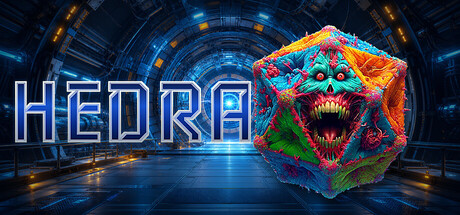
Hedra began as a physical board game designed and refined by one human developer over ten years. Nearly all of the tabletop game was created without generative AI; AI had a limited role in balance analysis. For the digital edition, AI tools played a substantial role in programming and technical development, including the original web app and its conversion into a desktop game. Most of Hedra's visual artwork was created with generative AI tools, then selected, reviewed, and integrated by the developer. The game contains pre-generated AI-assisted content. It does not generate artwork, text, audio, or other content while you play.
This game includes pre-generated AI-assisted visual/audio/text assets that were selected, edited, and integrated by the developer. The game does not use live-generated AI during play.
Some of concept art and in-game promotional materials on the game's Steam store page were created using generative artificial intelligence tools. The game's coding and script were entirely written by developer.
Some parts of the game were created with the help of generative AI tools. The music was made using Suno, and a few pieces of text were assisted by AI during development. Everything included in the game has been reviewed and approved by me before shipping.
AI tools were used to assist with code development, some in-game text, and marketing visuals. All game design, story direction and gameplay mechanics were created and reviewed by the developer. No AI-generated content is produced in real-time during gameplay.
We use AI only for English Voiceover. It was trained exclusively on the voices of our Ukrainian voice actors.
We do not use AI for final art or music. Everything in the game is handcrafted by real people. Check game Credits.
Some pre-rendered assets in this game and on its store page, including artwork, music, and sound effects, were created with the assistance of generative AI tools. All AI-assisted content was directed, reviewed, and edited by the developer. No content is generated by AI during gameplay.
Pre-rendered AI imagery was used to create some background looping elements, for example an in-game TV screen. All other artwork, narrative and character art and animation is created by hand.
It was found that some character art pieces in the game used AI references after artists received explicit instruction and legal binding not to use AI.
This will be rectified in the future. I am committed to providing a game without AI usage.
Generative AI tools were used during the development of this game to assist with early concept art generation, texture optimization, and fine-tuning certain visual assets. All final in-game assets have been reviewed and refined by the development team.
AI tools were used to create early drafts and a few base images for certain small visual elements, such as mission briefing cityscape thumbnails. Some initial sprite concepts were generated using AI. These assets were manually edited, adjusted, and integrated into the game’s visual style. No live generative AI is used during gameplay.
AI tools assisted with programming and with translating the game's interface text into languages other than English. All translations and text were reviewed by the developer; the game's design, visuals, and audio are not AI-generated.
THE UNSHARED uses pre-rendered AI-generated assets: the CURATOR's voice (Kokoro-82M TTS) and two UI images (logo and menu background). No AI content is generated during gameplay.
In the development of Project Deep Nexus, AI was utilized for several key components. This includes creating character and background artworks, as well as generating some music tracks. While the developer curated the plot and narrative, AI assisted in the process.
As a small development studio, we had to use AI to generate translations for the game and the Steam page in order to make the game accessible to the widest possible audience.
The graphic and audio assets were created either by us or by the team at Craftpix.net (who, it seems, do not use AI).
This game uses AI-assisted tools to create character voices. All dialogue was written, directed, edited, and implemented by the developer to fit the characters and story.
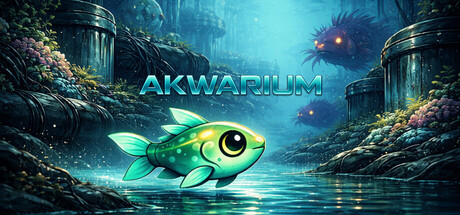
Some 2D artwork in Akwarium (characters, UI, environments, and store images) was created with generative AI tools, then reviewed and refined by the developer. No gameplay content is generated by AI in real time.
A pre-rendered cinematic intro sequence was created with the assistance of AI-based video generation tools. Some visual assets were generated or refined using AI image generation.
I took human-made photographs, edited them by hand, then used AI to apply a consistent art style among them in batches so they all look thematically related
I have utilized AI tools to assist in the creation of some store page assets and in-game textures. These AI-generated elements were used as a foundational base, which were then heavily edited, polished, and manually integrated by me to ensure they align with the game's unique art style and technical requirements. No AI tools were used to generate the core gameplay logic or narrative content; their usage was strictly limited to the visual asset production pipeline.
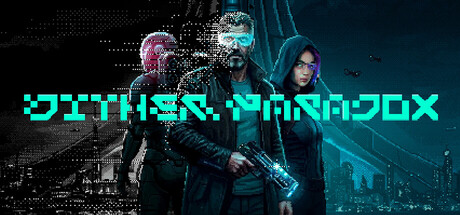
Dither Paradox is created and directed by Michał Kita. The game's final pixel art, animation, and visual design are made by hand, and every artistic and creative decision is made by people.
We use generative AI as a production tool that supports - but does not replace - this work. In the visual layer, AI is sometimes used during the concept and iteration stage - to explore ideas and variations - while the final art assets that ship in the game are made by hand. AI also assists in producing music and voiceover, which are then curated, edited, and approved by the team, as well as some promotional materials.
AI lets us reach a higher level of polish in less time, but authorship, art direction, and final responsibility for everything players see and hear remain with the people who make the game.
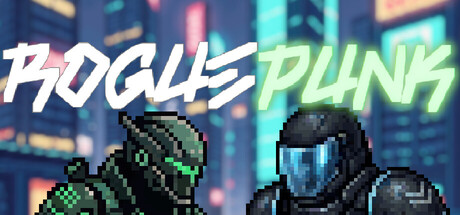
RoguePunk is an independent project, and its visual and audio content including pixel-art characters, enemies, environments, music, and sound effects was created with the help of generative AI tools, then selected, arranged, edited, and integrated by hand to fit the game's world and feel.
I see these tools the way earlier developers saw new engines, samplers, and digital art software: as a way for solo developers to bring an ambitious, fully-realized world to players who might otherwise never get to see it.
This game was made with the help of generative AI tools. During development, AI was used to help create some of the content that ships with the game — including its writing and dialogue, its English and Turkish text, and its 2D art and UI (such as icons, product sprites, achievement badges, and store images). All of this content was directed, reviewed, and curated by the developer. The game does not generate any AI content while you play, and does not connect to any AI service during gameplay.
Artificial intelligence (AI) was leveraged for key aspects of the game's development, including in-game logic, support systems, and certain artistic assets.
AI-Generated Content Disclosure:
Pre-Generated Content: Generative AI tools were used to create the game's background music, and to generate source material for portions of the sound and art, refined by the developer.
No Real-Time Generation: This game does not feature any live or real-time AI content generation.
No External Connectivity: The game runs entirely locally and does not connect to external AI services or servers while playing.
The development of this game made use of AI-generated content. Specifically, some of the in-game images, video sequences and character voice-over were created with the help of generative AI tools. All AI-generated assets were reviewed, curated and edited by the development team before inclusion in the final product
Generative AI tools were used during the creation of certain marketing and promotional materials for the game, including concept artwork, logos, store page assets, and text drafts. All AI-generated content was reviewed, edited, and integrated by the developer before publication.
Some visuals, text, and promotional materials (including the trailer) were created with the help of AI.
Imperfections, inconsistencies, and “errors” are intentional — they reflect a world where systems don’t always make sense, yet people rely on them anyway.
This is not a bug. It’s the design.
Google Gemini was utilized during the development phase as an assistive tool for C# scripting, code optimization, debugging, and brainstorming game mechanics. All AI-assisted outputs were manually reviewed, edited, and validated by the developer to ensure proper integration and originality.
AI was used to create background images in the novel, as well as objects in the levels, but the levels are drawn to the final stage manually by an artist.
AI tools were used to assist with concept art direction, store artwork iteration, written content, UI text refinement, and creative planning. All final content was reviewed, edited, and implemented by the developer.
BirdBots uses generative AI tools during development to assist in the creation of certain promotional images, visual concepts, illustrations, and marketing materials. All AI-generated content has been reviewed, edited, and integrated by the developer. AI is not used during gameplay and does not affect the game's mechanics.
This game contains pre-generated visual, audio, and text assets created with generative AI and selected, directed, edited, and integrated by the developer. It does not use live-generated AI content during gameplay.
AI was used to generate initial drafts for some images and illustrations. All resulting assets are used only after review and revision by the developer.
Pre-generated AI tools were used as part of the development workflow for selected visual and audio source materials. These materials were subsequently edited, refined, animated, and integrated by the developer. The game does not generate AI content during gameplay.
Generative AI tools were used as supportive measures during the development process in the following areas:
- Localization: AI was used to assist with text translation and editing across supported languages.
- Sound Design: AI tools may be used for generating foundational sound elements.
Hedra began as a physical board game designed and refined by one human developer over ten years. Nearly all of the tabletop game was created without generative AI; AI had a limited role in balance analysis. For the digital edition, AI tools played a substantial role in programming and technical development, including the original web app and its conversion into a desktop game. Most of Hedra's visual artwork was created with generative AI tools, then selected, reviewed, and integrated by the developer. The game contains pre-generated AI-assisted content. It does not generate artwork, text, audio, or other content while you play.
This game includes pre-generated AI-assisted visual/audio/text assets that were selected, edited, and integrated by the developer. The game does not use live-generated AI during play.
Some of concept art and in-game promotional materials on the game's Steam store page were created using generative artificial intelligence tools. The game's coding and script were entirely written by developer.
Some parts of the game were created with the help of generative AI tools. The music was made using Suno, and a few pieces of text were assisted by AI during development. Everything included in the game has been reviewed and approved by me before shipping.
AI tools were used to assist with code development, some in-game text, and marketing visuals. All game design, story direction and gameplay mechanics were created and reviewed by the developer. No AI-generated content is produced in real-time during gameplay.
We use AI only for English Voiceover. It was trained exclusively on the voices of our Ukrainian voice actors.
We do not use AI for final art or music. Everything in the game is handcrafted by real people. Check game Credits.
Some pre-rendered assets in this game and on its store page, including artwork, music, and sound effects, were created with the assistance of generative AI tools. All AI-assisted content was directed, reviewed, and edited by the developer. No content is generated by AI during gameplay.
Pre-rendered AI imagery was used to create some background looping elements, for example an in-game TV screen. All other artwork, narrative and character art and animation is created by hand.
It was found that some character art pieces in the game used AI references after artists received explicit instruction and legal binding not to use AI.
This will be rectified in the future. I am committed to providing a game without AI usage.
Generative AI tools were used during the development of this game to assist with early concept art generation, texture optimization, and fine-tuning certain visual assets. All final in-game assets have been reviewed and refined by the development team.
AI tools were used to create early drafts and a few base images for certain small visual elements, such as mission briefing cityscape thumbnails. Some initial sprite concepts were generated using AI. These assets were manually edited, adjusted, and integrated into the game’s visual style. No live generative AI is used during gameplay.
AI tools assisted with programming and with translating the game's interface text into languages other than English. All translations and text were reviewed by the developer; the game's design, visuals, and audio are not AI-generated.
THE UNSHARED uses pre-rendered AI-generated assets: the CURATOR's voice (Kokoro-82M TTS) and two UI images (logo and menu background). No AI content is generated during gameplay.
In the development of Project Deep Nexus, AI was utilized for several key components. This includes creating character and background artworks, as well as generating some music tracks. While the developer curated the plot and narrative, AI assisted in the process.
As a small development studio, we had to use AI to generate translations for the game and the Steam page in order to make the game accessible to the widest possible audience.
The graphic and audio assets were created either by us or by the team at Craftpix.net (who, it seems, do not use AI).
This game uses AI-assisted tools to create character voices. All dialogue was written, directed, edited, and implemented by the developer to fit the characters and story.
Some 2D artwork in Akwarium (characters, UI, environments, and store images) was created with generative AI tools, then reviewed and refined by the developer. No gameplay content is generated by AI in real time.
A pre-rendered cinematic intro sequence was created with the assistance of AI-based video generation tools. Some visual assets were generated or refined using AI image generation.
I took human-made photographs, edited them by hand, then used AI to apply a consistent art style among them in batches so they all look thematically related
I have utilized AI tools to assist in the creation of some store page assets and in-game textures. These AI-generated elements were used as a foundational base, which were then heavily edited, polished, and manually integrated by me to ensure they align with the game's unique art style and technical requirements. No AI tools were used to generate the core gameplay logic or narrative content; their usage was strictly limited to the visual asset production pipeline.
Dither Paradox is created and directed by Michał Kita. The game's final pixel art, animation, and visual design are made by hand, and every artistic and creative decision is made by people.
We use generative AI as a production tool that supports - but does not replace - this work. In the visual layer, AI is sometimes used during the concept and iteration stage - to explore ideas and variations - while the final art assets that ship in the game are made by hand. AI also assists in producing music and voiceover, which are then curated, edited, and approved by the team, as well as some promotional materials.
AI lets us reach a higher level of polish in less time, but authorship, art direction, and final responsibility for everything players see and hear remain with the people who make the game.
RoguePunk is an independent project, and its visual and audio content including pixel-art characters, enemies, environments, music, and sound effects was created with the help of generative AI tools, then selected, arranged, edited, and integrated by hand to fit the game's world and feel.
I see these tools the way earlier developers saw new engines, samplers, and digital art software: as a way for solo developers to bring an ambitious, fully-realized world to players who might otherwise never get to see it.
This game was made with the help of generative AI tools. During development, AI was used to help create some of the content that ships with the game — including its writing and dialogue, its English and Turkish text, and its 2D art and UI (such as icons, product sprites, achievement badges, and store images). All of this content was directed, reviewed, and curated by the developer. The game does not generate any AI content while you play, and does not connect to any AI service during gameplay.
Artificial intelligence (AI) was leveraged for key aspects of the game's development, including in-game logic, support systems, and certain artistic assets.
AI-Generated Content Disclosure:
Pre-Generated Content: Generative AI tools were used to create the game's background music, and to generate source material for portions of the sound and art, refined by the developer.
No Real-Time Generation: This game does not feature any live or real-time AI content generation.
No External Connectivity: The game runs entirely locally and does not connect to external AI services or servers while playing.
The development of this game made use of AI-generated content. Specifically, some of the in-game images, video sequences and character voice-over were created with the help of generative AI tools. All AI-generated assets were reviewed, curated and edited by the development team before inclusion in the final product
Generative AI tools were used during the creation of certain marketing and promotional materials for the game, including concept artwork, logos, store page assets, and text drafts. All AI-generated content was reviewed, edited, and integrated by the developer before publication.
Some visuals, text, and promotional materials (including the trailer) were created with the help of AI.
Imperfections, inconsistencies, and “errors” are intentional — they reflect a world where systems don’t always make sense, yet people rely on them anyway.
This is not a bug. It’s the design.
Google Gemini was utilized during the development phase as an assistive tool for C# scripting, code optimization, debugging, and brainstorming game mechanics. All AI-assisted outputs were manually reviewed, edited, and validated by the developer to ensure proper integration and originality.
AI was used to create background images in the novel, as well as objects in the levels, but the levels are drawn to the final stage manually by an artist.
AI tools were used to assist with concept art direction, store artwork iteration, written content, UI text refinement, and creative planning. All final content was reviewed, edited, and implemented by the developer.