








Disclosure
AI was used to background music tracks.
- Creator
- Curve Street
- Reviews
- -
- Added
- Oct 8, 2026
Public Steam disclosure research 25,376 disclosures tracked
Search developers’ Steam disclosures, compare classified AI use across games, and follow recorded changes. This index adds cross-game classifications and statistics to statements published on individual store pages.
Code help, debugging and other development work.
Capsule art, trailers and promotional material.
Pre-made art, audio, writing and other game assets.
Interactive or runtime AI features disclosed by the developer.
Groups reflect automatic analysis of public disclosures; mature records are excluded. These counts do not measure AI use across all of Steam. Missing or unclear statements cannot establish whether a game uses AI.
AI was used to background music tracks.
It Wants You To Stay was developed using generative AI tools, including Claude Code, OpenAI Codex, Meta Muse, Meshy, Scenario, Eleven Labs, Suno AI, ChatGPT, and Seedance. AI was used to create code, many of the 3D models, sound effects, music, and videos. The game also includes free-to-use, human-made 3D models, with credit given to their authors. I understand that some players feel strongly about AI in games, and I respect that. If you prefer not to support games made using AI, this title may not be for you. I’m sharing this openly so you can make an informed choice before buying. If you choose to play, I hope you’ll judge the experience it delivers—its atmosphere, gameplay, performance, and value. Honest feedback, including negative reviews, is welcome. I take responsibility for the game’s quality and will use that feedback to help improve it.
Some sounds and images were AI generated. All AI content was checked by real person. We also used deepL AI for localizations
The game uses AI-assisted tools during development, including code generation, asset creation, music composition, map prototyping, and image generation. These systems are part of the production workflow and do not generate new content during gameplay. AI for Coding: Development tools assist with scripting, debugging, and generating boilerplate code. All AI-generated code is reviewed and manually refined by the development team. AI for Visual Assets: Some environmental elements, props, and textures are created or enhanced using AI image-generation tools. These images are always curated, edited, and finalized by artists to ensure consistency with the game’s historical art direction. AI for Music: Background tracks and ambient layers may be composed with AI tools, then adjusted by human composers to match the tone of the game. AI for Maps: AI is used to prototype terrain shapes and layout ideas, which are later fully redesigned and polished by level designers. AI for Image Generation: Certain concept art, reference images, and early-stage visual drafts are produced using AI image-generation systems. These are used only as development references or starting points, not as final in‑game assets. All AI-generated materials are static, pre-produced, and manually validated. No AI system creates dynamic content, gameplay outcomes, or real-time images while the player is playing.
We utilize generative AI tools during the development process to assist in creating certain game assets. Specifically, AI image generation is used to produce some 2D graphical assets, such as item icons, UI backgrounds, or character portraits.
I've spent years developing *Tenants of the Shade*, and our team has devoted thousands of hours to programming, artwork, and music. We also use generative AI tools to assist with editing and creating select assets, including some in-game icons and 3D models, as well as promotional materials. The game is still in development, and these assets may change before release. We welcome questions about our creative process on Discord or in the Steam Community forums.
AI helped create promotional artwork and the main-menu background illustration, and draft the story, dialogue and Korean and English store descriptions. These assets are pre-generated; no AI content is generated or external AI service used during gameplay.
Some sound effects and images were created with the help of AI tools.
Realm utilizes generative artificial intelligence for various assets, including artwork, and audio. Additionally, the in-game map creator suite features an integrated AI assistant to help creators realize their vision.
During development we used generative AI tools to create content that ships with the game: character, creature and environment art and animation frames (generated, then edited and assembled by the team), the hunters' short voice lines, the music, some sound effects, and drafts of in-game and store text. All AI-generated content was reviewed, edited and integrated by the developers. The game does not generate any content with AI while it is running.
Some sound effects in the game (court ambience, crowd reactions and some impact sounds) were generated with an AI audio tool and then selected and edited by the developer. Some background images used in the store page and marketing materials were generated with an AI image tool. AI coding assistants were used as a development aid, including help drafting some in-game explanatory text, which the developer reviewed and edited. All game design, simulation, data and player content were created by the developer. The game does not generate any content with AI while it runs.
The card illustrations were made with an AI image tool from our own low-poly style references, then reviewed and placed by hand. All other art, the map, characters, interface, voices and writing were made by people. Store art and screenshots are captured from the game itself. I'm hoping I can replace the card art by proper human art before full release.
Deckbound was designed and directed by a solo developer. Generative AI was used as a tool during development to help write in-game text (card, item and enemy descriptions), and produce the pixel artwork. All of it was reviewed, edited and curated by hand. The game itself does not use AI while you play — nothing is generated in real time.
ColdBurn contains certain artwork and visual assets created with the assistance of generative artificial intelligence tools. Generative AI was used during development to help create and refine selected game artwork, In-Game and Store Page Translations, as well as certain promotional and marketing visuals. All AI-assisted assets were reviewed, selected, and incorporated into the game by the developer. Generative AI is not used to generate new content dynamically during gameplay.
Punk Dog Wars uses AI-assisted tools during development. Character, effect and environment art, the music, and the announcer and dog voices were generated with AI models and then selected, composited and edited by our team. The store art was made the same way. No content is generated while you play.
Base matter does not use AI within the game itself. Some marketing materials and images on the store page have AI used as a general editing tool.
Voices And Sounds Are AI Generated
Generative AI was used to create some pre-rendered artwork, including store and promotional art and selected in-game visuals such as terrain, resources, animals, and characters, as well as some music and audio assets. These assets are prepared before play. Arid Frontiers does not generate content with AI during gameplay or connect to a third-party generative AI service during play; pawn behavior, colony simulation, combat, wildlife, and events are driven by programmed game systems.
I've wanted to make games for as long as I can remember but could never learn to code, so AI helped write the code. Some 3D models started as AI-generated base meshes that were then reshaped and repainted by hand, and the arena announcer is an AI voice reading lines we wrote. Everything else is hand-made or licensed.
Korsaros Online uses a hybrid creative workflow combining generative AI tools with manual editing and integration for some artwork, 3D models, and music, including Steam marketing assets. These assets are reviewed before inclusion.
HearthMoon uses AI to generate NPC dialogue during gameplay and synthesize NPC voices. Spoken input is transcribed so villagers and the dragon companion can respond to the player. AI-assisted artwork and writing are also used in development and in store-page marketing. Conversations are experimental and responses may be inconsistent.
We use AI to help with community, bug fixes, and general content that will be replaced over time as we continue to develop.
The art, music, and sound effects in this game were made with the help of generative AI tools, and each piece was selected and refined by the developer. The Chinese and English translations were drafted with AI assistance and will continue to be refined throughout Early Access. The story and dialogue were written by the developer, and the game was designed by the developer.
Generative AI tools were used during development to assist in creating select assets, including a character's voiceover audio, UI design elements, and specific artwork. All generated content was manually edited, refined, and integrated by the developer to ensure quality and stylistic consistency.
AI tools are used to create SVG artwork, generate sound effects, and translate and localize the game's store page text.
During the development of FOOTBALL EXECUTIVE 27, generative AI tools were used to assist with parts of the program code, localization, and the editorial review of user interface and in-game text. All AI-assisted content was manually reviewed and revised before being included in the game. No content is generated by generative AI during gameplay, and no player input is transmitted to any external AI service.
Audio sound effects, translated localization text, and promotional trailer videos in this game were produced with the assistance of generative AI tools. All AI-assisted assets have been reviewed, edited and finalized by the development team.
AI generated voice lines used for learning assistant tool inside the app
The game's characters, environment tiles, and totem were created by the developer in Aseprite. Additional enemy variants and animation frames were produced with the help of an AI coding assistant that draws sprites programmatically from authored pixel data. The menu music was created with the help of AI music tools. All promotional and store artwork was created by a human artist. No content is generated by AI while the game is running.
Generative AI tools were used during development to assist with drafting and editing some written content, lore and localization. All AI-assisted material was reviewed and revised by the developer before inclusion. DeltaV does not generate content during gameplay and does not connect to any generative AI service. Its computer-controlled opponents use conventional rule-based game logic, not generative AI.
Generative AI was used during development to create in-game text, including item descriptions, interface copy, narrative text and localization. The Steam trailer also includes pre-generated AI cinematic visuals and music. No content is generated by AI during gameplay.
Generative AI was used to create some pre-generated 3D models, artwork, audio, and voice assets used in the game and marketing materials. No AI-generated content is created during gameplay.
Generative AI tools were utilized during development to assist in creating certain visual assets, including store page capsule graphics, promotional imagery, and selected in-game 2D UI/icon elements. All generated content was curated, edited, and integrated by the developer.
Generative AI was used to create some pre-generated artwork used in the game. The game does not generate AI content during gameplay.
AI was used for the character portraits and monster assets in the game.
Generative AI was used to create some visual assets, including UI artwork and icons. No AI content is generated during gameplay.
Generative AI was used to assist with writing and translating in-game text and Steam store page descriptions. It was not used to generate artwork, music, sound effects, voice acting, or promotional visuals.
Yes, AI helped make this game. Here's exactly how: • I built it with an AI coding assistant. The design and direction are mine; the AI did a lot of the typing. • The narrator's lines and item descriptions were drafted with AI and edited by me. So was this page. • No image, music or voice generators. The art and sound are drawn and synthesized by code. • Nothing is AI-generated while you play.
During development, we used generative AI tools to create some of the content included in the game, such as images, text, and audio. During gameplay, generative AI may create audio content in response to race events. We have implemented safeguards to prevent or reduce the generation of illegal or inappropriate content.
AI assistance used for some visuals
Battles of Arunia uses AI-generated artwork created during development, including card illustrations, character portraits, backgrounds and interface artwork. We plan to replace some placeholder artwork during Early Access, including through voluntary community contributions used with permission. The game does not generate AI content during gameplay.
Generative AI tools were used as part of the development of Warstead to support the creation of visual content, sound effects, and video content such as trailers, helping to speed up the development process.
AI tools were used during development to assist in creating and iterating on some pre-generated assets. These assets were subsequently selected, edited, integrated, and reviewed by the developers before inclusion in the game. The game does not generate AI content during gameplay.
As a solo developer, generative AI tools were used to assist in creating promotional capsule artwork and achievement icons. All gameplay mechanics, coding, and game design were created directly by the developer.
MARCO is made by a solo developer. Its characters, core concepts, and art direction are my original work. I used AI tools, guided by my own artwork and creative direction, to help create additional 3D models, props, textures, concept art, and some store-page and marketing images. I reviewed, selected, and refined these assets to fit MARCO’s style before including them. No content is generated by AI during gameplay. As a solo developer with limited time and resources, these tools helped me turn a game I’d imagined for years into something people can actually play.
Software engineering is primarily by hand in C# and python, with local SLM's, run via Ollama, and occasional cloud-based LLM's used to research knowledge deficits and prototype code snippets for specific systems that map to those deficits. Any AI-generated code was reviewed line-by-line, hand-integrated and heavily modified. The application requires local file access to files selected by the player from a standard operating system folder browser with permissions. It scans the user's system via the psutil and gputil standard python packages to ascertain the specifications of the user's system to select a model that will match their system's performance profile. Pinocchio and Hunyuan were used to generate 3D models of mushrooms from 19th century public domain botanical illustrations, and the integrated SLM model is used to generate text labels and summaries at runtime. The application has absolutely no chat interface. An SLM is integrated locally as a black-box system with robust system prompts to generate structured output in the form of JSON based on the player's file inputs. The JSON is consumed by the game to generate maps and levels. Additional Specifications & Technical Notes: - A localhost python server is back-compiled to a C executable and deployed with the main executable and invoked from its application domain to host the local model. - The local model is downloaded from the Internet via Ollama. - The end-user needs to have the Ollama client installed to run the model locally. - The python server has robust internal system prompts to prevent violation of the Terms of Service on the Steam and Itch platforms regarding disallowed content. - The python server is run from the main executable's application domain, in the same directory structure. - The python server and main executable communicate via a local socket connection via IANA-approved port numbers according to RFC 6335. Ports are tested and iterated to ensure that they are available on the local system. If an IANA-approved port listed in RFC 6335 is not available, the application will not run. Heaps adheres to the ARTS standard for AI labeling. A full accounting of our use of AI in this game can be found at: droidknot.com/ARTS/Heaps_SIS_082726.pdf
This game used AI for localization. Translations only.
Pre-generated content only, nothing is generated while the game runs. Most of the pixel art for monsters, bosses, world objects (shrines, totems, traps, items), boon card art and the three hero cats was generated with PixelLab (an AI pixel-art tool) from text prompts and from our own hand-drawn references, then hand-corrected, quantized to the game's palette and animated frame by frame. The music and all sound effects are synthesized procedurally in our own code (no AI). Purchased asset packs (tiles, UI) are hand-drawn by their artists. No AI-generated text, voices or story.
Generative AI tools were used during development to assist with the creation and editing of some text content and graphical materials used in the game and its related assets.
Translations of UI text
| Title⇅ | Disclosure | Creator⇅ | Src | Reviews⇅ | Added↓ |
|---|---|---|---|---|---|
 Italian Street Food Simulator In-game content audio | AI was used to background music tracks. | Curve Street | - | Oct 8, 2026 | |
 It Wants You To Stay In-game content artaudiotextcode | It Wants You To Stay was developed using generative AI tools, including Claude Code, OpenAI Codex, Meta Muse, Meshy, Scenario, Eleven Labs, Suno AI, ChatGPT, and Seedance. AI was used to create code, many of the 3D models, sound effects, music, and videos. The game also includes free-to-use, human-made 3D models, with credit given to their authors.
I understand that some players feel strongly about AI in games, and I respect that. If you prefer not to support games made using AI, this title may not be for you. I’m sharing this openly so you can make an informed choice before buying.
If you choose to play, I hope you’ll judge the experience it delivers—its atmosphere, gameplay, performance, and value. Honest feedback, including negative reviews, is welcome. I take responsibility for the game’s quality and will use that feedback to help improve it. | AI & Design Game Studios | - | Oct 8, 2026 | |
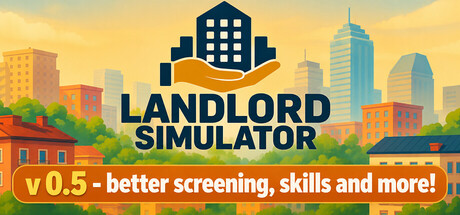 Landlord Simulator In-game content audioarttext | Some sounds and images were AI generated. All AI content was checked by real person. We also used deepL AI for localizations | BeyondPlanet | 32 | Oct 8, 2026 | |
 History of war: Napoleon in Spain In-game content artaudiocode | The game uses AI-assisted tools during development, including code generation, asset creation, music composition, map prototyping, and image generation. These systems are part of the production workflow and do not generate new content during gameplay.
AI for Coding: Development tools assist with scripting, debugging, and generating boilerplate code. All AI-generated code is reviewed and manually refined by the development team.
AI for Visual Assets: Some environmental elements, props, and textures are created or enhanced using AI image-generation tools. These images are always curated, edited, and finalized by artists to ensure consistency with the game’s historical art direction.
AI for Music: Background tracks and ambient layers may be composed with AI tools, then adjusted by human composers to match the tone of the game.
AI for Maps: AI is used to prototype terrain shapes and layout ideas, which are later fully redesigned and polished by level designers.
AI for Image Generation: Certain concept art, reference images, and early-stage visual drafts are produced using AI image-generation systems. These are used only as development references or starting points, not as final in‑game assets.
All AI-generated materials are static, pre-produced, and manually validated.
No AI system creates dynamic content, gameplay outcomes, or real-time images while the player is playing. | War History Studio | - | Oct 8, 2026 | |
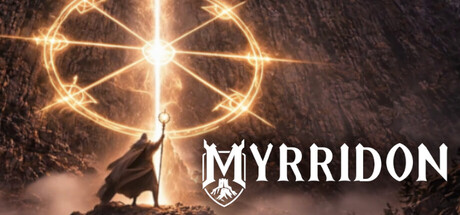 Myrridon In-game content art | We utilize generative AI tools during the development process to assist in creating certain game assets. Specifically, AI image generation is used to produce some 2D graphical assets, such as item icons, UI backgrounds, or character portraits. | 3AM Games | - | Oct 8, 2026 | |
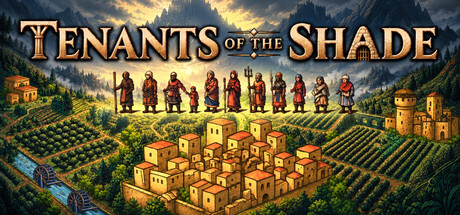 Tenants of the Shade In-game content art | I've spent years developing *Tenants of the Shade*, and our team has devoted thousands of hours to programming, artwork, and music. We also use generative AI tools to assist with editing and creating select assets, including some in-game icons and 3D models, as well as promotional materials.
The game is still in development, and these assets may change before release. We welcome questions about our creative process on Discord or in the Steam Community forums. | Stormjest | - | Oct 8, 2026 | |
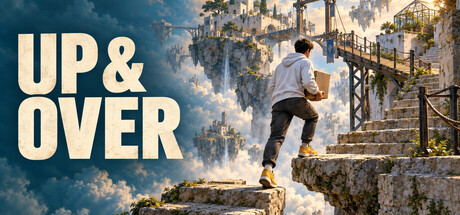 Up & Over In-game content arttext | AI helped create promotional artwork and the main-menu background illustration, and draft the story, dialogue and Korean and English store descriptions. These assets are pre-generated; no AI content is generated or external AI service used during gameplay. | PlayCraft Games | - | Oct 8, 2026 | |
 Cryptward Online In-game content artaudio | Some sound effects and images were created with the help of AI tools. | Taverna Games | - | Oct 7, 2026 | |
 Realm Live AI artaudio | Realm utilizes generative artificial intelligence for various assets, including artwork, and audio. Additionally, the in-game map creator suite features an integrated AI assistant to help creators realize their vision. | Realm | - | Oct 7, 2026 | |
 Caçarola In-game content artaudiotext | During development we used generative AI tools to create content that ships with the game: character, creature and environment art and animation frames (generated, then edited and assembled by the team), the hunters' short voice lines, the music, some sound effects, and drafts of in-game and store text. All AI-generated content was reviewed, edited and integrated by the developers. The game does not generate any content with AI while it is running. | dotsmith | - | Oct 7, 2026 | |
 Padel Manager 27 In-game content audiotext | Some sound effects in the game (court ambience, crowd reactions and some impact sounds) were generated with an AI audio tool and then selected and edited by the developer. Some background images used in the store page and marketing materials were generated with an AI image tool. AI coding assistants were used as a development aid, including help drafting some in-game explanatory text, which the developer reviewed and edited. All game design, simulation, data and player content were created by the developer. The game does not generate any content with AI while it runs. | Sácame de Pobre SA | - | Oct 7, 2026 | |
 After Troy In-game content art | The card illustrations were made with an AI image tool from our own low-poly style references, then reviewed and placed by hand. All other art, the map, characters, interface, voices and writing were made by people. Store art and screenshots are captured from the game itself. I'm hoping I can replace the card art by proper human art before full release. | Ruben Van Den Broucke | - | Oct 7, 2026 | |
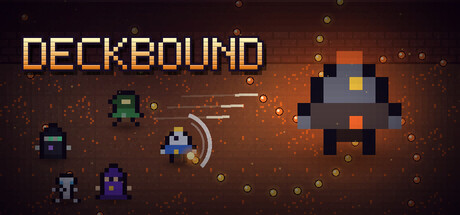 Deckbound In-game content arttext | Deckbound was designed and directed by a solo developer. Generative AI was used as a tool during development to help write in-game text (card, item and enemy descriptions), and produce the pixel artwork. All of it was reviewed, edited and curated by hand. The game itself does not use AI while you play — nothing is generated in real time. | Yuri Murray-Alves | - | Oct 7, 2026 | |
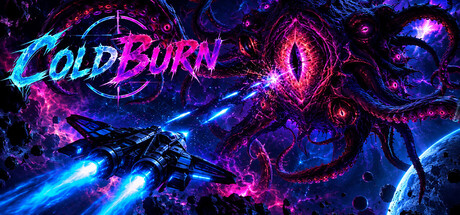 ColdBurn In-game content arttext | ColdBurn contains certain artwork and visual assets created with the assistance of generative artificial intelligence tools. Generative AI was used during development to help create and refine selected game artwork, In-Game and Store Page Translations, as well as certain promotional and marketing visuals.
All AI-assisted assets were reviewed, selected, and incorporated into the game by the developer. Generative AI is not used to generate new content dynamically during gameplay. | Chunki Interactive | - | Oct 7, 2026 | |
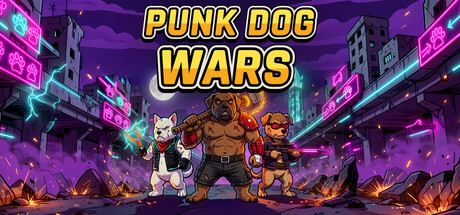 Punk Dog Wars MOBA 2D In-game content artaudiotext | Punk Dog Wars uses AI-assisted tools during development. Character, effect and environment art, the music, and the announcer and dog voices were generated with AI models and then selected, composited and edited by our team. The store art was made the same way. No content is generated while you play. | Westie Game Studios | - | Oct 7, 2026 | |
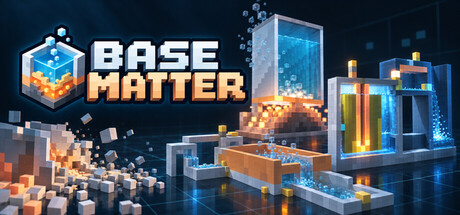 Base Matter Store/marketing art | Base matter does not use AI within the game itself.
Some marketing materials and images on the store page have AI used as a general editing tool. | Mistline Media | - | Oct 7, 2026 | |
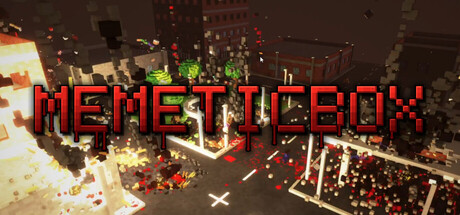 MemeticBox In-game content audio | Voices And Sounds Are AI Generated | Corvium Games | - | Oct 7, 2026 | |
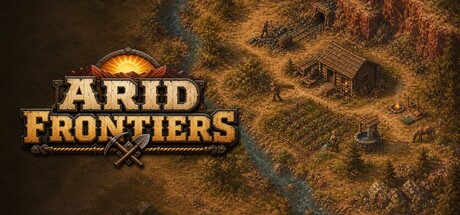 Arid Frontiers In-game content artaudio | Generative AI was used to create some pre-rendered artwork, including store and promotional art and selected in-game visuals such as terrain, resources, animals, and characters, as well as some music and audio assets. These assets are prepared before play. Arid Frontiers does not generate content with AI during gameplay or connect to a third-party generative AI service during play; pawn behavior, colony simulation, combat, wildlife, and events are driven by programmed game systems. | Voxel Pulse Games | - | Oct 7, 2026 | |
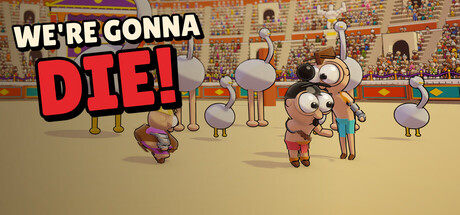 We're Gonna Die In-game content artaudiocode | I've wanted to make games for as long as I can remember but could never learn to code, so AI helped write the code. Some 3D models started as AI-generated base meshes that were then reshaped and repainted by hand, and the arena announcer is an AI voice reading lines we wrote. Everything else is hand-made or licensed. | Delusional | - | Oct 7, 2026 | |
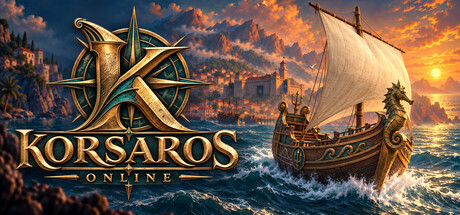 Korsaros Online In-game content artaudio | Korsaros Online uses a hybrid creative workflow combining generative AI tools with manual editing and integration for some artwork, 3D models, and music, including Steam marketing assets. These assets are reviewed before inclusion. | Injesterr | - | Oct 7, 2026 | |
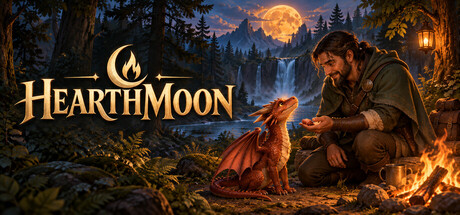 HearthMoon Live AI textaudio | HearthMoon uses AI to generate NPC dialogue during gameplay and synthesize NPC voices. Spoken input is transcribed so villagers and the dragon companion can respond to the player. AI-assisted artwork and writing are also used in development and in store-page marketing. Conversations are experimental and responses may be inconsistent. | EZY Studios | - | Oct 7, 2026 | |
 The Anomaly on Mars Unclear | We use AI to help with community, bug fixes, and general content that will be replaced over time as we continue to develop. | nith studio | - | Oct 7, 2026 | |
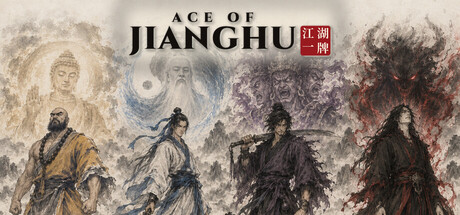 江湖一牌:无情武林 / Ace of Jianghu In-game content artaudiotext | The art, music, and sound effects in this game were made with the help of generative AI tools, and each piece was selected and refined by the developer. The Chinese and English translations were drafted with AI assistance and will continue to be refined throughout Early Access. The story and dialogue were written by the developer, and the game was designed by the developer. | 墨劍 Ink Blade | - | Oct 7, 2026 | |
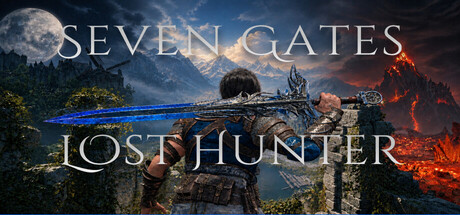 Seven Gate : Lost Hunter In-game content audioart | Generative AI tools were used during development to assist in creating select assets, including a character's voiceover audio, UI design elements, and specific artwork. All generated content was manually edited, refined, and integrated by the developer to ensure quality and stylistic consistency. | Cyrus Games Studio | - | Oct 7, 2026 | |
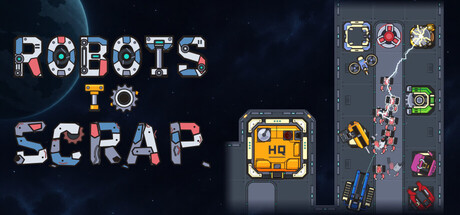 Robots To Scrap In-game content artaudiotext | AI tools are used to create SVG artwork, generate sound effects, and translate and localize the game's store page text. | NangmanGames | - | Oct 7, 2026 | |
 FOOTBALL EXECUTIVE 27 In-game content codetext | During the development of FOOTBALL EXECUTIVE 27, generative AI tools were used to assist with parts of the program code, localization, and the editorial review of user interface and in-game text. All AI-assisted content was manually reviewed and revised before being included in the game. No content is generated by generative AI during gameplay, and no player input is transmitted to any external AI service. | ZERE STUDIOS | - | Oct 7, 2026 | |
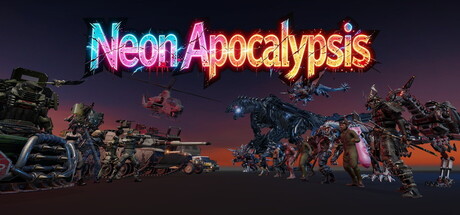 Neon Apocalypsis In-game content audiotext | Audio sound effects, translated localization text, and promotional trailer videos in this game were produced with the assistance of generative AI tools. All AI-assisted assets have been reviewed, edited and finalized by the development team. | 4 Cats Studio | - | Oct 7, 2026 | |
 Graphmat In-game content audio | AI generated voice lines used for learning assistant tool inside the app | Gigaduck | - | Oct 7, 2026 | |
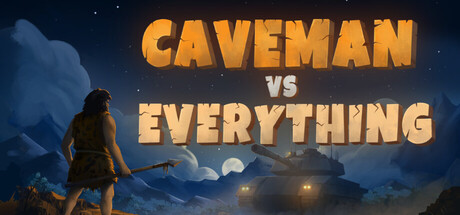 Caveman vs Everything In-game content artaudio | The game's characters, environment tiles, and totem were created by the developer in Aseprite. Additional enemy variants and animation frames were produced with the help of an AI coding assistant that draws sprites programmatically from authored pixel data. The menu music was created with the help of AI music tools. All promotional and store artwork was created by a human artist. No content is generated by AI while the game is running. | Nice Try Studios | - | Oct 7, 2026 | |
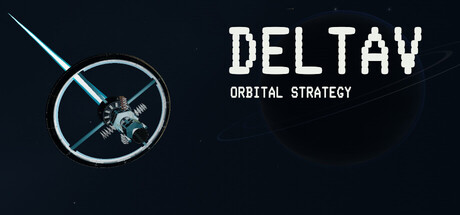 DeltaV Orbital Strategy In-game content text | Generative AI tools were used during development to assist with drafting and editing some written content, lore and localization. All AI-assisted material was reviewed and revised by the developer before inclusion. DeltaV does not generate content during gameplay and does not connect to any generative AI service. Its computer-controlled opponents use conventional rule-based game logic, not generative AI. | Vazkor | - | Oct 7, 2026 | |
 Mythaka In-game content textartaudio | Generative AI was used during development to create in-game text, including item descriptions, interface copy, narrative text and localization. The Steam trailer also includes pre-generated AI cinematic visuals and music. No content is generated by AI during gameplay. | Ampersand Game Studios | - | Oct 7, 2026 | |
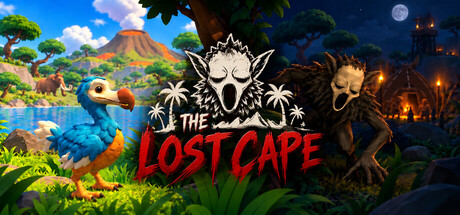 The Lost Cape In-game content artaudiotext | Generative AI was used to create some pre-generated 3D models, artwork, audio, and voice assets used in the game and marketing materials. No AI-generated content is created during gameplay. | RS Game Studio | - | Oct 7, 2026 | |
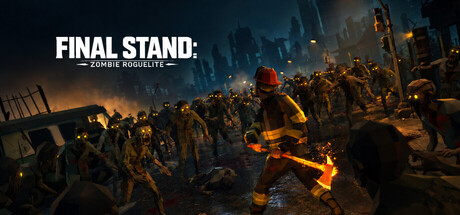 Final Stand: Zombie Roguelite In-game content art | Generative AI tools were utilized during development to assist in creating certain visual assets, including store page capsule graphics, promotional imagery, and selected in-game 2D UI/icon elements. All generated content was curated, edited, and integrated by the developer. | Atc Games | - | Oct 7, 2026 | |
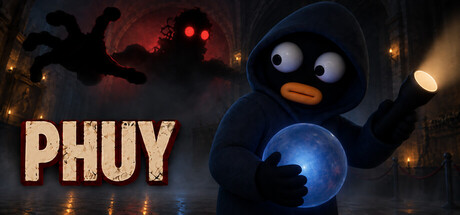 PHUY In-game content art | Generative AI was used to create some pre-generated artwork used in the game. The game does not generate AI content during gameplay. | Viridian St. | - | Oct 7, 2026 | |
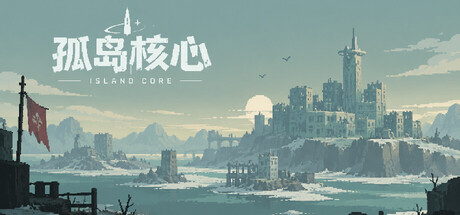 孤岛核心 In-game content art | AI was used for the character portraits and monster assets in the game. | 黯月游戏工作室 | - | Oct 6, 2026 | |
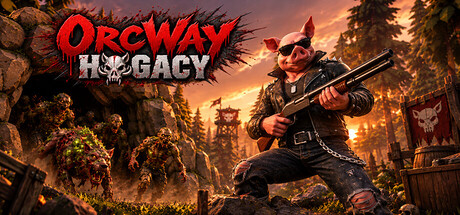 OrcWay Hogacy In-game content art | Generative AI was used to create some visual assets, including UI artwork and icons. No AI content is generated during gameplay. | CROCUS GAMES | - | Oct 6, 2026 | |
 Flopball In-game content text | Generative AI was used to assist with writing and translating in-game text and Steam store page descriptions. It was not used to generate artwork, music, sound effects, voice acting, or promotional visuals. | Freefall Games | - | Oct 6, 2026 | |
 No Hands Yet In-game content textcode | Yes, AI helped make this game. Here's exactly how:
• I built it with an AI coding assistant. The design and direction are mine; the AI did a lot of the typing.
• The narrator's lines and item descriptions were drafted with AI and edited by me. So was this page.
• No image, music or voice generators. The art and sound are drawn and synthesized by code.
• Nothing is AI-generated while you play. | Cow Tippers | - | Oct 6, 2026 | |
 Racing Season Manager Live AI arttextaudio | During development, we used generative AI tools to create some of the content included in the game, such as images, text, and audio.
During gameplay, generative AI may create audio content in response to race events. We have implemented safeguards to prevent or reduce the generation of illegal or inappropriate content. | Race Studio | - | Oct 6, 2026 | |
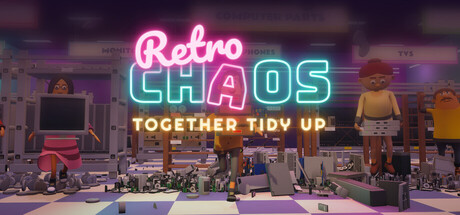 Retro Chaos: Together Tidy Up Unclear art | AI assistance used for some visuals | Smobu | - | Oct 6, 2026 | |
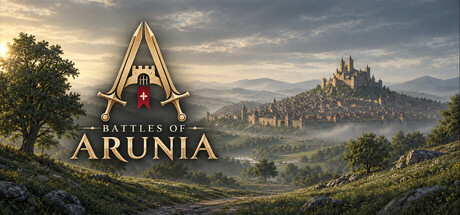 Battles of Arunia In-game content art | Battles of Arunia uses AI-generated artwork created during development, including card illustrations, character portraits, backgrounds and interface artwork. We plan to replace some placeholder artwork during Early Access, including through voluntary community contributions used with permission. The game does not generate AI content during gameplay. | Battles of Arunia | - | Oct 6, 2026 | |
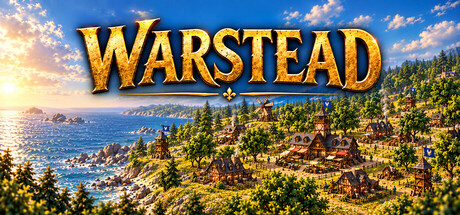 Warstead In-game content artaudio | Generative AI tools were used as part of the development of Warstead to support the creation of visual content, sound effects, and video content such as trailers, helping to speed up the development process. | Night Haven Interactive | - | Oct 6, 2026 | |
 Ranked Rock Paper Scissors In-game content art | AI tools were used during development to assist in creating and iterating on some pre-generated assets. These assets were subsequently selected, edited, integrated, and reviewed by the developers before inclusion in the game. The game does not generate AI content during gameplay. | zomgbab | - | Oct 6, 2026 | |
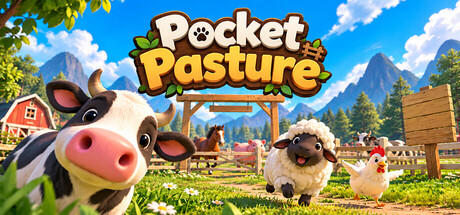 Pocket Pasture In-game content art | As a solo developer, generative AI tools were used to assist in creating promotional capsule artwork and achievement icons. All gameplay mechanics, coding, and game design were created directly by the developer. | OxygenStudio | - | Oct 6, 2026 | |
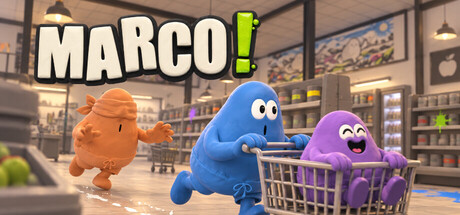 Marco! In-game content art | MARCO is made by a solo developer. Its characters, core concepts, and art direction are my original work.
I used AI tools, guided by my own artwork and creative direction, to help create additional 3D models, props, textures, concept art, and some store-page and marketing images. I reviewed, selected, and refined these assets to fit MARCO’s style before including them.
No content is generated by AI during gameplay.
As a solo developer with limited time and resources, these tools helped me turn a game I’d imagined for years into something people can actually play. | Noel Ray | - | Oct 6, 2026 | |
 Heaps Live AI arttextcode | Software engineering is primarily by hand in C# and python, with local SLM's, run via Ollama, and occasional cloud-based LLM's used to research knowledge deficits and prototype code snippets for specific systems that map to those deficits. Any AI-generated code was reviewed line-by-line, hand-integrated and heavily modified.
The application requires local file access to files selected by the player from a standard operating system folder browser with permissions. It scans the user's system via the psutil and gputil standard python packages to ascertain the specifications of the user's system to select a model that will match their system's performance profile.
Pinocchio and Hunyuan were used to generate 3D models of mushrooms from 19th century public domain botanical illustrations, and the integrated SLM model is used to generate text labels and summaries at runtime.
The application has absolutely no chat interface. An SLM is integrated locally as a black-box system with robust system prompts to generate structured output in the form of JSON based on the player's file inputs. The JSON is consumed by the game to generate maps and levels.
Additional Specifications & Technical Notes:
- A localhost python server is back-compiled to a C executable and deployed with the main executable and invoked from its application domain to host the local model.
- The local model is downloaded from the Internet via Ollama.
- The end-user needs to have the Ollama client installed to run the model locally.
- The python server has robust internal system prompts to prevent violation of the Terms of Service on the Steam and Itch platforms regarding disallowed content.
- The python server is run from the main executable's application domain, in the same directory structure.
- The python server and main executable communicate via a local socket connection via IANA-approved port numbers according to RFC 6335. Ports are tested and iterated to ensure that they are available on the local system. If an IANA-approved port listed in RFC 6335 is not available, the application will not run.
Heaps adheres to the ARTS standard for AI labeling. A full accounting of our use of AI in this game can be found at:
droidknot.com/ARTS/Heaps_SIS_082726.pdf | Droidknot LLC | - | Oct 6, 2026 | |
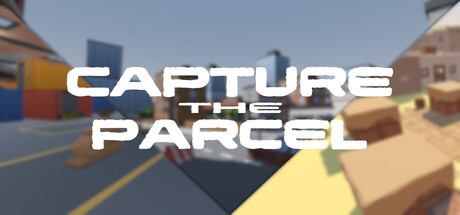 Capture The Parcel In-game content text | This game used AI for localization. Translations only. | Pinching Pennies Studios LLC | - | Oct 6, 2026 | |
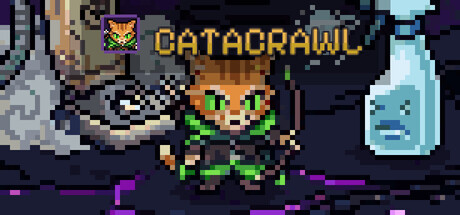 Catacrawl In-game content art | Pre-generated content only, nothing is generated while the game runs. Most of the pixel art for monsters, bosses, world objects (shrines, totems, traps, items), boon card art and the three hero cats was generated with PixelLab (an AI pixel-art tool) from text prompts and from our own hand-drawn references, then hand-corrected, quantized to the game's palette and animated frame by frame. The music and all sound effects are synthesized procedurally in our own code (no AI). Purchased asset packs (tiles, UI) are hand-drawn by their artists. No AI-generated text, voices or story. | eedee | - | Oct 6, 2026 | |
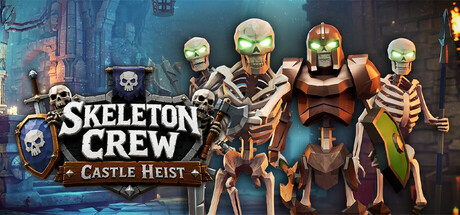 Skeleton Crew: Castle Heist In-game content textart | Generative AI tools were used during development to assist with the creation and editing of some text content and graphical materials used in the game and its related assets. | Courtney Keyes Studios | - | Oct 6, 2026 | |
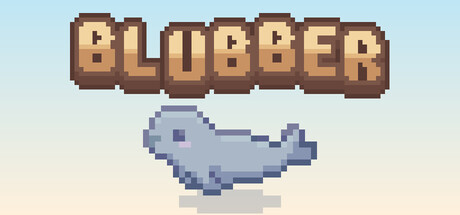 Blubber In-game content text | Translations of UI text | Crooked Hill Games | - | Oct 6, 2026 |


