Public Steam disclosure research25,376 disclosures tracked
Where do games disclose AI use?
Search developers’ Steam disclosures, compare classified AI use across
games, and follow recorded changes.
This index adds cross-game classifications and statistics to
statements published on individual store pages.
Groups reflect automatic analysis of public disclosures; mature records are excluded. These counts do not measure AI use across all of Steam.
Missing or unclear statements cannot establish whether a game uses AI.
Generative AI was used for UI icons, the intro video, and retouching of store capsule images. In-game 3D assets, characters and environments are licensed or hand-made, not AI-generated. AI was used as an assistive tool for code, text and translation.
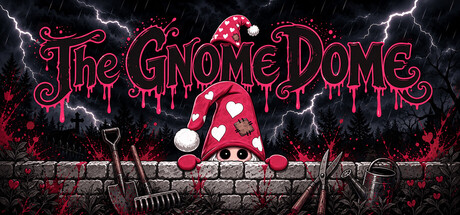
Generative AI was used as a development assistance tool during the creation of GNOME DOME, including help with gameplay logic, Unreal Engine/Blueprint development, debugging, writing, and concept development. All AI-assisted work was reviewed, edited, and implemented by the developer. Generative AI is not used to create content dynamically during gameplay.
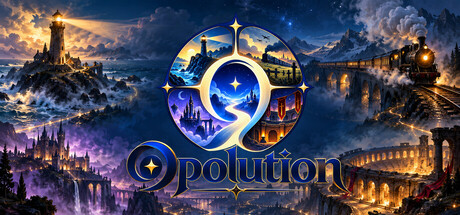
Opolution includes AI-generated illustrations, video sequences and voice-over audio, as well as AI-assisted narrative text and translations. These assets are created in advance during development. No AI content is generated during gameplay, and the game does not connect to external AI services while you play.
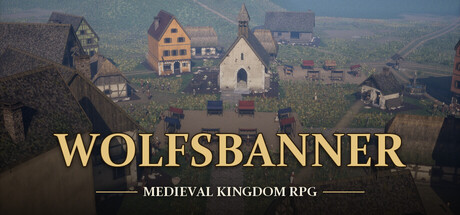
Character animations are generated with an AI motion model (Kimodo) and then cleaned up and retargeted by our team. Character voice-overs are created with AI text-to-speech and directed and edited by our team. All 3D models, buildings, textures and writing are made by us. No AI content is generated live during gameplay.
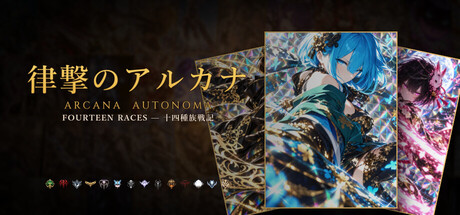
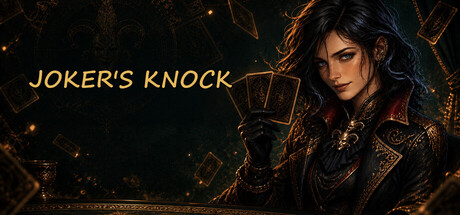
This game was made using generative AI. Generative AI was used for card illustrations, backgrounds, character videos, music, the story and other text, translations, and promotional materials such as the store page and trailer. All of this content was created in advance; no content is generated by AI during gameplay.
AI Disclosure:
This game was made with the help of Artificial Intelligence LLM Models. The studio takes transparency seriously, so if the community would like to ask questions, get clarity, or voice concerns over this, please reach out to the development team on our Discord or launch website.
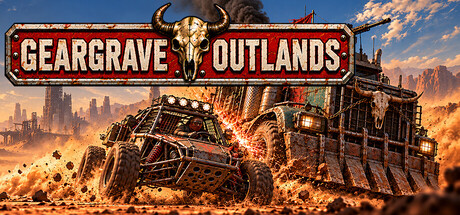
All artwork, music, and sound effects in Geargrave Outlands were created with generative AI tools (images: OpenAI image models; music: Suno; sound effects: ElevenLabs) and then selected, edited, and integrated by the developer. Story text was written with AI assistance and edited by the developer. All translations were produced with AI assistance. All of this content is pre-generated and ships as fixed files. The game does not generate any content with AI while you play.
AI was used to create a handful of static images within the game as the developer had no other options at the time. All of this will be replaced as soon as possible.
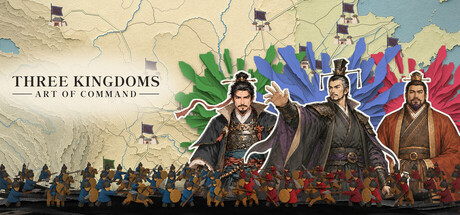
Generative AI tools were used during development to help create pre-made content: officer portraits, map and interface artwork, music and sound effects, and drafts of in-game text and its translations. All of it was selected and edited by the developer. The game does not generate any content with AI while you play.
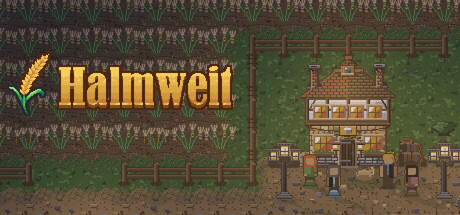
Halmweit is a one-person project, and I've had a little help from some tools along the way. AI helped with writing and translating the texts and with programming. What goes into the game is my decision. The music was written by hand by a composer. While you play, the game doesn't generate anything with AI.
Sound effects, some character voices and music in the game were made with generative AI tools (ElevenLabs). Everything is pre-generated during development; nothing is generated while you play.
Generative AI was used during development to assist with the creation and refinement of some visual assets, marketing materials and localizations. No content is generated by AI during gameplay.
This game was made by a solo developer with the help of AI tools. Some of the pixel art was drawn by hand by the developer and then revised with AI tools. Other art (including the logo, interface icons, menu backgrounds and some terrain tiles) was created with an AI pixel-art tool and then edited by the developer. The music and sound effects are synthesized in code, and were composed and designed with the help of an AI assistant. Some in-game text, such as the Field Guide and tutorial tips, was drafted with AI assistance and edited by the developer. No AI is used while you play: nothing is generated live, and the game never connects to an AI service.
SlopArena is a non-profit open source game created by a solo developer. AI was used extensively during development for various tasks such as research, brainstorming, planning, coding, analysing. Some assets were bought, some were generated to reduce costs. Generated assets are seen as placeholder, especially character models.
DECIBLOW utilized generative AI for a few small things like localization & partial involvement in some of the music to speed up production (heavy human involvement at a DAW level).
Pissant is built with AI-assisted code. The developer directs and edits everything; an AI assistant helps write the game's code, its in-game text, the music scores and the store and marketing text. No AI image, video or voice generator made anything in the game: every visual is drawn by the game's own procedural code, and every sound and note of music comes from its own synthesis engine. No generative AI runs during gameplay, and the game does not connect to any AI service.
The current game features temporary music tracks generated using AI. We plan to replace these with original compositions created specifically for the game by the full release or future updates.
Generative AI was used for some Steam store and marketing materials only (section banners and draft store copy). These assets were reviewed and edited before publishing.
No generative AI is used in the shipped game at runtime. In-game 3D furniture, environments, and gameplay content are created with traditional art and development tools (purchased/licensed assets and original work). AI-assisted coding tools were used during development; they are not used to generate player-facing game content.
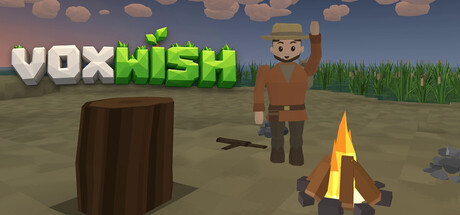
Generative AI tools were used to help create promotional artwork and store page images for VoxelCraft. AI is not used to generate in-game content, code, or gameplay at runtime.
The game's pixel art, sound effects and music, in-game text (including translation), program code, and the store page text and images were created using an AI tool (Anthropic's Claude) under the developer's direction and review. The game does not generate any content with AI while it is running.
Some of the in-game text (dialogue and descriptions) was written with the help of AI and reviewed and edited line by line by the developer. All pixel art and music are drawn and synthesized in real time by the game's own code, which was written with AI assistance; no AI image or audio generation models were used.
Generative AI tools were used during development to create certain content included with the game:
Visual Art: Store/capsule art, character portraits, icons, UI illustrations, map visuals, and textures.
Audio: Narrator voiceovers generated using text-to-speech (TTS) tools, and select ambient sounds.
Music: A portion of the in-game music was generated using AI music tools.
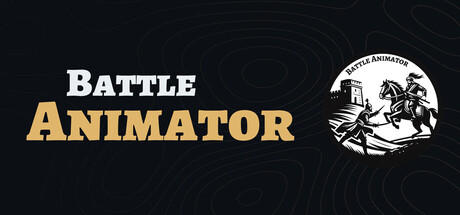
Generative AI was used during development as a programming assistance tool and to help create selected pre-generated visual assets and marketing materials. All such content is reviewed and curated by the developer. Battle Animator does not generate AI content during runtime and does not connect to external AI services.
This game was made by one developer working with an AI coding assistant.
No image, audio or video generators were used — there are no model-generated assets in the files. Every sprite is drawn by the game's own art generator, and all music and sound effects are synthesised at runtime from square, triangle and noise waves. However, the code that draws and synthesises them was written with the AI assistant, as was much of the in-game text and the English localisation. All of it was directed, reviewed and revised by the developer.
No AI runs while you play, and the game never connects to an external service.
Character art, portraits, monsters, backgrounds, item and skill icons, and story illustrations were created with AI image-generation tools, then selected, reviewed and laid out in the game by the developers. The background music was created with an AI music-generation tool (Suno). The code and text were written with AI assistance and reviewed by the developers. The game does not generate any AI content while it runs.
Some pre-generated artwork was created with the help of generative AI tools and then edited by the developer, including store and marketing images and some loading-screen art. No AI content is generated live while you play, and the game does not connect to any AI service.
Some of the artwork and all original background music in this game were created with the assistance of generative AI. All AI-assisted content was manually reviewed and checked for copyright compliance before release.
The game does not generate any AI content in real time during gameplay, nor does it connect to any external AI services. All consumable content is pre-generated during development and distributed as part of the game.
Generative AI tools were used to create store artwork and portions of in-game text, customer support dialogue, and German/English localization during development. Development also used AI-assisted programming. The current build does not generate content during gameplay or connect to an external AI service.
This game uses generative AI tools for the creation of certain static visual assets, including background images, loading screens, character portraits, marketing materials, and depictions of aircraft.
Character, enemy, and terrain sprites and the key art were produced with AI image tools from our own concept art and style references, then selected, corrected, and composited by hand. All game rules, code, writing, board layout, and interface art are made by the developer without generative AI at runtime. The game does not generate content with AI while you play.
Pre-generated AI was used to create some promotional artwork for the Steam store page. All such assets are reviewed and selected by the developer before publication. The game does not use live-generated AI content during gameplay.
Generative AI tools were used to assist with some of the game's artwork and translations. All content was directed, selected and edited by the developer. Nothing is generated while you play.
Generative AI tools were used during development to create pre-generated artwork, audio content, and text/translations. These assets are included as fixed content in the game. No content is generated by generative AI during gameplay, and the game does not connect to external generative AI services.
AI Disclosure:
Environment & Art: 20% AI-assisted — used for fixing minor 3D model anomalies and supplementing certain Unity assets.
Programming: 50% AI-assisted — used alongside custom coding to assist with code refactoring and feature development.
Music: 100% generated using SUNO AI.
Sound Effects: 20% generated via AI, with the majority sourced from licensed SFX libraries.
UI & User Interaction: 50% AI-assisted, 50% Unity Assets.
The game's interface translations were made with AI translation tools, and AI tools helped draft some store page text. The game's art, animation, audio and gameplay were not made with generative AI, and no AI content is generated while you play.
Some voices, music, sound effects, 3D models, images, text, translations and code were made with AI tools and then edited by the developer. Nothing is generated by AI while you play.
As a solo developer from a small town in Brazil, I used AI-assisted tools to help create some of the game’s visual assets. This allowed me to bring the project to life with limited resources while focusing my time on gameplay, systems, and the overall player experience.
Pre-generated content: some 3D props and models, music tracks, sound effects and some artwork were created with generative AI tools (such as Meshy and ElevenLabs) and then reviewed, edited and integrated by the developer. No content is generated in real time during gameplay.
We use generative AI tools during development for some game art, 3D models and text. Everything generated is selected, edited and integrated by our team. No content is generated while you play, and the app does not connect to AI services.
In the development of this game, artificial intelligence was used in the following areas:
Code and Logic: Game algorithms (including the autopilot systems and the mission generator) were developed with the assistance of AI-powered programming tools and assistants.
Graphics and Audio: Selected graphic/visual elements and the audio design were generated using artificial intelligence tools.
The game does not use generative artificial intelligence to create content in real time during actual gameplay—all assets were pre-generated and are part of the static game content.
Generative AI was used for UI icons, the intro video, and retouching of store capsule images. In-game 3D assets, characters and environments are licensed or hand-made, not AI-generated. AI was used as an assistive tool for code, text and translation.
Generative AI was used as a development assistance tool during the creation of GNOME DOME, including help with gameplay logic, Unreal Engine/Blueprint development, debugging, writing, and concept development. All AI-assisted work was reviewed, edited, and implemented by the developer. Generative AI is not used to create content dynamically during gameplay.
Opolution includes AI-generated illustrations, video sequences and voice-over audio, as well as AI-assisted narrative text and translations. These assets are created in advance during development. No AI content is generated during gameplay, and the game does not connect to external AI services while you play.
Character animations are generated with an AI motion model (Kimodo) and then cleaned up and retargeted by our team. Character voice-overs are created with AI text-to-speech and directed and edited by our team. All 3D models, buildings, textures and writing are made by us. No AI content is generated live during gameplay.
This game was made using generative AI. Generative AI was used for card illustrations, backgrounds, character videos, music, the story and other text, translations, and promotional materials such as the store page and trailer. All of this content was created in advance; no content is generated by AI during gameplay.
AI Disclosure:
This game was made with the help of Artificial Intelligence LLM Models. The studio takes transparency seriously, so if the community would like to ask questions, get clarity, or voice concerns over this, please reach out to the development team on our Discord or launch website.
All artwork, music, and sound effects in Geargrave Outlands were created with generative AI tools (images: OpenAI image models; music: Suno; sound effects: ElevenLabs) and then selected, edited, and integrated by the developer. Story text was written with AI assistance and edited by the developer. All translations were produced with AI assistance. All of this content is pre-generated and ships as fixed files. The game does not generate any content with AI while you play.
AI was used to create a handful of static images within the game as the developer had no other options at the time. All of this will be replaced as soon as possible.
Generative AI tools were used during development to help create pre-made content: officer portraits, map and interface artwork, music and sound effects, and drafts of in-game text and its translations. All of it was selected and edited by the developer. The game does not generate any content with AI while you play.
Halmweit is a one-person project, and I've had a little help from some tools along the way. AI helped with writing and translating the texts and with programming. What goes into the game is my decision. The music was written by hand by a composer. While you play, the game doesn't generate anything with AI.
Sound effects, some character voices and music in the game were made with generative AI tools (ElevenLabs). Everything is pre-generated during development; nothing is generated while you play.
Generative AI was used during development to assist with the creation and refinement of some visual assets, marketing materials and localizations. No content is generated by AI during gameplay.
This game was made by a solo developer with the help of AI tools. Some of the pixel art was drawn by hand by the developer and then revised with AI tools. Other art (including the logo, interface icons, menu backgrounds and some terrain tiles) was created with an AI pixel-art tool and then edited by the developer. The music and sound effects are synthesized in code, and were composed and designed with the help of an AI assistant. Some in-game text, such as the Field Guide and tutorial tips, was drafted with AI assistance and edited by the developer. No AI is used while you play: nothing is generated live, and the game never connects to an AI service.
SlopArena is a non-profit open source game created by a solo developer. AI was used extensively during development for various tasks such as research, brainstorming, planning, coding, analysing. Some assets were bought, some were generated to reduce costs. Generated assets are seen as placeholder, especially character models.
DECIBLOW utilized generative AI for a few small things like localization & partial involvement in some of the music to speed up production (heavy human involvement at a DAW level).
Pissant is built with AI-assisted code. The developer directs and edits everything; an AI assistant helps write the game's code, its in-game text, the music scores and the store and marketing text. No AI image, video or voice generator made anything in the game: every visual is drawn by the game's own procedural code, and every sound and note of music comes from its own synthesis engine. No generative AI runs during gameplay, and the game does not connect to any AI service.
The current game features temporary music tracks generated using AI. We plan to replace these with original compositions created specifically for the game by the full release or future updates.
Generative AI was used for some Steam store and marketing materials only (section banners and draft store copy). These assets were reviewed and edited before publishing.
No generative AI is used in the shipped game at runtime. In-game 3D furniture, environments, and gameplay content are created with traditional art and development tools (purchased/licensed assets and original work). AI-assisted coding tools were used during development; they are not used to generate player-facing game content.
Generative AI tools were used to help create promotional artwork and store page images for VoxelCraft. AI is not used to generate in-game content, code, or gameplay at runtime.
The game's pixel art, sound effects and music, in-game text (including translation), program code, and the store page text and images were created using an AI tool (Anthropic's Claude) under the developer's direction and review. The game does not generate any content with AI while it is running.
Some of the in-game text (dialogue and descriptions) was written with the help of AI and reviewed and edited line by line by the developer. All pixel art and music are drawn and synthesized in real time by the game's own code, which was written with AI assistance; no AI image or audio generation models were used.
Generative AI tools were used during development to create certain content included with the game:
Visual Art: Store/capsule art, character portraits, icons, UI illustrations, map visuals, and textures.
Audio: Narrator voiceovers generated using text-to-speech (TTS) tools, and select ambient sounds.
Music: A portion of the in-game music was generated using AI music tools.
Generative AI was used during development as a programming assistance tool and to help create selected pre-generated visual assets and marketing materials. All such content is reviewed and curated by the developer. Battle Animator does not generate AI content during runtime and does not connect to external AI services.
This game was made by one developer working with an AI coding assistant.
No image, audio or video generators were used — there are no model-generated assets in the files. Every sprite is drawn by the game's own art generator, and all music and sound effects are synthesised at runtime from square, triangle and noise waves. However, the code that draws and synthesises them was written with the AI assistant, as was much of the in-game text and the English localisation. All of it was directed, reviewed and revised by the developer.
No AI runs while you play, and the game never connects to an external service.
Character art, portraits, monsters, backgrounds, item and skill icons, and story illustrations were created with AI image-generation tools, then selected, reviewed and laid out in the game by the developers. The background music was created with an AI music-generation tool (Suno). The code and text were written with AI assistance and reviewed by the developers. The game does not generate any AI content while it runs.
Some pre-generated artwork was created with the help of generative AI tools and then edited by the developer, including store and marketing images and some loading-screen art. No AI content is generated live while you play, and the game does not connect to any AI service.
Some of the artwork and all original background music in this game were created with the assistance of generative AI. All AI-assisted content was manually reviewed and checked for copyright compliance before release.
The game does not generate any AI content in real time during gameplay, nor does it connect to any external AI services. All consumable content is pre-generated during development and distributed as part of the game.
Generative AI tools were used to create store artwork and portions of in-game text, customer support dialogue, and German/English localization during development. Development also used AI-assisted programming. The current build does not generate content during gameplay or connect to an external AI service.
This game uses generative AI tools for the creation of certain static visual assets, including background images, loading screens, character portraits, marketing materials, and depictions of aircraft.
Character, enemy, and terrain sprites and the key art were produced with AI image tools from our own concept art and style references, then selected, corrected, and composited by hand. All game rules, code, writing, board layout, and interface art are made by the developer without generative AI at runtime. The game does not generate content with AI while you play.
Pre-generated AI was used to create some promotional artwork for the Steam store page. All such assets are reviewed and selected by the developer before publication. The game does not use live-generated AI content during gameplay.
Generative AI tools were used to assist with some of the game's artwork and translations. All content was directed, selected and edited by the developer. Nothing is generated while you play.
Generative AI tools were used during development to create pre-generated artwork, audio content, and text/translations. These assets are included as fixed content in the game. No content is generated by generative AI during gameplay, and the game does not connect to external generative AI services.
AI Disclosure:
Environment & Art: 20% AI-assisted — used for fixing minor 3D model anomalies and supplementing certain Unity assets.
Programming: 50% AI-assisted — used alongside custom coding to assist with code refactoring and feature development.
Music: 100% generated using SUNO AI.
Sound Effects: 20% generated via AI, with the majority sourced from licensed SFX libraries.
UI & User Interaction: 50% AI-assisted, 50% Unity Assets.
The game's interface translations were made with AI translation tools, and AI tools helped draft some store page text. The game's art, animation, audio and gameplay were not made with generative AI, and no AI content is generated while you play.
Some voices, music, sound effects, 3D models, images, text, translations and code were made with AI tools and then edited by the developer. Nothing is generated by AI while you play.
As a solo developer from a small town in Brazil, I used AI-assisted tools to help create some of the game’s visual assets. This allowed me to bring the project to life with limited resources while focusing my time on gameplay, systems, and the overall player experience.
Pre-generated content: some 3D props and models, music tracks, sound effects and some artwork were created with generative AI tools (such as Meshy and ElevenLabs) and then reviewed, edited and integrated by the developer. No content is generated in real time during gameplay.
We use generative AI tools during development for some game art, 3D models and text. Everything generated is selected, edited and integrated by our team. No content is generated while you play, and the app does not connect to AI services.
In the development of this game, artificial intelligence was used in the following areas:
Code and Logic: Game algorithms (including the autopilot systems and the mission generator) were developed with the assistance of AI-powered programming tools and assistants.
Graphics and Audio: Selected graphic/visual elements and the audio design were generated using artificial intelligence tools.
The game does not use generative artificial intelligence to create content in real time during actual gameplay—all assets were pre-generated and are part of the static game content.