


Disclosure
We used generative AI to help create code, 3D models, and promotional artwork
- Creator
- Mosqi Games
- Reviews
- -
- Added
- Nov 16, 2026
Public Steam disclosure research 27,951 disclosures tracked
Search developers’ Steam disclosures, compare classified AI use across games, and follow recorded changes. This index adds cross-game classifications and statistics to statements published on individual store pages.
Code help, debugging and other development work.
Capsule art, trailers and promotional material.
Pre-made art, audio, writing and other game assets.
Interactive or runtime AI features disclosed by the developer.
Groups reflect automatic analysis of public disclosures; mature records are excluded. These counts do not measure AI use across all of Steam. Missing or unclear statements cannot establish whether a game uses AI.
We used generative AI to help create code, 3D models, and promotional artwork
Some illustrations in the game were created using Generative AI and have been modified.
Kitten Wool Cup is made by a solo developer with help from AI tools. AI helped write the game's code and much of its in-game text (menus, hints and help), as well as the store page and marketing text; the developer reviewed and edited all of it. The room's window view and fireplace, and a few small effects, are drawn by code written with AI help. The kittens, the other 3D models, animations, achievement icons, music, sound effects and the match commentary (performed by voice actor JP Wright) are made by people or licensed from asset stores and icon libraries. Nothing is generated by AI while you play.
I used it for things like images, background music, coding assistance, and translation.
Adventure Paintball was made by its developer working with an AI assistant. Under the developer's direction, the AI wrote the game's code, which also builds the maps, props, cosmetic items, visual effects and sound effects. It also created the logo and store artwork (rendered from the game), edited the trailer and drafted the store page text. The player character and blaster 3D models are human-made CC0 assets, and all music is licensed from human composers. No AI content is generated while you play.
Translations
Generative AI tools were used to assist in the creation of some visual assets, artwork, and background music, including music created with Suno AI. All AI-generated content is pre-generated and reviewed by the developer. No real-time AI generation is used during gameplay.
AI tools assisted in creating some of the game's text, translations and artwork. All content was reviewed and edited by the developer. No AI content is generated during gameplay.
Generative AI tools were used to assist in the development of the game, including the creation of backgrounds, environmental objects, 2D and 3D characters, narrative text, music, and translations. AI-assisted tools were also used in programming and in the creation of promotional images for the Steam store page and marketing materials.
Generative AI was used to create selected environment graphics, background images and 3D environment models, as well as marketing graphics. This content was created in advance and integrated into the game. No content is generated by AI during gameplay. Selected music tracks and sound effects were also created with the help of generative AI.
Some interface artwork, such as selected buttons and icons, were created or processed with AI image tools.
AI tools helped make this game, including its levels and store text. The pieces and sounds are drawn and synthesised by the game's own code. There are no AI-generated images or recordings, and nothing is generated by AI while you play.
AI was used to create some of the instruments of the OST and some ambient sounds
Zoodemonium was created, designed and directed by Dale Porter. Art, sound and text in the game, and art on its store page, were made with the help of AI tools under his direction. Nothing is generated by AI while you play.
Some of the in-game text, the store page text and translations were written with the help of an AI assistant and reviewed by the developer. The studio logo and the game logo was created with the help of AI image tools. No AI-generated content is created while you play. 3D art and sound effects were made by people or licensed from asset libraries; screenshots and store images show real gameplay.
We're a husband and wife team who wanted to make a fun arcade puzzle Christmas game. This wouldn't have been possible without some AI assistance. Nothing is generated while you play.
Character and interface art was generated with the AI tool PixelLab, and the Campaign backgrounds and the backgrounds of the store images with OpenAI's image generator; all of it was reviewed and adjusted by the team. The music was created with Suno, and the sound effects and the jelly heads' voices with ElevenLabs. All content was reviewed by the team before going into the game, and none of it imitates existing characters, brands or artists.
The game's code, its in-game and store text, and the scripts that generate its buildings, props, textures, sound effects and music were written with the help of AI tools and reviewed by the developer. Characters are Microsoft Rocketbox avatars and vehicles are POLYGON City models. No AI generates content while the game runs.
Some of the art was made with AI image tools, then picked and edited by the developer: the app icon, the logo, the cockpit panels' artwork and some textures. The trailer's music was made with an AI music tool. The radio voices are spoken by a text-to-speech model that runs on your computer and only reads lines the game writes: air traffic phrases, airport names and call signs. Name of AI model included with the game: Piper text-to-speech (LibriTTS-R voices), running on the player's computer
I am a solo developer, and I used generative AI tools in the creation of this game: they were used to produce musical tracks, some 2D icons (for rules and equipment), translations into other languages, and the assets for the Steam store page. All of this content was curated and refined by me. I created the character models myself, without the use of AI. No AI generation takes place during actual gameplay.
Some content in this game was created with the help of generative AI tools during development. AI was used to produce base 3D models for several characters and props and for parts of the store artwork. All AI-generated assets were then reworked, optimized, rigged and animated by hand, and integrated into the game by the developer. The gameplay, level generation, code, sound design and game design were made by the developer. The game does not use any AI to generate content while it is running
Every whistle is modeled from historic drawings, patents and photographs, and its sound is synthesized, modeled on recordings of real whistles. AI tools helped write the code and menu text, and build the models from those sources. Nothing in the game is generated by AI while you play.
The game began in 2017 as a very rough prototype in Unity and grew from there. Later I tried several proofs of concept with very different designs, and then rebuilt it in Godot. I made the planets from about twenty drawings I did in pencil and in Paint, and I laid out every map by hand in the game's editor. Part of the art was made with OpenAI's image tools under my direction: the player's ship, which I refined over several rounds; the game icon, which is also used for the store artwork; and the alien ships, buildings and defenses and some alien plants and rocks, which I then touched up. The five music tracks started from an AI model running locally (Stable Audio); I generated about sixty versions, editing and reworking them until I had the ones in the game. The translations from Spanish were made with AI, and an AI assistant helped me revise the story and the game and store text. No AI content is generated while you play, and the game doesn't connect to any AI service.
The town backgrounds, storks, hawks, sounds, and voice acting were created by two human artists, one voice actress, and a sound engineer. Some minor props, such as wreaths, were created with generative AI and then heavily edited to match the game's pixel art style.
Generative AI tools assisted in creating the game’s music and some promotional illustrations. AI-assisted writing is also used in store materials, including translations. Promotional illustrations are marketing artwork, not gameplay screenshots. The game does not generate AI content during gameplay.
The game's code and its translations were made with AI. No AI is used while you play.
Some content was made with generative AI tools and then edited by the developer. The logo, the key art and the store and library images made from it were made with AI image tools. Many of the 3D character models (the customers, the regulars and Santa), their walking and standing animations, and some small props were generated with Meshy, then placed, rigged and finished by hand. Many of the sound effects and the music, in the game and in the trailers, were generated with ElevenLabs. Parts of the game's code were written with the help of AI coding tools. Nothing is generated live while you play; all AI content is pre-made and ships with the game.
The game can generate different enemies, different armor, spells and weapons. Connects to 3rd-Party Service for AI Content Generation: VSCode
This is a one-person indie game built with an agentic engineering pipeline. Nothing was vibe coded. Some of the art was purchased from the indie artists such as KayKit Platfomer (special thanks) and while concept art for figures, buttons, icons and other assets is generated with AI, then turned into shipped assets by a deterministic Python pipeline that restyles and rebuilds how they look in-game. When that is not enough for a 3D figure, a starting mesh is generated with a 3D AI tool and then changed in the same Python pipeline.
Parts of this game's code, its English translation and store page text were created with the help of AI tools (Claude). In-game art, characters and domino pictures are drawn procedurally by the game engine, and no AI generates content while you play.
Programming support in various areas and translations.
During the development of the game, artificial intelligence tools were used to create the music and some of the icons featured in the game.
Machine translation is used solely for the store page. The in-game text is translated by our amazing community who help us a lot.
Some of the visuals were created with the help of AI tools.
Translations were created with the help of AI tools and reviewed by the developer. All artwork is made by a human artist. No AI content is generated while you play.
AI helped with translations, the characters' gibberish voices (an invented language), a few in-game photos and signs, and base shapes for some 3D models that were finished by hand. No AI is used during gameplay.
The game's translations from English into other languages were created with the help of AI tools, and AI assisted in drafting the store page text. The game does not generate any content with AI during play.
Some of the game’s art and audio was made with generative AI tools and then edited by us: the map illustrations, the object shapes you disguise yourself as, parts of the animated emote stickers and their voices and sound effects, the music and some sound effects, a few interface images, the app icon and the title lettering. The mascot is hand-made, and every disguise in the game is painted by the players themselves. Nothing is generated by AI while you play.
Generative AI was used to create promotional artwork for the game, including Steam store capsule images, library artwork, and the game logo.
So Many Cats! is a game developed through our team’s ideas, design and hard work. We used AI tools to assist with the creation of some promotional artwork, achievement icons and translations. No AI-generated content is created during gameplay.
Some in-game images were generated using generative AI and subsequently processed before use. The game's soundtrack was produced using AI.
Some game assets (3D models, icons, sound effects and translations) were created with the help of AI tools, then selected, edited and assembled by the developer. Chat can be automatically translated by a small translation model that runs offline on your PC. It only translates players' messages, creates no other content and can be turned off in the settings. Name of AI model included with the game: SMaLL-100 (open-source machine translation model, a distilled version of M2M-100), running locally on the player's PC. No online AI service.
Generative AI was used to assist with drafting and editing some text on this Steam store page, and to help create some pre-rendered puzzle images included in the demo. No generative AI is used during gameplay, and the game does not connect to any generative AI services.
Some store artwork, the character art, parts of the 3D assets, the music and parts of the writing (letters, dialogue and store text) were created with the help of AI tools, then edited and curated by the developer. The translations of the game and the store page into other languages were also made with the help of AI tools and are being reviewed. The game does not generate any content with AI while it is running.
Generative AI was used during development for visual and audio assets and for translations. No content is generated during gameplay.
AI is used to generate and improve images and to streamline development processes.
Generative AI tools were used to assist in creating some of the pre-generated visual assets for Corporate Dash, including character artwork, backgrounds, and user interface illustrations. These assets were reviewed and refined during development. The game does not use generative AI to create content during gameplay.
This game utilizes generative artificial intelligence tools to assist in creating several elements of the game. Specifically, AI was used in the generation of: Art & Visuals: Background environments, character portraits, and the in-game puzzle tiles and runes. Audio: The game's musical soundtrack. Narrative & Writing: The overarching story generation and descriptive in-game text.
All characters, buildings, trees, music and sound effects were made by human artists. Generative AI (an LLM) helped with programming, text and translations, including code that draws a few simple background tiles. No AI image generators or AI audio were used.
AI tools were used to polish selected store-page artwork based on in-game screenshots. In-game booking calls use AI text-to-speech to voice developer-written dialogue with changing ride details during gameplay.
| Title⇅ | Disclosure | Creator⇅ | Src | Reviews⇅ | Added↓ |
|---|---|---|---|---|---|
 Bento Together Store/marketing artcode | We used generative AI to help create code, 3D models, and promotional artwork | Mosqi Games | - | Nov 16, 2026 | |
 [BoS] Blacksmith of Sword Master ~ IDLE ~ In-game content art | Some illustrations in the game were created using Generative AI and have been modified. | MAF Studio | - | Nov 16, 2026 | |
 Kitten Wool Cup In-game content textcode | Kitten Wool Cup is made by a solo developer with help from AI tools. AI helped write the game's code and much of its in-game text (menus, hints and help), as well as the store page and marketing text; the developer reviewed and edited all of it. The room's window view and fireplace, and a few small effects, are drawn by code written with AI help. The kittens, the other 3D models, animations, achievement icons, music, sound effects and the match commentary (performed by voice actor JP Wright) are made by people or licensed from asset stores and icon libraries. Nothing is generated by AI while you play. | Mkay Productions | - | Nov 16, 2026 | |
 TILELIA In-game content artaudiotext | I used it for things like images, background music, coding assistance, and translation. | parutel | - | Nov 15, 2026 | |
 Adventure Paintball In-game content arttextcode | Adventure Paintball was made by its developer working with an AI assistant. Under the developer's direction, the AI wrote the game's code, which also builds the maps, props, cosmetic items, visual effects and sound effects. It also created the logo and store artwork (rendered from the game), edited the trailer and drafted the store page text. The player character and blaster 3D models are human-made CC0 assets, and all music is licensed from human composers. No AI content is generated while you play. | Mkay Productions | - | Nov 15, 2026 | |
 Sort The Pandas Unclear text | Translations | PandaGames | - | Nov 15, 2026 | |
 GRIDDLE 66 In-game content artaudio | Generative AI tools were used to assist in the creation of some visual assets, artwork, and background music, including music created with Suno AI. All AI-generated content is pre-generated and reviewed by the developer. No real-time AI generation is used during gameplay. | KMK STUDIO | - | Nov 15, 2026 | |
 Idle Puzzler In-game content textart | AI tools assisted in creating some of the game's text, translations and artwork. All content was reviewed and edited by the developer. No AI content is generated during gameplay. | Koroshi Labs | - | Nov 15, 2026 | |
 Gnomes Garden: Fairy Kingdom In-game content arttextaudiocode | Generative AI tools were used to assist in the development of the game, including the creation of backgrounds, environmental objects, 2D and 3D characters, narrative text, music, and translations. AI-assisted tools were also used in programming and in the creation of promotional images for the Steam store page and marketing materials. | 8floor ltd | - | Nov 15, 2026 | |
 Padel With Your Friends In-game content artaudio | Generative AI was used to create selected environment graphics, background images and 3D environment models, as well as marketing graphics. This content was created in advance and integrated into the game. No content is generated by AI during gameplay. Selected music tracks and sound effects were also created with the help of generative AI. | Aftershift Games | - | Nov 15, 2026 | |
 FoxWQ In-game content art | Some interface artwork, such as selected buttons and icons, were created or processed with AI image tools. | WalrusWQ | - | Nov 15, 2026 | |
 Clackwork In-game content text | AI tools helped make this game, including its levels and store text. The pieces and sounds are drawn and synthesised by the game's own code. There are no AI-generated images or recordings, and nothing is generated by AI while you play. | PlayMirasia | - | Nov 13, 2026 | |
 Horsebound In-game content audio | AI was used to create some of the instruments of the OST and some ambient sounds | martinez.sh | - | Nov 13, 2026 | |
 Zoodemonium In-game content artaudiotext | Zoodemonium was created, designed and directed by Dale Porter. Art, sound and text in the game, and art on its store page, were made with the help of AI tools under his direction. Nothing is generated by AI while you play. | Dale Porter | - | Nov 13, 2026 | |
 DomiNoooos In-game content textart | Some of the in-game text, the store page text and translations were written with the help of an AI assistant and reviewed by the developer. The studio logo and the game logo was created with the help of AI image tools. No AI-generated content is created while you play. 3D art and sound effects were made by people or licensed from asset libraries; screenshots and store images show real gameplay. | Kenshin Heavy Industries | - | Nov 13, 2026 | |
 Tinsel Tumble Dev only | We're a husband and wife team who wanted to make a fun arcade puzzle Christmas game. This wouldn't have been possible without some AI assistance.
Nothing is generated while you play. | SwizzPop | - | Nov 13, 2026 | |
 Jelly Heads In-game content artaudio | Character and interface art was generated with the AI tool PixelLab, and the Campaign backgrounds and the backgrounds of the store images with OpenAI's image generator; all of it was reviewed and adjusted by the team. The music was created with Suno, and the sound effects and the jelly heads' voices with ElevenLabs. All content was reviewed by the team before going into the game, and none of it imitates existing characters, brands or artists. | Vinteset Studios | - | Nov 13, 2026 | |
 Grand Avenue Hotel In-game content codetext | The game's code, its in-game and store text, and the scripts that generate its buildings, props, textures, sound effects and music were written with the help of AI tools and reviewed by the developer. Characters are Microsoft Rocketbox avatars and vehicles are POLYGON City models. No AI generates content while the game runs. | Mic Games | - | Nov 13, 2026 | |
 Pocket Pilots In-game content artaudiotext | Some of the art was made with AI image tools, then picked and edited by the developer: the app icon, the logo, the cockpit panels' artwork and some textures. The trailer's music was made with an AI music tool. The radio voices are spoken by a text-to-speech model that runs on your computer and only reads lines the game writes: air traffic phrases, airport names and call signs.
Name of AI model included with the game: Piper text-to-speech (LibriTTS-R voices), running on the player's computer | NimbleBit | 59 | Nov 13, 2026 | |
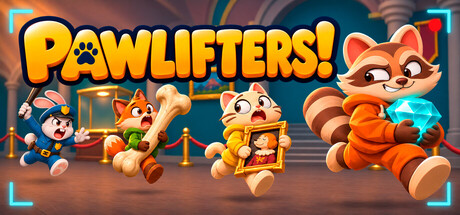 Pawlifters! In-game content audioarttext | I am a solo developer, and I used generative AI tools in the creation of this game: they were used to produce musical tracks, some 2D icons (for rules and equipment), translations into other languages, and the assets for the Steam store page. All of this content was curated and refined by me. I created the character models myself, without the use of AI. No AI generation takes place during actual gameplay. | r3d1s0n | - | Nov 13, 2026 | |
 Red Door - Horror Maze In-game content art | Some content in this game was created with the help of generative AI tools during development. AI was used to produce base 3D models for several characters and props and for parts of the store artwork. All AI-generated assets were then reworked, optimized, rigged and animated by hand, and integrated into the game by the developer. The gameplay, level generation, code, sound design and game design were made by the developer. The game does not use any AI to generate content while it is running | Mirakido | - | Nov 13, 2026 | |
 Steam Whistle Simulator Dev only codetextart | Every whistle is modeled from historic drawings, patents and photographs, and its sound is synthesized, modeled on recordings of real whistles. AI tools helped write the code and menu text, and build the models from those sources. Nothing in the game is generated by AI while you play. | Steam-6-Sigma | - | Nov 13, 2026 | |
 Crossing Space Zen In-game content artaudiotext | The game began in 2017 as a very rough prototype in Unity and grew from there. Later I tried several proofs of concept with very different designs, and then rebuilt it in Godot. I made the planets from about twenty drawings I did in pencil and in Paint, and I laid out every map by hand in the game's editor. Part of the art was made with OpenAI's image tools under my direction: the player's ship, which I refined over several rounds; the game icon, which is also used for the store artwork; and the alien ships, buildings and defenses and some alien plants and rocks, which I then touched up. The five music tracks started from an AI model running locally (Stable Audio); I generated about sixty versions, editing and reworking them until I had the ones in the game. The translations from Spanish were made with AI, and an AI assistant helped me revise the story and the game and store text. No AI content is generated while you play, and the game doesn't connect to any AI service. | DESGA | - | Nov 13, 2026 | |
 Beakwood In-game content artaudio | The town backgrounds, storks, hawks, sounds, and voice acting were created by two human artists, one voice actress, and a sound engineer. Some minor props, such as wreaths, were created with generative AI and then heavily edited to match the game's pixel art style. | Vizabee Games | - | Nov 12, 2026 | |
 Kazu the Cassowary In-game content audioarttext | Generative AI tools assisted in creating the game’s music and some promotional illustrations. AI-assisted writing is also used in store materials, including translations. Promotional illustrations are marketing artwork, not gameplay screenshots. The game does not generate AI content during gameplay. | Kodybod Studios | - | Nov 12, 2026 | |
 Mind the Tilt In-game content codetext | The game's code and its translations were made with AI. No AI is used while you play. | NonSlop Games | - | Nov 12, 2026 | |
 Christmas Lot Simulator In-game content artaudiocode | Some content was made with generative AI tools and then edited by the developer. The logo, the key art and the store and library images made from it were made with AI image tools. Many of the 3D character models (the customers, the regulars and Santa), their walking and standing animations, and some small props were generated with Meshy, then placed, rigged and finished by hand. Many of the sound effects and the music, in the game and in the trailers, were generated with ElevenLabs. Parts of the game's code were written with the help of AI coding tools. Nothing is generated live while you play; all AI content is pre-made and ships with the game. | Score Software | - | Nov 12, 2026 | |
 Newborn Live AI arttext | The game can generate different enemies, different armor, spells and weapons.
Connects to 3rd-Party Service for AI Content Generation: VSCode | A-Mad Studios | - | Nov 12, 2026 | |
 Petoparak In-game content art | This is a one-person indie game built with an agentic engineering pipeline. Nothing was vibe coded. Some of the art was purchased from the indie artists such as KayKit Platfomer (special thanks) and while concept art for figures, buttons, icons and other assets is generated with AI, then turned into shipped assets by a deterministic Python pipeline that restyles and rebuilds how they look in-game. When that is not enough for a 3D figure, a starting mesh is generated with a 3D AI tool and then changed in the same Python pipeline. | aeone.games | - | Nov 12, 2026 | |
 Domino Party In-game content codearttext | Parts of this game's code, its English translation and store page text were created with the help of AI tools (Claude). In-game art, characters and domino pictures are drawn procedurally by the game engine, and no AI generates content while you play. | LEE GEUN SOO | - | Nov 12, 2026 | |
 Candy Factory In-game content codetext | Programming support in various areas and translations. | Undev | - | Nov 12, 2026 | |
 Hot Pot Pizza Edition In-game content audioart | During the development of the game, artificial intelligence tools were used to create the music and some of the icons featured in the game. | FraMax Game | - | Nov 12, 2026 | |
 Cats Around Us: Yarn Ball Store/marketing text | Machine translation is used solely for the store page. The in-game text is translated by our amazing community who help us a lot. | Noobzilla | - | Nov 11, 2026 | |
 Jigsaw Puzzles Together Unclear art | Some of the visuals were created with the help of AI tools. | Lodos Games | - | Nov 11, 2026 | |
 ONE BRAINCELL In-game content text | Translations were created with the help of AI tools and reviewed by the developer. All artwork is made by a human artist. No AI content is generated while you play. | devOMAR | - | Nov 11, 2026 | |
 Snowdrop Lane In-game content textaudioart | AI helped with translations, the characters' gibberish voices (an invented language), a few in-game photos and signs, and base shapes for some 3D models that were finished by hand. No AI is used during gameplay. | BoneApps | - | Nov 10, 2026 | |
 War Master: World Conquest In-game content text | The game's translations from English into other languages were created with the help of AI tools, and AI assisted in drafting the store page text. The game does not generate any content with AI during play. | Mika Kemppi | - | Nov 10, 2026 | |
 Sneaklings: Paint Hide & Seek In-game content artaudio | Some of the game’s art and audio was made with generative AI tools and then edited by us: the map illustrations, the object shapes you disguise yourself as, parts of the animated emote stickers and their voices and sound effects, the music and some sound effects, a few interface images, the app icon and the title lettering. The mascot is hand-made, and every disguise in the game is painted by the players themselves. Nothing is generated by AI while you play. | Balagan Games | - | Nov 10, 2026 | |
 Why Not Fly That? Store/marketing art | Generative AI was used to create promotional artwork for the game, including Steam store capsule images, library artwork, and the game logo. | TinyMomentsGames | - | Nov 10, 2026 | |
 So Many Cats! In-game content arttext | So Many Cats! is a game developed through our team’s ideas, design and hard work. We used AI tools to assist with the creation of some promotional artwork, achievement icons and translations. No AI-generated content is created during gameplay. | Little Wonder Games | - | Nov 10, 2026 | |
 Spin It Lupin! In-game content artaudio | Some in-game images were generated using generative AI and subsequently processed before use.
The game's soundtrack was produced using AI. | Game Museum | - | Nov 10, 2026 | |
 Little Shores In-game content artaudiotext | Some game assets (3D models, icons, sound effects and translations) were created with the help of AI tools, then selected, edited and assembled by the developer. Chat can be automatically translated by a small translation model that runs offline on your PC. It only translates players' messages, creates no other content and can be turned off in the settings.
Name of AI model included with the game: SMaLL-100 (open-source machine translation model, a distilled version of M2M-100), running locally on the player's PC. No online AI service. | Skollheim | - | Nov 10, 2026 | |
 Together in Pieces: Jigsaw Puzzles Store/marketing textart | Generative AI was used to assist with drafting and editing some text on this Steam store page, and to help create some pre-rendered puzzle images included in the demo. No generative AI is used during gameplay, and the game does not connect to any generative AI services. | PressF: | - | Nov 10, 2026 | |
 The Tile Artisan In-game content artaudiotext | Some store artwork, the character art, parts of the 3D assets, the music and parts of the writing (letters, dialogue and store text) were created with the help of AI tools, then edited and curated by the developer. The translations of the game and the store page into other languages were also made with the help of AI tools and are being reviewed. The game does not generate any content with AI while it is running. | MayMood | - | Nov 10, 2026 | |
 Deep Beep In-game content artaudiotext | Generative AI was used during development for visual and audio assets and for translations. No content is generated during gameplay. | Skollheim | - | Nov 9, 2026 | |
 Colección de Juegos de Mesa : Clasicos en familia Unclear art | AI is used to generate and improve images and to streamline development processes. | LigThief Juegos | - | Nov 9, 2026 | |
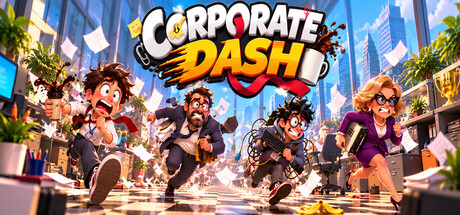 Corporate Dash In-game content art | Generative AI tools were used to assist in creating some of the pre-generated visual assets for Corporate Dash, including character artwork, backgrounds, and user interface illustrations. These assets were reviewed and refined during development. The game does not use generative AI to create content during gameplay. | vectra_studios | - | Nov 9, 2026 | |
 Christmas Yarn 5 artaudiotext | This game utilizes generative artificial intelligence tools to assist in creating several elements of the game. Specifically, AI was used in the generation of:
Art & Visuals: Background environments, character portraits, and the in-game puzzle tiles and runes.
Audio: The game's musical soundtrack.
Narrative & Writing: The overarching story generation and descriptive in-game text. | Ironcode Gaming | - | Nov 9, 2026 | |
 Bottom Farm In-game content codetext | All characters, buildings, trees, music and sound effects were made by human artists. Generative AI (an LLM) helped with programming, text and translations, including code that draws a few simple background tiles. No AI image generators or AI audio were used. | JH | - | Nov 8, 2026 | |
 City Cab Manager Live AI textaudio | AI tools were used to polish selected store-page artwork based on in-game screenshots. In-game booking calls use AI text-to-speech to voice developer-written dialogue with changing ride details during gameplay. | Yukti Studios | - | Nov 8, 2026 |


