








Disclosure
I have used Claude Code to create the game itself code and assets.
- Creator
- Pinch Games
- Reviews
- -
- Added
- May 23, 2026
Public Steam disclosure research 25,376 disclosures tracked
Search developers’ Steam disclosures, compare classified AI use across games, and follow recorded changes. This index adds cross-game classifications and statistics to statements published on individual store pages.
Code help, debugging and other development work.
Capsule art, trailers and promotional material.
Pre-made art, audio, writing and other game assets.
Interactive or runtime AI features disclosed by the developer.
Groups reflect automatic analysis of public disclosures; mature records are excluded. These counts do not measure AI use across all of Steam. Missing or unclear statements cannot establish whether a game uses AI.
I have used Claude Code to create the game itself code and assets.
SWARMFALL uses generative AI only for the following 2D images: Hero icons / profile pictures displayed in the UI and on the store page Some marketing assets (Steam capsules, banners) and trailer music All other content — 3D character models, levels, environments, gameplay mechanics and code — was created by hand in Blender or built from royalty-free assets, with no AI. No content is generated by AI during gameplay or in real-time.
Some visual assets in this game (including the main menu background and Steam store page capsule images) were created using generative AI tools (Google Gemini). All AI-generated content was pre-rendered during development and reviewed by the developer. The game does not use any AI generation during gameplay — all assets are static and packaged with the game.
At combo 32, a full synth pad blooms into the void. That peak harmonic layer is generated by Google's Lyria 3 Pro music model, then mastered, EQ'd, and timed by hand to fit each track's BPM and key. The other audio layers — kick, bass, arpeggio — are synthesized live in the Web Audio API. All beat charts, timing windows, and gameplay are hand-designed. No procedural or AI-generated content drives play.
Loopfall uses generative AI for select shipped content: • Music — created in collaboration with ElevenLabs. • Sound effects — generated with ElevenLabs Sound Effects. • Localization — store text and in-game UI strings are translated from English to 14 other languages via the Anthropic Claude API. All AI-generated content is pre-rendered and baked into the build — no live AI runs at runtime. Every asset is licensed under each provider's commercial-use terms and was reviewed by the developer before release.
Yes — this game uses generative AI tools to assist in the creation of certain pre-rendered content. This includes some voice acting and limited written text. All AI-generated content is reviewed, edited, and integrated by the developer. No AI-generated content is created dynamically during gameplay.
Character, enemy, and boss models are created using AI.
AI tools were used to help create the game’s soundtrack by generating the initial instrumental stems and raw audio elements. Those materials were then brought into Logic Pro, where the developer manually arranged, remixed, edited, and mastered them into the final tracks.
Some visual assets in the game and store materials were created or assisted using generative AI tools and have been reviewed, refined, and integrated by the developer.
The background music for the game was created using generative AI tools. However, all other game assets, including pixel art, sound effects, programming code, and narrative content, were created manually by the developer without the use of generative AI.
AI tools were used to assist in creating parts of the soundtrack, selected UI elements (primarily in the main menu), and some achievement icons. All gameplay systems, design, and core content are handcrafted.
Some visual assets, promotional artwork, sound effects, and music were created with the assistance of AI generation tools.
Generative AI was used to assist in the development and optimization of the game's source code.
Generative AI tools were utilized during the pre-production and development phases to assist a solo developer in establishing the visual concepts, background art, and base textures for the cyber-apocalyptic world. All AI-generated base assets were subsequently reviewed, heavily curated, and manually integrated into the game engine to ensure they perfectly match the strict artistic direction and gameplay requirements of PROTOCOL: Zero-day.
Some in-game wall art, AI-assisted voice alteration and music composition tools were used in development.
Generative AI technology was utilized during the development of this game (specifically for combat music and English localization). Special thanks to Suno for generating the game's combat music. Special thanks to Gemini for supporting the English localization.
Some of the promotional and storefront images were created with AI tools and then refined by hand. All of the in-game assets were designed by a 3D artist.
Some store visual assets (promotional images and capsules) were created with the aid of generative AI tools and manually edited. Sound effects were generated using ElevenLabs API and music was created with Suno AI. Translations for languages beyond Portuguese, English and Spanish were automatically generated and reviewed. All game code, gameplay, level design and in-game sprites were manually created.
【AI Generated Content Disclosure】Art and animation assets in this game are created with AI assistance
Generative AI tools (including Unity AI) were used to create the capsule art for our store page and certain icons within the game's user interface design.
Generative AI was used for localization.
The developers use AI to control bots during combat.
Some visual assets were made with AI assistance.
Generative AI tools were used during development for concept exploration, prototyping, and internal reference materials. All gameplay systems, visuals, text, and audio included in the released game are authored, curated, and reviewed by the developer.
Most of the content is developed using traditional development practices. However, AI tools were used to support the creation of certain 3D in-game assets and audio assets.
AI was used only to generate language translations and Steam marketing images like Steam capsule.
AI code assistants were used in incremental development of the game code. No AI art or image assets have been utilized.
Some small visuals were made using AI completely trained on my own art, since I am a solo developer, it tremendously helped the tedious tasks of icon generation and few other visuals here and there.
Generative Artificial Intelligence tools were used during development to assist in the creation, proofreading, and translation of texts (including the store page and tutorial dialogue), as well as aiding in the ideation and creation of some static 2D visual assets.
This game uses generative AI tools in a limited capacity during development. A small number of environmental textures were created with AI assistance. The majority of in-game assets are licensed assets (e.g., Craftpix) or custom-developed by the creator. All gameplay systems, mechanics, level design, and core development were created by the developer. AI-generated content does not affect gameplay functionality and is used only as a supplemental production tool.
The artwork for the main menu and the graphics for the shop and library pages were generated by AI.
Some static visual assets in this game were created with the assistance of AI tools during development. All AI-assisted assets have been reviewed, edited, and integrated by the developer to fit the game's art style. No AI-generated content is created during gameplay.
Some visual assets were created with the assistance of generative AI tools and further refined and curated by the developer. No live AI generation occurs during gameplay.
"Music and in-game text translations (12 non-English languages) were created with AI assistance and reviewed by the developer."
A small selection (approx. 15-20%) of the environmental wallpapers were AI-assisted to provide visual variety, while the majority of the 30+ artworks and the core 'Dojo' aesthetic are custom-designed. AI was also used to help master and refine the lofi soundtrack and assist with initial marketing drafts.
Some of the promotional and storefront images were created with AI tools and then refined by hand. All of the in-game assets were designed by a 3D artist.
Some of the promotional and storefront images were created with AI tools and then refined by hand. All of the in-game assets were designed by a 3D artist.
During the development, AI assistance may be used in creating content used in the game. All such content is rooted in the original art direction of the project, and shaped individually before reaching the final product.
Some images and textures were created by artificial intelligence.
AI assistance was used during the coding phase of this game.
This game uses Spotify's Basic Pitch, a machine learning model for audio-to-MIDI transcription. This technology assists in converting audio files into note data for gameplay purposes and is entirely optional—players can choose whether or not to use this feature. It does not generate music, artwork, or other creative content; all such elements are created by human artists and composers.
The capsules were created using AI tools.
During the development process, AI-based tools are utilized to assist with the creation of visual content only. In all such cases, these tools serve strictly as a support mechanism, and the final product remains a direct reflection of the developer's original vision, design, and standards.
For the initial demo iteration, the 3D meshes for the main character and enemies were generated from a concept art made by a human artist.
Some promotional visuals were created using generative AI tools and were then manually edited.
Prime Protocol used generative AI tools during development to assist with drafting and iterating on code and to create some pre-rendered marketing imagery. All content is reviewed and integrated by the developer. No generative AI is used during gameplay; the game does not live-generate text, images, audio, or code, and players cannot input prompts.
Use of UI Assets and Visual Elements The game uses a combination of custom-made assets and assisted tools for certain visual elements. Some UI icons and minor interface elements were created with the help of generation tools and then manually edited and integrated into the game. This includes: small UI icons damage indicators ability cards and card elements UI cards and visual overlays promotional banners for the Steam store All generated elements are used as supporting visuals, refined and adapted to fit the game’s original design, gameplay systems, and overall art direction. Core gameplay visuals, mechanics, environments, and animations are fully custom and developed specifically for the game.
I used AIs for Items/Skill Icons
The game does not generate content at runtime using AI. Generative AI tools were used only during development to assist with the creation of visual assets. All AI-assisted assets were reviewed, edited, and finalized by the development team to ensure originality and compliance with copyright laws. Players cannot generate or upload AI-generated content within the game.
The translations in this game (excluding English and Polish) were prepared with the assistance of artificial intelligence. Each text has been verified and edited by the developer.
| Title⇅ | Disclosure | Creator⇅ | Src | Reviews⇅ | Added↓ |
|---|---|---|---|---|---|
 Endless Snake In-game content codeart | I have used Claude Code to create the game itself code and assets. | Pinch Games | - | May 23, 2026 | |
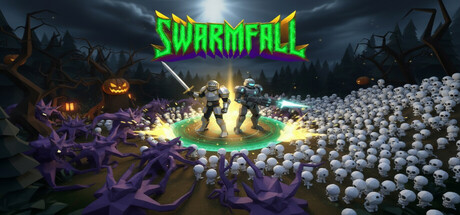 SwarmFALL In-game content art | SWARMFALL uses generative AI only for the following 2D images:
Hero icons / profile pictures displayed in the UI and on the store page
Some marketing assets (Steam capsules, banners) and trailer music
All other content — 3D character models, levels, environments, gameplay mechanics and code — was created by hand in Blender or built from royalty-free assets, with no AI. No content is generated by AI during gameplay or in real-time. | Yonis | - | May 23, 2026 | |
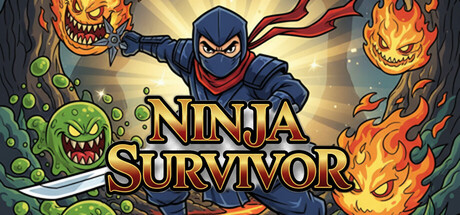 Ninja Survivor Store/marketing art | Some visual assets in this game (including the main menu background and Steam store page capsule images) were created using generative AI tools (Google Gemini). All AI-generated content was pre-rendered during development and reviewed by the developer. The game does not use any AI generation during gameplay — all assets are static and packaged with the game. | olyan | - | May 23, 2026 | |
 PULSARI In-game content audio | At combo 32, a full synth pad blooms into the void. That peak harmonic layer is generated by Google's Lyria 3 Pro music model, then mastered, EQ'd, and timed by hand to fit each track's BPM and key. The other audio layers — kick, bass, arpeggio — are synthesized live in the Web Audio API. All beat charts, timing windows, and gameplay are hand-designed. No procedural or AI-generated content drives play. | Critics Arcade | - | May 23, 2026 | |
 Loopfall In-game content audiotext | Loopfall uses generative AI for select shipped content:
• Music — created in collaboration with ElevenLabs.
• Sound effects — generated with ElevenLabs Sound Effects.
• Localization — store text and in-game UI strings are translated from English to 14 other languages via the Anthropic Claude API.
All AI-generated content is pre-rendered and baked into the build — no live AI runs at runtime. Every asset is licensed under each provider's commercial-use terms and was reviewed by the developer before release. | Lukas Korba | - | May 23, 2026 | |
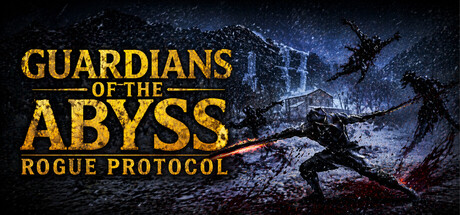 Guardians of the Abyss: Rogue Protocol In-game content audiotext | Yes — this game uses generative AI tools to assist in the creation of certain pre-rendered content. This includes some voice acting and limited written text. All AI-generated content is reviewed, edited, and integrated by the developer. No AI-generated content is created dynamically during gameplay. | santos forge | - | May 23, 2026 | |
 Demonium Illusion In-game content art | Character, enemy, and boss models are created using AI. | Vektor Technology | - | May 23, 2026 | |
 NODGE In-game content audio | AI tools were used to help create the game’s soundtrack by generating the initial instrumental stems and raw audio elements. Those materials were then brought into Logic Pro, where the developer manually arranged, remixed, edited, and mastered them into the final tracks. | KarateSalad Games | - | May 23, 2026 | |
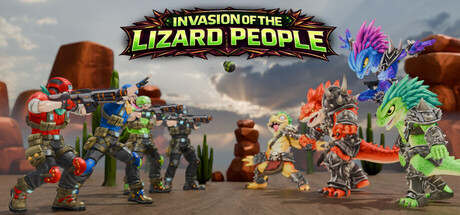 Invasion of the Lizard People In-game content art | Some visual assets in the game and store materials were created or assisted using generative AI tools and have been reviewed, refined, and integrated by the developer. | Wian Jacobs | - | May 23, 2026 | |
 Hook and Gun In-game content audio | The background music for the game was created using generative AI tools. However, all other game assets, including pixel art, sound effects, programming code, and narrative content, were created manually by the developer without the use of generative AI. | Giant Beak Games | - | May 23, 2026 | |
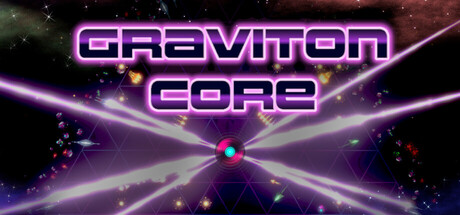 Graviton Core In-game content audioart | AI tools were used to assist in creating parts of the soundtrack, selected UI elements (primarily in the main menu), and some achievement icons. All gameplay systems, design, and core content are handcrafted. | JPGames | - | May 23, 2026 | |
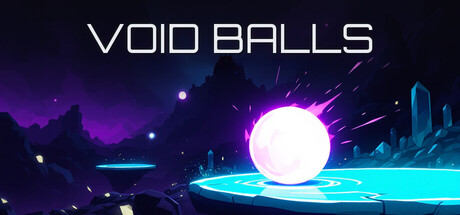 Void Balls In-game content artaudio | Some visual assets, promotional artwork, sound effects, and music were created with the assistance of AI generation tools. | LoopedInGames | - | May 23, 2026 | |
 Behold! My Beef Knife Dev only code | Generative AI was used to assist in the development and optimization of the game's source code. | Dog in the Shell | - | May 23, 2026 | |
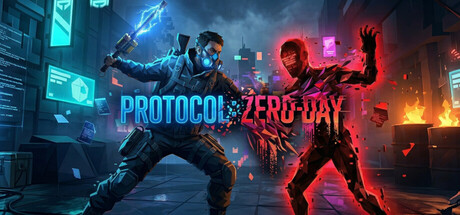 PROTOCOL: Zero-day In-game content art | Generative AI tools were utilized during the pre-production and development phases to assist a solo developer in establishing the visual concepts, background art, and base textures for the cyber-apocalyptic world. All AI-generated base assets were subsequently reviewed, heavily curated, and manually integrated into the game engine to ensure they perfectly match the strict artistic direction and gameplay requirements of PROTOCOL: Zero-day. | CRYPTOS Interactive | - | May 23, 2026 | |
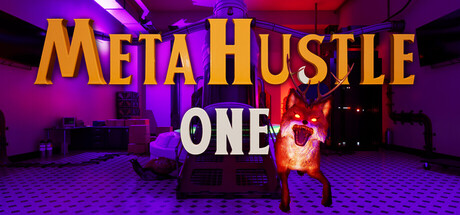 MetaHustle One In-game content artaudio | Some in-game wall art, AI-assisted voice alteration and music composition tools were used in development. | Foxburrow labs | - | May 23, 2026 | |
 KILL LOOP In-game content audiotext | Generative AI technology was utilized during the development of this game (specifically for combat music and English localization).
Special thanks to Suno for generating the game's combat music.
Special thanks to Gemini for supporting the English localization. | 天青 | - | May 23, 2026 | |
 CTRLR.CLUB In-game content art | Some of the promotional and storefront images were created with AI tools and then refined by hand. All of the in-game assets were designed by a 3D artist. | CTRLR.CLUB | - | May 23, 2026 | |
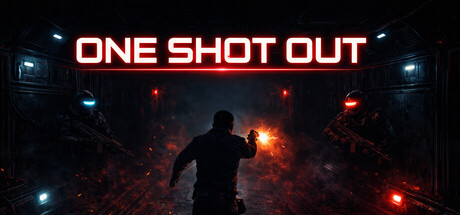 One Shot Out In-game content artaudiotext | Some store visual assets (promotional images and capsules) were created with the aid of generative AI tools and manually
edited. Sound effects were generated using ElevenLabs API and music was created with Suno AI. Translations for languages
beyond Portuguese, English and Spanish were automatically generated and reviewed. All game code, gameplay, level design and
in-game sprites were manually created. | Aurus Games | - | May 23, 2026 | |
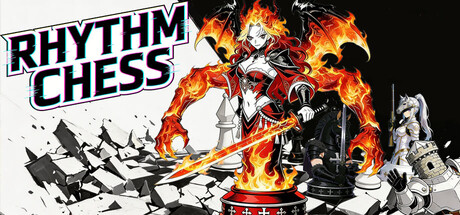 节奏象棋:黑白终局 In-game content art | 【AI Generated Content Disclosure】Art and animation assets in this game are created with AI assistance | 嘤嘤点灯工作室 | - | May 23, 2026 | |
 MadCar In-game content art | Generative AI tools (including Unity AI) were used to create the capsule art for our store page and certain icons within the game's user interface design. | Moonforge Studio | - | May 23, 2026 | |
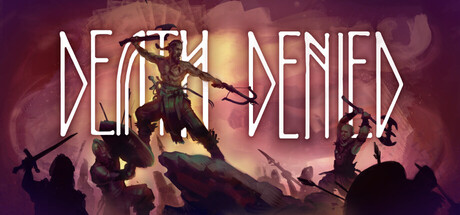 Death Denied In-game content text | Generative AI was used for localization. | Maroš Berdis | - | May 23, 2026 | |
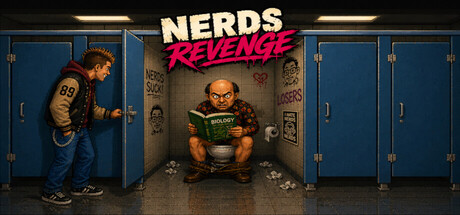 Nerds Revenge Live AI | The developers use AI to control bots during combat. | Adrenaline Games | - | May 23, 2026 | |
 Zigdig In-game content art | Some visual assets were made with AI assistance. | stehudz | - | May 23, 2026 | |
 Scrapfall Dev only | Generative AI tools were used during development for concept exploration, prototyping, and internal reference materials. All gameplay systems, visuals, text, and audio included in the released game are authored, curated, and reviewed by the developer. | Zencode | - | May 23, 2026 | |
 7 Trials In-game content artaudio | Most of the content is developed using traditional development practices.
However, AI tools were used to support the creation of certain 3D in-game assets and audio assets. | Newcore Games | - | May 23, 2026 | |
 Powerup and Bang! In-game content textart | AI was used only to generate language translations and Steam marketing images like Steam capsule. | Warmlight Games | - | May 23, 2026 | |
 ROOTKIT://死 (ROOTKIT PROTOCOL DEATH) Dev only code | AI code assistants were used in incremental development of the game code. No AI art or image assets have been utilized. | Phiality | - | May 23, 2026 | |
 Downsizing In-game content art | Some small visuals were made using AI completely trained on my own art, since I am a solo developer, it tremendously helped the tedious tasks of icon generation and few other visuals here and there. | Severian | - | May 23, 2026 | |
 10s In-game content textart | Generative Artificial Intelligence tools were used during development to assist in the creation, proofreading, and translation of texts (including the store page and tutorial dialogue), as well as aiding in the ideation and creation of some static 2D visual assets. | Old Bear Games | - | Mar 18, 2026 | |
 Prison Freak In-game content art | This game uses generative AI tools in a limited capacity during development. A small number of environmental textures were created with AI assistance. The majority of in-game assets are licensed assets (e.g., Craftpix) or custom-developed by the creator.
All gameplay systems, mechanics, level design, and core development were created by the developer. AI-generated content does not affect gameplay functionality and is used only as a supplemental production tool. | OrcaLab Studios™ | - | Mar 18, 2026 | |
 SpaceShift Store/marketing art | The artwork for the main menu and the graphics for the shop and library pages were generated by AI. | Spacinger | - | Mar 18, 2026 | |
 SwingCat: Swing Me to the Moon? In-game content art | Some static visual assets in this game were created with the assistance of AI tools during development. All AI-assisted assets have been reviewed, edited, and integrated by the developer to fit the game's art style. No AI-generated content is created during gameplay. | CAEN Games | - | Mar 18, 2026 | |
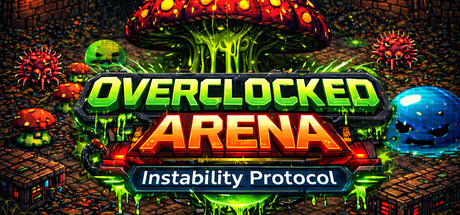 Overclocked Arena: Instability Protocol In-game content art | Some visual assets were created with the assistance of generative AI tools and further refined and curated by the developer. No live AI generation occurs during gameplay. | Terminal State Games | - | Mar 18, 2026 | |
 HOP-CO-OP In-game content audiotext | "Music and in-game text translations (12 non-English languages) were created with AI assistance and reviewed by the developer." | KS Studios | 11 | Mar 18, 2026 | |
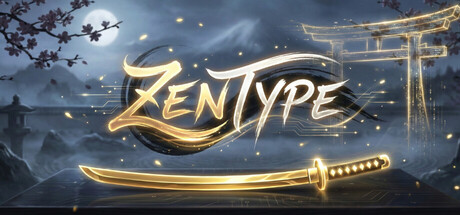 ZenType In-game content artaudio | A small selection (approx. 15-20%) of the environmental wallpapers were AI-assisted to provide visual variety, while the majority of the 30+ artworks and the core 'Dojo' aesthetic are custom-designed. AI was also used to help master and refine the lofi soundtrack and assist with initial marketing drafts. | IRFAN S | - | Mar 18, 2026 | |
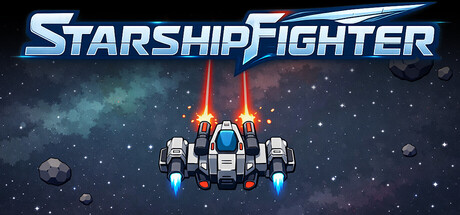 StarshipFighter In-game content art | Some of the promotional and storefront images were created with AI tools and then refined by hand. All of the in-game assets were designed by a 3D artist. | Daniel Walasinski | - | Mar 18, 2026 | |
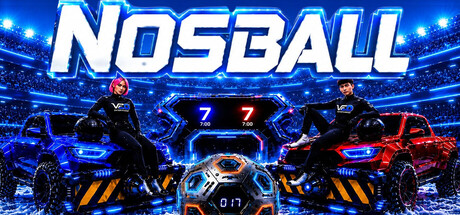 NOSBALL In-game content art | Some of the promotional and storefront images were created with AI tools and then refined by hand. All of the in-game assets were designed by a 3D artist. | Saviour Developments | - | Mar 18, 2026 | |
 Beat Vector In-game content art | During the development, AI assistance may be used in creating content used in the game.
All such content is rooted in the original art direction of the project, and shaped individually before reaching the final product. | Sledding Cloud | - | Mar 18, 2026 | |
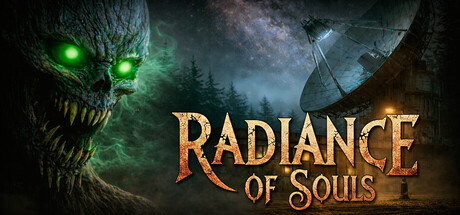 Radiance of Souls In-game content art | Some images and textures were created by artificial intelligence. | Langonier | 32 | Mar 18, 2026 | |
 Handmania Dev only code | AI assistance was used during the coding phase of this game. | Just Game Studio | - | Mar 18, 2026 | |
 HYPERVOX Live AI audio | This game uses Spotify's Basic Pitch, a machine learning model for audio-to-MIDI transcription. This technology assists in converting audio files into note data for gameplay purposes and is entirely optional—players can choose whether or not to use this feature. It does not generate music, artwork, or other creative content; all such elements are created by human artists and composers. | Stagnant Water Games | - | Mar 18, 2026 | |
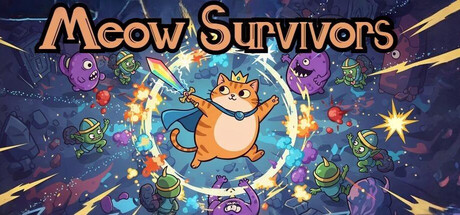 Meow Survivors Store/marketing art | The capsules were created using AI tools. | ILYA KURTAEV | 10 | Mar 18, 2026 | |
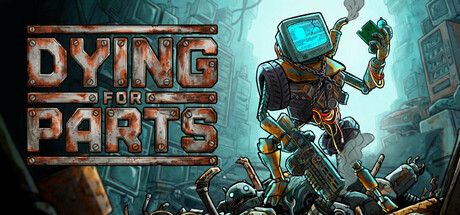 Dying for Parts Dev only art | During the development process, AI-based tools are utilized to assist with the creation of visual content only. In all such cases, these tools serve strictly as a support mechanism, and the final product remains a direct reflection of the developer's original vision, design, and standards. | Twikia Studios | - | Mar 18, 2026 | |
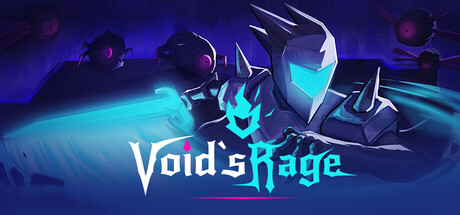 Void's Rage In-game content art | For the initial demo iteration, the 3D meshes for the main character and enemies were generated from a concept art made by a human artist. | Team Void's Rage | - | Mar 18, 2026 | |
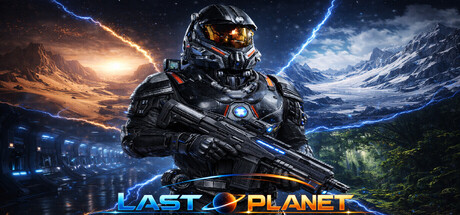 Last Planet Store/marketing art | Some promotional visuals were created using generative AI tools and were then manually edited. | Vertices Art Studio | - | Mar 18, 2026 | |
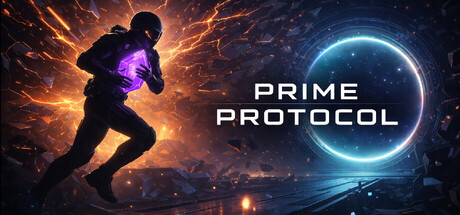 Prime Protocol Store/marketing codeart | Prime Protocol used generative AI tools during development to assist with drafting and iterating on code and to create some pre-rendered marketing imagery. All content is reviewed and integrated by the developer. No generative AI is used during gameplay; the game does not live-generate text, images, audio, or code, and players cannot input prompts. | Prime Protocol Interactive | - | Mar 18, 2026 | |
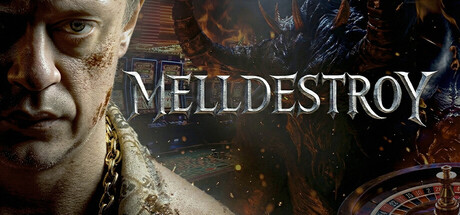 MELLDESTROY In-game content art | Use of UI Assets and Visual Elements
The game uses a combination of custom-made assets and assisted tools for certain visual elements.
Some UI icons and minor interface elements were created with the help of generation tools and then manually edited and integrated into the game.
This includes:
small UI icons
damage indicators
ability cards and card elements
UI cards and visual overlays
promotional banners for the Steam store
All generated elements are used as supporting visuals, refined and adapted to fit the game’s original design, gameplay systems, and overall art direction.
Core gameplay visuals, mechanics, environments, and animations are fully custom and developed specifically for the game. | CUBE studio | - | Mar 18, 2026 | |
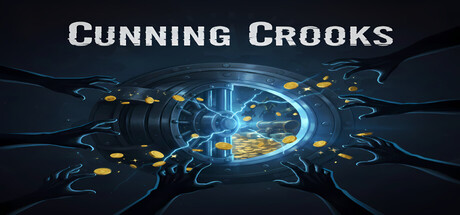 Cunning Crooks In-game content art | I used AIs for Items/Skill Icons | Mardus | - | Mar 18, 2026 | |
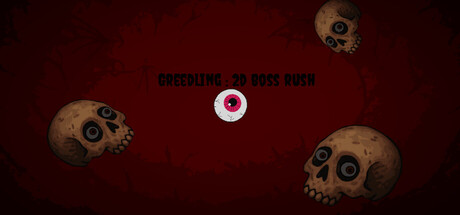 Greedling: 2D Boss Rush In-game content art | The game does not generate content at runtime using AI.
Generative AI tools were used only during development to assist with the creation of visual assets.
All AI-assisted assets were reviewed, edited, and finalized by the development team to ensure originality and compliance with copyright laws.
Players cannot generate or upload AI-generated content within the game. | Goblin Catapult Studio | - | Mar 18, 2026 | |
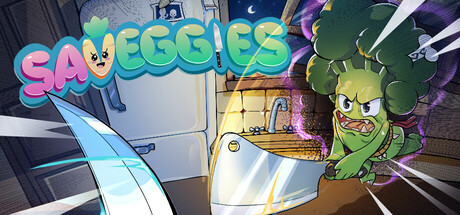 Saveggies In-game content text | The translations in this game (excluding English and Polish) were prepared with the assistance of artificial intelligence. Each text has been verified and edited by the developer. | melancode | - | Mar 18, 2026 |


