








Disclosure
Store page localization
- Creator
- Moon Buns
- Reviews
- -
- Added
- Sep 19, 2026
Public Steam disclosure research 25,376 disclosures tracked
Search developers’ Steam disclosures, compare classified AI use across games, and follow recorded changes. This index adds cross-game classifications and statistics to statements published on individual store pages.
Code help, debugging and other development work.
Capsule art, trailers and promotional material.
Pre-made art, audio, writing and other game assets.
Interactive or runtime AI features disclosed by the developer.
Groups reflect automatic analysis of public disclosures; mature records are excluded. These counts do not measure AI use across all of Steam. Missing or unclear statements cannot establish whether a game uses AI.
Store page localization
During the development of this game, generative AI was used to assist in the creation of some 2D art assets and pre-generated sound effects. All AI-assisted content underwent manual review, modification, and integration by the developers. No content will be generated by generative AI during gameplay.
Generative AI was used to brainstorm some character images (but not directly used), and to render some static backgrounds. I also argued with it about coding bugs. It was helpful but not smart.
Generative AI was used to create base images for some visual assets. These images were subsequently selected, edited, refined, and integrated into the game and store materials by the developer. The game does not use generative AI at runtime.
Puzzle grids are constructed using Crossword Compiler, a conventional (non-AI) crossword construction tool. AI tools were used to assist in drafting clue text, which was then rewritten and reviewed by hand before inclusion. Every clue and answer that ships in the game has been checked by an individual human for accuracy, solvability, and quality. No content is generated during gameplay.
During the development of this title, generative AI was used as an assistive tool for writing some code, as well as for text polishing and translation. Other elements—including core artwork, character and environment designs, and the overall visual presentation—were created entirely by the developers themselves.
The Game Assets Are Initially Designed By Humans, Then Generated With Ai Assistance In The Middle Stage, And Finally Edited By Humans.
AI was used as a coding assistant during development, and for translations. I’m a software engineer with 25 years of programming experience. I used AI to help with technical implementation while I focused on the game’s design, systems, balance, and overall feel.
This game uses generative AI tools for some image assets and translations. All AI-generated materials are reviewed, adjusted, and edited by the development team before being used in the game.
Card illustrations, portraits, faction banners and store capsule artwork were created with generative AI image tools, then curated, edited and integrated by the developer. All game design, rules, card text, writing and music selection are human-made. No AI-generated content is produced at runtime.
Some of the artwork in Boom Crew was created with the help of generative AI image tools. This covers character and object sprites, ground and paper textures, the game logo, and the capsule art on this store page. Every generated image was directed from hand-drawn mockups, then cut out, corrected and assembled by hand before it shipped. Code, level generation, on-screen text and audio contain no generative AI content, and nothing is generated live while you play.
Generative AI was used to assist with bug fixes, text editing, and portions of the game's music. Generative AI was not used for the game's direction, art direction, or gameplay mechanics.
Generative AI tools were used as part of the production process to assist in creating and refining some 2D artwork and visual assets. All such content is pre-generated and reviewed before being included in the game. No AI-generated content is created during gameplay.
Some pre-generated visual concepts were created with the help of AI tools and then manually edited, redrawn, and finalized by the artist
Some of the music in this game was created using generative AI and is used as part of the game's soundtrack.
During development, generative AI tools were used to assist with selected pre-generated visual content, including some card illustrations, comic imagery and marketing artwork. Each included illustration was deliberately selected, art-directed and integrated into FIVE STAT FRENZY!’s own comic-watercolour style, cast of characters, game rules and connected Paperlight City story. The released game uses no generative AI at runtime. Players do not enter AI prompts, and the game does not generate new images, text, dialogue, music or gameplay content while it is being played. Card values, rules, deckbuilding, rivals, campaign progression and comic unlocks are fixed, tested game content.
Some of this game's content was created with the assistance of generative AI tools during development: portions of the game's code, some text, and music tracks, and is reviewed by the developer before shipping. The game does not generate AI content at runtime.
Portions of the game code were generated using AI tools.
AI was used to assist with localization of the game's store page into additional languages as a placeholder until I am able to hire a localization team. All localized text was reviewed and edited before publication.
I use Bezi, an AI coding tool for Unity to help develop some of the more complicated algorithms used in pathfinding and enemy AI. I review all generated code used in the game and make modifications when necessary.
Some Sprites, UI art and sound effects are AI-generated from written prompts, then hand-edited. Nothing is generated at runtime.
AI was used for translation
The illustrations in this game (Battle Card art, faction emblems, Commander portraits and board imagery) were generated with Midjourney, working from the designer's own concept art and art direction. Each image was then selected, tone-matched to the card stock, fitted and composited into the game's frames. Card names, card text and the written rules were drafted with the assistance of a large language model, working from the designer's original hand-written rules and card designs, then edited and finalized by hand. The music and sound effects were generated with Suno. Voice recordings were performed by the creator. The game itself is a person's work: the rules, the mechanics, the economy and the balance decisions were designed by hand over many revisions, with AI used as a collaborator rather than an author. The physical board game came first. No content is generated by AI while you play. The computer opponents are conventional rule-based code, not a generative model.
Generative AI was used to aid art composition and code implementation.
This game uses generative AI in the following ways.All of this content was created ahead of time — nothing is generated by AI while the game is running.- Draw-along song lyrics — generative AI produces the first drafts, and the developer reviews and hand-picks every song- The stroke order of each model drawing (its line-coordinate data) — same as above- Singing voices — synthesized with VOICEVOX (Shikoku Metan / Namine Ritsu) and Synthesizer V (Sheena 2, for the English songs), and shipped as pre-rendered audio files[What we don't do]- No image-generation AI is used. Every model drawing is rendered as lines from coordinate data- The game never connects to online AI services during play (the only network traffic is for online matches)
Generative AI was used to assist with artwork, UI elements and sound effects. No AI content is generated during gameplay.
This game uses generative AI extensively during development to assist with programming and to create art, music, and some written materials. All content included in the final game is manually reviewed, edited, and integrated; no content is generated in real time while the game is running.
部分程式碼由ai生成
Generative AI was used for the localization and translation of some languages in this game.
The illustrations in Dead Market — the 247 card images, the cutscene plates, the premises backdrops and the nine-slice chrome — were generated with image models during development, then selected, corrected, composed and integrated by hand against the game's own manifest. Everything that displays a live value is drawn procedurally in the engine rather than being an image. The spoken lines were synthesised from a written script, one voice per character, and edited into the game. Nothing is generated while the game runs. There is no model in the build, no network code and no telemetry.
Generative AI tools were used during development to assist in creating some environmental artwork, textures, and 3D models. The generated assets were subsequently selected, edited, optimized, and integrated into the game by the developer. No generative AI is used during gameplay.
In the interest of transparency, illustrations were created with the help of AI-assisted tools, used as creative support within a human-led artistic process.
Generative AI was used during development to create and refine some pre-generated artwork, character animation source material, written content, localization, and marketing scenes. All such content was reviewed, selected, and fixed before release. The game does not generate content with AI during play and does not include AI chat.
Generative AI was solely utilized to create the 2D background artwork for the main menu screen.
Generative AI tools were used during development to assist with selected visual assets and promotional materials. All AI-assisted content was reviewed and refined by the developer before use.
Generative AI tools were used during the creation of some visual materials for the game. These materials were subsequently manually edited, refined, and adapted to match the project’s visual style. The game does not generate AI content during gameplay.
Only Story mode background image generated by AI.
Generative AI tools were used to assist with the creation of music, sound effects, and localized text.
Some art assets including card illustrations, character and prop art were created with the assistance of generative‑AI tools during development. All AI‑assisted materials have been manually reviewed, edited and reworked. No content is dynamically generated by AI during gameplay.
AI-generated images
Generative AI tools were used during development as part of the production workflow for selected visual assets. All such assets were reviewed, refined, and integrated by the development team. No AI content is generated during gameplay, and the game does not connect to external AI services.
All pre-rendered visual artwork was created using generative AI under developer direction. This includes environment backgrounds, interface and menu artwork, branding, icons, and promotional/title-card images.
AI was used to ensure that all images within the game share a consistent visual style.
AI was used to assist with the translation of the game's text into supported languages. No generative AI was used to create the game's art, music, or other game content.
Some of this game's assets were made with the assistance of generative AI tools and were reviewed, curated and hand-finished by the developer. No content is generated while you play.
游戏中的部分音乐使用AI辅助生成
received help from AI for localization and code writing.
Generative AI was used only for programming assistance and localization. No generative AI was used for artwork, music, or sound effects.
The store artwork (capsules and key art) was generated with an image model and then composed, cropped and combined with our own logo by hand. The game's ambient background music tracks were generated with an AI music tool and edited afterwards.
Tumble's visual art (character and charm illustrations, backdrops, item sprites, and store capsule art) was generated with Google's Gemini image models and then selected, cropped, retouched, colour-matched and in many cases regenerated by hand against a fixed reference style until it fit the game. Music and sound effects were generated with Suno under a commercial licence, then cut, mixed and placed by hand. The game's design, rules, balance, and code are not generated content. Every mechanic, number and line of player-facing text was written, tested and revised by the developer, including through automated balance simulation and four rounds of human playtesting. No content is generated live during play. Nothing in Tumble is produced at runtime by an AI model; the game runs entirely offline with no model calls of any kind.
| Title⇅ | Disclosure | Creator⇅ | Src | Reviews⇅ | Added↓ |
|---|---|---|---|---|---|
 Seabun Store/marketing text | Store page localization | Moon Buns | - | Sep 19, 2026 | |
 余烬边界 In-game content artaudio | During the development of this game, generative AI was used to assist in the creation of some 2D art assets and pre-generated sound effects. All AI-assisted content underwent manual review, modification, and integration by the developers. No content will be generated by generative AI during gameplay. | FishForge | - | Sep 18, 2026 | |
 Taster's Table In-game content artcode | Generative AI was used to brainstorm some character images (but not directly used), and to render some static backgrounds. I also argued with it about coding bugs. It was helpful but not smart. | Michael Balamotis | - | Sep 18, 2026 | |
 电子绿植 In-game content art | Generative AI was used to create base images for some visual assets. These images were subsequently selected, edited, refined, and integrated into the game and store materials by the developer. The game does not use generative AI at runtime. | Jump into the waterfall | - | Sep 18, 2026 | |
 Lexiclue In-game content text | Puzzle grids are constructed using Crossword Compiler, a conventional (non-AI) crossword construction tool. AI tools were used to assist in drafting clue text, which was then rewritten and reviewed by hand before inclusion. Every clue and answer that ships in the game has been checked by an individual human for accuracy, solvability, and quality. No content is generated during gameplay. | Imaginary Component | - | Sep 16, 2026 | |
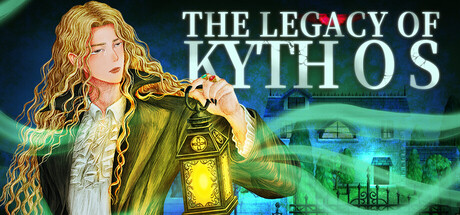 凯索斯之遗 In-game content codetext | During the development of this title, generative AI was used as an assistive tool for writing some code, as well as for text polishing and translation. Other elements—including core artwork, character and environment designs, and the overall visual presentation—were created entirely by the developers themselves. | The Silent Piper | - | Sep 16, 2026 | |
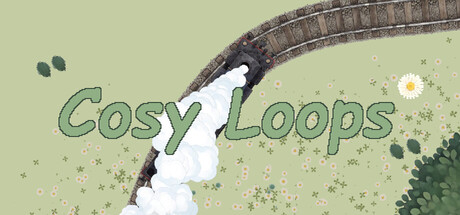 Cosy Loops In-game content art | The Game Assets Are Initially Designed By Humans, Then Generated With Ai Assistance In The Middle Stage, And Finally Edited By Humans. | GGOLDBIG | - | Sep 16, 2026 | |
 Colorsong Dev only codetext | AI was used as a coding assistant during development, and for translations.
I’m a software engineer with 25 years of programming experience. I used AI to help with technical implementation while I focused on the game’s design, systems, balance, and overall feel. | Vladlen Manshin | - | Sep 15, 2026 | |
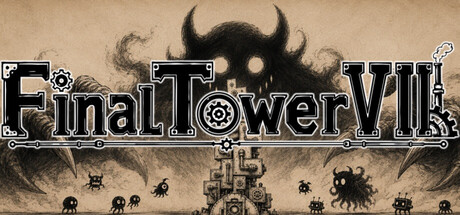 Final Tower Ⅶ In-game content arttext | This game uses generative AI tools for some image assets and translations. All AI-generated materials are reviewed, adjusted, and edited by the development team before being used in the game. | NEO Studio | - | Sep 15, 2026 | |
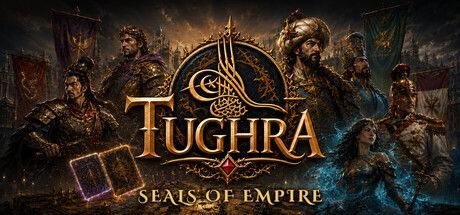 Tughra: Seals of Empire In-game content arttext | Card illustrations, portraits, faction banners and store capsule artwork were created with generative AI image tools, then curated, edited and integrated by the developer. All game design, rules, card text, writing and music selection are human-made. No AI-generated content is produced at runtime. | Nine Gates Studio | - | Sep 15, 2026 | |
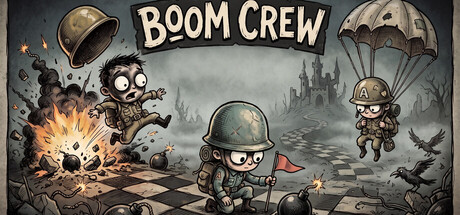 Boom Crew In-game content art | Some of the artwork in Boom Crew was created with the help of generative AI image tools. This covers character and object sprites, ground and paper textures, the game logo, and the capsule art on this store page. Every generated image was directed from hand-drawn mockups, then cut out, corrected and assembled by hand before it shipped. Code, level generation, on-screen text and audio contain no generative AI content, and nothing is generated live while you play. | Orchakov | - | Sep 15, 2026 | |
 Paper Planes In-game content textaudio | Generative AI was used to assist with bug fixes, text editing, and portions of the game's music. Generative AI was not used for the game's direction, art direction, or gameplay mechanics. | Holly Gaming Studios | - | Sep 15, 2026 | |
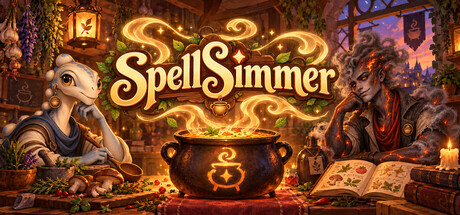 SpellSimmer In-game content art | Generative AI tools were used as part of the production process to assist in creating and refining some 2D artwork and visual assets. All such content is pre-generated and reviewed before being included in the game. No AI-generated content is created during gameplay. | AvalaGames | - | Sep 13, 2026 | |
 Cat Rooms: Sticker Decor! Dev only art | Some pre-generated visual concepts were created with the help of AI tools and then manually edited, redrawn, and finalized by the artist | Cat Company Limited | - | Sep 13, 2026 | |
 Zero Castle In-game content audio | Some of the music in this game was created using generative AI and is used as part of the game's soundtrack. | Solodevdo | - | Sep 13, 2026 | |
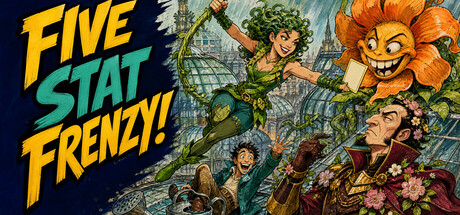 FIVE STAT FRENZY! In-game content art | During development, generative AI tools were used to assist with selected pre-generated visual content, including some card illustrations, comic imagery and marketing artwork. Each included illustration was deliberately selected, art-directed and integrated into FIVE STAT FRENZY!’s own comic-watercolour style, cast of characters, game rules and connected Paperlight City story.
The released game uses no generative AI at runtime. Players do not enter AI prompts, and the game does not generate new images, text, dialogue, music or gameplay content while it is being played. Card values, rules, deckbuilding, rivals, campaign progression and comic unlocks are fixed, tested game content. | ZELVANIX | - | Sep 13, 2026 | |
 ONE FLEET In-game content arttextaudio | Some of this game's content was created with the assistance of generative AI tools during development: portions of the game's code, some text, and music tracks, and is reviewed by the developer before shipping. The game does not generate AI content at runtime. | LuckyLion | - | Sep 13, 2026 | |
 Fishjoy: Fishing & Aquarium Dev only code | Portions of the game code were generated using AI tools. | wangjiong | - | Sep 13, 2026 | |
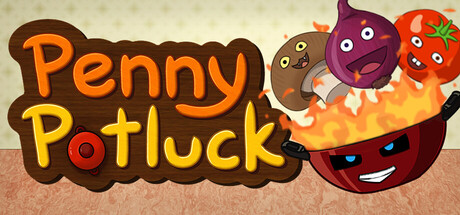 Penny Potluck In-game content text | AI was used to assist with localization of the game's store page into additional languages as a placeholder until I am able to hire a localization team. All localized text was reviewed and edited before publication. | Phoenix Hunt | - | Sep 13, 2026 | |
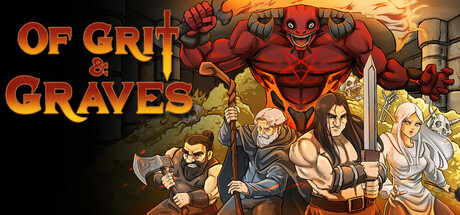 Of Grit & Graves Dev only code | I use Bezi, an AI coding tool for Unity to help develop some of the more complicated algorithms used in pathfinding and enemy AI. I review all generated code used in the game and make modifications when necessary. | Melted Monster Game Studio LLC | - | Sep 13, 2026 | |
 PLEASE STOP THE RAIN In-game content artaudio | Some Sprites, UI art and sound effects are AI-generated from written prompts, then hand-edited. Nothing is generated at runtime. | Missroot | - | Sep 12, 2026 | |
 doodle towers In-game content text | AI was used for translation | yummypotato | - | Sep 12, 2026 | |
 100 Years Atop Mount Ellumbee In-game content arttextaudio | The illustrations in this game (Battle Card art, faction emblems, Commander portraits and board imagery) were generated with Midjourney, working from the designer's own concept art and art direction. Each image was then selected, tone-matched to the card stock, fitted and composited into the game's frames.
Card names, card text and the written rules were drafted with the assistance of a large language model, working from the designer's original hand-written rules and card designs, then edited and finalized by hand. The music and sound effects were generated with Suno. Voice recordings were performed by the creator.
The game itself is a person's work: the rules, the mechanics, the economy and the balance decisions were designed by hand over many revisions, with AI used as a collaborator rather than an author. The physical board game came first.
No content is generated by AI while you play. The computer opponents are conventional rule-based code, not a generative model. | Sweet Puppy Media | - | Sep 12, 2026 | |
 Sweet Street Dev only artcode | Generative AI was used to aid art composition and code implementation. | Sweet Street Ganes | - | Sep 12, 2026 | |
 Drawaoke: Sing, Scribble, Showdown! In-game content textaudio | This game uses generative AI in the following ways.All of this content was created ahead of time — nothing is generated by AI while the game is running.- Draw-along song lyrics — generative AI produces the first drafts, and the developer reviews and hand-picks every song- The stroke order of each model drawing (its line-coordinate data) — same as above- Singing voices — synthesized with VOICEVOX (Shikoku Metan / Namine Ritsu) and Synthesizer V (Sheena 2, for the English songs), and shipped as pre-rendered audio files[What we don't do]- No image-generation AI is used. Every model drawing is rendered as lines from coordinate data- The game never connects to online AI services during play (the only network traffic is for online matches) | 2P START | - | Sep 12, 2026 | |
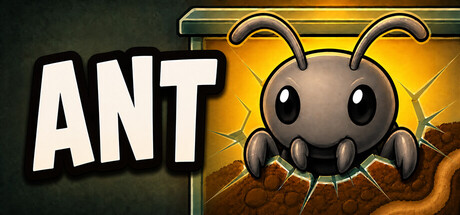 Ant In-game content artaudio | Generative AI was used to assist with artwork, UI elements and sound effects. No AI content is generated during gameplay. | Fruitdish | - | Sep 12, 2026 | |
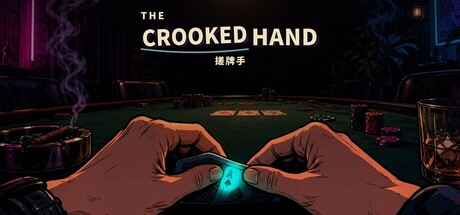 The Crooked Hand In-game content artaudiotextcode | This game uses generative AI extensively during development to assist with programming and to create art, music, and some written materials. All content included in the final game is manually reviewed, edited, and integrated; no content is generated in real time while the game is running. | chenjd | - | Sep 12, 2026 | |
 貓貓盒CATBOX Dev only code | 部分程式碼由ai生成 | DREJ | - | Sep 12, 2026 | |
 SUPER GAHAKU In-game content text | Generative AI was used for the localization and translation of some languages in this game. | North Fox Games | - | Sep 12, 2026 | |
 Dead Market In-game content art | The illustrations in Dead Market — the 247 card images, the cutscene plates, the premises backdrops and the nine-slice chrome — were generated with image models during development, then selected, corrected, composed and integrated by hand against the game's own manifest. Everything that displays a live value is drawn procedurally in the engine rather than being an image. The spoken lines were synthesised from a written script, one voice per character, and edited into the game.
Nothing is generated while the game runs. There is no model in the build, no network code and no telemetry. | Bartjuh3 | - | Sep 12, 2026 | |
 Lionheart: The Spirit Within In-game content art | Generative AI tools were used during development to assist in creating some environmental artwork, textures, and 3D models. The generated assets were subsequently selected, edited, optimized, and integrated into the game by the developer. No generative AI is used during gameplay. | Kinokulak | - | Sep 10, 2026 | |
 Oda's Ordinary Lives In-game content art | In the interest of transparency, illustrations were created with the help of AI-assisted tools, used as creative support within a human-led artistic process. | Artifex Parvus | - | Sep 10, 2026 | |
 我的桌宠会修仙 In-game content arttext | Generative AI was used during development to create and refine some pre-generated artwork, character animation source material, written content, localization, and marketing scenes. All such content was reviewed, selected, and fixed before release. The game does not generate content with AI during play and does not include AI chat. | FunPlaceGame | - | Sep 10, 2026 | |
 NucleoSynthetica In-game content art | Generative AI was solely utilized to create the 2D background artwork for the main menu screen. | AnNguyen | - | Sep 10, 2026 | |
 Dawnbar Fantasy Store/marketing art | Generative AI tools were used during development to assist with selected visual assets and promotional materials. All AI-assisted content was reviewed and refined by the developer before use. | GGG Studio | - | Sep 10, 2026 | |
 Тайны Родиона In-game content art | Generative AI tools were used during the creation of some visual materials for the game. These materials were subsequently manually edited, refined, and adapted to match the project’s visual style. The game does not generate AI content during gameplay. | Volganka Games | - | Sep 10, 2026 | |
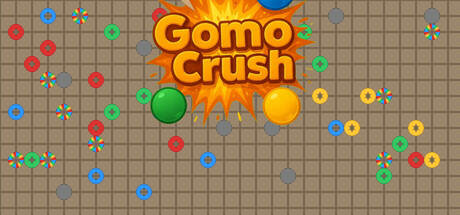 GomoCrush In-game content art | Only Story mode background image generated by AI. | ちゃのまおぼろ | - | Sep 7, 2026 | |
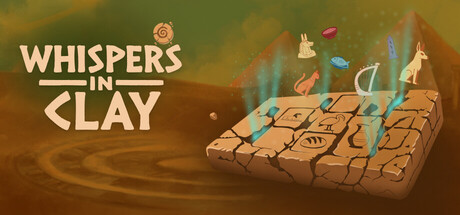 Whispers in Clay In-game content audiotext | Generative AI tools were used to assist with the creation of music, sound effects, and localized text. | lughandpiv | - | Sep 7, 2026 | |
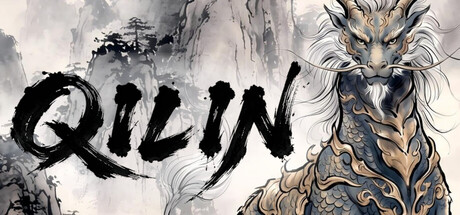 麒麟刀 In-game content art | Some art assets including card illustrations, character and prop art were created with the assistance of generative‑AI tools during development. All AI‑assisted materials have been manually reviewed, edited and reworked. No content is dynamically generated by AI during gameplay. | Zyjoyland Games | - | Sep 7, 2026 | |
 LifeReplay Unclear art | AI-generated images | Dagou Studio | - | Sep 6, 2026 | |
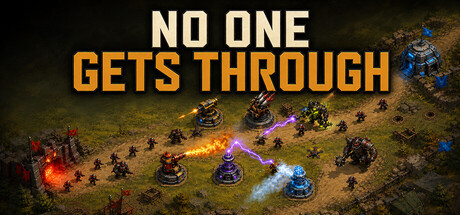 No One Gets Through In-game content art | Generative AI tools were used during development as part of the production workflow for selected visual assets. All such assets were reviewed, refined, and integrated by the development team. No AI content is generated during gameplay, and the game does not connect to external AI services. | Youyuan Network | - | Sep 6, 2026 | |
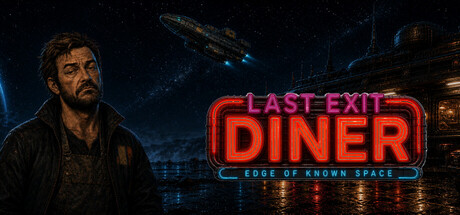 Last Exit Diner: Edge of Known Space In-game content art | All pre-rendered visual artwork was created using generative AI under developer direction. This includes environment backgrounds, interface and menu artwork, branding, icons, and promotional/title-card images. | Last Exit Diner | - | Sep 6, 2026 | |
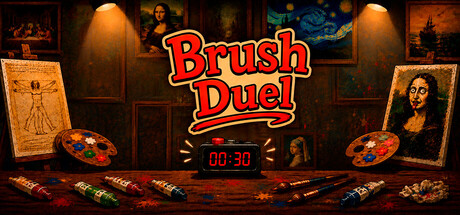 Brush duel In-game content art | AI was used to ensure that all images within the game share a consistent visual style. | Goltech | - | Sep 5, 2026 | |
 Something Really Evil Inc. In-game content text | AI was used to assist with the translation of the game's text into supported languages. No generative AI was used to create the game's art, music, or other game content. | Lunaris Aeterna | - | Sep 4, 2026 | |
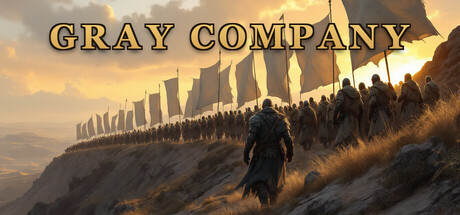 Gray Company In-game content art | Some of this game's assets were made with the assistance of generative AI tools and were reviewed, curated and hand-finished by the developer. No content is generated while you play. | Meridian Studios | - | Sep 4, 2026 | |
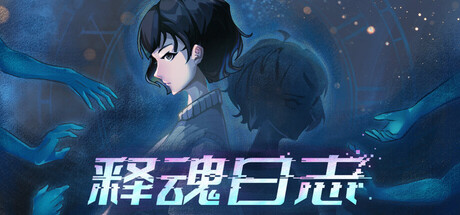 Soul Protocol In-game content audio | 游戏中的部分音乐使用AI辅助生成 | 街角制作组 | - | Sep 4, 2026 | |
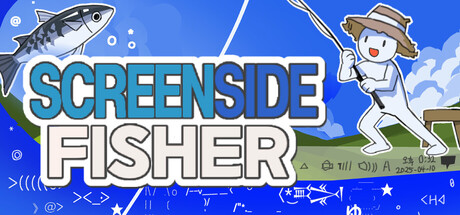 SCREENSIDE FISHER In-game content codetext | received help from AI for localization and code writing. | 032 | - | Sep 4, 2026 | |
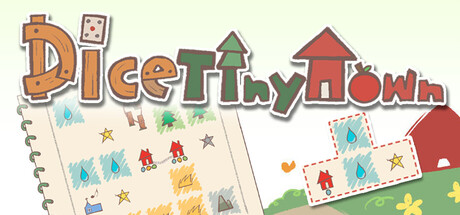 Dice Tiny Town In-game content codetext | Generative AI was used only for programming assistance and localization. No generative AI was used for artwork, music, or sound effects. | Lazini | - | Sep 3, 2026 | |
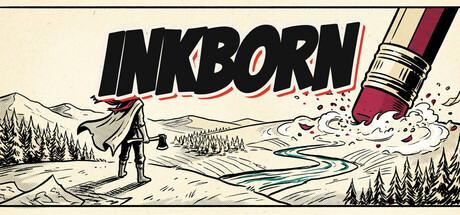 INKBORN In-game content artaudio | The store artwork (capsules and key art) was generated with an image model and then composed, cropped and combined with our own logo by hand. The game's ambient background music tracks were generated with an AI music tool and edited afterwards. | OverLKD Studio | - | Sep 3, 2026 | |
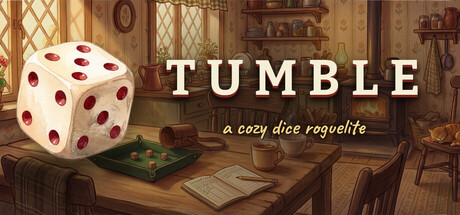 Tumble: A Cozy Dice Roguelite In-game content artaudiotext | Tumble's visual art (character and charm illustrations, backdrops, item sprites, and store capsule art) was generated with Google's Gemini image models and then selected, cropped, retouched, colour-matched and in many cases regenerated by hand against a fixed reference style until it fit the game. Music and sound effects were generated with Suno under a commercial licence, then cut, mixed and placed by hand.
The game's design, rules, balance, and code are not generated content. Every mechanic, number and line of player-facing text was written, tested and revised by the developer, including through automated balance simulation and four rounds of human playtesting.
No content is generated live during play. Nothing in Tumble is produced at runtime by an AI model; the game runs entirely offline with no model calls of any kind. | Colin Bish | - | Sep 3, 2026 |


