Public Steam disclosure research25,376 disclosures tracked
Where do games disclose AI use?
Search developers’ Steam disclosures, compare classified AI use across
games, and follow recorded changes.
This index adds cross-game classifications and statistics to
statements published on individual store pages.
Groups reflect automatic analysis of public disclosures; mature records are excluded. These counts do not measure AI use across all of Steam.
Missing or unclear statements cannot establish whether a game uses AI.
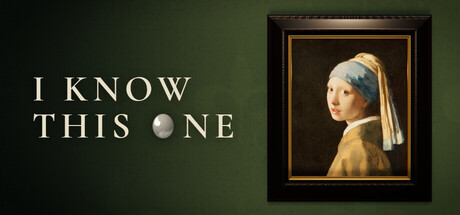
The altered paintings ("forgeries") were made by editing public-domain museum scans with generative AI image tools. Each one was reviewed by hand, colour-matched to its original scan and, where possible, composited back onto that scan so that only the altered detail differs. Some in-game English text (the questions that appear beside the paintings) and parts of this store description were drafted with an AI writing assistant and edited by the developer. The capsule art and screenshots are frames rendered by the game itself; the capsule art shows one of the AI-edited paintings. Nothing is generated by AI while the game runs.
AI-assisted tools were used to support performance optimization and to generate the player character. AI tools also contributed to enemy character assets, store artwork and translations. These uses concern content prepared during development.
Generative AI tools were used during development to create pre-generated visual assets, including 2D background artwork, environment graphics, character sprites, and promotional store imagery. All AI-generated content was created prior to release, and no generative AI runs in real-time during gameplay.
Some of this game's content was created with the help of generative AI tools during development:
- Artwork: some of the visual art in the game.
- Text: parts of the in-game writing, and the Simplified Chinese translation.
- Audio: a small number of sound effects. Most of the game's sound was made without AI.
Nothing is generated by AI while you play.
The game's story, design and text were created by the developer. Generative AI was used as an assistant when writing the text of this store page and of the game, and to translate it into 12 languages; all of it was reviewed and edited by the developer. One song on the car radio ("Broken Hearts and Blue Moons", licensed from Pixabay) was produced by its author with generative AI. No content is generated while you play.
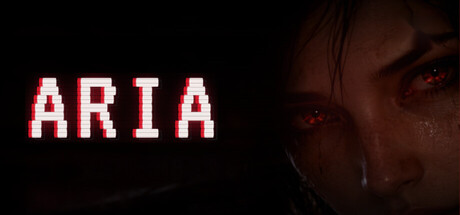
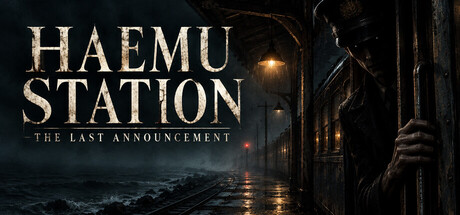
ARIA's dialogue and speech are generated on the player's own machine at runtime by a language model and a text-to-speech voice that ship with the game. Nothing is sent to an external service and no player data leaves the machine. What ARIA says is constrained to the station's fiction and to evidence the player has actually found in-game. Some art, audio and text assets in the game were produced with AI tools and reviewed by the developer before shipping.
Logo/branding art: The game's logo and some promotional material was generated using an AI image generation tool.
Modeling: A handfull of props where generated using AI.
Localization: In-game text (menus, UI, dialogue, and other player-facing strings) has been translated into additional languages using AI translation tools, so accuracy and natural phrasing may vary by language.
Some background environment props and their textures (signage, lamps,
surfaces, decals and small set-dressing objects) were generated with AI
assistance, using AI written procedural code rather than an image or mesh
generator. They ship with the game as scenery.
Everything else is the developer's own work: all writing and in-game text,
game design, game code, audio and sound design, the visual identity, and all
store page art.
No AI generated content is produced while the game is running.
Some of the visual and audio assets in Subject 4471 were created with the assistance of generative AI tools during development. All AI-generated content was reviewed, curated, and edited by the developer to ensure it is appropriate, and the developer has taken steps to ensure it holds the rights necessary to use this content. This game does not generate any AI content in real time during gameplay.
As a solo developer, I used AI text-to-speech to voice characters. Everything else, including 3D models, textures, writing, and design, was made by me.
Generative AI tools were used to assist with the creation and refinement of some pre-generated 3D assets and localization. All AI-assisted content was reviewed, edited, and integrated by the developer. The game does not use generative AI to create content during gameplay.
・Some of the posters were created using generative AI (ChatGPT and Gemini).
・Some of the voices were created using generative AI (Ondoku).
・The translations were created using generative AI (Gemini).
A handful of key art pieces, concept illustrations, and store-page graphics were generated with AI image-generation software to help communicate. This use of AI is limited strictly to marketing materials.
This game contains some images, videos, audio, text, and 3D assets created using generative AI. Generative AI is not used to generate content or code in real time during gameplay.
Artwork: created with generative AI, pre-rendered, hand-curated and edited.
Code and design: 100% human-written, built on a match-3 framework I've developed and shipped five games with since 2012.
Runtime: no AI is used while the game is running.
Generative AI was used during development to create certain pre-generated visual assets and character textures included in the game, as well as to assist with translation into certain languages (French, German, and Spanish). These assets are created during development and are integrated into the game; there is no real-time AI content generation during gameplay.
The developer uses generative AI during development for prototyping (placeholder models/assets), and some current store‑page marketing images are AI‑composed. No generative AI runs during gameplay.
During development we used generative AI tools to create some of the game's 2D
artwork and a portion of its 3D models, as well as some store page marketing
artwork. All AI-assisted assets were reviewed, edited, and finalized by our team.
The game does not generate AI content at runtime.
Dawn of Irkalla includes pre-generated AI-assisted content used during development, including some 3D models, images, and code assistance. The game's level design, story, lore, gameplay, music, and many other assets were created by us or sourced from licensed third parties.
Generative AI tools were used to during development to assist with game code, content, and materials. The game contains no live generative AI interactions and does not generate content during gameplay.
Some visual assets in the game were created using generative AI. This includes the game's logo and some of the artwork found in the hospital map. The hospital map is part of a purchased asset pack, and some of the artwork in the environment was already AI-generated.
AI tools assisted in developing certain visual and audio elements, design references, and translations. The development team reviewed and finalized all published content.
Generative AI tools were used during development to create and assist with pre-generated visual artwork and image assets. No generative AI content is created in real time during gameplay.
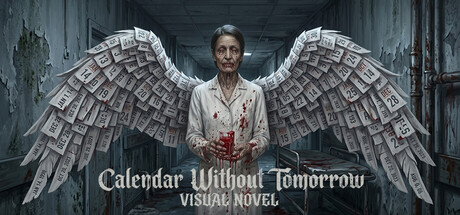
Generative AI was used to create pre-rendered story illustrations, horror encounter images, promotional artwork and music. AI tools also assisted with narrative text and localization. These assets are prepared in advance; the game does not generate AI content during play.
Generative AI tools were used during development across visual assets, audio, and written content. AI-assisted outputs were substantially edited, composited, photobashed and hand-painted by the developer before inclusion in the game. No generative AI is used at runtime.
We use generative AI for localization support. All AI assisted translations are reviewed and edited by human translators before being included in the game.
We used AI to generate initial music tracks, concept art, and temporary translations into some languages.
All materials were then thoroughly edited, reworked, and finalized by humans.
Nothing went straight from the generator into the game.
AI tools were used during development, including code assistance and design iteration. All creative direction, game design, and final decisions are the work of the developer. The game contains no live/runtime AI-generated content.
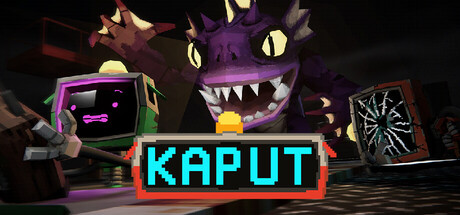
KAPUT is made by a small team, and we use AI coding assistants as a programming tool during development — to help write, refactor and review parts of the game's code and internal documentation. Every change is reviewed, tested and integrated by our developers, who are responsible for the final result.
The game's art, animation, music, sound design and writing are made by the team. No content is generated by AI while you play
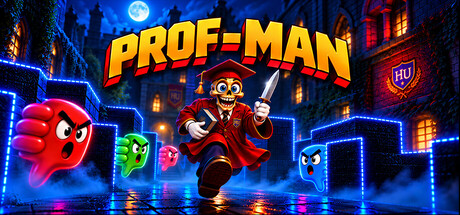
PROF-MAN contains pre-generated visual artwork and voice audio created with the assistance of generative AI tools. Visual assets were created and directed by the developer and subsequently edited and refined as part of the game's art production process. The Professor's voice was created using ElevenLabs. No AI-generated content is created during gameplay.
The altered paintings ("forgeries") were made by editing public-domain museum scans with generative AI image tools. Each one was reviewed by hand, colour-matched to its original scan and, where possible, composited back onto that scan so that only the altered detail differs. Some in-game English text (the questions that appear beside the paintings) and parts of this store description were drafted with an AI writing assistant and edited by the developer. The capsule art and screenshots are frames rendered by the game itself; the capsule art shows one of the AI-edited paintings. Nothing is generated by AI while the game runs.
AI-assisted tools were used to support performance optimization and to generate the player character. AI tools also contributed to enemy character assets, store artwork and translations. These uses concern content prepared during development.
Generative AI tools were used during development to create pre-generated visual assets, including 2D background artwork, environment graphics, character sprites, and promotional store imagery. All AI-generated content was created prior to release, and no generative AI runs in real-time during gameplay.
Some of this game's content was created with the help of generative AI tools during development:
- Artwork: some of the visual art in the game.
- Text: parts of the in-game writing, and the Simplified Chinese translation.
- Audio: a small number of sound effects. Most of the game's sound was made without AI.
Nothing is generated by AI while you play.
The game's story, design and text were created by the developer. Generative AI was used as an assistant when writing the text of this store page and of the game, and to translate it into 12 languages; all of it was reviewed and edited by the developer. One song on the car radio ("Broken Hearts and Blue Moons", licensed from Pixabay) was produced by its author with generative AI. No content is generated while you play.
ARIA's dialogue and speech are generated on the player's own machine at runtime by a language model and a text-to-speech voice that ship with the game. Nothing is sent to an external service and no player data leaves the machine. What ARIA says is constrained to the station's fiction and to evidence the player has actually found in-game. Some art, audio and text assets in the game were produced with AI tools and reviewed by the developer before shipping.
Logo/branding art: The game's logo and some promotional material was generated using an AI image generation tool.
Modeling: A handfull of props where generated using AI.
Localization: In-game text (menus, UI, dialogue, and other player-facing strings) has been translated into additional languages using AI translation tools, so accuracy and natural phrasing may vary by language.
Some background environment props and their textures (signage, lamps,
surfaces, decals and small set-dressing objects) were generated with AI
assistance, using AI written procedural code rather than an image or mesh
generator. They ship with the game as scenery.
Everything else is the developer's own work: all writing and in-game text,
game design, game code, audio and sound design, the visual identity, and all
store page art.
No AI generated content is produced while the game is running.
Some of the visual and audio assets in Subject 4471 were created with the assistance of generative AI tools during development. All AI-generated content was reviewed, curated, and edited by the developer to ensure it is appropriate, and the developer has taken steps to ensure it holds the rights necessary to use this content. This game does not generate any AI content in real time during gameplay.
As a solo developer, I used AI text-to-speech to voice characters. Everything else, including 3D models, textures, writing, and design, was made by me.
Generative AI tools were used to assist with the creation and refinement of some pre-generated 3D assets and localization. All AI-assisted content was reviewed, edited, and integrated by the developer. The game does not use generative AI to create content during gameplay.
・Some of the posters were created using generative AI (ChatGPT and Gemini).
・Some of the voices were created using generative AI (Ondoku).
・The translations were created using generative AI (Gemini).
A handful of key art pieces, concept illustrations, and store-page graphics were generated with AI image-generation software to help communicate. This use of AI is limited strictly to marketing materials.
This game contains some images, videos, audio, text, and 3D assets created using generative AI. Generative AI is not used to generate content or code in real time during gameplay.
Artwork: created with generative AI, pre-rendered, hand-curated and edited.
Code and design: 100% human-written, built on a match-3 framework I've developed and shipped five games with since 2012.
Runtime: no AI is used while the game is running.
Generative AI was used during development to create certain pre-generated visual assets and character textures included in the game, as well as to assist with translation into certain languages (French, German, and Spanish). These assets are created during development and are integrated into the game; there is no real-time AI content generation during gameplay.
The developer uses generative AI during development for prototyping (placeholder models/assets), and some current store‑page marketing images are AI‑composed. No generative AI runs during gameplay.
During development we used generative AI tools to create some of the game's 2D
artwork and a portion of its 3D models, as well as some store page marketing
artwork. All AI-assisted assets were reviewed, edited, and finalized by our team.
The game does not generate AI content at runtime.
Dawn of Irkalla includes pre-generated AI-assisted content used during development, including some 3D models, images, and code assistance. The game's level design, story, lore, gameplay, music, and many other assets were created by us or sourced from licensed third parties.
Generative AI tools were used to during development to assist with game code, content, and materials. The game contains no live generative AI interactions and does not generate content during gameplay.
Some visual assets in the game were created using generative AI. This includes the game's logo and some of the artwork found in the hospital map. The hospital map is part of a purchased asset pack, and some of the artwork in the environment was already AI-generated.
AI tools assisted in developing certain visual and audio elements, design references, and translations. The development team reviewed and finalized all published content.
Generative AI tools were used during development to create and assist with pre-generated visual artwork and image assets. No generative AI content is created in real time during gameplay.
Generative AI was used to create pre-rendered story illustrations, horror encounter images, promotional artwork and music. AI tools also assisted with narrative text and localization. These assets are prepared in advance; the game does not generate AI content during play.
Generative AI tools were used during development across visual assets, audio, and written content. AI-assisted outputs were substantially edited, composited, photobashed and hand-painted by the developer before inclusion in the game. No generative AI is used at runtime.
We use generative AI for localization support. All AI assisted translations are reviewed and edited by human translators before being included in the game.
We used AI to generate initial music tracks, concept art, and temporary translations into some languages.
All materials were then thoroughly edited, reworked, and finalized by humans.
Nothing went straight from the generator into the game.
AI tools were used during development, including code assistance and design iteration. All creative direction, game design, and final decisions are the work of the developer. The game contains no live/runtime AI-generated content.
KAPUT is made by a small team, and we use AI coding assistants as a programming tool during development — to help write, refactor and review parts of the game's code and internal documentation. Every change is reviewed, tested and integrated by our developers, who are responsible for the final result.
The game's art, animation, music, sound design and writing are made by the team. No content is generated by AI while you play
PROF-MAN contains pre-generated visual artwork and voice audio created with the assistance of generative AI tools. Visual assets were created and directed by the developer and subsequently edited and refined as part of the game's art production process. The Professor's voice was created using ElevenLabs. No AI-generated content is created during gameplay.