


Disclosure
The English localization was created with the assistance of generative AI. The translations were reviewed and revised by the development team before being used in the game.
- Creator
- Maya's cozy knick-knack shop
- Reviews
- -
- Added
- Oct 28, 2026
Public Steam disclosure research 27,951 disclosures tracked
Search developers’ Steam disclosures, compare classified AI use across games, and follow recorded changes. This index adds cross-game classifications and statistics to statements published on individual store pages.
Code help, debugging and other development work.
Capsule art, trailers and promotional material.
Pre-made art, audio, writing and other game assets.
Interactive or runtime AI features disclosed by the developer.
Groups reflect automatic analysis of public disclosures; mature records are excluded. These counts do not measure AI use across all of Steam. Missing or unclear statements cannot establish whether a game uses AI.
The English localization was created with the assistance of generative AI. The translations were reviewed and revised by the development team before being used in the game.
AI tools assisted with redundant coding tasks and some artwork.
The interface translations (10 languages) and the store page text of this game were prepared with the help of generative AI. No AI is used to generate content while the game is running, and the game does not connect to any external AI service.
Generative AI tools were used to assist in creating some visual elements for this game's promotional materials. The game itself does not contain any AI-generated art, audio, text, or localized content.
Story portraits of King Mark were generated for this project.
Generative AI tools were used during development to help create some of the game's assets, including much of the artwork and some of the 3D models. All AI-assisted assets were selected, edited and integrated by the developer. The game's concept, design, objectives and story were created by the developer without AI. No generative AI is used inside the game: nothing is generated by AI while you play, and computer opponents and all difficulty levels are driven by programmatic game logic.
AI tools were used during development to assist with shader creation, optimization, and the programming of certain game systems.
Only story scenes are generated by AI. If you dont like AI-gen, you can entirely skip story scenes in the game. We have provided enough man-made gameplay content which are fun and interesting.
Some sounds and images in END QUEST were made with generative AI tools during development.
Some static artwork and store text were created with generative AI during development. This includes tool and character artwork, coastal buildings and vegetation, buildable machines, and store marketing images. Selected artwork was edited and integrated into the game. No generative AI runs during gameplay, and the game does not connect to an external AI service.
Some of the game's pixel art (character and enemy sprites, environment props, chapter card illustrations, achievement icons and store key art) was created with the help of the AI tool PixelLab and then edited and assembled by the developer. All voice-over in the game (story narration, character dialogue, in-game barks and radio chatter) and the trailer narration were generated with AI text-to-speech (ElevenLabs) from the developer's own script. No AI is used to generate content while the game is running.
Developer fine tuned AI model on their own artwork for small 3D assets (cars, trees, rooftops) to produce more variations. Everything else is procedurally generated by algorithms from the developer.
Claude was used in making this game.
During the development of Puzzlozenge, generative AI tools were used to assist in creating certain static graphical assets, including the game's logo and title lettering. These elements were reviewed and refined throughout the development process. The game does not use generative AI during gameplay.
Some of the game's content, including artwork, music, voices, and text, was created with the help of generative AI tools and reviewed by the developer. No AI content is generated during gameplay.
Character and prop models, illustrations, icons, music, sound effects, narration and the unofficial translations were made with generative AI tools, then selected, edited and assembled by the developer. Nothing is generated while you play and the game contacts no AI service.
vibe coding
No AI-generated artwork, music or sound ships with the game or appears on this page; the creatures and the main interface pieces were drawn by human illustrators, and the rest is licensed stock art or drawn in code. The game and this page are written in Polish. AI tools helped draft parts of the text and translate it into other languages; the English, Simplified Chinese and Japanese texts of this page were proofread by professional translators. Nothing is generated while the game is running.
During the development of DearBNB, generative AI tools were utilized to assist in the creation of specific user interface (UI) elements and icons.
Kinetile is an expanded successor to Leadball, the iOS puzzle game released in 2015. Generative AI tools helped create the music, sound effects, and some of the in-game artwork and text for this new PC edition. All AI-assisted content was prepared during development and is included as finished assets. Nothing is generated by AI during play, and the game does not connect to AI services.
Generative AI tools were used during development to create some character and monster images and animations, backgrounds, icons, music, in-game text and translations, and store artwork. These assets are created in advance and included in the game. The game does not generate new content or connect to external AI services during gameplay.
Some content was made with generative AI tools under our direction: the background music, the logo, and the game text and its translations. Everything you see in the game is drawn by the game's own code. No content is generated by AI while you play.
During development we used AI tools to help perfect the game: with programming, with running gameplay and balance simulations, and with fine-tuning the graphics. AI also helped translate texts, including the store page's translations. The English narrator voice of the puppet-show intro was made in advance with ElevenLabs. Nothing is generated by AI while you play.
AI tools were used to help create the game's code, its user-interface, the game logo, and some of its 3D models, all under the developer's direction. The game's design and all other artwork were created by the developer. Music and sound effects come from royalty-free libraries and the developer's son. The store artwork was hand-painted by the developer’s brother.
Generative AI was used to prepare the game description on the Steam store page, the short game description, and to translate and localize these texts into the supported languages. The final selection, editing, and publication of the materials are carried out entirely by the developer. Generative AI is not used within the game itself, and no content is generated in real time.
The store artwork and some 3D models, such as a few landmark buildings, were first generated with AI tools and then edited, textured and placed by hand. AI tools also assisted with programming. No content is generated by AI while you play.
Some pre-generated game artwork, including Event Mark imagery, was created with the help of generative AI tools during development and reviewed before inclusion. The game does not generate AI content during play.
Made by one person. Written, directed and built by me, with generative AI used as a supplementary tool for some of the game's assets, all of it reviewed and refined by hand.
Generative AI tools were used to assist with the translation and localization of the Steam store page text. All AI-assisted content was reviewed and edited before publication. No AI-generated content is created during gameplay.
Translations were generated using AI.
Voice acting for the game trailer.
We only used AI to translate the game into more languages. Nothing else is AI. All 3D models and animations are made by our talented team of real human artists. All in-game music was made by real people and licensed via Artlist.io (Artlist Originals, no AI).
Generative AI tools have been used to write code and assist with programming, translate text files and create some assets in certain paksets.
Part of the game content was created with the help of AI.
Translations: AI tools were used to localize and translate in-game text, ensuring clear communication of mechanics across multiple languages. Graphics: AI generation was used partially for some graphical assets and textures; these assets were manually refined to ensure consistency with the game's overall visual style.
Skull's Impossible Quest uses AI content that was generated before release: the spoken lines of the characters, in English and Japanese, were generated with ElevenLabs voices. The translations of the game text and of the store page were produced with AI language models and checked for cultural and sensitivity issues, but not yet by native speakers of every language, so errors may remain; players can report them. No AI content is generated while you play, and the game sends no player data to any AI service.
Generative AI tools were used during development to generate artwork, music, manual text, and code assets. All assets were curated and manually edited by the solo developer prior to release.
Some interface art (window and button icons, the game logo, the window header pattern and decorations such as pins, tape and clips) and the game's translations were created with the help of AI tools, then integrated by our team. The same art also appears on our store page and in our update announcements. Since version 3.1, the textures of the floors, walls, outdoor paths and grass in the game were also created with AI tools. The artwork of our Steam Trading Cards (the cards, badges, emoticons and profile backgrounds) was also created with AI tools. The game's 3D models, characters and gameplay were not made with AI, and no AI content is generated while you play.
Generative AI was used to assist in the creation of some fictional company logos featured in the game.
The background music uses AI generated audio. AI writing tools were used to draft some game texts, translations and some promotional materials. All final text was reviewed, edited, and approved by the development team for tone, continuity, and accuracy.
Some of this game's assets — 3D models, textures and art, sound effects and voice, and cinematic video sequences — were created with the assistance of generative AI. All of it is pre-generated: every piece was curated, edited and integrated by hand before shipping. All design, code, writing and gameplay are the developer's own work. Nothing is generated while you play, and the game never connects to any AI service.
Building sprites, terrain textures, interface icons, event illustrations, the logo and the store artwork were created with AI image models and then processed and fitted to the game by the author's own tools. In-game texts, the English translation and the store description were written with the help of an AI assistant and edited by the author. Game design, rules and balancing are the author's own work. Nothing is generated by AI while you play.
Generative AI tools were used in the developer's workflows to create many of the visual assets (both in the game and in promotion), as well as a small handful of audio assets (primarily music). These assets were then carefully reviewed, edited, modified and iterated on by the developers to match the style and artistic vision of the game. No content is generated by AI during gameplay.
Generative AI is used to create 2D game art and will be gradually replaced by hand painted assets.
Some assets in this game were created with the help of generative AI tools during development. All such content is pre-generated: it was produced during development, reviewed and edited by the developer, and shipped as static files. The game does not call any AI model at runtime. - Art: character standing illustrations and expressions, portraits, item icons, badges, chapter cards, key art, title backgrounds, UI backgrounds, HUD frames, window borders, button plates and rims, ground decals and ground textures were generated with OpenAI image models (gpt-image) and then hand-selected, cropped and colour-corrected by the developer. - Video: the opening and ending cinematics, the animated chapter cards and title screen backgrounds, and the cinematic shots in the trailer were generated with a video model (ByteDance Seedance 2.0) from developer-authored keyframes and storyboards. - Music: the cinematic scores were generated with ElevenLabs Music, and the trailer score with Google Lyria 3. The in-game background music was generated with Google Lyria 3 from developer-written prompts, then loop-edited and loudness-matched by the developer. - Voice: all spoken dialogue lines and the narration of the opening and ending cinematics, in Korean, English and Spanish, are text-to-speech synthesised with Google Gemini 3.8 Flash TTS from scripts written by the developer. Every speaker uses the model's built-in voices; no real person's voice is cloned and no reference recording of any person was used. No AI model is called while the game is running. - Expression tagging: during development a text model (gpt-6-luna) was used to pick which of the pre-made portrait expressions is shown for each dialogue line. It did not write or change any dialogue or other player-facing content. - Translation: the English and Spanish text was translated from the developer's Korean script with Anthropic Claude. Game design, the original Korean writing, level design, code and all gameplay systems are authored by the developer. Historical text quoted in game is public domain.
Generative AI tools were used to help create some of the game’s chip and module icons, which are already being replaced with icons made by a designer.
The game's art is built from hand-made pixel-art packs, redrawn with AI image tools so they share one consistent style. The music and the key art were also made with AI tools. Nothing is generated while you play.
Pre-generated: the placeholder capsule art and marketing assets were created with AI image generation and edited by hand. All 3D models, animation, music and sound are HUMAN-MADE or HUMAN-MADE licensed assets. No content is generated live.
AI tools were used in making the game's art and text.
AI Coding Tools were used
| Title⇅ | Disclosure | Creator⇅ | Src | Reviews⇅ | Added↓ |
|---|---|---|---|---|---|
 Cat Cat Cat Factory In-game content text | The English localization was created with the assistance of generative AI. The translations were reviewed and revised by the development team before being used in the game. | Maya's cozy knick-knack shop | - | Oct 28, 2026 | |
 Velcrath: Survivors In-game content artcode | AI tools assisted with redundant coding tasks and some artwork. | Hexed Anvil Studio | - | Oct 28, 2026 | |
 Turf Rumble Store/marketing text | The interface translations (10 languages) and the store page text of this game were prepared with the help of generative AI. No AI is used to generate content while the game is running, and the game does not connect to any external AI service. | DevCrewStudio | - | Oct 27, 2026 | |
 Gore and Grace Store/marketing art | Generative AI tools were used to assist in creating some visual elements for this game's promotional materials. The game itself does not contain any AI-generated art, audio, text, or localized content. | Riversouth Studio | - | Oct 27, 2026 | |
 Mindfulness TD In-game content art | Story portraits of King Mark were generated for this project. | Matthew Christiansen | - | Oct 27, 2026 | |
 Low Sun In-game content art | Generative AI tools were used during development to help create some of the game's assets, including much of the artwork and some of the 3D models. All AI-assisted assets were selected, edited and integrated by the developer. The game's concept, design, objectives and story were created by the developer without AI. No generative AI is used inside the game: nothing is generated by AI while you play, and computer opponents and all difficulty levels are driven by programmatic game logic. | LoneForgeDev | - | Oct 27, 2026 | |
 Magic Exhibit Dev only code | AI tools were used during development to assist with shader creation, optimization, and the programming of certain game systems. | VSolStudio | - | Oct 27, 2026 | |
 CosmicCritters In-game content text | Only story scenes are generated by AI.
If you dont like AI-gen, you can entirely skip story scenes in the game.
We have provided enough man-made gameplay content which are fun and interesting. | Koppi | - | Oct 26, 2026 | |
 End Quest In-game content artaudio | Some sounds and images in END QUEST were made with generative AI tools during development. | Spock | - | Oct 26, 2026 | |
 Driftfort: The Drowned World In-game content art | Some static artwork and store text were created with generative AI during development. This includes tool and character artwork, coastal buildings and vegetation, buildable machines, and store marketing images. Selected artwork was edited and integrated into the game. No generative AI runs during gameplay, and the game does not connect to an external AI service. | VEYZOR Studio | - | Oct 25, 2026 | |
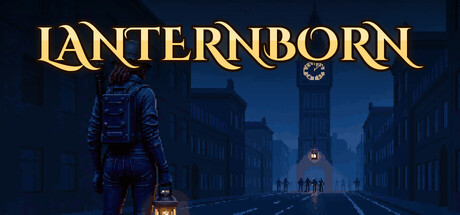 Lanternborn In-game content artaudio | Some of the game's pixel art (character and enemy sprites, environment props, chapter card illustrations, achievement icons and store key art) was created with the help of the AI tool PixelLab and then edited and assembled by the developer. All voice-over in the game (story narration, character dialogue, in-game barks and radio chatter) and the trailer narration were generated with AI text-to-speech (ElevenLabs) from the developer's own script. No AI is used to generate content while the game is running. | Anagard Studios | - | Oct 25, 2026 | |
 Ultrapolis In-game content art | Developer fine tuned AI model on their own artwork for small 3D assets (cars, trees, rooftops) to produce more variations.
Everything else is procedurally generated by algorithms from the developer. | mflux | - | Oct 25, 2026 | |
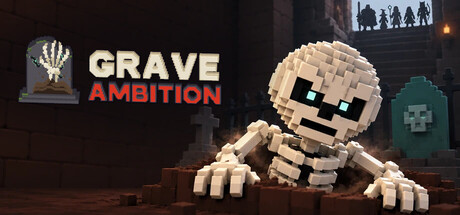 Grave Ambition Unclear | Claude was used in making this game. | Baron Von Ruzij | - | Oct 24, 2026 | |
 Puzzlozenge In-game content art | During the development of Puzzlozenge, generative AI tools were used to assist in creating certain static graphical assets, including the game's logo and title lettering. These elements were reviewed and refined throughout the development process.
The game does not use generative AI during gameplay. | Adrian Riera | - | Oct 24, 2026 | |
 Swords & Sodas In-game content artaudiotext | Some of the game's content, including artwork, music, voices, and text, was created with the help of generative AI tools and reviewed by the developer. No AI content is generated during gameplay. | The Periodic Group | - | Oct 24, 2026 | |
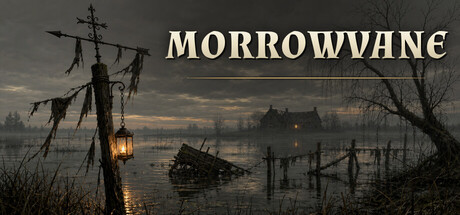 Morrowvane In-game content artaudiotext | Character and prop models, illustrations, icons, music, sound effects, narration and the unofficial translations were made with generative AI tools, then selected, edited and assembled by the developer. Nothing is generated while you play and the game contacts no AI service. | Morass | - | Oct 24, 2026 | |
 My Fart Adventure Unclear | vibe coding | PELAGOS | - | Oct 24, 2026 | |
 Rites of Thaw In-game content text | No AI-generated artwork, music or sound ships with the game or appears on this page; the creatures and the main interface pieces were drawn by human illustrators, and the rest is licensed stock art or drawn in code. The game and this page are written in Polish. AI tools helped draft parts of the text and translate it into other languages; the English, Simplified Chinese and Japanese texts of this page were proofread by professional translators. Nothing is generated while the game is running. | Old Spruce Works | - | Oct 24, 2026 | |
 Dearbnb In-game content art | During the development of DearBNB, generative AI tools were utilized to assist in the creation of specific user interface (UI) elements and icons. | Gameshaft Studio | 194 | Oct 23, 2026 | |
 Kinetile In-game content audioarttext | Kinetile is an expanded successor to Leadball, the iOS puzzle game released in 2015. Generative AI tools helped create the music, sound effects, and some of the in-game artwork and text for this new PC edition. All AI-assisted content was prepared during development and is included as finished assets. Nothing is generated by AI during play, and the game does not connect to AI services. | Piotr Sochalewski | - | Oct 22, 2026 | |
 가문의 영광 In-game content artaudiotext | Generative AI tools were used during development to create some character and monster images and animations, backgrounds, icons, music, in-game text and translations, and store artwork. These assets are created in advance and included in the game. The game does not generate new content or connect to external AI services during gameplay. | 게임다움 | 52 | Oct 22, 2026 | |
 Round and Round Inc. In-game content audioarttext | Some content was made with generative AI tools under our direction: the background music, the logo, and the game text and its translations. Everything you see in the game is drawn by the game's own code. No content is generated by AI while you play. | Murbong | 84 | Oct 22, 2026 | |
 Moorlet In-game content artaudiocodetext | During development we used AI tools to help perfect the game: with programming, with running gameplay and balance simulations, and with fine-tuning the graphics. AI also helped translate texts, including the store page's translations. The English narrator voice of the puppet-show intro was made in advance with ElevenLabs. Nothing is generated by AI while you play. | Balint Varga | - | Oct 22, 2026 | |
 Impenetrable In-game content artcode | AI tools were used to help create the game's code, its user-interface, the game logo, and some of its 3D models, all under the developer's direction. The game's design and all other artwork were created by the developer. Music and sound effects come from royalty-free libraries and the developer's son. The store artwork was hand-painted by the developer’s brother. | Weapon Studios | - | Oct 22, 2026 | |
 Soccer Tactics Store/marketing text | Generative AI was used to prepare the game description on the Steam store page, the short game description, and to translate and localize these texts into the supported languages. The final selection, editing, and publication of the materials are carried out entirely by the developer. Generative AI is not used within the game itself, and no content is generated in real time. | Feezrook Software | - | Oct 22, 2026 | |
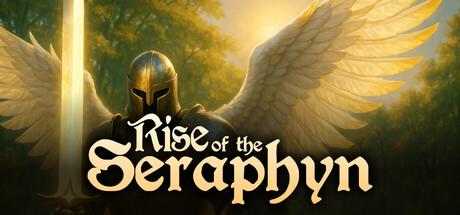 Rise of the Seraphyn In-game content artcode | The store artwork and some 3D models, such as a few landmark buildings, were first generated with AI tools and then edited, textured and placed by hand. AI tools also assisted with programming. No content is generated by AI while you play. | Old Skool Games | - | Oct 22, 2026 | |
 Astonia Forever In-game content art | Some pre-generated game artwork, including Event Mark imagery, was created with the help of generative AI tools during development and reviewed before inclusion. The game does not generate AI content during play. | Astonia Forever | - | Oct 22, 2026 | |
 The Spirit of Twelve In-game content art | Made by one person. Written, directed and built by me, with generative AI used as a supplementary tool for some of the game's assets, all of it reviewed and refined by hand. | STANDER Games | - | Oct 19, 2026 | |
 Spin Ball 3D Puzzle Store/marketing text | Generative AI tools were used to assist with the translation and localization of the Steam store page text. All AI-assisted content was reviewed and edited before publication. No AI-generated content is created during gameplay. | Frasinapp Games | - | Oct 19, 2026 | |
 Spell Cage In-game content text | Translations were generated using AI. | osoba404 | - | Oct 19, 2026 | |
 Sigma World Online Store/marketing audio | Voice acting for the game trailer. | Crematorium of Time | 45 | Oct 19, 2026 | |
 Big Ambitions In-game content text | We only used AI to translate the game into more languages.
Nothing else is AI.
All 3D models and animations are made by our talented team of real human artists.
All in-game music was made by real people and licensed via Artlist.io (Artlist Originals, no AI). | Hovgaard Games | 6.4k | Oct 19, 2026 | |
 Simutrans In-game content codetextart | Generative AI tools have been used to write code and assist with programming, translate text files and create some assets in certain paksets. | The Simutrans Team | 691 | Oct 19, 2026 | |
 Poly Magic Unclear | Part of the game content was created with the help of AI. | Lucky Compass | - | Oct 19, 2026 | |
 PYRTHEOS In-game content textart | Translations: AI tools were used to localize and translate in-game text, ensuring clear communication of mechanics across multiple languages.
Graphics: AI generation was used partially for some graphical assets and textures; these assets were manually refined to ensure consistency with the game's overall visual style. | NEBAN | - | Oct 19, 2026 | |
 Skull's Impossible Quest In-game content audiotext | Skull's Impossible Quest uses AI content that was generated before release: the spoken lines of the characters, in English and Japanese, were generated with ElevenLabs voices. The translations of the game text and of the store page were produced with AI language models and checked for cultural and sensitivity issues, but not yet by native speakers of every language, so errors may remain; players can report them. No AI content is generated while you play, and the game sends no player data to any AI service. | Chris Lucian | 13 | Oct 18, 2026 | |
 Clanker Calamity In-game content artaudiotextcode | Generative AI tools were used during development to generate artwork, music, manual text, and code assets. All assets were curated and manually edited by the solo developer prior to release. | Isolation Inc | - | Oct 18, 2026 | |
 School Owner In-game content arttext | Some interface art (window and button icons, the game logo, the window header pattern and decorations such as pins, tape and clips) and the game's translations were created with the help of AI tools, then integrated by our team. The same art also appears on our store page and in our update announcements. Since version 3.1, the textures of the floors, walls, outdoor paths and grass in the game were also created with AI tools. The artwork of our Steam Trading Cards (the cards, badges, emoticons and profile backgrounds) was also created with AI tools. The game's 3D models, characters and gameplay were not made with AI, and no AI content is generated while you play. | Owner Games | 59 | Oct 18, 2026 | |
 Devices Tycoon In-game content art | Generative AI was used to assist in the creation of some fictional company logos featured in the game. | Roastery Games | 545 | Oct 18, 2026 | |
 Tillow In-game content audiotext | The background music uses AI generated audio. AI writing tools were used to draft some game texts, translations and some promotional materials. All final text was reviewed, edited, and approved by the development team for tone, continuity, and accuracy. | Jaganod Studio | - | Oct 18, 2026 | |
 Babel Destiny In-game content artaudiotext | Some of this game's assets — 3D models, textures and art, sound effects and voice, and cinematic video sequences — were created with the assistance of generative AI. All of it is pre-generated: every piece was curated, edited and integrated by hand before shipping. All design, code, writing and gameplay are the developer's own work. Nothing is generated while you play, and the game never connects to any AI service. | Del Portal Technologies | - | Oct 18, 2026 | |
 ZdenalCity In-game content arttext | Building sprites, terrain textures, interface icons, event illustrations, the logo and the store artwork were created with AI image models and then processed and fitted to the game by the author's own tools. In-game texts, the English translation and the store description were written with the help of an AI assistant and edited by the author. Game design, rules and balancing are the author's own work. Nothing is generated by AI while you play. | Zdeněk Klusák | - | Oct 18, 2026 | |
 100 Bodies in the Grass In-game content artaudio | Generative AI tools were used in the developer's workflows to create many of the visual assets (both in the game and in promotion), as well as a small handful of audio assets (primarily music). These assets were then carefully reviewed, edited, modified and iterated on by the developers to match the style and artistic vision of the game. No content is generated by AI during gameplay. | Hipfire | - | Oct 18, 2026 | |
 ROG Lite In-game content art | Generative AI is used to create 2D game art and will be gradually replaced by hand painted assets. | Black Bee | - | Oct 18, 2026 | |
 Caesar: The Gallic Campaign In-game content artaudiotext | Some assets in this game were created with the help of generative AI tools during development. All such content is pre-generated: it was produced during development, reviewed and edited by the developer, and shipped as static files. The game does not call any AI model at runtime.
- Art: character standing illustrations and expressions, portraits, item icons, badges, chapter cards, key art, title backgrounds, UI backgrounds, HUD frames, window borders, button plates and rims, ground decals and ground textures were generated with OpenAI image models (gpt-image) and then hand-selected, cropped and colour-corrected by the developer.
- Video: the opening and ending cinematics, the animated chapter cards and title screen backgrounds, and the cinematic shots in the trailer were generated with a video model (ByteDance Seedance 2.0) from developer-authored keyframes and storyboards.
- Music: the cinematic scores were generated with ElevenLabs Music, and the trailer score with Google Lyria 3. The in-game background music was generated with Google Lyria 3 from developer-written prompts, then loop-edited and loudness-matched by the developer.
- Voice: all spoken dialogue lines and the narration of the opening and ending cinematics, in Korean, English and Spanish, are text-to-speech synthesised with Google Gemini 3.8 Flash TTS from scripts written by the developer. Every speaker uses the model's built-in voices; no real person's voice is cloned and no reference recording of any person was used. No AI model is called while the game is running.
- Expression tagging: during development a text model (gpt-6-luna) was used to pick which of the pre-made portrait expressions is shown for each dialogue line. It did not write or change any dialogue or other player-facing content.
- Translation: the English and Spanish text was translated from the developer's Korean script with Anthropic Claude.
Game design, the original Korean writing, level design, code and all gameplay systems are authored by the developer. Historical text quoted in game is public domain. | ilbeol | - | Oct 18, 2026 | |
 Orbit Core In-game content art | Generative AI tools were used to help create some of the game’s chip and module icons, which are already being replaced with icons made by a designer. | Sideral Foundry | - | Oct 17, 2026 | |
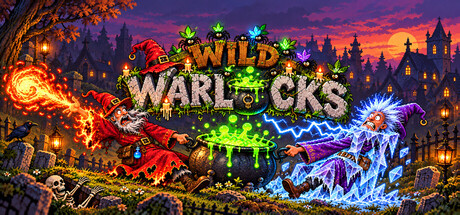 Wild Warlocks In-game content artaudio | The game's art is built from hand-made pixel-art packs, redrawn with AI image tools so they share one consistent style. The music and the key art were also made with AI tools. Nothing is generated while you play. | Unknown Principle | - | Oct 16, 2026 | |
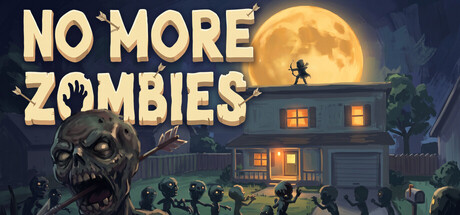 No More Zombies Store/marketing art | Pre-generated: the placeholder capsule art and marketing assets were created with AI image generation and edited by hand.
All 3D models, animation, music and sound are HUMAN-MADE or HUMAN-MADE licensed assets. No content is generated live. | Hard Reset Games | - | Oct 16, 2026 | |
 ORUNKA In-game content arttext | AI tools were used in making the game's art and text. | Tubani | - | Oct 16, 2026 | |
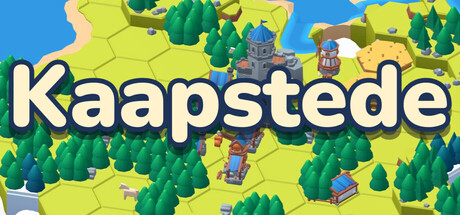 Kaapstede Dev only code | AI Coding Tools were used | Tencubed Games | - | Oct 16, 2026 |


