Public Steam disclosure research25,376 disclosures tracked
Where do games disclose AI use?
Search developers’ Steam disclosures, compare classified AI use across
games, and follow recorded changes.
This index adds cross-game classifications and statistics to
statements published on individual store pages.
Groups reflect automatic analysis of public disclosures; mature records are excluded. These counts do not measure AI use across all of Steam.
Missing or unclear statements cannot establish whether a game uses AI.
Generative AI was used to create background images and character artwork in the game. It was also used as a writing aid for proofreading and editing the narrative. AI-assisted content was reviewed and selected by the developer.
Some visual assets and promotional artwork included in the game were created or assisted with generative AI tools during development. These assets were subsequently edited, adjusted, animated, and integrated by the developer. The game does not use generative AI to create content during gameplay.
Generative AI was used during development to create some images, in-game assets, and voices. This includes artwork used on the Steam store page and in promotional materials.
Generative AI was used to create some pre-generated artwork for the game's Steam store page and marketing materials. The game itself does not generate AI content during gameplay.
AI (Images v.2.5 by OpenAI: chatGPT v.5.6) was used to:
- generate the game logo;
- generate textures for physical materials (bricks, stones, etc.);
- generate backgrounds;
- generate diamonds, balls, stands, teleports;
- generate text labels;
This game does not use AI to live-generate content or code during gameplay.
All AI assets have undergone human post-processing.
Generative AI was used in two areas for this project: First, 2D character artwork hand-drawn by a human artist was converted into 3D models using AI-powered tools. Second, AI was used for the localization and translation of the game's text into multiple languages. All other game assets, including sound design, music, and the core story, were created entirely without the use of AI.
Pre-generated AI-assisted content: portions of the game's 2D art, music, sound effects, NPC voice lines, and promotional artwork were created with AI generation tools during development, then reviewed and finalized by the developer. No AI content is generated at runtime.
We use AI to assist with ideation for some art assets, music, and programming, as well as to support asset creation during the prototyping stage. All final assets are manually recreated, arranged, refined, and exported by our team.
Some of the artwork in this game was created using generative AI. The illustrated
backgrounds, character portraits and achievement icons were generated with Google
Gemini and then edited, cropped and colour-matched by hand for use in the game.
Everything else is hand-made: the code, the market simulation, all writing and
dialogue, the interface, and the sound.
Generative AI tools were used during the development of LOCKDOWN to assist in the creation of some artwork and music featured in the game. All AI-assisted content was reviewed, selected, edited, and integrated by the development team. Generative AI is not used to generate content in real time during gameplay.
Some content was pre-generated with AI tools during development and reviewed by the developer before shipping: the store key art and capsule images, a number of surface textures used as decorative materials in the environments, and the narration, which is synthesized offline from the developer's original script with the Piper text-to-speech engine (a public-domain-derived voice). No content is generated by AI during gameplay, and the game does not connect to any external AI service. World layouts, equipment, mission logic, writing and code are project-authored.
Salvage Inc. was designed, developed, and assembled by a human developer. Generative AI tools were used to assist in the creation of some game assets, including certain visual and audio elements.
This game features AI-assisted artwork and language translation. All assets were [reviewed or edited or approved] by the developer to ensure quality and consistency with the game's vision.
Generative AI was used extensively during development to assist with localization, text review, and selected production/reference workflows. All code and most image assets and models were created with generative AI. All AI-assisted content included in the game was reviewed and curated by the developer. The game does not use live generative AI during gameplay.
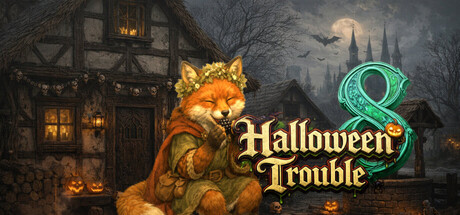
Halloween Trouble 8 utilizes generative artificial intelligence tools to assist in creating several elements of the game. Specifically, AI was used in the generation of:
Art & Visuals: Background environments, character portraits, and the in-game puzzle tiles and runes.
Audio: The game's musical soundtrack.
Narrative & Writing: The overarching story generation and descriptive in-game text.
Generative AI was used to create musical compositions for fictional K-pop groups. All such content was created in advance; the AI does not generate new content during gameplay.
Generative AI was used to create background images and character artwork in the game. It was also used as a writing aid for proofreading and editing the narrative. AI-assisted content was reviewed and selected by the developer.
Some visual assets and promotional artwork included in the game were created or assisted with generative AI tools during development. These assets were subsequently edited, adjusted, animated, and integrated by the developer. The game does not use generative AI to create content during gameplay.
Generative AI was used during development to create some images, in-game assets, and voices. This includes artwork used on the Steam store page and in promotional materials.
Generative AI was used to create some pre-generated artwork for the game's Steam store page and marketing materials. The game itself does not generate AI content during gameplay.
AI (Images v.2.5 by OpenAI: chatGPT v.5.6) was used to:
- generate the game logo;
- generate textures for physical materials (bricks, stones, etc.);
- generate backgrounds;
- generate diamonds, balls, stands, teleports;
- generate text labels;
This game does not use AI to live-generate content or code during gameplay.
All AI assets have undergone human post-processing.
Generative AI was used in two areas for this project: First, 2D character artwork hand-drawn by a human artist was converted into 3D models using AI-powered tools. Second, AI was used for the localization and translation of the game's text into multiple languages. All other game assets, including sound design, music, and the core story, were created entirely without the use of AI.
Pre-generated AI-assisted content: portions of the game's 2D art, music, sound effects, NPC voice lines, and promotional artwork were created with AI generation tools during development, then reviewed and finalized by the developer. No AI content is generated at runtime.
We use AI to assist with ideation for some art assets, music, and programming, as well as to support asset creation during the prototyping stage. All final assets are manually recreated, arranged, refined, and exported by our team.
Some of the artwork in this game was created using generative AI. The illustrated
backgrounds, character portraits and achievement icons were generated with Google
Gemini and then edited, cropped and colour-matched by hand for use in the game.
Everything else is hand-made: the code, the market simulation, all writing and
dialogue, the interface, and the sound.
Generative AI tools were used during the development of LOCKDOWN to assist in the creation of some artwork and music featured in the game. All AI-assisted content was reviewed, selected, edited, and integrated by the development team. Generative AI is not used to generate content in real time during gameplay.
Some content was pre-generated with AI tools during development and reviewed by the developer before shipping: the store key art and capsule images, a number of surface textures used as decorative materials in the environments, and the narration, which is synthesized offline from the developer's original script with the Piper text-to-speech engine (a public-domain-derived voice). No content is generated by AI during gameplay, and the game does not connect to any external AI service. World layouts, equipment, mission logic, writing and code are project-authored.
Salvage Inc. was designed, developed, and assembled by a human developer. Generative AI tools were used to assist in the creation of some game assets, including certain visual and audio elements.
This game features AI-assisted artwork and language translation. All assets were [reviewed or edited or approved] by the developer to ensure quality and consistency with the game's vision.
Generative AI was used extensively during development to assist with localization, text review, and selected production/reference workflows. All code and most image assets and models were created with generative AI. All AI-assisted content included in the game was reviewed and curated by the developer. The game does not use live generative AI during gameplay.
Halloween Trouble 8 utilizes generative artificial intelligence tools to assist in creating several elements of the game. Specifically, AI was used in the generation of:
Art & Visuals: Background environments, character portraits, and the in-game puzzle tiles and runes.
Audio: The game's musical soundtrack.
Narrative & Writing: The overarching story generation and descriptive in-game text.
Generative AI was used to create musical compositions for fictional K-pop groups. All such content was created in advance; the AI does not generate new content during gameplay.