




Disclosure
AI is used to translate the store page.
- Creator
- Alex Le Mesurier
- Reviews
- -
- Added
- Oct 12, 2026
Public Steam disclosure research 25,376 disclosures tracked
Search developers’ Steam disclosures, compare classified AI use across games, and follow recorded changes. This index adds cross-game classifications and statistics to statements published on individual store pages.
Code help, debugging and other development work.
Capsule art, trailers and promotional material.
Pre-made art, audio, writing and other game assets.
Interactive or runtime AI features disclosed by the developer.
Groups reflect automatic analysis of public disclosures; mature records are excluded. These counts do not measure AI use across all of Steam. Missing or unclear statements cannot establish whether a game uses AI.
AI is used to translate the store page.
Steam store logo and game puzzle images made with ai tools
Generative AI was used to assist in creating some game assets, like certain sound effects, music, and textures.
Steam page arts polished with gen AI (soon my game arts will be done and it will be replaced)
Generative AI tools are used during the development of MASSVEIL to assist with the creation and refinement of certain pre-generated materials, including selected visual elements, sound effects, voice lines, and text content. All AI-assisted content is reviewed and, where necessary, edited by the developer before being included in the game. Generative AI is not used to create new content during gameplay, and the game does not connect to third-party AI services while running.
The images in this game (in-game assets and store artwork) were created with image-generation AI, then selected and edited by a human. The original draft of the scenario and dialogue was written with Google Gemini, and the implementation and dialogue revisions were done with Claude Code (Anthropic). All of it was supervised and tested by a human. No content is generated by AI while the game is running.
Some artwork and marketing materials for Knightoria were created using generative AI. AI-generated content is pre-rendered and is not generated during gameplay.
Game logo and cover art made with ai tools. Game menu icons made ai tools
AI tools assisted with in-game text translation.
The game's code and its in-game text (UI strings, help text, achievement and mission descriptions) were written with an AI assistant. All visuals are procedurally built from simple shapes in code, and all sound effects and music are synthesized procedurally in code. No generative AI art, voice or music is used, and nothing is generated live during play.
Kepler Ascent was made by an independent developer with the help of generative AI tools. AI was used to write part of the game's text (story and AURA's lines), to compose the music and create AURA's synthesized voice, to build some 3D models and cinematic sets (generated through scripts), and to produce the logo and artwork of this store page (rendered from the game's own models). All of this content was created ahead of time and reviewed by the developer. Nothing is generated by AI while you play.
Generative AI tools were used to assist with the creation of some pre-generated marketing text and promotional content for the game. The game does not use live-generated AI during gameplay.
AI was used to generate and edit the title logo. Some of the music was generated or arranged using AI.
As a small independent team working with a limited budget, we use AI-generated English voiceover for the in-game narration.
Pre-generated AI was used to create selected 2D artwork included in the game, including a painting and menu imagery. All generated content was reviewed and selected by the developer before inclusion. The game does not generate AI content during gameplay and does not connect to a live AI service.
AI tools were used solely for generating background images. All character art, UI elements, writing, and other visual content were created entirely by the development team without the use of generative AI.
Generative AI tools were used to create visual artwork for the game and its marketing, and to assist with store-page text. These materials are prepared in advance. Temple Breaker does not generate content with AI during gameplay.
The player character's sprite sheet was created with an AI tool and edited by hand.
AI was used in the creation and enhancement of the visuals and atmosphere of the game and to speed up the programming process
AI was used for some sounds or small textures
Some content was pre-generated with AI tools during development and then edited by the developer.
The original 100 000+ word story was written by me in German. I used the AI ChatGPT to help me with localising that into English. This translation was prepared, guided and proof-read by me, to ensure that certain fantastic elements of the story and the world within the game carried over into English. Despite that, much of the actual translating was done by the AI.
Memory Access Violation was made by a solo developer working with an AI coding assistant, which was used during development: Code and level design: much of the game's code, including the level-building tools, puzzle layouts, enemy behaviour and vehicle handling, was written with AI assistance. The developer directed, playtested and revised every level. Puzzle solutions were checked by automated solvers so each one is fair. Visuals: the game's environments, vehicles, mechs and enemies are built in code from simple geometric shapes and custom shaders. No AI image generators were used for in-game art.
The art, sound effects and voicelines are AI generated. Ideally, if the game makes some amount of $ I will replace all AI generate content. Read more about AI usage here: https://www.sdgames.co/blog/shades-of-europa-steam-page-and-demo
Generative AI tools were used in the creation of selected pre-generated visual and audio assets, as well as some promotional materials. All AI-assisted content is reviewed, edited, and curated by the development team before being included in the game. Heir of Death does not use live-generated AI during gameplay.
AI was used to assist with language localization and to create Steam page assets/promotional materials.
Some character illustrations and 3D character models were created with the assistance of generative AI during development. The generated assets were manually edited, refined, and integrated into the game's final content by the developer. No generative AI is used to create new content in real time during gameplay.
Generative AI was used to assist with creating selected promotional artwork and drafting or editing some written marketing content for the Steam store page. No generative AI is used during gameplay.
It Wants You To Stay was developed using generative AI tools, including Claude Code, OpenAI Codex, Meta Muse, Meshy, Scenario, Eleven Labs, Suno AI, ChatGPT, and Seedance. AI was used to create code, many of the 3D models, sound effects, music, and videos. The game also includes free-to-use, human-made 3D models, with credit given to their authors. I understand that some players feel strongly about AI in games, and I respect that. If you prefer not to support games made using AI, this title may not be for you. I’m sharing this openly so you can make an informed choice before buying. If you choose to play, I hope you’ll judge the experience it delivers—its atmosphere, gameplay, performance, and value. Honest feedback, including negative reviews, is welcome. I take responsibility for the game’s quality and will use that feedback to help improve it.
Generative AI was used during development to create character, environment artwork, and illustrated UI elements. Localization was AI-translated and separately AI-reviewed.
Generative AI tools were used during development to assist with creating some store and marketing materials. The game itself does not use generative AI during gameplay.
Generative AI was used for 2D icons, background music, and translation.
Generative AI was used during development to create, pixel artwork, music and written content under our concept and design direction. The game contains pre-generated content only; it does not generate AI content during play.
Note: All story, art, and audio assets are original and human-made. Some scripting was developed with the assistance of AI-generated code.
Generative AI tools were used during development to assist in the creation of certain pre-rendered visual content, including character assets, artwork, and marketing materials. All AI-assisted content was reviewed, selected, and incorporated by the development team before being included in the game or its promotional materials.
Some background music in this game was created with the assistance of generative AI tools. The final selection, editing, and implementation of the music were handled by the developer.
How we do use AI:
Please note that non-Japanese localization is currently generated by AI. I plan to replace this with professional human localization in the future. Furthermore, one sound effect was created using AI. All other elements have been meticulously crafted by myself.
AI is used to create some of the images on the game's store page and in the library.
Every part of this game's concept, design, and features was created by humans. The ideas, the gameplay, the look and feel, and every decision about how it all fits together came from us. For the programming itself, we use AI coding agents to help us write code. They speed up development and let us focus our time on what matters most: making the game fun to play.
The game's visuals (backgrounds, character portraits, event CGs, and UI) were created with generative AI, then reviewed by hand and retouched where needed. The BGM and some sound effects were also generated with AI, and AI is used for translations. The original story and dialogue were written entirely by the author.
In our project, AI was used to partially create art assets, helping our artists bring some ideas to life.
Some of what you see and hear in Semblature was made with AI tools. Nothing is generated while you play. There is no model in the game, nothing is created at runtime, and the game never sends anything you do to an AI service. Art: No AI-generated imagery currently ships. All in-game art is drawn procedurally by the game's own code, and the store assets (capsules, library art, icons) are the same. No diffusion imagery is used in any of them. An AI image pipeline exists in development; if generated art ships in a future build, this section will be updated before release with the tools and process. Music: No music has shipped in a build yet. If AI-generated music ships, this answer will be updated with the tool and process before release. Puzzles: A puzzle's shape, what it teaches, and where it falls on the difficulty curve was designed with an AI coding assistant under my direction. The puzzles you play are produced from that design by a deterministic program, and a solver proves it has exactly one solution. The teaching cards and rule text were drafted the same way and edited by me. Store copy is drafted with an AI writing assistant and edited by me.
AI was used only to help with localization services.
Cleaned up some of the scene backgrounds
AI tools were used to assist with programming and generate a small number of textures and menu illustrations. These visual assets were adjusted by hand before being included in the game.
The following artworks are AI - Generated: -Item Icons -Paintings
Stay With Me contains a limited amount of pre-generated content created with the assistance of generative AI. Some visual assets, the loading screen artwork, and some voice lines for the characters Margaret and the child were created using AI tools. The AI-generated content was further edited, processed and adapted by the developer before being integrated into the game. All AI content is pre-generated during development. The game does not generate content using AI while running, and there is no live AI generation.
AI was used to help create certain UI elements, capsules, meshes and audio files.
Some artwork for the game or its store materials includes minor AI-assisted edits. This content is pre-generated. The game does not generate AI content during gameplay and does not connect to external AI services.
| Title⇅ | Disclosure | Creator⇅ | Src | Reviews⇅ | Added↓ |
|---|---|---|---|---|---|
 Untold Cases - Lot 42 Store/marketing text | AI is used to translate the store page. | Alex Le Mesurier | - | Oct 12, 2026 | |
 Foodland Puzzle Store/marketing art | Steam store logo and game puzzle images made with ai tools | Valkeala Software | - | Oct 12, 2026 | |
 Ajnabee 2 In-game content audioart | Generative AI was used to assist in creating some game assets, like certain sound effects, music, and textures. | Akshat Softwares | - | Oct 12, 2026 | |
 Goblin Problem Store/marketing art | Steam page arts polished with gen AI (soon my game arts will be done and it will be replaced) | Zzpasta Games | - | Oct 12, 2026 | |
 MassVeil In-game content artaudiotext | Generative AI tools are used during the development of MASSVEIL to assist with the creation and refinement of certain pre-generated materials, including selected visual elements, sound effects, voice lines, and text content.
All AI-assisted content is reviewed and, where necessary, edited by the developer before being included in the game.
Generative AI is not used to create new content during gameplay, and the game does not connect to third-party AI services while running. | Who you need | - | Oct 12, 2026 | |
 戦う情報システム部 In-game content arttextcode | The images in this game (in-game assets and store artwork) were created with image-generation AI, then selected and edited by a human. The original draft of the scenario and dialogue was written with Google Gemini, and the implementation and dialogue revisions were done with Claude Code (Anthropic). All of it was supervised and tested by a human. No content is generated by AI while the game is running. | CandyRock | - | Oct 12, 2026 | |
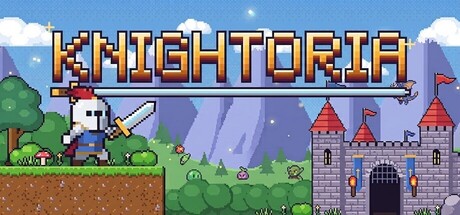 Knightoria Store/marketing art | Some artwork and marketing materials for Knightoria were created using generative AI. AI-generated content is pre-rendered and is not generated during gameplay. | Veyransia Studios | - | Oct 11, 2026 | |
 Super Clown Save Santa In-game content art | Game logo and cover art made with ai tools.
Game menu icons made ai tools | Valkeala Software | - | Oct 10, 2026 | |
 The Usual, Please In-game content text | AI tools assisted with in-game text translation. | Hadwa Games | - | Oct 10, 2026 | |
 Idle Gas Station Tycoon In-game content textcode | The game's code and its in-game text (UI strings, help text, achievement and mission descriptions) were written with an AI assistant. All visuals are procedurally built from simple shapes in code, and all sound effects and music are synthesized procedurally in code. No generative AI art, voice or music is used, and nothing is generated live during play. | Sobhi Arood | - | Oct 10, 2026 | |
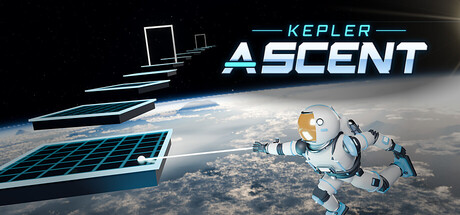 Kepler Ascent In-game content textaudioart | Kepler Ascent was made by an independent developer with the help of generative AI tools. AI was used to write part of the game's text (story and AURA's lines), to compose the music and create AURA's synthesized voice, to build some 3D models and cinematic sets (generated through scripts), and to produce the logo and artwork of this store page (rendered from the game's own models). All of this content was created ahead of time and reviewed by the developer. Nothing is generated by AI while you play. | Sailxe | - | Oct 10, 2026 | |
 Welcome home, Resident Store/marketing text | Generative AI tools were used to assist with the creation of some pre-generated marketing text and promotional content for the game. The game does not use live-generated AI during gameplay. | Dale McCarthy | - | Oct 10, 2026 | |
 Revenger BEFORE ORIGIN In-game content artaudio | AI was used to generate and edit the title logo.
Some of the music was generated or arranged using AI. | nazenaninadesico | - | Oct 10, 2026 | |
 History Experience: Rome In-game content audio | As a small independent team working with a limited budget, we use AI-generated English voiceover for the in-game narration. | BlackBird Studios | - | Oct 10, 2026 | |
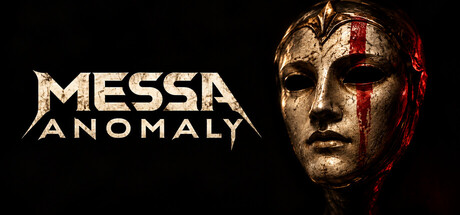 Messa Anomaly In-game content art | Pre-generated AI was used to create selected 2D artwork included in the game, including a painting and menu imagery. All generated content was reviewed and selected by the developer before inclusion. The game does not generate AI content during gameplay and does not connect to a live AI service. | 1,5 Games | - | Oct 10, 2026 | |
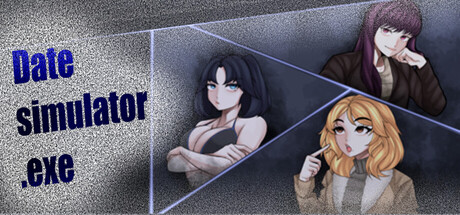 DATE_SIMULATOR.EXE In-game content art | AI tools were used solely for generating background images. All character art, UI elements, writing, and other visual content were created entirely by the development team without the use of generative AI. | NO REGRETS | - | Oct 10, 2026 | |
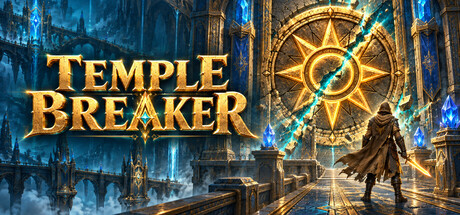 TEMPLE BREAKER Store/marketing arttext | Generative AI tools were used to create visual artwork for the game and its marketing, and to assist with store-page text. These materials are prepared in advance. Temple Breaker does not generate content with AI during gameplay. | NEXTSQUARESTUDIO | - | Oct 9, 2026 | |
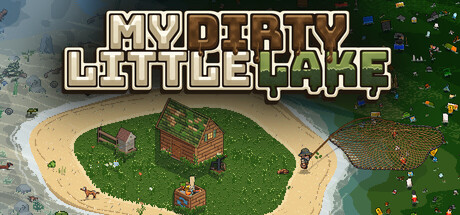 My Dirty Little Lake In-game content art | The player character's sprite sheet was created with an AI tool and edited by hand. | Modern Daedalus Studio | - | Oct 9, 2026 | |
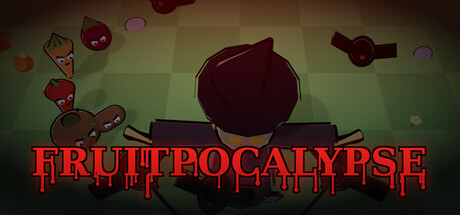 Fruitpocalypse Dev only artcode | AI was used in the creation and enhancement of the visuals and atmosphere of the game and to speed up the programming process | SilverArrowGames | - | Oct 9, 2026 | |
 NO SHELTER art | AI was used for some sounds or small textures | Rough Devs | - | Oct 9, 2026 | |
 Levant Guard Dev only artaudiotext | Some content was pre-generated with AI tools during development and then edited by the developer. | GameQ Labs | - | Oct 9, 2026 | |
 Abenteurergildenmeister In-game content text | The original 100 000+ word story was written by me in German. I used the AI ChatGPT to help me with localising that into English. This translation was prepared, guided and proof-read by me, to ensure that certain fantastic elements of the story and the world within the game carried over into English. Despite that, much of the actual translating was done by the AI. | Oiko | - | Oct 9, 2026 | |
 Memory Access Violation In-game content codeart | Memory Access Violation was made by a solo developer working with an AI coding assistant, which was used during development:
Code and level design: much of the game's code, including the level-building tools, puzzle layouts, enemy behaviour and vehicle handling, was written with AI assistance. The developer directed, playtested and revised every level. Puzzle solutions were checked by automated solvers so each one is fair.
Visuals: the game's environments, vehicles, mechs and enemies are built in code from simple geometric shapes and custom shaders. No AI image generators were used for in-game art. | De La Guardia Games | - | Oct 9, 2026 | |
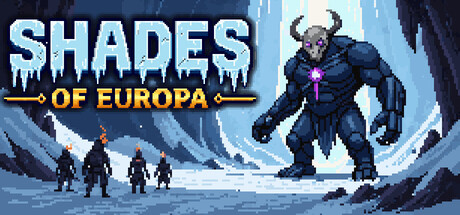 Shades of Europa In-game content artaudio | The art, sound effects and voicelines are AI generated. Ideally, if the game makes some amount of $ I will replace all AI generate content.
Read more about AI usage here: https://www.sdgames.co/blog/shades-of-europa-steam-page-and-demo | sirix | - | Oct 9, 2026 | |
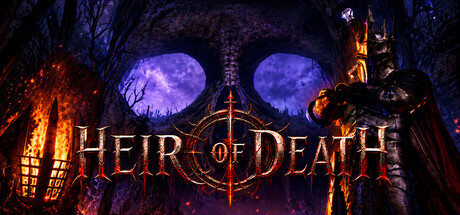 Heir of Death In-game content artaudio | Generative AI tools were used in the creation of selected pre-generated visual and audio assets, as well as some promotional materials. All AI-assisted content is reviewed, edited, and curated by the development team before being included in the game. Heir of Death does not use live-generated AI during gameplay. | Six Minds Studio | - | Oct 9, 2026 | |
 Emoji : Tidy Up In-game content textart | AI was used to assist with language localization and to create Steam page assets/promotional materials. | EmojiDev | - | Oct 9, 2026 | |
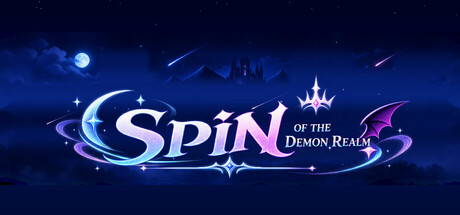 Spin of the Demon Realm In-game content art | Some character illustrations and 3D character models were created with the assistance of generative AI during development. The generated assets were manually edited, refined, and integrated into the game's final content by the developer. No generative AI is used to create new content in real time during gameplay. | BB Peaceful | - | Oct 9, 2026 | |
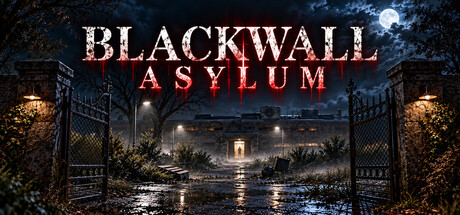 BLACKWALL ASYLUM Store/marketing arttext | Generative AI was used to assist with creating selected promotional artwork and drafting or editing some written marketing content for the Steam store page. No generative AI is used during gameplay. | Kettlefox Games | - | Oct 8, 2026 | |
 It Wants You To Stay In-game content artaudiotextcode | It Wants You To Stay was developed using generative AI tools, including Claude Code, OpenAI Codex, Meta Muse, Meshy, Scenario, Eleven Labs, Suno AI, ChatGPT, and Seedance. AI was used to create code, many of the 3D models, sound effects, music, and videos. The game also includes free-to-use, human-made 3D models, with credit given to their authors.
I understand that some players feel strongly about AI in games, and I respect that. If you prefer not to support games made using AI, this title may not be for you. I’m sharing this openly so you can make an informed choice before buying.
If you choose to play, I hope you’ll judge the experience it delivers—its atmosphere, gameplay, performance, and value. Honest feedback, including negative reviews, is welcome. I take responsibility for the game’s quality and will use that feedback to help improve it. | AI & Design Game Studios | - | Oct 8, 2026 | |
 Monsters, Inn Order! In-game content arttext | Generative AI was used during development to create character, environment artwork, and illustrated UI elements. Localization was AI-translated and separately AI-reviewed. | Monsters, Inn Order! | - | Oct 7, 2026 | |
 Left! Left! LEFT! Store/marketing art | Generative AI tools were used during development to assist with creating some store and marketing materials. The game itself does not use generative AI during gameplay. | Stellux Interactive | - | Oct 7, 2026 | |
 Dungtilian In-game content artaudiotext | Generative AI was used for 2D icons, background music, and translation. | Dekoi | - | Oct 7, 2026 | |
 Pipkind In-game content artaudiotext | Generative AI was used during development to create, pixel artwork, music and written content under our concept and design direction. The game contains pre-generated content only; it does not generate AI content during play. | Short Of Genius | - | Oct 7, 2026 | |
 嘶叫门徒YellingDisciple Dev only code | Note: All story, art, and audio assets are original and human-made. Some scripting was developed with the assistance of AI-generated code. | 茵果绿 | - | Oct 7, 2026 | |
 The Adventures of Zippy and Bippy In-game content art | Generative AI tools were used during development to assist in the creation of certain pre-rendered visual content, including character assets, artwork, and marketing materials. All AI-assisted content was reviewed, selected, and incorporated by the development team before being included in the game or its promotional materials. | James Blackburn | - | Oct 7, 2026 | |
 Nyantum Jump In-game content audio | Some background music in this game was created with the assistance of generative AI tools. The final selection, editing, and implementation of the music were handled by the developer. | Lunanod | - | Oct 7, 2026 | |
 Perceptum Unclear | How we do use AI: | Duck Reaction | - | Oct 7, 2026 | |
 Cyan Heart In-game content textaudio | Please note that non-Japanese localization is currently generated by AI. I plan to replace this with professional human localization in the future.
Furthermore, one sound effect was created using AI.
All other elements have been meticulously crafted by myself. | Shoei Sio | - | Oct 6, 2026 | |
 Merry Nightmares Store/marketing art | AI is used to create some of the images on the game's store page and in the library. | REVVALUTION Studio | - | Oct 6, 2026 | |
 Neonrise Dev only code | Every part of this game's concept, design, and features was created by humans. The ideas, the gameplay, the look and feel, and every decision about how it all fits together came from us.
For the programming itself, we use AI coding agents to help us write code. They speed up development and let us focus our time on what matters most: making the game fun to play. | Green Novice Games | - | Oct 6, 2026 | |
 청월시 괴이사진록 (Cheongwol: Paranormal Archives) In-game content artaudiotext | The game's visuals (backgrounds, character portraits, event CGs, and UI) were created with generative AI, then reviewed by hand and retouched where needed. The BGM and some sound effects were also generated with AI, and AI is used for translations. The original story and dialogue were written entirely by the author. | Litma Games | - | Oct 6, 2026 | |
 Mind Echoes: Broken Vow Collector's Edition In-game content art | In our project, AI was used to partially create art assets, helping our artists bring some ideas to life. | Do Games Limited | - | Oct 6, 2026 | |
 Semblature: A Deduction Game In-game content arttextcode | Some of what you see and hear in Semblature was made with AI tools. Nothing is generated while you play. There is no model in the game, nothing is created at runtime, and the game never sends anything you do to an AI service.
Art: No AI-generated imagery currently ships. All in-game art is drawn procedurally by the game's own code, and the store assets (capsules, library art, icons) are the same. No diffusion imagery is used in any of them. An AI image pipeline exists in development; if generated art ships in a future build, this section will be updated before release with the tools and process.
Music: No music has shipped in a build yet. If AI-generated music ships, this answer will be updated with the tool and process before release.
Puzzles: A puzzle's shape, what it teaches, and where it falls on the difficulty curve was designed with an AI coding assistant under my direction. The puzzles you play are produced from that design by a deterministic program, and a solver proves it has exactly one solution. The teaching cards and rule text were drafted the same way and edited by me.
Store copy is drafted with an AI writing assistant and edited by me. | Perpolita | - | Oct 6, 2026 | |
 The Final Exhibit In-game content text | AI was used only to help with localization services. | Jo Gaming | - | Oct 6, 2026 | |
 Halloween Trick or Treat: Mega Bundle 1 Unclear art | Cleaned up some of the scene backgrounds | Casual Arts | - | Oct 6, 2026 | |
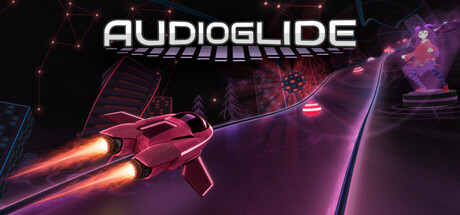 Audioglide In-game content artcode | AI tools were used to assist with programming and generate a small number of textures and menu illustrations. These visual assets were adjusted by hand before being included in the game. | Ospekki | - | Oct 5, 2026 | |
 Beatrice In-game content art | The following artworks are AI - Generated:
-Item Icons
-Paintings | BusinessPooh | - | Oct 4, 2026 | |
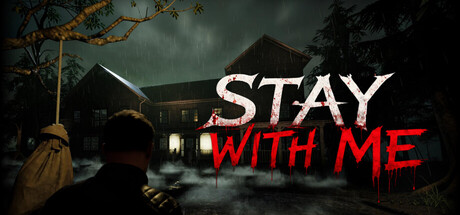 Stay with me In-game content artaudio | Stay With Me contains a limited amount of pre-generated content created with the assistance of generative AI.
Some visual assets, the loading screen artwork, and some voice lines for the characters Margaret and the child were created using AI tools.
The AI-generated content was further edited, processed and adapted by the developer before being integrated into the game.
All AI content is pre-generated during development. The game does not generate content using AI while running, and there is no live AI generation. | Marselok Games | - | Oct 4, 2026 | |
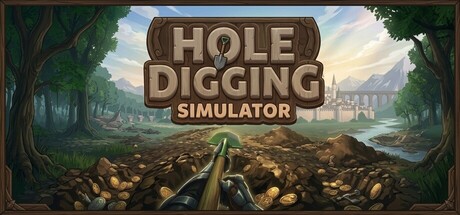 Hole Digging Simulator In-game content artaudio | AI was used to help create certain UI elements, capsules, meshes and audio files. | Knights of the Round Hole | - | Oct 3, 2026 | |
 The Hollow Servant Store/marketing art | Some artwork for the game or its store materials includes minor AI-assisted edits. This content is pre-generated. The game does not generate AI content during gameplay and does not connect to external AI services. | 33 Games | - | Oct 3, 2026 |


