Public Steam disclosure research25,376 disclosures tracked
Where do games disclose AI use?
Search developers’ Steam disclosures, compare classified AI use across
games, and follow recorded changes.
This index adds cross-game classifications and statistics to
statements published on individual store pages.
Groups reflect automatic analysis of public disclosures; mature records are excluded. These counts do not measure AI use across all of Steam.
Missing or unclear statements cannot establish whether a game uses AI.
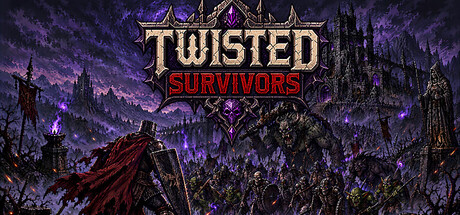
Twisted Survivors was designed and made by Six. Some of its art (including the store artwork), music, voice-over and the opening cinematic were created with the help of AI tools, then curated and edited by Six; nothing is generated while you play.
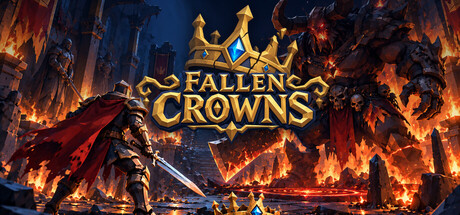
Some artwork and marketing assets for Fallen Crowns were created with the assistance of generative AI tools. All AI-assisted assets were reviewed and edited by the developer before inclusion. The game does not use AI to generate content live during gameplay.
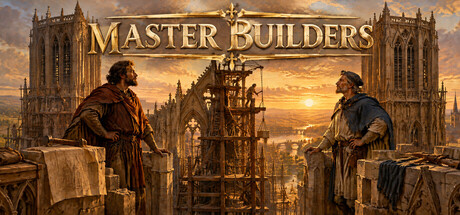
Master Builders was created through close collaboration between a human developer and AI tools: the concept, rules, balance, narrative, and every creative decision came from the developer, while AI assisted with coding and image production to the developer's exact specifications.
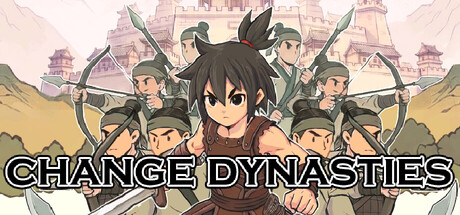
A small amount of artwork and text included in the game was created using generative AI during development. All such content is pre-generated. The game does not generate AI content during gameplay or connect to external AI services.
Parts of this game were made with the help of generative AI tools:
- 3,928 of the 6,608 character portraits were created with generative AI tools and then selected and retouched by a person. The other 2,404 are historical images from public archives such as Wikimedia Commons, and 276 reuse an existing picture.
- The title-screen key art was created with generative AI.
- The character biographies and historical event texts were written with the assistance of generative AI, based on historical sources, and edited by the developer.
- The English, Japanese and Traditional Chinese translations were produced with the assistance of generative AI.
No content is generated by AI while the game is running.
Generative AI has been used to help work with coding.
All Assets (art, models, animations, sprites/textures, sounds and music have been made by myself or have been bought)
Generative AI was used during development. Part of the graphics (characters, enemies, bosses, icons, room backgrounds and backdrops) was created with image-generation tools: Google Gemini, OpenAI ChatGPT and a locally run Stable Diffusion model. Part of the music was created with audio-generation tools (Google Gemini). Part of the code, room layouts and texts were written with the help of an AI assistant. The developer reviewed, cut, retouched and hand-adjusted all of this material before adding it to the game. The game does not generate any AI content while it is being played.
Powered by some of the most advanced chess engines ever created. It also uses two neural networks to recognize chess positions directly from game diagrams, turning images into playable positions in seconds.
The game engine is written with substantial AI assistance.
Some dialogues and quest texts are AI generated, and are successively replaced by human-written dialogue. Every piece of flavor text has a label that states the author (human or ai).
The 3D character models are currently generated with AI, and then transformed through a custom pipeline to work with the text-based graphics and CPU rendering. It is possible to replace them with manually crafted models.
Some promotional artwork on this store page was created using generative AI tools. All in-game assets (characters, environments, effects) are original or licensed third-party content.
All of the game's art, music and sound effects were made by human artists (commercially licensed packs, credited in the game). AI tools were used to assist with programming and with writing and translating the game's text; all content was reviewed and edited by the developer. The game does not generate any AI content while you play.
Pre-generated content only. No AI generated content is produced at runtime during gameplay.
Some in-game text and its English localization were drafted with AI assistance and edited by the team.
All art, including card art, backgrounds, icons and UI, is created by our artist. AI image tools were used as visual reference during concept work only; no AI generated image ships in the game. No AI models are used for music or sound effects.
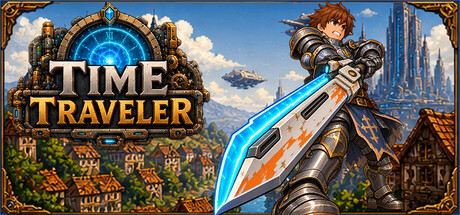
Time Traveler: Divergence uses locally running generative AI to enable dynamic NPC conversations. AI-generated dialogue is constrained by the game's predefined rules, characters, world knowledge, and simulation state. AI is also used locally to generate voice-over for these dynamic conversations. No external AI service is required during gameplay.
The illustrated character portraits used as player avatars (also shown in our store and library artwork) were created with AI image generation (Google Gemini) and then cropped and adjusted by the developer. Some store text and interface translations were drafted with AI assistance. The game does not generate any AI content while you play.
Generative AI was used as a development tool while making this game, for code assistance only. All dialogue and in-game text was written by hand.
No AI-generated images, audio or text are included, and no content is generated by AI while the game is running.
Generative AI was used during development to create pre-generated visual assets for the game, including character artwork, card artwork, backgrounds, visual effects, textures, UI artwork, and promotional materials.
All AI-generated content is reviewed and curated by the developer before being included in the game.
The game does not use live generative AI during gameplay.
Pre-generated AI content includes equipment illustrations, skill icons, clothing surface textures, short English character-selection voice lines, and Steam capsule and library artwork. AI tools also assisted with store-page text and translations. The game does not generate AI content or connect to AI services during gameplay.
During development, I used procedural and AI-based tools to assist with content creation. The final game reflects my own creative direction and design choices.
Parts of this game's content were produced with generative AI tools.
No content is generated at runtime. Every asset shipped with the game was produced, reviewed and approved prior to release.
Some promotional artwork for this game (such as the store capsule image)
was created with the help of generative AI tools and then edited by hand.
All in-game content — 3D models, animations, sound effects, interface and
code — was created without generative AI. The game does not use AI during
gameplay and does not connect to any external AI service.
The tower and building art began as 3D models made with AI tools and inside Blender. I edited many of them by hand, then turned them into pixel art with our own pipeline. The characters are drawn by hand in Aseprite. Some in-game text and the translations were written with AI assistance.
The game's pixel art sprites and visual effects, the store capsule art and logo, and the music were created with the help of generative AI tools, then selected, edited and integrated by the developer. The store page text and its Chinese translation were drafted with AI assistance and reviewed by the developer. All content is pre-generated; nothing is generated while the game is running.
This game uses generative AI in the creation of some 2D and 3D artwork, images and videos used for visual presentation, as well as assets for the Steam store page and marketing materials. Generative AI-assisted tools were also used for some text creation and localization. All generated content has been reviewed and edited by the developer before use. The game does not use generative AI to generate content in real time during gameplay.
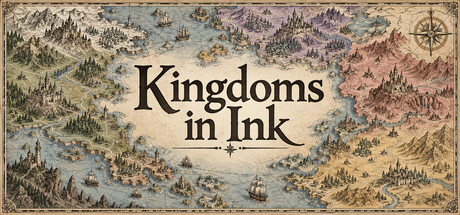
Kingdoms in Ink uses pre-generated AI-assisted content, including decorative map frames, store artwork, and some in-game and store text and translations. These assets and texts are prepared and reviewed during development. The game does not generate AI content during play or connect to external AI services.
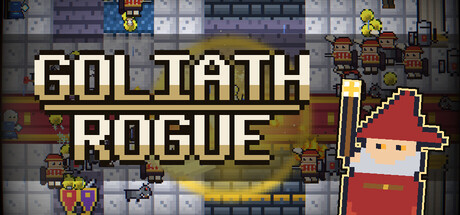
Goliath Rogue was made with the help of generative AI. The 2D art, the music and the sound effects were AI-generated — some of the art was then retouched by hand — and the Spanish and French translations were AI-assisted. All of it ships as fixed assets in the game; nothing is generated while you play. AI coding tools were also used during development to help write the game's code.
The game was 100% designed and tested by me and my kids. I did use AI tools to help create the logo, some of the 3d objects in the game (portion of the buildings) and the voice narration in the trailer.
Generative AI was used solely to create placeholder card artwork during development, allowing the team to focus on refining the gameplay. The final card artwork will be created by human artists.
Some pre-production assets were generated with AI tools and then hand-finished by the team: 3D character bodies (Tripo) that were re-rigged, textured and animated by hand; concept and brand imagery (OpenAI image generation) redrawn or composited by hand; voice lines and sound effects (ElevenLabs); and music (Suno) under a commercial licence. No AI content is generated during gameplay, and the game connects to no AI service.
During the development of this game, AI tools were used to assist in creating some game assets and promotional materials for the store, as well as to assist in writing and optimizing some program codes. All the AI-assisted content was manually screened, adjusted, integrated, tested, and finally reviewed by the developers.
This game includes AI-generated content created during development.
Character portraits, illustrations and store artwork were generated with an image model and curated by the developer. Background music was generated with Google Lyria and contains SynthID watermarking.
Translations were produced with AI assistance. No AI content is generated while you play.
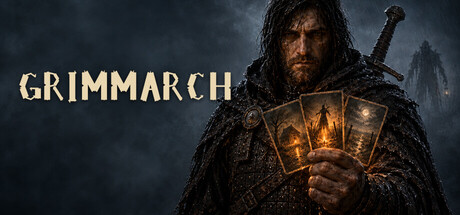
Grimmarch's art, music, voice and sound effects are created or edited with generative AI tools, then selected, edited and approved by a human before shipping. That covers card and interface art, character portraits, map and scene art, the cinematic, music, character voice lines and sound effects.
Nothing is generated while you play: the game contacts no AI service at runtime, and nothing you do is sent to one.
I use generative technologies strictly in a supporting role, including: brain-storming; editing text; altering images; research; transcription…
Generated assets are never the first seed nor the last product of any content in my games.
I use generative technologies strictly in a supporting role, including: brain-storming; editing text; altering images; research; transcription…
Generated assets are never the first seed nor the last product of any content in my games.
Generative AI tools were used during development to assist in creating pre-generated content included in the game and its Steam store presence. This includes selected in-game UI icons, unit and building artwork, other visual assets, Steam capsule and library artwork, promotional/store graphics, and AI-assisted localization and translated text. All AI-assisted content is pre-generated, reviewed, and manually selected by the developer before inclusion. The game does not use generative AI to generate content or code during gameplay and does not connect to external generative AI services while running.
Twisted Survivors was designed and made by Six. Some of its art (including the store artwork), music, voice-over and the opening cinematic were created with the help of AI tools, then curated and edited by Six; nothing is generated while you play.
Some artwork and marketing assets for Fallen Crowns were created with the assistance of generative AI tools. All AI-assisted assets were reviewed and edited by the developer before inclusion. The game does not use AI to generate content live during gameplay.
Master Builders was created through close collaboration between a human developer and AI tools: the concept, rules, balance, narrative, and every creative decision came from the developer, while AI assisted with coding and image production to the developer's exact specifications.
A small amount of artwork and text included in the game was created using generative AI during development. All such content is pre-generated. The game does not generate AI content during gameplay or connect to external AI services.
Parts of this game were made with the help of generative AI tools:
- 3,928 of the 6,608 character portraits were created with generative AI tools and then selected and retouched by a person. The other 2,404 are historical images from public archives such as Wikimedia Commons, and 276 reuse an existing picture.
- The title-screen key art was created with generative AI.
- The character biographies and historical event texts were written with the assistance of generative AI, based on historical sources, and edited by the developer.
- The English, Japanese and Traditional Chinese translations were produced with the assistance of generative AI.
No content is generated by AI while the game is running.
Generative AI has been used to help work with coding.
All Assets (art, models, animations, sprites/textures, sounds and music have been made by myself or have been bought)
Generative AI was used during development. Part of the graphics (characters, enemies, bosses, icons, room backgrounds and backdrops) was created with image-generation tools: Google Gemini, OpenAI ChatGPT and a locally run Stable Diffusion model. Part of the music was created with audio-generation tools (Google Gemini). Part of the code, room layouts and texts were written with the help of an AI assistant. The developer reviewed, cut, retouched and hand-adjusted all of this material before adding it to the game. The game does not generate any AI content while it is being played.
Powered by some of the most advanced chess engines ever created. It also uses two neural networks to recognize chess positions directly from game diagrams, turning images into playable positions in seconds.
The game engine is written with substantial AI assistance.
Some dialogues and quest texts are AI generated, and are successively replaced by human-written dialogue. Every piece of flavor text has a label that states the author (human or ai).
The 3D character models are currently generated with AI, and then transformed through a custom pipeline to work with the text-based graphics and CPU rendering. It is possible to replace them with manually crafted models.
Some promotional artwork on this store page was created using generative AI tools. All in-game assets (characters, environments, effects) are original or licensed third-party content.
All of the game's art, music and sound effects were made by human artists (commercially licensed packs, credited in the game). AI tools were used to assist with programming and with writing and translating the game's text; all content was reviewed and edited by the developer. The game does not generate any AI content while you play.
Pre-generated content only. No AI generated content is produced at runtime during gameplay.
Some in-game text and its English localization were drafted with AI assistance and edited by the team.
All art, including card art, backgrounds, icons and UI, is created by our artist. AI image tools were used as visual reference during concept work only; no AI generated image ships in the game. No AI models are used for music or sound effects.
Time Traveler: Divergence uses locally running generative AI to enable dynamic NPC conversations. AI-generated dialogue is constrained by the game's predefined rules, characters, world knowledge, and simulation state. AI is also used locally to generate voice-over for these dynamic conversations. No external AI service is required during gameplay.
The illustrated character portraits used as player avatars (also shown in our store and library artwork) were created with AI image generation (Google Gemini) and then cropped and adjusted by the developer. Some store text and interface translations were drafted with AI assistance. The game does not generate any AI content while you play.
Generative AI was used as a development tool while making this game, for code assistance only. All dialogue and in-game text was written by hand.
No AI-generated images, audio or text are included, and no content is generated by AI while the game is running.
Generative AI was used during development to create pre-generated visual assets for the game, including character artwork, card artwork, backgrounds, visual effects, textures, UI artwork, and promotional materials.
All AI-generated content is reviewed and curated by the developer before being included in the game.
The game does not use live generative AI during gameplay.
Pre-generated AI content includes equipment illustrations, skill icons, clothing surface textures, short English character-selection voice lines, and Steam capsule and library artwork. AI tools also assisted with store-page text and translations. The game does not generate AI content or connect to AI services during gameplay.
During development, I used procedural and AI-based tools to assist with content creation. The final game reflects my own creative direction and design choices.
Parts of this game's content were produced with generative AI tools.
No content is generated at runtime. Every asset shipped with the game was produced, reviewed and approved prior to release.
Some promotional artwork for this game (such as the store capsule image)
was created with the help of generative AI tools and then edited by hand.
All in-game content — 3D models, animations, sound effects, interface and
code — was created without generative AI. The game does not use AI during
gameplay and does not connect to any external AI service.
The tower and building art began as 3D models made with AI tools and inside Blender. I edited many of them by hand, then turned them into pixel art with our own pipeline. The characters are drawn by hand in Aseprite. Some in-game text and the translations were written with AI assistance.
The game's pixel art sprites and visual effects, the store capsule art and logo, and the music were created with the help of generative AI tools, then selected, edited and integrated by the developer. The store page text and its Chinese translation were drafted with AI assistance and reviewed by the developer. All content is pre-generated; nothing is generated while the game is running.
This game uses generative AI in the creation of some 2D and 3D artwork, images and videos used for visual presentation, as well as assets for the Steam store page and marketing materials. Generative AI-assisted tools were also used for some text creation and localization. All generated content has been reviewed and edited by the developer before use. The game does not use generative AI to generate content in real time during gameplay.
Kingdoms in Ink uses pre-generated AI-assisted content, including decorative map frames, store artwork, and some in-game and store text and translations. These assets and texts are prepared and reviewed during development. The game does not generate AI content during play or connect to external AI services.
Goliath Rogue was made with the help of generative AI. The 2D art, the music and the sound effects were AI-generated — some of the art was then retouched by hand — and the Spanish and French translations were AI-assisted. All of it ships as fixed assets in the game; nothing is generated while you play. AI coding tools were also used during development to help write the game's code.
The game was 100% designed and tested by me and my kids. I did use AI tools to help create the logo, some of the 3d objects in the game (portion of the buildings) and the voice narration in the trailer.
Generative AI was used solely to create placeholder card artwork during development, allowing the team to focus on refining the gameplay. The final card artwork will be created by human artists.
Some pre-production assets were generated with AI tools and then hand-finished by the team: 3D character bodies (Tripo) that were re-rigged, textured and animated by hand; concept and brand imagery (OpenAI image generation) redrawn or composited by hand; voice lines and sound effects (ElevenLabs); and music (Suno) under a commercial licence. No AI content is generated during gameplay, and the game connects to no AI service.
During the development of this game, AI tools were used to assist in creating some game assets and promotional materials for the store, as well as to assist in writing and optimizing some program codes. All the AI-assisted content was manually screened, adjusted, integrated, tested, and finally reviewed by the developers.
This game includes AI-generated content created during development.
Character portraits, illustrations and store artwork were generated with an image model and curated by the developer. Background music was generated with Google Lyria and contains SynthID watermarking.
Translations were produced with AI assistance. No AI content is generated while you play.
Grimmarch's art, music, voice and sound effects are created or edited with generative AI tools, then selected, edited and approved by a human before shipping. That covers card and interface art, character portraits, map and scene art, the cinematic, music, character voice lines and sound effects.
Nothing is generated while you play: the game contacts no AI service at runtime, and nothing you do is sent to one.
I use generative technologies strictly in a supporting role, including: brain-storming; editing text; altering images; research; transcription…
Generated assets are never the first seed nor the last product of any content in my games.
I use generative technologies strictly in a supporting role, including: brain-storming; editing text; altering images; research; transcription…
Generated assets are never the first seed nor the last product of any content in my games.
Generative AI tools were used during development to assist in creating pre-generated content included in the game and its Steam store presence. This includes selected in-game UI icons, unit and building artwork, other visual assets, Steam capsule and library artwork, promotional/store graphics, and AI-assisted localization and translated text. All AI-assisted content is pre-generated, reviewed, and manually selected by the developer before inclusion. The game does not use generative AI to generate content or code during gameplay and does not connect to external generative AI services while running.