Public Steam disclosure research25,376 disclosures tracked
Where do games disclose AI use?
Search developers’ Steam disclosures, compare classified AI use across
games, and follow recorded changes.
This index adds cross-game classifications and statistics to
statements published on individual store pages.
Groups reflect automatic analysis of public disclosures; mature records are excluded. These counts do not measure AI use across all of Steam.
Missing or unclear statements cannot establish whether a game uses AI.
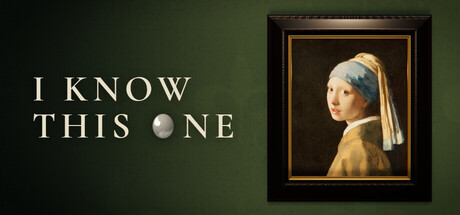
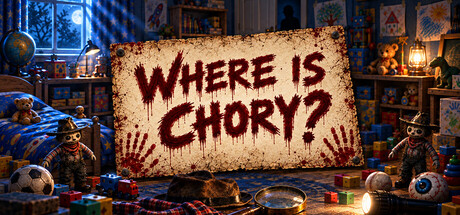
The altered paintings ("forgeries") were made by editing public-domain museum scans with generative AI image tools. Each one was reviewed by hand, colour-matched to its original scan and, where possible, composited back onto that scan so that only the altered detail differs. Some in-game English text (the questions that appear beside the paintings) and parts of this store description were drafted with an AI writing assistant and edited by the developer. The capsule art and screenshots are frames rendered by the game itself; the capsule art shows one of the AI-edited paintings. Nothing is generated by AI while the game runs.
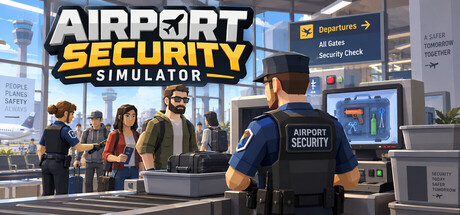
The store page artwork (capsule images, header, library images and logo) was created with the help of generative AI tools. Part of the game's source code and development tools were also written with the help of AI coding assistants, then reviewed and integrated by the developer. The in-game content itself (3D visuals from licensed asset packs, CC0 sound effects, texts) is not AI-generated, and the game does not use generative AI while playing. All screenshots are captured from the actual game.
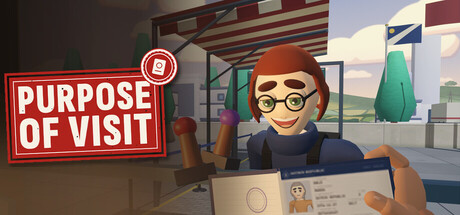
Game text and translations were created with the help of AI tools. The public build has no AI voices; it has no voice acting yet. The art is not made with generative AI: it comes from free CC0 asset packs plus shapes and textures built in code. Sound effects are synthesized by our own scripts. Nothing is generated by AI while you play.
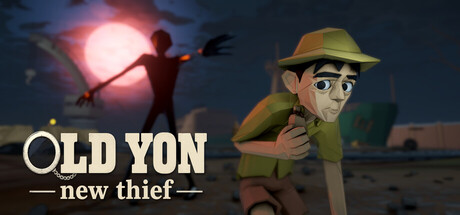
Some character portraits were created with generative AI. AI tools were also used to help write and translate the store page and to translate the game's text. The story and dialogue were written by our team.
Generative AI tools were used during development to create pre-generated visual assets, including 2D background artwork, environment graphics, character sprites, and promotional store imagery. All AI-generated content was created prior to release, and no generative AI runs in real-time during gameplay.
Some of this game's content was created with the help of generative AI tools during development:
- Artwork: some of the visual art in the game.
- Text: parts of the in-game writing, and the Simplified Chinese translation.
- Audio: a small number of sound effects. Most of the game's sound was made without AI.
Nothing is generated by AI while you play.
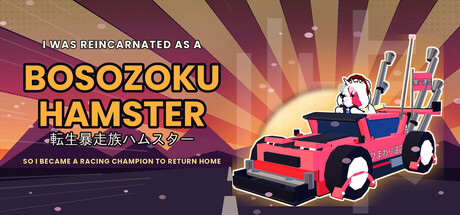
The game's story, design and text were created by the developer. Generative AI was used as an assistant when writing the text of this store page and of the game, and to translate it into 12 languages; all of it was reviewed and edited by the developer. One song on the car radio ("Broken Hearts and Blue Moons", licensed from Pixabay) was produced by its author with generative AI. No content is generated while you play.
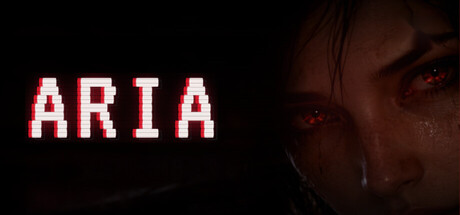
ARIA's dialogue and speech are generated on the player's own machine at runtime by a language model and a text-to-speech voice that ship with the game. Nothing is sent to an external service and no player data leaves the machine. What ARIA says is constrained to the station's fiction and to evidence the player has actually found in-game. Some art, audio and text assets in the game were produced with AI tools and reviewed by the developer before shipping.
Generative AI tools were used during development to assist in the creation of some visual and 3D assets. All generated content was reviewed, edited, and integrated by the developer.
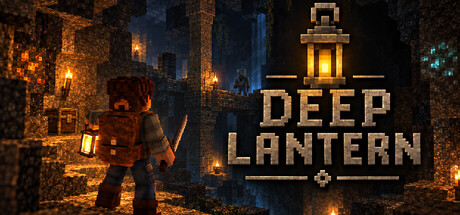
Deep Lantern contains some pre-generated visual assets created or assisted with generative AI, including certain textures, interface or illustrative visual elements, which were then reviewed, edited, and integrated manually by the developer.
The game does not use live generative AI during gameplay, and players cannot generate content in-game using AI.
The illustrated character portraits used as player avatars (also shown in our store and library artwork) were created with AI image generation (Google Gemini) and then cropped and adjusted by the developer. Some store text and interface translations were drafted with AI assistance. The game does not generate any AI content while you play.
Generative AI tools were used during development to assist with localization, programming, and store/marketing text. All AI-assisted output was reviewed, edited, and integrated by the developer. The game does not use generative AI at runtime and does not generate live AI content.
Generative AI was used during development as an assistive tool for code prototyping and localization, and to create some pre-generated visual content, including fictional patient photographs used as environmental and narrative elements in the game. AI-generated concept art is used only as internal visual reference and is not included as game assets.
All AI-generated content included in the game is pre-generated. No generative AI runs during gameplay. Final level design, asset placement, gameplay systems, narrative implementation, and asset integration are created and assembled by the developer.
Some store and library capsule art was produced with image-generation tools
(SDXL and a chat assistant) using our own in-game screenshots as the input
image. The underlying game content -- models, textures, code, text -- is
authored by us without generative AI. All generated art was reviewed by us
before publication.
The use of AI is limited to select visual assets, which were manually reviewed, repainted, and integrated to fit the art direction. The project features original artwork hand-drawn by my artistic partner alongside an original acoustic piano score, entirely composed and performed by me.
This is an independent, completely free passion project with zero monetization, made out of a genuine love for game development. Thank you for playing.
We use generative AI across all disciplines of game development with heavy amounts of human editing. That involves audio and visual art. We use it as a productivity tool so we can achieve a higher level of quality, faster, than we would have been able to.
Some promotional artwork for this game (such as the store capsule image)
was created with the help of generative AI tools and then edited by hand.
All in-game content — 3D models, animations, sound effects, interface and
code — was created without generative AI. The game does not use AI during
gameplay and does not connect to any external AI service.
The soundtrack was produced with generative AI music tools and then edited, cut and mixed by the developer. Part of the game's text and this store page was written with AI assistance and reviewed line by line by the developer. Everything else - code, interface art, achievement icons, the map and every capsule and screenshot - is hand-made. No content is generated by AI while you play.
This game contains some images, videos, audio, text, and 3D assets created using generative AI. Generative AI is not used to generate content or code in real time during gameplay.
Dawn of Irkalla includes pre-generated AI-assisted content used during development, including some 3D models, images, and code assistance. The game's level design, story, lore, gameplay, music, and many other assets were created by us or sourced from licensed third parties.
Generative AI tools were used to during development to assist with game code, content, and materials. The game contains no live generative AI interactions and does not generate content during gameplay.
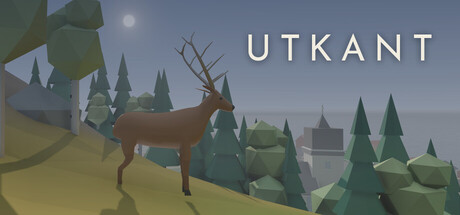
Utkant is a solo project developed with the help of AI coding assistants. The store page text and some in-game writing were drafted with AI assistance, then reviewed and edited by the developer. Nothing is generated by AI while you play.
This game contains content created with the assistance of AI tools. AI was used during development to assist with programming, visual assets, and other creative elements. All generated content was reviewed, edited, and integrated by the dev.
AI tools assisted in developing certain visual and audio elements, design references, and translations. The development team reviewed and finalized all published content.
Generative AI was used during development to assist in the creation of some visual assets and promotional materials. The final content was reviewed and selected by the developer before being included in the game or its store materials.
Generative AI was used to create pre-rendered story illustrations, horror encounter images, promotional artwork and music. AI tools also assisted with narrative text and localization. These assets are prepared in advance; the game does not generate AI content during play.
We use generative AI for localization support. All AI assisted translations are reviewed and edited by human translators before being included in the game.
This game is a polished and updated version of a limited-time game released in August 2026, and only available for a single month.
The objective for the original was to create a game in as short a time as possible. Development was finished in three weeks, and to achieve this goal, Suno(AI) was used to create some of the sound assets.
If you would prefer not to support this game due to this use of AI, we fully understand. Regardless, thank you for taking the time to consider it!
AI tools were used during development, including code assistance and design iteration. All creative direction, game design, and final decisions are the work of the developer. The game contains no live/runtime AI-generated content.
This game contains content created with the assistance of AI tools. AI was used during development to assist with programming, visual assets, and other creative elements. All generated content was reviewed, edited, and integrated by the dev.
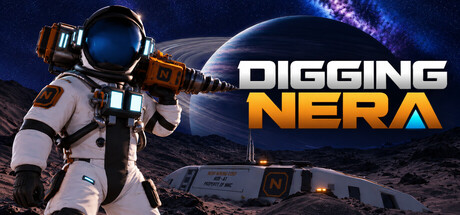
I prefer to be clear and transparent about the development of Digging Nera, without attempting to hide, downplay, or minimize my use of AI or AI-assisted tools.
I am the sole developer of Digging Nera. I work without a team, without significant resources, and without formal training in game development. What I do have is my own artistic sensibility, curiosity, creativity, and willingness to learn. AI has been one of the tools that has helped me turn that vision into a game, and I have used it as follows:
I have primarily used generative AI to assist with localization and translation across the game's supported languages, as well as with the creation or refinement of selected visual and audio elements.
For some visual elements, I have used AI-assisted content as a starting point or production aid before selecting, adapting, editing, integrating, or reworking it to fit the artistic direction I established for the game. I have also used generative AI selectively to assist with certain audio elements and development-related tasks.
Developing Digging Nera represents a substantial personal investment of time and work. I have spent many hours designing and building its environments, implementing gameplay systems, testing, correcting issues, making adjustments, optimizing performance, and polishing the overall experience. AI tools are part of my production process, but they do not replace the work I put into designing, developing, testing, and shaping the game.
I personally designed and implemented the core of Digging Nera, including its environments, level design, gameplay mechanics, progression systems, narrative structure, user interface, world building, and overall creative direction.
I review, select, adapt where necessary, and integrate all AI-assisted content that ultimately appears in the game.
No generative AI is used in real time during gameplay. Digging Nera does not dynamically generate AI-created text, images, audio, levels, dialogue, or other content while the player is playing.
AI tools were used to assist with writing and reviewing game code during development. No AI-generated art, audio, or narrative content ships in the final game.
The altered paintings ("forgeries") were made by editing public-domain museum scans with generative AI image tools. Each one was reviewed by hand, colour-matched to its original scan and, where possible, composited back onto that scan so that only the altered detail differs. Some in-game English text (the questions that appear beside the paintings) and parts of this store description were drafted with an AI writing assistant and edited by the developer. The capsule art and screenshots are frames rendered by the game itself; the capsule art shows one of the AI-edited paintings. Nothing is generated by AI while the game runs.
The store page artwork (capsule images, header, library images and logo) was created with the help of generative AI tools. Part of the game's source code and development tools were also written with the help of AI coding assistants, then reviewed and integrated by the developer. The in-game content itself (3D visuals from licensed asset packs, CC0 sound effects, texts) is not AI-generated, and the game does not use generative AI while playing. All screenshots are captured from the actual game.
Game text and translations were created with the help of AI tools. The public build has no AI voices; it has no voice acting yet. The art is not made with generative AI: it comes from free CC0 asset packs plus shapes and textures built in code. Sound effects are synthesized by our own scripts. Nothing is generated by AI while you play.
Some character portraits were created with generative AI. AI tools were also used to help write and translate the store page and to translate the game's text. The story and dialogue were written by our team.
Generative AI tools were used during development to create pre-generated visual assets, including 2D background artwork, environment graphics, character sprites, and promotional store imagery. All AI-generated content was created prior to release, and no generative AI runs in real-time during gameplay.
Some of this game's content was created with the help of generative AI tools during development:
- Artwork: some of the visual art in the game.
- Text: parts of the in-game writing, and the Simplified Chinese translation.
- Audio: a small number of sound effects. Most of the game's sound was made without AI.
Nothing is generated by AI while you play.
The game's story, design and text were created by the developer. Generative AI was used as an assistant when writing the text of this store page and of the game, and to translate it into 12 languages; all of it was reviewed and edited by the developer. One song on the car radio ("Broken Hearts and Blue Moons", licensed from Pixabay) was produced by its author with generative AI. No content is generated while you play.
ARIA's dialogue and speech are generated on the player's own machine at runtime by a language model and a text-to-speech voice that ship with the game. Nothing is sent to an external service and no player data leaves the machine. What ARIA says is constrained to the station's fiction and to evidence the player has actually found in-game. Some art, audio and text assets in the game were produced with AI tools and reviewed by the developer before shipping.
Generative AI tools were used during development to assist in the creation of some visual and 3D assets. All generated content was reviewed, edited, and integrated by the developer.
Deep Lantern contains some pre-generated visual assets created or assisted with generative AI, including certain textures, interface or illustrative visual elements, which were then reviewed, edited, and integrated manually by the developer.
The game does not use live generative AI during gameplay, and players cannot generate content in-game using AI.
The illustrated character portraits used as player avatars (also shown in our store and library artwork) were created with AI image generation (Google Gemini) and then cropped and adjusted by the developer. Some store text and interface translations were drafted with AI assistance. The game does not generate any AI content while you play.
Generative AI tools were used during development to assist with localization, programming, and store/marketing text. All AI-assisted output was reviewed, edited, and integrated by the developer. The game does not use generative AI at runtime and does not generate live AI content.
Generative AI was used during development as an assistive tool for code prototyping and localization, and to create some pre-generated visual content, including fictional patient photographs used as environmental and narrative elements in the game. AI-generated concept art is used only as internal visual reference and is not included as game assets.
All AI-generated content included in the game is pre-generated. No generative AI runs during gameplay. Final level design, asset placement, gameplay systems, narrative implementation, and asset integration are created and assembled by the developer.
Some store and library capsule art was produced with image-generation tools
(SDXL and a chat assistant) using our own in-game screenshots as the input
image. The underlying game content -- models, textures, code, text -- is
authored by us without generative AI. All generated art was reviewed by us
before publication.
The use of AI is limited to select visual assets, which were manually reviewed, repainted, and integrated to fit the art direction. The project features original artwork hand-drawn by my artistic partner alongside an original acoustic piano score, entirely composed and performed by me.
This is an independent, completely free passion project with zero monetization, made out of a genuine love for game development. Thank you for playing.
We use generative AI across all disciplines of game development with heavy amounts of human editing. That involves audio and visual art. We use it as a productivity tool so we can achieve a higher level of quality, faster, than we would have been able to.
Some promotional artwork for this game (such as the store capsule image)
was created with the help of generative AI tools and then edited by hand.
All in-game content — 3D models, animations, sound effects, interface and
code — was created without generative AI. The game does not use AI during
gameplay and does not connect to any external AI service.
The soundtrack was produced with generative AI music tools and then edited, cut and mixed by the developer. Part of the game's text and this store page was written with AI assistance and reviewed line by line by the developer. Everything else - code, interface art, achievement icons, the map and every capsule and screenshot - is hand-made. No content is generated by AI while you play.
This game contains some images, videos, audio, text, and 3D assets created using generative AI. Generative AI is not used to generate content or code in real time during gameplay.
Dawn of Irkalla includes pre-generated AI-assisted content used during development, including some 3D models, images, and code assistance. The game's level design, story, lore, gameplay, music, and many other assets were created by us or sourced from licensed third parties.
Generative AI tools were used to during development to assist with game code, content, and materials. The game contains no live generative AI interactions and does not generate content during gameplay.
Utkant is a solo project developed with the help of AI coding assistants. The store page text and some in-game writing were drafted with AI assistance, then reviewed and edited by the developer. Nothing is generated by AI while you play.
This game contains content created with the assistance of AI tools. AI was used during development to assist with programming, visual assets, and other creative elements. All generated content was reviewed, edited, and integrated by the dev.
AI tools assisted in developing certain visual and audio elements, design references, and translations. The development team reviewed and finalized all published content.
Generative AI was used during development to assist in the creation of some visual assets and promotional materials. The final content was reviewed and selected by the developer before being included in the game or its store materials.
Generative AI was used to create pre-rendered story illustrations, horror encounter images, promotional artwork and music. AI tools also assisted with narrative text and localization. These assets are prepared in advance; the game does not generate AI content during play.
We use generative AI for localization support. All AI assisted translations are reviewed and edited by human translators before being included in the game.
This game is a polished and updated version of a limited-time game released in August 2026, and only available for a single month.
The objective for the original was to create a game in as short a time as possible. Development was finished in three weeks, and to achieve this goal, Suno(AI) was used to create some of the sound assets.
If you would prefer not to support this game due to this use of AI, we fully understand. Regardless, thank you for taking the time to consider it!
AI tools were used during development, including code assistance and design iteration. All creative direction, game design, and final decisions are the work of the developer. The game contains no live/runtime AI-generated content.
This game contains content created with the assistance of AI tools. AI was used during development to assist with programming, visual assets, and other creative elements. All generated content was reviewed, edited, and integrated by the dev.
I prefer to be clear and transparent about the development of Digging Nera, without attempting to hide, downplay, or minimize my use of AI or AI-assisted tools.
I am the sole developer of Digging Nera. I work without a team, without significant resources, and without formal training in game development. What I do have is my own artistic sensibility, curiosity, creativity, and willingness to learn. AI has been one of the tools that has helped me turn that vision into a game, and I have used it as follows:
I have primarily used generative AI to assist with localization and translation across the game's supported languages, as well as with the creation or refinement of selected visual and audio elements.
For some visual elements, I have used AI-assisted content as a starting point or production aid before selecting, adapting, editing, integrating, or reworking it to fit the artistic direction I established for the game. I have also used generative AI selectively to assist with certain audio elements and development-related tasks.
Developing Digging Nera represents a substantial personal investment of time and work. I have spent many hours designing and building its environments, implementing gameplay systems, testing, correcting issues, making adjustments, optimizing performance, and polishing the overall experience. AI tools are part of my production process, but they do not replace the work I put into designing, developing, testing, and shaping the game.
I personally designed and implemented the core of Digging Nera, including its environments, level design, gameplay mechanics, progression systems, narrative structure, user interface, world building, and overall creative direction.
I review, select, adapt where necessary, and integrate all AI-assisted content that ultimately appears in the game.
No generative AI is used in real time during gameplay. Digging Nera does not dynamically generate AI-created text, images, audio, levels, dialogue, or other content while the player is playing.
AI tools were used to assist with writing and reviewing game code during development. No AI-generated art, audio, or narrative content ships in the final game.