Public Steam disclosure research25,376 disclosures tracked
Where do games disclose AI use?
Search developers’ Steam disclosures, compare classified AI use across
games, and follow recorded changes.
This index adds cross-game classifications and statistics to
statements published on individual store pages.
Groups reflect automatic analysis of public disclosures; mature records are excluded. These counts do not measure AI use across all of Steam.
Missing or unclear statements cannot establish whether a game uses AI.
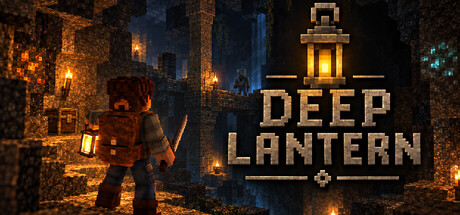
Deep Lantern contains some pre-generated visual assets created or assisted with generative AI, including certain textures, interface or illustrative visual elements, which were then reviewed, edited, and integrated manually by the developer.
The game does not use live generative AI during gameplay, and players cannot generate content in-game using AI.
Generative AI tools were used to help create some store and promotional artwork, including capsule images and Steam library artwork. These assets were prepared before release. The game does not generate AI content during gameplay or connect to external AI services.
Generative AI was used to assist in creating pre-generated in-game content, including visual assets, text, and audio, as well as certain Steam store and marketing materials. The game does not use generative AI to generate content in real time during gameplay.
All of the game's art, music and sound effects were made by human artists (commercially licensed packs, credited in the game). AI tools were used to assist with programming and with writing and translating the game's text; all content was reviewed and edited by the developer. The game does not generate any AI content while you play.
Generative AI tools were used during the development of Clean Your Garden
for part of the 2D art (bug illustrations, backgrounds, weapon and
achievement icons, and store art), to assist with writing code, and to
assist with translating the game's text into English. All of it was
reviewed, edited and integrated by hand.
The game does not generate any content with AI while you play: no model
runs at runtime.
---
Durante el desarrollo de Clean Your Garden se han usado herramientas de IA
generativa para parte del arte 2D (ilustraciones de bichos, fondos, iconos
de armas y de logros, e imágenes de la ficha), para asistir en la escritura
del código, y para asistir en la traducción de los textos al inglés. Todo
ese material ha sido revisado, editado e integrado a mano.
El juego no genera contenido con IA durante la partida: no hay ningún
modelo ejecutándose en tiempo real.
Some content in Camping Resort Simulator was made with the help of generative AI tools and then reviewed and reworked by the developer:
- base 3D models for some buildings, props and characters, retouched by hand;
- the music of the in-game radio;
- the first draft of the translations;
- some promotional artwork.
Nothing is generated by AI while you play.
Generative AI tools were used during development to help create artwork, audio, writing, and programming. The game does not generate AI content during gameplay and does not connect to an external AI service while you play.
Pre-generated generative AI was used to create some 2D visual assets, including selected in-game sign textures and store/marketing artwork. No generative AI is used during gameplay.
Pre-generated generative AI tools were used during development to assist with some UI assets, text, and localization. All AI-assisted content was reviewed and edited by the developer before inclusion in the game or store materials. No generative AI is used at runtime.
We use generative AI across all disciplines of game development with heavy amounts of human editing. That involves audio and visual art. We use it as a productivity tool so we can achieve a higher level of quality, faster, than we would have been able to.
Generative AI tools were used in parts of the developer's workflow: some texture source images (such as water splash sprites and certain ground materials) originate from AI image tools, and the dragon character's base mesh was initially created with AI assistance. All of this content was then extensively hand-edited, sculpted, rigged and integrated by the developer. Some music tracks were generated with Suno (licensed under a paid subscription). The world itself, the environment models and the game's art direction are hand-made. The game does not generate any content at runtime.
Some in-game assets were created with the assistance of generative AI tools during development. All AI-assisted content has been reviewed, edited, and curated by our team before being included in the game. The game does not use generative AI at runtime — no content is generated while you play.
Generative AI was used for pre-generated Steam store promotional artwork, library artwork, and application icons. No AI content is generated during gameplay, and the game does not connect to external AI services.
Generative AI was used with human review to assist with portions of the store page text, promotional artwork, and illustrative building blueprint previews. These illustrations are development artwork; actual gameplay appearance may vary. During gameplay, a locally running language model generates text responses in the AI OS tablet and robot chat interfaces. Robot gathering and construction actions use programmed game systems. The language model runs on the player’s computer and does not require an external third-party AI service.
In-game text (bee facts, item descriptions, achievement lines) and store page copy were written with the assistance of an AI writing tool, under the developer's direction and review. All artwork is pixel art drawn by the game's own code, and all audio is synthesized or CC0 field recordings — no AI-generated images, audio, or music.
Utkant is a solo project developed with the help of AI coding assistants. The store page text and some in-game writing were drafted with AI assistance, then reviewed and edited by the developer. Nothing is generated by AI while you play.
Generative AI tools were used during development to help create some 3D models and textures, UI and icon artwork, character voice recordings, sound effects, promotional artwork, and store-page text. These are pre-generated assets and text.
Pre-generated content: some character and venue artwork, some 3D props, the cast voice lines, the intro films and the translations were created with AI tools and reviewed by the developer. No content is generated at runtime.
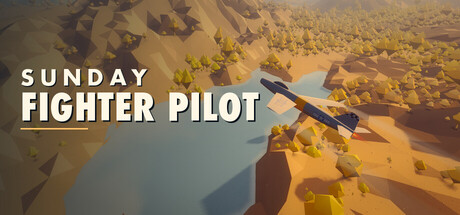
Sunday Pilot contains no AI-generated art, music, voice or in-game text.
Every visual in the game is rendered in real time from geometry and materials authored by hand in code — there are no image assets. Every sound is synthesized by the game while you play, from a physical model of the engine; no audio files ship with the game. All car data and track layouts are hand-authored.
The store page capsule art and screenshots are rendered by the game itself, using the same renderer that draws the game — they are not concept art, not painted, and not AI-generated.
The game description and other store page text were written with the assistance of an AI writing assistant, and portions of the game's source code were written with the assistance of an AI coding assistant. All of it was reviewed and edited by the developer.
The game does not use generative AI at runtime. Nothing is generated while you play, there is no network connection of any kind, and the game is fully playable offline.
The game was 100% designed and tested by me and my kids. I did use AI tools to help create the logo, some of the 3d objects in the game (portion of the buildings) and the voice narration in the trailer.
AI-assisted programming tools were used during development to help write game code. Generative AI was also used to create or assist with portions of the artwork and logo, music, sound effects, written text, and localization in the game and its store and marketing materials. These uses take place during development and content production. The game does not use AI to generate content or code during gameplay and does not connect to external AI services during gameplay.
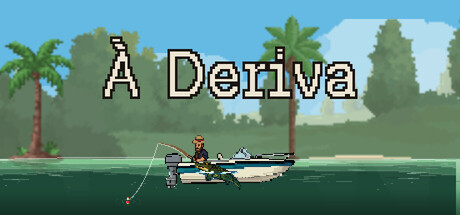
Some of this game's pixel art was generated with AI tools (PixelLab) and then edited by hand — the boats, the fauna, the bosses and the hats. The backgrounds come from licensed art packs by human artists, credited in the game's Credits screen. All audio is from human-made sound packs, also credited. No AI runs while you play: everything was generated ahead of time.
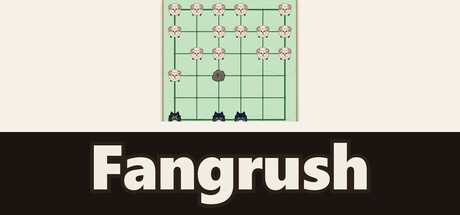
Some visual assets and store-related materials for this game were created with generative AI assistance, then reviewed and edited by humans before inclusion. In-game opponents use traditional search and position evaluation; moves are not generated by generative AI at runtime.
Programming with AI.
For the art assets, the demo currently uses AI-generated art assets, which will be gradually replaced with artwork created by professional artists before the game’s release.
I use generative technologies strictly in a supporting role, including: brain-storming; editing text; altering images; research; transcription…
Generated assets are never the first seed nor the last product of any content in my games.
Generative AI was used to assist in writing and translating the text descriptions for this store page. All in-game assets and code were created by human developers.
Deep Lantern contains some pre-generated visual assets created or assisted with generative AI, including certain textures, interface or illustrative visual elements, which were then reviewed, edited, and integrated manually by the developer.
The game does not use live generative AI during gameplay, and players cannot generate content in-game using AI.
Generative AI tools were used to help create some store and promotional artwork, including capsule images and Steam library artwork. These assets were prepared before release. The game does not generate AI content during gameplay or connect to external AI services.
Generative AI was used to assist in creating pre-generated in-game content, including visual assets, text, and audio, as well as certain Steam store and marketing materials. The game does not use generative AI to generate content in real time during gameplay.
All of the game's art, music and sound effects were made by human artists (commercially licensed packs, credited in the game). AI tools were used to assist with programming and with writing and translating the game's text; all content was reviewed and edited by the developer. The game does not generate any AI content while you play.
Generative AI tools were used during the development of Clean Your Garden
for part of the 2D art (bug illustrations, backgrounds, weapon and
achievement icons, and store art), to assist with writing code, and to
assist with translating the game's text into English. All of it was
reviewed, edited and integrated by hand.
The game does not generate any content with AI while you play: no model
runs at runtime.
---
Durante el desarrollo de Clean Your Garden se han usado herramientas de IA
generativa para parte del arte 2D (ilustraciones de bichos, fondos, iconos
de armas y de logros, e imágenes de la ficha), para asistir en la escritura
del código, y para asistir en la traducción de los textos al inglés. Todo
ese material ha sido revisado, editado e integrado a mano.
El juego no genera contenido con IA durante la partida: no hay ningún
modelo ejecutándose en tiempo real.
Some content in Camping Resort Simulator was made with the help of generative AI tools and then reviewed and reworked by the developer:
- base 3D models for some buildings, props and characters, retouched by hand;
- the music of the in-game radio;
- the first draft of the translations;
- some promotional artwork.
Nothing is generated by AI while you play.
Generative AI tools were used during development to help create artwork, audio, writing, and programming. The game does not generate AI content during gameplay and does not connect to an external AI service while you play.
Pre-generated generative AI was used to create some 2D visual assets, including selected in-game sign textures and store/marketing artwork. No generative AI is used during gameplay.
Pre-generated generative AI tools were used during development to assist with some UI assets, text, and localization. All AI-assisted content was reviewed and edited by the developer before inclusion in the game or store materials. No generative AI is used at runtime.
We use generative AI across all disciplines of game development with heavy amounts of human editing. That involves audio and visual art. We use it as a productivity tool so we can achieve a higher level of quality, faster, than we would have been able to.
Generative AI tools were used in parts of the developer's workflow: some texture source images (such as water splash sprites and certain ground materials) originate from AI image tools, and the dragon character's base mesh was initially created with AI assistance. All of this content was then extensively hand-edited, sculpted, rigged and integrated by the developer. Some music tracks were generated with Suno (licensed under a paid subscription). The world itself, the environment models and the game's art direction are hand-made. The game does not generate any content at runtime.
Some in-game assets were created with the assistance of generative AI tools during development. All AI-assisted content has been reviewed, edited, and curated by our team before being included in the game. The game does not use generative AI at runtime — no content is generated while you play.
Generative AI was used for pre-generated Steam store promotional artwork, library artwork, and application icons. No AI content is generated during gameplay, and the game does not connect to external AI services.
Generative AI was used with human review to assist with portions of the store page text, promotional artwork, and illustrative building blueprint previews. These illustrations are development artwork; actual gameplay appearance may vary. During gameplay, a locally running language model generates text responses in the AI OS tablet and robot chat interfaces. Robot gathering and construction actions use programmed game systems. The language model runs on the player’s computer and does not require an external third-party AI service.
In-game text (bee facts, item descriptions, achievement lines) and store page copy were written with the assistance of an AI writing tool, under the developer's direction and review. All artwork is pixel art drawn by the game's own code, and all audio is synthesized or CC0 field recordings — no AI-generated images, audio, or music.
Utkant is a solo project developed with the help of AI coding assistants. The store page text and some in-game writing were drafted with AI assistance, then reviewed and edited by the developer. Nothing is generated by AI while you play.
Generative AI tools were used during development to help create some 3D models and textures, UI and icon artwork, character voice recordings, sound effects, promotional artwork, and store-page text. These are pre-generated assets and text.
Pre-generated content: some character and venue artwork, some 3D props, the cast voice lines, the intro films and the translations were created with AI tools and reviewed by the developer. No content is generated at runtime.
Sunday Pilot contains no AI-generated art, music, voice or in-game text.
Every visual in the game is rendered in real time from geometry and materials authored by hand in code — there are no image assets. Every sound is synthesized by the game while you play, from a physical model of the engine; no audio files ship with the game. All car data and track layouts are hand-authored.
The store page capsule art and screenshots are rendered by the game itself, using the same renderer that draws the game — they are not concept art, not painted, and not AI-generated.
The game description and other store page text were written with the assistance of an AI writing assistant, and portions of the game's source code were written with the assistance of an AI coding assistant. All of it was reviewed and edited by the developer.
The game does not use generative AI at runtime. Nothing is generated while you play, there is no network connection of any kind, and the game is fully playable offline.
The game was 100% designed and tested by me and my kids. I did use AI tools to help create the logo, some of the 3d objects in the game (portion of the buildings) and the voice narration in the trailer.
AI-assisted programming tools were used during development to help write game code. Generative AI was also used to create or assist with portions of the artwork and logo, music, sound effects, written text, and localization in the game and its store and marketing materials. These uses take place during development and content production. The game does not use AI to generate content or code during gameplay and does not connect to external AI services during gameplay.
Some of this game's pixel art was generated with AI tools (PixelLab) and then edited by hand — the boats, the fauna, the bosses and the hats. The backgrounds come from licensed art packs by human artists, credited in the game's Credits screen. All audio is from human-made sound packs, also credited. No AI runs while you play: everything was generated ahead of time.
Some visual assets and store-related materials for this game were created with generative AI assistance, then reviewed and edited by humans before inclusion. In-game opponents use traditional search and position evaluation; moves are not generated by generative AI at runtime.
Programming with AI.
For the art assets, the demo currently uses AI-generated art assets, which will be gradually replaced with artwork created by professional artists before the game’s release.
I use generative technologies strictly in a supporting role, including: brain-storming; editing text; altering images; research; transcription…
Generated assets are never the first seed nor the last product of any content in my games.
Generative AI was used to assist in writing and translating the text descriptions for this store page. All in-game assets and code were created by human developers.