








Disclosure
Some of this game's assets were made with the assistance of generative AI tools and were reviewed, curated and hand-finished by the developer. No content is generated while you play.
- Creator
- Meridian Studios
- Reviews
- -
- Added
- Sep 4, 2026
Public Steam disclosure research 25,376 disclosures tracked
Search developers’ Steam disclosures, compare classified AI use across games, and follow recorded changes. This index adds cross-game classifications and statistics to statements published on individual store pages.
Code help, debugging and other development work.
Capsule art, trailers and promotional material.
Pre-made art, audio, writing and other game assets.
Interactive or runtime AI features disclosed by the developer.
Groups reflect automatic analysis of public disclosures; mature records are excluded. These counts do not measure AI use across all of Steam. Missing or unclear statements cannot establish whether a game uses AI.
Some of this game's assets were made with the assistance of generative AI tools and were reviewed, curated and hand-finished by the developer. No content is generated while you play.
Some of this game's art and music assets were created with the help of generative AI tools during development. Art: Character portraits, unit and enemy sprites, environment tiles, map decorations, and item icons were produced with the assistance of AI image-generation tools (including Retro Diffusion, PixelLab, and FLUX), then curated, edited, assembled, and integrated by the developer. Music: Background music was generated with a licensed AI music-generation tool and edited by the developer. All AI-assisted content is pre-generated and fixed in the shipped game — no content is generated live during gameplay. Every asset was reviewed and approved by the developer to ensure it is original to this game, does not infringe third-party intellectual property, and is appropriate for the game's audience.
We used generative AI tools (such as Claude) during development to assist with creating certain in-game assets, textures, or text elements. All AI-generated content has been reviewed, selected, and integrated by human creators into the final game.
The ship and part artwork was generated with AI, then hand-edited and traced by me into the sprites and collision shapes the game actually uses. Nothing generative runs while you play. There is no AI service wired into the build, and the game never calls one. The music is licensed from real artists, and the sound effects come out of a script I wrote. Neither is AI. I want to replace the AI art with work from real artists before Early Access ends. I am not going to promise a date for that, but it is what I am working toward.
We used an AI diffusion tool in Krita to help create the background for the small capsule shown in search results. Our artist then worked over it with several extra layers, a bit like matte painting. For now, it's a placeholder until our artist finishes the hand-painted version of the small capsule. The logo and the other capsule images were already hand-painted by our artist. The in-game portraits were also drawn by another artist on our team. We have a devlog on our website about how we made the capsule artwork and hero portraits, and we'll share the full process on the Steam Community soon too. The playtest build also includes a few placeholder assets made with AI tools in Krita. Our new UI artist is working on a new UI, so we'll be replacing those placeholders soon. As mentioned above, the hero portraits are also hand-drawn by our artist.
The text used in the game and on the Steam store page has currently been translated primarily with the assistance of AI tools. Most of the graphical assets used in the game are based on real photographs or renders of 3D objects. However, AI-generated imagery was used in cases where no suitable real-world source material was available, or where the available material was insufficient to complete or supplement the required assets.
Some 2D artwork was created with the assistance of AI image-generation tools (the mascot character portrait, generated with Recraft and then hand-edited; it appears in-game and in store artwork). All gameplay, code, design, text and audio are made by hand. The game does not use live/runtime AI generation.
Some of this game's 2D art assets — creature, machine, prop and building sprites — were produced with the assistance of generative AI image tools during development. All generated material was reviewed, edited and hand-finished by our artists before it shipped, and it is integrated as fixed, pre-rendered art. The game does not generate any content live while you play.
Generative AI was used during development to assist with portions of pre-generated in-game artwork and Steam store/marketing artwork. All outputs were reviewed, cleaned, composited, color-adjusted, and quality-checked by the development team. The game does not generate AI content at runtime.
Some of Crashborn's art, audio and base 3D models were created with generative AI tools and edited by hand. They are placeholders being replaced with work from dedicated artists ahead of the 1.0 release. The game does not generate content at runtime.
Some images and music were made with the help of AI.
Localization into some supported languages was created with a mix of Community members and machine generation and reviewed by the developer. The developer is actively seeking to replace any machine-generated localization over time.
Generative AI tools were used during development to assist with programming and to create some pre-generated visual assets, including icons, illustrations, and sprite artwork. All AI-assisted content was reviewed, edited, selected, and integrated by the developer. The game does not generate AI content during gameplay.
Generative AI was used to assist in creating certain decorative user interface elements, and background graphics. All gameplay systems, mechanics, programming, game design, and core game content were created and curated by the development team.
AI powers real-time dialogue and responses from fictional in-game characters, allowing them to react dynamically to player conversations and actions.
As a solo game designer, bringing a video game to life is something I always dreamed of. To help realize my creative vision, I used AI tools to assist with certain aspects of development such as game backgrounds and sound effects. It is important to note that AI was used as a starting point, not a final solution. Every asset was reviewed by hand to ensure it fits the game's world and artistic direction. The core gameplay, design, and story remain 100% created by me. Thank you for supporting indie development!
Some of the game's 2D artwork, including character, enemy and boss sprites, item icons, and backgrounds, was created using generative AI tools. All such assets were individually reviewed, selected, polished and integrated by the development team.
ART AND AUDIO: no generative image or audio models were used. Every texture, sprite, visual effect and musical note in Mool: Chroma is generated at runtime by the game's own code. The build ships no audio files at all, and the only image files it ships are the bitmap font atlases used to draw text. The store page artwork is rendered by that same code. The code itself was written with AI assistance and reviewed by the developer. TEXT: AI tools were used to help write text. Some in-game narrative and flavor text was drafted with AI assistance, and the game's non-English translations (Korean, Japanese, Simplified Chinese, German, French, Spanish - Latin America, Portuguese - Brazil, Russian) were AI-generated. All of it was reviewed and edited by the developer before shipping. Nothing is generated live during gameplay.
Save Point has been in continuous development since 2021 and is, to our knowledge, the world’s first purpose-built AI-native interactive cinematic engine. The Needle uses this technology to deliver a continuously responsive cinematic experience that goes far beyond conventional branching video. AI-assisted production tools helped create portions of the game’s pre-rendered audiovisual content, with every shipped asset human-directed, reviewed, edited, and integrated. The game also offers locally processed voice controls, alongside keyboard and gamepad support. No unreviewed audiovisual content is generated and delivered to players during gameplay. The project represents tens of thousands of hours of human design, engineering, direction, editing, and testing, with AI serving as the enabling technology behind an experience an independent studio could not otherwise produce at any cost, much less a reasonable one. We didn't use AI to save money, we used it because without AI there wasn't enough money in the world to build a game like this.
Lateral Crawl will launch in Early Access. The Early Access build will contain some AI-generated and developer-edited sound effects, which are planned to be replaced before the 1.0 release.
Hellternum is developed by a small independent studio. Some visual elements — certain in-game illustrations, textures and marketing images — were produced with the help of generative AI tools, always under direct human art direction and edited by hand to fit the game's visual identity. Everything else is human-made: design, writing, level design, code and audio. We think you should know this before you play.
Generative AI tools were used during the creation of some art assets and code.
Some images and promotional videos were generated using AI.
Art direction steered asset creation, SFX, store capsule artwork and the logo were produced with generative AI assistance then hand-edited. No generative AI runs at runtime; the game generates no content live.
Generative AI was used to assist in creating a small number of icons.
Generative AI is used in a supplementary capacity, at two points. First, as a drafting step for some of the game's 2D illustrations: every such asset is then rebuilt through our own production pipeline — reduced to a strict 1-bit black-and-white format, curated, and animated frame by frame with in-house tools — so that it matches our art direction. Second, the game is written in French, and its translations into the eight other supported languages are AI-assisted. No generative AI runs in the game itself: all content ships fixed with the build.
AI tools were used in a limited way during development to assist with certain aspects of the game's creation. AI was mainly used for occasional assistance and brainstorming, while the majority of the game's design, development, artwork, and content were created and directed by the developer.
Generative AI was used to assist with the creation of selected visual assets. All final images were reviewed and edited by the developer.
Some pre-rendered assets were created with generative AI tools and then curated, edited and integrated by hand: music tracks and their cover art, some sound effects and portions of 2d artwork (weapon, prop, and enemy sprites.) All generated content was reviewed by the developer before inclusion. No content is AI-generated at runtime.
Artificial intelligence was used to create the game's cover.
All artwork (characters, monsters, environments, visual effects) and much of the game's code were created with generative AI tools. No content is AI-generated while the game runs.
Some pre-generated visual and audio assets used in TOWERPULSE were created with the assistance of generative AI tools during development. These assets were selected, edited, and integrated by the developer. TOWERPULSE does not use generative AI at runtime. No player prompts, gameplay content, dialogue, or other assets are generated live while the game is running.
Some of this game's art and audio assets were created using generative AI tools, from the studio's own prompts and under our tool licenses, then curated and edited by the team. All game code and text were written by hand.
We used Artificial Intelligence tools as an aid during development and in the creation of some game content. All AI-assisted material was personally reviewed and adjusted by our team, who were involved throughout every stage of the creative process.
Some of the art in Spell Death was generated with an image model, then selected and edited by hand. Nothing is generated while you play.
This game contains pre-generated 2D artwork and source code created with ChatGPT during development. All game source code was generated with ChatGPT, then reviewed, tested, debugged, and integrated by the developer. The artwork was generated from original prompts written for Gravefire Tavern, then reviewed, selected, edited, composited, cropped, and integrated by the developer. No generative AI runs during gameplay, and no player input is sent to an AI service.
Text content only, all pre-generated during development and reviewed by the developer. AI assistance was used to write the in-game story text, the user interface translations for the 8 supported languages, the achievement names and descriptions, and the store page copy. Nothing is generated live at runtime and the game does not connect to any AI service. Art, sprites, capsule images, icons and the soundtrack are NOT AI-generated: they are produced by procedural scripts written by the developer and included in the project source.
The text on this game's Steam store page was drafted with the help of generative AI and then edited by the developer. All in-game art, models, sounds and the game's logo are made by hand. No AI-generated content is produced while the game is running.
Some of the artwork in The Dawn Forge — the item, building, unit and boss illustrations — and the spoken narration lines were created using AI image and voice tools, working from the developer's own art direction and scripts, and then composed and edited by hand. Nothing is generated while you play: the game runs entirely offline and never contacts an AI service.
Some of the store promotional materials for this game (including the cover, main key visual, and some 2D UI elements) were created with the assistance of generative AI. In-game visual effects, programming, gameplay, and all other game content were developed entirely by human developers. The game does not use generative AI during runtime, nor does it collect or upload player data.
Generative AI was used during game development to assist with programming and to create some pre-generated promotional artwork. All AI-assisted outputs were reviewed and edited by the developer before release.
AI processing used for some props and characters
AI was used in development of the game
Artwork, music and parts of the text were created with AI tools and individually curated, refined and hand-fitted into the game by the developer. No AI content is generated at runtime.
As a solo developer, I made use of AI for generation of models and music to act as base components. These typically went through much manual editing afterwards. Some AI was used for testing & improvements to code in some areas
Generative AI was used as an assistant throughout development, and the developer reviewed and approved everything before it shipped. It helped draft part of the in-game text, some of the marketing copy, and the scripts that generate the artwork and the audio. No image or audio file came out of a generative model: every sprite, glyph, sound effect and music track is drawn or synthesised by deterministic code, and the same script always produces the same pixels and the same samples. The game does not generate any content with AI while you play.
Some of MORTAROT's visual assets were created with the assistance of generative AI image tools and then edited, composited, and refined by hand by the artist. Some interface text and the English localization were drafted with AI assistance and reviewed by the team. AI coding assistants were also used during development. All AI-generated content has been reviewed to ensure that it does not contain infringing or illegal material.
This game uses generative AI to create part of its visual content. Specifically, AI tools were used as part of the graphics workflow to generate concept and source material for sprites and artwork, which were then manually reworked, adjusted, and integrated into the final game using Affinity Designer.
Development used generative tools to assist with pre-generated pixel-art characters, environments, UI, effects and reference images (PixelLab and OpenAI image generation); pre-generated sound effects and voices (ElevenLabs); pre-generated music (Stable Audio); and portions of game code, tests and documentation (OpenAI Codex, Claude Code). Outputs were selected, edited, integrated and tested by the developer. The shipped game does not generate AI content at runtime and does not send player prompts to an AI service.
Generative AI tools were used during development to help create and refine pre generated visual assets, text and localization, and code. All AI-assisted material included in the game was reviewed and integrated by the developer, with further editing where needed. The game does not use live generative AI and does not generate content during gameplay.
| Title⇅ | Disclosure | Creator⇅ | Src | Reviews⇅ | Added↓ |
|---|---|---|---|---|---|
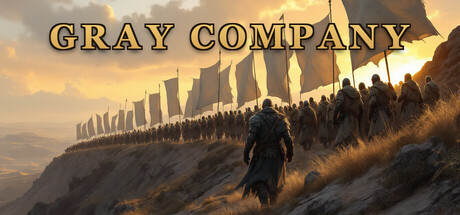 Gray Company In-game content art | Some of this game's assets were made with the assistance of generative AI tools and were reviewed, curated and hand-finished by the developer. No content is generated while you play. | Meridian Studios | - | Sep 4, 2026 | |
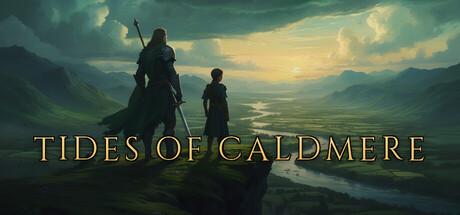 Tides of Caldmere In-game content artaudio | Some of this game's art and music assets were created with the help of generative AI tools during development.
Art: Character portraits, unit and enemy sprites, environment tiles, map decorations, and item icons were produced with the assistance of AI image-generation tools (including Retro Diffusion, PixelLab, and FLUX), then curated, edited, assembled, and integrated by the developer.
Music: Background music was generated with a licensed AI music-generation tool and edited by the developer.
All AI-assisted content is pre-generated and fixed in the shipped game — no content is generated live during gameplay. Every asset was reviewed and approved by the developer to ensure it is original to this game, does not infringe third-party intellectual property, and is appropriate for the game's audience. | Meridian Studios | - | Sep 4, 2026 | |
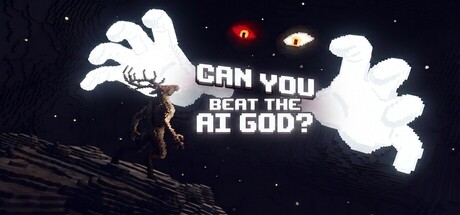 Can You Beat The AI God? In-game content arttext | We used generative AI tools (such as Claude) during development to assist with creating certain in-game assets, textures, or text elements. All AI-generated content has been reviewed, selected, and integrated by human creators into the final game. | Radaruss | - | Sep 4, 2026 | |
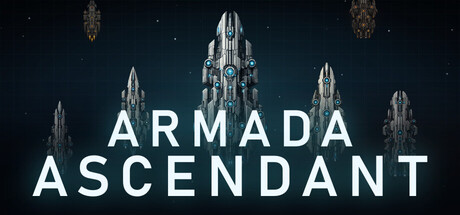 Armada Ascendant In-game content art | The ship and part artwork was generated with AI, then hand-edited and traced by me into the sprites and collision shapes the game actually uses.
Nothing generative runs while you play. There is no AI service wired into the build, and the game never calls one.
The music is licensed from real artists, and the sound effects come out of a script I wrote. Neither is AI.
I want to replace the AI art with work from real artists before Early Access ends. I am not going to promise a date for that, but it is what I am working toward. | aeronothis | - | Sep 4, 2026 | |
 DEEPWARD Store/marketing art | We used an AI diffusion tool in Krita to help create the background for the small capsule shown in search results. Our artist then worked over it with several extra layers, a bit like matte painting. For now, it's a placeholder until our artist finishes the hand-painted version of the small capsule.
The logo and the other capsule images were already hand-painted by our artist. The in-game portraits were also drawn by another artist on our team.
We have a devlog on our website about how we made the capsule artwork and hero portraits, and we'll share the full process on the Steam Community soon too.
The playtest build also includes a few placeholder assets made with AI tools in Krita. Our new UI artist is working on a new UI, so we'll be replacing those placeholders soon. As mentioned above, the hero portraits are also hand-drawn by our artist. | ECHOFALL GAMES | - | Sep 4, 2026 | |
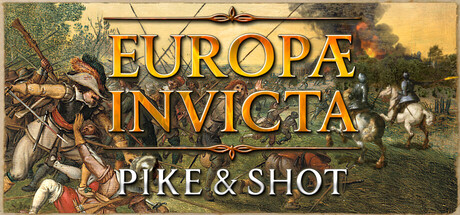 Europae Invicta: Pike and Shot In-game content textart | The text used in the game and on the Steam store page has currently been translated primarily with the assistance of AI tools.
Most of the graphical assets used in the game are based on real photographs or renders of 3D objects. However, AI-generated imagery was used in cases where no suitable real-world source material was available, or where the available material was insufficient to complete or supplement the required assets. | Puntigames | - | Sep 3, 2026 | |
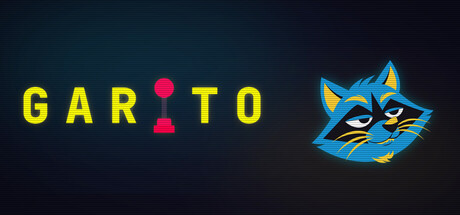 Garito In-game content art | Some 2D artwork was created with the assistance of AI image-generation tools (the mascot character portrait, generated with Recraft and then hand-edited; it appears in-game and in store artwork). All gameplay, code, design, text and audio are made by hand. The game does not use live/runtime AI generation. | Railoop | - | Sep 3, 2026 | |
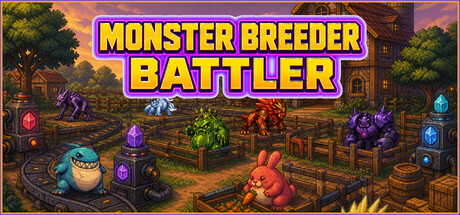 Monster Breeder Battler In-game content art | Some of this game's 2D art assets — creature, machine, prop and building sprites — were produced with the assistance of generative AI image tools during development. All generated material was reviewed, edited and hand-finished by our artists before it shipped, and it is integrated as fixed, pre-rendered art. The game does not generate any content live while you play. | ioStudios | - | Sep 3, 2026 | |
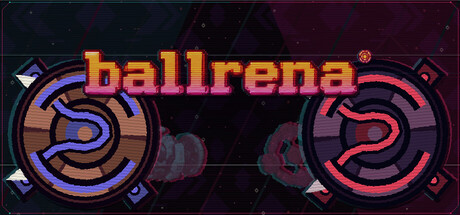 BALLRENA In-game content art | Generative AI was used during development to assist with portions of pre-generated in-game artwork and Steam store/marketing artwork. All outputs were reviewed, cleaned, composited, color-adjusted, and quality-checked by the development team. The game does not generate AI content at runtime. | vampireblackcat | - | Sep 3, 2026 | |
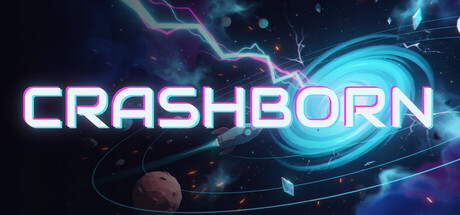 Crashborn In-game content artaudio | Some of Crashborn's art, audio and base 3D models were created with generative AI tools and edited by hand. They are placeholders being replaced with work from dedicated artists ahead of the 1.0 release. The game does not generate content at runtime. | Rukium Labs | - | Sep 3, 2026 | |
 Do you remember? In-game content artaudio | Some images and music were made with the help of AI. | Voider Games | - | Sep 3, 2026 | |
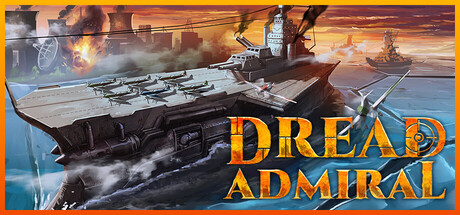 Dread Admiral In-game content text | Localization into some supported languages was created with a mix of Community members and machine generation and reviewed by the developer.
The developer is actively seeking to replace any machine-generated localization over time. | Tescrin Games | - | Sep 2, 2026 | |
 Horta Maluca In-game content artcode | Generative AI tools were used during development to assist with programming and to create some pre-generated visual assets, including icons, illustrations, and sprite artwork. All AI-assisted content was reviewed, edited, selected, and integrated by the developer. The game does not generate AI content during gameplay. | BKP STUDIO | - | Sep 1, 2026 | |
 Blood & Canvas: Bareknuckle Boxing In-game content art | Generative AI was used to assist in creating certain decorative user interface elements, and background graphics. All gameplay systems, mechanics, programming, game design, and core game content were created and curated by the development team. | Thiefcatcher Games | - | Sep 1, 2026 | |
 Scam With Your Friends Live AI text | AI powers real-time dialogue and responses from fictional in-game characters, allowing them to react dynamically to player conversations and actions. | JakeHub | - | Sep 1, 2026 | |
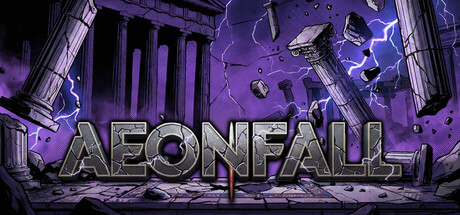 Aeonfall In-game content artaudio | As a solo game designer, bringing a video game to life is something I always dreamed of. To help realize my creative vision, I used AI tools to assist with certain aspects of development such as game backgrounds and sound effects.
It is important to note that AI was used as a starting point, not a final solution. Every asset was reviewed by hand to ensure it fits the game's world and artistic direction. The core gameplay, design, and story remain 100% created by me.
Thank you for supporting indie development! | Neuralnet LLC | - | Sep 1, 2026 | |
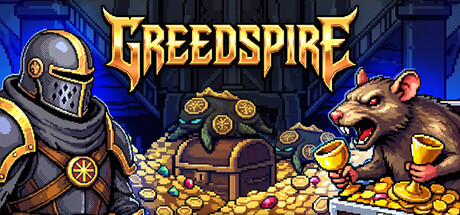 Greedspire In-game content art | Some of the game's 2D artwork, including character, enemy and boss sprites, item icons, and backgrounds, was created using generative AI tools. All such assets were individually reviewed, selected, polished and integrated by the development team. | arcanabytes | - | Aug 31, 2026 | |
 Mool: Chroma In-game content artaudiotext | ART AND AUDIO: no generative image or audio models were used. Every texture, sprite, visual effect and musical note in Mool: Chroma is generated at runtime by the game's own code. The build ships no audio files at all, and the only image files it ships are the bitmap font atlases used to draw text. The store page artwork is rendered by that same code. The code itself was written with AI assistance and reviewed by the developer.
TEXT: AI tools were used to help write text. Some in-game narrative and flavor text was drafted with AI assistance, and the game's non-English translations (Korean, Japanese, Simplified Chinese, German, French, Spanish - Latin America, Portuguese - Brazil, Russian) were AI-generated. All of it was reviewed and edited by the developer before shipping.
Nothing is generated live during gameplay. | jwl works | - | Aug 31, 2026 | |
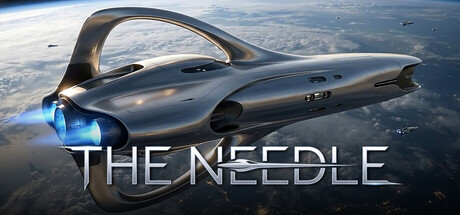 The Needle In-game content artaudio | Save Point has been in continuous development since 2021 and is, to our knowledge, the world’s first purpose-built AI-native interactive cinematic engine. The Needle uses this technology to deliver a continuously responsive cinematic experience that goes far beyond conventional branching video. AI-assisted production tools helped create portions of the game’s pre-rendered audiovisual content, with every shipped asset human-directed, reviewed, edited, and integrated. The game also offers locally processed voice controls, alongside keyboard and gamepad support. No unreviewed audiovisual content is generated and delivered to players during gameplay. The project represents tens of thousands of hours of human design, engineering, direction, editing, and testing, with AI serving as the enabling technology behind an experience an independent studio could not otherwise produce at any cost, much less a reasonable one. We didn't use AI to save money, we used it because without AI there wasn't enough money in the world to build a game like this. | Save Point LLC | - | Aug 31, 2026 | |
 Lateral Crawl In-game content audio | Lateral Crawl will launch in Early Access. The Early Access build will contain some AI-generated and developer-edited sound effects, which are planned to be replaced before the 1.0 release. | Gideon X | - | Aug 31, 2026 | |
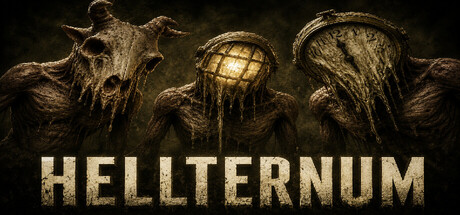 Hellternum In-game content art | Hellternum is developed by a small independent studio. Some visual elements — certain in-game illustrations, textures and marketing images — were produced with the help of generative AI tools, always under direct human art direction and edited by hand to fit the game's visual identity.
Everything else is human-made: design, writing, level design, code and audio.
We think you should know this before you play. | Weird Potro Studio | - | Aug 29, 2026 | |
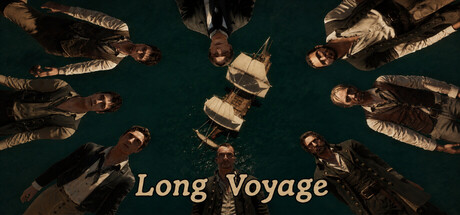 远航 Dev only artcode | Generative AI tools were used during the creation of some art assets and code. | Yuewen | - | Aug 29, 2026 | |
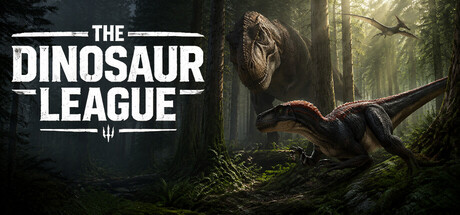 The Dinosaur League In-game content art | Some images and promotional videos were generated using AI. | Dinosaur League Game Studios | - | Aug 29, 2026 | |
 Tumble Tavern Store/marketing art | Art direction steered asset creation, SFX, store capsule artwork and the logo were produced with generative AI assistance then hand-edited. No generative AI runs at runtime; the game generates no content live. | Guildhelm Studios Ltd | - | Aug 28, 2026 | |
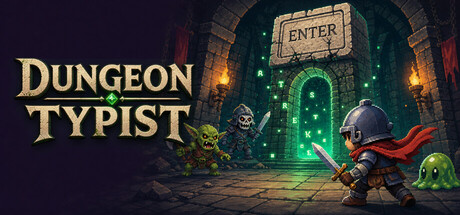 Dungeon Typist In-game content art | Generative AI was used to assist in creating a small number of icons. | IDfeng | - | Aug 28, 2026 | |
 Randventure In-game content arttext | Generative AI is used in a supplementary capacity, at two points. First, as a drafting step for some of the game's 2D illustrations: every such asset is then rebuilt through our own production pipeline — reduced to a strict 1-bit black-and-white format, curated, and animated frame by frame with in-house tools — so that it matches our art direction. Second, the game is written in French, and its translations into the eight other supported languages are AI-assisted. No generative AI runs in the game itself: all content ships fixed with the build. | Epreyn | - | Aug 28, 2026 | |
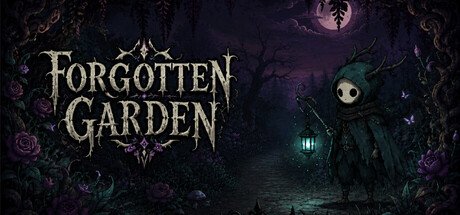 Forgotten Garden Dev only | AI tools were used in a limited way during development to assist with certain aspects of the game's creation. AI was mainly used for occasional assistance and brainstorming, while the majority of the game's design, development, artwork, and content were created and directed by the developer. | Sontex Studios | - | Aug 28, 2026 | |
 ONE LAST BEAM In-game content art | Generative AI was used to assist with the creation of selected visual assets. All final images were reviewed and edited by the developer. | Ceozen Studio | - | Aug 28, 2026 | |
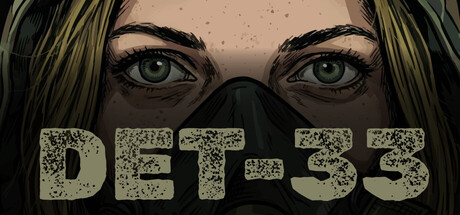 DET-33 In-game content artaudio | Some pre-rendered assets were created with generative AI tools and then curated, edited and integrated by hand: music tracks and their cover art, some sound effects and portions of 2d artwork (weapon, prop, and enemy sprites.) All generated content was reviewed by the developer before inclusion. No content is AI-generated at runtime. | Twinspear | - | Aug 28, 2026 | |
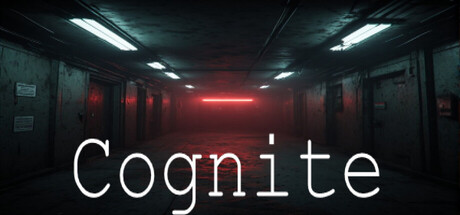 Cognite Store/marketing art | Artificial intelligence was used to create the game's cover. | Frosted Wings Studio | - | Aug 26, 2026 | |
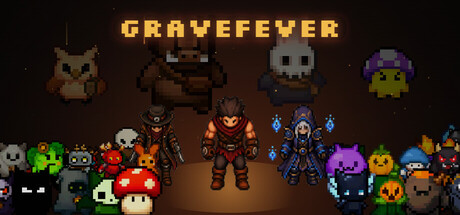 Gravefever In-game content artcode | All artwork (characters, monsters, environments, visual effects) and much of the game's code were created with generative AI tools. No content is AI-generated while the game runs. | Rinami | - | Aug 26, 2026 | |
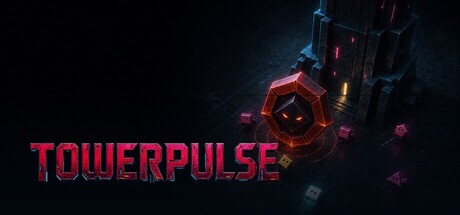 TOWERPULSE In-game content artaudio | Some pre-generated visual and audio assets used in TOWERPULSE were created with the assistance of generative AI tools during development. These assets were selected, edited, and integrated by the developer.
TOWERPULSE does not use generative AI at runtime. No player prompts, gameplay content, dialogue, or other assets are generated live while the game is running. | Greg HAT | - | Aug 26, 2026 | |
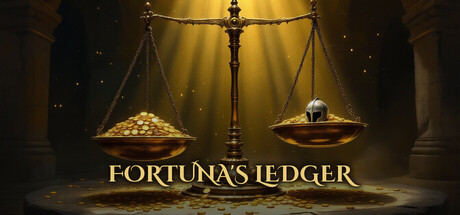 Fortuna's Ledger In-game content artaudio | Some of this game's art and audio assets were created using generative AI tools, from the studio's own prompts and under our tool licenses, then curated and edited by the team. All game code and text were written by hand. | Meridian Studios | - | Aug 25, 2026 | |
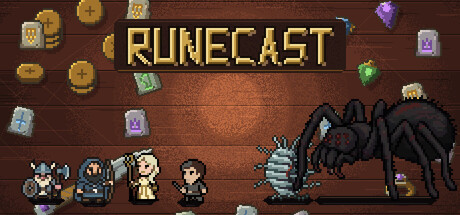 Runecast Unclear | We used Artificial Intelligence tools as an aid during development and in the creation of some game content. All AI-assisted material was personally reviewed and adjusted by our team, who were involved throughout every stage of the creative process. | Dotsmith | - | Aug 24, 2026 | |
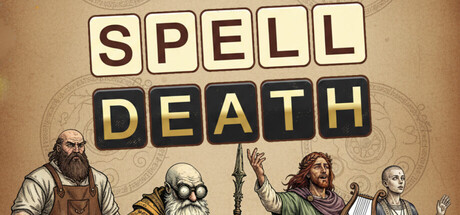 Spell Death In-game content art | Some of the art in Spell Death was generated with an image model, then selected and edited by hand. Nothing is generated while you play. | Serhat Marasligil | - | Aug 24, 2026 | |
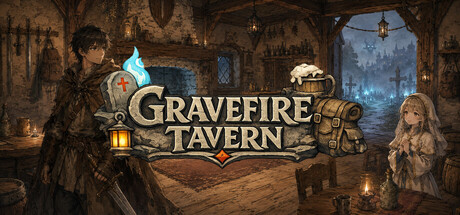 墓火酒館 In-game content artcode | This game contains pre-generated 2D artwork and source code created with ChatGPT during development. All game source code was generated with ChatGPT, then reviewed, tested, debugged, and integrated by the developer. The artwork was generated from original prompts written for Gravefire Tavern, then reviewed, selected, edited, composited, cropped, and integrated by the developer. No generative AI runs during gameplay, and no player input is sent to an AI service. | SynGameLab | - | Aug 24, 2026 | |
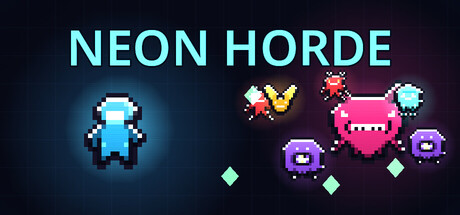 Neon Horde In-game content text | Text content only, all pre-generated during development and reviewed by the developer. AI assistance was used to write the in-game story text, the user interface translations for the 8 supported languages, the achievement names and descriptions, and the store page copy. Nothing is generated live at runtime and the game does not connect to any AI service. Art, sprites, capsule images, icons and the soundtrack are NOT AI-generated: they are produced by procedural scripts written by the developer and included in the project source. | Guilherme Henrique Amorin | - | Aug 24, 2026 | |
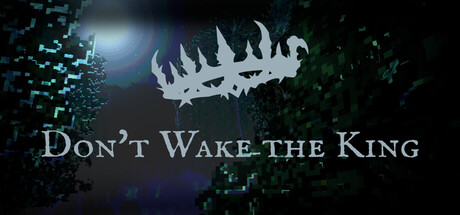 Don't Wake the King Store/marketing text | The text on this game's Steam store page was drafted with the help of generative AI and then edited by the developer. All in-game art, models, sounds and the game's logo are made by hand. No AI-generated content is produced while the game is running. | Shroudbound Studios | - | Aug 24, 2026 | |
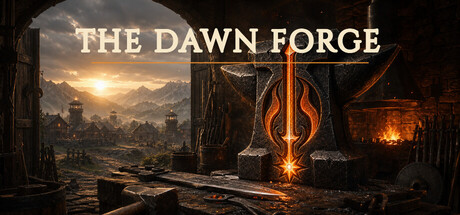 The Dawn Forge In-game content artaudio | Some of the artwork in The Dawn Forge — the item, building, unit and boss illustrations — and the spoken narration lines were created using AI image and voice tools, working from the developer's own art direction and scripts, and then composed and edited by hand. Nothing is generated while you play: the game runs entirely offline and never contacts an AI service. | Carlos | - | Aug 23, 2026 | |
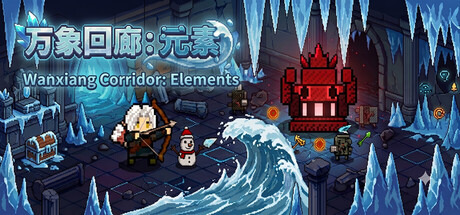 万象回廊:元素 In-game content art | Some of the store promotional materials for this game (including the cover, main key visual, and some 2D UI elements) were created with the assistance of generative AI. In-game visual effects, programming, gameplay, and all other game content were developed entirely by human developers. The game does not use generative AI during runtime, nor does it collect or upload player data. | 黄涛 | - | Aug 23, 2026 | |
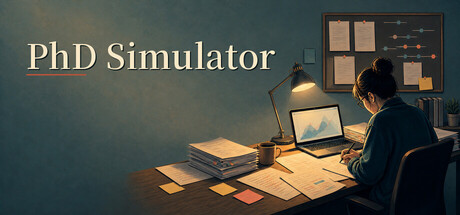 读博模拟器 Store/marketing codeart | Generative AI was used during game development to assist with programming and to create some pre-generated promotional artwork. All AI-assisted outputs were reviewed and edited by the developer before release. | Jia Games | - | Aug 23, 2026 | |
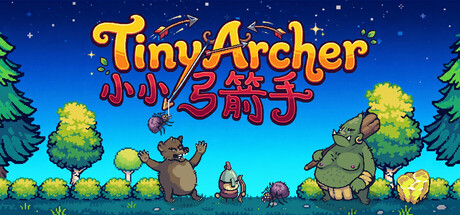 Tiny Archer In-game content art | AI processing used for some props and characters | 西云游戏 | - | Aug 23, 2026 | |
 UNDERSTAR: Dig Below, Rise Above Unclear | AI was used in development of the game | Nextgenrun games | - | Aug 22, 2026 | |
 The Ash Remembers In-game content artaudiotext | Artwork, music and parts of the text were created with AI tools and individually curated, refined and hand-fitted into the game by the developer. No AI content is generated at runtime. | Veyr Works | - | Aug 22, 2026 | |
 All Pool Player Go To Hell In-game content artaudiocode | As a solo developer, I made use of AI for generation of models and music to act as base components. These typically went through much manual editing afterwards.
Some AI was used for testing & improvements to code in some areas | John McGrath | - | Aug 22, 2026 | |
 Pray Your God! In-game content textartaudio | Generative AI was used as an assistant throughout development, and the developer reviewed and approved everything before it shipped.
It helped draft part of the in-game text, some of the marketing copy, and the scripts that generate the artwork and the audio.
No image or audio file came out of a generative model: every sprite, glyph, sound effect and music track is drawn or synthesised by deterministic code, and the same script always produces the same pixels and the same samples.
The game does not generate any content with AI while you play. | Creedr Studios | - | Aug 22, 2026 | |
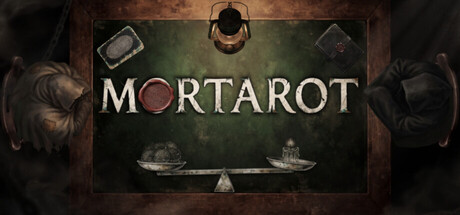 MORTAROT In-game content arttextcode | Some of MORTAROT's visual assets were created with the assistance of generative AI image tools and then edited, composited, and refined by hand by the artist. Some interface text and the English localization were drafted with AI assistance and reviewed by the team. AI coding assistants were also used during development. All AI-generated content has been reviewed to ensure that it does not contain infringing or illegal material. | Petri Games | - | Aug 22, 2026 | |
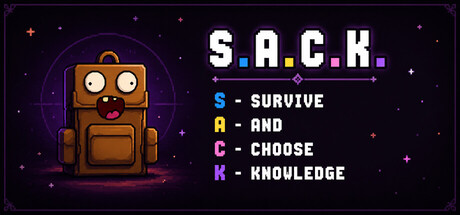 S.A.C.K. - Survive and Choose Knowledge In-game content art | This game uses generative AI to create part of its visual content. Specifically, AI tools were used as part of the graphics workflow to generate concept and source material for sprites and artwork, which were then manually reworked, adjusted, and integrated into the final game using Affinity Designer. | Christian Schilling | - | Aug 22, 2026 | |
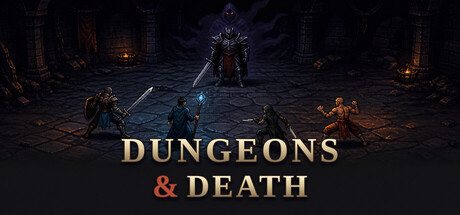 Dungeons & Death In-game content artaudiocode | Development used generative tools to assist with pre-generated pixel-art characters, environments, UI, effects and reference images (PixelLab and OpenAI image generation); pre-generated sound effects and voices (ElevenLabs); pre-generated music (Stable Audio); and portions of game code, tests and documentation (OpenAI Codex, Claude Code). Outputs were selected, edited, integrated and tested by the developer. The shipped game does not generate AI content at runtime and does not send player prompts to an AI service. | RatSlayerGames | - | Aug 20, 2026 | |
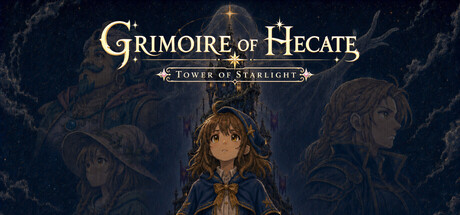 Grimoire of Hecate : Tower of Starlight In-game content arttextcode | Generative AI tools were used during development to help create and refine pre generated visual assets, text and localization, and code. All AI-assisted material included in the game was reviewed and integrated by the developer, with further editing where needed. The game does not use live generative AI and does not generate content during gameplay. | Blablah Games | - | Aug 20, 2026 |


