Public Steam disclosure research25,376 disclosures tracked
Where do games disclose AI use?
Search developers’ Steam disclosures, compare classified AI use across
games, and follow recorded changes.
This index adds cross-game classifications and statistics to
statements published on individual store pages.
Groups reflect automatic analysis of public disclosures; mature records are excluded. These counts do not measure AI use across all of Steam.
Missing or unclear statements cannot establish whether a game uses AI.
Generative AI-assisted tools were used during development for parts of localization and written marketing content. During gameplay, automated translation may be used to translate player-written chat messages between supported languages. Original player messages are written by users and are not generated by AI.
The booth announcer's voice (Chuck Baseball) is generated with ElevenLabs from a script written by the developers. AI tools also assisted with translating the game's text into Simplified Chinese, Japanese, Korean, Spanish, Brazilian Portuguese, Italian and French.
Generative AI tools were used during development to assist with some artwork, text and localization, and English announcer voice clips created using text-to-speech. This content is prepared in advance and used as fixed assets in the game or on its Steam store page. No AI-generated content is created during gameplay.
Fliprium contains visual artwork, music, and sound effects created with the assistance of generative AI tools. OpenAI image-generation tools were used for some visual assets, Suno for some music, and ElevenLabs for some sound effects. These assets were selected, edited, and integrated into the game by the developer during production
Generative AI tools may be used during development to assist in creating certain pre-generated visual, written, audio, or marketing content. All such content is reviewed and curated by the development team before inclusion. The game does not use generative AI to generate content during gameplay.
Generative AI tools were used during the development of this game to assist with creating certain visual assets, audio assets, and programming code. All AI-assisted content has been reviewed, edited, and integrated by the developer to ensure consistency with the game's artistic direction and overall quality. The game does not use generative AI to create content during gameplay.
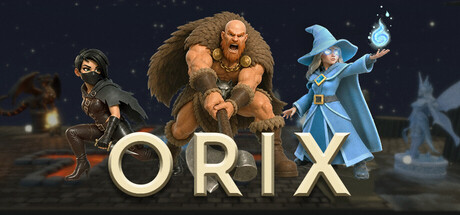
Some of the art in Orix was made with the help of generative AI. The character models were generated from AI-assisted concept art, then edited, retextured, and adjusted by hand for the game. The achievement icons were made the same way. Music and sound effects are licensed from human-made asset packs.
Nothing is generated while you play. Every asset in the game is fixed at build time and identical for every player.
Generative AI tools were used during development to assist in creating some visual artwork and image assets used in the game. All AI-assisted content was generated prior to release and was reviewed, selected, and integrated by the development team before being included in the final product. The game does not use generative AI during runtime and does not generate content dynamically for players.
Some artwork, promotional images and translations were created with generative AI. Computer players generate short photo captions through an external AI service. Players can report inappropriate captions.
We utilize generative AI tools during the development process to assist in creating certain game assets. Specifically, AI image generation is used to produce some 2D graphical assets, such as item icons, UI backgrounds, or character portraits.
This game was developed with extensive use of generative AI (Anthropic's Claude and OpenAI's GPT). The game code, the 3D models (generated by AI-written scripts), procedurally generated visuals, synthesized sound effects and music (produced by AI-written synthesis code), in-game text and translations, and the store page text and trailer were all created with AI assistance. No AI content is generated while the game is running, and the game does not connect to any external AI service.
Realm utilizes generative artificial intelligence for various assets, including artwork, and audio. Additionally, the in-game map creator suite features an integrated AI assistant to help creators realize their vision.
Some visual assets, including map backgrounds, concept art, and hero and creature models, were created with the help of AI image and 3D generation tools. The developer then edited, rigged, animated and integrated them by hand. Some text, including translations into the supported languages and store copy, was drafted with AI assistance and reviewed by the developer. The voice-over in the trailer was generated with an AI voice tool.
The game does not generate any content with AI during gameplay.
AI tools were used during development to help write the game's code (including the scripts that procedurally generate its sound effects and store art), to compose the soundtrack (melodies and arrangements written with AI assistance, rendered from our own scripts and an MIT-licensed instrument bank) and to translate its text into 10 languages. Game design, balance and visual direction are the developer's own, and all AI-assisted work was reviewed before being included. The game does not generate any AI content while you play.
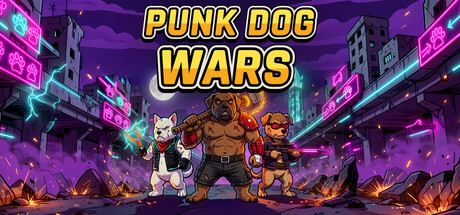
Punk Dog Wars uses AI-assisted tools during development. Character, effect and environment art, the music, and the announcer and dog voices were generated with AI models and then selected, composited and edited by our team. The store art was made the same way. No content is generated while you play.
As a solo dev, I use generative AI to help with some coding, visual and audio assets. Every AI asset was selected, refined, and directed by me. No AI content is generated when playing the game.
The game's three music tracks were generated with Suno (a generative AI tool) from prompts written for the game. The game's text and this store page were written with the help of an AI assistant, then reviewed by the team. No AI generates content while you play.
AI was used in the production of some visual assets in the game. All AI-assisted content was carefully reviewed and refined to ensure quality, consistency, and suitability for the game.
Korsaros Online uses a hybrid creative workflow combining generative AI tools with manual editing and integration for some artwork, 3D models, and music, including Steam marketing assets. These assets are reviewed before inclusion.
Generative AI tools were used during development to assist with the creation of selected visual assets, concept artwork, and development content. AI-assisted programming tools were also used during development. All content included in the final game is reviewed, selected, edited, and integrated by the development team. The game does not generate AI content during gameplay.
AI tools were used during development to create some sound effects and voice audio, and to assist with store-page text. These assets and text are prepared in advance.
Generative AI tools were used during development to assist with the creation of certain 2D visual assets, animations and sound effects. AI tools were also used as development assistance for programming and implementation. All generated content was reviewed and curated by the developer before inclusion in the final game.
Three non-playable characters, the Celestial narrator and the antagonists Vexaroth and Valdris, are voiced with AI-generated voices. All playable characters are voiced by human actors. A small number of sound effects were also created with AI tools. No content is generated by AI while you play.
Asharven's code, in-game text, logo and store text were created with the help of AI tools and reviewed by the developer. 3D models, animations, textures, icons, effects and music are licensed assets made by people. The game does not generate content with AI while it is running.
Generative AI was used to assist with writing and translating in-game text and Steam store page descriptions. It was not used to generate artwork, music, sound effects, voice acting, or promotional visuals.
I’m developing FlyFuture as a solo developer and use AI tools to assist with troubleshooting, programming, design, and optimization. On top of this, there will be planes in the future that are commandable through OpenAi's Speech to command functions...similar to now and not so far future aerial combat usage of unmanned wingman jets.
I don’t agree with many of the ways AI is being used, and I understand why people have concerns about it. I believe AI should should be used as a tool and not to take over entire workloads, replace creative judgment, or become a shortcut for producing unoriginal work. Used thoughtfully, though, I think it can be a valuable tool...which is how I use it.
Some content in this game was created with the help of generative AI during development.
- Drafts of in-game text such as news articles, interviews and guidance messages
- Translations into languages other than Korean
- Some graphic elements, such as karts and maps
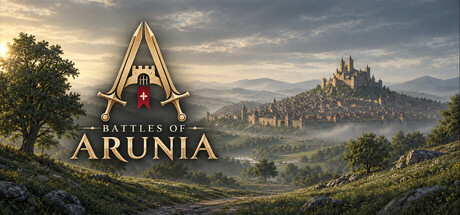
Battles of Arunia uses AI-generated artwork created during development, including card illustrations, character portraits, backgrounds and interface artwork. We plan to replace some placeholder artwork during Early Access, including through voluntary community contributions used with permission. The game does not generate AI content during gameplay.
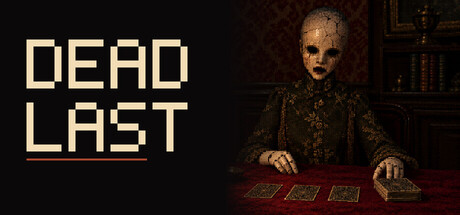
Some visual and audio assets were generated with AI tools during development and edited for use in Dead Last. No AI content is generated during gameplay.
Some assets in this game were created with generative AI during development: 3D models of characters and props (including some of their animations), and images such as textures and illustrations. All of them were selected and adjusted by the developers before being used in the game. No content is generated by AI while the game is running.
Generative AI was used during development for the following:
- Music: The background music was created with an AI music generation tool (Suno).
- Word definitions: The definitions shown in the game were written with the assistance of AI, using the public dictionary data JMdict as a reference, and were reviewed and corrected by the developer.
- Programming: AI was used as a development aid.
No content is generated by AI during gameplay. All puzzles, word data, and visuals are pre-made.
AI tools were used during development to assist in creating and iterating on some pre-generated assets. These assets were subsequently selected, edited, integrated, and reviewed by the developers before inclusion in the game. The game does not generate AI content during gameplay.
Generative AI tools were used during development to create some in-game artwork and sound effects, as well as some store and promotional visual assets. Generative AI also assisted with drafting store descriptions and translating them into English. This content is pre-generated. The game does not generate AI content or connect to external generative AI services during gameplay.
Generative AI was used as a tool during production. AI assisted with portions of the game's script writing, some of the original music (vocal music only), voice production, and some images used in the game and store materials. All AI-generated content was reviewed, edited, integrated, and approved by the developer before inclusion in the final product.
Generative AI-assisted tools were used during development for parts of localization and written marketing content. During gameplay, automated translation may be used to translate player-written chat messages between supported languages. Original player messages are written by users and are not generated by AI.
The booth announcer's voice (Chuck Baseball) is generated with ElevenLabs from a script written by the developers. AI tools also assisted with translating the game's text into Simplified Chinese, Japanese, Korean, Spanish, Brazilian Portuguese, Italian and French.
Generative AI tools were used during development to assist with some artwork, text and localization, and English announcer voice clips created using text-to-speech. This content is prepared in advance and used as fixed assets in the game or on its Steam store page. No AI-generated content is created during gameplay.
Fliprium contains visual artwork, music, and sound effects created with the assistance of generative AI tools. OpenAI image-generation tools were used for some visual assets, Suno for some music, and ElevenLabs for some sound effects. These assets were selected, edited, and integrated into the game by the developer during production
Generative AI tools may be used during development to assist in creating certain pre-generated visual, written, audio, or marketing content. All such content is reviewed and curated by the development team before inclusion. The game does not use generative AI to generate content during gameplay.
Generative AI tools were used during the development of this game to assist with creating certain visual assets, audio assets, and programming code. All AI-assisted content has been reviewed, edited, and integrated by the developer to ensure consistency with the game's artistic direction and overall quality. The game does not use generative AI to create content during gameplay.
Some of the art in Orix was made with the help of generative AI. The character models were generated from AI-assisted concept art, then edited, retextured, and adjusted by hand for the game. The achievement icons were made the same way. Music and sound effects are licensed from human-made asset packs.
Nothing is generated while you play. Every asset in the game is fixed at build time and identical for every player.
Generative AI tools were used during development to assist in creating some visual artwork and image assets used in the game. All AI-assisted content was generated prior to release and was reviewed, selected, and integrated by the development team before being included in the final product. The game does not use generative AI during runtime and does not generate content dynamically for players.
Some artwork, promotional images and translations were created with generative AI. Computer players generate short photo captions through an external AI service. Players can report inappropriate captions.
We utilize generative AI tools during the development process to assist in creating certain game assets. Specifically, AI image generation is used to produce some 2D graphical assets, such as item icons, UI backgrounds, or character portraits.
This game was developed with extensive use of generative AI (Anthropic's Claude and OpenAI's GPT). The game code, the 3D models (generated by AI-written scripts), procedurally generated visuals, synthesized sound effects and music (produced by AI-written synthesis code), in-game text and translations, and the store page text and trailer were all created with AI assistance. No AI content is generated while the game is running, and the game does not connect to any external AI service.
Realm utilizes generative artificial intelligence for various assets, including artwork, and audio. Additionally, the in-game map creator suite features an integrated AI assistant to help creators realize their vision.
Some visual assets, including map backgrounds, concept art, and hero and creature models, were created with the help of AI image and 3D generation tools. The developer then edited, rigged, animated and integrated them by hand. Some text, including translations into the supported languages and store copy, was drafted with AI assistance and reviewed by the developer. The voice-over in the trailer was generated with an AI voice tool.
The game does not generate any content with AI during gameplay.
AI tools were used during development to help write the game's code (including the scripts that procedurally generate its sound effects and store art), to compose the soundtrack (melodies and arrangements written with AI assistance, rendered from our own scripts and an MIT-licensed instrument bank) and to translate its text into 10 languages. Game design, balance and visual direction are the developer's own, and all AI-assisted work was reviewed before being included. The game does not generate any AI content while you play.
Punk Dog Wars uses AI-assisted tools during development. Character, effect and environment art, the music, and the announcer and dog voices were generated with AI models and then selected, composited and edited by our team. The store art was made the same way. No content is generated while you play.
As a solo dev, I use generative AI to help with some coding, visual and audio assets. Every AI asset was selected, refined, and directed by me. No AI content is generated when playing the game.
The game's three music tracks were generated with Suno (a generative AI tool) from prompts written for the game. The game's text and this store page were written with the help of an AI assistant, then reviewed by the team. No AI generates content while you play.
AI was used in the production of some visual assets in the game. All AI-assisted content was carefully reviewed and refined to ensure quality, consistency, and suitability for the game.
Korsaros Online uses a hybrid creative workflow combining generative AI tools with manual editing and integration for some artwork, 3D models, and music, including Steam marketing assets. These assets are reviewed before inclusion.
Generative AI tools were used during development to assist with the creation of selected visual assets, concept artwork, and development content. AI-assisted programming tools were also used during development. All content included in the final game is reviewed, selected, edited, and integrated by the development team. The game does not generate AI content during gameplay.
AI tools were used during development to create some sound effects and voice audio, and to assist with store-page text. These assets and text are prepared in advance.
Generative AI tools were used during development to assist with the creation of certain 2D visual assets, animations and sound effects. AI tools were also used as development assistance for programming and implementation. All generated content was reviewed and curated by the developer before inclusion in the final game.
Three non-playable characters, the Celestial narrator and the antagonists Vexaroth and Valdris, are voiced with AI-generated voices. All playable characters are voiced by human actors. A small number of sound effects were also created with AI tools. No content is generated by AI while you play.
Asharven's code, in-game text, logo and store text were created with the help of AI tools and reviewed by the developer. 3D models, animations, textures, icons, effects and music are licensed assets made by people. The game does not generate content with AI while it is running.
Generative AI was used to assist with writing and translating in-game text and Steam store page descriptions. It was not used to generate artwork, music, sound effects, voice acting, or promotional visuals.
I’m developing FlyFuture as a solo developer and use AI tools to assist with troubleshooting, programming, design, and optimization. On top of this, there will be planes in the future that are commandable through OpenAi's Speech to command functions...similar to now and not so far future aerial combat usage of unmanned wingman jets.
I don’t agree with many of the ways AI is being used, and I understand why people have concerns about it. I believe AI should should be used as a tool and not to take over entire workloads, replace creative judgment, or become a shortcut for producing unoriginal work. Used thoughtfully, though, I think it can be a valuable tool...which is how I use it.
Some content in this game was created with the help of generative AI during development.
- Drafts of in-game text such as news articles, interviews and guidance messages
- Translations into languages other than Korean
- Some graphic elements, such as karts and maps
Battles of Arunia uses AI-generated artwork created during development, including card illustrations, character portraits, backgrounds and interface artwork. We plan to replace some placeholder artwork during Early Access, including through voluntary community contributions used with permission. The game does not generate AI content during gameplay.
Some visual and audio assets were generated with AI tools during development and edited for use in Dead Last. No AI content is generated during gameplay.
Some assets in this game were created with generative AI during development: 3D models of characters and props (including some of their animations), and images such as textures and illustrations. All of them were selected and adjusted by the developers before being used in the game. No content is generated by AI while the game is running.
Generative AI was used during development for the following:
- Music: The background music was created with an AI music generation tool (Suno).
- Word definitions: The definitions shown in the game were written with the assistance of AI, using the public dictionary data JMdict as a reference, and were reviewed and corrected by the developer.
- Programming: AI was used as a development aid.
No content is generated by AI during gameplay. All puzzles, word data, and visuals are pre-made.
AI tools were used during development to assist in creating and iterating on some pre-generated assets. These assets were subsequently selected, edited, integrated, and reviewed by the developers before inclusion in the game. The game does not generate AI content during gameplay.
Generative AI tools were used during development to create some in-game artwork and sound effects, as well as some store and promotional visual assets. Generative AI also assisted with drafting store descriptions and translating them into English. This content is pre-generated. The game does not generate AI content or connect to external generative AI services during gameplay.
Generative AI was used as a tool during production. AI assisted with portions of the game's script writing, some of the original music (vocal music only), voice production, and some images used in the game and store materials. All AI-generated content was reviewed, edited, integrated, and approved by the developer before inclusion in the final product.