Public Steam disclosure research25,376 disclosures tracked
Where do games disclose AI use?
Search developers’ Steam disclosures, compare classified AI use across
games, and follow recorded changes.
This index adds cross-game classifications and statistics to
statements published on individual store pages.
Groups reflect automatic analysis of public disclosures; mature records are excluded. These counts do not measure AI use across all of Steam.
Missing or unclear statements cannot establish whether a game uses AI.
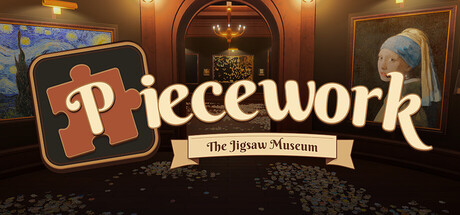
The altered paintings ("forgeries") were made by editing public-domain museum scans with generative AI image tools. Each one was reviewed by hand, colour-matched to its original scan and, where possible, composited back onto that scan so that only the altered detail differs. Some in-game English text (the questions that appear beside the paintings) and parts of this store description were drafted with an AI writing assistant and edited by the developer. The capsule art and screenshots are frames rendered by the game itself; the capsule art shows one of the AI-edited paintings. Nothing is generated by AI while the game runs.
Some of this game's content was created with the help of generative AI tools during development:
- Artwork: some of the visual art in the game.
- Text: parts of the in-game writing, and the Simplified Chinese translation.
- Audio: a small number of sound effects. Most of the game's sound was made without AI.
Nothing is generated by AI while you play.
After a talk, audience questions are generated at runtime by a small open-weight language model (Qwen3) running locally on the player's computer, based on a transcript of what the player just said. Speech-to-text also runs locally (whisper.cpp). Nothing is sent to any server.
Generative AI tools were used during development to assist in the creation of some visual and 3D assets. All generated content was reviewed, edited, and integrated by the developer.
We used AI as a supporting tool to translate and proofread the in-game text. Every translation was reviewed and adjusted by our team before it went into the game.
Powered by some of the most advanced chess engines ever created. It also uses two neural networks to recognize chess positions directly from game diagrams, turning images into playable positions in seconds.
Generative AI is used to story board, code, analyze code, analyze performance, create thumbnails and many basic tasks like that to speed up workflows. We pay human artists for things like zombies, guns, props, static meshes etc.
AI-generated content is used exclusively for promotional/store
library imagery (e.g. store capsule and library artwork). No
in-game assets — textures, models, environments, weapons, or
character art used during gameplay — are AI-generated. All
gameplay-facing art is sourced from licensed marketplace asset
packs or created manually.
Generative AI tools were used to assist with the creation and refinement of some pre-generated 3D assets and localization. All AI-assisted content was reviewed, edited, and integrated by the developer. The game does not use generative AI to create content during gameplay.
Generative AI was used during development as an assistive tool for code prototyping and localization, and to create some pre-generated visual content, including fictional patient photographs used as environmental and narrative elements in the game. AI-generated concept art is used only as internal visual reference and is not included as game assets.
All AI-generated content included in the game is pre-generated. No generative AI runs during gameplay. Final level design, asset placement, gameplay systems, narrative implementation, and asset integration are created and assembled by the developer.
Generative AI tools were used during development to assist with the creation of some 2D visual assets and development-related content. All AI-assisted content is reviewed and integrated by the development team.
Generative AI tools were used during development to help create content in this game. This includes artwork (such as player portraits and promotional art) and the game's music soundtrack, which was generated with AI music tools under a commercial licence. The store page trailer includes gameplay stills that were animated using an AI video tool. All AI-assisted content was selected, reviewed and edited by the developer. The game does not generate any AI content while you play.
Pre-generated generative AI tools were used during development to assist with some UI assets, text, and localization. All AI-assisted content was reviewed and edited by the developer before inclusion in the game or store materials. No generative AI is used at runtime.
Generative AI was used to create three pre-generated images used in the game: the splash screen, loading screen, and main menu background. No other game content was generated using AI, and the game does not generate AI content during gameplay.
Pre-generated AI was used to assist in creating the game's logo, some 2D UI elements (HUD icons), and the background music for the promotional teaser (using Soundraw). The game's code, 3D assets, core mechanics, and level design are developed without generative AI.
Artificial intelligence has been used to create localisations in languages other than Polish and English.
If you spot any errors in the translation, please let us know on our Steam discussion forums so that we can correct them!
Whilst working on the game in Early Access, we occasionally use AI technology to generate a small number of missing graphical elements in order to speed up game updates.
This is a temporary solution, and we will replace all generated images by the time the full version of the game is released.
Some 3D props and textures in this game were created with the help of generative AI tools during development. Every generated asset was then reviewed, edited, retextured and integrated by hand, and anything that did not meet our quality bar was rebuilt or discarded. All gameplay, code, level design, systems and written text are human-made. The game does not generate any content with AI while you play.
Generative AI was used with human review to assist with portions of the store page text, promotional artwork, and illustrative building blueprint previews. These illustrations are development artwork; actual gameplay appearance may vary. During gameplay, a locally running language model generates text responses in the AI OS tablet and robot chat interfaces. Robot gathering and construction actions use programmed game systems. The language model runs on the player’s computer and does not require an external third-party AI service.
This game's marketing materials include AI-generated voice narration created with ElevenLabs. The game itself does not use live-generated AI, and gameplay content is not generated by AI.
We currently use generative AI-assisted tools during development to create some pre-generated visual content.
The capsule artwork on the Steam store page is currently AI-assisted and is intended to be replaced before release. We also use Kimodo as an aid in generating and refining character animations used in the game.
The game does not generate AI content during gameplay and does not connect to external AI services while running.
Some store page promotional images and capsule artwork were created with generative AI. All in-game assets, models and UI graphics are manually created by the development team. No AI-generated content will be produced during gameplay.
Generative AI was used to assist in the creation of some promotional and marketing materials (such as key art).
All in-game content, gameplay, and screenshots are created without the use of generative AI.
Generative AI tools were used during development to assist with the creation and refinement of some game content and assets. All AI-assisted content was reviewed and integrated by the development team before being included in the game.
Artwork, video and voice performances in this game were created with generative-AI tools and selected and edited by the author; the writing was drafted with AI assistance and reviewed by the author. Nothing is generated while you play.
The altered paintings ("forgeries") were made by editing public-domain museum scans with generative AI image tools. Each one was reviewed by hand, colour-matched to its original scan and, where possible, composited back onto that scan so that only the altered detail differs. Some in-game English text (the questions that appear beside the paintings) and parts of this store description were drafted with an AI writing assistant and edited by the developer. The capsule art and screenshots are frames rendered by the game itself; the capsule art shows one of the AI-edited paintings. Nothing is generated by AI while the game runs.
Some of this game's content was created with the help of generative AI tools during development:
- Artwork: some of the visual art in the game.
- Text: parts of the in-game writing, and the Simplified Chinese translation.
- Audio: a small number of sound effects. Most of the game's sound was made without AI.
Nothing is generated by AI while you play.
After a talk, audience questions are generated at runtime by a small open-weight language model (Qwen3) running locally on the player's computer, based on a transcript of what the player just said. Speech-to-text also runs locally (whisper.cpp). Nothing is sent to any server.
Generative AI tools were used during development to assist in the creation of some visual and 3D assets. All generated content was reviewed, edited, and integrated by the developer.
We used AI as a supporting tool to translate and proofread the in-game text. Every translation was reviewed and adjusted by our team before it went into the game.
Powered by some of the most advanced chess engines ever created. It also uses two neural networks to recognize chess positions directly from game diagrams, turning images into playable positions in seconds.
Generative AI is used to story board, code, analyze code, analyze performance, create thumbnails and many basic tasks like that to speed up workflows. We pay human artists for things like zombies, guns, props, static meshes etc.
AI-generated content is used exclusively for promotional/store
library imagery (e.g. store capsule and library artwork). No
in-game assets — textures, models, environments, weapons, or
character art used during gameplay — are AI-generated. All
gameplay-facing art is sourced from licensed marketplace asset
packs or created manually.
Generative AI tools were used to assist with the creation and refinement of some pre-generated 3D assets and localization. All AI-assisted content was reviewed, edited, and integrated by the developer. The game does not use generative AI to create content during gameplay.
Generative AI was used during development as an assistive tool for code prototyping and localization, and to create some pre-generated visual content, including fictional patient photographs used as environmental and narrative elements in the game. AI-generated concept art is used only as internal visual reference and is not included as game assets.
All AI-generated content included in the game is pre-generated. No generative AI runs during gameplay. Final level design, asset placement, gameplay systems, narrative implementation, and asset integration are created and assembled by the developer.
Generative AI tools were used during development to assist with the creation of some 2D visual assets and development-related content. All AI-assisted content is reviewed and integrated by the development team.
Generative AI tools were used during development to help create content in this game. This includes artwork (such as player portraits and promotional art) and the game's music soundtrack, which was generated with AI music tools under a commercial licence. The store page trailer includes gameplay stills that were animated using an AI video tool. All AI-assisted content was selected, reviewed and edited by the developer. The game does not generate any AI content while you play.
Pre-generated generative AI tools were used during development to assist with some UI assets, text, and localization. All AI-assisted content was reviewed and edited by the developer before inclusion in the game or store materials. No generative AI is used at runtime.
Generative AI was used to create three pre-generated images used in the game: the splash screen, loading screen, and main menu background. No other game content was generated using AI, and the game does not generate AI content during gameplay.
Pre-generated AI was used to assist in creating the game's logo, some 2D UI elements (HUD icons), and the background music for the promotional teaser (using Soundraw). The game's code, 3D assets, core mechanics, and level design are developed without generative AI.
Artificial intelligence has been used to create localisations in languages other than Polish and English.
If you spot any errors in the translation, please let us know on our Steam discussion forums so that we can correct them!
Whilst working on the game in Early Access, we occasionally use AI technology to generate a small number of missing graphical elements in order to speed up game updates.
This is a temporary solution, and we will replace all generated images by the time the full version of the game is released.
Some 3D props and textures in this game were created with the help of generative AI tools during development. Every generated asset was then reviewed, edited, retextured and integrated by hand, and anything that did not meet our quality bar was rebuilt or discarded. All gameplay, code, level design, systems and written text are human-made. The game does not generate any content with AI while you play.
Generative AI was used with human review to assist with portions of the store page text, promotional artwork, and illustrative building blueprint previews. These illustrations are development artwork; actual gameplay appearance may vary. During gameplay, a locally running language model generates text responses in the AI OS tablet and robot chat interfaces. Robot gathering and construction actions use programmed game systems. The language model runs on the player’s computer and does not require an external third-party AI service.
This game's marketing materials include AI-generated voice narration created with ElevenLabs. The game itself does not use live-generated AI, and gameplay content is not generated by AI.
We currently use generative AI-assisted tools during development to create some pre-generated visual content.
The capsule artwork on the Steam store page is currently AI-assisted and is intended to be replaced before release. We also use Kimodo as an aid in generating and refining character animations used in the game.
The game does not generate AI content during gameplay and does not connect to external AI services while running.
Some store page promotional images and capsule artwork were created with generative AI. All in-game assets, models and UI graphics are manually created by the development team. No AI-generated content will be produced during gameplay.
Generative AI was used to assist in the creation of some promotional and marketing materials (such as key art).
All in-game content, gameplay, and screenshots are created without the use of generative AI.
Generative AI tools were used during development to assist with the creation and refinement of some game content and assets. All AI-assisted content was reviewed and integrated by the development team before being included in the game.
Artwork, video and voice performances in this game were created with generative-AI tools and selected and edited by the author; the writing was drafted with AI assistance and reviewed by the author. Nothing is generated while you play.