Public Steam disclosure research25,376 disclosures tracked
Where do games disclose AI use?
Search developers’ Steam disclosures, compare classified AI use across
games, and follow recorded changes.
This index adds cross-game classifications and statistics to
statements published on individual store pages.
Groups reflect automatic analysis of public disclosures; mature records are excluded. These counts do not measure AI use across all of Steam.
Missing or unclear statements cannot establish whether a game uses AI.
AI tools were used to assist with programming and to generate some promotional artwork and marketing materials. The game does not generate AI content during gameplay or connect to external AI services.
Pre-generated content: Parts of the pixel art in this game were created with the AI tool PixelLab – including enemy characters and their animations, the modified boss creatures (based on licensed CC BY 4.0 dinosaur sprites), world backgrounds, story cutscene images, item and skill icons, and the logo emblem. In-game text and the English translation were written with the help of an AI language model and reviewed by hand. All music and sound effects are licensed and not AI-generated. The game does not generate any content with AI while you play. Some characters and their animation frames were subsequently redrawn or refined using OpenAI ImageGen during development.
Some pre-made content was created with the help of generative AI tools and then edited by our team: parts of the key art and logo, some 3D models, some UI/ability icons, and some character voice lines. AI coding assistants were also used during development. Gameplay design and level design were done by the developers. The game does not generate any AI content live during gameplay.
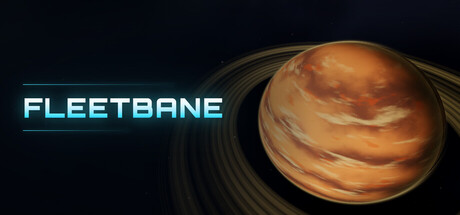
FleetBane was created by a solo developer with assistance from generative AI tools. During development, these tools helped create and refine some visual assets, music, and written game content. All AI-assisted material was reviewed, selected, edited, polished, or substantially reworked by the developer before being integrated into the game. FleetBane does not use generative AI during gameplay and does not send player input or data to any AI service.
Hold My Cargo is made by a three-person team at Favera Studio. Like many small studios, we use AI-assisted tools as part of our production pipeline — for exploring concepts and marketing artwork, speeding up parts of 3D asset, animation and texture work, drafting text and running automated testing. Every asset, animation and line of text that ships in the game is directed, reviewed, edited and approved by the team; nothing goes in unseen. The game does not generate any content at runtime — there is no live AI in Hold My Cargo, and no player data is sent to AI services.
Some sprites, event card illustrations, background music and sound effects were created with locally-run generative AI models (Stable Diffusion XL, ACE-Step, Stable Audio Open) and then edited by the developer. No generative AI is used while the game is running.
Some of the game's artwork was created with the help of AI image tools, and was then chosen, edited and placed by the developer. AI tools were also used to help translate the game's text into French, German, Spanish, Portuguese and Chinese. Nothing is generated while you play.
AI tools assisted the creation or processing of some backgrounds, title illustrations, upgrade-card artwork and localized text during development. These assets are prepared in advance. The game does not call generative AI services at runtime.
Lethal Geometry's written content and level design were made with generative AI assistance: the in-game text, the upgrade and milestone descriptions, the map hints, the layout and waves of the maps, and this store page.
Nothing you see or hear is generated by an AI model. The board, the interface and the icons are drawn by the game's own code, so the build contains no image files, and every sound effect is synthesised by a script from mathematical waveforms. Nothing is generated while you play: there is no AI model in the game and no calls out to one.
CS
Generative AI was used during development to create visual art, sound effects, music, and text/localization, including store and marketing assets. These assets were reviewed, selected, and integrated by the developer. The game does not generate AI content during gameplay.
Generative AI was used to help create some of the promotional artwork and marketing images displayed on Station 12’s Steam store page.
These images are promotional illustrations and are a good representation of the in-game visuals.
Some of the store page description was drafted with generative AI writing assistance and then reviewed and edited by the developer. This game does not use generative AI to create content during gameplay.
The original story was written by a human author. AI was used to write AI speech in the game. It was also used in localization as a supportive tool. We gladly work with the community to bring the game to more languages.
Store page and marketing: the main capsule art was composed and rendered by the developer from in-game models, with generative AI used to repaint parts of the background (landscape, sky and lighting), then corrected by hand. Some promotional videos use an AI-generated voiceover.
The operator portraits in-game are procedurally drawn, but their designs were based on AI-generated reference art. The full body operators in the promo images were also AI-generated.
Pre-generated content only; nothing is generated while the game runs.
- Localization: the game and store page were translated into 9 languages (Portuguese, Spanish, French, German, Polish, Russian, Japanese, Korean, Simplified Chinese) with AI assistance.
- Writing: story, tutorial and store text were drafted with AI assistance and edited and approved by the developer.
- Visuals are drawn procedurally by the game's own code; no AI image generators were used. Sound effects and music are licensed CC0 recordings chosen by the developer.
Generative AI was used during development to create visual assets, music and sound effects, and in-game text and translations. The game does not generate AI content during gameplay or connect to external AI services.
Generative AI tools were used during development to create pre-generated character voices, music, and store artwork, and to assist with writing. These assets are prepared in advance. The game does not generate AI content or connect to third-party AI services during gameplay.
Generative AI-assisted tools were used during development to support the creation and refinement of some pre-generated visual assets. No AI content is generated during gameplay.
Some 3D models, illustrations and music in the current version were created with the help of generative AI tools and then edited and integrated by our team. They are placeholders: we are replacing them with work by human artists as development continues.
Some of the game's pre-rendered assets were created with generative AI tools during development and then reviewed, edited and integrated by the developer: parts of the pixel art, parts of the sound effects, and the translations from the English original. Nothing is generated while you play: the game uses no AI at runtime and collects no player data for AI training.
The background music in this game was created using generative AI. Generative AI was also used for the translations into the nine languages other than Korean, and for the achievement icons. The game design, the original Korean writing, and the character pixel art are human-made.
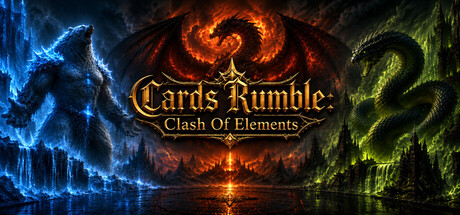
Cards Rumble: Clash Of Elements uses generative AI tools during development to help create some of the game's card artwork and illustrations, as well as some of its music, sound effects, and voice lines. All AI-assisted content was reviewed, edited, and refined by our team before being included in the game. No content is generated by AI while you play.
Generative AI was used during development to create 3D models, music, sound effects, and promotional artwork, and to assist with localization, store-page text, and the implementation of game logic and code. This content and code are prepared during development. The game does not generate content or code using AI or connect to external AI services during gameplay.
Generative AI was used to assist with portions of the Steam store page text, promotional image editing, and the creation of some in-game artwork. All AI-assisted content was reviewed and edited by the development team before inclusion in the game.
Generative AI tools were used to create some pre-generated visual assets for the game and its Steam store materials. All outputs were reviewed and edited by the developer. The game does not generate content during gameplay.
AI tools were used to assist in creating selected promotional store assets and game assets. These materials were or will be later edited, refined, and finalized by human creators.
During development we use AI assistance in certain tasks, such as generative fill to extend artist drawn artwork. All major art has been drawn by human artists.
The game has optional computer generated voice overs.
Generative AI tools were used during development to create portions of the artwork, character and environment assets, cinematic visuals, music, sound effects, voice recordings, text, localization, and store marketing materials. These assets are prepared in advance and incorporated into the game by Keke Studio. The game does not generate AI content or connect to third-party generative AI services during gameplay.
AI tools were used to assist with programming and to generate some promotional artwork and marketing materials. The game does not generate AI content during gameplay or connect to external AI services.
Pre-generated content: Parts of the pixel art in this game were created with the AI tool PixelLab – including enemy characters and their animations, the modified boss creatures (based on licensed CC BY 4.0 dinosaur sprites), world backgrounds, story cutscene images, item and skill icons, and the logo emblem. In-game text and the English translation were written with the help of an AI language model and reviewed by hand. All music and sound effects are licensed and not AI-generated. The game does not generate any content with AI while you play. Some characters and their animation frames were subsequently redrawn or refined using OpenAI ImageGen during development.
Some pre-made content was created with the help of generative AI tools and then edited by our team: parts of the key art and logo, some 3D models, some UI/ability icons, and some character voice lines. AI coding assistants were also used during development. Gameplay design and level design were done by the developers. The game does not generate any AI content live during gameplay.
FleetBane was created by a solo developer with assistance from generative AI tools. During development, these tools helped create and refine some visual assets, music, and written game content. All AI-assisted material was reviewed, selected, edited, polished, or substantially reworked by the developer before being integrated into the game. FleetBane does not use generative AI during gameplay and does not send player input or data to any AI service.
Hold My Cargo is made by a three-person team at Favera Studio. Like many small studios, we use AI-assisted tools as part of our production pipeline — for exploring concepts and marketing artwork, speeding up parts of 3D asset, animation and texture work, drafting text and running automated testing. Every asset, animation and line of text that ships in the game is directed, reviewed, edited and approved by the team; nothing goes in unseen. The game does not generate any content at runtime — there is no live AI in Hold My Cargo, and no player data is sent to AI services.
Some sprites, event card illustrations, background music and sound effects were created with locally-run generative AI models (Stable Diffusion XL, ACE-Step, Stable Audio Open) and then edited by the developer. No generative AI is used while the game is running.
Some of the game's artwork was created with the help of AI image tools, and was then chosen, edited and placed by the developer. AI tools were also used to help translate the game's text into French, German, Spanish, Portuguese and Chinese. Nothing is generated while you play.
AI tools assisted the creation or processing of some backgrounds, title illustrations, upgrade-card artwork and localized text during development. These assets are prepared in advance. The game does not call generative AI services at runtime.
Lethal Geometry's written content and level design were made with generative AI assistance: the in-game text, the upgrade and milestone descriptions, the map hints, the layout and waves of the maps, and this store page.
Nothing you see or hear is generated by an AI model. The board, the interface and the icons are drawn by the game's own code, so the build contains no image files, and every sound effect is synthesised by a script from mathematical waveforms. Nothing is generated while you play: there is no AI model in the game and no calls out to one.
CS
Generative AI was used during development to create visual art, sound effects, music, and text/localization, including store and marketing assets. These assets were reviewed, selected, and integrated by the developer. The game does not generate AI content during gameplay.
Generative AI was used to help create some of the promotional artwork and marketing images displayed on Station 12’s Steam store page.
These images are promotional illustrations and are a good representation of the in-game visuals.
Some of the store page description was drafted with generative AI writing assistance and then reviewed and edited by the developer. This game does not use generative AI to create content during gameplay.
The original story was written by a human author. AI was used to write AI speech in the game. It was also used in localization as a supportive tool. We gladly work with the community to bring the game to more languages.
Store page and marketing: the main capsule art was composed and rendered by the developer from in-game models, with generative AI used to repaint parts of the background (landscape, sky and lighting), then corrected by hand. Some promotional videos use an AI-generated voiceover.
The operator portraits in-game are procedurally drawn, but their designs were based on AI-generated reference art. The full body operators in the promo images were also AI-generated.
Pre-generated content only; nothing is generated while the game runs.
- Localization: the game and store page were translated into 9 languages (Portuguese, Spanish, French, German, Polish, Russian, Japanese, Korean, Simplified Chinese) with AI assistance.
- Writing: story, tutorial and store text were drafted with AI assistance and edited and approved by the developer.
- Visuals are drawn procedurally by the game's own code; no AI image generators were used. Sound effects and music are licensed CC0 recordings chosen by the developer.
Generative AI was used during development to create visual assets, music and sound effects, and in-game text and translations. The game does not generate AI content during gameplay or connect to external AI services.
Generative AI tools were used during development to create pre-generated character voices, music, and store artwork, and to assist with writing. These assets are prepared in advance. The game does not generate AI content or connect to third-party AI services during gameplay.
Generative AI-assisted tools were used during development to support the creation and refinement of some pre-generated visual assets. No AI content is generated during gameplay.
Some 3D models, illustrations and music in the current version were created with the help of generative AI tools and then edited and integrated by our team. They are placeholders: we are replacing them with work by human artists as development continues.
Some of the game's pre-rendered assets were created with generative AI tools during development and then reviewed, edited and integrated by the developer: parts of the pixel art, parts of the sound effects, and the translations from the English original. Nothing is generated while you play: the game uses no AI at runtime and collects no player data for AI training.
The background music in this game was created using generative AI. Generative AI was also used for the translations into the nine languages other than Korean, and for the achievement icons. The game design, the original Korean writing, and the character pixel art are human-made.
Cards Rumble: Clash Of Elements uses generative AI tools during development to help create some of the game's card artwork and illustrations, as well as some of its music, sound effects, and voice lines. All AI-assisted content was reviewed, edited, and refined by our team before being included in the game. No content is generated by AI while you play.
Generative AI was used during development to create 3D models, music, sound effects, and promotional artwork, and to assist with localization, store-page text, and the implementation of game logic and code. This content and code are prepared during development. The game does not generate content or code using AI or connect to external AI services during gameplay.
Generative AI was used to assist with portions of the Steam store page text, promotional image editing, and the creation of some in-game artwork. All AI-assisted content was reviewed and edited by the development team before inclusion in the game.
Generative AI tools were used to create some pre-generated visual assets for the game and its Steam store materials. All outputs were reviewed and edited by the developer. The game does not generate content during gameplay.
AI tools were used to assist in creating selected promotional store assets and game assets. These materials were or will be later edited, refined, and finalized by human creators.
During development we use AI assistance in certain tasks, such as generative fill to extend artist drawn artwork. All major art has been drawn by human artists.
The game has optional computer generated voice overs.
Generative AI tools were used during development to create portions of the artwork, character and environment assets, cinematic visuals, music, sound effects, voice recordings, text, localization, and store marketing materials. These assets are prepared in advance and incorporated into the game by Keke Studio. The game does not generate AI content or connect to third-party generative AI services during gameplay.