Public Steam disclosure research25,376 disclosures tracked
Where do games disclose AI use?
Search developers’ Steam disclosures, compare classified AI use across
games, and follow recorded changes.
This index adds cross-game classifications and statistics to
statements published on individual store pages.
Groups reflect automatic analysis of public disclosures; mature records are excluded. These counts do not measure AI use across all of Steam.
Missing or unclear statements cannot establish whether a game uses AI.
This game uses generative artificial intelligence (AI) to assist with localization.
AI tools were used to generate translations of the game’s text into multiple languages. The translations were reviewed and edited by the development team to ensure quality and accuracy. No generative AI was used to create gameplay content, art, audio, or other core elements of the game.
This game utilized a generative AI (Google Gemini) to assist in creating certain artwork and graphical assets. All AI-generated images were manually reviewed, retouched, and finalized by the developer before being implemented into the game.
This game utilizes generative AI in the creation of some images, background music, and sound effects. All such content is reviewed and edited before being incorporated into the game.
Generative AI was used to assist with portions of the Steam store page text, promotional image editing, and the creation of some in-game artwork. All AI-assisted content was reviewed and edited by the development team before inclusion in the game.
Generative AI tools were used to create some pre-generated visual assets for the game and its Steam store materials. All outputs were reviewed and edited by the developer. The game does not generate content during gameplay.
Generative AI tools were used to assist in the creation of 2D pre-rendered artwork for this game. Specifically, AI was used to generate the promotional library capsules on the store page, as well as the 2D icon graphics for the upgrade cards shown during gameplay. All AI-generated assets were reviewed and manually edited to ensure quality and consistency with the game's art style.
During development we use AI assistance in certain tasks, such as generative fill to extend artist drawn artwork. All major art has been drawn by human artists.
The game has optional computer generated voice overs.
Generative AI was used during development to create some artwork, character animation assets, music, and promotional artwork. These assets were prepared before release. The game does not generate AI content during gameplay or connect to an AI service.
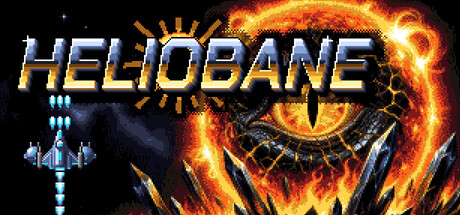
HELIOBANE was made with the help of generative AI tools.
- Assets: AI was used to generate some of the game's assets, including artwork, voice lines, sound effects, in-game text and translations. Artwork was edited and fitted to the game's 32-colour palette and style before use.
- Music: the soundtrack was made with a custom tracker built for agentic work, by an AI trained on a curated collection of public-domain tracker (MOD) music.
- Some store page and marketing art is also AI-assisted.
Nothing is generated while you play. All content is fixed in the build, and the game does not connect to any AI service.
AI-assisted tools were used to support performance optimization and to generate the player character. AI tools also contributed to enemy character assets, store artwork and translations. These uses concern content prepared during development.
This game uses a mix of human and generative AI tools. AI was used in some visual art assets, code generation, and portions of the store page text. All writing in the game, voice acting, and music are fully human-created.
AI tools were used to help draft and edit some English text: store page copy and some in-game UI strings such as hints, item descriptions and dialogs. All text was reviewed and edited by the developer. All art, models, audio and music are human-made or licensed assets. The game does not generate any content with AI at runtime.
Generative AI tools were used to assist in the creation and refinement of some pre-rendered artwork and interface elements. AI-generated music is also used, and AI tools assisted with store-page text and localization. All AI-assisted content was selected, edited, and reviewed by the developer. The game does not generate AI content during gameplay.
Generative AI tools were used as development assistance for portions of the game’s code and player-facing text. All final content was reviewed, edited, integrated, and tested by the developer. The game does not use live-generated AI or connect to any AI service during gameplay.
Utilisation de l'IA pour générer certaines images, les autres sont issues d'un travail de générateur d'images de paysage développé il y a plus de 10 ans durant mon master didactique en arts numérique, la structure du code est issue d'un ancien projet étudiant
Some pre-generated 2D artwork, visual effects, icons, maps, promotional images, and achievement artwork were created or refined with generative AI during development. All AI-generated output was reviewed, edited, and integrated by the development team. The game does not use generative AI at runtime and does not generate player-facing text, images, audio, music, code, or other content while you play.
Some visual assets in this game were generated using AI. Specifically: planet sprites/textures are AI-generated. All other in-game art is purchased/licensed, not AI-generated, and all audio is purchased/licensed, not AI-generated.
Generative AI was used primarily to assist in the creation of some visual assets and images used in the game, including illustrations, UI artwork, and promotional materials. AI-generated images were manually reviewed, selected, edited, and adjusted by the developer before being integrated into the game.
The game does not use generative AI to create content in real time during gameplay.
AI-assisted tools were used during development to help create visual assets. These assets are included as finished content; the game does not use generative AI during gameplay.
Generative AI was used to create some pre-generated artwork, audio, and text included in the game and its promotional materials. The game does not generate AI content during gameplay.
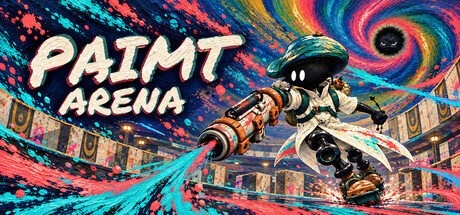
Some of PAIMT ARENA's 3D weapon models started as AI-generated meshes (Tripo) that were then hand-edited, retopologized, textured and rigged by the team. Some store and library artwork was produced with AI image tools and then edited by hand. No content is generated during play; gameplay, code, level design and UI are human-authored.
Generative AI is used to story board, code, analyze code, analyze performance, create thumbnails and many basic tasks like that to speed up workflows. We pay human artists for things like zombies, guns, props, static meshes etc.
Serv-Bot's Firewall uses AI tools in its art and media pipeline, always under human direction and review:
Sprite art. The game's original hand-authored sprites were upscaled and repainted at native resolution with an image-editing model (Qwen-Image-Edit), then reviewed, corrected and in many cases restored to the originals by hand. Concept art for the six "arsenal" enemy types, the Serv-Bot HUD portraits and the achievement icon motifs were generated with local image models (Z-Image Turbo, Qwen-Image-Edit) from our own designs and reference art, then composited and finished in code. Canon elements such as the Greeb ship in the icons are the game's own sprite art, not generated.
Cutscenes. The in-game story videos come from our SIGNAL series. Keyframes were generated with a local image model trained on our own characters, motion with a local video model (Wan 2.2), narration with a text-to-speech model (Kokoro) and music with local music models (ACE-Step, Stable Audio Open). Scripts, story, character designs, editing and direction are ours.
Localization. Interface text in 28 languages was machine-translated with an AI model from our English source and has not yet been reviewed by native speakers.
Code. Parts of the game's code were written with AI coding assistance, reviewed and tested by the developer.
Sound effects are procedurally synthesised, not AI-generated. All AI generation ran on the developer's own hardware; no copyrighted third-party works were used as inputs beyond our own assets and characters.
Some images shipped in the game were created with generative AI during development and then selected and reviewed by the developer. No other shipped content was generated by AI.
This game used generative AI for asset creation during development. The HQ statue's 3D model was created with Meshy AI, and background music was composed with Suno AI. Most in-game icons and images were created using Google Gemini and ChatGPT.
Generative AI tools are used during development to create some 3D assets as Place Holders and assist with Art/ music Content. These materials are prepared in advance and incorporated into the game or its store page. The game does not generate content using generative AI during gameplay.
Some character voice recordings are also created using generative AI.
AI-generated content is used exclusively for promotional/store
library imagery (e.g. store capsule and library artwork). No
in-game assets — textures, models, environments, weapons, or
character art used during gameplay — are AI-generated. All
gameplay-facing art is sourced from licensed marketplace asset
packs or created manually.
Generative AI tools were used during development to help create portions of the artwork and promotional imagery, prerecorded voice-over, and some game text and localization. These materials are prepared in advance. The game does not generate AI content during gameplay or connect to external generative AI services.
Generative AI tool TRAE was used during development to assist in writing portions of the codebase. The visual elements presented in-game — including the target spheres, ground plane, and sky — are directly generated by this code. The generation logic for the ground texture was produced with TRAE and was reviewed and approved by the developer before shipping in the final build. All AI-assisted visual content has been reviewed by the developer to ensure it meets expectations and platform standards. This software does not include any live-generated AI content at runtime.
Some promotional artwork and visual assets were created with the assistance of generative AI and have been reviewed, refined, and integrated by the developer. No generative AI is used during gameplay.
Generative AI assisted in creating some in-game art and visual-effect assets, Steam store promotional images, background music, and some localized text. The developer reviewed and selected these materials, editing them where needed before including them in the game or store page. The game does not use generative AI to create content at runtime.
Generative AI tools were utilized to generate base assets for various 3D models and musical tracks. All AI-generated content was subsequently edited, refined, and integrated manually to match the vision of the game.
Generative AI tools were used during development to assist with draft text, localization, concept references, and asset iteration. All final content included in the game has been reviewed and edited by the developer. The game does not generate AI content during gameplay.
This game uses generative artificial intelligence (AI) to assist with localization.
AI tools were used to generate translations of the game’s text into multiple languages. The translations were reviewed and edited by the development team to ensure quality and accuracy. No generative AI was used to create gameplay content, art, audio, or other core elements of the game.
This game utilized a generative AI (Google Gemini) to assist in creating certain artwork and graphical assets. All AI-generated images were manually reviewed, retouched, and finalized by the developer before being implemented into the game.
This game utilizes generative AI in the creation of some images, background music, and sound effects. All such content is reviewed and edited before being incorporated into the game.
Generative AI was used to assist with portions of the Steam store page text, promotional image editing, and the creation of some in-game artwork. All AI-assisted content was reviewed and edited by the development team before inclusion in the game.
Generative AI tools were used to create some pre-generated visual assets for the game and its Steam store materials. All outputs were reviewed and edited by the developer. The game does not generate content during gameplay.
Generative AI tools were used to assist in the creation of 2D pre-rendered artwork for this game. Specifically, AI was used to generate the promotional library capsules on the store page, as well as the 2D icon graphics for the upgrade cards shown during gameplay. All AI-generated assets were reviewed and manually edited to ensure quality and consistency with the game's art style.
During development we use AI assistance in certain tasks, such as generative fill to extend artist drawn artwork. All major art has been drawn by human artists.
The game has optional computer generated voice overs.
Generative AI was used during development to create some artwork, character animation assets, music, and promotional artwork. These assets were prepared before release. The game does not generate AI content during gameplay or connect to an AI service.
HELIOBANE was made with the help of generative AI tools.
- Assets: AI was used to generate some of the game's assets, including artwork, voice lines, sound effects, in-game text and translations. Artwork was edited and fitted to the game's 32-colour palette and style before use.
- Music: the soundtrack was made with a custom tracker built for agentic work, by an AI trained on a curated collection of public-domain tracker (MOD) music.
- Some store page and marketing art is also AI-assisted.
Nothing is generated while you play. All content is fixed in the build, and the game does not connect to any AI service.
AI-assisted tools were used to support performance optimization and to generate the player character. AI tools also contributed to enemy character assets, store artwork and translations. These uses concern content prepared during development.
This game uses a mix of human and generative AI tools. AI was used in some visual art assets, code generation, and portions of the store page text. All writing in the game, voice acting, and music are fully human-created.
AI tools were used to help draft and edit some English text: store page copy and some in-game UI strings such as hints, item descriptions and dialogs. All text was reviewed and edited by the developer. All art, models, audio and music are human-made or licensed assets. The game does not generate any content with AI at runtime.
Generative AI tools were used to assist in the creation and refinement of some pre-rendered artwork and interface elements. AI-generated music is also used, and AI tools assisted with store-page text and localization. All AI-assisted content was selected, edited, and reviewed by the developer. The game does not generate AI content during gameplay.
Generative AI tools were used as development assistance for portions of the game’s code and player-facing text. All final content was reviewed, edited, integrated, and tested by the developer. The game does not use live-generated AI or connect to any AI service during gameplay.
Utilisation de l'IA pour générer certaines images, les autres sont issues d'un travail de générateur d'images de paysage développé il y a plus de 10 ans durant mon master didactique en arts numérique, la structure du code est issue d'un ancien projet étudiant
Some pre-generated 2D artwork, visual effects, icons, maps, promotional images, and achievement artwork were created or refined with generative AI during development. All AI-generated output was reviewed, edited, and integrated by the development team. The game does not use generative AI at runtime and does not generate player-facing text, images, audio, music, code, or other content while you play.
Some visual assets in this game were generated using AI. Specifically: planet sprites/textures are AI-generated. All other in-game art is purchased/licensed, not AI-generated, and all audio is purchased/licensed, not AI-generated.
Generative AI was used primarily to assist in the creation of some visual assets and images used in the game, including illustrations, UI artwork, and promotional materials. AI-generated images were manually reviewed, selected, edited, and adjusted by the developer before being integrated into the game.
The game does not use generative AI to create content in real time during gameplay.
AI-assisted tools were used during development to help create visual assets. These assets are included as finished content; the game does not use generative AI during gameplay.
Generative AI was used to create some pre-generated artwork, audio, and text included in the game and its promotional materials. The game does not generate AI content during gameplay.
Some of PAIMT ARENA's 3D weapon models started as AI-generated meshes (Tripo) that were then hand-edited, retopologized, textured and rigged by the team. Some store and library artwork was produced with AI image tools and then edited by hand. No content is generated during play; gameplay, code, level design and UI are human-authored.
Generative AI is used to story board, code, analyze code, analyze performance, create thumbnails and many basic tasks like that to speed up workflows. We pay human artists for things like zombies, guns, props, static meshes etc.
Serv-Bot's Firewall uses AI tools in its art and media pipeline, always under human direction and review:
Sprite art. The game's original hand-authored sprites were upscaled and repainted at native resolution with an image-editing model (Qwen-Image-Edit), then reviewed, corrected and in many cases restored to the originals by hand. Concept art for the six "arsenal" enemy types, the Serv-Bot HUD portraits and the achievement icon motifs were generated with local image models (Z-Image Turbo, Qwen-Image-Edit) from our own designs and reference art, then composited and finished in code. Canon elements such as the Greeb ship in the icons are the game's own sprite art, not generated.
Cutscenes. The in-game story videos come from our SIGNAL series. Keyframes were generated with a local image model trained on our own characters, motion with a local video model (Wan 2.2), narration with a text-to-speech model (Kokoro) and music with local music models (ACE-Step, Stable Audio Open). Scripts, story, character designs, editing and direction are ours.
Localization. Interface text in 28 languages was machine-translated with an AI model from our English source and has not yet been reviewed by native speakers.
Code. Parts of the game's code were written with AI coding assistance, reviewed and tested by the developer.
Sound effects are procedurally synthesised, not AI-generated. All AI generation ran on the developer's own hardware; no copyrighted third-party works were used as inputs beyond our own assets and characters.
Some images shipped in the game were created with generative AI during development and then selected and reviewed by the developer. No other shipped content was generated by AI.
This game used generative AI for asset creation during development. The HQ statue's 3D model was created with Meshy AI, and background music was composed with Suno AI. Most in-game icons and images were created using Google Gemini and ChatGPT.
Generative AI tools are used during development to create some 3D assets as Place Holders and assist with Art/ music Content. These materials are prepared in advance and incorporated into the game or its store page. The game does not generate content using generative AI during gameplay.
Some character voice recordings are also created using generative AI.
AI-generated content is used exclusively for promotional/store
library imagery (e.g. store capsule and library artwork). No
in-game assets — textures, models, environments, weapons, or
character art used during gameplay — are AI-generated. All
gameplay-facing art is sourced from licensed marketplace asset
packs or created manually.
Generative AI tools were used during development to help create portions of the artwork and promotional imagery, prerecorded voice-over, and some game text and localization. These materials are prepared in advance. The game does not generate AI content during gameplay or connect to external generative AI services.
Generative AI tool TRAE was used during development to assist in writing portions of the codebase. The visual elements presented in-game — including the target spheres, ground plane, and sky — are directly generated by this code. The generation logic for the ground texture was produced with TRAE and was reviewed and approved by the developer before shipping in the final build. All AI-assisted visual content has been reviewed by the developer to ensure it meets expectations and platform standards. This software does not include any live-generated AI content at runtime.
Some promotional artwork and visual assets were created with the assistance of generative AI and have been reviewed, refined, and integrated by the developer. No generative AI is used during gameplay.
Generative AI assisted in creating some in-game art and visual-effect assets, Steam store promotional images, background music, and some localized text. The developer reviewed and selected these materials, editing them where needed before including them in the game or store page. The game does not use generative AI to create content at runtime.
Generative AI tools were utilized to generate base assets for various 3D models and musical tracks. All AI-generated content was subsequently edited, refined, and integrated manually to match the vision of the game.
Generative AI tools were used during development to assist with draft text, localization, concept references, and asset iteration. All final content included in the game has been reviewed and edited by the developer. The game does not generate AI content during gameplay.