Public Steam disclosure research25,376 disclosures tracked
Where do games disclose AI use?
Search developers’ Steam disclosures, compare classified AI use across
games, and follow recorded changes.
This index adds cross-game classifications and statistics to
statements published on individual store pages.
Groups reflect automatic analysis of public disclosures; mature records are excluded. These counts do not measure AI use across all of Steam.
Missing or unclear statements cannot establish whether a game uses AI.
Generative AI was used during development to create some artwork, character animation assets, music, and promotional artwork. These assets were prepared before release. The game does not generate AI content during gameplay or connect to an AI service.
AI-assisted tools were used to support performance optimization and to generate the player character. AI tools also contributed to enemy character assets, store artwork and translations. These uses concern content prepared during development.
Generative AI tools were used during development to assist with concept development and the creation of some visual assets. AI-generated material was reviewed, edited, and integrated by the developer to fit the game’s visual style and design. Generative AI is not used during gameplay and no content is generated dynamically for players.
This game was made possible due to generative AI coding. It uses generative AI for the code base and procedural environmental generation but is limited to that. Models and music have been manually created.
The English localization was prepared with AI assistance and was fully reviewed and edited by the developer. Some in-game sounds were generated with AI. The capsule image on the Steam store page was generated with AI. The in-game visual and model assets were not generated with AI.
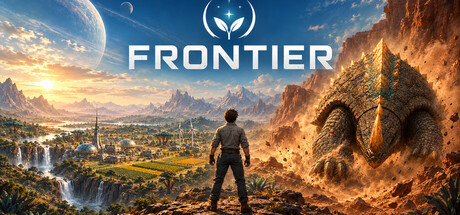
Frontier was conceived, designed, directed, and extensively play tested by a solo developer. Generative AI was used as the primary production tool to implement that vision, including programming, artwork, audio, writing, and other game assets. Every aspect of the game was developed through an iterative human-directed process, with the developer specifying requirements, reviewing results, requesting revisions, making design decisions, integrating systems, and personally testing and approving the final content. No generative AI is used during gameplay.
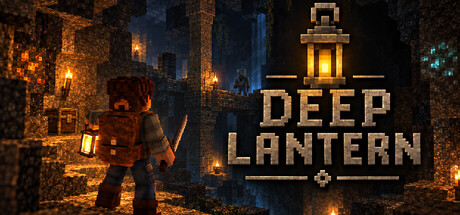
Deep Lantern contains some pre-generated visual assets created or assisted with generative AI, including certain textures, interface or illustrative visual elements, which were then reviewed, edited, and integrated manually by the developer.
The game does not use live generative AI during gameplay, and players cannot generate content in-game using AI.
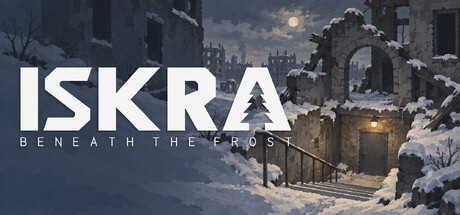
ISKRA currently includes AI-generated artwork prepared during development. We plan to replace this artwork with work created by human artists before leaving Early Access, giving the game the individual artistic identity we envision.
Generative AI tools were used to assist in creating selected store and promotional artwork. All such assets were subsequently edited, modified and finalized by a human artist. The game itself does not generate AI content at runtime.
As a solo developer with a very limited budget, the character voices were temporarily generated using AI voice synthesis (ElevenLabs).
Our goal is to replace all generated voices with performances by human voice actors as soon as the project secures sufficient funding (through sales, crowdfunding, or community support). Thank you for your understanding and for supporting indie game development!
No generative AI content is created in real time while the game is running.
Generative AI is used to story board, code, analyze code, analyze performance, create thumbnails and many basic tasks like that to speed up workflows. We pay human artists for things like zombies, guns, props, static meshes etc.
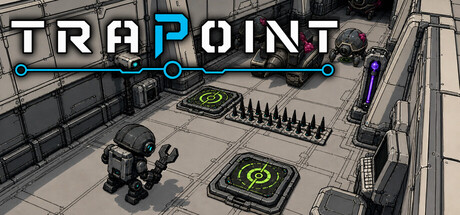
Trapoint is made by a single developer. 3D models, 2D art, sound, music, UI text, and the English localization were generated with AI tools from the developer's own prompts and then edited and integrated by hand; game design, systems, and level data are the developer's own work.
Pre-generated content: the pixel art (characters, animations, tiles, props, UI frames) and the store capsule art were made with the help of an AI pixel-art tool, then selected, edited and assembled by the developer. Store page texts and their translations were drafted with AI assistance and reviewed by the developer. The game does not generate any content with AI while you play. Music, sound effects and fonts are licensed assets made by people.
This game was made with the help of generative AI tools. The in-game relic, element, rune and skill icons are AI-generated. The tutorial illustrations were AI-generated and then edited by hand. Some sound effects, and the localization of the interface text into the game's supported languages, were produced with AI assistance. Some of the source code was also written with AI tools. All of it was reviewed and adjusted by a human before release. Nothing is generated while you play, and the game never connects to any external AI service.
Some images shipped in the game were created with generative AI during development and then selected and reviewed by the developer. No other shipped content was generated by AI.
AI is used solely to assist with development, such as for some localization and the creation of internal tools.
The game does not include any features that automatically generate content in real-time during gameplay.
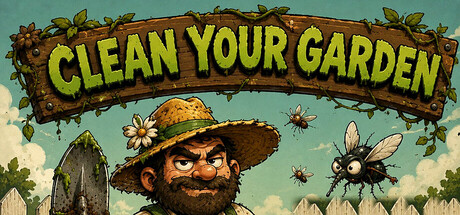
Generative AI tools were used during the development of Clean Your Garden
for part of the 2D art (bug illustrations, backgrounds, weapon and
achievement icons, and store art), to assist with writing code, and to
assist with translating the game's text into English. All of it was
reviewed, edited and integrated by hand.
The game does not generate any content with AI while you play: no model
runs at runtime.
---
Durante el desarrollo de Clean Your Garden se han usado herramientas de IA
generativa para parte del arte 2D (ilustraciones de bichos, fondos, iconos
de armas y de logros, e imágenes de la ficha), para asistir en la escritura
del código, y para asistir en la traducción de los textos al inglés. Todo
ese material ha sido revisado, editado e integrado a mano.
El juego no genera contenido con IA durante la partida: no hay ningún
modelo ejecutándose en tiempo real.
Some of the game's content was created with the help of generative AI tools and then edited, cleaned up, rigged, animated and integrated by the developer. This includes 3D models of characters and enemies, 2D art such as ability icons, UI elements and some store page artwork, sound effects, and parts of the store page text. All gameplay, design, balance and final assembly were done by the developer.
Pre-generated generative AI was used to create some 2D visual assets, including selected in-game sign textures and store/marketing artwork. No generative AI is used during gameplay.
Some promotional artwork for this game (such as the store capsule image)
was created with the help of generative AI tools and then edited by hand.
All in-game content — 3D models, animations, sound effects, interface and
code — was created without generative AI. The game does not use AI during
gameplay and does not connect to any external AI service.
Generative AI tools were used during development to assist with draft text, localization, concept references, and asset iteration. All final content included in the game has been reviewed and edited by the developer. The game does not generate AI content during gameplay.
The core gameplay mechanics, 3D models, scene designs, and overall project were developed entirely by us. Generative AI tools were utilized for editing select promotional store page visuals and as assisting coding tools during the development process.
The tower and building art began as 3D models made with AI tools and inside Blender. I edited many of them by hand, then turned them into pixel art with our own pipeline. The characters are drawn by hand in Aseprite. Some in-game text and the translations were written with AI assistance.
I am a solo developer with no budget. This game (my first) has been a passion project of about two years. I have developed it in between work and life. During that time, I made the decision to use a text-to-speech program to generate some NPC dialogue. Someday I hope to be working with a budget; but for now, since I don't have one, I believe that my current solution delivers the best experience for the player.
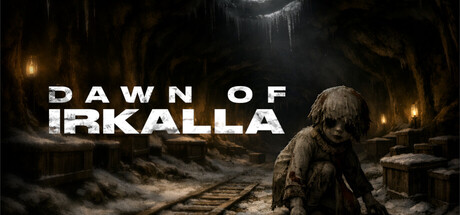
Dawn of Irkalla includes pre-generated AI-assisted content used during development, including some 3D models, images, and code assistance. The game's level design, story, lore, gameplay, music, and many other assets were created by us or sourced from licensed third parties.
The game includes pre-generated sound effects created with generative AI. Some store and promotional artwork was also created with AI tools. No content is generated by AI during gameplay.
Generative AI was used with human review to assist with portions of the store page text, promotional artwork, and illustrative building blueprint previews. These illustrations are development artwork; actual gameplay appearance may vary. During gameplay, a locally running language model generates text responses in the AI OS tablet and robot chat interfaces. Robot gathering and construction actions use programmed game systems. The language model runs on the player’s computer and does not require an external third-party AI service.
Some visual assets in the game were created using generative AI. This includes the game's logo and some of the artwork found in the hospital map. The hospital map is part of a purchased asset pack, and some of the artwork in the environment was already AI-generated.
Some visual effect textures in this game were generated using AI image tools and then edited by hand before being used. All other content - character and environment art, animation, models, music, sound and writing was created with love by humans. All AI-assisted assets were reviewed and edited before inclusion.
Generative AI tools were used during development across visual assets, audio, and written content. AI-assisted outputs were substantially edited, composited, photobashed and hand-painted by the developer before inclusion in the game. No generative AI is used at runtime.
Generative AI tools were used during the development of the game to create and assist with certain pieces of content.
AI was used to generate some visual elements, including individual icons, as well as some sound effects. Some generated assets were further edited and adapted for use in the game.
AI was also used as an assisting tool for creating text content and localizing the game into other languages.
Generative AI tools were used during development to help create some 3D models and textures, UI and icon artwork, character voice recordings, sound effects, promotional artwork, and store-page text. These are pre-generated assets and text.
We use generative AI as a reference and drafting tool, and always finish by hand. Early in development we generated AI concept images to explore ideas and mood; those are reference only. All in-game models, animation and UI are built by hand in 3D by the two of us. Some in-game textures were first generated with AI as a guide and then retouched by hand. The store key art is rendered from the game's own 3D characters and scenes, run through an AI tool for style, then composited and retouched by hand. Store text was drafted with an AI assistant and rewritten by us. The game does not use generative AI while you play.
The store artwork (key art, capsule images, logo) was created with the help of generative AI and then selected and edited by hand. AI tools assisted with programming, in-game text and translations; all content was reviewed and revised by the developer. The in-game 3D models, textures and animations come from licensed asset packs and are not AI-generated. No content is generated by AI during gameplay.
Pre-generated content only. The game contains no live or runtime AI generation and makes no network connection.
Visual art: the pixel art in this game — sprites, backgrounds, key art, banners and icons — was produced with the assistance of generative AI image tools and then edited, composited, recoloured and assembled by hand for use in the game.
Written content and store text: the encounter text and the store description were written with AI assistance and edited by the developer.
Everything shipped was reviewed by a human before it went in. No content is generated while the game is running.
Generative AI tools were used during development to create and refine some branding, interface artwork, and promotional images. These assets are prepared in advance; the game does not generate AI content during gameplay.
Generative AI was used during development to create some artwork, character animation assets, music, and promotional artwork. These assets were prepared before release. The game does not generate AI content during gameplay or connect to an AI service.
AI-assisted tools were used to support performance optimization and to generate the player character. AI tools also contributed to enemy character assets, store artwork and translations. These uses concern content prepared during development.
Generative AI tools were used during development to assist with concept development and the creation of some visual assets. AI-generated material was reviewed, edited, and integrated by the developer to fit the game’s visual style and design. Generative AI is not used during gameplay and no content is generated dynamically for players.
This game was made possible due to generative AI coding. It uses generative AI for the code base and procedural environmental generation but is limited to that. Models and music have been manually created.
The English localization was prepared with AI assistance and was fully reviewed and edited by the developer. Some in-game sounds were generated with AI. The capsule image on the Steam store page was generated with AI. The in-game visual and model assets were not generated with AI.
Frontier was conceived, designed, directed, and extensively play tested by a solo developer. Generative AI was used as the primary production tool to implement that vision, including programming, artwork, audio, writing, and other game assets. Every aspect of the game was developed through an iterative human-directed process, with the developer specifying requirements, reviewing results, requesting revisions, making design decisions, integrating systems, and personally testing and approving the final content. No generative AI is used during gameplay.
Deep Lantern contains some pre-generated visual assets created or assisted with generative AI, including certain textures, interface or illustrative visual elements, which were then reviewed, edited, and integrated manually by the developer.
The game does not use live generative AI during gameplay, and players cannot generate content in-game using AI.
ISKRA currently includes AI-generated artwork prepared during development. We plan to replace this artwork with work created by human artists before leaving Early Access, giving the game the individual artistic identity we envision.
Generative AI tools were used to assist in creating selected store and promotional artwork. All such assets were subsequently edited, modified and finalized by a human artist. The game itself does not generate AI content at runtime.
As a solo developer with a very limited budget, the character voices were temporarily generated using AI voice synthesis (ElevenLabs).
Our goal is to replace all generated voices with performances by human voice actors as soon as the project secures sufficient funding (through sales, crowdfunding, or community support). Thank you for your understanding and for supporting indie game development!
No generative AI content is created in real time while the game is running.
Generative AI is used to story board, code, analyze code, analyze performance, create thumbnails and many basic tasks like that to speed up workflows. We pay human artists for things like zombies, guns, props, static meshes etc.
Trapoint is made by a single developer. 3D models, 2D art, sound, music, UI text, and the English localization were generated with AI tools from the developer's own prompts and then edited and integrated by hand; game design, systems, and level data are the developer's own work.
Pre-generated content: the pixel art (characters, animations, tiles, props, UI frames) and the store capsule art were made with the help of an AI pixel-art tool, then selected, edited and assembled by the developer. Store page texts and their translations were drafted with AI assistance and reviewed by the developer. The game does not generate any content with AI while you play. Music, sound effects and fonts are licensed assets made by people.
This game was made with the help of generative AI tools. The in-game relic, element, rune and skill icons are AI-generated. The tutorial illustrations were AI-generated and then edited by hand. Some sound effects, and the localization of the interface text into the game's supported languages, were produced with AI assistance. Some of the source code was also written with AI tools. All of it was reviewed and adjusted by a human before release. Nothing is generated while you play, and the game never connects to any external AI service.
Some images shipped in the game were created with generative AI during development and then selected and reviewed by the developer. No other shipped content was generated by AI.
AI is used solely to assist with development, such as for some localization and the creation of internal tools.
The game does not include any features that automatically generate content in real-time during gameplay.
Generative AI tools were used during the development of Clean Your Garden
for part of the 2D art (bug illustrations, backgrounds, weapon and
achievement icons, and store art), to assist with writing code, and to
assist with translating the game's text into English. All of it was
reviewed, edited and integrated by hand.
The game does not generate any content with AI while you play: no model
runs at runtime.
---
Durante el desarrollo de Clean Your Garden se han usado herramientas de IA
generativa para parte del arte 2D (ilustraciones de bichos, fondos, iconos
de armas y de logros, e imágenes de la ficha), para asistir en la escritura
del código, y para asistir en la traducción de los textos al inglés. Todo
ese material ha sido revisado, editado e integrado a mano.
El juego no genera contenido con IA durante la partida: no hay ningún
modelo ejecutándose en tiempo real.
Some of the game's content was created with the help of generative AI tools and then edited, cleaned up, rigged, animated and integrated by the developer. This includes 3D models of characters and enemies, 2D art such as ability icons, UI elements and some store page artwork, sound effects, and parts of the store page text. All gameplay, design, balance and final assembly were done by the developer.
Pre-generated generative AI was used to create some 2D visual assets, including selected in-game sign textures and store/marketing artwork. No generative AI is used during gameplay.
Some promotional artwork for this game (such as the store capsule image)
was created with the help of generative AI tools and then edited by hand.
All in-game content — 3D models, animations, sound effects, interface and
code — was created without generative AI. The game does not use AI during
gameplay and does not connect to any external AI service.
Generative AI tools were used during development to assist with draft text, localization, concept references, and asset iteration. All final content included in the game has been reviewed and edited by the developer. The game does not generate AI content during gameplay.
The core gameplay mechanics, 3D models, scene designs, and overall project were developed entirely by us. Generative AI tools were utilized for editing select promotional store page visuals and as assisting coding tools during the development process.
The tower and building art began as 3D models made with AI tools and inside Blender. I edited many of them by hand, then turned them into pixel art with our own pipeline. The characters are drawn by hand in Aseprite. Some in-game text and the translations were written with AI assistance.
I am a solo developer with no budget. This game (my first) has been a passion project of about two years. I have developed it in between work and life. During that time, I made the decision to use a text-to-speech program to generate some NPC dialogue. Someday I hope to be working with a budget; but for now, since I don't have one, I believe that my current solution delivers the best experience for the player.
Dawn of Irkalla includes pre-generated AI-assisted content used during development, including some 3D models, images, and code assistance. The game's level design, story, lore, gameplay, music, and many other assets were created by us or sourced from licensed third parties.
The game includes pre-generated sound effects created with generative AI. Some store and promotional artwork was also created with AI tools. No content is generated by AI during gameplay.
Generative AI was used with human review to assist with portions of the store page text, promotional artwork, and illustrative building blueprint previews. These illustrations are development artwork; actual gameplay appearance may vary. During gameplay, a locally running language model generates text responses in the AI OS tablet and robot chat interfaces. Robot gathering and construction actions use programmed game systems. The language model runs on the player’s computer and does not require an external third-party AI service.
Some visual assets in the game were created using generative AI. This includes the game's logo and some of the artwork found in the hospital map. The hospital map is part of a purchased asset pack, and some of the artwork in the environment was already AI-generated.
Some visual effect textures in this game were generated using AI image tools and then edited by hand before being used. All other content - character and environment art, animation, models, music, sound and writing was created with love by humans. All AI-assisted assets were reviewed and edited before inclusion.
Generative AI tools were used during development across visual assets, audio, and written content. AI-assisted outputs were substantially edited, composited, photobashed and hand-painted by the developer before inclusion in the game. No generative AI is used at runtime.
Generative AI tools were used during the development of the game to create and assist with certain pieces of content.
AI was used to generate some visual elements, including individual icons, as well as some sound effects. Some generated assets were further edited and adapted for use in the game.
AI was also used as an assisting tool for creating text content and localizing the game into other languages.
Generative AI tools were used during development to help create some 3D models and textures, UI and icon artwork, character voice recordings, sound effects, promotional artwork, and store-page text. These are pre-generated assets and text.
We use generative AI as a reference and drafting tool, and always finish by hand. Early in development we generated AI concept images to explore ideas and mood; those are reference only. All in-game models, animation and UI are built by hand in 3D by the two of us. Some in-game textures were first generated with AI as a guide and then retouched by hand. The store key art is rendered from the game's own 3D characters and scenes, run through an AI tool for style, then composited and retouched by hand. Store text was drafted with an AI assistant and rewritten by us. The game does not use generative AI while you play.
The store artwork (key art, capsule images, logo) was created with the help of generative AI and then selected and edited by hand. AI tools assisted with programming, in-game text and translations; all content was reviewed and revised by the developer. The in-game 3D models, textures and animations come from licensed asset packs and are not AI-generated. No content is generated by AI during gameplay.
Pre-generated content only. The game contains no live or runtime AI generation and makes no network connection.
Visual art: the pixel art in this game — sprites, backgrounds, key art, banners and icons — was produced with the assistance of generative AI image tools and then edited, composited, recoloured and assembled by hand for use in the game.
Written content and store text: the encounter text and the store description were written with AI assistance and edited by the developer.
Everything shipped was reviewed by a human before it went in. No content is generated while the game is running.
Generative AI tools were used during development to create and refine some branding, interface artwork, and promotional images. These assets are prepared in advance; the game does not generate AI content during gameplay.