Public Steam disclosure research25,376 disclosures tracked
Where do games disclose AI use?
Search developers’ Steam disclosures, compare classified AI use across
games, and follow recorded changes.
This index adds cross-game classifications and statistics to
statements published on individual store pages.
Groups reflect automatic analysis of public disclosures; mature records are excluded. These counts do not measure AI use across all of Steam.
Missing or unclear statements cannot establish whether a game uses AI.
AI tools were used for some decorative textures and minor details. Although their use is minimal, they are visually present and may bother people sensitive to this topic. Furthermore, AI was used for temporary test dubbing of the characters. However, the final product will be voiced by human actors.
Some illustrative artwork used in the game (atmospheric key art shown in the in-game gallery) was created with the assistance of AI image-generation tools. Portions of the game's narrative text, achievement descriptions, and localized translations were written with the assistance of an AI language tool during development, then reviewed and edited by the developer. All sound effects and music are procedurally synthesized using traditional digital signal processing (oscillators and filters), not AI-generated.
This game uses generative AI tools in parts of its development process.
Code: Some of the game's code was written with AI assistance. All generated code has been reviewed, tested, and integrated by the developer.
Audio: Some sound effects and voice lines may be generated or processed using AI tools.
Visual assets: The game primarily uses licensed asset packs and hand-authored materials. Where AI tools were used, it was for texture variation and iteration on existing licensed assets.
No AI-generated content is created live during gameplay. All content is fixed and reviewed before release.
Generative AI tools were utilized to generate initial texture concepts. All final in-game assets were extensively modified, hand-edited, and integrated manually.
PROCEDURE ZERO is made by one person.
Pre-generated AI tools were used for character voices, sound effects, the
opening scene, and translations into languages other than Polish. Every
line of it was chosen, edited and placed in the game by hand. The game
does not generate any content while you play.
Generative AI was used for some textures and 3D models, as well as for English translation of both the game and its Steam store page.
All original content, including the story, dialogue, archive documents, game design, level design, programming, and Chinese localization, was created by the developer.
Pre-generated AI tools were used to assist in creating portions of the game's music, narration, character assets, and localization. All resulting content was reviewed and edited before being included as fixed game content. The game does not generate content with AI during gameplay or connect to an external AI service while running.
AI tools were used as an aid in the English localization of this title. All
original narrative content, artwork, music, and game systems were created by
human authors.
Generative AI tools were used during development to assist with creating a limited number of 2D inventory icons and portions of written text and localization. All AI-assisted content was reviewed, edited, and integrated by the developer. The game does not generate AI content during gameplay.
Some visual assets were partially created with the help of generative AI. It was used as a reference for a few alpha brushes, clothing patterns, and some card designs. No output was used as-is — everything was heavily modified and finished by hand. All other content in the game was created entirely by the developer.
Generative AI tools were used during the development of Protocol as development assistance. AI was used to help with brainstorming, programming assistance, troubleshooting, and other development-related tasks. The final game content was reviewed, edited, and implemented by the developer.
HaddyForge utilizes PixelLab AI as part of our development workflow to assist with the prototyping and production of select pixel-art sprites, character concepts, and animation frames.
AI-assisted output is primarily used as a starting point for development and is not typically considered game-ready in its initial form. Assets are reviewed, refined, edited, and iterated upon by the developer using PixelLab, Aseprite, and our broader pixel-art workflow until they meet the visual, animation, and technical requirements of the game.
As an independent studio combining pixel-art creation and software development, HaddyForge uses AI-assisted tools to accelerate experimentation and prototyping while maintaining direct creative control over the final assets included in the game.
AI-assisted development tools have also been used during software development to help review and iterate on game systems, identify potential bugs, improve testing, and increase development efficiency. All resulting game systems and implementations are reviewed, tested, and integrated by the developer before release.
Artificial intelligence tools were used as part of the development process for selected visual and audio elements, design references, and text translations. All final content was reviewed and curated by the development team.
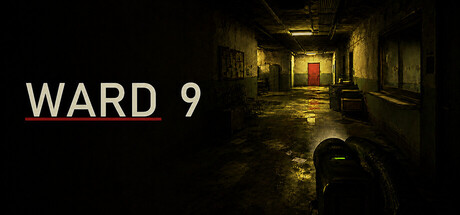
Ward 9 uses developer-curated generative AI tools during production for selected marketing/community artwork, narrative drafting support, and voice/audio asset creation. All AI-assisted content is reviewed, edited, and approved by the developer before inclusion. The game does not use live generative AI to create player-facing content during gameplay.
This game uses a few assets purchased from FAB which may or may not contain AI-generated content. I have personally done my best to scrub AI out of those few purchased assets. There are also two images and two short instrumentals, and that's it.
Yayoi Kaihatsu, the developer, takes full responsibility for the use of generative AI in this work.
If any issues arise regarding the use of generative AI in this work, please contact the representative of Yayoi Kaihatsu via the Steam Community or other channels.
Generative AI is used in this work according to the following policy:
・Code generation and tool operations related to game development
・Translation of text used on the store page and in-game (original source is Japanese)
The character voices in this game were generated using artificial intelligence (AI). No character visuals, animations, or other game assets were generated using AI.
Background Art — AI generation tools were used for some of the background images. Not all backgrounds were created with AI; hand-made backgrounds are also used. AI-assisted images were further processed to match the game's pixel art style.
Music — The music in this game was created using AI generation tools.
Some in-game 2D assets (item and UI icons) and marketing materials (store capsule artwork and logo) were created with the help of generative AI image tools and then edited by hand. All code, level design, 3D assets and gameplay systems are authored by the developer. No content is generated by AI during gameplay.
Generative AI tools were used during development to assist with portions of the programming, user interface and text presentation implementation, as well as initial drafts of some localizations. The game’s setting, narrative text, visual design, and all final content were created and determined by the developer. No generative image models were used, and the game does not connect to or invoke any generative AI services at runtime. It contains no live-generated content.
Generative AI was used to create in-game CCTV camera footage images and English voiceovers.
All AI-generated assets have been reviewed and edited to fit the game's atmosphere and quality standards.
Generative AI tools were used during development to assist in creating certain environmental textures and ambient sound effects to enhance the game's atmosphere. All generated assets were reviewed and integrated manually to fit the retro aesthetic of the game.
Generative AI tools were used during development to assist in the creation of some visual assets and textures. All AI-assisted content was reviewed and edited by the developer before being included in the game.
This game was made by a two-person team specializing in storytelling. The entire narrative, all gameplay systems, UI, animations, core sound and game design were built entirely by our team. AI was used to generate some of audio and graphical assets due to the limited resources. Scenario was originally written in Ukrainian language, so translations might have minor mistakes. Thank you for your understanding.
All video, voice and music content in this game was pre-generated using AI tools under full human direction. The story, characters, dialogue, game design, editing and code are original work by a solo developer. No content is generated while the game is running; players only ever see pre-produced, human-reviewed material.
Generative AI tools were used during development to assist with programming and Unreal Engine Blueprint creation, the creation of some 3D assets, selected music and audio, and some promotional artwork and marketing materials. AI-generated content is reviewed and edited by the development team before use. The game does not generate AI content during gameplay.
Generative AI tools were used during development to assist with the creation of selected pre-generated assets, including visual artwork, character assets, music, and sound effects. These tools were used as part of the development workflow, while the game's design, direction, gameplay systems, implementation, level design, and final integration were created and curated by the developer. No generative AI is used to create new content during gameplay.
Generative AI tools were used during development to assist with debugging code, audio production, and the creation of some item and UI illustrations. AI-generated or AI-assisted content was reviewed and edited by the development team before being included in the final game.
3D character and prop models and store artwork were created with the assistance of generative AI, then manually rigged, edited, and integrated by the developers. No content is AI-generated at runtime.
Generative Al was used only to assist in creating two small decorative images displayed in picture frames in the game. All other game content, including the story, dialogue, gameplay, environments, assets, artwork, and promotional materials, was created by TommyXplore."
PER MY LAST EMAIL contains pre-generated AI content. Its music is created with generative audio tools; its sound effects are CC0 recordings, not generated. Its narrative text is human-AI co-written and human-edited under the author's direction; the game design is the author's. Its store artwork uses AI-generated background plates, composed and finished programmatically; the game's own user-interface elements are drawn in code and contain no AI-generated images. No AI content is generated at runtime, and the game contains no AI-generated depictions of real people.
Music and certain in-game UI icons were created using generative AI tools. All AI-generated assets were reviewed, selected, and, where necessary, edited by the developer before being included in the game. The game does not generate any AI content during gameplay.
Some sound effects and decorative artwork in this game were created using generative AI tools. The game's design, mechanics, level structure, and written content were created by the developer. AI-generated content is limited to supporting assets only.
Generative AI tools were used during development to assist in creating and refining certain pre-generated visual, audio, localization, and promotional materials. All AI-assisted content was reviewed, edited, and curated by the development team before being included in the game or its marketing materials. The game does not generate AI content in real time during gameplay.
AI tools were used for some decorative textures and minor details. Although their use is minimal, they are visually present and may bother people sensitive to this topic. Furthermore, AI was used for temporary test dubbing of the characters. However, the final product will be voiced by human actors.
Some illustrative artwork used in the game (atmospheric key art shown in the in-game gallery) was created with the assistance of AI image-generation tools. Portions of the game's narrative text, achievement descriptions, and localized translations were written with the assistance of an AI language tool during development, then reviewed and edited by the developer. All sound effects and music are procedurally synthesized using traditional digital signal processing (oscillators and filters), not AI-generated.
This game uses generative AI tools in parts of its development process.
Code: Some of the game's code was written with AI assistance. All generated code has been reviewed, tested, and integrated by the developer.
Audio: Some sound effects and voice lines may be generated or processed using AI tools.
Visual assets: The game primarily uses licensed asset packs and hand-authored materials. Where AI tools were used, it was for texture variation and iteration on existing licensed assets.
No AI-generated content is created live during gameplay. All content is fixed and reviewed before release.
Generative AI tools were utilized to generate initial texture concepts. All final in-game assets were extensively modified, hand-edited, and integrated manually.
PROCEDURE ZERO is made by one person.
Pre-generated AI tools were used for character voices, sound effects, the
opening scene, and translations into languages other than Polish. Every
line of it was chosen, edited and placed in the game by hand. The game
does not generate any content while you play.
Generative AI was used for some textures and 3D models, as well as for English translation of both the game and its Steam store page.
All original content, including the story, dialogue, archive documents, game design, level design, programming, and Chinese localization, was created by the developer.
Pre-generated AI tools were used to assist in creating portions of the game's music, narration, character assets, and localization. All resulting content was reviewed and edited before being included as fixed game content. The game does not generate content with AI during gameplay or connect to an external AI service while running.
AI tools were used as an aid in the English localization of this title. All
original narrative content, artwork, music, and game systems were created by
human authors.
Generative AI tools were used during development to assist with creating a limited number of 2D inventory icons and portions of written text and localization. All AI-assisted content was reviewed, edited, and integrated by the developer. The game does not generate AI content during gameplay.
Some visual assets were partially created with the help of generative AI. It was used as a reference for a few alpha brushes, clothing patterns, and some card designs. No output was used as-is — everything was heavily modified and finished by hand. All other content in the game was created entirely by the developer.
Generative AI tools were used during the development of Protocol as development assistance. AI was used to help with brainstorming, programming assistance, troubleshooting, and other development-related tasks. The final game content was reviewed, edited, and implemented by the developer.
HaddyForge utilizes PixelLab AI as part of our development workflow to assist with the prototyping and production of select pixel-art sprites, character concepts, and animation frames.
AI-assisted output is primarily used as a starting point for development and is not typically considered game-ready in its initial form. Assets are reviewed, refined, edited, and iterated upon by the developer using PixelLab, Aseprite, and our broader pixel-art workflow until they meet the visual, animation, and technical requirements of the game.
As an independent studio combining pixel-art creation and software development, HaddyForge uses AI-assisted tools to accelerate experimentation and prototyping while maintaining direct creative control over the final assets included in the game.
AI-assisted development tools have also been used during software development to help review and iterate on game systems, identify potential bugs, improve testing, and increase development efficiency. All resulting game systems and implementations are reviewed, tested, and integrated by the developer before release.
Artificial intelligence tools were used as part of the development process for selected visual and audio elements, design references, and text translations. All final content was reviewed and curated by the development team.
Ward 9 uses developer-curated generative AI tools during production for selected marketing/community artwork, narrative drafting support, and voice/audio asset creation. All AI-assisted content is reviewed, edited, and approved by the developer before inclusion. The game does not use live generative AI to create player-facing content during gameplay.
This game uses a few assets purchased from FAB which may or may not contain AI-generated content. I have personally done my best to scrub AI out of those few purchased assets. There are also two images and two short instrumentals, and that's it.
Yayoi Kaihatsu, the developer, takes full responsibility for the use of generative AI in this work.
If any issues arise regarding the use of generative AI in this work, please contact the representative of Yayoi Kaihatsu via the Steam Community or other channels.
Generative AI is used in this work according to the following policy:
・Code generation and tool operations related to game development
・Translation of text used on the store page and in-game (original source is Japanese)
The character voices in this game were generated using artificial intelligence (AI). No character visuals, animations, or other game assets were generated using AI.
Background Art — AI generation tools were used for some of the background images. Not all backgrounds were created with AI; hand-made backgrounds are also used. AI-assisted images were further processed to match the game's pixel art style.
Music — The music in this game was created using AI generation tools.
Some in-game 2D assets (item and UI icons) and marketing materials (store capsule artwork and logo) were created with the help of generative AI image tools and then edited by hand. All code, level design, 3D assets and gameplay systems are authored by the developer. No content is generated by AI during gameplay.
Generative AI tools were used during development to assist with portions of the programming, user interface and text presentation implementation, as well as initial drafts of some localizations. The game’s setting, narrative text, visual design, and all final content were created and determined by the developer. No generative image models were used, and the game does not connect to or invoke any generative AI services at runtime. It contains no live-generated content.
Generative AI was used to create in-game CCTV camera footage images and English voiceovers.
All AI-generated assets have been reviewed and edited to fit the game's atmosphere and quality standards.
Generative AI tools were used during development to assist in creating certain environmental textures and ambient sound effects to enhance the game's atmosphere. All generated assets were reviewed and integrated manually to fit the retro aesthetic of the game.
Generative AI tools were used during development to assist in the creation of some visual assets and textures. All AI-assisted content was reviewed and edited by the developer before being included in the game.
This game was made by a two-person team specializing in storytelling. The entire narrative, all gameplay systems, UI, animations, core sound and game design were built entirely by our team. AI was used to generate some of audio and graphical assets due to the limited resources. Scenario was originally written in Ukrainian language, so translations might have minor mistakes. Thank you for your understanding.
All video, voice and music content in this game was pre-generated using AI tools under full human direction. The story, characters, dialogue, game design, editing and code are original work by a solo developer. No content is generated while the game is running; players only ever see pre-produced, human-reviewed material.
Generative AI tools were used during development to assist with programming and Unreal Engine Blueprint creation, the creation of some 3D assets, selected music and audio, and some promotional artwork and marketing materials. AI-generated content is reviewed and edited by the development team before use. The game does not generate AI content during gameplay.
Generative AI tools were used during development to assist with the creation of selected pre-generated assets, including visual artwork, character assets, music, and sound effects. These tools were used as part of the development workflow, while the game's design, direction, gameplay systems, implementation, level design, and final integration were created and curated by the developer. No generative AI is used to create new content during gameplay.
Generative AI tools were used during development to assist with debugging code, audio production, and the creation of some item and UI illustrations. AI-generated or AI-assisted content was reviewed and edited by the development team before being included in the final game.
3D character and prop models and store artwork were created with the assistance of generative AI, then manually rigged, edited, and integrated by the developers. No content is AI-generated at runtime.
Generative Al was used only to assist in creating two small decorative images displayed in picture frames in the game. All other game content, including the story, dialogue, gameplay, environments, assets, artwork, and promotional materials, was created by TommyXplore."
PER MY LAST EMAIL contains pre-generated AI content. Its music is created with generative audio tools; its sound effects are CC0 recordings, not generated. Its narrative text is human-AI co-written and human-edited under the author's direction; the game design is the author's. Its store artwork uses AI-generated background plates, composed and finished programmatically; the game's own user-interface elements are drawn in code and contain no AI-generated images. No AI content is generated at runtime, and the game contains no AI-generated depictions of real people.
Music and certain in-game UI icons were created using generative AI tools. All AI-generated assets were reviewed, selected, and, where necessary, edited by the developer before being included in the game. The game does not generate any AI content during gameplay.
Some sound effects and decorative artwork in this game were created using generative AI tools. The game's design, mechanics, level structure, and written content were created by the developer. AI-generated content is limited to supporting assets only.
Generative AI tools were used during development to assist in creating and refining certain pre-generated visual, audio, localization, and promotional materials. All AI-assisted content was reviewed, edited, and curated by the development team before being included in the game or its marketing materials. The game does not generate AI content in real time during gameplay.