Public Steam disclosure research25,376 disclosures tracked
Where do games disclose AI use?
Search developers’ Steam disclosures, compare classified AI use across
games, and follow recorded changes.
This index adds cross-game classifications and statistics to
statements published on individual store pages.
Groups reflect automatic analysis of public disclosures; mature records are excluded. These counts do not measure AI use across all of Steam.
Missing or unclear statements cannot establish whether a game uses AI.
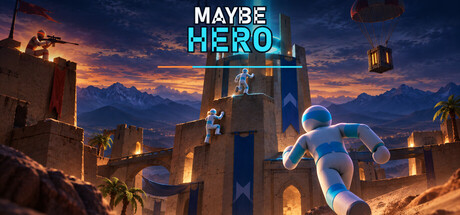
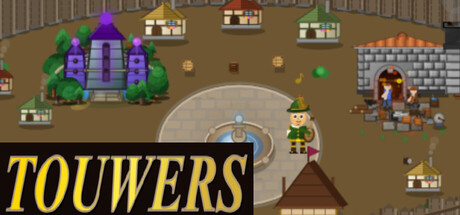
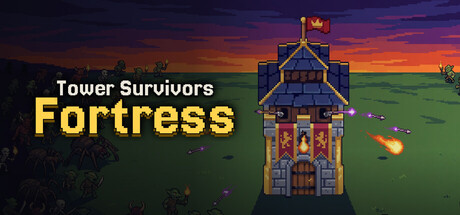
The tower and building art began as 3D models made with AI tools and inside Blender. I edited many of them by hand, then turned them into pixel art with our own pipeline. The characters are drawn by hand in Aseprite. Some in-game text and the translations were written with AI assistance.
Pre-generated AI was used to assist in creating the game's logo, some 2D UI elements (HUD icons), and the background music for the promotional teaser (using Soundraw). The game's code, 3D assets, core mechanics, and level design are developed without generative AI.
Generative AI tools were used during development to assist with programming, debugging, in-game text, and localization. All AI-assisted output was reviewed, edited, and integrated by the developer. The game does not use generative AI during gameplay, and no content is generated from player input at runtime.
Generative AI tools were used during development to create pre-rendered assets: creature and building artwork, icons, 3D models and parts of the store graphics. All assets were selected, edited and integrated by the developers. The game does not generate any content with AI while it is running.
This game started with my own ideas. Its development, design, sound, and graphics were all created using AI. AI-generated content was created during development. The game does not generate AI content during gameplay or connect to external AI services.
Generative AI was used during development to help create some visual assets included in the game, including artwork and models, and to assist with translation of in-game text. Generative AI was also used to create promotional artwork and help write the descriptions on this Steam store page. These materials and translations are prepared in advance. The game does not use AI to generate content or code during gameplay and does not connect to external AI services.
Generative AI tools were used during development across visual assets, audio, and written content. AI-assisted outputs were substantially edited, composited, photobashed and hand-painted by the developer before inclusion in the game. No generative AI is used at runtime.
Generative AI tools were used during development to assist in creating some visual artwork and image assets. These images were subsequently edited and modified by the developer using image-editing software before being incorporated into the game. Other game assets include original developer-created artwork and licensed assets purchased from third-party artists/asset creators. No AI-generated content is created live during gameplay.
Generative AI used as developer tool for code, testing, modeling, and sound.
Generative AI used directly for campaign mission brief and victory screen full screen background art.
The game is written in English and was translated into 14 other languages with AI assistance. Every translated line is reviewed before release.
Nothing in the game is generated by AI while you play.
During the development of this game, AI tools were used to assist in creating some game assets and promotional materials for the store, as well as to assist in writing and optimizing some program codes. All the AI-assisted content was manually screened, adjusted, integrated, tested, and finally reviewed by the developers.
This game uses AI-generated 2D art assets, including block icons,
character sprites, and tower visuals. These assets were created
with the assistance of generative AI image models and have beenreviewed and curated by our team. All gameplay logic, story,
and sound design are human-authored.
Some environment art is AI-generated (game background and level-select planet images). Gameplay models, UI, store capsules, and trailer footage are original. Code was written with AI assistance.
Generative AI technology is used in a supplementary capacity during the creation of some user interface assets.
Any such assets are replaced through our production pipeline by our art and development teams, ensuring they meet our quality standards and creative direction.
Generative AI tools were used to create various pre-rendered background images seen in menus, game over screens, and illustrative posters within the game world.
Generative AI tools were used during development to assist with language translation and localization, as well as researching historical and contextual lore to ensure narrative accuracy. All final text, gameplay content, and lore were reviewed and edited by human creators.
During development, generative AI is used to explore visual concepts and create prototype. Also used on Translation. Textures, animations, and 3D models are created manually. The game does not generate AI content during gameplay.
Voltwood was developed with AI assistance. Pre-generated AI content that ships in the game and on the store page includes: 3D unit, structure, and environment models generated with Meshy from our own concept art; 2D art generated with ChatGPT from the developer's direction, including store capsule art, the app icon and key art, menu artwork, and achievement icons; music generated with Mureka; sound effects and character voice lines generated with ElevenLabs; game code, UI icons, and interface and store-page translations authored with Anthropic Claude. All AI output was reviewed, curated, and integrated by the developer, and all of it is owned by the developer under the respective services' paid-tier terms.
Generative AI is used during development to help create store artwork, some character and military prop source assets, and localized store text. Assets are edited and integrated during development. The game does not generate AI content or connect to external AI services during gameplay.
Generative AI tools were used to assist with some visual assets and localization. All AI-assisted content was reviewed and edited by the development team before being included in the final game.
The soundtrack was composed with Suno, and the sound effects and unit/announcer voice lines were generated with ElevenLabs; all were selected, edited and mixed by the developer. The title logo illustration was drafted with an AI image tool and finished by hand. The UI frame art is a licensed commercial kit (not AI). No AI content is generated while the game runs.
Generative AI tools assisted with drafting and translating text for the store page and trailer captions. The game does not generate AI content during play.
Generative AI tools were used throughout development: the game's code and its in-game text, the paintings, achievement icons and interface art, the 3D models, and the music and sound effects. Everything was reviewed, edited and tested, and ships as fixed content. Nothing is generated while you play: the game runs no model and makes no network call.
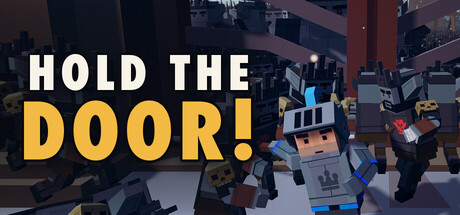
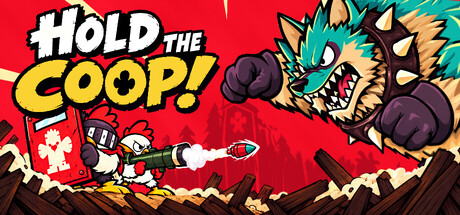
We used AI tools to speed up parts of our creative workflow, including artwork, music, text, and translations. Our creative vision guided the process, and we selected and refined the visuals to match Hold the Coop!’s cartoon style.
Some pre-generated assets in this game (certain artwork/icons/sound effects) were created with the assistance of AI tools and then reviewed and edited by the developer. No content is generated by AI at runtime.
During the development of the game, AI tools have been used selectively and in a controlled manner to support certain creative and technical processes. Their use has always been guided, reviewed, and supervised by humans, with all final decisions remaining under the direction of the design and technical teams. AI has been used as a supporting tool, never as a replacement for human creativity, judgment, or development work
As a solo developer several of the art assets used during the development of the game are generated using AI models with art references. Should the game be successful it is my hope to slowly start using commissioned art.
Most of Stackade's code was written with generative AI coding tools, working to the developer's direction. Everything you see on the board is drawn by that code; the game contains no AI-generated images. The ten translations besides English were produced with AI. Parts of this store page, its marketing images and its trailer were also made with AI assistance. The sound effects and music are recordings made by people and are credited in the game. Nothing is generated by AI while you play, and the game never connects to an AI service.
This game uses generative AI-assisted content in some pre-rendered assets, such as visual effects, UI elements, background or promotional artwork, marketing/community materials, and localization. No live generative AI system is used during gameplay, and the game does not generate new player-facing content dynamically while the player is playing.
Some of the game's assets were created with generative AI tools during development and are pre-generated: card illustrations, character portraits and UI artwork (image generation), several 3D character models (Meshy), sound effects, music and the narrated story panels (ElevenLabs). Parts of the code were written with AI coding assistants. All of this content was reviewed and integrated by the developer. The game does not generate any content while you play.
This game features AI-assisted artwork and language translation. All assets were [reviewed or edited or approved] by the developer to ensure quality and consistency with the game's vision.
The tower and building art began as 3D models made with AI tools and inside Blender. I edited many of them by hand, then turned them into pixel art with our own pipeline. The characters are drawn by hand in Aseprite. Some in-game text and the translations were written with AI assistance.
Pre-generated AI was used to assist in creating the game's logo, some 2D UI elements (HUD icons), and the background music for the promotional teaser (using Soundraw). The game's code, 3D assets, core mechanics, and level design are developed without generative AI.
Generative AI tools were used during development to assist with programming, debugging, in-game text, and localization. All AI-assisted output was reviewed, edited, and integrated by the developer. The game does not use generative AI during gameplay, and no content is generated from player input at runtime.
Generative AI tools were used during development to create pre-rendered assets: creature and building artwork, icons, 3D models and parts of the store graphics. All assets were selected, edited and integrated by the developers. The game does not generate any content with AI while it is running.
This game started with my own ideas. Its development, design, sound, and graphics were all created using AI. AI-generated content was created during development. The game does not generate AI content during gameplay or connect to external AI services.
Generative AI was used during development to help create some visual assets included in the game, including artwork and models, and to assist with translation of in-game text. Generative AI was also used to create promotional artwork and help write the descriptions on this Steam store page. These materials and translations are prepared in advance. The game does not use AI to generate content or code during gameplay and does not connect to external AI services.
Generative AI tools were used during development across visual assets, audio, and written content. AI-assisted outputs were substantially edited, composited, photobashed and hand-painted by the developer before inclusion in the game. No generative AI is used at runtime.
Generative AI tools were used during development to assist in creating some visual artwork and image assets. These images were subsequently edited and modified by the developer using image-editing software before being incorporated into the game. Other game assets include original developer-created artwork and licensed assets purchased from third-party artists/asset creators. No AI-generated content is created live during gameplay.
Generative AI used as developer tool for code, testing, modeling, and sound.
Generative AI used directly for campaign mission brief and victory screen full screen background art.
The game is written in English and was translated into 14 other languages with AI assistance. Every translated line is reviewed before release.
Nothing in the game is generated by AI while you play.
During the development of this game, AI tools were used to assist in creating some game assets and promotional materials for the store, as well as to assist in writing and optimizing some program codes. All the AI-assisted content was manually screened, adjusted, integrated, tested, and finally reviewed by the developers.
This game uses AI-generated 2D art assets, including block icons,
character sprites, and tower visuals. These assets were created
with the assistance of generative AI image models and have beenreviewed and curated by our team. All gameplay logic, story,
and sound design are human-authored.
Some environment art is AI-generated (game background and level-select planet images). Gameplay models, UI, store capsules, and trailer footage are original. Code was written with AI assistance.
Generative AI technology is used in a supplementary capacity during the creation of some user interface assets.
Any such assets are replaced through our production pipeline by our art and development teams, ensuring they meet our quality standards and creative direction.
Generative AI tools were used to create various pre-rendered background images seen in menus, game over screens, and illustrative posters within the game world.
Generative AI tools were used during development to assist with language translation and localization, as well as researching historical and contextual lore to ensure narrative accuracy. All final text, gameplay content, and lore were reviewed and edited by human creators.
During development, generative AI is used to explore visual concepts and create prototype. Also used on Translation. Textures, animations, and 3D models are created manually. The game does not generate AI content during gameplay.
Voltwood was developed with AI assistance. Pre-generated AI content that ships in the game and on the store page includes: 3D unit, structure, and environment models generated with Meshy from our own concept art; 2D art generated with ChatGPT from the developer's direction, including store capsule art, the app icon and key art, menu artwork, and achievement icons; music generated with Mureka; sound effects and character voice lines generated with ElevenLabs; game code, UI icons, and interface and store-page translations authored with Anthropic Claude. All AI output was reviewed, curated, and integrated by the developer, and all of it is owned by the developer under the respective services' paid-tier terms.
Generative AI is used during development to help create store artwork, some character and military prop source assets, and localized store text. Assets are edited and integrated during development. The game does not generate AI content or connect to external AI services during gameplay.
Generative AI tools were used to assist with some visual assets and localization. All AI-assisted content was reviewed and edited by the development team before being included in the final game.
The soundtrack was composed with Suno, and the sound effects and unit/announcer voice lines were generated with ElevenLabs; all were selected, edited and mixed by the developer. The title logo illustration was drafted with an AI image tool and finished by hand. The UI frame art is a licensed commercial kit (not AI). No AI content is generated while the game runs.
Generative AI tools assisted with drafting and translating text for the store page and trailer captions. The game does not generate AI content during play.
Generative AI tools were used throughout development: the game's code and its in-game text, the paintings, achievement icons and interface art, the 3D models, and the music and sound effects. Everything was reviewed, edited and tested, and ships as fixed content. Nothing is generated while you play: the game runs no model and makes no network call.
We used AI tools to speed up parts of our creative workflow, including artwork, music, text, and translations. Our creative vision guided the process, and we selected and refined the visuals to match Hold the Coop!’s cartoon style.
Some pre-generated assets in this game (certain artwork/icons/sound effects) were created with the assistance of AI tools and then reviewed and edited by the developer. No content is generated by AI at runtime.
During the development of the game, AI tools have been used selectively and in a controlled manner to support certain creative and technical processes. Their use has always been guided, reviewed, and supervised by humans, with all final decisions remaining under the direction of the design and technical teams. AI has been used as a supporting tool, never as a replacement for human creativity, judgment, or development work
As a solo developer several of the art assets used during the development of the game are generated using AI models with art references. Should the game be successful it is my hope to slowly start using commissioned art.
Most of Stackade's code was written with generative AI coding tools, working to the developer's direction. Everything you see on the board is drawn by that code; the game contains no AI-generated images. The ten translations besides English were produced with AI. Parts of this store page, its marketing images and its trailer were also made with AI assistance. The sound effects and music are recordings made by people and are credited in the game. Nothing is generated by AI while you play, and the game never connects to an AI service.
This game uses generative AI-assisted content in some pre-rendered assets, such as visual effects, UI elements, background or promotional artwork, marketing/community materials, and localization. No live generative AI system is used during gameplay, and the game does not generate new player-facing content dynamically while the player is playing.
Some of the game's assets were created with generative AI tools during development and are pre-generated: card illustrations, character portraits and UI artwork (image generation), several 3D character models (Meshy), sound effects, music and the narrated story panels (ElevenLabs). Parts of the code were written with AI coding assistants. All of this content was reviewed and integrated by the developer. The game does not generate any content while you play.
This game features AI-assisted artwork and language translation. All assets were [reviewed or edited or approved] by the developer to ensure quality and consistency with the game's vision.