Public Steam disclosure research25,376 disclosures tracked
Where do games disclose AI use?
Search developers’ Steam disclosures, compare classified AI use across
games, and follow recorded changes.
This index adds cross-game classifications and statistics to
statements published on individual store pages.
Groups reflect automatic analysis of public disclosures; mature records are excluded. These counts do not measure AI use across all of Steam.
Missing or unclear statements cannot establish whether a game uses AI.
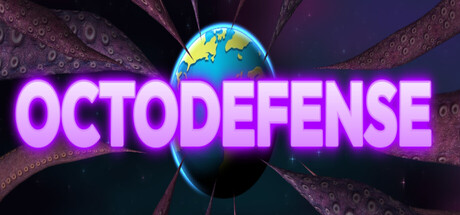
The intro cinematic and the artwork taken from it (used on this store page) were generated with AI video tools from the game's own 3D models, as were some illustrations and icons of the interface. The soundtrack was composed with an AI music tool, and the translations were made with AI assistance. No AI generates content while you play.
Game text translations and parts of the store page and marketing text were created with AI assistance. All art, music and sound effects are made without generative AI.
Generative AI was used to help write the text in the game and on the store page, including their translations. The game does not generate any AI content during play.
Includes prerecorded AI-generated enemy voices, AI-generated promotional artwork in the Steam assets and trailer, and AI-assisted store-page translations awaiting native review. No AI content is generated during gameplay.
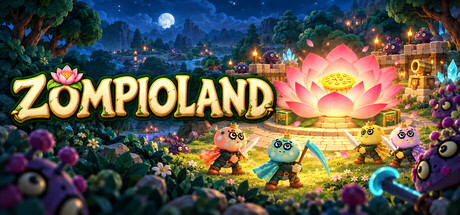
OpenAI's ChatGPT and Codex, including image-generation tools accessed through them, were used during the development of Zompioland. AI-assisted work includes programming and development scripts, code used to construct procedural 3D models and visual effects, interface elements, localization, and written in-game text.
AI assistance was also used to create and prepare pre-generated Steam marketing materials, including capsule and library artwork, header graphics, the game logo, store-page text, and the trailer's planning, titles, and editing. The trailer's gameplay footage was captured from the actual game. Steam gameplay screenshots are direct captures of the game, while AI-assisted promotional artwork is presented as store graphics rather than gameplay screenshots.
The developer reviewed, edited, tested, and integrated the AI-assisted work. Some models and effects are assembled while the game runs by conventional game code; this is not live generative AI. Zompioland does not connect to a generative AI service or use a generative AI model to create new content during gameplay.
Some visual assets in this game, including certain 3D models, textures, UI elements, icons, and character portraits, as well as background music and some sound effects, were created in advance with the help of generative AI tools. The developer reviewed and integrated the AI-generated assets. Some music and UI, victory, and defeat sound effects were generated with Google Gemini; other sound effects use third-party recordings or procedural synthesis. The game does not use generative AI at runtime, generate content while you play, or connect to AI services.
The game's pixel art, sound effects and music, in-game text (including translation), program code, and the store page text and images were created using an AI tool (Anthropic's Claude) under the developer's direction and review. The game does not generate any content with AI while it is running.
Some of this game's assets, including artwork and sound effects, were created with the assistance of generative AI. These assets were selected and integrated by the developer for use in the game and on its Steam store page.
NBD2 is an AI game development studio. As a solo indie dev who is unlikely to ever make a dime from any of my games, there's no other way I could bring my ideas to life.
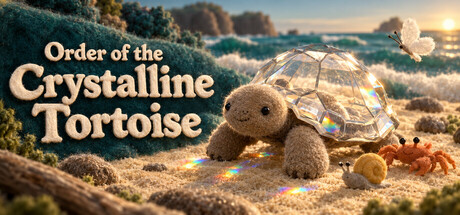
Order of the Crystalline Tortoise was created using generative AI throughout development, including its game code, 3D models, interface art, sound and text. The models were built by AI agents writing Blender scripts, the poster is drawn by code, and the music and sound effects were synthesized by code, with gull calls from a CC0 field recording. All AI generation took place during development. The game does not generate AI content or code during play or connect to an external AI service.
I recognize AI in game development is an extremely sensitive topic and I appreciate both sides. I only hope the game is fun.
The goal should always be making something that human beings will enjoy.
The majority of the core art assets have been purchased and used under license, however some additional art assets have been AI-generated to supplement development.
Pre-generated content: generative AI tools were used during development to help create some of the game's 3D models, concept art and illustrations, music, voice lines and sound effects, as well as part of the store artwork and trailer footage. All of this content was selected, edited, integrated and adjusted by hand by the developer. The game's design, writing, story, code and balance are human-made. No content is generated by AI while the game is running.
Some artwork and promotional images, dialogue, synthesized character voices, and sound effects were created with generative AI tools during development. These are pre-generated, fixed assets. No content is generated by AI during gameplay, and the game does not connect to third-party AI services while you play.
Generative AI was used to create or assist with game code, artwork, audio, written content, localization, and store marketing materials. Gameplay was designed by the developer. All content is prepared before release; no content or code is generated during gameplay, and no external AI services are used during gameplay.
AI was only used to translate the game into its different languages, to polish Dr. Ferrán's dialogue in each of them, and to polish the game's description on the Steam page. The original lines were written by us in Spanish.
AI tools assisted with game development, particularly multiplayer systems, and with the creation of in-game artwork, animations, and music as well as store and marketing visuals, including the logo.
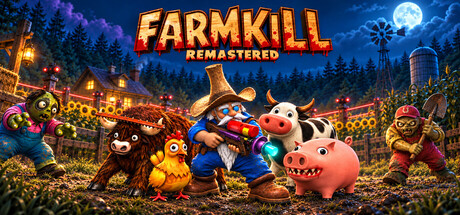
Farmkill Remastered brings back the game our small team originally created for iPad in 2012. For its PC remaster, we used AI tools to upscale, sharpen and redraw the original low-resolution artwork, preserving the characters and visual designs while restoring detail for larger screens.
We also used generative AI to create new artwork, music, character voices, sound effects, written content and animated cutscenes, including assets used in the store artwork and trailer. This content was generated during development, then selected and integrated under the developer’s creative direction. The game does not generate AI content during play.
Pre-generated: The music was made with Suno. Sound effects, ambience and voices were made with ElevenLabs. The ability and tech icons were generated with AI image models and edited for the game. All of it was selected, edited and mixed by the developers.
The 3D models, maps, animations and gameplay was developed with support of coding models.
Every screenshot and video on this page was captured in the game.
The store capsule art was refined with an AI image tool from in-game renders.
Generative AI was used during development to create some 3D models, textures, artwork, music, and store marketing materials, including the cinematic teaser. These assets were prepared before release. The game does not generate AI content during play or connect to external AI services.
Generative AI tools were used during development to create some visual assets and to assist with writing, modifying, and debugging code. All AI-generated or AI-assisted content was reviewed, adjusted, and integrated by the developer. The game does not use generative AI to create content during gameplay.
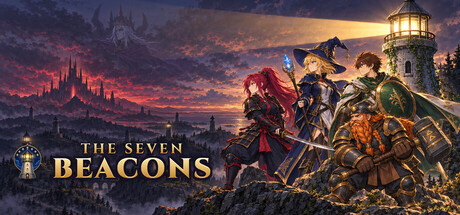
The Seven Beacons is made by a small independent studio that uses generative AI tools as part of production. Every piece is directed, chosen and integrated by the developer.
Pre-generated with AI assistance:
- Illustrations: combat art, backgrounds, characters, and the store and library art.
- Music: compositions created with AI assistance and performed with sampled instruments.
- The English and Brazilian Portuguese translations (the game was written in Spanish).
- Pixel sprites and sound effects, generated by scripts written with AI assistance.
- The text of this store page.
The game does not generate any AI content while you play: everything you see and hear was made before release and ships with the game.
We’re two developers living on opposite sides of the world, who have been A LOT of sleepless nights building the game and world we wanted to see made possible.
Without AI, this game would not have been possible. Despite that, we know that the world would be portrayed much better with a dedicated team of designers and artists behind it. We've made it a massive priority ours to create all of our visual design with as much human touch as we can to stay true to how we envision the world.
The story, characters, worldbuilding, etc. Are all written by uS. A *very* generous friend is creating the soundtrack. We know everyone has different views on AI generated content and we are committed to being VERY clear of the when and where of it's used. In the long-term, we hope to grow to a point where we rely on AI less, and rely on people more for further development of Vorpus.
Parts of the game's code and in-game text were written with AI assistance and edited by hand. The store capsule art was generated with AI image tools from the game's own visual style and then edited. No AI-generated image or audio files ship inside the game itself: every graphic is drawn in code while it runs, and all music and sound are synthesised live.
Gurafikku no kiso o jibun de sakusei shita ato, komakai seisho, ryōsan ni AI o shiyō shite imasu. Saundo ni kanshite wa, shōyō riyōna AI seisei no saito nite seisei shita mono o shiyō shite imasu.
81
I create the basic graphics myself, then use AI for detailed refinement and mass production.
For sound, I use assets generated on AI platforms that permit commercial use.
Some assets and localization content in Idle Clicker Tower were created with the support of generative artificial intelligence tools during development. This includes assistance with translations and localized text for all supported languages. All content included in the final version was manually reviewed, selected, corrected, and edited to ensure visual consistency, linguistic accuracy, quality, and suitability for the final product.
The pixel art was created with the help of AI image tools, then cleaned up, animated and assembled by hand. Sound effects and music were made with AI audio tools and edited for the game. Nothing is generated by AI while you play.
Generative AI was used as part of the creative process to assist in the creation of some artwork and visual assets used in the game and its marketing materials.
Some visual assets, including map backgrounds, concept art, and hero and creature models, were created with the help of AI image and 3D generation tools. The developer then edited, rigged, animated and integrated them by hand. Some text, including translations into the supported languages and store copy, was drafted with AI assistance and reviewed by the developer. The voice-over in the trailer was generated with an AI voice tool.
The game does not generate any content with AI during gameplay.
Generative AI was used to assist in the creation and iteration of selected visual assets and marketing materials. All final content was reviewed, selected, and integrated by the developer. No generative AI is used during gameplay.
AI tools were used during development to help write the game's code (including the scripts that procedurally generate its sound effects and store art), to compose the soundtrack (melodies and arrangements written with AI assistance, rendered from our own scripts and an MIT-licensed instrument bank) and to translate its text into 10 languages. Game design, balance and visual direction are the developer's own, and all AI-assisted work was reviewed before being included. The game does not generate any AI content while you play.
Generative AI tools were used during development to assist with the creation and refinement of game content. All content included in the final game was reviewed, selected, and integrated by the developer. The game does not generate AI content during gameplay.
Generative AI was used to create some artwork, music, sound effects, text, and localization included in the game. Some AI-generated content is used as-is, while some has been edited by the developer.
The game does not generate AI content at runtime.
Generative AI tools were used during development to create artwork, character voices, sound effects, and portions of the written content. AI-generated artwork is also used in the store page and promotional materials. These assets are prepared in advance; the game does not generate AI content or connect to generative AI services during gameplay.
Some content in this game was created with the help of AI tools during development: the English and Japanese translations, the store page text, and parts of the pixel art, which is drawn in code written with an AI coding assistant. The game does not use AI to generate any content while you play.
Generative AI was used during development for code, music, UI text, icons, and store imagery. Generated output is reviewed, edited, tested, and integrated by the developer.
All character and monster art is hand-drawn pixel art (MiniKyara by Atelier Pixerelia), not AI-generated. AI helped with the text, translations and sound. Nothing is generated by AI while you play.
This game used AI assistance to help arrange the store page artwork and to support programming. AI assistance was also used to write the store page text, and the multi-language localization in the current version was produced with AI assistance. All AI-related work was carried out under the direction and planning of the developer.
The intro cinematic and the artwork taken from it (used on this store page) were generated with AI video tools from the game's own 3D models, as were some illustrations and icons of the interface. The soundtrack was composed with an AI music tool, and the translations were made with AI assistance. No AI generates content while you play.
Game text translations and parts of the store page and marketing text were created with AI assistance. All art, music and sound effects are made without generative AI.
Generative AI was used to help write the text in the game and on the store page, including their translations. The game does not generate any AI content during play.
Includes prerecorded AI-generated enemy voices, AI-generated promotional artwork in the Steam assets and trailer, and AI-assisted store-page translations awaiting native review. No AI content is generated during gameplay.
OpenAI's ChatGPT and Codex, including image-generation tools accessed through them, were used during the development of Zompioland. AI-assisted work includes programming and development scripts, code used to construct procedural 3D models and visual effects, interface elements, localization, and written in-game text.
AI assistance was also used to create and prepare pre-generated Steam marketing materials, including capsule and library artwork, header graphics, the game logo, store-page text, and the trailer's planning, titles, and editing. The trailer's gameplay footage was captured from the actual game. Steam gameplay screenshots are direct captures of the game, while AI-assisted promotional artwork is presented as store graphics rather than gameplay screenshots.
The developer reviewed, edited, tested, and integrated the AI-assisted work. Some models and effects are assembled while the game runs by conventional game code; this is not live generative AI. Zompioland does not connect to a generative AI service or use a generative AI model to create new content during gameplay.
Some visual assets in this game, including certain 3D models, textures, UI elements, icons, and character portraits, as well as background music and some sound effects, were created in advance with the help of generative AI tools. The developer reviewed and integrated the AI-generated assets. Some music and UI, victory, and defeat sound effects were generated with Google Gemini; other sound effects use third-party recordings or procedural synthesis. The game does not use generative AI at runtime, generate content while you play, or connect to AI services.
The game's pixel art, sound effects and music, in-game text (including translation), program code, and the store page text and images were created using an AI tool (Anthropic's Claude) under the developer's direction and review. The game does not generate any content with AI while it is running.
Some of this game's assets, including artwork and sound effects, were created with the assistance of generative AI. These assets were selected and integrated by the developer for use in the game and on its Steam store page.
NBD2 is an AI game development studio. As a solo indie dev who is unlikely to ever make a dime from any of my games, there's no other way I could bring my ideas to life.
Order of the Crystalline Tortoise was created using generative AI throughout development, including its game code, 3D models, interface art, sound and text. The models were built by AI agents writing Blender scripts, the poster is drawn by code, and the music and sound effects were synthesized by code, with gull calls from a CC0 field recording. All AI generation took place during development. The game does not generate AI content or code during play or connect to an external AI service.
I recognize AI in game development is an extremely sensitive topic and I appreciate both sides. I only hope the game is fun.
The goal should always be making something that human beings will enjoy.
The majority of the core art assets have been purchased and used under license, however some additional art assets have been AI-generated to supplement development.
Pre-generated content: generative AI tools were used during development to help create some of the game's 3D models, concept art and illustrations, music, voice lines and sound effects, as well as part of the store artwork and trailer footage. All of this content was selected, edited, integrated and adjusted by hand by the developer. The game's design, writing, story, code and balance are human-made. No content is generated by AI while the game is running.
Some artwork and promotional images, dialogue, synthesized character voices, and sound effects were created with generative AI tools during development. These are pre-generated, fixed assets. No content is generated by AI during gameplay, and the game does not connect to third-party AI services while you play.
Generative AI was used to create or assist with game code, artwork, audio, written content, localization, and store marketing materials. Gameplay was designed by the developer. All content is prepared before release; no content or code is generated during gameplay, and no external AI services are used during gameplay.
AI was only used to translate the game into its different languages, to polish Dr. Ferrán's dialogue in each of them, and to polish the game's description on the Steam page. The original lines were written by us in Spanish.
AI tools assisted with game development, particularly multiplayer systems, and with the creation of in-game artwork, animations, and music as well as store and marketing visuals, including the logo.
Farmkill Remastered brings back the game our small team originally created for iPad in 2012. For its PC remaster, we used AI tools to upscale, sharpen and redraw the original low-resolution artwork, preserving the characters and visual designs while restoring detail for larger screens.
We also used generative AI to create new artwork, music, character voices, sound effects, written content and animated cutscenes, including assets used in the store artwork and trailer. This content was generated during development, then selected and integrated under the developer’s creative direction. The game does not generate AI content during play.
Pre-generated: The music was made with Suno. Sound effects, ambience and voices were made with ElevenLabs. The ability and tech icons were generated with AI image models and edited for the game. All of it was selected, edited and mixed by the developers.
The 3D models, maps, animations and gameplay was developed with support of coding models.
Every screenshot and video on this page was captured in the game.
The store capsule art was refined with an AI image tool from in-game renders.
Generative AI was used during development to create some 3D models, textures, artwork, music, and store marketing materials, including the cinematic teaser. These assets were prepared before release. The game does not generate AI content during play or connect to external AI services.
Generative AI tools were used during development to create some visual assets and to assist with writing, modifying, and debugging code. All AI-generated or AI-assisted content was reviewed, adjusted, and integrated by the developer. The game does not use generative AI to create content during gameplay.
The Seven Beacons is made by a small independent studio that uses generative AI tools as part of production. Every piece is directed, chosen and integrated by the developer.
Pre-generated with AI assistance:
- Illustrations: combat art, backgrounds, characters, and the store and library art.
- Music: compositions created with AI assistance and performed with sampled instruments.
- The English and Brazilian Portuguese translations (the game was written in Spanish).
- Pixel sprites and sound effects, generated by scripts written with AI assistance.
- The text of this store page.
The game does not generate any AI content while you play: everything you see and hear was made before release and ships with the game.
We’re two developers living on opposite sides of the world, who have been A LOT of sleepless nights building the game and world we wanted to see made possible.
Without AI, this game would not have been possible. Despite that, we know that the world would be portrayed much better with a dedicated team of designers and artists behind it. We've made it a massive priority ours to create all of our visual design with as much human touch as we can to stay true to how we envision the world.
The story, characters, worldbuilding, etc. Are all written by uS. A *very* generous friend is creating the soundtrack. We know everyone has different views on AI generated content and we are committed to being VERY clear of the when and where of it's used. In the long-term, we hope to grow to a point where we rely on AI less, and rely on people more for further development of Vorpus.
Parts of the game's code and in-game text were written with AI assistance and edited by hand. The store capsule art was generated with AI image tools from the game's own visual style and then edited. No AI-generated image or audio files ship inside the game itself: every graphic is drawn in code while it runs, and all music and sound are synthesised live.
Gurafikku no kiso o jibun de sakusei shita ato, komakai seisho, ryōsan ni AI o shiyō shite imasu. Saundo ni kanshite wa, shōyō riyōna AI seisei no saito nite seisei shita mono o shiyō shite imasu.
81
I create the basic graphics myself, then use AI for detailed refinement and mass production.
For sound, I use assets generated on AI platforms that permit commercial use.
Some assets and localization content in Idle Clicker Tower were created with the support of generative artificial intelligence tools during development. This includes assistance with translations and localized text for all supported languages. All content included in the final version was manually reviewed, selected, corrected, and edited to ensure visual consistency, linguistic accuracy, quality, and suitability for the final product.
The pixel art was created with the help of AI image tools, then cleaned up, animated and assembled by hand. Sound effects and music were made with AI audio tools and edited for the game. Nothing is generated by AI while you play.
Generative AI was used as part of the creative process to assist in the creation of some artwork and visual assets used in the game and its marketing materials.
Some visual assets, including map backgrounds, concept art, and hero and creature models, were created with the help of AI image and 3D generation tools. The developer then edited, rigged, animated and integrated them by hand. Some text, including translations into the supported languages and store copy, was drafted with AI assistance and reviewed by the developer. The voice-over in the trailer was generated with an AI voice tool.
The game does not generate any content with AI during gameplay.
Generative AI was used to assist in the creation and iteration of selected visual assets and marketing materials. All final content was reviewed, selected, and integrated by the developer. No generative AI is used during gameplay.
AI tools were used during development to help write the game's code (including the scripts that procedurally generate its sound effects and store art), to compose the soundtrack (melodies and arrangements written with AI assistance, rendered from our own scripts and an MIT-licensed instrument bank) and to translate its text into 10 languages. Game design, balance and visual direction are the developer's own, and all AI-assisted work was reviewed before being included. The game does not generate any AI content while you play.
Generative AI tools were used during development to assist with the creation and refinement of game content. All content included in the final game was reviewed, selected, and integrated by the developer. The game does not generate AI content during gameplay.
Generative AI was used to create some artwork, music, sound effects, text, and localization included in the game. Some AI-generated content is used as-is, while some has been edited by the developer.
The game does not generate AI content at runtime.
Generative AI tools were used during development to create artwork, character voices, sound effects, and portions of the written content. AI-generated artwork is also used in the store page and promotional materials. These assets are prepared in advance; the game does not generate AI content or connect to generative AI services during gameplay.
Some content in this game was created with the help of AI tools during development: the English and Japanese translations, the store page text, and parts of the pixel art, which is drawn in code written with an AI coding assistant. The game does not use AI to generate any content while you play.
Generative AI was used during development for code, music, UI text, icons, and store imagery. Generated output is reviewed, edited, tested, and integrated by the developer.
All character and monster art is hand-drawn pixel art (MiniKyara by Atelier Pixerelia), not AI-generated. AI helped with the text, translations and sound. Nothing is generated by AI while you play.
This game used AI assistance to help arrange the store page artwork and to support programming. AI assistance was also used to write the store page text, and the multi-language localization in the current version was produced with AI assistance. All AI-related work was carried out under the direction and planning of the developer.