Public Steam disclosure research25,376 disclosures tracked
Where do games disclose AI use?
Search developers’ Steam disclosures, compare classified AI use across
games, and follow recorded changes.
This index adds cross-game classifications and statistics to
statements published on individual store pages.
Groups reflect automatic analysis of public disclosures; mature records are excluded. These counts do not measure AI use across all of Steam.
Missing or unclear statements cannot establish whether a game uses AI.
Some content in this game was created with the assistance of generative AI tools during development, including certain visual assets, store artwork, capsule art, and text. All AI-assisted content was reviewed, edited, and integrated by the developer to ensure it fits the game’s design and overall player experience.
During development, we may use AI-assisted tools to prototype and iterate on content.
All assets in the final game are reviewed, refined, or recreated by our team.
If you spot something that looks like an unfinished AI placeholder, please let us know - we take that seriously.
This game uses pre-generated AI-assisted content for certain promotional artwork, visual assets, and audio materials. No AI-generated content is created during gameplay.
All music was generated by AI.
Anything not covered up with an effect was touched up by AI. We created the original concepts in Piskel.
Ai assisted with some aspects of coding/refactoring/debugging.
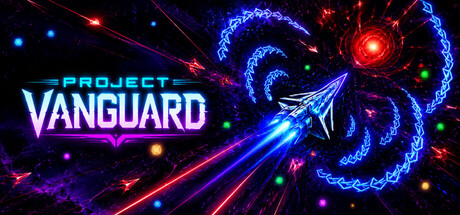
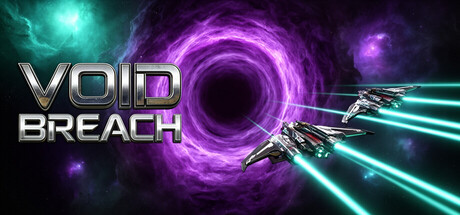
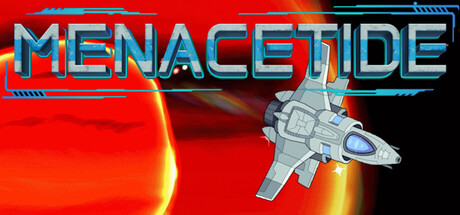
The image in our store media, with the 3 ships, was generated using AI based on our in-game enemy ships and the players "elite" ship. Everything else was created using Canva.
We used generative AI tools to assist with drafting and localizing store page text. All AI-assisted text is reviewed and edited by our team before publication. The game does not use live-generated AI content during gameplay.
I use AI to summarize documentation, criticize my code, and help me make sense of error messages.
Sometimes I feel discouraged and I ask AI to write stuff for me. Seeing the garbage it produces makes me feel better, and encourages me to try again :)
TRANSLATIONS in store page and in-game have been generated with artificial intelligence. These translations are FULLY OPTIONAL to use and you can experience the full game without any artificial intelligence by playing in the English language. I wanted to give people the possibility to experience the game in their native language, which is why this decision was made.
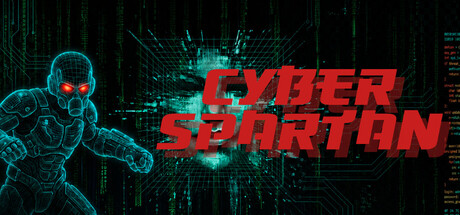
Cyber Spartan uses AI-generated content for select visual assets, including character expression artwork and some promotional materials. Core gameplay code, game design, and level design are human-directed. AI tools were used as a creative partner
throughout development.
Vertical capsule image (store and library) generated using Adobe Firefly.
All in-game content (sprites, music, sound effects) is human-created or licensed from human-made asset packs.
Generative AI tools were used during development to assist with selected visual and audio asset concepts and production support.
All final assets included in the game were reviewed, edited, and integrated by the developer to ensure they are appropriate for the game and do not knowingly include infringing content. No live AI-generated content is produced during gameplay.
Generative AI tools were used as an aid for localization and for some in-game animations. All results were reviewed and manually refined by the developer.
As an indie non-english speaker, AI was used for polishing game store page and texts inside game. Images in game and gameplay in game are not affected by AI.
Some store and library marketing images were created with AI-assisted image generation. The game’s code, gameplay systems, balancing, ship behavior, upgrade systems, and implementation were developed by the developer.
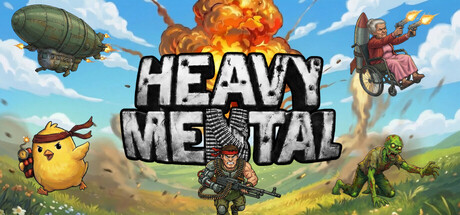
During the development of Heavy Mental, we utilized Meshy AI to assist in creating base 3D models and textures for several character assets and environmental props. Every asset generated through AI has been manually refined, rigged, and animated by our development team to ensure it fits the game's unique stylized art direction and meets our quality standards. Our use of AI is limited to the pre-production phase to streamline our artistic workflow.
Game artwork (sprites for items, enemies, characters, and UI elements) was generated using Stable Diffusion
(DreamShaper model) running locally. Sound effects and music were generated using Meta AudioCraft (AudioGen/MusicGen)
running locally. Non-English translations were generated using local LLMs (Ollama) and manually reviewed. No external AI
services are used during gameplay. All AI-generated content was produced offline during development.
AI is used to generate some art and sound during parts of development. As a solo dev this is a way for me to test gameplay easy.
Translations for store pages are also made with AI
The background music for Geometry Attack was created using Soundraw, an AI-powered music generation tool. All musical tracks were pre-generated during development and are included as static assets in the final game.
This project is being developed by a small two-person team.
The use of AI tools in this project is strictly limited to the following assets:
- flag textures
- selected marketing assets and voice lines
We plan to replace these elements with fully original, custom-created assets and professionally recorded voice acting as soon as funding allows.
All AI-assisted content is reviewed, edited, and integrated by the development team to ensure consistency and quality.
AI tools were used to create the game's logo and the store page's marketing assets (capsules). All other in-game assets have been replaced with manually created graphics. The AI-generated base marketing materials and logo were subsequently edited and modified manually before integration.
The store promotional images were generated using AI with manual modifications. Some in-game upgrade icons were generated using AI and then manually refined. Most of the game's multilingual translations were created using AI.
This game uses generative artificial intelligence tools as support in certain creative processes, including visual and/or production elements.
All final content has been supervised, edited, and directed by the developer to ensure artistic and narrative coherence.
Generative AI was used to create the promotional artwork (capsules and banners) for the store page. In-game, the soldiers' voices were generated using AI text-to-speech technologies.
Some static artwork used on the store page and marketing materials was created with AI-assisted tools. These images were manually edited, reviewed, and finalized by the developer.
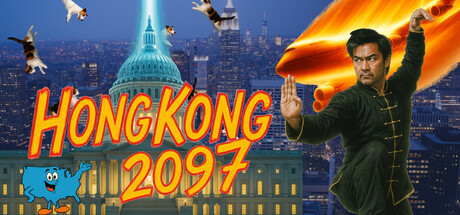
Much of the enemy graphics were made with the help of generative AI. However, none of them are simply used "as is." Getting the artwork to match Hong Kong 97's SNES graphics requires downscaling resolution and adjusting contrast, saturation etc.
Using a fully completed game design document created by a Software Engineer, 100% of the game's code was generated via an AI Coding Agent. Aside from the fonts and audio assets, all functional and visual components are the result of AI-Generated code.
Some content in this game was created with the assistance of generative AI tools during development, including certain visual assets, store artwork, capsule art, and text. All AI-assisted content was reviewed, edited, and integrated by the developer to ensure it fits the game’s design and overall player experience.
During development, we may use AI-assisted tools to prototype and iterate on content.
All assets in the final game are reviewed, refined, or recreated by our team.
If you spot something that looks like an unfinished AI placeholder, please let us know - we take that seriously.
This game uses pre-generated AI-assisted content for certain promotional artwork, visual assets, and audio materials. No AI-generated content is created during gameplay.
All music was generated by AI.
Anything not covered up with an effect was touched up by AI. We created the original concepts in Piskel.
Ai assisted with some aspects of coding/refactoring/debugging.
The image in our store media, with the 3 ships, was generated using AI based on our in-game enemy ships and the players "elite" ship. Everything else was created using Canva.
We used generative AI tools to assist with drafting and localizing store page text. All AI-assisted text is reviewed and edited by our team before publication. The game does not use live-generated AI content during gameplay.
I use AI to summarize documentation, criticize my code, and help me make sense of error messages.
Sometimes I feel discouraged and I ask AI to write stuff for me. Seeing the garbage it produces makes me feel better, and encourages me to try again :)
TRANSLATIONS in store page and in-game have been generated with artificial intelligence. These translations are FULLY OPTIONAL to use and you can experience the full game without any artificial intelligence by playing in the English language. I wanted to give people the possibility to experience the game in their native language, which is why this decision was made.
Cyber Spartan uses AI-generated content for select visual assets, including character expression artwork and some promotional materials. Core gameplay code, game design, and level design are human-directed. AI tools were used as a creative partner
throughout development.
Vertical capsule image (store and library) generated using Adobe Firefly.
All in-game content (sprites, music, sound effects) is human-created or licensed from human-made asset packs.
Generative AI tools were used during development to assist with selected visual and audio asset concepts and production support.
All final assets included in the game were reviewed, edited, and integrated by the developer to ensure they are appropriate for the game and do not knowingly include infringing content. No live AI-generated content is produced during gameplay.
Generative AI tools were used as an aid for localization and for some in-game animations. All results were reviewed and manually refined by the developer.
As an indie non-english speaker, AI was used for polishing game store page and texts inside game. Images in game and gameplay in game are not affected by AI.
Some store and library marketing images were created with AI-assisted image generation. The game’s code, gameplay systems, balancing, ship behavior, upgrade systems, and implementation were developed by the developer.
During the development of Heavy Mental, we utilized Meshy AI to assist in creating base 3D models and textures for several character assets and environmental props. Every asset generated through AI has been manually refined, rigged, and animated by our development team to ensure it fits the game's unique stylized art direction and meets our quality standards. Our use of AI is limited to the pre-production phase to streamline our artistic workflow.
Game artwork (sprites for items, enemies, characters, and UI elements) was generated using Stable Diffusion
(DreamShaper model) running locally. Sound effects and music were generated using Meta AudioCraft (AudioGen/MusicGen)
running locally. Non-English translations were generated using local LLMs (Ollama) and manually reviewed. No external AI
services are used during gameplay. All AI-generated content was produced offline during development.
AI is used to generate some art and sound during parts of development. As a solo dev this is a way for me to test gameplay easy.
Translations for store pages are also made with AI
The background music for Geometry Attack was created using Soundraw, an AI-powered music generation tool. All musical tracks were pre-generated during development and are included as static assets in the final game.
This project is being developed by a small two-person team.
The use of AI tools in this project is strictly limited to the following assets:
- flag textures
- selected marketing assets and voice lines
We plan to replace these elements with fully original, custom-created assets and professionally recorded voice acting as soon as funding allows.
All AI-assisted content is reviewed, edited, and integrated by the development team to ensure consistency and quality.
AI tools were used to create the game's logo and the store page's marketing assets (capsules). All other in-game assets have been replaced with manually created graphics. The AI-generated base marketing materials and logo were subsequently edited and modified manually before integration.
The store promotional images were generated using AI with manual modifications. Some in-game upgrade icons were generated using AI and then manually refined. Most of the game's multilingual translations were created using AI.
This game uses generative artificial intelligence tools as support in certain creative processes, including visual and/or production elements.
All final content has been supervised, edited, and directed by the developer to ensure artistic and narrative coherence.
Generative AI was used to create the promotional artwork (capsules and banners) for the store page. In-game, the soldiers' voices were generated using AI text-to-speech technologies.
Some static artwork used on the store page and marketing materials was created with AI-assisted tools. These images were manually edited, reviewed, and finalized by the developer.
Much of the enemy graphics were made with the help of generative AI. However, none of them are simply used "as is." Getting the artwork to match Hong Kong 97's SNES graphics requires downscaling resolution and adjusting contrast, saturation etc.
Using a fully completed game design document created by a Software Engineer, 100% of the game's code was generated via an AI Coding Agent. Aside from the fonts and audio assets, all functional and visual components are the result of AI-Generated code.