Public Steam disclosure research25,376 disclosures tracked
Where do games disclose AI use?
Search developers’ Steam disclosures, compare classified AI use across
games, and follow recorded changes.
This index adds cross-game classifications and statistics to
statements published on individual store pages.
Groups reflect automatic analysis of public disclosures; mature records are excluded. These counts do not measure AI use across all of Steam.
Missing or unclear statements cannot establish whether a game uses AI.
This game contains pre-generated content created with the assistance of generative artificial intelligence (AI).
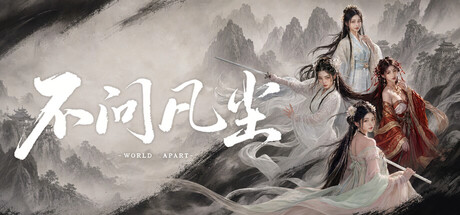
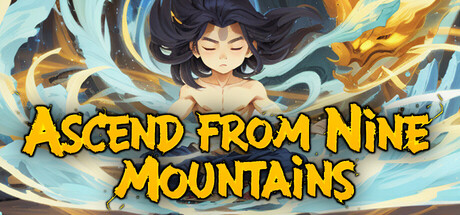
Some or all character illustrations, background scenes, visual assets, story content, character dialogue, voice content, and background music were created or assisted using generative AI technologies during development. All such content was reviewed, refined, and integrated into the final version of the game by the development team.
The art and music assets in this game were created with the assistance of generative AI technology.
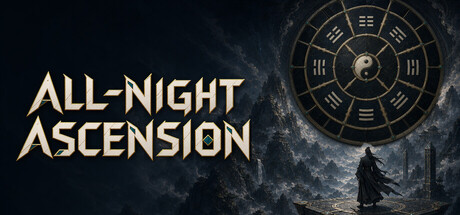
As a registered architect in my day job, I am used to using tools like CAD to aid my designs. In game development, AI plays the exact same role—it is a tool, but the soul of the design comes from the human creator. I do not allow any rough, unpolished assets into my game. Therefore, all AI-generated content has gone through my strict "manual inspection": rigorous prompt tuning, meticulous manual overpainting, and audio trimming. I carefully polish every visual and auditory "brick" to build the perfect cultivation world, pouring my true craftsmanship entirely into the core "Eight Trigrams Array" deck-building experience.
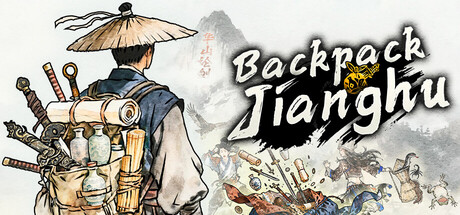
Game art assets are generated using AI tools to create initial concept art, which is then manually adjusted and modified by artists. The final works combine AI-generated foundational designs with human artistic revisions.
Some dynamic art assets are assisted in their creation by AI tools.
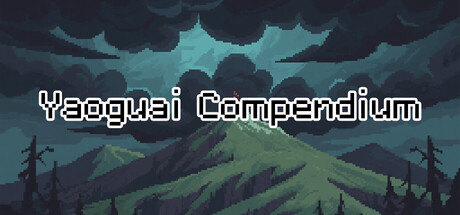
The developer used generative AI tools to assist in creating some of the game's visual assets (such as certain background environments, UI elements, or base sketches for character portraits). All AI-generated assets have been strictly reviewed, manually edited, and pixel-refined by the developer to ensure they fully align with the game's overall retro art style and world-building.
I applied AI technology to character illustrations and game scenes. However, on this basis, I also carried out manual secondary refinement—the AI-generated assets were not used directly.
Besides, apart from the content mentioned above, all other parts of the game are originally created manually and no AI was employed in their production.
I use AI to assist in generating pre-rendered game assets, store page copy, and some marketing and community materials to improve production efficiency and quality. However, all AI-generated content is carefully reviewed and edited by humans to ensure it aligns with the game's style and brand identity.
Game art assets are generated using AI tools to create initial concept art, which is then manually adjusted and modified by artists. The final works combine AI-generated foundational designs with human artistic revisions.
Some dynamic art assets are assisted in their creation by AI tools.
I use Deepseek to generate AI dialogues in character dialogues in the game, but the story background is my own original creation. Others did not use AI
In our game, AI is used to generate pre-rendered content, specifically for creating descriptive texts for in-game items. These AI-generated descriptions provide detailed explanations, lore, and attributes for various game elements such as weapons, potions, and resources. All AI-generated content is finalized and embedded into the game during development, ensuring that no dynamic AI processes are run during gameplay.
- AI voice generation tools were used to create pre-generated character voice lines for in-game dialogue.
- AI translation tools were used during development to create draft localization text for languages other than Arabic and English. These draft translations are included in the demo as AI-assisted draft localizations for UI, font, and text-length testing, and to help evaluate requirements for possible future professional human localization.
This game contains pre-generated content created with the assistance of generative artificial intelligence (AI).
Some or all character illustrations, background scenes, visual assets, story content, character dialogue, voice content, and background music were created or assisted using generative AI technologies during development. All such content was reviewed, refined, and integrated into the final version of the game by the development team.
The art and music assets in this game were created with the assistance of generative AI technology.
As a registered architect in my day job, I am used to using tools like CAD to aid my designs. In game development, AI plays the exact same role—it is a tool, but the soul of the design comes from the human creator. I do not allow any rough, unpolished assets into my game. Therefore, all AI-generated content has gone through my strict "manual inspection": rigorous prompt tuning, meticulous manual overpainting, and audio trimming. I carefully polish every visual and auditory "brick" to build the perfect cultivation world, pouring my true craftsmanship entirely into the core "Eight Trigrams Array" deck-building experience.
Game art assets are generated using AI tools to create initial concept art, which is then manually adjusted and modified by artists. The final works combine AI-generated foundational designs with human artistic revisions.
Some dynamic art assets are assisted in their creation by AI tools.
The developer used generative AI tools to assist in creating some of the game's visual assets (such as certain background environments, UI elements, or base sketches for character portraits). All AI-generated assets have been strictly reviewed, manually edited, and pixel-refined by the developer to ensure they fully align with the game's overall retro art style and world-building.
I applied AI technology to character illustrations and game scenes. However, on this basis, I also carried out manual secondary refinement—the AI-generated assets were not used directly.
Besides, apart from the content mentioned above, all other parts of the game are originally created manually and no AI was employed in their production.
I use AI to assist in generating pre-rendered game assets, store page copy, and some marketing and community materials to improve production efficiency and quality. However, all AI-generated content is carefully reviewed and edited by humans to ensure it aligns with the game's style and brand identity.
Game art assets are generated using AI tools to create initial concept art, which is then manually adjusted and modified by artists. The final works combine AI-generated foundational designs with human artistic revisions.
Some dynamic art assets are assisted in their creation by AI tools.
I use Deepseek to generate AI dialogues in character dialogues in the game, but the story background is my own original creation. Others did not use AI
In our game, AI is used to generate pre-rendered content, specifically for creating descriptive texts for in-game items. These AI-generated descriptions provide detailed explanations, lore, and attributes for various game elements such as weapons, potions, and resources. All AI-generated content is finalized and embedded into the game during development, ensuring that no dynamic AI processes are run during gameplay.
- AI voice generation tools were used to create pre-generated character voice lines for in-game dialogue.
- AI translation tools were used during development to create draft localization text for languages other than Arabic and English. These draft translations are included in the demo as AI-assisted draft localizations for UI, font, and text-length testing, and to help evaluate requirements for possible future professional human localization.