Public Steam disclosure research25,497 disclosures tracked
Where do games disclose AI use?
Search developers’ Steam disclosures, compare classified AI use across
games, and follow recorded changes.
This index adds cross-game classifications and statistics to
statements published on individual store pages.
Groups reflect automatic analysis of public disclosures; mature records are excluded. These counts do not measure AI use across all of Steam.
Missing or unclear statements cannot establish whether a game uses AI.
Some visual assets (such as store page graphics, backgrounds, and UI elements) and the localization/translation of the game's user interface were created with the assistance of generative AI tools. All core gameplay mechanics and code are strictly human-made, and no live AI content generation occurs during gameplay
AI is used to help translate the game's text into the supported languages. All translations are reviewed before release. No AI-generated art, audio, or music.
Mancalero is an iterative work still in development. Some AI elements that may remain include code, SFX, visual effects, text and translations (once implemented).
Generative AI tools were used during development for technical planning, system architecture, building custom systems, code cleanup, and similar engineering support.
Some current pre-release visual/model assets are AI-generated placeholders. These are intended to be replaced with final authored assets before release.
Some of the playable character and enemy models currently in the game were made with help from generative AI tools. I’m still working on these assets during development, and some or all of them may be replaced before release. I’ll update this disclosure if that changes.
Some in-game images and user interface (UI) elements were created with generative AI assistance, then reviewed and edited by our team for use in the game and store materials.
Generative AI was used only for a small portion of the game's visual and marketing materials, which were subsequently refined by the developer. The overwhelming majority of graphics and content were created manually or obtained from licensed sources.
Some promotional images on the Steam store page and selected in-game UI images were created or assisted using generative AI, then reviewed and edited by the development team before use.
This game uses AI-generated content, including art, music, code, and some narrative text. All AI-generated content has been reviewed, selected, edited, and integrated by the developer.
The overall concept, system design, content structure, debugging, and final quality control were completed independently by the developer.
As a small indie team of 3 developers, we utilized AI technologies as a supplementary tool in highly specific areas to optimize our development pipeline and deliver a more immersive experience:
Voice Acting: The character voice-overs in the game were generated using AI-assisted voice models.
Concept Art: For the portrait designs appearing after the 2nd planet, AI was used strictly during the initial concept and ideation phase. All final assets were carefully refined and finalized by us to ensure strict visual consistency and match our artistic vision.
Beyond these specific use cases, all programming, core game design, narrative, and primary in-game assets were handcrafted by our team. The game does not feature any live-generated AI content, and player safety/experience is fully controlled.
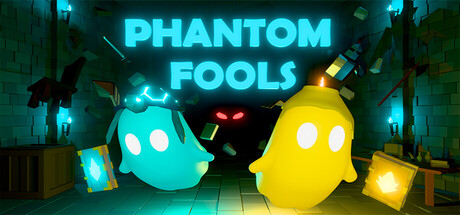
Generative AI was used during the development of Phantom Fools as a helper tool. It was used for some images, sound effects, music, and small parts of code. The 3D models, animations, most of the code, and the main game design were made by the developers without generative AI. Everything made with AI was checked, edited, and added to the game manually.
The game does not use generative AI during gameplay. No live AI-generated content is shown to players.
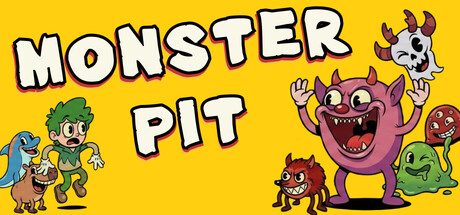
Monster Pit features handcrafted assets created by talented artists, musicians, and creators from the indie community. AI image generation tools were used during prototyping and stylization to keep the overall visual direction together.
Static art assets (store-page capsules, in-game card art, in-game icons) and audio placeholders are generated via Replicate (Google Nano Banana Pro for image, Lyria-2 / AudioGen for audio) using human-authored prompts. Outputs are reviewed by the developer before shipping. No live AI generation occurs during gameplay; all assets are baked at build time.
I would like to pay for human assets, but I am moving fast. In the same way that AI turned 12 months of dev time into 2, it also affected how I skinned the MVP. This is best for communicating intention, and I can polish it with human art if there is traction.
Some artwork used on this game's store page and in promotional materials, as well as certain in-game art assets, was created with the assistance of generative AI tools. All AI-assisted content was reviewed and curated by the developer.
Current store artwork, in-game loading screen images, and background music were created with assistance from generative AI tools. These assets were manually reviewed and edited by the development team.
Some assets included in this game were created with generative AI including some sound effects, background music, character sprites, background sprites, and the intro trailer that plays when launching the game.
This project's entire graphic asset collection (all sprites) and all code is entirely generated by AI. It has been assembled and tweaked by the creator, but otherwise is 95% AI generated. This is purposeful and was intended to test some limits of Claude and GPT5.
Some images in the game are AI-assisted assets that have been carefully edited and refined by me. The artwork is a blend of self-designed visuals and AI-generated elements, with adjustments made to harmonize color patterns.
Some art assets are generative and some are not. Many assets were purchased and then updated with generative AI in order to look different from the original purchased assets. We would love to change these out for custom art if the game does well.
This game uses generative AI tools during development to assist with the creation of certain art assets and some repetitive development tasks. All content is manually designed, reviewed, selected, and integrated by the developer.
Some 2D art assets in this game such as certain UI elements, background and map imagery, and loading screens were created with the help of generative AI tools.
Generative AI was used to create the original images for the relics, the talismans, and zodiacs. We also used generative AI when writing the game's code.
I created this game in my coding class for school which prioritizes AI coding and development. I have coded a significant portion of this game using artificial tools.
Artificial Intelligence was used to generate concept art and placeholder music during the development phase. These assets are currently used as temporary measures until the project secures enough funding to commission professional human artists.
During development, we may use AI-assisted tools to prototype and iterate on content.
All assets in the final game are reviewed, refined, or recreated by our team.
If you spot something that looks like an unfinished AI placeholder, please let us know - we take that seriously.
This game includes pre-generated content made with the assistance of generative AI tools, including some visual assets, audio/sound effects, text, localization, and other production materials. AI tools were also used during development to support programming and production workflows. All AI-assisted content included in the game has been manually reviewed and refined by the development team. The game does not generate AI content during gameplay.
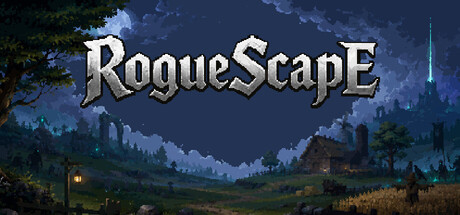
RogueScape may use generative AI tools as part of the development workflow, primarily to assist with programming, debugging, prototyping, workflow automation, and occasional asset or copy iteration. Any AI-assisted content used in the game, store page, or related marketing materials is reviewed, edited, and approved by the developer before publication.
Some visual assets (such as store page graphics, backgrounds, and UI elements) and the localization/translation of the game's user interface were created with the assistance of generative AI tools. All core gameplay mechanics and code are strictly human-made, and no live AI content generation occurs during gameplay
AI is used to help translate the game's text into the supported languages. All translations are reviewed before release. No AI-generated art, audio, or music.
Mancalero is an iterative work still in development. Some AI elements that may remain include code, SFX, visual effects, text and translations (once implemented).
Generative AI tools were used during development for technical planning, system architecture, building custom systems, code cleanup, and similar engineering support.
Some current pre-release visual/model assets are AI-generated placeholders. These are intended to be replaced with final authored assets before release.
Some of the playable character and enemy models currently in the game were made with help from generative AI tools. I’m still working on these assets during development, and some or all of them may be replaced before release. I’ll update this disclosure if that changes.
Some in-game images and user interface (UI) elements were created with generative AI assistance, then reviewed and edited by our team for use in the game and store materials.
Generative AI was used only for a small portion of the game's visual and marketing materials, which were subsequently refined by the developer. The overwhelming majority of graphics and content were created manually or obtained from licensed sources.
Some promotional images on the Steam store page and selected in-game UI images were created or assisted using generative AI, then reviewed and edited by the development team before use.
This game uses AI-generated content, including art, music, code, and some narrative text. All AI-generated content has been reviewed, selected, edited, and integrated by the developer.
The overall concept, system design, content structure, debugging, and final quality control were completed independently by the developer.
As a small indie team of 3 developers, we utilized AI technologies as a supplementary tool in highly specific areas to optimize our development pipeline and deliver a more immersive experience:
Voice Acting: The character voice-overs in the game were generated using AI-assisted voice models.
Concept Art: For the portrait designs appearing after the 2nd planet, AI was used strictly during the initial concept and ideation phase. All final assets were carefully refined and finalized by us to ensure strict visual consistency and match our artistic vision.
Beyond these specific use cases, all programming, core game design, narrative, and primary in-game assets were handcrafted by our team. The game does not feature any live-generated AI content, and player safety/experience is fully controlled.
Generative AI was used during the development of Phantom Fools as a helper tool. It was used for some images, sound effects, music, and small parts of code. The 3D models, animations, most of the code, and the main game design were made by the developers without generative AI. Everything made with AI was checked, edited, and added to the game manually.
The game does not use generative AI during gameplay. No live AI-generated content is shown to players.
Monster Pit features handcrafted assets created by talented artists, musicians, and creators from the indie community. AI image generation tools were used during prototyping and stylization to keep the overall visual direction together.
Static art assets (store-page capsules, in-game card art, in-game icons) and audio placeholders are generated via Replicate (Google Nano Banana Pro for image, Lyria-2 / AudioGen for audio) using human-authored prompts. Outputs are reviewed by the developer before shipping. No live AI generation occurs during gameplay; all assets are baked at build time.
I would like to pay for human assets, but I am moving fast. In the same way that AI turned 12 months of dev time into 2, it also affected how I skinned the MVP. This is best for communicating intention, and I can polish it with human art if there is traction.
Some artwork used on this game's store page and in promotional materials, as well as certain in-game art assets, was created with the assistance of generative AI tools. All AI-assisted content was reviewed and curated by the developer.
Current store artwork, in-game loading screen images, and background music were created with assistance from generative AI tools. These assets were manually reviewed and edited by the development team.
Some assets included in this game were created with generative AI including some sound effects, background music, character sprites, background sprites, and the intro trailer that plays when launching the game.
This project's entire graphic asset collection (all sprites) and all code is entirely generated by AI. It has been assembled and tweaked by the creator, but otherwise is 95% AI generated. This is purposeful and was intended to test some limits of Claude and GPT5.
Some images in the game are AI-assisted assets that have been carefully edited and refined by me. The artwork is a blend of self-designed visuals and AI-generated elements, with adjustments made to harmonize color patterns.
Some art assets are generative and some are not. Many assets were purchased and then updated with generative AI in order to look different from the original purchased assets. We would love to change these out for custom art if the game does well.
This game uses generative AI tools during development to assist with the creation of certain art assets and some repetitive development tasks. All content is manually designed, reviewed, selected, and integrated by the developer.
Some 2D art assets in this game such as certain UI elements, background and map imagery, and loading screens were created with the help of generative AI tools.
Generative AI was used to create the original images for the relics, the talismans, and zodiacs. We also used generative AI when writing the game's code.
I created this game in my coding class for school which prioritizes AI coding and development. I have coded a significant portion of this game using artificial tools.
Artificial Intelligence was used to generate concept art and placeholder music during the development phase. These assets are currently used as temporary measures until the project secures enough funding to commission professional human artists.
During development, we may use AI-assisted tools to prototype and iterate on content.
All assets in the final game are reviewed, refined, or recreated by our team.
If you spot something that looks like an unfinished AI placeholder, please let us know - we take that seriously.
This game includes pre-generated content made with the assistance of generative AI tools, including some visual assets, audio/sound effects, text, localization, and other production materials. AI tools were also used during development to support programming and production workflows. All AI-assisted content included in the game has been manually reviewed and refined by the development team. The game does not generate AI content during gameplay.
RogueScape may use generative AI tools as part of the development workflow, primarily to assist with programming, debugging, prototyping, workflow automation, and occasional asset or copy iteration. Any AI-assisted content used in the game, store page, or related marketing materials is reviewed, edited, and approved by the developer before publication.