Public Steam disclosure research25,497 disclosures tracked
Where do games disclose AI use?
Search developers’ Steam disclosures, compare classified AI use across
games, and follow recorded changes.
This index adds cross-game classifications and statistics to
statements published on individual store pages.
Groups reflect automatic analysis of public disclosures; mature records are excluded. These counts do not measure AI use across all of Steam.
Missing or unclear statements cannot establish whether a game uses AI.
Generative AI may be used during the development of AIRPORT 7 for development assistance, brainstorming, and creating or refining certain development-related content. AI-generated content is reviewed and edited by the developer before being included in the game. The game does not use generative AI to generate content for players during gameplay.
Generative AI is used to assist in the creation of character illustrations, icons, backgrounds, and other 2D artwork. All AI-generated assets are reviewed, edited, and refined by the developer to ensure they fit the game's content and quality standards.
Text in languages other than Japanese is translated using generative AI, then reviewed by the developer before being included in the game.
Were used during development to assist with selected visual asset workflows.
All final assets were reviewed, edited, optimized, and manually integrated by the developer.
Artificial intelligence has been used solely to generate certain 2D icons used in the game's menus, such as icons for weapon upgrades, artifacts, and similar elements.
AI has not been used under any circumstances to generate 3D models, user interfaces, in-game menus, weapons, enemies, environments, animations, VFX, or any other playable content or assets.
The use of AI is strictly limited to specific 2D icons of a visual and informational nature within the interface.
This game uses pre-generated AI-assisted artwork for characters, scene backgrounds, and store promotional assets. All AI-generated content was created before release. No content is generated by AI during gameplay, and the game does not connect to external AI services.
AI assistance was used to edit and localize the Steam store text and to help select, crop, and composite developer-captured gameplay screenshots and recordings with the developer-provided JANJARA logo for store capsules, library artwork, client icons, and the trailer. No synthetic gameplay imagery or audio was generated, and the game does not generate AI content during play.
Generative AI tools were used to support the creation and iteration of some visual assets and development-related content. All final assets are reviewed, edited, and selected by the developer before being included in the game or promotional materials. The game does not generate AI content live during gameplay.
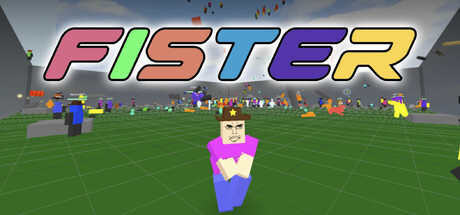
"This game's code, including the level and cosmetics editors, are all AI-generated.
The maps and music are not AI-generated.
Some cosmetics may be AI-generated, but most are not."
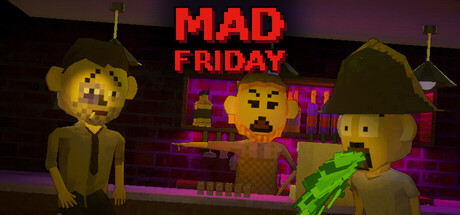
Mad Friday is made by one person. The art, animation, design and code are all mine, made by hand. A few background music tracks are licensed royalty-free assets produced with a generative music model. All audio is pre-generated and shipped with the build; nothing is generated at runtime.
Some 2D visual assets were created with assistance from generative AI, then manually edited and polished by the developer. No AI-generated content is created during gameplay.
Generative AI tools were used during development to assist with prototyping and writing portions of the game's code and Blueprint logic. AI-generated images were also used as source material for some Niagara visual effects. All AI-assisted content was reviewed, modified, and integrated by the development team.
Generative AI tools were used to assist in the creation and refinement of some visual assets, including illustrations, user interface elements, and marketing materials.
Some visual assets in this game — including character portraits, illustrations, and marketing images — were created with the assistance of generative AI tools. All AI-generated material was reviewed, edited, and finalized by the developer. No AI content is generated during gameplay.
Some pre-generated visual and audio assets in AI Startup Simulator were created with the assistance of generative AI tools during development. This includes in-game desktop wallpapers, images used in vision-related tasks, and instrumental music loops for minigames. These assets were reviewed, edited, and integrated by the development team before release. The game does not use live generative AI and does not generate content with AI during gameplay.
Some of the art assets in this work are created using Image2.5, including but not limited to partial store page images, in-game scene graphics, loading screens, and select item icons.
Generative AI tools were used during development to assist with creating select pre-generated 3D base models, 2D promotional/marketing art, and drafting portions of the source code
All animations (sourced and configured via Mixamo), level design, environmental layouts, physics tuning, core game logic, and overall gameplay systems were manually designed, built, and integrated by the development team
The game does not generate any live AI content at runtime
All AI-assisted assets and code have been manually reviewed, curated, and tested to ensure stability, quality, and full compliance with copyright and intellectual property standards
Generative AI was used to help translate the game's text and store page into other languages. It was not used to create any of the artwork, audio, or code in the game.
Generative AI tools were used during development to assist with refining some text, code, and images. Some in-game textures were also generated using AI. All AI-assisted content was reviewed, edited, and integrated by the developer. The game does not generate AI content during gameplay.
NABERON uses generative AI tools in the creation of some of its assets.
3D models and textures were generated with Meshy, then reworked, retextured
and assembled by hand for the game. Music was generated with Suno, and part
of the sound effects with ElevenLabs. Some store page artwork, including the
logo, was created with AI image tools.
All generated content was reviewed, edited and approved by the developer
before it shipped. The game does not generate any content live while you
play — nothing is created at runtime.
This game uses generative AI tools in a few areas: some 2D art assets (such as the main menu background, title logo, and UI icons), some background music and sound effects, and the drafting and translation of store page text. All AI-generated content was reviewed and edited by the developer to ensure quality and appropriate use.
As a solo developer, I utilize AI to amplify my outputs. Although I never rely on or depend on the AI to do the work, it is a tool much like this computer that I am typing on, the creativity is still up to us to use it correctly. No content is generated during play.
Generative AI was used to create certain promotional artwork for the Steam store page, including capsule images and the community icon. These assets were reviewed and edited by the developer. The game itself does not contain AI-generated artwork, audio, narrative, localization, or live-generated AI content.
This is a temporary placeholder poster. They will be removed before release and replaced with hand-drawn illustrations. Currently, I'm the only programmer working on the game. Closer to release, I'll be hiring an artist to collaborate on the game.
Generative artificial intelligence (AI) was used to create some audio and visual assets, portions of the game code, Steam store page copy, and localized content. No AI-generated content is created in real time during gameplay.
Generative AI tools were used during development as part of the production workflow for pre-generated visual, 3D, audio, written, and localization content included in the game. All final content was selected, reviewed, edited, adapted, and integrated as part of the game's development process. No generative AI systems run during gameplay and no content is generated dynamically for players.
The game's art, code and marketing assets (store images and in-game graphics) were created during development with the assistance of generative AI tools. All AI-assisted content is pre-rendered and was reviewed by the developer before shipping. The game does not generate any content with AI at runtime.
The game's logo and main capsule assets were generated using artificial intelligence tools (e.g., [Gemini]). We retain full rights to the resulting images and they have been human-edited for the final version.
Generative AI has been used as a supplementary tool in the creation of some art assets and UI elements included in this game. AI has also been used to assist with some text creation and localization.
AI-generated or AI-assisted content is reviewed by the developer and edited or adjusted by hand as needed. Generative AI is used only as a tool to support the development process, while careful attention is given to the overall quality, consistency, and atmosphere of the game.
Generative AI tools were used during the development of this game to assist in creating selected pre-generated content, including images and illustrations, character visuals, 3D characters, models and assets, textures, cinematic videos, narration and voice elements, soundtrack/music, and selected textual or narrative content. All AI-assisted content was reviewed, selected, edited, and integrated by the developer before being included in the final game. Generative AI is not used to create content or code during gameplay.
Generative AI was used to help create some of the store page marketing images and some of the game's music tracks, which are used as in-game content (the songs players perform to during gameplay). No generative AI is used to generate images or text within the game itself all in-game visuals and text are handcrafted.
This game uses generative AI tools in parts of its development process.
Code: Some of the game's code was written with AI assistance. All generated code has been reviewed, tested, and integrated by the developer.
Audio: Some sound effects and voice lines may be generated or processed using AI tools.
Visual assets: The game primarily uses licensed asset packs and hand-authored materials. Where AI tools were used, it was for texture variation and iteration on existing licensed assets.
No AI-generated content is created live during gameplay. All content is fixed and reviewed before release.
Some of the game model mesh are crafted with AI Support, we have 1 artist creating toy design and 1 model artist to craft model of our own design. AI is used to help edit some of the model.
Some of this game's 2D graphics — including UI icons, part icons and mission cards — were created ahead of time with the help of AI image generation tools. Every generated asset was reviewed, selected and adjusted by the developer before being included.
No content is generated by AI while the game is running. The 3D models, stages, effects and all game logic were produced by scripts and by hand, not by AI.
Generative AI may be used during the development of AIRPORT 7 for development assistance, brainstorming, and creating or refining certain development-related content. AI-generated content is reviewed and edited by the developer before being included in the game. The game does not use generative AI to generate content for players during gameplay.
Generative AI is used to assist in the creation of character illustrations, icons, backgrounds, and other 2D artwork. All AI-generated assets are reviewed, edited, and refined by the developer to ensure they fit the game's content and quality standards.
Text in languages other than Japanese is translated using generative AI, then reviewed by the developer before being included in the game.
Were used during development to assist with selected visual asset workflows.
All final assets were reviewed, edited, optimized, and manually integrated by the developer.
Artificial intelligence has been used solely to generate certain 2D icons used in the game's menus, such as icons for weapon upgrades, artifacts, and similar elements.
AI has not been used under any circumstances to generate 3D models, user interfaces, in-game menus, weapons, enemies, environments, animations, VFX, or any other playable content or assets.
The use of AI is strictly limited to specific 2D icons of a visual and informational nature within the interface.
This game uses pre-generated AI-assisted artwork for characters, scene backgrounds, and store promotional assets. All AI-generated content was created before release. No content is generated by AI during gameplay, and the game does not connect to external AI services.
AI assistance was used to edit and localize the Steam store text and to help select, crop, and composite developer-captured gameplay screenshots and recordings with the developer-provided JANJARA logo for store capsules, library artwork, client icons, and the trailer. No synthetic gameplay imagery or audio was generated, and the game does not generate AI content during play.
Generative AI tools were used to support the creation and iteration of some visual assets and development-related content. All final assets are reviewed, edited, and selected by the developer before being included in the game or promotional materials. The game does not generate AI content live during gameplay.
"This game's code, including the level and cosmetics editors, are all AI-generated.
The maps and music are not AI-generated.
Some cosmetics may be AI-generated, but most are not."
Mad Friday is made by one person. The art, animation, design and code are all mine, made by hand. A few background music tracks are licensed royalty-free assets produced with a generative music model. All audio is pre-generated and shipped with the build; nothing is generated at runtime.
Some 2D visual assets were created with assistance from generative AI, then manually edited and polished by the developer. No AI-generated content is created during gameplay.
Generative AI tools were used during development to assist with prototyping and writing portions of the game's code and Blueprint logic. AI-generated images were also used as source material for some Niagara visual effects. All AI-assisted content was reviewed, modified, and integrated by the development team.
Generative AI tools were used to assist in the creation and refinement of some visual assets, including illustrations, user interface elements, and marketing materials.
Some visual assets in this game — including character portraits, illustrations, and marketing images — were created with the assistance of generative AI tools. All AI-generated material was reviewed, edited, and finalized by the developer. No AI content is generated during gameplay.
Some pre-generated visual and audio assets in AI Startup Simulator were created with the assistance of generative AI tools during development. This includes in-game desktop wallpapers, images used in vision-related tasks, and instrumental music loops for minigames. These assets were reviewed, edited, and integrated by the development team before release. The game does not use live generative AI and does not generate content with AI during gameplay.
Some of the art assets in this work are created using Image2.5, including but not limited to partial store page images, in-game scene graphics, loading screens, and select item icons.
Generative AI tools were used during development to assist with creating select pre-generated 3D base models, 2D promotional/marketing art, and drafting portions of the source code
All animations (sourced and configured via Mixamo), level design, environmental layouts, physics tuning, core game logic, and overall gameplay systems were manually designed, built, and integrated by the development team
The game does not generate any live AI content at runtime
All AI-assisted assets and code have been manually reviewed, curated, and tested to ensure stability, quality, and full compliance with copyright and intellectual property standards
Generative AI was used to help translate the game's text and store page into other languages. It was not used to create any of the artwork, audio, or code in the game.
Generative AI tools were used during development to assist with refining some text, code, and images. Some in-game textures were also generated using AI. All AI-assisted content was reviewed, edited, and integrated by the developer. The game does not generate AI content during gameplay.
NABERON uses generative AI tools in the creation of some of its assets.
3D models and textures were generated with Meshy, then reworked, retextured
and assembled by hand for the game. Music was generated with Suno, and part
of the sound effects with ElevenLabs. Some store page artwork, including the
logo, was created with AI image tools.
All generated content was reviewed, edited and approved by the developer
before it shipped. The game does not generate any content live while you
play — nothing is created at runtime.
This game uses generative AI tools in a few areas: some 2D art assets (such as the main menu background, title logo, and UI icons), some background music and sound effects, and the drafting and translation of store page text. All AI-generated content was reviewed and edited by the developer to ensure quality and appropriate use.
As a solo developer, I utilize AI to amplify my outputs. Although I never rely on or depend on the AI to do the work, it is a tool much like this computer that I am typing on, the creativity is still up to us to use it correctly. No content is generated during play.
Generative AI was used to create certain promotional artwork for the Steam store page, including capsule images and the community icon. These assets were reviewed and edited by the developer. The game itself does not contain AI-generated artwork, audio, narrative, localization, or live-generated AI content.
This is a temporary placeholder poster. They will be removed before release and replaced with hand-drawn illustrations. Currently, I'm the only programmer working on the game. Closer to release, I'll be hiring an artist to collaborate on the game.
Generative artificial intelligence (AI) was used to create some audio and visual assets, portions of the game code, Steam store page copy, and localized content. No AI-generated content is created in real time during gameplay.
Generative AI tools were used during development as part of the production workflow for pre-generated visual, 3D, audio, written, and localization content included in the game. All final content was selected, reviewed, edited, adapted, and integrated as part of the game's development process. No generative AI systems run during gameplay and no content is generated dynamically for players.
The game's art, code and marketing assets (store images and in-game graphics) were created during development with the assistance of generative AI tools. All AI-assisted content is pre-rendered and was reviewed by the developer before shipping. The game does not generate any content with AI at runtime.
The game's logo and main capsule assets were generated using artificial intelligence tools (e.g., [Gemini]). We retain full rights to the resulting images and they have been human-edited for the final version.
Generative AI has been used as a supplementary tool in the creation of some art assets and UI elements included in this game. AI has also been used to assist with some text creation and localization.
AI-generated or AI-assisted content is reviewed by the developer and edited or adjusted by hand as needed. Generative AI is used only as a tool to support the development process, while careful attention is given to the overall quality, consistency, and atmosphere of the game.
Generative AI tools were used during the development of this game to assist in creating selected pre-generated content, including images and illustrations, character visuals, 3D characters, models and assets, textures, cinematic videos, narration and voice elements, soundtrack/music, and selected textual or narrative content. All AI-assisted content was reviewed, selected, edited, and integrated by the developer before being included in the final game. Generative AI is not used to create content or code during gameplay.
Generative AI was used to help create some of the store page marketing images and some of the game's music tracks, which are used as in-game content (the songs players perform to during gameplay). No generative AI is used to generate images or text within the game itself all in-game visuals and text are handcrafted.
This game uses generative AI tools in parts of its development process.
Code: Some of the game's code was written with AI assistance. All generated code has been reviewed, tested, and integrated by the developer.
Audio: Some sound effects and voice lines may be generated or processed using AI tools.
Visual assets: The game primarily uses licensed asset packs and hand-authored materials. Where AI tools were used, it was for texture variation and iteration on existing licensed assets.
No AI-generated content is created live during gameplay. All content is fixed and reviewed before release.
Some of the game model mesh are crafted with AI Support, we have 1 artist creating toy design and 1 model artist to craft model of our own design. AI is used to help edit some of the model.
Some of this game's 2D graphics — including UI icons, part icons and mission cards — were created ahead of time with the help of AI image generation tools. Every generated asset was reviewed, selected and adjusted by the developer before being included.
No content is generated by AI while the game is running. The 3D models, stages, effects and all game logic were produced by scripts and by hand, not by AI.